- LET'S PLAN YOUR SAFARI
- +256 200 921 002
- +256 793 194 703
- info@pickandtransfersafaris.com

Gorilla trek from Rwanda
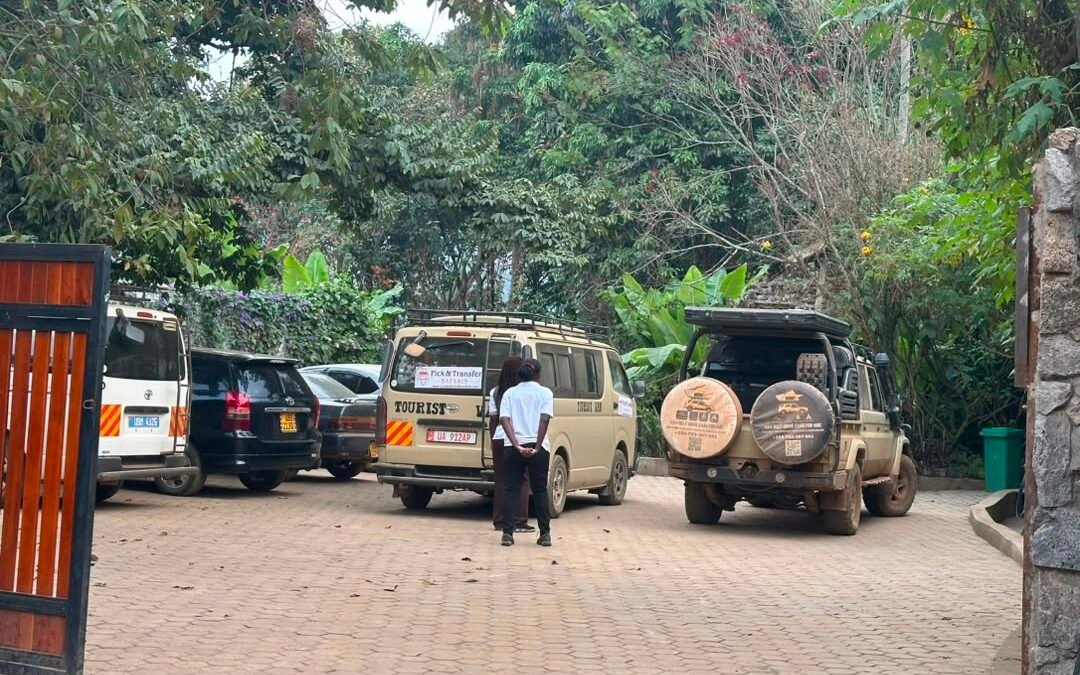
Gorilla trek from Rwanda. While much of this site focuses on crossing into Uganda for gorilla trekking, Rwanda itself is home to one of Africa’s premier gorilla trekking destinations: Volcanoes National Park, in the Virunga Mountains barely two to three hours from Kigali. For travellers who’d rather keep their entire trip within Rwanda — no border crossing, no second country’s visa, no long drive to Uganda’s parks — trekking gorillas from Rwanda is a genuinely excellent, if pricier, alternative. A Gorilla trek from Rwanda offers unique experiences you won’t find elsewhere.
This guide covers everything involved in planning a gorilla trek from Rwanda: what makes Volcanoes National Park different from Uganda’s Bwindi and Mgahinga, permit costs and booking, the drive from Kigali, what to expect on trekking day, and how to decide whether Rwanda or Uganda is the better fit for your trip. At Pick and Transfer Safaris, our 2 Days Volcanoes Gorilla Trek from Kigali and 5 Days best of Rwanda Primate Safari are both built specifically around this park, and this guide draws on what we recommend to clients choosing Rwanda over the Uganda alternatives covered elsewhere on our Gorilla Safaris pages and our broader Our Safaris overview.
When planning your Gorilla trek from Rwanda, consider the various options available to enjoy the stunning landscapes and diverse wildlife of the region.
Whether you’ve already decided Rwanda is right for you or you’re still weighing it honestly against Uganda’s lower permit costs, this guide is written to lay out the full picture — the genuine advantages Rwanda offers, the real cost trade-off involved, and exactly how to plan the trip once you’ve made your choice.
Choosing a Gorilla trek from Rwanda means selecting an experience that is rich in culture and nature.
Many visitors are drawn to a Gorilla trek from Rwanda for its accessibility and breathtaking scenery.
A Gorilla trek from Rwanda provides not only an adventure but also an opportunity to contribute to conservation efforts.
Travelers can enjoy a Gorilla trek from Rwanda while learning about the vital conservation work being done in the region.
Why Trek Gorillas in Rwanda Instead of Uganda
Rwanda and Uganda both offer world-class mountain gorilla trekking, and the choice between them comes down to a handful of genuine trade-offs rather than one country being objectively better than the other.
With a Gorilla trek from Rwanda, you can experience the majesty of these incredible creatures in their natural habitat.
Rwanda’s Volcanoes National Park sits just 2–3 hours from Kigali on excellent, entirely paved roads — no international border crossing required, no unpaved final approach roads, and no need to manage two countries’ visa requirements for a single trekking day. The park is compact and polished, with well-developed tourism infrastructure built up over decades, and it doubles as the base for golden monkey tracking, a popular lighter add-on. The trade-off is cost: Rwanda’s gorilla permits are considerably more expensive than Uganda’s, reflecting the country’s premium positioning in the East African tourism market.
Uganda’s Bwindi Impenetrable Forest and Mgahinga Gorilla National Park, by contrast, require a border crossing from Kigali but offer significantly lower permit costs and a larger, more genetically diverse gorilla population spread across more habituated families. For travellers specifically drawn to the simplicity and convenience of staying entirely within Rwanda — particularly those short on time or uninterested in navigating a border crossing — Volcanoes National Park is the clear choice, and this guide focuses on making that trip work well.
Volcanoes National Park: An Overview
Volcanoes National Park sits in Rwanda’s Musanze district, part of the wider Virunga Massif that spans Rwanda, Uganda, and the Democratic Republic of Congo. It’s a comparatively small, five-volcano park, but one with an outsized place in gorilla conservation history — this is where primatologist Dian Fossey conducted her pioneering research, and her former research site, Karisoke, remains a point of interest for visitors with time for the more demanding hike required to reach it.
The park currently hosts around a dozen habituated gorilla families available for daily trekking, each capped at eight visitors per day under the same standard rule that applies across both Rwanda and Uganda. Compared with Uganda’s Bwindi, Rwanda’s gorilla families are generally considered somewhat more accustomed to human visitors given the park’s longer, more concentrated tourism history, and average trekking times tend to run shorter here than in Bwindi’s denser, larger forest — though this varies considerably by family and by day.
Visiting the Dian Fossey Research Site
For travellers with a specific interest in gorilla conservation history, Volcanoes National Park offers a genuinely unique add-on unavailable anywhere in Uganda: a hike to the former Karisoke Research Centre, where primatologist Dian Fossey lived and worked for nearly two decades, and where she is buried alongside several of the gorillas she studied. This is a separate activity from the standard gorilla trek, requiring its own permit and a considerably longer, steeper hike than most trekking routes in the park.
It’s a demanding but genuinely moving addition for travellers with a real interest in the history behind modern gorilla conservation, and — because it requires a full extra activity slot rather than fitting neatly alongside a standard trek — it’s best planned as part of a two-day or longer Volcanoes itinerary rather than added onto an already full one-day trip.
What to Pack for a Volcanoes National Park Trek
Packing for Rwanda’s volcanic terrain follows broadly the same principles as any gorilla trek, with a few adjustments worth noting for the specific conditions here.
- Sturdy, broken-in hiking boots with good ankle support, given the park’s genuinely steep volcanic slopes.
- Long trousers and a long-sleeved shirt, tucked in, to guard against stinging nettles common on the lower slopes.
- Gardening or trekking gloves for gripping vegetation on steep sections.
- A waterproof rain jacket — the Virunga’s higher elevations see rain and mist regardless of season.
- A warm layer for the cool early-morning briefing at Kinigi, which sits at a higher, cooler elevation than many Uganda trailheads.
- A daypack with a rain cover, for water, snacks, and camera gear.
- Trekking poles, either brought from home or rented at headquarters, genuinely useful on the volcanic inclines.
- Cash in US dollars or Rwandan francs for porter tips (around $15–20).
Photography Tips for Rwanda’s Volcanic Slopes
Volcanoes National Park’s terrain offers a genuinely different photographic backdrop from Uganda’s dense forest sectors — more open in places, with dramatic volcanic peaks visible from several trailheads, alongside the same dense bamboo and forest vegetation closer to where gorilla families are typically found. A mid-range zoom, roughly 70–200mm equivalent, remains the most practical single lens choice, useful both for closer gorilla encounters and for capturing the wider volcanic landscape during the hike itself.
Because Rwanda’s trekking days tend to start slightly later than Uganda’s given the shorter drive, light conditions during the trek itself can be marginally better than an equivalent early-morning Uganda trek, though flash photography remains prohibited near the gorillas regardless of location. As always, bring spare batteries and memory cards, since there’s no opportunity to recharge equipment mid-trek.
Gorilla Permits in Rwanda: Cost and Booking
Gorilla trekking permits for Volcanoes National Park are issued by the Rwanda Development Board (RDB) and currently cost around $1,500 per person — roughly double Uganda’s standard permit price, and the primary reason many budget-conscious travellers choose Uganda over Rwanda despite the added convenience Rwanda offers. The same strict cap of eight visitors per gorilla family per day applies here as in Uganda.
Because Volcanoes National Park is a compact park with a limited number of habituated families relative to demand, permits can sell out well in advance during peak season — booking two to three months ahead is a sensible minimum, with four to six months recommended for July–August and the December holiday period. Permits should be booked through a licensed operator who confirms directly with RDB, since they’re non-transferable and tied to a specific date; attempting to secure one independently at short notice is generally not advisable given how quickly Rwanda’s more limited family count can fill up.
Getting to Volcanoes National Park from Kigali
The drive from Kigali to Volcanoes National Park is, by a meaningful margin, the easiest and most scenic access route to any gorilla trekking area covered across this site. Covering roughly 2 to 3 hours on well-maintained, entirely paved roads through Rwanda’s terraced central highlands, it’s a drive worth enjoying in its own right — winding through some of the country’s most photogenic hill country, dotted with small farms and villages along the way.
Because the entire route stays within Rwanda, there’s no border crossing, no foreign visa requirement beyond what you already needed to enter Rwanda itself, and considerably more predictable timing than any of the cross-border routes into Uganda. This is the single biggest practical advantage Rwanda holds over Uganda for travellers based in Kigali: the whole round trip, including the trek itself, is genuinely achievable as a comfortable single day, without the pre-dawn starts and long driving hours a same-day Uganda trip requires.
Same-Day Trekking: Realistic in a Way Uganda Rarely Is
Given the short drive time, a one-day gorilla trek from Kigali to Volcanoes National Park is a comfortable, low-stress itinerary in a way that same-day Uganda trips generally aren’t. A reasonable departure of 5:00–6:00 am — considerably later than the 3:30–4:00 am start a comparable Uganda day trip requires — gets you to park headquarters in time for the standard 7:00–7:30 am briefing, with the trek, lunch, and return drive all comfortably completing well before evening.
That said, a two-day version, spending a night near the park, remains worth considering for travellers who’d prefer an unhurried pace, want to add golden monkey tracking the following morning, or simply value not compressing the whole experience into a single day. Our 2 Days Volcanoes Gorilla Trek from Kigali is built around exactly this more relaxed structure.
Best Time of Year to Trek at Volcanoes National Park
Gorilla trekking in Rwanda runs year-round, since gorilla families don’t migrate and permits are available every month, but seasonal timing still shapes the experience.
The dry seasons — roughly June to September and December to February — offer the firmest trekking conditions and the most reliable driving on the (already excellent) roads to the park, making them the most popular and heavily booked months. Given Rwanda’s smaller number of habituated families relative to Uganda’s Bwindi, booking well ahead during these months matters even more here — permits for popular families can sell out considerably faster in Rwanda’s more limited system than in Uganda’s larger one.
The wet seasons — roughly March to May and October to November — bring heavier rain and muddier trekking conditions on the volcanic slopes, but also quieter trails, lower lodge rates, and lush, dramatic Virunga scenery. Because Volcanoes National Park’s terrain includes genuinely steep volcanic slopes, wet-season trekking here can be physically demanding in its own particular way, even if average trekking times tend to run shorter overall than in Uganda’s Bwindi.
What Happens on a Rwanda Trekking Day
A trekking day at Volcanoes National Park follows a broadly similar structure to Uganda’s parks, with a few Rwanda-specific details worth knowing. The morning briefing at park headquarters in Kinigi includes a notably polished cultural performance by local dancers before rangers assign the day’s trekkers into groups of up to eight and distribute them to specific habituated families — a distinctive touch that’s become part of the Rwanda trekking experience in its own right.
From there, a ranger and guide lead the group toward the assigned family’s location, following trackers who set out earlier that morning. Rwanda’s average trekking times tend to be somewhat shorter than Uganda’s, though this varies considerably by family and terrain, and — as in Uganda — you’ll spend up to one hour with the gorillas once located, at the same mandated distance of roughly 7 metres, before returning to the trailhead. A trekking certificate is typically presented back at headquarters.
Golden Monkey Tracking as a Natural Add-On
Volcanoes National Park is also Rwanda’s base for golden monkey tracking, a shorter, considerably less demanding activity than gorilla trekking, typically running one to two hours and priced at a fraction of the gorilla permit cost. Golden monkeys are notably active and acrobatic, offering a genuinely different, more playful wildlife encounter than the calmer, more grounded gorilla trekking experience.
Because it’s based in the same park, golden monkey tracking pairs naturally with a gorilla trek as a second-day activity, and it’s one of the most popular reasons travellers choose our two-day Volcanoes itinerary over a compressed single-day version — it simply isn’t practical to fit both activities comfortably into one day given the early starts each requires.
A Gorilla trek from Rwanda offers an unforgettable journey filled with unique wildlife encounters and stunning views.
For many, a Gorilla trek from Rwanda represents the ultimate wildlife adventure.
When planning a Gorilla trek from Rwanda, it’s crucial to consider the best times to visit for optimal conditions.
With a Gorilla trek from Rwanda, visitors can connect with nature and contribute positively to local communities.
A Gorilla trek from Rwanda allows travelers to enjoy an immersive cultural experience while exploring the region.
Where to Stay Near Volcanoes National Park
Many travelers find that a Gorilla trek from Rwanda offers them not only a chance to see gorillas but also to experience Rwanda’s beauty.
Joining a Gorilla trek from Rwanda can lead to unforgettable moments and cherished memories.
Accommodation near Volcanoes National Park, in and around the town of Musanze, ranges from simple guesthouses to some of Africa’s most celebrated luxury lodges, several offering direct views of the Virunga volcanoes themselves. This range reflects Rwanda’s positioning as a premium gorilla trekking destination — travellers choosing Rwanda specifically for the polish and convenience it offers will generally find the accommodation options here match that expectation more consistently than in some of Uganda’s more remote trekking sectors.
Mid-range lodges are what most of our Volcanoes-focused itineraries are built around, offering a comfortable, well-run base without the highest luxury-lodge price tags, and — given how short the drive from Kigali is — some travellers even choose to stay in Kigali itself and complete a same-day round trip rather than booking a lodge near the park at all, something rarely practical for the Uganda equivalents.
Gorilla Trekking Rules and Etiquette
The same standard rules that govern gorilla trekking across the region apply equally in Rwanda.
- Maximum group size of eight visitors per gorilla family per day.
- Maximum time with the gorillas of one hour.
- Minimum distance of roughly 7 metres, though gorillas frequently close that gap on their own.
- No trekking while unwell, and no flash photography or loud voices near the gorillas.
- No eating, drinking, or smoking in the gorillas’ presence.
- Minimum age of 15, in line with RDB policy.
Rangers and guides manage every encounter closely, and following their instructions immediately is what keeps the experience safe for visitors and gorillas alike.
Health, Safety, and Travel Insurance
Standard travel health precautions for the region apply to a Rwanda gorilla trek. A yellow fever vaccination certificate is required for entry into Rwanda, and malaria prophylaxis is commonly recommended given the country’s elevation profile, though risk at Volcanoes National Park’s higher altitude is somewhat lower than in Rwanda’s lowland areas. Routine vaccinations — tetanus, hepatitis A and B, typhoid — are worth discussing with a travel clinic four to six weeks before departure.
Because mountain gorillas are vulnerable to human respiratory illness, Rwanda enforces the same no-trekking-while-unwell policy as Uganda, and travel insurance covering trekking at altitude and, ideally, permit cancellation, is worth confirming before you travel given the considerably higher cost of a Rwanda permit compared with Uganda’s.
A well-organized Gorilla trek from Rwanda enhances your travel experience with professional guides and support.
Responsible Tourism in Rwanda’s Gorilla Sector
Rwanda has built one of the most widely cited conservation-tourism success stories in Africa around its gorilla trekking programme, reinvesting a substantial share of permit revenue directly into community projects surrounding Volcanoes National Park, alongside strict park protection and anti-poaching efforts. This model, more than perhaps anywhere else in the region, is often credited with helping grow the broader Virunga mountain gorilla population significantly over recent decades.
On a Gorilla trek from Rwanda, the chance to observe gorillas in their natural habitat is both thrilling and humbling.
A unique aspect of a Gorilla trek from Rwanda is the chance to learn about local culture and traditions.
Hiring a local porter for your trek — genuinely useful on the park’s volcanic slopes regardless of fitness level — remains one of the most direct ways an individual traveller supports that local economy, exactly as in Uganda. Respecting the standard trekking rules is what sustains this entire system, regardless of which side of the border you choose to trek on.
Cost of a Gorilla Trek from Rwanda
The largest single cost of a Rwanda gorilla trek is the permit itself, at roughly $1,500 per person — considerably more than Uganda’s equivalent, and the central trade-off travellers weigh when choosing between the two countries. Ground transport from Kigali is comparatively modest given the short, entirely paved drive, typically adding well under $100–150 per person for a shared vehicle. Accommodation, where needed for a two-day itinerary, ranges from budget guesthouses in Musanze to some of the region’s most expensive luxury lodges.
For a standard two-day Volcanoes itinerary from Kigali, including permit, transport, and one night’s accommodation, expect an all-in total in the region of $1,700–$2,200 per person — meaningfully higher than the equivalent Uganda trip, reflecting the permit price difference above all else. A one-day version without an overnight stay brings this down modestly, though the permit remains the dominant cost regardless of itinerary length.
Rwanda vs. Uganda: A Direct Comparison
When engaging in a Gorilla trek from Rwanda, you can enjoy the magnificent landscapes that Rwanda is known for.
A Gorilla trek from Rwanda brings together breathtaking views and thrilling wildlife encounters.
Since most travellers researching a Rwanda gorilla trek are implicitly weighing it against the Uganda alternative, it’s worth a direct, honest comparison. On cost, Uganda wins clearly — a standard permit runs roughly $700–800 versus Rwanda’s $1,500, nearly double. On convenience, Rwanda wins clearly — no border crossing, no second visa, and a drive roughly half the length of the shortest Uganda route from Kigali. On family choice, Uganda wins — Bwindi’s Rushaga sector alone hosts eight or more habituated families compared with Rwanda’s roughly dozen spread across the whole park, though Rwanda’s families are often considered slightly more consistently accustomed to visitors given the park’s longer tourism history.
On scenery, both offer genuinely spectacular settings — Rwanda’s dramatic volcanic peaks against Uganda’s ancient, denser rainforest — and the choice here comes down to personal preference rather than a clear winner. On terrain and trekking difficulty, Rwanda’s treks tend to run somewhat shorter on average, though its volcanic slopes can be genuinely steep; Uganda’s Bwindi is generally considered the more physically demanding overall, true to its “impenetrable forest” name. On time investment, Rwanda again has the edge — a same-day round trip from Kigali is comfortable and low-stress in Rwanda, while the equivalent Uganda trip demands a pre-dawn departure and a considerably longer day given the border crossing and extra driving hours involved.
The honest summary: choose Rwanda if convenience, shorter travel time, and a polished, well-established tourism experience matter more to you than cost; choose Uganda — specifically Bwindi’s Rushaga sector, covered in our Kigali-to-Rushaga guide — if permit cost and family variety matter more than the extra hours of driving and the border crossing involved. For an independent perspective comparing both countries directly, Kenlink Tours also publish a useful side-by-side breakdown worth reading alongside this guide.
Ultimately, a Gorilla trek from Rwanda is not just an adventure, it’s a way to connect with the heart of Africa.
Opting for a Gorilla trek from Rwanda means embarking on an exceptional journey filled with rich biodiversity.
Combining a Rwanda Gorilla Trek with Other Experiences
With a Gorilla trek from Rwanda, you will have the opportunity to appreciate the region’s natural beauty up close.
Your Gorilla trek from Rwanda promises a unique blend of adventure and cultural insight.
Because Volcanoes National Park sits so close to Kigali, it combines naturally with a broader Rwanda-focused itinerary rather than requiring a border crossing to add variety to your trip. Akagera National Park, in Rwanda’s east, offers a genuine Big Five savannah safari experience — a striking contrast to the Virunga’s volcanic highland scenery — and pairs well with a gorilla trek for travellers wanting both primate and classic safari wildlife within a single country. Nyungwe Forest National Park, in Rwanda’s southwest, adds chimpanzee tracking and a well-regarded canopy walkway, extending the primate theme of your trip without crossing into Uganda at all.
Our 5 Days best of Rwanda Primate Safari combines Volcanoes gorillas with Akagera’s savannah wildlife in a single well-paced week, while our 3 Days Rwanda Gorilla Tracking and Cultural Tour pairs the trek with cultural experiences closer to Kigali for travellers with a shorter window. A stop in Kigali City itself, whether before or after your trek, rounds out most Rwanda-based itineraries well, particularly given how consistently well-rated the city is among East African capitals for safety, cleanliness, and dining.
Choosing to go on a Gorilla trek from Rwanda opens doors to extraordinary wildlife experiences.
Travelers will find that a Gorilla trek from Rwanda is a rewarding experience that combines adventure with conservation.
A Gorilla trek from Rwanda can be tailored to suit your preferences, making it a versatile option for adventurers.
Choosing the Right Operator for a Rwanda Trek
Because Rwanda’s gorilla permit represents a significant financial commitment and, like Uganda’s, is entirely non-refundable, the operator you choose matters as much here as on any cross-border Uganda itinerary. Worth confirming before booking: whether the operator books permits directly with RDB and can show confirmation once secured; whether the lodge quoted is genuinely well-located relative to Kinigi park headquarters; and whether golden monkey tracking or other add-ons are clearly itemised separately from the core gorilla permit cost, given how easily bundled pricing can obscure what you’re actually paying for each component.
At Pick and Transfer Safaris, our Rwanda-based itineraries are built around exactly this kind of transparency — get in touch with our team if you’d like help deciding between Rwanda and Uganda for your specific trip, or securing a Volcanoes National Park permit for your travel dates. For a second independent perspective on Rwanda-based operators and pricing, Kenlink Tours is worth comparing against as well.
Group Bookings for a Rwanda Gorilla Trek
Because Volcanoes National Park hosts fewer total habituated families than Uganda’s Bwindi, larger groups booking a Rwanda trek should factor in slightly less flexibility than an equivalent Uganda booking. A family or group of friends numbering more than eight will need to be split across two families regardless of destination, but with roughly a dozen families total in Rwanda compared with Bwindi’s dozens across four sectors, the margin for last-minute group bookings is generally tighter here — worth flagging group size explicitly and booking earlier than you might for an equivalent Uganda trip.
On the positive side, Rwanda’s shorter drive time makes coordinating a larger group’s logistics considerably simpler than the equivalent Uganda cross-border trip, since there’s no need to manage multiple vehicles through a border crossing or account for the additional unpredictability that adds to timing.
What’s Typically Included and Excluded
A well-packaged Rwanda gorilla trek typically includes the gorilla permit, ground transport in a vehicle with driver-guide for the Kigali-Musanze route and back, accommodation where a multi-day itinerary calls for it, park entrance fees, and pickup and drop-off at your Kigali hotel or the airport. It typically excludes international flights, travel insurance, porter and guide tips, meals not specified in the itinerary, and optional add-ons like golden monkey tracking or the Karisoke research site hike.
Given how much of the total trip cost in Rwanda is concentrated in the permit itself, it’s especially worth requesting an itemised quote from any operator, clearly separating the non-negotiable permit fee from transport, accommodation, and any optional extras — this makes it far easier to compare pricing across operators on a like-for-like basis, and to understand exactly where any quoted savings are actually coming from.
Common Mistakes to Avoid
Assuming Rwanda’s permit price matches Uganda’s. At roughly double the cost, this is the single biggest budgeting mistake travellers make when researching a Rwanda trip after seeing Uganda’s lower headline price elsewhere.
Underestimating how quickly Rwanda’s permits sell out. With fewer habituated families than Uganda’s Bwindi, Rwanda’s most popular trekking dates can fill up faster than travellers expect — book at least two to three months ahead.
Skipping the golden monkey add-on without realising it’s available. Many travellers book a standard gorilla trek without knowing golden monkey tracking is available in the same park, missing an easy, affordable second activity.
Not comparing Rwanda against Uganda before committing. Given the significant cost difference, it’s worth genuinely weighing both options against your own priorities — convenience versus cost — rather than defaulting to whichever country you happen to research first.
Booking a lodge without confirming proximity to Kinigi headquarters. As in Uganda, lodge location relative to the morning briefing point matters considerably for a smooth trekking morning.
Frequently Asked Questions
How much does a gorilla trekking permit cost in Rwanda? Currently around $1,500 per person, roughly double Uganda’s standard permit price of $800, reflecting Rwanda’s premium positioning in the regional tourism market.
How long does it take to drive from Kigali to Volcanoes National Park? Roughly 2 to 3 hours on well-maintained, entirely paved roads — significantly shorter than any Uganda route from Kigali, and without any border crossing required.
Can I do a one-day gorilla trek in Rwanda and be back in Kigali the same day? Yes, comfortably — Rwanda’s short drive time makes a one-day round trip considerably less demanding than the equivalent Uganda itinerary.
Is Rwanda or Uganda the better choice for gorilla trekking? It depends on your priorities: Uganda offers meaningfully lower permit costs and more habituated families; Rwanda offers greater convenience, a shorter drive, and no border crossing.
Can I add golden monkey tracking to my Rwanda gorilla trek? Yes — golden monkey tracking is based in the same park and pairs naturally with a gorilla trek, particularly on a two-day itinerary that allows both activities on separate mornings.
Do I need a visa to trek gorillas in Rwanda if I’m already in Kigali? No additional visa is needed beyond what got you into Rwanda in the first place, since Volcanoes National Park sits entirely within the country and involves no border crossing.
What’s the best time of year to trek gorillas in Rwanda? The dry seasons — June to September and December to February — offer the firmest trekking conditions, though gorilla trekking runs year-round and permits are available every month.
Consider a Gorilla trek from Rwanda for a seamless experience in one of Africa’s most stunning locations.
Is Rwanda’s gorilla trekking experience easier than Uganda’s? Generally yes, in terms of average trekking distance and the shorter, simpler drive from Kigali, though Volcanoes National Park’s volcanic terrain can still be genuinely steep in places.
Can I visit the Dian Fossey research site as part of my trek? Yes, though it requires a separate permit and a considerably longer, steeper hike than the standard gorilla trek — best planned as an additional activity on a two-day or longer itinerary rather than combined with a same-day trek.
How many gorilla families are available to trek in Rwanda? Currently around a dozen habituated families across Volcanoes National Park, fewer in total than Uganda’s Bwindi but generally considered more consistently accustomed to visitors given the park’s longer tourism history.
Is it worth paying nearly double for a Rwanda permit instead of trekking in Uganda? It depends on your priorities — travellers who value convenience, a shorter drive, and avoiding a border crossing often find the extra cost worthwhile, while more budget-conscious travellers frequently choose Uganda for the same trekking experience at a lower price.
Can I combine a Rwanda gorilla trek with Akagera National Park? Yes — Akagera, in Rwanda’s east, offers a classic savannah Big Five safari experience and pairs well with a Volcanoes gorilla trek for travellers wanting to stay entirely within Rwanda while adding broader wildlife variety to their trip.
Do larger groups face more difficulty booking permits in Rwanda than in Uganda? Potentially, given Rwanda’s smaller total number of habituated families — groups larger than eight should book earlier than they might for an equivalent Uganda trip, where Bwindi’s Rushaga sector alone offers considerably more capacity.
What should I do if my preferred trekking date is sold out in Rwanda? Consider shifting to a nearby date if your schedule allows flexibility, or compare against Uganda’s Bwindi, where permit availability — particularly at the Rushaga sector — tends to be more forgiving given the larger number of habituated families spread across the park.
Finally,
A gorilla trek from Rwanda offers a genuinely different trade-off from the Uganda alternatives covered elsewhere on this site: a shorter, simpler journey and a polished, well-established park experience, in exchange for a meaningfully higher permit cost. For travellers who value convenience, want to keep their entire trip within one country, or simply have the budget to prioritise ease over cost, Volcanoes National Park delivers one of the most accessible world-class wildlife encounters anywhere in Africa.
Neither Rwanda nor Uganda is the objectively “correct” choice — the right answer depends entirely on what you’re optimising for. Travellers who’ve never trekked gorillas before and simply want the most straightforward possible introduction to the experience, without a border crossing complicating the logistics, tend to gravitate toward Rwanda. Travellers with more flexible budgets who’d rather put the savings from a lower permit cost toward a longer trip, additional activities, or a higher-end lodge elsewhere often lean toward Uganda instead. Both paths lead to the same essential experience: an hour spent within metres of a wild mountain gorilla family, in a setting few other wildlife encounters on the planet can match.
If you’re still deciding between Rwanda and Uganda, or you’ve already settled on Volcanoes National Park and want help securing a permit for your travel dates, get in touch with our team and we’ll build the right itinerary around your priorities and budget.