- LET'S PLAN YOUR SAFARI
- +256 200 921 002
- +256 793 194 703
- info@pickandtransfersafaris.com

Gorilla Trek in Bwindi for Two days tour
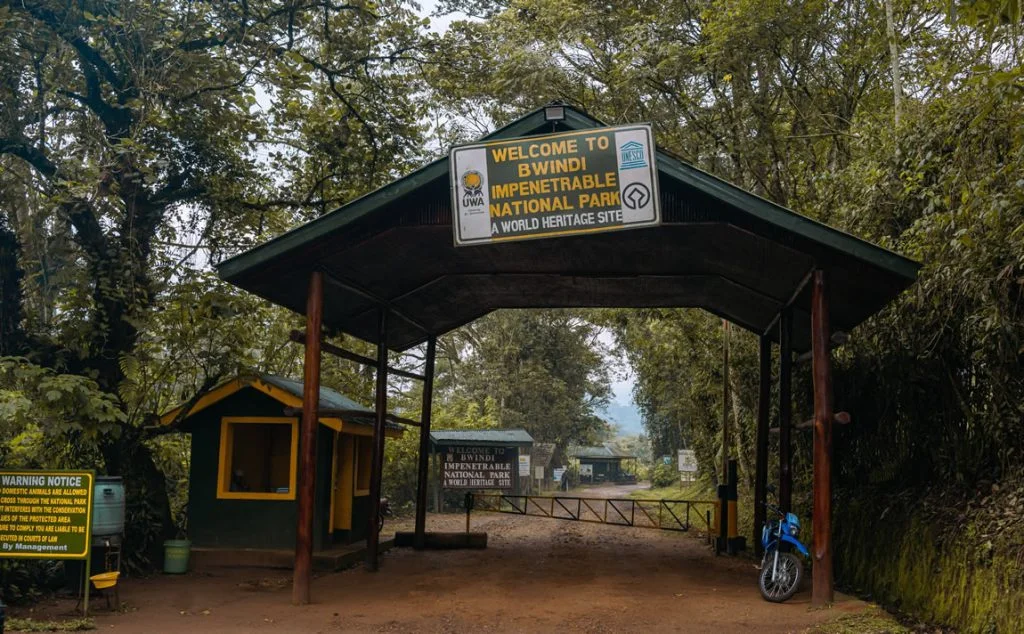
Gorilla Trek in Bwindi for Two days tour. A 2 days gorilla trek in Bwindi is the shortest practical way to stand face to face with wild mountain gorillas in Uganda. In just two days, you travel to Bwindi Impenetrable National Park, spend a night near the forest, trek to a habituated gorilla family, and return to the city with memories that last a lifetime. Bwindi protects nearly half of the world’s remaining mountain gorillas, and a well-planned two-day tour lets busy travelers experience it without taking a long holiday. This guide covers everything you need to know: where the tour starts, a detailed day-by-day itinerary, costs, permits, lodges, what to pack, trekking rules and expert tips for getting the most out of your short gorilla safari.
At Pick and Transfer Safaris, two-day gorilla tours are among our most requested trips. The advice here is based on the itineraries we run every week.
Why Choose a 2 Days Gorilla Trek in Bwindi
Not every traveler has a week or more for a safari. Business travelers, people combining Africa with other trips, and visitors on a tight schedule often want one clear highlight: the gorillas. A two-day Bwindi tour delivers exactly that.
The format is simple and efficient. On day one, you travel to Bwindi and settle into a lodge near your trekking point. On day two, you trek to the gorillas in the morning and travel back in the afternoon. There is no wasted time, and every part of the trip is focused on the main event.
A short tour also keeps costs down. Fewer nights in lodges and fewer days of vehicle hire mean the total price is lower than longer safaris, while the most valuable part, the gorilla permit, stays exactly the same.
Who a Two-Day Gorilla Tour Is Best For
A 2 days gorilla trek in Bwindi works best for:
- Travelers short on time who want the gorilla experience without a long trip.
- Visitors already in Rwanda, for business, a conference or a wider holiday, who want to add a quick Uganda gorilla trek.
- Budget-conscious travelers who prefer Uganda’s lower gorilla permit price to Rwanda’s.
- Repeat visitors who have done a longer safari and want to return just for the gorillas.
If you have more time, a three-day tour adds a relaxed extra night, and longer safaris let you combine gorillas with chimpanzees and savannah wildlife. But if two days is what you have, it is more than enough for an unforgettable encounter.
Where Does a 2 Days Bwindi Gorilla Tour Start?
The starting point makes a big difference to a short trip. Bwindi lies in the far southwest of Uganda, close to the Rwandan border, so your choice of gateway decides how long you spend on the road.
| Starting point | Travel time to Bwindi | Suits a 2-day tour? | Notes |
|---|---|---|---|
| Kigali, Rwanda (by road) | 4–6 hours | Yes, best option | Shortest drive; southern and eastern sectors are closest |
| Entebbe or Kampala (by road) | 8–10 hours | Difficult | Very long drive days; better suited to 3+ days |
| Entebbe (domestic flight to Kisoro or Kihihi) | About 1–2 hours flying, plus a short drive | Yes | Fast but more expensive; flights run on set schedules |
For most travelers, Kigali is the ideal starting point for a two-day gorilla tour. Kenlink Tours compares both gateways in its guide to landing in Kigali or Entebbe for a gorilla safari, and its article on how far Bwindi is from Kigali gives drive times by sector. That is why our 2 Days Uganda Gorilla Tour Starting from Kigali is one of our best-selling packages.
Starting in Kigali also gives you flexible exits. You can return to Kigali, or continue into Uganda and fly home from Entebbe. Our guide on whether you can begin your tour from Kigali Airport and end in Entebbe Airport explains how that works.
Choosing the Right Bwindi Sector for a Short Tour
Bwindi has four gorilla trekking sectors, and on a two-day tour, the sector you choose affects your drive time as much as your trek.
- Rushaga (south): the closest sector to Kigali, about four to five hours away, with the most habituated gorilla families and the best permit availability.
- Nkuringo (south): also close to Kigali, with dramatic views, but known for steep, challenging treks.
- Ruhija (east): about four to five hours from Kigali via the Gatuna border; high, cool and quiet, with excellent birdwatching.
- Buhoma (north): the original gorilla trekking sector, with gentler trails and the widest choice of lodges, but around five to six hours from Kigali.
For a two-day trip from Kigali, Rushaga or Ruhija usually gives the best balance of short travel time and good permit availability. Kenlink Tours explains the differences between all four sectors in its guide to which part of Bwindi is easy for gorilla trekking.
2 Days Gorilla Trek in Bwindi: Itinerary at a Glance
Here is the classic two-day itinerary from Kigali, which we have refined over many trips.
- Day 1: Pick-up in Kigali, scenic drive to the Rwanda–Uganda border, transfer to Bwindi, and an evening at your lodge near the trekking point.
- Day 2: Early breakfast, ranger briefing, gorilla trek and one hour with a gorilla family, then return to Kigali in the afternoon.
The details below show what each day looks like in practice.
Day 1: Travel from Kigali to Bwindi Impenetrable National Park
Your 2 days gorilla trek in Bwindi begins with a morning pick-up from your hotel in Kigali or from Kigali International Airport. Your driver-guide gives a short briefing on the trip, loads your luggage into a comfortable 4×4 safari vehicle, and you set off through Rwanda’s “land of a thousand hills.”
If your permit is for Rushaga, the most common route heads northwest to Musanze, the town at the foot of the Virunga volcanoes, then on to the Cyanika border. If your permit is for Ruhija or Buhoma, you will usually head north to the Gatuna border instead. Either way, the drive to the border takes about two to two and a half hours on smooth tarmac, with plenty of chances to stop for photos.
At the border, you complete exit formalities in Rwanda and entry formalities in Uganda, which normally takes 30 to 60 minutes. Your driver handles the vehicle paperwork. Then you continue into Uganda’s Kigezi highlands, passing through Kisoro or Kabale before the final gravel stretch to Bwindi. If you prefer a night in town, hotels such as Ikoro Hotel in Kisoro are a convenient option, though most travelers stay as close to the trailhead as possible.
You arrive at your lodge in the afternoon. Depending on your energy and arrival time, you can relax with views over the forest, take a short guided village walk, or simply enjoy dinner and an early night. Your guide will brief you on the next morning’s schedule and help you prepare your trekking gear.
Day 2: Gorilla Trekking and Return to Kigali
The big day starts early. After breakfast, around 6:30 am, your driver takes you to the park’s briefing point, usually a short drive or walk from your lodge. At about 7:30 to 8:00 am, Uganda Wildlife Authority rangers give a briefing on the rules of gorilla trekking, assign visitors to gorilla families, and introduce the porters available for hire.
Trekking usually begins around 8:00 to 8:30 am. Led by rangers and trackers, your group of up to eight people follows forest trails, sometimes steep and muddy, towards the area where the gorillas were last seen. Treks can take anything from one hour to five hours or more, depending on where the family has moved overnight.
When you reach the gorillas, you spend one magical hour watching them feed, play, groom and rest. You might see a silverback watching over his family, mothers cradling infants, or youngsters tumbling through the vegetation. It is a quiet, intimate experience that many people describe as life-changing.
After the hour is up, you trek back to the starting point, where you receive a gorilla trekking certificate. Then you return to your lodge for a quick freshen-up and lunch before beginning the drive back to Kigali. You typically arrive in Kigali in the evening, in time for an overnight stay or a late flight. If you would rather not travel the same day, consider adding an extra night; our short gorilla safaris starting from Kigali include relaxed three-day options.
Can You Do a 2 Days Gorilla Trek in Bwindi from Entebbe?
Yes, but the way you travel matters. By road, Entebbe to Bwindi takes eight to ten hours each way. That makes a two-day trip exhausting, with almost no time to rest before or after the trek. For travelers starting in Uganda who only have two days, flying is the better choice.
In a fly-in version, you take an early morning domestic flight from Entebbe to Kisoro airstrip (for Rushaga and Nkuringo) or Kihihi airstrip (for Buhoma). The flight takes roughly one to two hours, depending on stops. A driver-guide meets you at the airstrip and drives you to your lodge, usually in about one to two hours. On day two, you trek in the morning and catch the afternoon flight back to Entebbe, if the schedule allows, or stay an extra night.
Fly-in tours cost more because of the airfare, and flights run on fixed schedules with luggage limits, so planning is important. If you are flexible, our 3 Days Uganda Gorilla Safari offers a more comfortable pace for travelers starting in Entebbe.
Is a One-Day Gorilla Tour a Better Option?
Some travelers ask whether they can do the whole thing in a single day. It is possible from Kigali to Uganda’s southern sectors, and we run a 1 Day Uganda Gorilla Safari Starting from Kigali for people with no other option. However, it means leaving Kigali in the middle of the night, around 3:00 to 4:00 am, trekking, and driving back the same evening.
For most people, two days is the sweet spot. You arrive rested, enjoy a night in the hills, and trek with fresh legs. The extra night costs relatively little but makes the experience far more enjoyable.
How Much Does a 2 Days Gorilla Trek in Bwindi Cost?
The total cost of a two-day gorilla tour depends on your group size, lodge level and starting point. The biggest single expense is the gorilla permit, which is the same whichever operator you book with. Kenlink Tours puts a typical two-day gorilla safari at around US$1,380 per person in its guide to gorilla trekking in Uganda, though prices vary with season and comfort level.
Here is what makes up the total:
| Cost item | What to expect |
|---|---|
| Gorilla permit (foreign non-resident) | US$800 per person |
| Transport | 4×4 vehicle, fuel and driver-guide for two days, shared across your group |
| Accommodation | One night at a budget, mid-range or luxury lodge, usually full board |
| Visas | East Africa Tourist Visa US$100, or separate Rwanda and Uganda visas |
| Extras | Porter fees, tips, drinks and souvenirs |
Travelling with others lowers your cost per person, because the vehicle and driver are shared. Choosing a budget lodge instead of a luxury one can also make a significant difference. For an exact price for your dates, group size and preferred lodge, contact our team for a free quote.
What a Typical 2-Day Package Includes
When comparing two-day gorilla tours, check exactly what each price covers. A good package from Kigali usually includes:
- Pick-up and drop-off at your Kigali hotel or Kigali International Airport
- Transport in a 4×4 safari vehicle with fuel
- An experienced English-speaking driver-guide
- Cross-border vehicle documents
- One night’s accommodation near the trekking point, with dinner and breakfast
- A packed lunch or lunch on trekking day
- Bottled drinking water in the vehicle
- The gorilla trekking permit, if booked through the operator
Items usually not included are visas, travel insurance, porter fees, tips, alcoholic drinks and personal expenses. Always confirm whether the permit is included or quoted separately, as this changes the price by US$800 per person.
Booking Your Gorilla Permit
The gorilla permit is the most important booking for a two-day tour. Uganda Wildlife Authority (UWA) issues permits for a specific sector and date, and each habituated gorilla family can be visited by a maximum of eight people per day. A standard permit costs US$800 for foreign non-residents and includes park entry, the guided trek and one hour with the gorillas. Trekkers must be at least 15 years old.
Permits can sell out months ahead, especially from June to September and over the Christmas holidays. For a short tour, this matters even more, because your dates are fixed and there is no room to shift a day. We recommend booking at least three to six months in advance for peak season.
Make sure the sector on your permit matches your lodge and transport plans. A Rushaga permit with a lodge in Buhoma, for example, would add hours of driving on trekking morning and could cost you your trek. Booking your permit, lodge and transport together with one operator avoids that risk.
Visas and Travel Documents
If your two-day gorilla tour starts in Kigali, you will cross from Rwanda into Uganda and, usually, back again. The simplest option is the East Africa Tourist Visa, which costs US$100 and allows multiple entries between Rwanda, Uganda and Kenya for 90 days. Apply online through Rwanda’s immigration system, since Rwanda is your first point of entry.
Alternatively, you can get separate visas: a Rwandan visa on arrival or online, and a Ugandan e-visa applied for in advance. Remember that leaving Uganda and re-entering Rwanda on a single-entry Rwandan visa may require a new visa, which is another reason the East Africa Tourist Visa is popular.
Your passport should be valid for at least six months beyond your trip, with at least two blank pages. Carry your yellow fever vaccination certificate, printed visa approvals and a copy of your gorilla permit. Visa rules can change, so check official government sources before you travel.
The Right Vehicle for a Short Gorilla Tour
On a two-day tour, you spend a good part of each day in the vehicle, so comfort matters. Just as important, the final roads into every Bwindi sector are gravel, often steep and muddy after rain. A four-wheel-drive vehicle is essential.
We use Toyota Land Cruiser Prados for small groups and extended Land Cruiser safari vehicles with pop-up roofs for larger groups. They have high ground clearance, good suspension and plenty of space for luggage and trekking gear. All our vehicles carry the insurance and permits needed to cross between Rwanda and Uganda.
Where to Stay on a 2 Days Bwindi Gorilla Tour
With only one night, location is everything. Staying close to your trekking point means a later wake-up and a shorter drive on the big day. Every Bwindi sector has lodges for different budgets:
- Rushaga: Rushaga Gorilla Camp, Bweza Gorilla Lodge, Four Gorillas Lodge and Gorilla Valley Lodge.
- Ruhija: Bakiga Lodge, Gorilla Mist Camp, Ruhija Gorilla Safari Lodge and Trekkers Tavern Cottages.
- Buhoma: Buhoma Community Rest Camp, Buhoma Lodge, Mahogany Springs and Engagi Lodge.
- Nkuringo: several lodges on the Nkuringo ridge, with spectacular views over the forest and the Virunga volcanoes.
Kenlink Tours reviews many of these in its guide to accommodations in Bwindi Impenetrable National Park, and travelers watching their budget can compare options in its list of the most budget lodges in Bwindi National Park.
If you have extra time after your trek, or want ideas for a slightly longer trip, our guide on what to do after a gorilla tour in Bwindi lists the best short activities nearby.
Best Time for a 2 Days Gorilla Trek in Bwindi
Gorilla trekking in Bwindi runs all year round, so you can book a two-day tour in any month. Conditions do vary with the seasons, though, and on a short trip that can affect both the drive and the trek.
The dry seasons, from June to September and from December to February, are the most popular. Gravel roads into the park are firmer, travel times are more predictable, and forest trails are less muddy. Because demand is highest, book permits and lodges well in advance for these months.
The rainy seasons, roughly March to May and October to November, bring heavier showers, often in the afternoons. Roads can be slower and trails slippery, but the forest is lush, there are fewer visitors and permits are easier to find. Kenlink Tours breaks down the seasons month by month in its guide to the best time to see gorillas in Uganda and Rwanda.
How Fit Do You Need to Be?
Gorilla trekking is a real hike, but you don’t need to be an athlete. Treks range from about one to six hours, through dense forest on uneven, often steep and muddy trails. Bwindi sits at roughly 1,200 to 2,600 meters above sea level, so some sections can leave you short of breath.
A moderate level of fitness is enough for most people. If you can walk comfortably for a few hours on hilly ground, you will be fine. In the weeks before your trip, regular walks, stair climbing or hikes help prepare your legs. On the day, rangers set a steady pace and take breaks, and you can hire a porter to carry your bag and help you over tricky sections. Tell the rangers at the briefing if you have any mobility concerns; they may assign you a family that is expected to be closer.
What to Pack for a Two-Day Gorilla Tour
Packing light makes a short trip easier. Here is what we recommend.
Documents and money:
- Passport, visa approvals and yellow fever certificate
- A copy of your gorilla permit
- US dollars printed in 2013 or later, plus a little local currency for tips and souvenirs
For trekking day:
- Waterproof hiking boots with good grip
- Long trousers and a long-sleeved shirt to protect against nettles and insects
- A light rain jacket, since showers can come at any time
- Gardening gloves for gripping branches and vines
- A small daypack, at least two liters of water and snacks
- Insect repellent, sunscreen and a hat
- A camera with spare batteries (no flash)
Add a warm layer for the evening, as Bwindi’s hills can be cool at night, especially in Ruhija.
Gorilla Trekking Rules You Must Follow
The rules of gorilla trekking exist to protect a critically endangered species and to keep visitors safe. Groups are limited to eight people per gorilla family per day, and visits last one hour. Stay at least seven meters from the gorillas, keep your voice low, avoid sudden movements and never use flash photography.
Don’t eat, drink or smoke near the gorillas, and turn away and cover your mouth if you need to cough or sneeze. If you are ill with a cold, flu or any contagious illness, tell the rangers, because gorillas can catch human diseases. Kenlink Tours lists the full code of conduct in its guide to gorilla trekking rules and regulations in Uganda, and its article on what it’s like to trek gorillas in Uganda and Rwanda gives a vivid picture of the encounter itself.
Expert Tips for Getting the Most from a Short Tour
Two days go quickly, so a few smart choices make a big difference.
- Book your permit first. Everything else, from transport to lodge, should fit around your permit date and sector.
- Choose a sector close to your starting point. From Kigali, Rushaga and Ruhija keep driving time to a minimum.
- Stay near the trailhead. A lodge within a short drive of the briefing point means more sleep and less stress on trekking morning.
- Hire a porter. It costs little, makes the trek easier and supports local families.
- Charge everything the night before. Lodges may have limited power, so charge cameras and phones as soon as you arrive.
- Keep the hour for watching. Take your photos, then put the camera down for a few minutes and simply enjoy the moment.
- Allow a buffer for your flight. If you are flying out the evening of day two, leave plenty of time for the drive back to Kigali.
Extending Your 2 Days Gorilla Trek
If you can find an extra day or two, there are wonderful ways to build on your gorilla trek. A third day lets you add a Batwa cultural experience, a canoe trip on Lake Mutanda or Lake Bunyonyi, or simply a slower pace; our 3 Days Uganda Gorilla Safari from Rwanda is built exactly for this.
With five days, you can combine gorillas with chimpanzee tracking on our 5 Days Uganda Gorilla and Chimps Safari starting from Rwanda. Kenlink Tours’ overview of Uganda primate tracking safaris shows how the two primates fit into one trip. For the full experience, the 10 Days Uganda Rwanda Safari covers gorillas, chimps, savannah wildlife and culture across both countries.
Back in Rwanda, you could add chimpanzees and the canopy walk in Nyungwe Forest National Park, or Big Five game drives on a 3 Days Akagera National Park Safari from Kigali.
Uganda or Rwanda for a 2-Day Gorilla Trek?
Many travelers wonder whether to do a two-day gorilla trek in Uganda’s Bwindi or in Rwanda’s Volcanoes National Park. Both offer superb encounters with mountain gorillas, and both work well as short trips from Kigali.
Volcanoes National Park is only about two and a half hours from Kigali, so a two-day Rwanda trek involves less driving. However, a Rwanda permit costs US$1,500, compared with US$800 in Uganda. Bwindi’s dense, ancient rainforest also offers a wilder, more “impenetrable” feel, while Volcanoes has bamboo forests on the slopes of the Virunga volcanoes.
If budget is your priority, Bwindi is the better choice. If you want the shortest possible drive, Rwanda wins. Some travelers do both on a longer trip; our 2 Days Volcanoes Gorilla Trek from Kigali and 3 Days Rwanda Gorilla Tracking and Cultural Tour cover the Rwandan side.
Frequently Asked Questions About a 2 Days Gorilla Trek in Bwindi
Is two days enough to see gorillas in Bwindi? Yes. Two days give you enough time to travel to Bwindi, trek with the gorillas and return, especially if you start in Kigali.
How long will I spend with the gorillas? One hour, once your group reaches the gorilla family. The trek to find them can take from one to several hours.
Am I guaranteed to see gorillas? Sightings are not guaranteed, but they are very likely. Trackers locate the families each morning, and the success rate in Bwindi is very high.
What is the minimum age for gorilla trekking? You must be at least 15 years old to trek.
Can I do a 2-day gorilla trek from Entebbe? Yes, but flying to Kisoro or Kihihi is the better option. By road, the drive takes eight to ten hours each way.
How much does a 2 days gorilla trek in Bwindi cost? The gorilla permit alone is US$800. Total prices depend on group size, lodge and transport, so ask for a quote for your dates.
What happens if it rains on trekking day? Treks go ahead in the rain. Bring a rain jacket and waterproof boots, and expect muddy trails.
Gorilla Trek in Bwindi for Two days tour
A 2 days gorilla trek in Bwindi proves that you don’t need a long holiday to have one of the world’s greatest wildlife experiences. With the right starting point, a permit booked early, a lodge near the trailhead and a reliable 4×4 with an experienced guide, two days are all it takes to meet the mountain gorillas.
Pick and Transfer Safaris specializes in short gorilla tours from Kigali into Uganda. We arrange your permit, transport and lodge as one package, our driver-guides cross the border every week, and we support you around the clock while you travel. Get in touch today with your dates and group size, and we will plan your perfect two-day gorilla adventure.
7 Days Uganda Safari – One week tour
This 7-day itinerary is the classic one-week introduction to Uganda, covering the country’s three most iconic wildlife experiences: chimpanzee tracking in Kibale Forest National Park, Big Five game drives and a boat cruise in Queen
Tour Details →
10 Days Uganda Primates and Wildlife
This 10-day Uganda Grand Safari is the most complete Uganda itinerary we offer at Pick and Transfer Safaris. It begins with a scenic northward drive from Entebbe to the vast open plains of Murchison
Tour Details →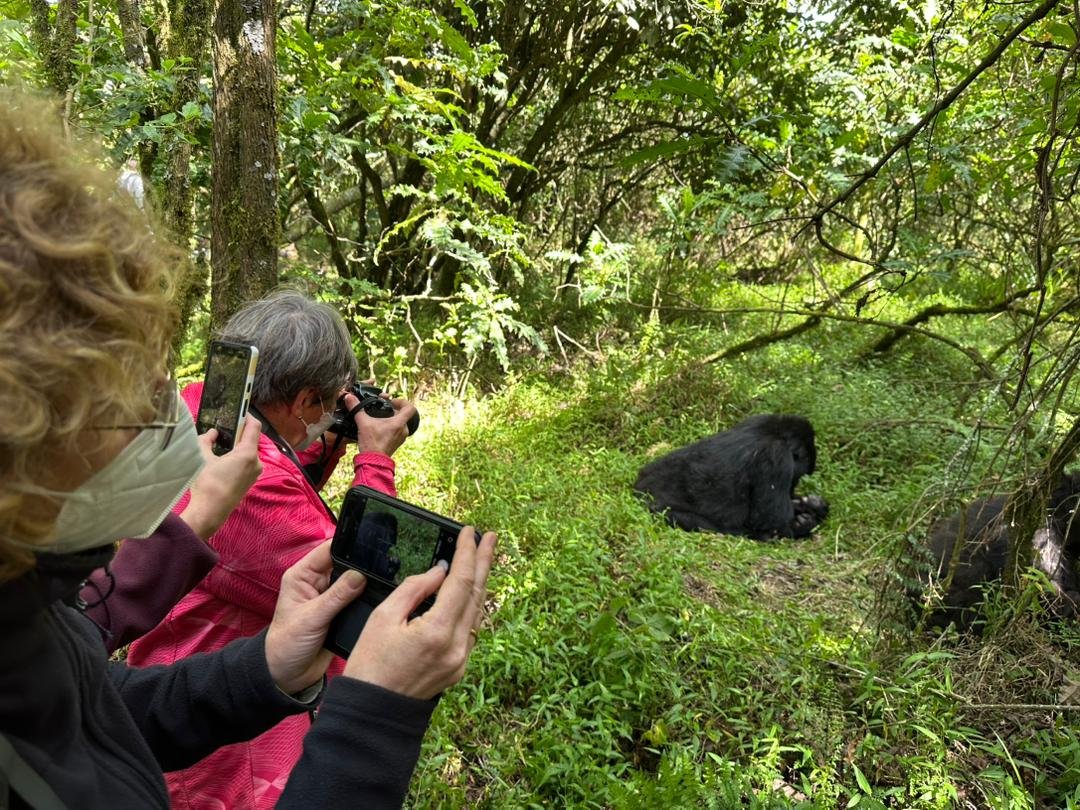
2 Days Uganda Gorilla Tour Starting from Kigali
This is the gentler cousin of our 1-Day Uganda Gorilla Safari Starting from Kigali — same idea, twice the breathing room. Instead of squeezing a 3,000-metre forest trek and two border crossings into a single very long day
Tour Details →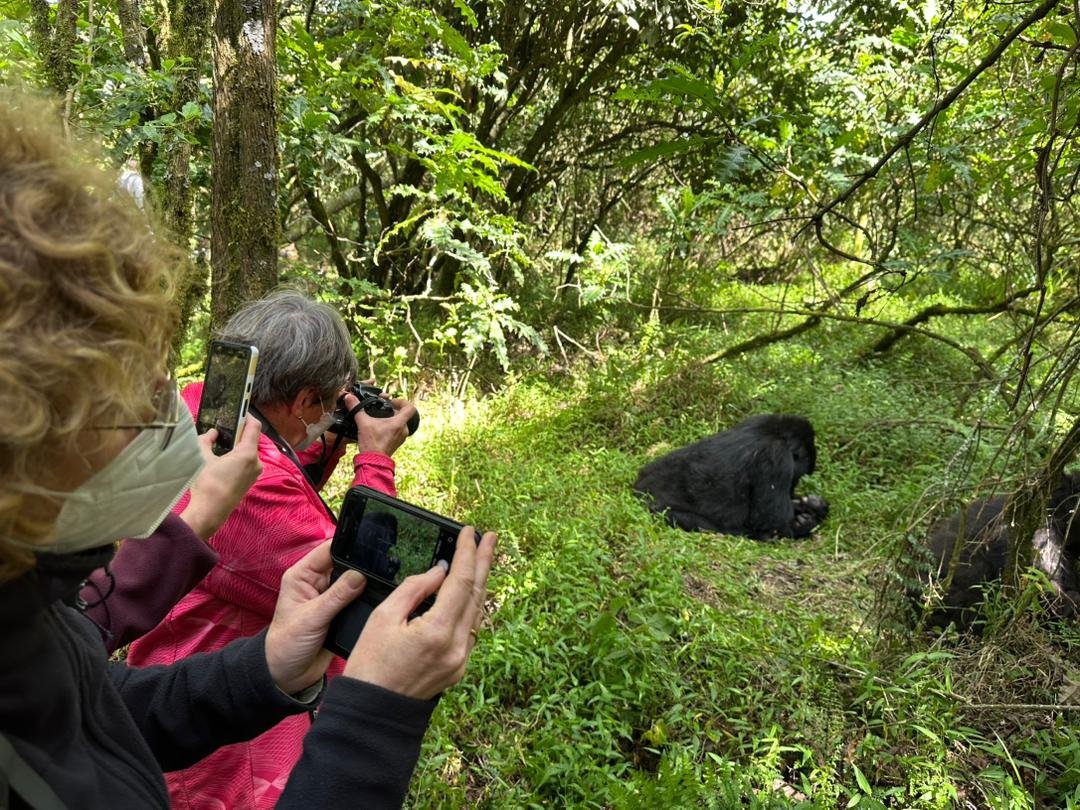
5-Day Uganda Gorilla and Chimpanzee Safari
This itinerary can be combined with a Rwanda extension or a wildlife-focused add-on through Queen Elizabeth National Park — browse our Uganda & Rwanda Safaris and Primate Safaris collections for ideas.
Tour Details →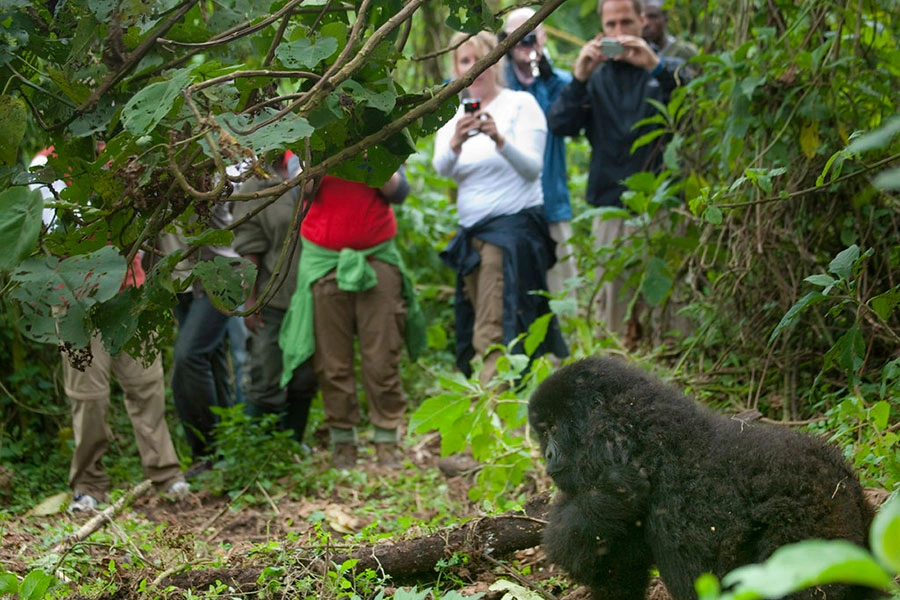
5 Days Rwanda Wildlife and Gorillas
This 5-day itinerary brings together Rwanda’s two flagship wildlife experiences: open savannah game drives and a boat safari in Akagera National Park, followed by a face-to-face encounters
Tour Details →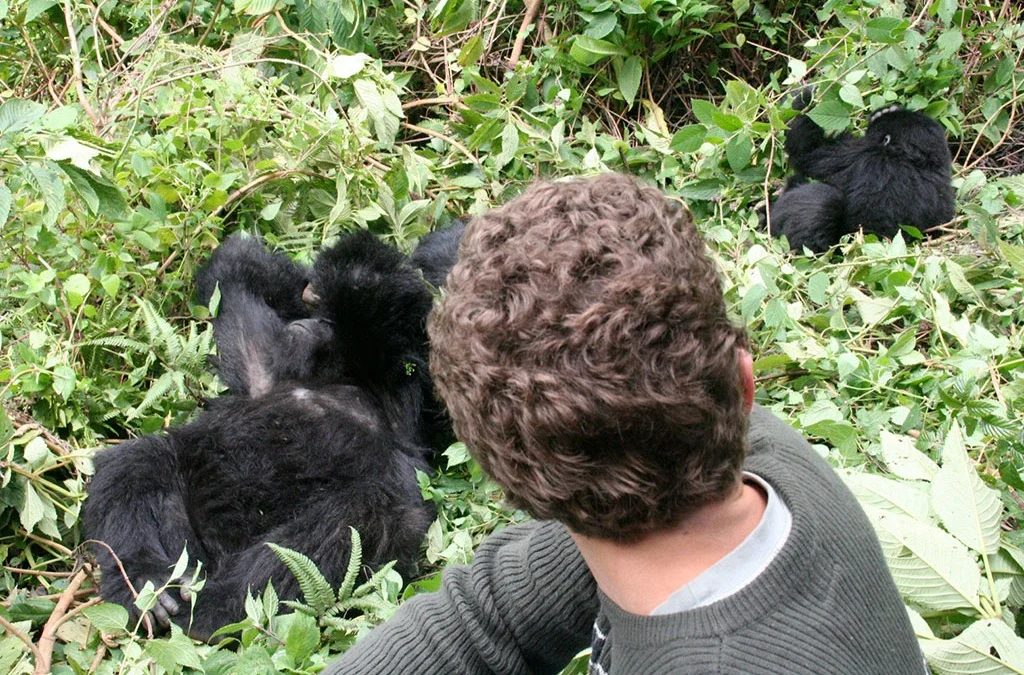
3 Days Uganda Gorilla Safari
For travelers who arrive in Entebbe with a tight schedule and a clear ambition, a 3-day gorilla safari to Bwindi Impenetrable Forest National Park is the most focused and rewarding short trip the country has to offer.
Tour Details →