- LET'S PLAN YOUR SAFARI
- +256 200 921 002
- +256 793 194 703
- info@pickandtransfersafaris.com

Gorilla Trekking and Lake Bunyonyi in 2 Days
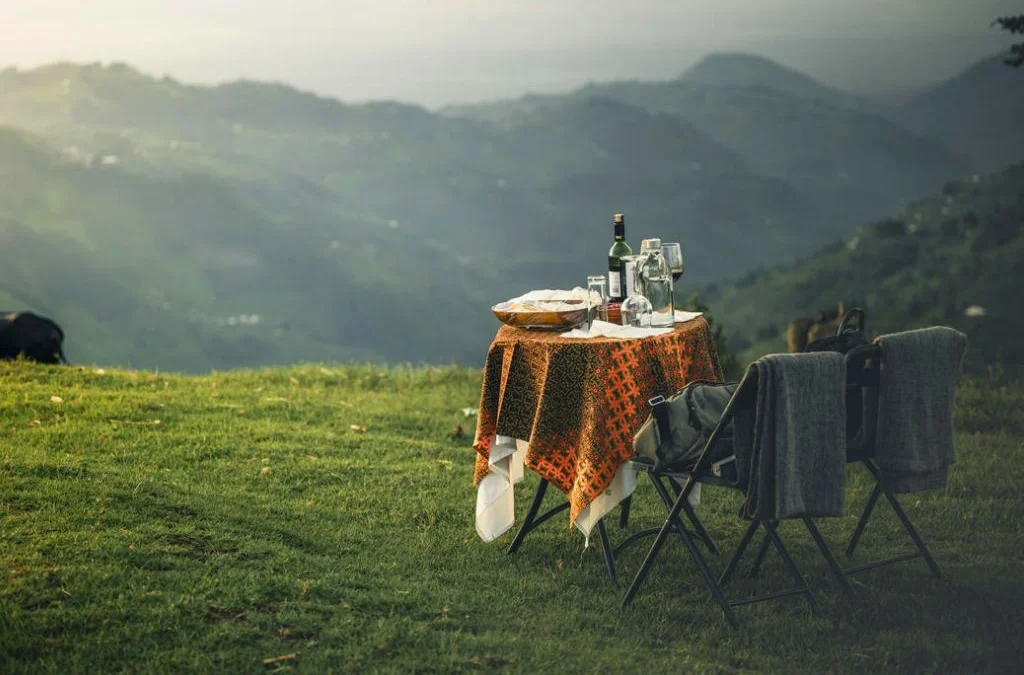
Gorilla Trekking and Lake Bunyonyi in 2 Days. Two days in southwestern Uganda can deliver two of the most extraordinary experiences East Africa has to offer. On the first day, you descend into one of the world’s oldest rainforests and spend an hour face to face with wild mountain gorillas — an encounter so profound that most travelers struggle to find adequate words for it afterward. On the second, you sit on the quiet shores of Lake Bunyonyi, one of Africa’s most beautiful highland lakes, watching the morning mist lift from 29 forested islands while birds fill the air around you and the terraced hillsides glow green in the equatorial light. Gorilla trekking and Lake Bunyonyi in two days is the perfect combination for travelers who want both the extraordinary and the deeply restful within a single short trip.
At Pick and Transfer Safaris, we have crafted this two-day itinerary to flow as naturally as the landscape it moves through. Starting from Kigali — just a few hours from both Bwindi and Lake Bunyonyi — it is an ideal add-on to a wider East Africa trip, a standalone weekend adventure, or the perfect way to combine Uganda’s most famous wildlife experience with one of its most beautiful natural settings. For itinerary inquiries and permit availability, email our team at info@pickandtransfersafaris.com and we will get back to you promptly.
Day One: Into the Forest for Gorilla Trekking
The two-day itinerary begins with an early morning departure from Kigali. Your dedicated driver-guide from Pick and Transfer Safaris collects you from your hotel and heads northwest through Rwanda’s famous thousand hills, crossing into Uganda at the Cyanika border post near Kisoro before continuing to the southern sectors of Bwindi Impenetrable Forest National Park. The drive takes approximately four to five hours, and the scenery along the route — volcanic peaks on the horizon, deeply terraced hillsides, the dramatic rise of the Virunga Mountains — builds a sense of anticipation that arrives fully formed when the forest canopy of Bwindi first comes into view.
Bwindi Impenetrable Forest National Park is a UNESCO World Heritage Site covering 321 square kilometres of ancient Afromontane rainforest that has stood largely unchanged for more than 25,000 years. It is home to nearly half of the world’s remaining mountain gorillas — a population that has recovered from fewer than 600 individuals to over 1,000 today, as documented by the IUCN Red List — and is considered one of the most biodiverse ecosystems on the African continent. For the two-day itinerary, the southern Rushaga or Nkuringo sectors of Bwindi are the most convenient destination from the Cyanika border crossing, and the Rushaga sector in particular — home to eight habituated gorilla families with a near-perfect gorilla sighting success rate — is one of the most rewarding gorilla trekking locations anywhere in the world.
After checking into your accommodation near the park, you spend the evening settling in to the forest atmosphere — listening to the sounds of the Bwindi night, watching the last light fade over the canopy — before an early bedtime in preparation for the trek ahead.
The following morning, your gorilla trek begins with a briefing at the sector headquarters by rangers from the Uganda Wildlife Authority, who cover trekking etiquette, safety protocols, and information about the gorilla family you have been assigned for the day. By around 8:00 AM, you head into the forest. Your ranger and tracker lead your small group through the dense undergrowth in search of the day’s assigned gorilla family, reading the signs left by the gorillas as they moved since the previous evening. The Uganda Wildlife Authority limits trekking groups to a maximum of eight visitors per gorilla family per day, ensuring that every encounter is intimate and carefully managed.
When the gorilla family is located, your one full hour with them begins. A silverback resting with the unhurried composure of a creature that fears nothing. Young gorillas tumbling and wrestling through the undergrowth. Mothers nursing their infants with a tenderness that crosses every species boundary. The gorillas share approximately 98% of human DNA, a closeness that is felt with immediate, visceral clarity in the forest, and the hour passes with a strange quality — simultaneously endless and impossibly brief. After collecting your trekking certificate at the sector headquarters and enjoying lunch, you continue to your next destination.
Between the Forest and the Lake: The Drive to Bunyonyi
The drive from the Bwindi area to Lake Bunyonyi takes between one and two hours depending on your exact starting point, passing through the beautiful Kigezi highlands — a region of steep, heavily cultivated hills, deep valleys, and expansive views that has sometimes been called the Switzerland of Africa. The road descends through Kabale District, one of Uganda’s highest-altitude districts, before the lake appears below you — a long, narrow stretch of still water dotted with forested islands, set within a bowl of terraced hills that reach heights of 2,200 to 2,478 metres above sea level. The sight of Lake Bunyonyi for the first time, particularly in the late afternoon light when the water reflects gold and the islands are silhouetted against the sky, is one of those moments that earns a permanent place in memory.
Day Two: Lake Bunyonyi — The Place of Many Little Birds
Lake Bunyonyi takes its name from the local Rukiga word meaning “place of many little birds” — and it earns that name immediately. Over 200 bird species have been recorded on and around the lake, including the grey-crowned crane (Uganda’s national bird), African jacanas, malachite kingfishers, weaver birds, and countless others that bring the lake margins alive with colour and sound from first light. For birders, a morning at Lake Bunyonyi with binoculars is an experience that rivals dedicated birding safaris. For everyone else, the sheer visual beauty of the lake at dawn — mist rising from the water, the 29 islands emerging gradually from the haze, the hillside terraces catching the first light — is reason enough to set an early alarm.
The lake sits at 1,962 metres above sea level and is believed to be one of the deepest lakes in Africa, with depths estimated at up to 900 metres in places, though scientific measurement places the maximum closer to 40 metres. What is not in doubt is that Lake Bunyonyi is one of the few lakes in the region free of hippos, crocodiles, and the bilharzia parasites that affect many East African water bodies, making it safe for swimming — a rarity in Uganda and one that makes the lake particularly popular with travelers looking to cool off after the intensity of gorilla trekking.
The 29 islands of Lake Bunyonyi each carry their own history and character. Akampene Island — known as Punishment Island — carries a sobering historical significance as the place where, according to Bakiga tradition, unmarried girls who became pregnant were left to die. Bwama Island was transformed into a leprosy treatment centre by the missionary Dr. Leonard Sharp in the 1920s, and the remnants of that era are still visible on the island today. Bushara Island is now home to one of the lake’s most popular accommodation camps, set in a eucalyptus forest with stunning lake views. Kyahugye Island offers wildlife encounters with impalas, zebras, waterbucks, and Uganda kobs, as well as panoramic views of the lake and, on clear days, Mount Muhabura of the Virunga range visible on the horizon.
Activities on and around the lake include dugout canoe trips to the islands — one of the most peaceful and culturally authentic experiences available in southwestern Uganda — motorboat excursions to cover more ground and visit multiple islands in a morning, swimming in the clear lake waters, guided community walks through the surrounding Bakiga and Batwa villages, and simply sitting on the lakeshore with a cup of Ugandan tea and a sense of deep, unhurried contentment. Accommodation ranges from budget campsites and island camps to comfortable mid-range lodges on the mainland, all with extraordinary views of the water and hills.
From Kigali, Lake Bunyonyi can be reached in approximately one and a half to two hours by road via the Katuna border crossing — making it an efficient and beautiful end to a two-day Uganda adventure before returning to Rwanda.
What Is Included and How to Book
Our two-day gorilla trekking and Lake Bunyonyi itinerary from Kigali includes your gorilla trekking permit for Bwindi Impenetrable Forest National Park — issued by the Uganda Wildlife Authority and priced at $800 per person for foreign non-residents — round-trip private 4×4 transport from Kigali with an experienced English-speaking driver-guide, all fuel and ground transport costs, accommodation near Bwindi on night one, bottled water throughout the journey, and all applicable government taxes. Accommodation at Lake Bunyonyi and meals can be arranged according to your budget and preferences.
Not included are Rwanda and Uganda entry visas, travel insurance, tips for your driver-guide and rangers, personal expenses, and the optional porter fee at the park. Porters are hired locally at a modest fee and warmly recommended for the gorilla trek. Many nationalities qualify for the East Africa Tourist Visa covering Rwanda, Uganda, and Kenya — full details on the Uganda Directorate of Citizenship and Immigration Control website.
For those with additional days to spend, our 3 Days Uganda Gorilla Safari Starting from Rwanda and 5 Days Uganda Gorilla and Chimps Safari Starting from Rwanda offer extended options that pair gorilla trekking with chimpanzee tracking and more time to explore the beauty of southwestern Uganda. Browse the full range on our Gorilla Safaris page.
A portion of every booking we take supports community development through the Kigezi Foundation, ensuring your adventure contributes positively to the communities living alongside Uganda’s gorilla parks and highland lakes. Email us at info@pickandtransfersafaris.com or visit our Contact Us page with your travel dates and group size. Gorilla trekking and Lake Bunyonyi in two days: it is genuinely one of the finest short itineraries in East Africa, and we would love to help you make it happen.