- LET'S PLAN YOUR SAFARI
- +256 200 921 002
- +256 793 194 703
- info@pickandtransfersafaris.com

Gorilla Trekking Safari with a local tour Company
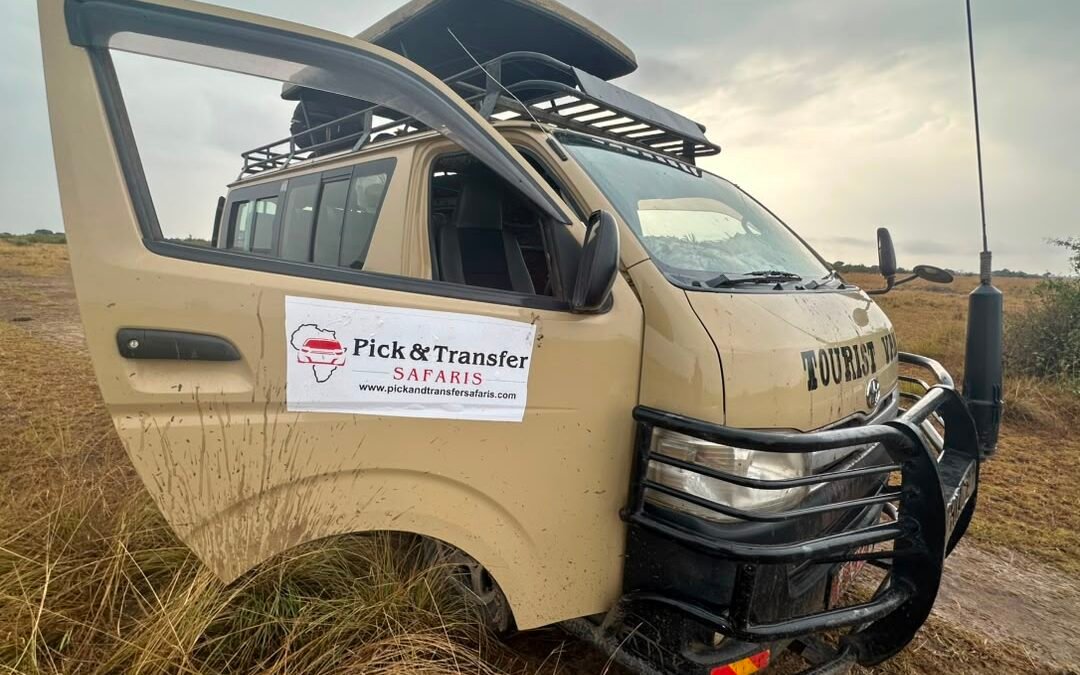
Gorilla Trekking Safari with a local tour Company. Meeting mountain gorillas in the wild is a dream for travellers from every corner of the world. But once you start planning, a big question appears: who should organise your trip? You can book through a large international agency, or you can plan a gorilla trekking safari with a local tour company based right here in Uganda and Rwanda.
For most travellers, the local option offers better value, deeper expertise, more flexibility and a far more authentic experience. Every dollar you spend also stays closer to the communities that protect the gorillas.
At Pick and Transfer Safaris, we are a locally owned safari company with offices in Kisoro and Kampala, a short drive from the gorilla forests. In this guide we explain what a local tour company does, why booking locally matters, how to choose a trustworthy operator, what a gorilla safari costs in 2026, and how to plan the trip of a lifetime.
What Is a Local Tour Company?
A local tour company is a safari operator that is registered, owned and run in the country you are visiting. Its staff live in Uganda or Rwanda, its guides grew up near the parks, and its vehicles, lodges and partners are all on the ground.
Many international agencies do not operate tours themselves. Instead, they sell your trip and then pass it to a local operator, who actually books your permit, provides the vehicle and driver-guide, and looks after you on safari. Booking directly with a local company removes that extra layer. You speak directly to the people who will run your trip, and you avoid paying an additional commission.
Who Should Book a Gorilla Safari with a Local Operator?
A local tour company is a great fit for almost every traveller, especially if you:
- want the best value for your money without compromising safety;
- prefer a private, tailor-made itinerary rather than a fixed group tour;
- are travelling on a short schedule, for example flying into Kigali for two or three days;
- care about responsible tourism and want your spending to benefit local people;
- want quick, honest answers from people who know the parks first-hand.
Whether you are a solo backpacker, a couple on honeymoon, a family or a group of friends, a reliable local operator can design a gorilla safari around your dates, budget and interests. Explore our full range of gorilla safaris in Uganda and Rwanda to see what is possible.
10 Benefits of Booking a Gorilla Trekking Safari with a Local Tour Company
1. Better Value for Your Money
Because there is no international middleman, a local company can offer the same permit, lodge and vehicle at a lower total price. The gorilla permit costs the same no matter who books it, so the savings come from transport, accommodation and service fees. With a local operator, more of your budget goes into the experience itself rather than into overseas commissions.
2. Expert Knowledge of the Parks
Local guides know the forests, the trails and the gorilla families personally. They understand which Bwindi sector suits your fitness, which lodges are closest to the trailhead and how long each road really takes in the rainy season. This first-hand knowledge leads to better advice and fewer surprises.
3. Faster, More Reliable Permit Booking
Gorilla permits are limited and sell out quickly in peak season. Licensed local operators work directly with the Uganda Wildlife Authority and the Rwanda Development Board, so they can check availability quickly, secure permits in your name and suggest alternative dates or sectors if your first choice is full.
4. Fully Tailor-Made Itineraries
International packages often follow fixed routes and dates. A local company can build your trip around you: a two-day trek from Kigali, a double gorilla trek in two countries, a combined gorilla and chimpanzee safari, or a long wildlife adventure. If you want to add a canoe trip on Lake Mutanda, a Batwa cultural visit or an extra night to rest, it is easy to arrange.
5. Flexibility When Plans Change
Flights get delayed, weather changes and travellers fall ill. A local operator on the ground can adjust your schedule quickly, rebook a lodge, change a pickup time or reroute your drive. That kind of flexibility is much harder when every change has to pass through an overseas office in a different time zone.
6. Direct Communication with Your Safari Team
When you book locally, you talk directly to the people who will drive your vehicle, book your lodge and meet you at the airport. Questions get clear answers, often within hours, and there is no confusion between what the agent promised and what the operator can deliver.
7. Experienced Driver-Guides Who Know the Borders
Many gorilla safaris cross between Rwanda and Uganda through borders such as Cyanika and Katuna. Local driver-guides cross these borders regularly. They know the procedures, the paperwork and the best times to cross, which makes cross-border trips smooth and stress-free.
8. Authentic Cultural Connections
Local guides speak the languages of the communities around the parks and can introduce you to village life, farming traditions, local food and crafts. Travelling with someone from the region turns a wildlife trip into a genuine cultural exchange.
9. Your Money Supports Local Communities
Booking locally keeps tourism income in Uganda and Rwanda. It pays the salaries of local guides, drivers, cooks and office staff, and many local companies reinvest in community projects. At Pick and Transfer Safaris, part of our profits supports orphaned children through the Kigezi Foundation. When communities benefit from tourism, they have stronger reasons to protect the gorillas and their forests.
10. 24/7 Support on the Ground
If anything goes wrong during your safari, a local company can respond immediately, sending a replacement vehicle, contacting a lodge or arranging medical help. That on-the-ground support gives you real peace of mind in remote areas such as Bwindi Impenetrable National Park.
How to Choose a Trustworthy Local Tour Company
Booking locally brings real advantages, but you should still choose carefully. Use this checklist before you pay a deposit.
Check the Company’s Licence
In Uganda, tour operators should be licensed by the Uganda Tourism Board (UTB). A licensed company has met official requirements and is accountable to the regulator. Ask for the licence number and check it. Pick and Transfer Safaris is listed by the Uganda Tourism Board as a licensed tour operator under licence number UTB/RTT/TT/2026/102402.
Confirm Permits Are Booked in Your Name
A genuine operator books your gorilla permit with your full name and passport details and can send you a copy of the confirmation. Be wary of anyone who cannot show you proof of a permit or who offers permits at prices far below the official rate.
Read Reviews from Real Travellers
Look for consistent reviews on independent platforms such as Google and TripAdvisor. Pay attention to how the company handles problems, not just the five-star praise. Reviews that mention guides by name and describe specific experiences are usually the most reliable.
Look for a Physical Address and Real People
A trustworthy local company has a physical office, working phone numbers and staff you can speak to. Pick and Transfer Safaris operates from Kabale–Kisoro Road in Kisoro, close to the gorilla parks, and from Kampala. You can learn more about our team on our About Us page.
Ask for a Clear, Itemised Quote
A good operator gives you a written quote that lists exactly what is included and excluded: permits, transport, fuel, accommodation, meals, park fees, guide, water and taxes. A clear quote avoids hidden costs and misunderstandings later.
Understand the Booking Terms
Before paying, read the company’s deposit, payment, cancellation and refund policies. Reputable operators publish these clearly, as Kenlink Tours does on its terms and conditions page. Ask how changes and cancellations affect your gorilla permit, as permits have their own rules set by the wildlife authorities.
Use Secure Payment Methods
Choose operators that accept secure, traceable payments such as card payments through recognised gateways or bank transfers to a registered company account. Avoid sending large sums to personal accounts.
Check the Vehicles
Gorilla parks are reached on hilly, sometimes muddy roads. Ask what vehicles the company uses. A well-maintained 4×4 safari vehicle with a pop-up roof, good tyres and a first-aid kit is the standard you should expect.
Red Flags to Watch Out For
- Permit prices well below the official Uganda or Rwanda rates.
- Pressure to pay the full amount immediately to a personal account.
- No licence, no physical address or no landline/office contact.
- Vague quotes that do not list what is included.
- Websites with no real photos, reviews or team information.
- Promises that are impossible, such as “guaranteed” permits on fully booked dates.
If something feels wrong, take your time and ask more questions. A genuine local company will be happy to answer them.
Where Can You Go Gorilla Trekking with a Local Company?
Mountain gorillas live in only a few protected areas in Uganda, Rwanda and the Democratic Republic of Congo. A local operator will help you choose the park that best matches your time, budget and travel plans.
Bwindi Impenetrable National Park, Uganda
Bwindi is home to nearly half of the world’s mountain gorillas and offers the largest number of habituated gorilla families. Trekking takes place in four sectors: Buhoma in the north, Ruhija in the east, and Rushaga and Nkuringo in the south. Rushaga is also the only place where you can join the four-hour gorilla habituation experience. Bwindi’s dense, ancient rainforest makes for an adventurous trek, and its huge gorilla population means good permit availability for most of the year.
Mgahinga Gorilla National Park, Uganda
Tucked into the Virunga volcanoes on Uganda’s borders with Rwanda and Congo, Mgahinga Gorilla National Park is the place “where silver meets gold”. Here you can trek mountain gorillas and also track the rare golden monkeys, hike volcanoes and visit the Batwa. Mgahinga is smaller and quieter than Bwindi, with stunning mountain scenery.
Volcanoes National Park, Rwanda
Just a few hours’ drive from Kigali, Volcanoes National Park is Rwanda’s gorilla trekking destination. Its bamboo and montane forests sit on the slopes of the Virunga volcanoes. Treks here are often shorter, and the park is easy to reach, but permits cost much more than in Uganda. Kenlink Tours runs a 3-day gorilla trekking safari in Volcanoes National Park and a 3 Days Rwanda Gorilla Safari for travellers who want to trek on the Rwandan side.
Uganda or Rwanda: Which Is Better?
Both countries offer world-class gorilla encounters. The main differences are:
- Price: a Uganda gorilla permit is about half the cost of a Rwanda permit.
- Access: Rwanda’s park is closer to Kigali, but Uganda’s southern parks are also only about four to five hours from Kigali via the Cyanika border.
- Variety: Uganda offers more gorilla families, the habituation experience and easy combinations with chimpanzees and savannah wildlife.
- Terrain: Bwindi treks can be steeper and longer; Volcanoes treks are often shorter but at higher altitude.
Many travellers choose a double gorilla trek and visit both. A local operator can easily arrange a cross-border itinerary.
Gorilla Permit Prices in 2026
The gorilla permit is the single biggest cost of your trip. It is the same price whether you book with a local operator or an international agency. Current prices are:
- Uganda gorilla trekking: US$800 for foreign non-residents and US$700 for foreign residents.
- Uganda gorilla habituation experience: US$1,500 for foreign non-residents.
- Rwanda gorilla trekking: US$1,500 per person.
The Uganda Wildlife Authority has announced that from January 2027, discounted low-season Uganda permits return for April, May and November (US$600 for foreign non-residents), and the habituation permit rises to US$1,800. Your local operator will confirm the exact price for your dates.
How Much Does a Gorilla Safari with a Local Company Cost?
Beyond the permit, your safari cost depends on:
- Number of days: from a one-day trek from Kigali to a two-week safari.
- Group size: sharing a vehicle with more travellers lowers the cost per person.
- Accommodation level: budget, mid-range or luxury lodges.
- Season: peak months (June–September and December–February) are busier.
- Extra activities: chimpanzee tracking, game drives, boat cruises and cultural visits.
Because a local company works directly with lodges and owns or manages its own vehicles, it can usually offer a more competitive total price than an overseas agent. Ask us for a free, itemised quote through our contact page.
What Does a Local Tour Company Handle for You?
One of the biggest advantages of booking locally is that a single team takes care of every detail. Here is what a full-service local operator like Pick and Transfer Safaris arranges for your gorilla safari.
- Gorilla permits: checking availability, booking permits in your name and sending you confirmation.
- Airport pickup and transfers: meeting you at Kigali International Airport or Entebbe International Airport.
- Private 4×4 vehicle and driver-guide: comfortable, well-maintained vehicles with experienced, English-speaking guides.
- Accommodation: booking lodges that match your budget, close to your trekking trailhead.
- Meals and drinking water throughout the safari.
- Border crossings: guiding you through Rwanda–Uganda border formalities.
- Itinerary planning: combining gorillas with chimpanzees, wildlife safaris, lakes and culture.
- Travel advice: visas, vaccinations, what to pack and how to prepare for the trek.
- Support on the ground: 24/7 contact throughout your trip.
What a Typical Gorilla Safari with a Local Company Looks Like
To give you a clear picture, here is how a classic three-day gorilla safari from Kigali unfolds with a local operator.
Day 1: Arrival and Drive to the Gorilla Park
Your driver-guide meets you at the airport or your hotel in Kigali City. After a short briefing, you drive north through Rwanda’s green hills, cross into Uganda at the Cyanika border and continue to your lodge near Bwindi’s southern sectors or Mgahinga. On the way, your guide shares insights into local history, farming and culture. You arrive in time for lunch and an evening of rest.
Day 2: Gorilla Trekking
After an early breakfast, your guide drives you to the park headquarters for the ranger briefing. You are assigned a gorilla family and set off into the forest with a ranger and trackers. The trek may last from one to several hours, depending on where the gorillas are. Once you find them, you spend one magical hour watching the family feed, play and rest. In the afternoon, you can relax at the lodge or join a community walk.
Day 3: Optional Activity and Return to Kigali
Enjoy a morning canoe trip on Lake Mutanda, a Batwa cultural experience or a relaxed breakfast with views of the volcanoes, then drive back to Kigali for your onward flight. This exact itinerary is available as our 3 Days Uganda Gorilla Safari from Rwanda.
What to Pack for Your Gorilla Safari
Your local operator will send you a full packing list, but the essentials include:
- waterproof hiking boots and a lightweight rain jacket;
- long trousers, long-sleeved shirts and gardening gloves;
- a small daypack, water bottle and snacks;
- insect repellent, sunscreen and a hat;
- a camera with spare batteries (no flash near the gorillas);
- your passport, visas and yellow fever vaccination certificate.
Gorilla Trekking Rules Your Guide Will Explain
Your ranger and driver-guide will brief you on the rules that protect both you and the gorillas. Keep at least 7 metres from the gorillas, speak quietly, avoid flash photography, do not eat or drink near them and stay home from the trek if you have a cold or flu. Visitors must be at least 15 years old. These rules help keep the gorillas healthy and the experience safe.
Self-Drive or Guided Gorilla Safari?
Some travellers prefer to drive themselves. A local company can also support this by providing a well-maintained 4×4, route guidance and permit booking. Kenlink Tours offers car hire for safaris in Uganda and Rwanda, and Pick and Transfer Safaris can help you plan a self-drive gorilla trip. For first-time visitors, however, a guided safari is usually the easiest and most rewarding choice, as your guide handles the roads, borders and logistics while you enjoy the scenery.
Popular Gorilla Trekking Safaris with a Local Tour Company
Whether you have one day or two weeks, a local operator can match a gorilla safari to your schedule. Here are some of the most popular options from Pick and Transfer Safaris and our partners at Kenlink Tours.
Short Gorilla Safaris (1–3 Days)
Perfect for travellers on a tight schedule, especially those flying into Kigali:
- 1 Day Uganda Gorilla Safari Starting from Kigali – a long but rewarding same-day trek.
- 2 Days Uganda Gorilla Tour Starting from Kigali – our most popular short trip, with a relaxed overnight stay.
- 3 Days Best of Uganda Gorilla Safari by Kenlink Tours – a focused trip to Bwindi or Mgahinga.
Gorilla and Chimpanzee Safaris (4–8 Days)
Combine Uganda’s two great apes with game drives and culture:
- 5 Days Uganda Gorilla and Chimps Safari starting from Rwanda – starts and ends in Kigali.
- 5-Day Uganda Gorilla and Chimpanzee Safari – chimps in Kibale Forest National Park and gorillas in Bwindi.
- 4 Days Uganda Cultural and Gorilla Tour by Kenlink Tours – gorillas plus community experiences.
- 5 Days Gorilla and Chimpanzee Tour in Uganda by Kenlink Tours.
- 8-Day Uganda Gorilla, Chimpanzee and Wildlife Safari by Kenlink Tours – a complete primate and savannah adventure.
Gorilla and Wildlife Safaris
Add tree-climbing lions, elephants and boat cruises to your gorilla trek:
- 10 Days Uganda Primates and Wildlife – our most complete Uganda itinerary, including Queen Elizabeth National Park.
- 5 Days Rwanda Wildlife and Gorillas – Akagera game drives and Volcanoes gorillas.
- 5 Days Gorilla and Wildlife Safari by Kenlink Tours.
- 9 Days Uganda and Rwanda Gorilla and Big Five Safari by Kenlink Tours.
Group and Scheduled Departure Gorilla Tours
Travelling solo or on a tight budget? Joining a group can lower your costs and introduce you to fellow travellers. Kenlink Tours runs group tours and scheduled departure safaris with fixed dates throughout the year.
Browse all our packages on the Our Safaris page, or let us design a private, tailor-made trip just for you.
How Booking Locally Supports Conservation and Communities
Mountain gorillas survive today because of strong conservation work and the support of the communities living around the parks. Part of every gorilla permit funds park management and community projects such as schools, clinics and water supplies.
When you book with a local tour company, your impact goes further. Local operators employ guides, drivers and staff from nearby communities, buy supplies from local businesses and often support social projects. At Pick and Transfer Safaris, we believe in building people first: part of our profits supports orphaned children through the Kigezi Foundation, and we encourage our guests to hire porters, buy local crafts and visit community projects during their trip. This creates a positive cycle in which tourism benefits local families, and those families have every reason to protect the forests and the gorillas.
Why Choose Pick and Transfer Safaris for Your Gorilla Trek?
- Locally owned and operated from Kisoro and Kampala, close to the gorilla parks.
- Licensed by the Uganda Tourism Board.
- Specialists in gorilla safaris starting from Kigali, with short, time-saving itineraries.
- Affordable packages for budget and mid-range travellers, plus tailor-made luxury options.
- Our own hotel in Kisoro, Ikoro Hotel, at the foot of the Virunga Mountains.
- Responsible tourism that supports local communities and conservation.
You can also explore all the Uganda and Rwanda destinations we cover, from gorilla forests to savannah parks.
Local Tour Company vs International Agency: A Side-by-Side Look
It helps to compare the two booking options directly.
- Who runs your trip: a local company operates the safari itself, while many international agencies sell the trip and hand it to a local partner.
- Price: local companies avoid an extra layer of commission, so the total cost is usually lower for the same permit, lodge and vehicle.
- Knowledge: local guides know the parks, roads and borders first-hand. International agents often rely on what their partners tell them.
- Flexibility: a local team can change plans the same day. Agency changes often need several emails across time zones.
- Communication: you talk directly to the people who will host you, rather than through a sales office.
- Community impact: more of your money stays in Uganda and Rwanda.
- Pre-trip reassurance: international agencies may offer familiar brands and home-country consumer protection, which some travellers value. A well-reviewed, licensed local company can offer the same confidence through transparent terms and secure payment.
For most travellers who are comfortable booking online, the local option provides the best combination of value, expertise and authenticity.
Questions to Ask a Local Tour Company Before You Book
A short conversation can tell you a lot about an operator. Ask these questions before paying a deposit:
- Are you licensed by the Uganda Tourism Board, and what is your licence number?
- Will the gorilla permit be booked in my name, and when will I receive confirmation?
- What exactly is included and excluded in the price?
- What type of vehicle will we use, and who will be our driver-guide?
- Which lodges do you recommend, and how far are they from the trailhead?
- What happens if my flight is delayed or I fall ill before the trek?
- What are your deposit, payment and cancellation terms?
- How do you support local communities and conservation?
A trustworthy company will answer clearly and quickly. If the answers are vague, keep looking.
Best Time for a Gorilla Trekking Safari
Gorilla trekking runs all year, so you can travel whenever suits you. The dry seasons, from June to September and from December to February, are the most popular because trails are firmer and easier to walk. Permits and lodges fill up quickly during these months, so book early.
The wetter months of March to May and October to November bring fewer visitors, greener scenery and, from 2027, discounted Uganda permits in April, May and November. Trails can be muddy, but many travellers enjoy the quieter forest and lower costs. Because gorilla parks are rainforests, rain can fall at any time of year, so always pack waterproof gear. Your local operator can advise you on conditions for your exact dates.
Tips for Getting the Most from Your Local Guide
Your driver-guide is much more than a driver. Here is how to make the most of their knowledge:
- Share your interests early. Tell your guide if you love birds, photography, culture or food, and they will tailor stops and conversations to you.
- Ask questions. Local guides can tell you about the history of the region, local languages, farming, wildlife and daily life.
- Be honest about your fitness. This helps your guide and the rangers place you with a suitable gorilla family.
- Try local food. Ask your guide to recommend dishes such as matoke, rolex or fresh tilapia.
- Respect local customs. Your guide can advise on greetings, dress and when to ask before taking photos of people.
- Show appreciation. Tipping your guide, rangers and porters is customary and greatly appreciated, though always at your discretion.
Responsible Gorilla Trekking Tips
Travelling responsibly ensures gorillas continue to thrive for future generations. Follow your rangers’ instructions at all times, keep your distance and voice low, carry all litter out of the forest and avoid single-use plastics where possible. Hire a local porter, buy crafts directly from community groups and choose lodges that employ local staff. Most importantly, never trek if you are sick, as gorillas can catch human illnesses.
Booking with a local, licensed tour company is itself one of the most responsible choices you can make, because it keeps tourism benefits close to the forests and communities that protect the gorillas.
Frequently Asked Questions About Gorilla Trekking with a Local Tour Company
Is it cheaper to book a gorilla safari with a local tour company?
Usually, yes. The gorilla permit price is the same everywhere, but local companies avoid international agency commissions, so transport, accommodation and service costs are often lower.
Is it safe to book with a local operator?
Yes, as long as you choose a licensed, well-reviewed company. Check the Uganda Tourism Board licence, read independent reviews, ask for an itemised quote and pay through secure methods.
Can a local company book my gorilla permit?
Yes. In Uganda, foreign non-resident gorilla permits are booked through licensed tour operators. Your operator will book the permit in your name and send you confirmation.
How far in advance should I book?
Book three to six months ahead for peak season (June–September and December–February). For the gorilla habituation experience, book even earlier, as only a few permits are available each day.
Can I trek gorillas in both Uganda and Rwanda on one trip?
Yes. Local operators regularly organise double gorilla treks that cross between the two countries, usually via the Cyanika border.
What is the minimum age for gorilla trekking?
Trekkers must be at least 15 years old.
Do I need to be very fit?
You need reasonable fitness to hike for several hours on steep, muddy terrain. Your local guide can request an easier gorilla family if you have mobility concerns, and porters are available to help.
Final Thoughts: Book Your Gorilla Trekking Safari with a Local Tour Company
A gorilla trekking safari with a local tour company gives you the best of everything: better value, expert guides, flexible itineraries, reliable permit booking and the satisfaction of knowing your trip supports the people and forests that keep mountain gorillas alive. Choose a licensed operator, ask the right questions and plan early, and you will enjoy one of the greatest wildlife encounters on Earth.
Ready to meet the mountain gorillas? Contact Pick and Transfer Safaris today for a free, personalised quote, and let our local team plan every step of your adventure from Kigali or Entebbe to the heart of the gorilla forest.
7 Days Uganda Safari – One week tour
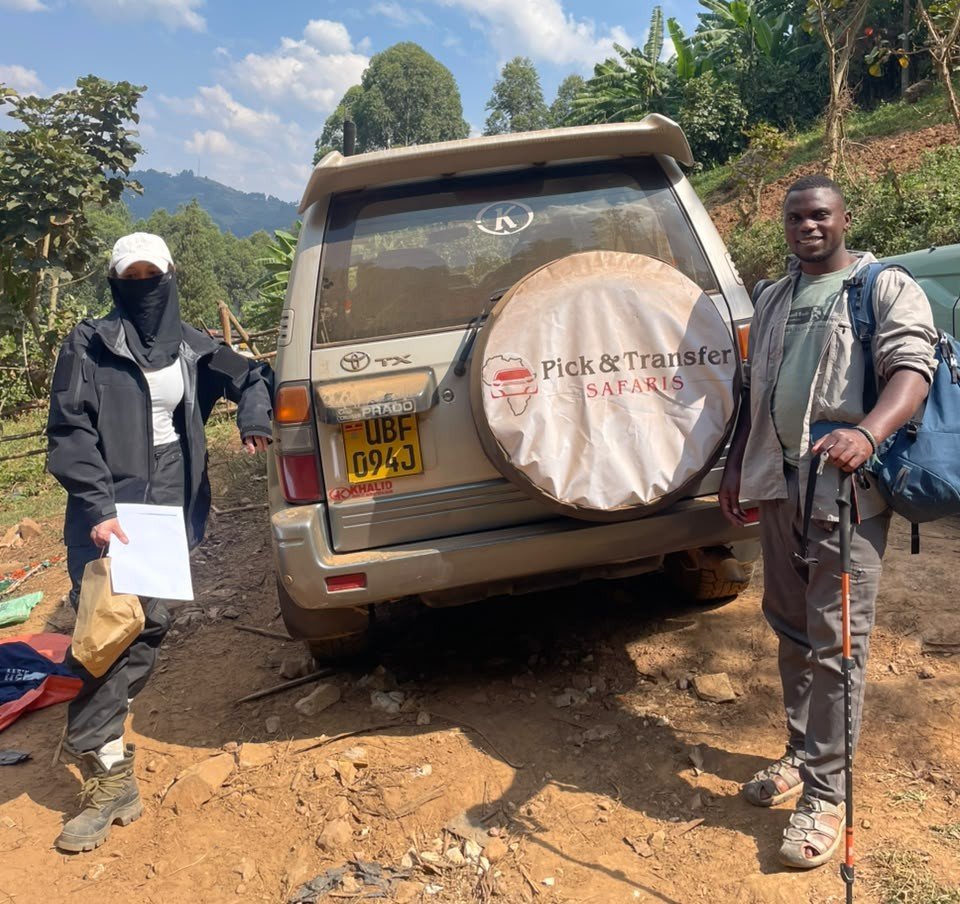
This 7-day itinerary is the classic one-week introduction to Uganda, covering the country’s three most iconic wildlife experiences: chimpanzee tracking in Kibale Forest National Park, Big Five game drives and a boat cruise in Queen
Tour Details →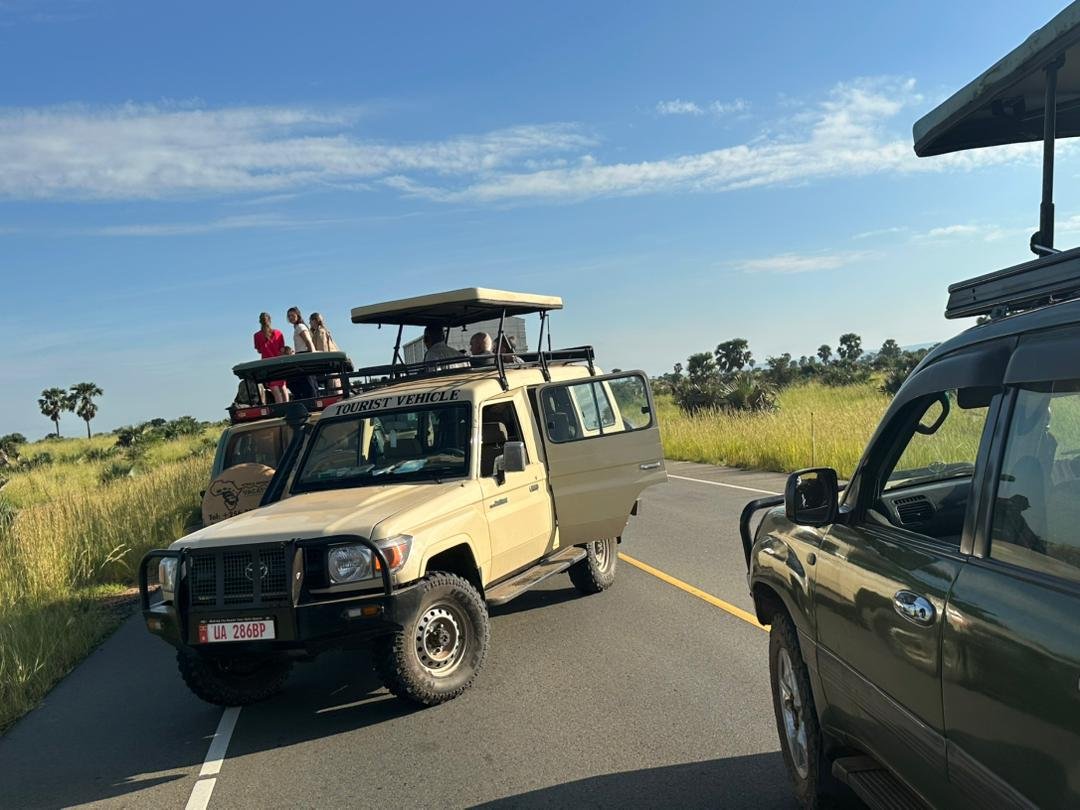
10 Days Uganda Primates and Wildlife
This 10-day Uganda Grand Safari is the most complete Uganda itinerary we offer at Pick and Transfer Safaris. It begins with a scenic northward drive from Entebbe to the vast open plains of Murchison
Tour Details →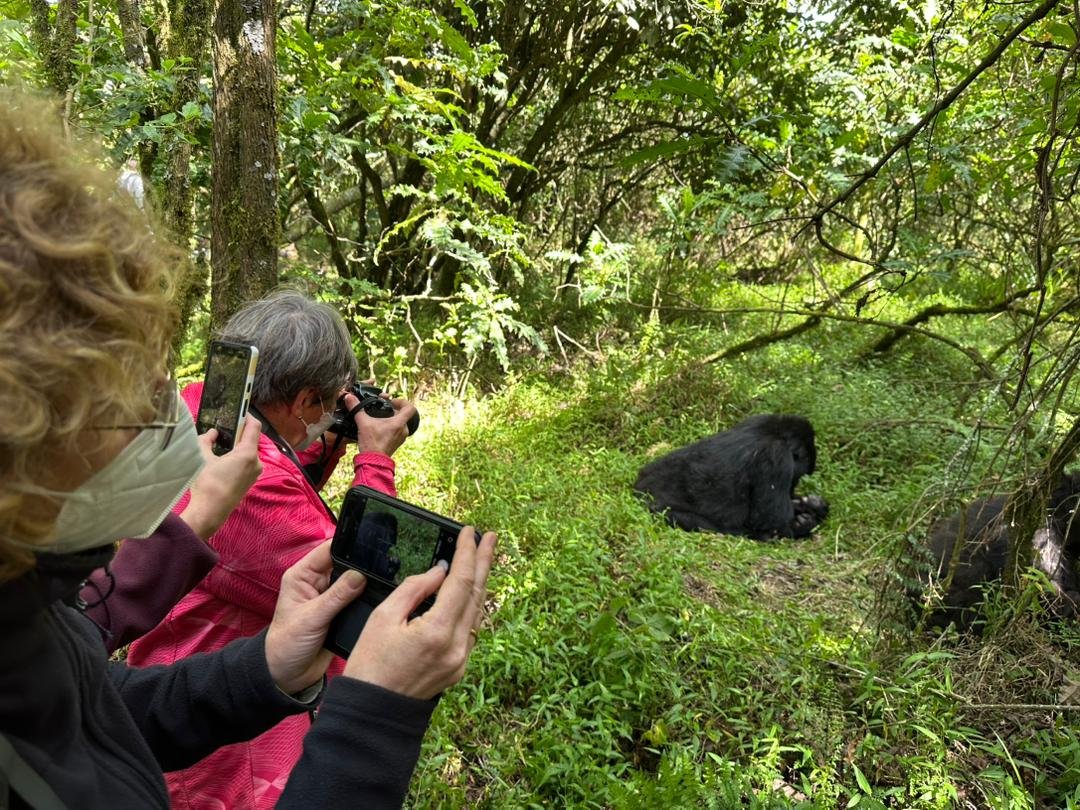
2 Days Uganda Gorilla Tour Starting from Kigali
This is the gentler cousin of our 1-Day Uganda Gorilla Safari Starting from Kigali — same idea, twice the breathing room. Instead of squeezing a 3,000-metre forest trek and two border crossings into a single very long day
Tour Details →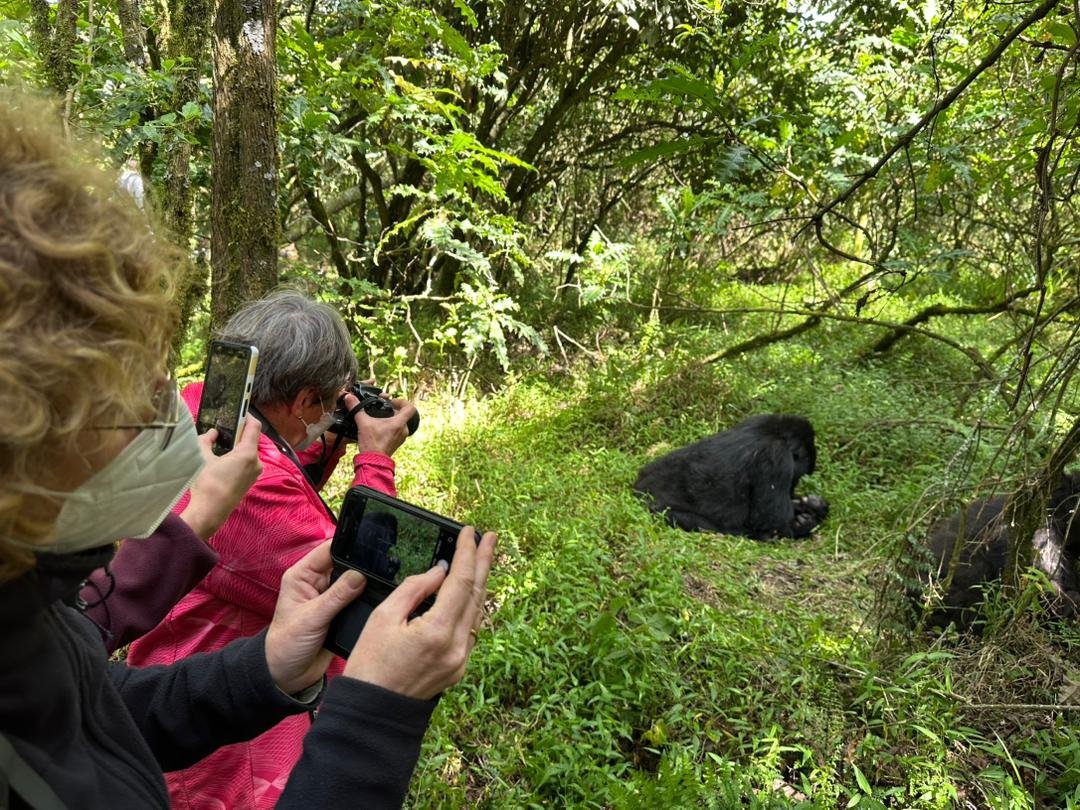
5-Day Uganda Gorilla and Chimpanzee Safari
This itinerary can be combined with a Rwanda extension or a wildlife-focused add-on through Queen Elizabeth National Park — browse our Uganda & Rwanda Safaris and Primate Safaris collections for ideas.
Tour Details →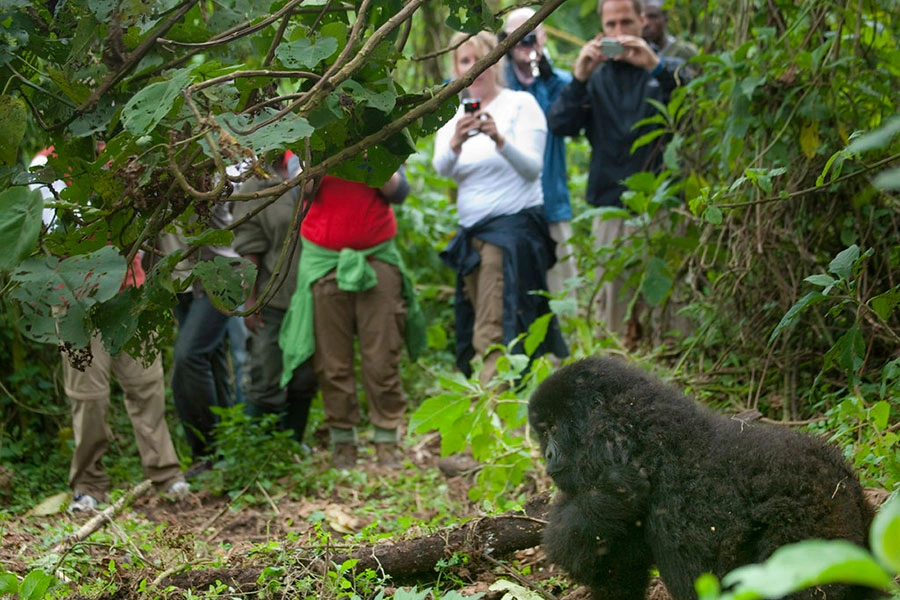
5 Days Rwanda Wildlife and Gorillas
This 5-day itinerary brings together Rwanda’s two flagship wildlife experiences: open savannah game drives and a boat safari in Akagera National Park, followed by a face-to-face encounters
Tour Details →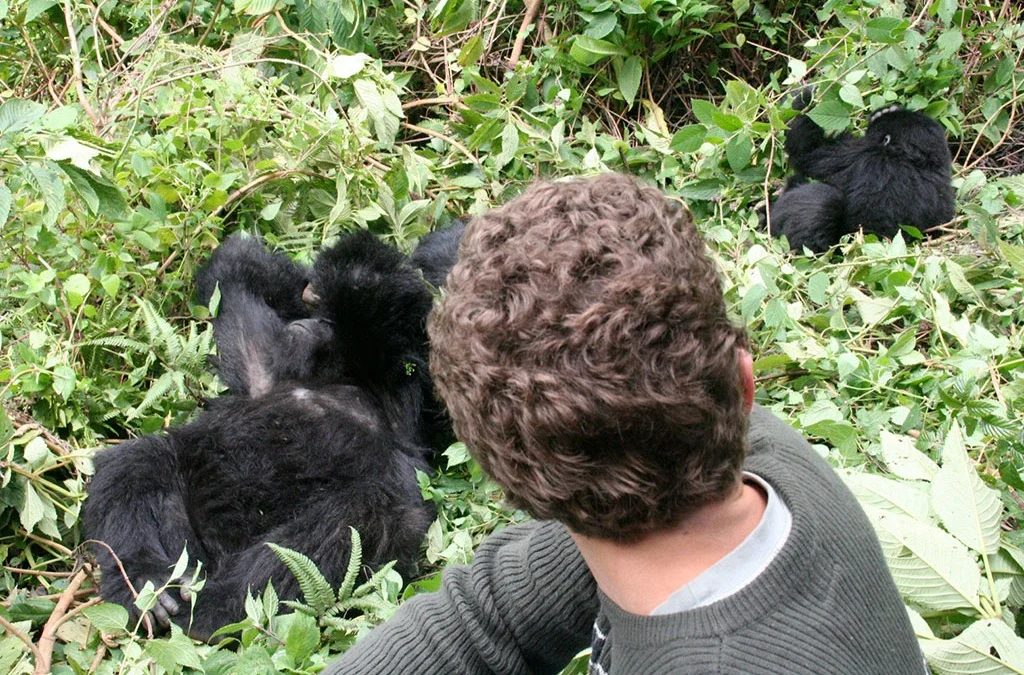
3 Days Uganda Gorilla Safari
For travelers who arrive in Entebbe with a tight schedule and a clear ambition, a 3-day gorilla safari to Bwindi Impenetrable Forest National Park is the most focused and rewarding short trip the country has to offer.
Tour Details →