- LET'S PLAN YOUR SAFARI
- +256 200 921 002
- +256 793 194 703
- info@pickandtransfersafaris.com

Gorilla Trekking vs Chimpanzee Trekking in Rwanda
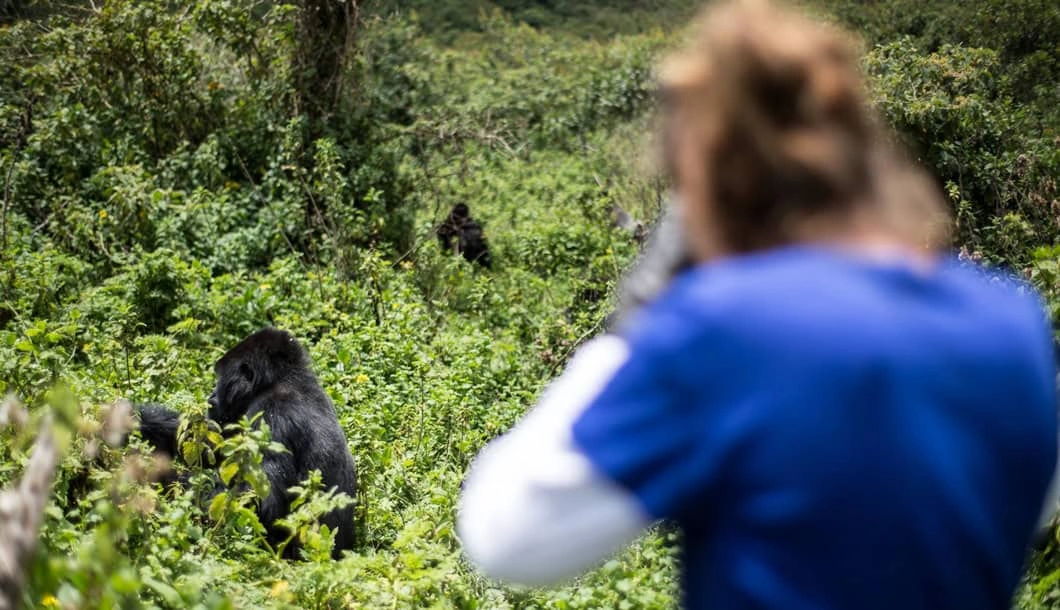
Gorilla Trekking vs Chimpanzee Trekking in Rwanda. Rwanda is one of only a handful of countries on earth where you can look a wild great ape in the eye, and it is the only one where you can realistically do it twice, once with a mountain gorilla and once with a chimpanzee, on the same trip. Both experiences are extraordinary. Both are physically demanding, strictly regulated, and unforgettable in completely different ways. But they are not the same trek, and travellers planning a Rwanda itinerary regularly ask us the same question: gorilla trekking or chimpanzee trekking, or both, and if both, how do you fit them together sensibly? This guide breaks down exactly how the two experiences compare, from permit prices and group sizes to terrain, fitness demands, minimum age rules and the best time of year to go, so you can decide with confidence, or plan a trip that includes both.
At Pick and Transfer Safaris, gorilla and chimpanzee trekking sit at the heart of almost every Rwanda primate safari we design, and the honest answer to “which one should I do” is usually “both, if your schedule and budget allow it.” But if you only have time or budget for one, the details below will tell you exactly what to expect from each, from what the permit actually costs and covers, to how steep the climb really is, to which trek suits a first-time visitor versus a returning traveller chasing a deeper, more research-oriented encounter.
Every fact in this guide reflects current 2026 park rules, permit pricing and booking practice in Rwanda, but regulations, fees and habituated group numbers do shift from year to year as Rwanda Development Board policy evolves, so always confirm exact dates, prices and availability with your operator before finalising a booking.
Why Rwanda Is the Easiest Place on Earth to Do Both
Uganda and the Democratic Republic of Congo also offer gorilla and chimpanzee trekking, but Rwanda holds a genuine logistical advantage that makes it the easiest place in the world to combine the two in a single, uncomplicated trip. Volcanoes National Park is roughly a two-and-a-half-hour drive from Kigali International Airport, and Nyungwe Forest is reachable from Kigali in around five to six hours by road or a short domestic flight, meaning both parks sit within a single, well-paved, well-signposted country rather than requiring a border crossing, a separate visa, or a long, rough road transfer, all of which are realities of combining gorilla trekking in Uganda’s Bwindi Impenetrable Forest with chimpanzee trekking in Kibale Forest. For travellers with limited time, that difference alone often settles the question of where to trek rather than which species to prioritise.
Meet the Primates: Mountain Gorillas vs Chimpanzees
Mountain gorillas are the larger and, for most visitors, the more visually dramatic of Rwanda’s two great apes. A silverback can weigh up to 200 kilograms, and family groups move slowly and predictably through dense vegetation, feeding on leaves, stems and bamboo shoots. Because gorillas are ground-dwelling, calm-tempered and habituated to move relatively short distances within a known territory each day, a trek typically means a single, sustained climb to wherever the tracking team has located the group that morning, followed by an intense, close-quarters hour in their presence.
Chimpanzees are smaller, far more agile, and considerably more energetic. They live in large, fluid communities that can range widely through the forest canopy and understorey in a single day, foraging for fruit, hunting small prey, grooming, calling to each other across long distances and occasionally sprinting through the trees overhead. Where a gorilla encounter feels calm and almost meditative, a chimpanzee encounter is louder, faster-paced and often genuinely thrilling, complete with pant-hoots echoing through the canopy before you even see them. Neither experience is better than the other; they are simply different kinds of wild encounter, and many travellers find the contrast between the two is exactly what makes doing both worthwhile.
Where Each Trek Happens in Rwanda
Gorilla trekking in Rwanda takes place exclusively in Volcanoes National Park, in the northwest of the country, where the slopes of five dormant volcanoes, Karisimbi, Bisoke, Muhabura, Gahinga and Sabyinyo, hold Rwanda’s share of the roughly 1,000 remaining mountain gorillas on earth, split across a dozen habituated family groups. Chimpanzee trekking happens primarily in Nyungwe Forest National Park in the southwest, one of Africa’s oldest and most biodiverse montane rainforests, home to two habituated chimpanzee communities alongside thirteen other primate species. A smaller, quieter chimpanzee trekking option also exists at Gishwati-Mukura National Park, Rwanda’s newest and least-visited national park, which suits travellers who want a genuinely low-traffic alternative to Nyungwe.
The two flagship parks sit roughly four to five hours apart by road on opposite ends of the country, with Kigali more or less in between, which is the main logistical fact shaping how most people combine the two treks into a single trip, covered in more detail further down.
Permit Prices Compared: Gorilla vs Chimpanzee Permits
The cost difference between the two treks is significant and worth understanding upfront. As of 2026, a Rwanda gorilla trekking permit costs $1,500 per person for international visitors, $500 for African residents and nationals from other African countries, and $200 for East African Community citizens. A 30 percent low-season discount, bringing the international rate down to roughly $1,050, applies from November to May for visitors who also spend two or more nights in Akagera or Nyungwe National Park. That permit covers park entry, a guided trek and up to one hour with the gorillas once you reach them; guide tips and porter fees are separate.
A Nyungwe chimpanzee trekking permit, by contrast, costs around $100 per person, a fraction of the gorilla permit price, and likewise includes park entry, a guided trek and up to an hour with the chimpanzees. This price gap is one of the most common reasons travellers choose to prioritise gorilla trekking as the single splurge of their Rwanda trip and add chimpanzee trekking as a comparatively low-cost extension, rather than treating the two as equally weighted, equally priced decisions.
Group Sizes and Daily Availability
Volcanoes National Park issues a strictly limited number of gorilla permits each day, generally eight visitors per habituated family group across roughly a dozen groups, for a daily total in the region of 96 permits. Because demand regularly exceeds supply, particularly in the June to September and December to February high seasons, gorilla permits should be booked several months in advance through a registered operator or directly via the Rwanda Development Board.
Nyungwe’s chimpanzee permits are similarly capped, with a maximum of eight trekkers permitted per group per day, but demand runs considerably lower than for gorillas, meaning chimpanzee permits are generally easier to secure on shorter notice, even in peak season. If your travel dates are fixed and gorilla permits for your preferred day are sold out, chimpanzee trekking is a genuinely rewarding alternative that is far less likely to leave you disappointed by availability.
Minimum Age and Fitness Requirements
Both treks are governed by a minimum age of 15, a rule that Rwanda enforces strictly and consistently across gorilla trekking and, more recently, chimpanzee trekking as well, which was raised from a previous minimum of 12. Passports are checked to confirm age before departure, and there is no flexibility on this rule regardless of a child’s maturity or fitness level. Families travelling with younger children typically arrange supervised alternative activities, such as guided village walks, cultural visits or wildlife education programmes, while parents complete the trek.
There is no upper age limit for either trek, but both demand a reasonable baseline of fitness and mobility, since neither park permits vehicle access into gorilla or chimpanzee territory. Porters are available to carry bags and provide a supportive hand on steep or muddy sections, and hiring one is worth the modest cost for almost every visitor, not only those who feel they need the help; porter fees also directly support local community income around both parks.
What the Trek Itself Feels Like: Terrain, Altitude and Duration
This is where the two experiences diverge most sharply, and it is often the single most important factor in choosing between them. Gorilla trekking in Volcanoes National Park happens at altitude, generally between 2,400 and 3,000 metres above sea level, on the steep, often muddy lower slopes of the park’s volcanoes, through dense vegetation, stinging nettles and thick undergrowth that trackers clear as you go. The trek to reach a gorilla family can take anywhere from thirty minutes to six or seven hours, depending entirely on where that particular group happens to be that morning, and the altitude alone makes the walk more strenuous than the distance would suggest, even for reasonably fit visitors.
Chimpanzee trekking in Nyungwe happens at somewhat lower elevation, broadly between 1,600 and 2,950 metres, through tropical montane rainforest with a well-maintained network of trails, including sections that connect to Nyungwe’s famous canopy walkway. The terrain itself is generally considered less punishing than the Volcanoes slopes, but chimpanzees move far more than gorillas do in the course of a morning, covering significant ground through the canopy, which means trackers sometimes have to move quickly and cover real distance to keep pace with a community before settling for the viewing hour. In practice, most visitors find gorilla trekking the more physically demanding of the two because of the combination of altitude and slope, while chimpanzee trekking demands more sustained pace and occasional quick movement to keep up with a faster-moving primate.
Golden Monkey Trekking: A Third Primate Option Worth Knowing About
While it is not part of the gorilla-versus-chimpanzee comparison itself, Volcanoes National Park offers a third primate trek worth mentioning, since many travellers add it to a gorilla trekking day almost as an afterthought and end up loving it. Golden monkey trekking follows small, extremely active troops of endangered golden monkeys through the park’s bamboo zone, at a permit price of around $100, similar to a chimpanzee permit, and at a noticeably gentler pace and lower altitude than gorilla trekking. It is not a substitute for either gorilla or chimpanzee trekking, but for travellers already staying near Volcanoes National Park for their gorilla trek, it is a low-cost, low-effort way to add a second wild primate encounter to the same trip without the cost or altitude demands of a second gorilla permit.
Nyungwe’s Canopy Walkway: More Than Just Chimpanzee Trekking
One practical advantage Nyungwe holds over Volcanoes National Park is the sheer range of activities available around the chimpanzee trek itself. Nyungwe is home to East Africa’s only canopy walkway, a suspended steel bridge strung roughly 70 metres above the forest floor with sweeping views across the rainforest canopy, and most visitors combine it with their chimpanzee trekking day rather than treating it as a separate excursion. Beyond the canopy walk, Nyungwe offers waterfall hikes, colobus monkey tracking, birdwatching for forest specialists found almost nowhere else in East Africa, and guided tea plantation walks along the park’s eastern boundary. Volcanoes National Park has its own strong secondary activities, including the Dian Fossey tomb hike and volcano summit climbs on Bisoke and Karisimbi, but travellers who want a fuller, multi-activity forest day alongside their primate trek often find Nyungwe delivers more variety for a comparable or lower daily cost.
Time Spent With the Animals
Both permits entitle you to up to one hour in the presence of the animals once your guide locates them, a rule set by the Rwanda Development Board to limit stress on wild populations and reduce disease transmission risk between humans and great apes. In practice, gorilla encounters often feel slightly more immersive minute for minute, since gorilla groups tend to remain in a relatively contained area during your hour, giving you sustained close-range views of individuals, including juveniles and the dominant silverback. Chimpanzee encounters can be more dynamic but also more fragmented, since the community may move, split up or head back into the canopy partway through your hour, meaning your guide may reposition the group more than once to keep sightings going.
It is worth setting expectations accordingly before either trek. A gorilla hour tends to deliver the kind of prolonged, still, almost portrait-like viewing that makes for the classic gorilla-trekking photographs most travellers have seen before booking, silverbacks lounging in open clearings, infants tumbling over each other a few metres away. A chimpanzee hour is livelier and less predictable, often involving several shorter viewing windows as the community shifts position, interspersed with calls and movement through the canopy overhead that can be just as memorable but harder to capture on camera. Neither pattern is a flaw in either experience; travellers who arrive expecting the encounter each species actually delivers, rather than importing expectations from the other, consistently report the more satisfying trek.
Habituation Experiences: A Longer, Deeper Alternative
For travellers who want more than the standard hour, Rwanda offers extended habituation experiences for both species. The gorilla habituation experience allows up to four hours with a gorilla family that is still in the process of becoming accustomed to human presence, offering a rawer, more research-oriented encounter alongside conservation staff, at a permit price broadly comparable to the standard gorilla permit. Nyungwe offers a similar chimpanzee habituation experience, spending extended time with a community during the early stages of habituation, watching researchers and trackers at work rather than a fully settled, camera-ready group. Both habituation options require more stamina and flexibility than the standard trek and are best suited to repeat visitors or travellers with a specific interest in primate research and conservation, rather than a first-time visit.
Photography Rules and Trek Etiquette
Rules on both treks exist to protect the animals, and they are broadly similar. Flash photography is prohibited on both gorilla and chimpanzee treks, since sudden bright light can startle the animals and, over repeated exposure, cause genuine stress. A minimum distance, generally seven to ten metres, must be maintained from gorillas, and a similar eight-metre minimum applies to chimpanzees, though both animals will sometimes approach visitors of their own accord, in which case guides will ask you to slowly back away rather than the reverse. Eating, drinking and smoking near the animals is not permitted, visitors displaying symptoms of cold, flu or other communicable illness are asked to skip their trek for the health of the apes, and any waste, including tissues, must be carried out of the forest rather than left behind. Guides on both treks are firm about these rules, and they are worth taking seriously, since great apes share enough genetic material with humans to be vulnerable to many of the same respiratory illnesses.
Best Time of Year for Gorilla and Chimpanzee Trekking
Rwanda’s two long dry seasons, June through September and a shorter window from December through February, are the most popular and generally most comfortable months for both treks, since drier trails make the climb easier and reduce the odds of trekking through heavy rain. That popularity, however, is exactly why gorilla permits sell out furthest in advance during these months, so booking six months or more ahead is sensible if y our trip falls in peak season. The wetter months, March to May and October to November, bring a real chance of rain on any given trek day, and the ground can be considerably more slippery underfoot, particularly on Volcanoes National Park’s steeper slopes, but they also bring lower permit demand, a better chance of last-minute availability, and, for gorilla trekking specifically, the 30 percent low-season discount described earlier. Nyungwe, being rainforest rather than volcanic slope, sees rain somewhat more evenly spread across the year regardless of season, so the seasonal difference matters less for chimpanzee trekking than it does for gorillas.
Full Cost Breakdown: Budgeting Beyond the Permit
The permit fee is only one part of the total cost of either trek, and travellers who budget for the permit alone are often surprised by the rest of the bill. On top of the $1,500 gorilla permit or $100 chimpanzee permit, expect to budget for a porter, typically $15 to $20 per trek and well worth arranging regardless of fitness level, a guide tip, generally $10 to $20 per person at your own discretion, and accommodation, which varies enormously by comfort level. Budget lodges near either park start from around $60 to $100 per night, mid-range lodges from roughly $150 to $300, and Rwanda’s premium lodges near Volcanoes National Park, several of which rank among the most expensive properties in Africa, can run well over $1,000 per night. A private vehicle with driver-guide for the trekking days themselves, included as standard in our own gorilla safari packages, is the other major line item, since neither park permits self-guided trekking or public transport access to the trailheads. Travellers assembling their own logistics independently, including car hire, can compare options through operators such as Kenlink Tours’ car hire service, though for a first-time gorilla or chimpanzee trek, a fully guided package remains the simpler and generally more cost-effective route once permit booking, park transfers and trekking-day logistics are all accounted for.
Combining Both Treks in One Rwanda Trip
Because Volcanoes National Park and Nyungwe Forest sit at opposite ends of the country, doing both treks means building in either a long road transfer, roughly five to six hours between the two parks, or a domestic flight to save time. Most well-paced Rwanda itineraries route the two treks around Kigali rather than trying to connect them directly, and a growing number of travellers now do gorilla trekking first, closer to Kigali, before continuing south to Nyungwe for chimpanzees a day or two later, or the reverse.
Our own 5-Day Rwanda Gorilla and Chimpanzee Safari is built specifically around this pairing, with a comfortable transfer day between the two parks, and our 5-Day Best of Rwanda Primate Safari extends the concept further with additional primate viewing, including golden monkeys, along the way. Travellers with more time often build the two treks into a fuller circuit through our 7-Day Best of Rwanda or 10-Day Rwanda Wildlife and Gorilla Tour, both of which weave in Akagera’s Big Five and Kigali’s cultural sites around the two primate treks rather than treating them as a rushed back-to-back pair.
If your route continues into Uganda, our long-time partner Kenlink Tours runs a comparable 3-Day Rwanda Gorilla Safari and a 6-Day Rwanda Adventure covering great apes and Lake Kivu, along with Uganda-side options through their 3-Day Uganda Gorillas Safari, 3-Day Chimpanzee Tracking Safari, and combined 8-Day Uganda Gorilla, Chimpanzee and Wildlife Safari, all worth reviewing through their Rwanda safaris and Uganda safaris collections if you are piecing together a two-country primate itinerary.
Uganda as an Alternative or Addition
Travellers weighing cost heavily sometimes ask whether Uganda’s gorilla and chimpanzee trekking, in Bwindi Impenetrable Forest and Kibale Forest National Park respectively, is worth considering instead of or alongside Rwanda’s. Uganda’s gorilla permits, at around $800, are considerably cheaper than Rwanda’s $1,500, and Kibale’s chimpanzee permits, at roughly $150 to $200, cost somewhat more than Nyungwe’s but come with a larger, well-established habituation programme and a strong chance of multiple sightings in a single morning. The trade-off is logistics: Bwindi and Kibale both sit a long day’s drive from Kigali or Entebbe, and combining Rwanda and Uganda trekking in one trip generally adds two to three extra travel days compared with staying inside Rwanda alone. For travellers who do want to add Uganda to the mix, our partner Kenlink Tours runs a well-regarded 7-Day Gorilla and Wildlife Safari in Uganda, and their team can be reached directly through their contact page or you can read more about their operation before booking a cross-border itinerary.
Which Trek Is Right for You?
If budget is your main constraint, chimpanzee trekking at roughly $100 per permit delivers an outstanding wild-primate encounter for a fraction of the gorilla permit price, and is the better starting point for a first Rwanda trip on a tighter budget. If a single, unforgettable wildlife encounter matters more than budget, gorilla trekking remains the once-in-a-lifetime experience most travellers build their entire Rwanda trip around, and the calmer, more contained nature of a gorilla family makes for a more predictable, less physically taxing hour once you reach them, even though the climb itself can be tougher. If you are travelling with a moderate fitness level and want the gentler of the two climbs, Nyungwe’s lower altitude and better-maintained trails are usually the more comfortable choice, while travellers in strong physical condition who want the classic bucket-list primate experience should prioritise gorilla trekking and treat the altitude and slope as part of the adventure. And if your schedule and budget genuinely allow for both, doing gorilla trekking in Volcanoes and chimpanzee trekking in Nyungwe on the same trip remains, in our experience, the single most rewarding way to see Rwanda’s primates, precisely because the two encounters are different enough from each other that neither one dulls the impact of the other.
What to Pack for Gorilla or Chimpanzee Trekking
Both treks call for broadly similar gear. Sturdy, ankle-supporting hiking boots are essential, ideally already broken in before your trip, along with waterproof trousers and jacket, since rain is possible on either trek regardless of season. Long sleeves and long trousers, tucked into socks or gaiters, protect against stinging nettles and biting ants, both a real feature of the Volcanoes undergrowth in particular. Gardening gloves are a small, often overlooked addition that make a genuine difference when grabbing vegetation on steep sections. A daypack with water, a light rain cover, energy snacks and a dry bag for your camera rounds out the essentials, along with a wide-brimmed hat and sunscreen for the drier, more exposed sections of trail. Binoculars are optional but useful on chimpanzee treks in particular, since sightings sometimes happen higher in the canopy than the close-range gorilla encounters typically allow.
How to Book Gorilla and Chimpanzee Permits
Permits for both treks are issued by the Rwanda Development Board and can technically be booked directly by independent travellers through its official website, but in practice the vast majority of visitors book through a registered tour operator, mainly because permits must be paid for in full at the time of booking, are non-transferable between names once issued, and are far easier to coordinate correctly alongside accommodation, park transport and daily logistics when handled by an operator who does this regularly. Gorilla permits in particular are worth securing as early as possible once your travel dates are fixed, since a delay of even a few weeks can mean the difference between trekking on your ideal date and having to shift your entire itinerary around whatever dates remain available. Chimpanzee permits carry far less risk of selling out, but booking both permits together, through the same operator and at the same time, is still the simplest way to guarantee your dates line up correctly across both parks.
Gishwati-Mukura: A Quieter Alternative for Chimpanzee Trekking
Nyungwe is Rwanda’s primary chimpanzee trekking destination and the one most itineraries default to, but Gishwati-Mukura National Park, gazetted in 2015 and still Rwanda’s least-visited park, offers a genuine alternative for travellers who want the same species with none of the crowds. Gishwati’s forest is smaller and its chimpanzee community less extensively habituated than Nyungwe’s, which means sightings can be somewhat less predictable, but the trade-off is a trek where you are highly unlikely to encounter another trekking group all day, alongside golden monkeys and a strong population of forest birds in a landscape that is also a flagship example of Rwanda’s forest restoration work. It suits travellers who have already done a more conventional chimpanzee trek elsewhere and want a quieter, more exploratory second experience, or independent-minded visitors who simply prefer the road less travelled.
Sample Itinerary: Gorillas and Chimpanzees in One Week
A well-paced seven-day version of this trip typically starts with a night in Kigali to recover from international flights, followed by a transfer to Volcanoes National Park for gorilla trekking on day two, with a rest day or golden monkey trek added on day three for travellers who want to fully absorb the volcanic scenery. Day four moves south, either by road or a short domestic flight, to Nyungwe Forest, arriving in time for an afternoon canopy walk before chimpanzee trekking on day five, ideally scheduled for the early morning when chimpanzee communities are most active and easiest to locate. A day six visit to Akagera or a relaxed cultural day back in Kigali rounds out the week before departure on day seven. This is broadly the structure behind our own 7-Day Best of Rwanda itinerary, adjusted to each traveller’s fitness level and interests.
Beyond Primates: Pairing Your Trek with Akagera’s Big Five
Because Rwanda’s primate parks focus entirely on forest wildlife, most travellers who want a full safari experience add on Akagera National Park, Rwanda’s only Big Five destination, where lions, leopards, elephants, buffalo and rhinos share the savannah in the country’s east. We cover exactly where to find each of those species in our companion guide to Akagera’s Big Five, and pairing a two- or three-night Akagera safari with your primate trekking, through our broader wildlife safari collection, is one of the most efficient ways to see the full range of what Rwanda’s national parks offer without adding excessive travel days.
Responsible Trekking: Why the Rules Matter
Both Rwanda’s mountain gorilla and chimpanzee populations owe their survival, in large part, to strict, consistently enforced trekking regulations: capped daily permits, minimum viewing distances, health screening before each trek, and permit revenue that funds ranger patrols, veterinary monitoring and the community programmes that give people living near the parks a direct economic stake in conservation. Gorilla permit revenue in particular has been central to Rwanda’s broader conservation funding model, with a share of every permit fee channelled into community projects around Volcanoes National Park. Following your guide’s instructions closely, keeping your distance, and postponing a trek if you are unwell are not simply formalities; they are the reason both species have populations healthy enough to visit at all today.
Frequently Asked Questions About Gorilla Trekking vs Chimpanzee Trekking in Rwanda
Which is more expensive, gorilla or chimpanzee trekking? Gorilla trekking, by a wide margin. A Rwanda gorilla permit costs $1,500 for international visitors, compared with roughly $100 for a Nyungwe chimpanzee permit.
Is gorilla trekking harder than chimpanzee trekking? Generally yes, mainly because of altitude and slope. Volcanoes National Park treks happen between 2,400 and 3,000 metres on steep volcanic terrain, while Nyungwe’s chimpanzee trails sit somewhat lower and are typically better maintained, though chimpanzees move faster and further than gorillas, which adds its own physical demand.
Can children do gorilla or chimpanzee trekking? Both treks require a minimum age of 15, strictly enforced with passport checks. Younger children can join alternative supervised activities at both parks while parents trek.
Can I do both treks on the same trip? Yes, and it is increasingly common. The two parks sit roughly five to six hours apart by road, or a short domestic flight, and most well-planned Rwanda itineraries of five days or longer include both.
How far in advance should I book permits? Book gorilla permits at least three to six months ahead for June to September and December to February travel, since availability is limited to roughly 96 permits per day nationwide. Chimpanzee permits are generally easier to secure closer to your travel dates.
What happens if it rains during my trek? Both treks proceed rain or shine; permits are non-refundable for weather, and rain does not cancel a trek in either park. It does make trails muddier and the climb slower, particularly on the steeper Volcanoes National Park slopes, so waterproof gear is essential regardless of season.
Is one trek more suitable for people with limited mobility or health conditions? Chimpanzee trekking in Nyungwe is generally considered the more accessible of the two, thanks to lower altitude and better-maintained trails, though its faster pace can offset that advantage. Travellers with joint issues, respiratory conditions or limited hiking experience should discuss both options honestly with their operator, and consider hiring a porter regardless of which trek they choose.
Do I need a visa to trek in Rwanda? Most nationalities can obtain a Rwanda visa on arrival or via the East Africa Tourist Visa, which also covers travel to Uganda and Kenya on a single visa, useful for travellers combining Rwanda’s treks with a wider regional itinerary.
What is the difference between trekking and the habituation experience? Standard trekking permits limit your visit to one hour once the group is located and are available for both gorillas and chimpanzees. The habituation experience extends that window to up to four hours with a group still becoming accustomed to human presence, offers a closer look at ongoing conservation and research work, and generally requires more stamina, flexibility and, in the case of gorillas, an equally significant permit fee.
Will I definitely see the animals? Sighting rates for both treks are extremely high, generally well above 95 percent, since experienced trackers monitor known gorilla families and chimpanzee communities daily and radio ahead to guide teams once a group is located. It is not an absolute guarantee, since wild animals occasionally move beyond a park’s tracked range, but a missed sighting is genuinely rare on both treks when booked through an experienced operator.
Plan Your Gorilla and Chimpanzee Trekking Safari with Pick and Transfer Safaris
Whether you choose the once-in-a-lifetime intensity of gorilla trekking, the fast-paced thrill of chimpanzee trekking in Nyungwe, or both on the same trip, the details above, permit prices, fitness demands, timing and logistics, are exactly what we build into every itinerary at Pick and Transfer Safaris. Explore our focused 2-Day Volcanoes Gorilla Trek from Kigali, our 2-Day Nyungwe Chimps Tracking Trip, or our combined 5-Day Rwanda Gorilla and Chimpanzee Safari. Browse the full range of Rwanda and Uganda safari packages, learn more about us, or reach out through our contact page and let us build the right primate itinerary around your fitness level, budget and travel dates.
7 Days Uganda Safari – One week tour
This 7-day itinerary is the classic one-week introduction to Uganda, covering the country’s three most iconic wildlife experiences: chimpanzee tracking in Kibale Forest National Park, Big Five game drives and a boat cruise in Queen
Tour Details →
10 Days Uganda Primates and Wildlife
This 10-day Uganda Grand Safari is the most complete Uganda itinerary we offer at Pick and Transfer Safaris. It begins with a scenic northward drive from Entebbe to the vast open plains of Murchison
Tour Details →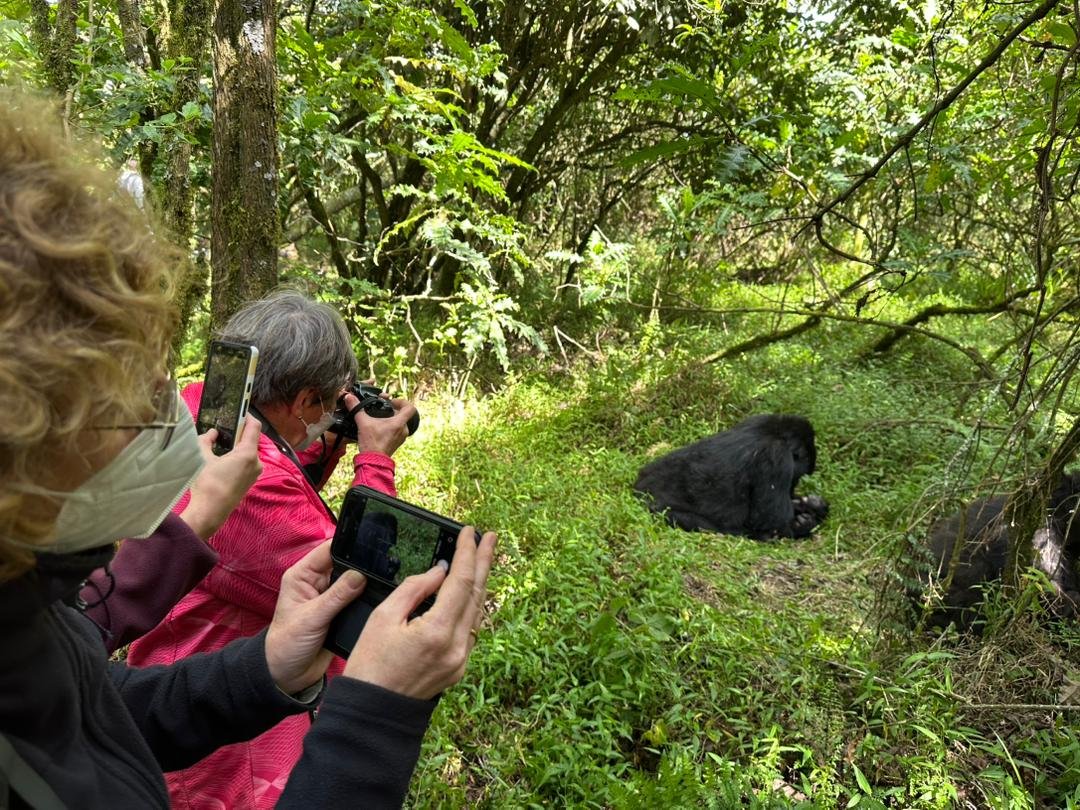
2 Days Uganda Gorilla Tour Starting from Kigali
This is the gentler cousin of our 1-Day Uganda Gorilla Safari Starting from Kigali — same idea, twice the breathing room. Instead of squeezing a 3,000-metre forest trek and two border crossings into a single very long day
Tour Details →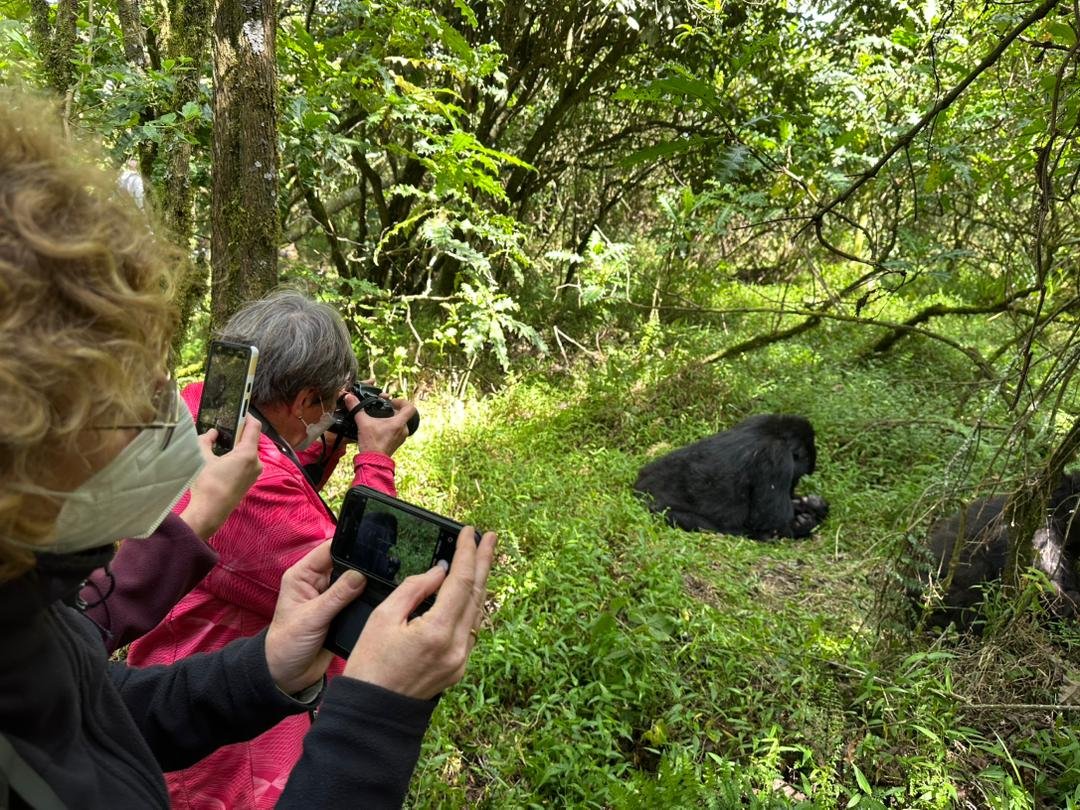
5-Day Uganda Gorilla and Chimpanzee Safari
This itinerary can be combined with a Rwanda extension or a wildlife-focused add-on through Queen Elizabeth National Park — browse our Uganda & Rwanda Safaris and Primate Safaris collections for ideas.
Tour Details →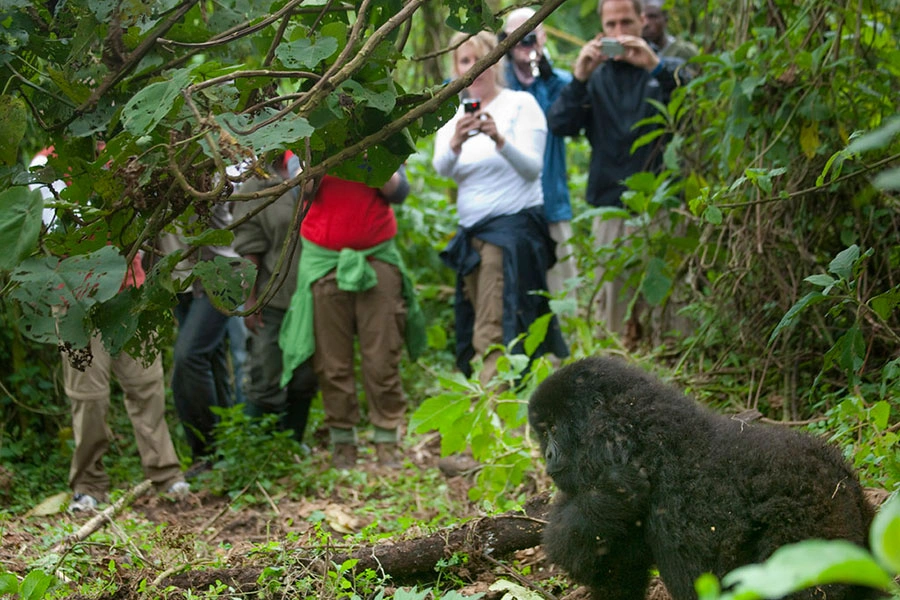
5 Days Rwanda Wildlife and Gorillas
This 5-day itinerary brings together Rwanda’s two flagship wildlife experiences: open savannah game drives and a boat safari in Akagera National Park, followed by a face-to-face encounters
Tour Details →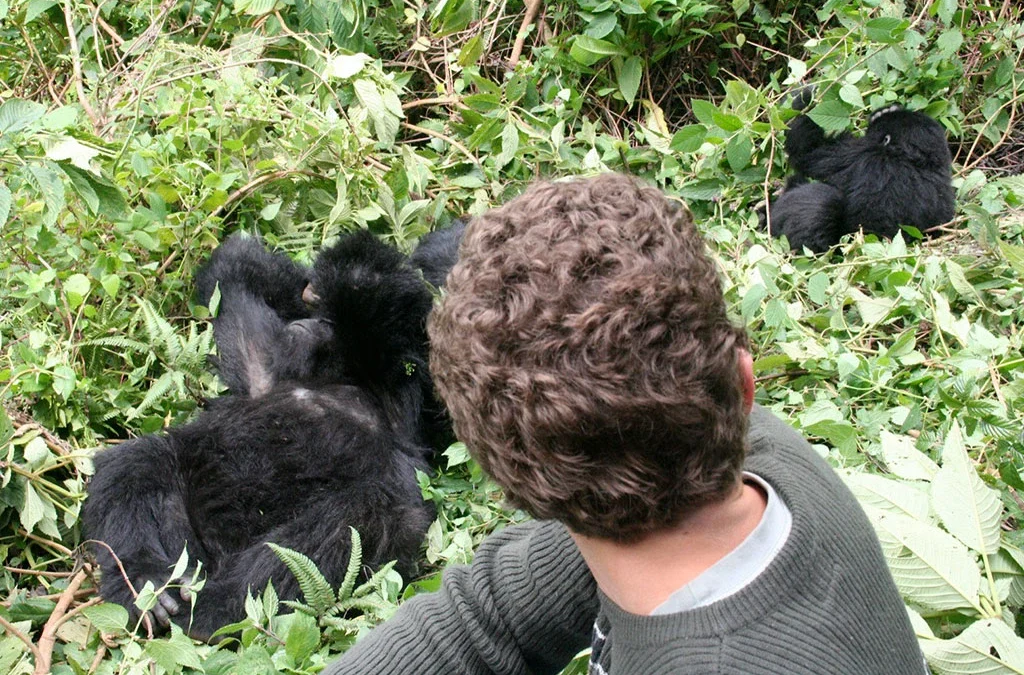
3 Days Uganda Gorilla Safari
For travelers who arrive in Entebbe with a tight schedule and a clear ambition, a 3-day gorilla safari to Bwindi Impenetrable Forest National Park is the most focused and rewarding short trip the country has to offer.
Tour Details →