- LET'S PLAN YOUR SAFARI
- +256 200 921 002
- +256 793 194 703
- info@pickandtransfersafaris.com

How is Uganda Gorilla trekking compared to Rwanda
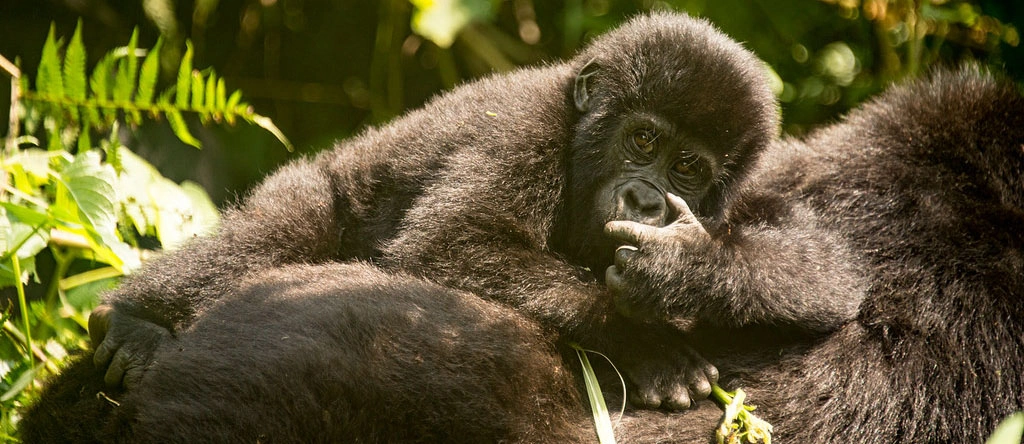
How is Uganda Gorilla trekking compared to Rwanda. Mountain gorilla trekking is one of the most sought-after wildlife experiences on the planet, and travelers planning their trip almost always land on the same question early: Uganda or Rwanda? Both countries offer genuinely world-class encounters with the same species of endangered gorilla, in forests that sit within the same greater Virunga and Albertine Rift ecosystem. But the two experiences differ in real, practical ways — cost, terrain, travel logistics, and the overall feel of the trip. This guide breaks down those differences honestly, so you can decide which country fits your travel style, budget, and time frame, or whether it makes sense to combine both.
Where Gorilla Trekking Happens in Each Country
In Uganda, gorilla trekking takes place primarily in Bwindi Impenetrable National Park, a UNESCO World Heritage Site with over twenty habituated gorilla families spread across four trekking sectors — Buhoma, Ruhija, Rushaga, and Nkuringo — plus a smaller number of families in Mgahinga Gorilla National Park near the Rwandan border. This spread across multiple sectors gives Uganda considerably more daily trekking capacity than Rwanda, which translates into more available permits on any given date.
In Rwanda, trekking happens exclusively in Volcanoes National Park, part of the Virunga Mountains and once home to Dian Fossey’s original gorilla research camp. Rwanda has fewer habituated families than Uganda overall, but the park’s small size and single access point make logistics simpler once you’re there — everyone treks from the same headquarters near Musanze, rather than choosing between four separate sectors spread across a much larger forest.
Permit Costs: The Biggest Practical Difference
This is usually the first thing travelers ask about, and it’s the most significant difference between the two countries. A gorilla trekking permit in Uganda currently costs around $800 for foreign non-residents, issued and regulated by the Uganda Wildlife Authority. A permit in Rwanda costs $1,500 for foreign visitors, managed by the Rwanda Development Board, which more than doubles the direct cost of the activity itself.
That gap matters more for some travelers than others. For budget and mid-range travelers, or families booking multiple permits, Uganda’s lower permit price often makes the difference between a trip that’s financially comfortable and one that isn’t. For travelers on a shorter, higher-budget trip who value convenience above all else, Rwanda’s higher price buys a more streamlined logistical experience, which we’ll get into below. It’s worth noting that permit prices do change periodically in both countries, so always confirm current rates directly with your tour operator before finalizing a budget.
Trekking Difficulty and Terrain
Bwindi earns its name honestly. The park’s dense, tangled understory, steep hillsides, and genuinely “impenetrable” vegetation make for physically demanding treks that can range from a fairly easy one-hour walk to a strenuous four-to-six-hour hike, depending on where the gorilla family happens to be on trekking day. Because there’s no way to know in advance which family you’ll be assigned or how far they’ve moved, Bwindi treks carry a degree of unpredictability that some travelers find part of the adventure and others find stressful to plan around.
Rwanda’s Volcanoes National Park, by contrast, tends to involve more open bamboo forest and volcanic slopes rather than dense hardwood undergrowth, which many trekkers find comparatively easier underfoot, even though the altitude here is generally higher and the climbs can be steep near the base of the volcanoes. Rwanda’s compact park size also means transfer times from headquarters to the gorilla families’ location tend to be somewhat shorter on average, though this varies by family and by day just as it does in Uganda.
Neither country’s trek should be underestimated — both require a reasonable baseline of fitness, sturdy waterproof boots, and a willingness to hike in unpredictable mountain weather. Porters are available and strongly recommended in both countries, both for practical support on the trail and as a meaningful way to support the local economy around the parks.
Accessibility and Travel Logistics
This is where Rwanda has a clear structural advantage. Volcanoes National Park sits roughly two to three hours by road from Kigali International Airport, meaning travelers can realistically fly in, trek, and fly out within a very short window — some visitors do it as a two-night trip. Kigali itself is also an easy, well-run city to fly into and spend a night or two exploring, with direct flights from numerous international hubs.
Uganda’s Bwindi Impenetrable National Park is considerably harder to reach quickly. From Entebbe or Kampala, the drive is roughly nine to ten hours by road, which is why most Uganda-based gorilla itineraries build in one or two full travel days each way, or add a domestic flight to a nearby airstrip to cut down the journey. This makes a standalone Uganda gorilla trip a longer commitment by default — typically four days at minimum once you factor in travel — though it also means the itinerary naturally passes through or near other major Uganda parks along the way, like Queen Elizabeth National Park and its tree-climbing lions, adding value to the extra travel time rather than wasting it.
There’s a useful workaround here that a lot of travelers don’t realize: Uganda’s Bwindi and Mgahinga parks are both reachable from Kigali in two to four hours via the Cyanika border crossing, which is considerably faster than approaching from Kampala. This is a route we specialize in at Pick and Transfer Safaris, and it’s worth knowing about even if you ultimately decide to trek only in Uganda — flying into Kigali and driving across the border can shave a full day or more off your itinerary compared to starting in Uganda’s capital.
Scenery and Overall Experience
Both countries offer stunning, misty mountain scenery, but the character differs. Bwindi’s forest is older and more biodiverse, with over 350 bird species, several other primates, and a genuinely wild, ancient-forest feel that reflects its name. Rwanda’s Volcanoes National Park sits within a more dramatic volcanic landscape — five of the eight Virunga volcanoes are visible from the park, and the open bamboo terrain gives trekkers longer sightlines and, for many, better photo opportunities once you do find the gorillas.
Rwanda also has a notable edge for travelers who want to combine gorilla trekking with golden monkey tracking, since Volcanoes National Park offers both activities within the same headquarters and general area. Uganda offers golden monkey tracking too, but only in Mgahinga, which is a separate park from Bwindi — so combining both primate activities in Uganda usually means visiting two different locations rather than one.
Group Size, Crowding, and Overall Feel
Because Uganda spreads its gorilla families across four sectors in a larger park, trekking groups tend to feel slightly less concentrated day to day compared to Rwanda, where all trekkers depart from a single headquarters each morning. Neither country feels crowded in the way a major safari park sometimes can, since gorilla trekking group sizes are strictly capped at eight visitors per family in both countries, but Rwanda’s single point of departure does mean a busier, more visibly coordinated start to the day during peak season.
Cost Beyond the Permit
The permit price gap between the two countries is significant, but it isn’t the whole financial picture. Rwanda’s shorter, more efficient logistics can offset some of the higher permit cost by reducing the number of nights, transfers, and driving days needed to complete the trip. Uganda’s lower permit price is often paired with a longer overall itinerary, more driving time, and correspondingly more nights of accommodation — which can narrow the total cost gap between the two countries more than the headline permit prices suggest, particularly on a longer trip that already includes other Uganda parks.
Which Country Should You Choose?
If your primary goal is to see mountain gorillas with the least possible travel time and you’re comfortable with the higher permit cost, Rwanda is difficult to beat — it’s genuinely possible to build a short, efficient trip around Kigali. If you’re traveling on a tighter budget, have more time available, or want to combine gorilla trekking with a broader Uganda wildlife safari — savannah game drives, tree-climbing lions, chimpanzee trekking in Kibale — Uganda’s lower permit cost and wider range of parks make it the stronger fit. Families or groups booking multiple permits will usually find Uganda’s pricing meaningfully easier to justify.
Why Not Both?
Given how close Bwindi and Mgahinga sit to the Rwandan border, a growing number of travelers choose not to pick one country at all. A short cross-border itinerary lets you trek gorillas in both Rwanda’s Volcanoes National Park and Uganda’s Bwindi within the same trip, experiencing the terrain and permit differences firsthand rather than reading about them. Our own 10 Days Uganda Rwanda Safari and 15 Days Rwanda Uganda Safari are both built around exactly this idea, and for travelers with less time, even a short add-on trip is possible — we’ve written separately about how to structure a short trip to Mgahinga starting from Rwanda for exactly this kind of cross-border planning.
Best Time to Trek in Each Country
Seasonal patterns are broadly similar across both countries, since Bwindi and Volcanoes National Park sit within the same regional climate. The two dry seasons — June to August and December to February — offer the firmest trails and the easiest underfoot conditions in both parks, and are considered peak season for exactly that reason, meaning permits and lodges book out furthest in advance during these months. The rainier months from March to May and September to November bring muddier, more physically demanding treks in both Uganda and Rwanda, but also fewer visitors, lusher scenery, and in some cases lower accommodation rates. Neither country has a meaningfully better rainy-season experience than the other, so this factor generally shouldn’t be the deciding one between them — it mostly affects when you should book, not where you should go.
There’s no universally “better” country for gorilla trekking — Uganda and Rwanda each do different things well, and the right choice depends on your budget, your timeline, and how much of the surrounding country you want to see along the way. What matters most is booking permits well in advance, particularly for travel during the June–September and December–February peak seasons, since both the Uganda Wildlife Authority and the Rwanda Development Board issue only a limited number of permits per day.
If you’re still weighing the two options, or thinking about combining them into one trip, browse our full gorilla safaris collection, or get in touch with our team and we’ll help you compare routes, costs, and timing based on your travel dates.