- LET'S PLAN YOUR SAFARI
- +256 200 921 002
- +256 793 194 703
- info@pickandtransfersafaris.com

How much is a budget Gorilla Safari in Uganda
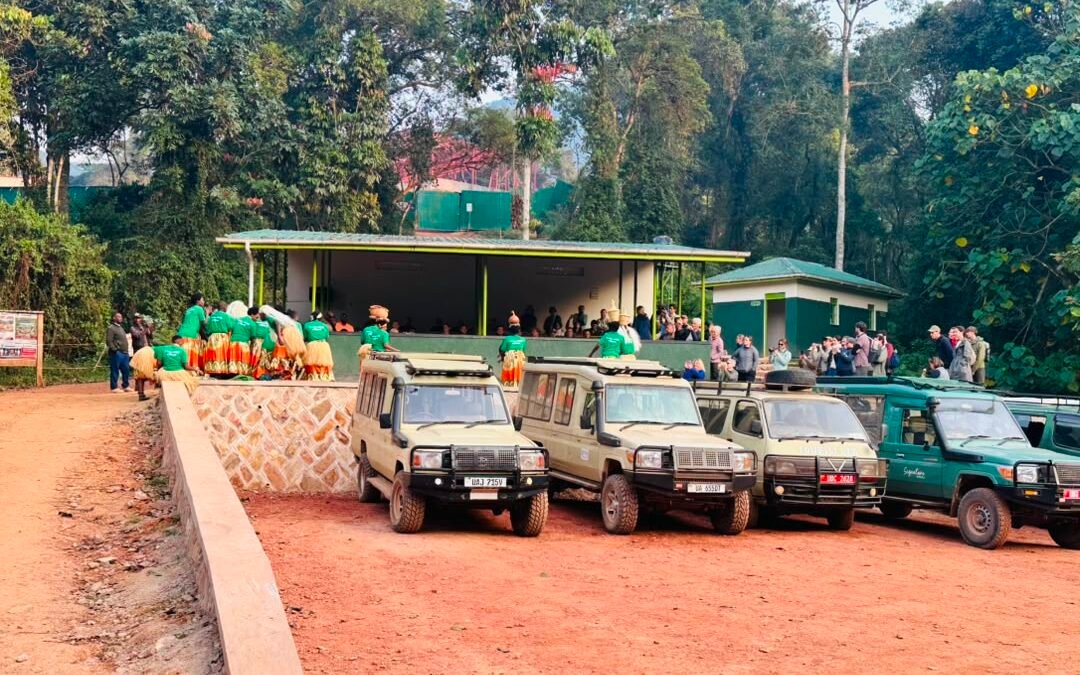
How much is a budget Gorilla Safari in Uganda. “Budget” and “gorilla trekking” don’t sound like they belong in the same sentence, and for good reason — a single permit costs more than most people’s entire vacation budget elsewhere. But a genuinely lean, well-planned Uganda gorilla safari costs meaningfully less than the polished, all-inclusive packages most tour operator websites lead with, and the gap between the two isn’t about cutting corners on safety. It’s about knowing exactly which costs are fixed, which ones flex, and where the real savings are hiding.
This guide breaks down what a realistic budget gorilla safari in Uganda costs from the ground up — permits, public transport fares, genuinely cheap accommodation near the parks, and two sample budgets you can use to sanity-check any quote you’re given. If you’d rather have the logistics handled for you at a fair price, our own gorilla safaris are built around exactly this kind of value-conscious planning.
What “Budget” Actually Means for a Uganda Gorilla Safari
It’s worth being precise about the term before throwing numbers around, because “budget” means something different depending on who’s using it. A tour operator’s “budget package” often just means mid-range lodges instead of luxury ones, still built around a private vehicle and a full-service itinerary. A genuinely budget trip — the kind this guide focuses on — means public or shared transport where practical, simple guesthouse-style accommodation rather than safari lodges, and a trip stripped down to the activities that matter most, without sacrificing the permit, the guide, or basic safety.
What doesn’t change at any budget tier is the core experience: every trekker, regardless of what they paid for their bed the night before, gets the same hour with the same gorilla families, led by the same caliber of ranger-guide. The savings in a budget trip come entirely from everything around the trek — not from the trek itself.
It’s also worth setting expectations against Uganda’s own broader destinations and parks, since “budget” looks different depending on how much of the country you’re trying to see. A single-park, single-activity trip focused purely on one gorilla trek is the cheapest version of this experience by definition; adding a second park, like the primate-and-wildlife combination in this 10-day Uganda Primates and Wildlife itinerary, moves you up in total cost even at the leanest possible tier within each individual park.
The One Cost You Can’t Cut: The Gorilla Permit
A standard Uganda gorilla trekking permit costs US$800 per person for foreign non-residents during regular season, and this figure is fixed by the Uganda Wildlife Authority regardless of which operator books it or how modestly you’re travelling otherwise. There is no genuine “discount permit” available through a budget operator that isn’t also available to anyone else — if you see a quote with a permit priced noticeably below US$800 with no explanation, treat it as a red flag rather than a bargain.
Because the permit is non-negotiable, it also becomes a larger percentage of your total trip cost the more aggressively you cut everything else — on a genuinely bare-bones 3-day trip, the permit alone can represent well over half the total budget. This is worth internalizing early: a “budget” gorilla safari is really a budget trip built around one large, fixed expense, not a budget version of the permit itself. A route built around this reality, like this 3-day Uganda gorilla safari, shows how the permit sits inside a genuinely lean itinerary.
Uganda’s Low-Season Permit Discount
The single biggest lever available to any budget-conscious trekker is Uganda’s low-season permit pricing, available during April, May, and November, when the standard non-resident rate drops from US$800 to US$600 — a US$200 saving per person before anything else about the trip changes. Foreign residents see a proportional drop as well, from US$700 to US$500 during the same window.
The trade-off is that these discounted permits are typically non-reschedulable, so this strategy only works if your travel dates are genuinely fixed rather than tentative. It’s also worth knowing that April, May, and November fall within Uganda’s rainier months, which means muddier trails and more demanding hiking conditions — a fair trade for many budget travelers, but worth going in with the right footwear and expectations rather than being caught off guard. Kenlink Tours’ Uganda safari packages are worth checking for how operators typically structure a low-season itinerary around this discount window.
Budget Accommodation Options Near Bwindi and Mgahinga
Accommodation is where a budget trip diverges most sharply from a standard package, and Uganda genuinely delivers here in a way Rwanda’s lodge market doesn’t. Simple guesthouses and budget lodges around Bwindi run roughly US$50–100 per person per night on a full-board or near-full-board basis, a real step down from the US$150-plus mid-range tier without sacrificing a clean, safe bed and hot water.
Kisoro town, the gateway to both Bwindi’s southern sectors and Mgahinga Gorilla National Park, offers the cheapest genuinely budget options in the region — basic guesthouses from as little as US$12–40 per night, though breakfast at this tier is typically minimal, sometimes little more than tea and bread. This is real backpacker-level pricing rather than a “budget” tier dressed up by a tour operator, and it’s worth knowing about even if you ultimately choose something a step up in comfort.
Why Mgahinga Can Be the Cheaper Gorilla Park
Mgahinga Gorilla National Park, home to a single habituated gorilla family, is often overlooked in favor of Bwindi’s larger family count and greater permit availability, but it has a genuine budget advantage: it sits roughly 40 minutes from Kisoro town, putting the cheapest accommodation and transport hub in the region within easy striking distance of the trailhead, in a way Bwindi’s more remote sectors generally don’t match.
The trade-off is availability — with only one habituated family compared to Bwindi’s several across four sectors, Mgahinga permits are more limited and worth booking well in advance if this is your plan. For budget travelers whose top priority is minimizing accommodation and transport costs around the trek itself, though, Mgahinga deserves serious consideration rather than being treated as Bwindi’s smaller, secondary alternative.
Visa and Entry Costs to Budget For
Visa fees are a fixed cost that’s easy to forget when budgeting purely around the permit and accommodation, but worth including from the start. The East Africa Tourist Visa, covering Kenya, Uganda, and Rwanda for 90 days of unlimited crossings, costs a flat US$100 and is generally the better value if your trip touches more than one of the three countries, even loosely. A single-entry Uganda-only visa is typically cheaper on its own, commonly around US$50, and makes more sense if your trip is strictly a Uganda-only budget gorilla safari with no cross-border leg planned.
Either way, apply online in advance rather than assuming a visa on arrival will be straightforward — processing generally takes several working days, and budget travelers piecing together their own itinerary are exactly the group most likely to be traveling on a tighter timeline where a visa delay could jeopardize a non-reschedulable low-season permit. Factor the visa fee into your total budget alongside the permit as one of the genuinely fixed costs in this guide, rather than treating it as an afterthought.
Getting There on a Budget: Public Transport from Kampala
Public bus transport from Kampala to Kisoro or Kabale is the single biggest cost-cutting decision available on the logistics side of a budget trip. Several coach operators run this route — Kampala to Kisoro or Kabale typically costs US$10–30 per person, covering roughly 550 kilometers and 9–10 hours of travel through Mbarara along the way. Compare that to a private vehicle transfer over the same distance, commonly quoted at US$100–300 for the vehicle regardless of how many people are travelling, and the gap for a solo or duo traveler is substantial.
The trade-off is time and convenience rather than safety: public buses run fixed schedules rather than door-to-door service, the journey is long regardless of vehicle type, and you’ll need to arrange the final leg from the bus stop to your lodge separately, covered in the next section. For travelers coming from Rwanda instead, the Kigali-to-Kisoro route via the Cyanika border runs considerably shorter, often quoted around US$18 by shared shuttle — a genuinely useful option if your trip, like this 3-day Uganda gorilla safari from Rwanda, already starts on the Rwanda side.
Several coach companies compete on this route, including Jaguar Executive Coaches, Bismarkan Coaches, Horizon Coaches, and Post Bus, and fares between them are similar enough that day and departure time typically matter more than which specific operator you choose. Booking a seat a day or two ahead during busier periods is worth doing, since popular early-morning departures can sell out, leaving only later buses that push your arrival into the evening. For travelers who’d rather skip the independent booking process while still keeping costs lean, a fixed-departure option like this 3-day Best of Uganda gorilla safari shows how a budget-tier operator handles the same route as a single coordinated booking.
The Final Stretch: From Kisoro or Butogota to the Park Gate
No public bus runs directly into Bwindi or Mgahinga themselves — every long-distance coach drops passengers in a nearby town, typically Kisoro, Kabale, or Butogota, from where the final leg to your lodge or the park gate is covered separately, usually by hired car or boda-boda motorcycle taxi. This detail catches some independent budget travelers off guard, since it’s easy to assume a bus ticket to “Bwindi” gets you to the park itself.
A local taxi from Kisoro to the park area commonly runs in the region of US$50, while a boda-boda is considerably cheaper but less practical for travelers carrying significant luggage or covering a longer stretch of rough road. Budgeting for this final leg as its own line item, rather than assuming it’s bundled into the bus fare, avoids an unpleasant surprise on arrival — and it’s exactly the kind of gap an operator handling your full transfer, such as through a coordinated safari package, removes entirely.
Private Vehicle vs Public Transport: Which Actually Saves Money
The honest answer depends heavily on group size. For a solo traveler or a couple, public transport plus a local taxi for the final leg is genuinely the cheaper option, often by a wide margin, even accounting for the extra time and minor inconvenience involved. For a group of four to six travelling together, the math flips: a private vehicle’s cost is shared across more people, and once split, it can come out close to or even below the per-person cost of public transport plus arranged local transfers, while also saving significant time and hassle.
This is worth calculating explicitly for your specific group size rather than assuming one option is always cheaper — a quick per-person comparison, using the fare ranges in this guide, usually makes the better choice obvious. Kenlink Tours’ car hire page is a useful reference point for current private vehicle rates if you want to run this comparison yourself before booking.
Joining a Group Departure to Split Costs
Beyond simply travelling with friends, joining a scheduled group departure — a fixed-date trip that a tour operator runs regardless of whether it’s fully booked by one party — is one of the most effective ways for a solo traveler to access group-rate transport and guiding costs without needing to assemble their own group first. Operators running regular scheduled departures pool travelers booked around the same dates into a shared vehicle and itinerary, splitting the daily vehicle and driver-guide cost across everyone on board.
This approach genuinely narrows the cost gap between solo and group travel, and it’s worth actively asking any operator you’re considering whether they run scheduled group departures rather than only private, custom itineraries. Kenlink Tours’ scheduled departure safaris and broader group tours are a useful example of how this model is typically structured and priced.
Meals and Food Costs on a Budget Trip
Most budget and mid-range lodges near the parks quote rates on a full-board basis, meaning breakfast, lunch, and dinner are included in your nightly rate — a genuinely useful budgeting simplification, since it removes food as a variable cost during your park days. At the cheapest guesthouse tier in Kisoro, though, this isn’t always the case, and breakfast in particular can be minimal, so it’s worth confirming exactly what’s included before assuming three full meals are covered.
For meals outside your accommodation — a stop in Kampala, Mbarara, or Kisoro along the road — local Ugandan food at a modest restaurant typically costs US$3–8 per meal, considerably less than the international-style menus at lodges catering primarily to foreign tourists. Budget travelers comfortable eating where locals eat, rather than defaulting to hotel restaurants for every meal, can meaningfully reduce this category of spending across a multi-day trip.
Porter Fees, Tips, and Other Small Costs to Still Budget For
Even the leanest budget trip should still account for a handful of small, easy-to-forget costs. A porter, at a modest fixed fee typically in the US$15–20 range, is genuinely worth hiring regardless of fitness level — the fee supports the local community directly and makes a demanding trek noticeably more manageable, and skipping it to save a small amount is one of the few “savings” on this list that isn’t really worth making.
Tips for your ranger-guide, trackers, and armed escort are customary and expected, typically in the US$10–15 per person per service range on a budget trip — lower than what a luxury trip might tip, but not something to skip entirely. Bottled water, a modest daypack snack, and any last-minute gear you didn’t bring from home round out the small-cost category; budgeting an extra US$30–50 across a multi-day trip for these incidentals keeps the trip from feeling nickel-and-dimed once you’re actually on the ground.
Cash, ATMs, and Payment Tips for Budget Travelers
Budget travel in and around Bwindi and Mgahinga runs heavily on cash, and planning your cash flow properly avoids both awkward moments and unnecessary fees. Kampala and larger towns like Kabale have reliable bank ATMs dispensing Ugandan shillings, but options thin out considerably closer to the parks — Kisoro has a small number of ATMs, but they’re not always reliable, and it’s safer to withdraw what you’ll need for several days while still in a larger town rather than counting on machines near the trailhead.
US dollars are widely accepted for larger payments like permits and lodge bills, but bring clean, undamaged notes printed after 2009 — older or worn bills are frequently rejected outright, a detail that surprises many first-time visitors. For day-to-day budget spending — bus fares, local meals, boda-boda rides, tips — Ugandan shillings are the practical currency, and carrying a mix of small denominations makes these everyday transactions considerably smoother than trying to pay for a US$2 meal with a US$20 note. Card payments are increasingly accepted at mid-range lodges and larger businesses but remain unreliable at the genuinely budget end of the market, so treat cash as the default rather than the backup.
Sample Budget: A Bare-Bones 3-Day Solo Gorilla Trek
To make this concrete: a solo traveler doing a genuinely lean 3-day trip, low-season permit, public transport, and budget guesthouse accommodation might budget roughly as follows — one gorilla permit at the low-season rate (US$600), a return public bus fare from Kampala to Kisoro (roughly US$40–60), two nights of budget guesthouse accommodation (US$100–200), local taxi transfers to and from the park (roughly US$100 round trip), a porter and tips (US$40–50), and meals and incidentals (US$60–80). All told, a bare-bones solo trip lands in the region of US$940–1,090, excluding international flights — genuinely close to the permit price itself once everything else is stripped to its leanest form.
A traveler wanting the same lean approach but with a bit more structure and reliability, rather than self-arranging every leg independently, would find a comparable budget reflected in a package like this 3-day Uganda gorilla safari, which bundles the equivalent logistics into one coordinated booking.
Sample Budget: A Budget-Friendly 5-Day Uganda Gorilla and Wildlife Safari
Extending to five days and adding a savannah park changes the math, since it introduces a second park entrance and additional transport, but the same budget principles still apply. A rough breakdown: one standard-season gorilla permit (US$800), four nights of budget-to-modest accommodation split between Bwindi and Queen Elizabeth National Park (roughly US$400–600 total), a shared or budget vehicle transfer across the full route (US$250–400, considerably cheaper split across a small group than paid alone), a game drive and Kazinga Channel boat cruise (roughly US$100–150), and meals, porter fees, and incidentals (US$150–200). A genuinely budget-conscious 5-day trip lands in the region of US$1,700–2,150 per person for a small group, noticeably below the mid-range benchmarks quoted for the same trip length elsewhere.
A structured itinerary reflecting this same route and budget tier is available through this 5-day Uganda Gorilla and Chimpanzee Safari, or via Kenlink Tours’ comparable 5-day gorilla and wildlife safari and 3-day wildlife encounter to Queen Elizabeth National Park, both useful references for comparing a self-arranged budget against an operator’s coordinated quote at the same tier.
Where this budget tends to flex most is the Bwindi-to-Queen Elizabeth transfer leg, since it can be done as a shared shuttle, a budget private vehicle, or split into public transport plus a shorter arranged transfer for the final stretch into the park — each option landing at a meaningfully different price point. Travelers with any flexibility on timing should price out two or three of these options directly with local operators rather than accepting the first quote, since this single leg often has the widest price spread of any line item in a 5-day itinerary.
How Trip Length Changes Your Total Cost
Trip length affects a budget safari’s economics in a less obvious way than it might seem. A single-focus 3-day trip built around one gorilla trek has the permit dominating the budget, as covered earlier — but stretching to 5 or 7 days to add a savannah park or a second primate trek doesn’t multiply your daily cost proportionally, because the fixed costs (the permit, the long-haul transport to the region) are already paid for and don’t repeat. Each additional day added to an existing trip is genuinely cheaper, on a per-day basis, than the first three.
This means budget travelers deciding between a short, tightly focused trip and a longer one shouldn’t assume the longer option is simply more expensive in proportion — it often represents better value per day once you’re already in the region and have absorbed the biggest fixed costs. A week-long itinerary like this 7-day Uganda safari, or Kenlink Tours’ comparable 7-day amazing gorilla and wildlife safari, is worth pricing out per day against a 3-day trip before assuming shorter is automatically cheaper overall.
Gear You Actually Need to Buy vs Can Skip
Budget travelers sometimes overspend on gear before a trip out of uncertainty about what’s genuinely necessary, so it’s worth being specific. Waterproof hiking boots are worth buying or borrowing if you don’t already own a decent pair — this is the one piece of gear that meaningfully affects both comfort and trek difficulty, and it’s not something to compromise on to save money. A basic rain jacket and a pair of gardening gloves are inexpensive and genuinely useful; buying them locally in Kampala or Kisoro is often cheaper than an outdoor retailer back home, if you’d rather not pack them.
What you can reasonably skip: specialized safari clothing marketed specifically for gorilla trekking, expensive technical hiking gear beyond decent boots, and a dedicated camera setup if your phone takes reasonable photos in daylight — flash is prohibited regardless, so an expensive low-light lens buys you less than it would elsewhere. Porters, covered earlier, can also carry gear you’re unsure about needing, which means erring toward packing light rather than over-preparing is a reasonable budget-conscious default.
What You Give Up at the Budget Tier (and What You Don’t)
It’s worth being honest about the real trade-offs rather than pretending a budget trip is identical to a mid-range one with a lower price tag. What you give up: private, door-to-door transport in favor of shared or public options with fixed schedules; polished lodge common areas, hot showers on demand, and varied menus in favor of simpler guesthouses; and some scheduling flexibility, since public transport and shared departures run on their own timetables rather than yours.
What you don’t give up: the gorilla trek itself, which is identical regardless of budget tier, the same qualified ranger-guides and trackers, the same safety protocols, and the same one hour with the gorillas. A budget trip is a genuinely different travel experience in terms of comfort and convenience, but not a lesser version of the core activity that brought you to Uganda in the first place. Travelers who want a small step up without moving to a full mid-range package often find that a modestly-priced structured itinerary, like this 3-day chimpanzee tour in Uganda combined with a gorilla trek, bridges the gap well.
Mistakes That Make a “Budget” Trip More Expensive
A few decisions quietly turn a planned budget trip into an accidentally expensive one. Booking transport and accommodation separately without checking how they connect is the most common — arriving at a bus stop late at night with no arranged onward transfer often forces an expensive, unplanned last-minute taxi, wiping out whatever was saved on the bus fare itself. Underestimating the final-leg transfer cost from Kisoro or Butogota to the actual park gate, covered earlier in this guide, is a close second.
Booking through an unverified agent offering a permit at an unusually low price is a third, more serious mistake, since the government-set US$800 permit fee doesn’t change based on who books it — an unusually cheap quote usually means something else is missing or misrepresented, not a genuine discount. Finally, cutting the porter fee or the tip budget entirely to save a small amount often costs more in trek difficulty and goodwill than it saves in dollars — these are two of the few “budget cuts” on this list not actually worth making. A fifth, subtler mistake is under-budgeting for the return journey specifically — travelers often price out the outbound trip carefully but assume the return leg will simply mirror it, when post-trek fatigue, potentially different bus schedules, and less energy for haggling over a boda-boda fare can make the return trip quietly more expensive than planned. Booking through an established operator such as a specialist safari team removes most of these risks at once, even at a genuinely budget-conscious price point.
Is It Cheaper to Book Independently or Through a Budget Operator
For travelers comfortable navigating bus schedules, arranging local transfers themselves, and booking accommodation directly, self-organizing can shave a modest amount off the total cost compared to a bundled package — largely because you’re not paying for the coordination and buffer time an operator builds in to guarantee everything connects smoothly. The savings are usually real but smaller than most independent travelers expect, often in the 10–15% range rather than dramatically cheaper.
A reputable budget-focused operator, by contrast, charges a modest margin over self-organizing in exchange for guaranteed connections between your bus, your lodge, and your permit date, along with someone to call if a bus is delayed or a lodge booking falls through. For a first Uganda trip in particular, this margin is often worth paying — the cost of a missed connection or a permit date jeopardized by a transport delay is far higher than the savings from self-organizing. Kenlink Tours’ 3-day Uganda gorillas safari is a reasonable benchmark for what a coordinated budget-tier quote looks like against the self-organized figures in this guide.
A middle path worth considering is a hybrid approach: booking your permit and ground transport through a budget-focused operator, who can secure both reliably and bundle them at a modest markup, while still choosing your own budget guesthouses independently rather than accepting whatever accommodation a package defaults to. This captures most of the reliability benefit of using an operator for the parts of the trip where a mistake is costly, while keeping the flexibility to shop around on accommodation, where a mistake is merely inconvenient rather than trip-threatening.
How Uganda’s Budget Costs Compare to Rwanda
Rwanda simply doesn’t offer an equivalent budget tier — the permit alone, at US$1,500, costs nearly double Uganda’s standard rate, and genuine backpacker-style guesthouses are scarce around Volcanoes National Park, where the lodge market skews upmarket by design. A traveler trying to replicate this guide’s approach in Rwanda would find the accommodation and permit savings largely unavailable, making Uganda the clear choice for anyone whose primary constraint is budget rather than time or comfort.
This isn’t a knock on Rwanda — it’s a genuinely different market position, covered in more depth in Kenlink Tours’ Rwanda vs Uganda comparison and their broader Uganda travel guide — but it’s worth knowing clearly before assuming a “budget” version of a Rwanda trip is realistically achievable the way it is in Uganda.
Frequently Asked Questions About Budget Gorilla Safaris in Uganda
Is it safe to use public transport and budget guesthouses as a solo traveler? Generally yes — Uganda’s public bus network and budget guesthouse sector are well used by both locals and travelers, and the areas around Bwindi, Mgahinga, and Kisoro see regular tourist traffic. Standard precautions (daylight travel where possible, securing valuables, booking accommodation with visible reviews) apply the same way they would to budget travel anywhere.
Can I really do a gorilla safari for close to just the permit price? For a genuinely bare-bones solo trip using public transport and the cheapest guesthouse tier, the total cost can land surprisingly close to the permit itself as a proportion of overall spend, though rarely equal to it once transport, accommodation, and porter costs are included realistically.
Should I book my permit before or after arranging budget transport and lodging? Book the permit first, since it’s the fixed point everything else needs to work around, and availability is the tighter constraint of the two. Once your trek date is confirmed, arranging transport and accommodation around it is considerably more flexible.
Do budget lodges near Bwindi require advance booking, or can I turn up? Advance booking is strongly recommended, particularly in peak season, since the cheapest guesthouses have limited rooms and fill up alongside the mid-range and luxury lodges on popular trek dates — arriving without a booking risks paying more for whatever’s left rather than the budget rate you planned around.
Can I combine a budget gorilla trek with chimpanzee tracking without a big cost jump? Yes — chimpanzee permits in Uganda run around US$250, and combining a Bwindi or Mgahinga gorilla trek with a nearby chimp trek adds a meaningful but proportionate cost rather than doubling your trip budget, especially if the two activities share the same regional transport leg. A pairing like this 3-day chimpanzee tour in Uganda shows how this combination is typically structured.
Is travel insurance worth it on a genuinely tight budget? Yes, and it shouldn’t be one of the things cut to save money — a basic policy covering trekking, medical evacuation, and trip cancellation typically costs US$40–80 for a short trip, a small fraction of the total cost that protects the single largest expense (the permit) against an unavoidable last-minute problem.
How much is a budget Gorilla Safari in Uganda
A budget gorilla safari in Uganda is a genuinely achievable, safe, and complete version of the experience — not a compromised one. The savings come from being deliberate about where you spend: pay full price without hesitation for the permit, the porter, and the guide, and look for genuine savings in transport, accommodation, and trip length instead, where the room to cut is real without affecting safety or the quality of your hour with the gorillas.
Whichever route you take — fully independent, fully bundled, or the hybrid approach described earlier — the numbers in this guide should give you a realistic yardstick to hold any quote against, budget or otherwise. A quote that’s dramatically below these figures is worth questioning before you pay; one that’s comfortably within them, with everything clearly itemized, is a genuinely fair budget trip rather than a compromise.
If you’d rather have a specialist build a genuinely cost-efficient itinerary around your specific dates and budget, rather than piecing together bus schedules and guesthouse bookings yourself, browse our full range of Uganda safari packages and extended itineraries, or get in touch and tell us your budget — we’ll tell you honestly what it can realistically buy.
7 Days Uganda Safari – One week tour
This 7-day itinerary is the classic one-week introduction to Uganda, covering the country’s three most iconic wildlife experiences: chimpanzee tracking in Kibale Forest National Park, Big Five game drives and a boat cruise in Queen
Tour Details →
10 Days Uganda Primates and Wildlife
This 10-day Uganda Grand Safari is the most complete Uganda itinerary we offer at Pick and Transfer Safaris. It begins with a scenic northward drive from Entebbe to the vast open plains of Murchison
Tour Details →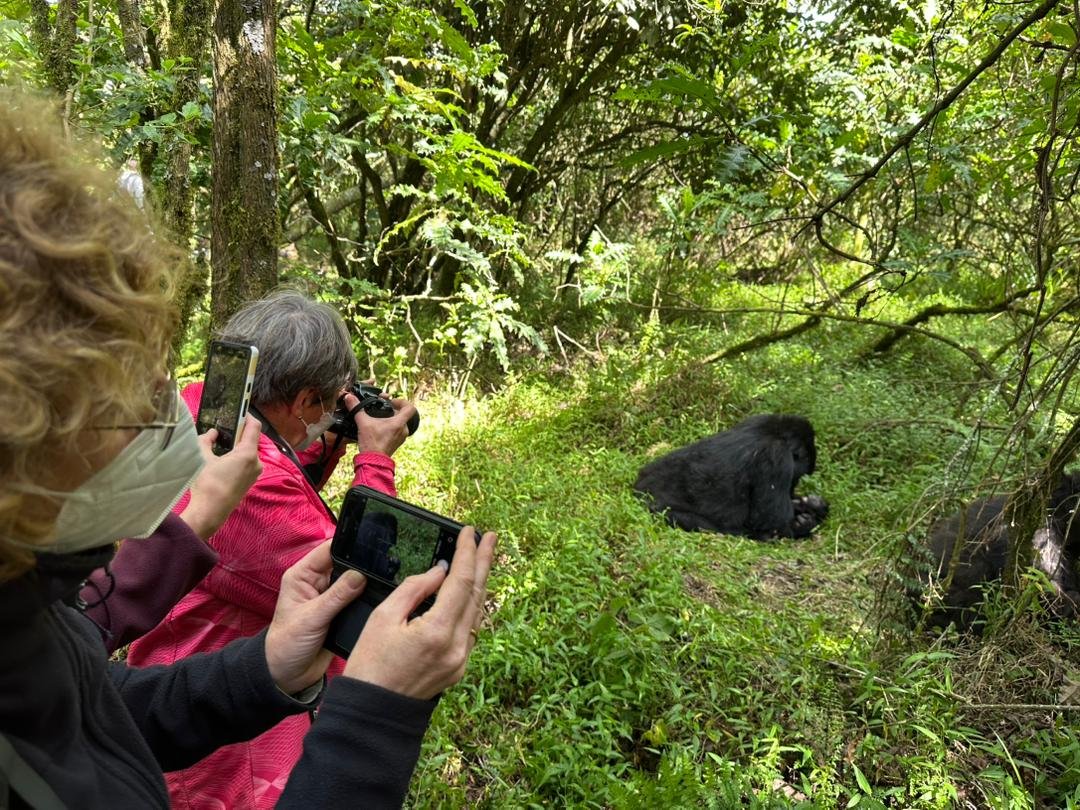
2 Days Uganda Gorilla Tour Starting from Kigali
This is the gentler cousin of our 1-Day Uganda Gorilla Safari Starting from Kigali — same idea, twice the breathing room. Instead of squeezing a 3,000-metre forest trek and two border crossings into a single very long day
Tour Details →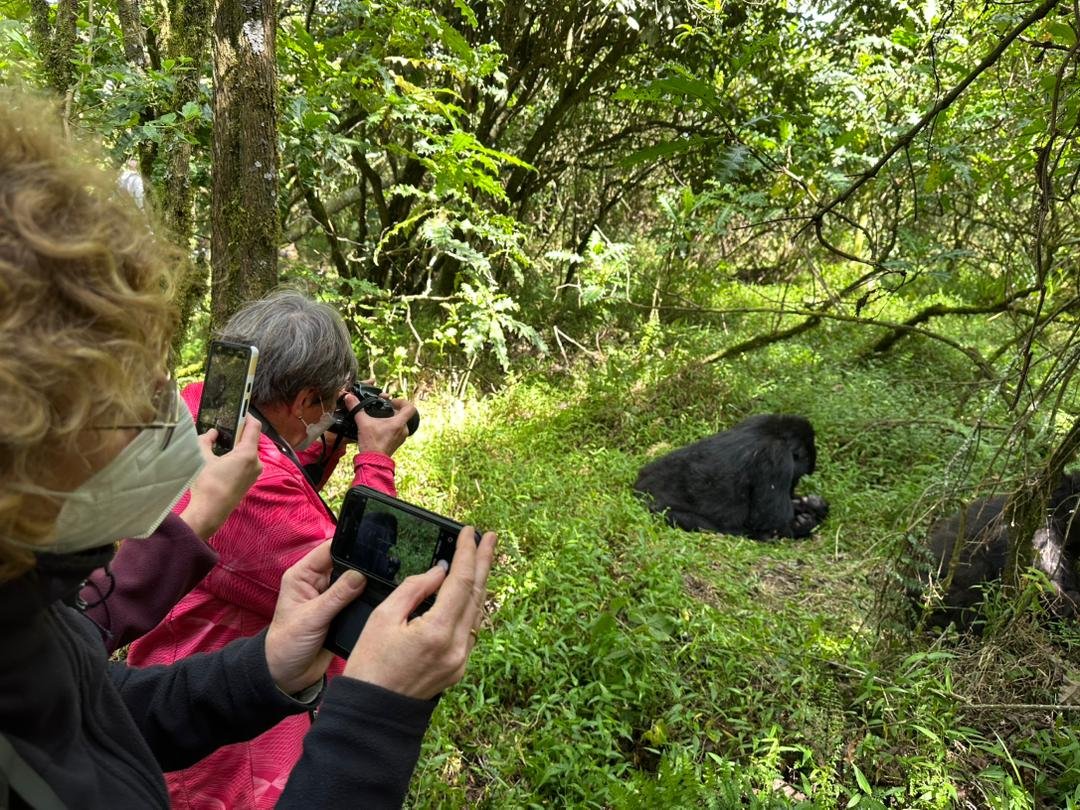
5-Day Uganda Gorilla and Chimpanzee Safari
This itinerary can be combined with a Rwanda extension or a wildlife-focused add-on through Queen Elizabeth National Park — browse our Uganda & Rwanda Safaris and Primate Safaris collections for ideas.
Tour Details →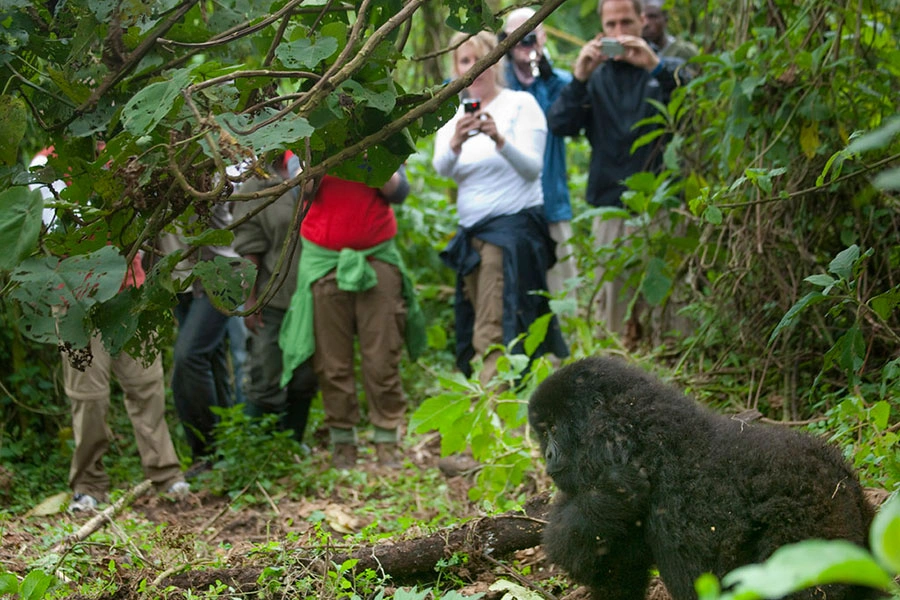
5 Days Rwanda Wildlife and Gorillas
This 5-day itinerary brings together Rwanda’s two flagship wildlife experiences: open savannah game drives and a boat safari in Akagera National Park, followed by a face-to-face encounters
Tour Details →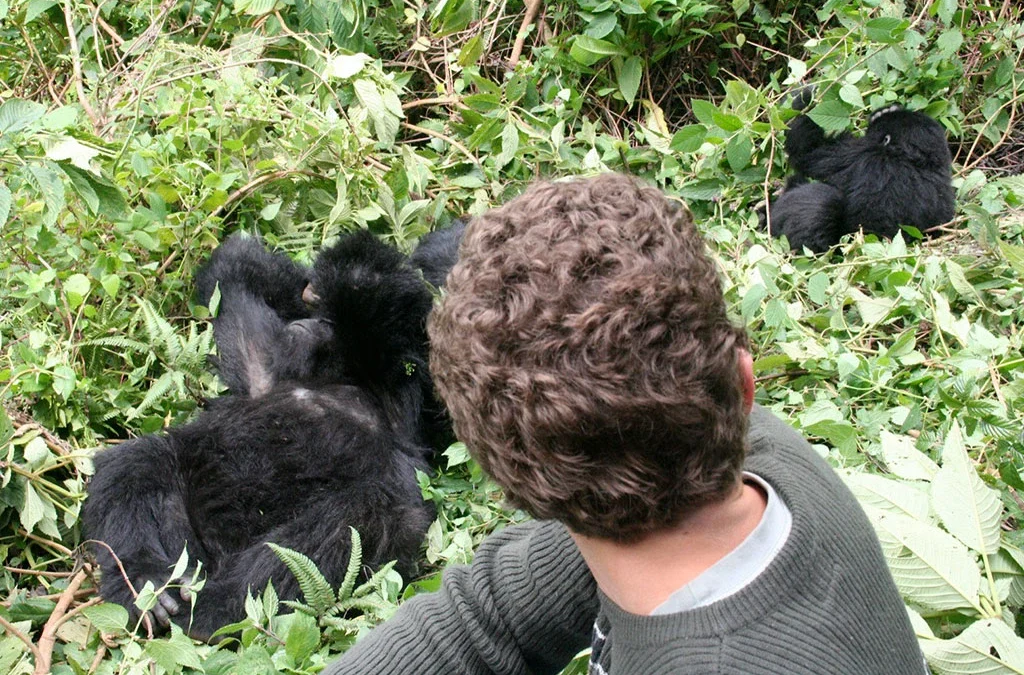
3 Days Uganda Gorilla Safari
For travelers who arrive in Entebbe with a tight schedule and a clear ambition, a 3-day gorilla safari to Bwindi Impenetrable Forest National Park is the most focused and rewarding short trip the country has to offer.
Tour Details →