- LET'S PLAN YOUR SAFARI
- +256 200 921 002
- +256 793 194 703
- info@pickandtransfersafaris.com

Intore Dance Rwanda
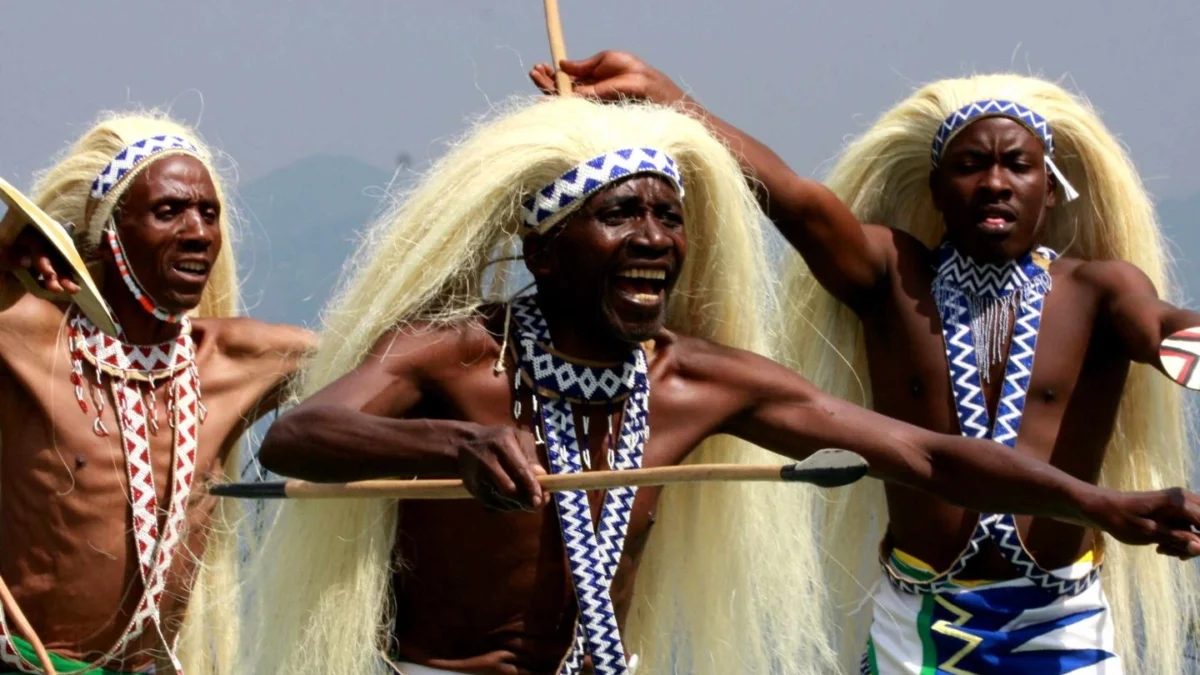
Intore Dance Rwanda. Long before mountain gorillas made Rwanda famous on the international travel circuit, the country was already known across the Great Lakes region for something entirely different: a thunderous, high-leaping warrior dance performed by its most elite young men. The Intore dance, still performed today at cultural villages, museums, and hotels across the country, is one of the most visually striking cultural experiences a traveler can witness in East Africa, and in December 2024 it earned recognition on UNESCO’s Intangible Cultural Heritage list, cementing its place as a living national treasure rather than a museum relic.
For travelers building a Rwanda safari around gorilla trekking, chimpanzee tracking, or a Big Five circuit through Akagera, a short detour to watch Intore dancers perform is one of the most rewarding additions to any itinerary. This guide explains exactly what the Intore dance is, where its history comes from, what the elaborate costume and choreography actually mean, and where you can watch a genuine performance during your own trip to Rwanda.
Intore Dance at a Glance
Before the full history and detail below, here is the short version. Intore, meaning roughly “the chosen” or “the elite,” is a Rwandan dance historically performed exclusively by young men selected for their physical strength and moral character, trained for years in both the choreography and the values expected of Rwanda’s traditional warrior class. Performances combine explosive, high-kicking leaps, sharp synchronized movements, and mock combat gestures, accompanied by a driving ensemble of seven to nine drums and the melodic eight-stringed lulunga harp.
Dancers wear an elaborate costume built around the Umugara headdress, a flowing crown of banana-fiber or sisal fringe modeled on royal regalia, paired with beaded shoulder ornaments, a colobus-hide necklace, ankle bells, and a patterned loincloth. Today, the most accessible places for travelers to see a live performance are the Iby’Iwacu Cultural Village near Volcanoes National Park, the King’s Palace Museum in Nyanza, the National Museum of Rwanda in Huye, and a growing number of hotels and cultural centers in Kigali.
What Does “Intore” Mean? Origins in the 1830s
The word Intore is generally translated as “the chosen ones” or “those who excel,” a fitting name for a dance that was never open to just anyone. Its roots trace back to the 1830s, when members of the royal Muyange family fled political conflict in neighboring Burundi and were granted sanctuary at the Rwandan royal court. The dance and its associated warrior traditions took hold within Rwanda’s royal military structure from there, evolving over the following century into a defining cultural institution of the pre-colonial Rwandan kingdom.
In its earliest form, Intore was inseparable from Rwanda’s royal military class. It functioned as a war dance performed by elite Tutsi soldiers, both a display of martial skill and a form of psychological theater meant to project strength and unity before battle or during royal ceremonies. Understanding this military origin is essential to appreciating why the dance still carries the nickname it holds across Rwanda today.
From War Dance to National Symbol: A Brief History
For much of the nineteenth and early twentieth centuries, Intore performances were closely tied to the royal court, staged during coronations, military victories, and visits from foreign dignitaries. Dancers historically carried real weapons, spears, shields, and bows, as part of the choreography, reinforcing the dance’s identity as a genuine display of warrior readiness rather than pure entertainment.
As Rwanda moved through colonial rule and into independence, Intore gradually shifted away from its strictly military and royal associations and became a broader symbol of Rwandan cultural identity, performed at national celebrations, weddings, and public festivals rather than exclusively at court. Present-day dancers no longer carry actual weapons, using stylized replicas instead, a change that reflects the dance’s transformation from literal battle preparation into a living art form that still honors its martial roots without their original violence.
The Dance of Heroes: Why the Name Still Fits
Intore is often translated in English-language guides as the “Dance of Heroes,” and the phrase captures something real about how the performance is meant to feel. Every element, the explosive vertical leaps, the sharp, synchronized turns, the fierce facial expressions, and the rhythmic stamping, is designed to project courage, discipline, and physical excellence, the exact qualities that defined Rwanda’s traditional warrior elite.
Historically, the dance was performed by men only, a restriction rooted in its origins as military training and display. While recent decades have seen some cultural groups and cultural centers introduce broader participation and related women’s dance forms performed alongside Intore troupes, the core Intore repertoire remains closely associated with its traditional male performers, and most cultural village performances travelers encounter today preserve this historical structure.
Training and Selection of Intore Dancers
Becoming an Intore dancer has never been as simple as learning a sequence of steps. Historically, young men were selected for training based on both physical attributes, height, strength, and stamina, and moral character, since the role carried social prestige and was meant to represent the best of Rwandan manhood. Selected trainees underwent years of instruction, not only in the physical choreography but in the values, discipline, and comportment expected of someone representing the kingdom’s elite.
This dual emphasis on skill and character persists in how modern Intore troupes, including community groups at cultural villages such as Iby’Iwacu near Volcanoes National Park, continue to train new performers. Many dancers begin learning as children, absorbing the rhythms and movements from older family members before formally joining a troupe, ensuring the tradition passes down through direct mentorship rather than institutional instruction alone.
The Umugara Headdress and Royal Symbolism
The single most recognizable element of an Intore performance is the headdress, known as the Umugara, a dramatic crown of flowing fiber that immediately catches the eye of any visitor watching for the first time. Traditionally constructed from banana heart fibers or finely combed sisal, the Umugara is deliberately designed to echo the shape and grandeur of the traditional royal crown, visually linking each dancer back to the Rwandan monarchy the dance once served.
A beaded band called the Igikubwe often reinforces the headdress at its base, adding both structural support and additional decorative symbolism. Together, the swaying fiber crown and beaded band create the dance’s most photographed image: a dancer mid-leap, headdress flying outward like a halo, a moment travelers on a Rwanda cultural and gorilla tracking tour frequently describe as the highlight of their cultural stop.
The Full Intore Costume Explained
Beyond the headdress, the complete Intore costume layers several distinct elements, each with its own history and symbolism. Around the neck, dancers traditionally wear the hide of a black-and-white colobus monkey, decorated with beads and left to cascade down the chest, a material historically associated with royalty and reserved for those of elevated status. Across the shoulders and back, beaded ornaments known as Ibitako add further decoration, historically believed to represent respect and proper bearing, and in some traditions, a form of symbolic protection for the wearer.
At the ankles, strings of small bells create a rhythmic jingling accompaniment to every leap and stamp, adding an audible layer to the performance that works in tandem with the drums. The lower-body garment, a loincloth or wrap, was traditionally fashioned from the hide of powerful animals such as lions or leopards, symbolizing the wearer’s warrior strength; because these species are now protected under Rwandan and international conservation law, modern performers wear printed fabric designed to evoke the same bold, animal-inspired patterning without using real hides.
The Sound of Intore: Drums and the Lulunga Harp
No Intore performance happens in silence. The dance is driven by an ensemble of seven to nine traditional drums, played in overlapping, hypnotic rhythms that build in intensity as the performance progresses, often escalating alongside the dancers’ movements to create a genuinely thrilling crescendo. Rwandan drumming in this style is itself a respected performance art, and many cultural villages showcase drummers as a distinct segment of the show before or between Intore dance sequences.
Melodic accompaniment comes from the lulunga, a traditional eight-stringed harp whose gentler, plucked tones contrast with the driving percussion, often featured during quieter interludes or as accompaniment to sung praise poetry that traditionally preceded or followed the dance itself. Together, the drums and lulunga create a soundscape that feels distinctly Rwandan, quite different from the percussion-only traditions found in some neighboring cultures.
The Movements: What an Intore Performance Looks Like
Watching an Intore performance for the first time, most visitors are struck by the sheer physicality of it. Dancers leap vertically with startling height, land in sharp, controlled stances, and move through synchronized sequences that alternate between fierce, warrior-like postures and moments of near-balletic grace. Facial expression plays a significant role too, with dancers adopting intense, focused looks meant to project the confidence and fearlessness once required of Rwanda’s warrior class.
Group formations shift constantly throughout a performance, from tight lines of dancers moving in unison to individual featured performers stepping forward for a solo display of skill, often to enthusiastic response from the rest of the troupe. Many performances also include a call-and-response element, with lead dancers or singers delivering lines that the group answers in rhythm, echoing the dance’s origins in communal, ceremonial performance rather than solo entertainment.
UNESCO Recognition: Intore as Intangible Cultural Heritage
In December 2024, Intore was formally inscribed on UNESCO’s Representative List of the Intangible Cultural Heritage of Humanity during the organization’s 19th Intergovernmental Committee session, an important milestone that recognizes the dance not simply as a tourist attraction but as a living tradition worth protecting and passing on to future generations. This recognition places Intore alongside a select group of cultural practices worldwide identified as being of outstanding value to humanity’s shared heritage.
For travelers, the UNESCO listing is a useful signal of authenticity and significance when choosing how to experience the dance during a trip to Rwanda. Performances at established, community-rooted venues such as cultural villages and national museums tend to reflect this heritage status far more faithfully than a generic hotel show, which is one reason we encourage guests booking through Pick and Transfer Safaris to prioritize the venues detailed below.
Where to Watch Intore Dance in Rwanda Today
Modern Rwanda offers several genuine, well-established venues for watching Intore dance, each with a slightly different character. The most popular option for travelers already visiting northern Rwanda for gorilla trekking is Iby’Iwacu Cultural Village near Kinigi, followed closely by the King’s Palace Museum in Nyanza, the National Museum of Rwanda’s ethnographic collection in Huye, and a growing circuit of dedicated cultural centers and hotels in Kigali. Each venue is covered in more detail below, since the right choice often depends on which parks you are already visiting on your itinerary.
Community-based venues, in particular, tend to channel a meaningful share of ticket revenue directly back to local performers and their families, making a visit both a cultural highlight and a tangible way to support Rwanda’s living traditions rather than a purely commercial show.
Iby’Iwacu Cultural Village: The Most Popular Intore Experience
For most travelers, Iby’Iwacu Cultural Village, located in Nyabigoma, Kinigi, just minutes from the entrance to Volcanoes National Park, is the single most convenient and rewarding place to see Intore performed live. The village was founded by conservationist Edwin Sabuhoro as a community enterprise designed to ease conflict between local communities and mountain gorilla conservation, transforming former poachers into cultural guides, performers, and conservation advocates, an initiative that earned international eco-tourism recognition.
A typical visit lasts around two hours and combines an Intore performance, complete with drumming and the full traditional costume, with a guided walk through a recreated traditional homestead, a mock king’s palace tour explaining historic Rwandan governance, a visit with a traditional healer to learn about medicinal plants, and pottery demonstrations from the local Batwa community. Because it sits directly on the route most gorilla trekking itineraries already follow, pairing a morning gorilla trek with an afternoon at Iby’Iwacu is one of the most efficient and popular combinations in Rwandan tourism, featured directly in our own 3-day Rwanda gorilla tracking and cultural tour.
King’s Palace Museum Nyanza and the Sacred Inyambo Cattle
Further south, the King’s Palace Museum in Nyanza offers a different, more historically immersive way to encounter Intore and the broader royal culture it grew out of. The museum reconstructs the traditional royal residence, including a large, dome-shaped thatched palace built in the historic style once used by Rwandan kings, alongside a modern colonial-era palace building next door that tells the story of the monarchy’s final decades.
The site is equally famous for its herd of Inyambo, Rwanda’s ceremonial long-horned royal cattle, trained to respond calmly to traditional praise poetry recited by their keepers, a tradition deeply linked to the same royal court culture that produced Intore. Travelers visiting Nyanza can often arrange a live Intore performance alongside a guided tour of the palace grounds, making it a natural stop for anyone building a longer cultural itinerary through Rwanda’s south, particularly travelers combining Kigali with a visit to Nyungwe Forest National Park, since Nyanza sits roughly on the route between the two.
The National Museum of Rwanda in Huye
The National Museum of Rwanda’s ethnographic collection in Huye, formerly known as Butare, is widely regarded as the country’s premier museum for understanding traditional Rwandan culture in depth, housing an extensive collection of historical artifacts, traditional dress, and craftwork alongside its exhibits. The museum periodically hosts live traditional music and dance performances, including Intore, particularly around cultural festivals and for pre-arranged group visits.
Because Huye sits along the main road between Kigali and Nyungwe Forest National Park, it makes a natural, low-effort stop for travelers already making that drive for chimpanzee trekking, offering a museum-quality dive into Rwandan history to complement the more performance-focused experience at Iby’Iwacu or Nyanza.
Watching Intore Dance in Kigali
Travelers with limited time outside the capital still have solid options for experiencing Intore without leaving Kigali. The National Ballet of Rwanda, the country’s leading professional dance institution, performs traditional repertoire including Intore both within Rwanda and internationally, and several cultural centers around the city, along with a number of hotels catering to international visitors, arrange evening traditional dance shows featuring local troupes.
While a dedicated cultural village visit generally offers a richer, more immersive experience than a hotel dinner show, a Kigali-based performance is a solid option for travelers on a short layover or those extending their stay in the capital before or after exploring Kigali city on a Rwanda wildlife and city tour.
Combining an Intore Performance With Gorilla Trekking
Because Iby’Iwacu Cultural Village sits so close to Kinigi park headquarters, adding an Intore performance to a gorilla trekking day is one of the easiest and most popular pairings in Rwandan travel. Most trekking days conclude by early-to-mid afternoon, leaving ample time for the roughly two-hour cultural village visit before returning to your lodge for the evening, an itinerary structure our team builds into packages such as the 2-day Volcanoes gorilla trek from Kigali whenever guests request a cultural add-on.
For travelers with a slightly longer stay in the Musanze area, spreading the gorilla trek and cultural village visit across two separate days allows for a more relaxed pace, an option available on our 5-day Rwanda gorilla and chimpanzee safari and similar multi-day itineraries.
Combining Intore With a Longer Rwanda Cultural and Wildlife Itinerary
Travelers building a full Rwanda circuit around gorillas, chimpanzees, and Big Five wildlife often find that a cultural stop like Iby’Iwacu or Nyanza fits naturally into the itinerary’s rhythm, offering a welcome change of pace between physically demanding trekking days and long game drives. Our 7-day Rwanda gorilla, chimpanzee, and wildlife safari itinerary, for example, can easily incorporate an Intore performance during the transfer between Volcanoes National Park and Nyungwe, or as an afternoon activity following a morning game drive at Akagera National Park.
Travelers comparing how other established regional operators structure similar cultural add-ons may find it useful to review Kenlink Tours’ Rwanda safaris portfolio, which outlines how cultural stops are typically woven into multi-park itineraries such as their 6-day Rwanda adventures itinerary featuring great apes and Lake Kivu or their 5-day Volcanoes gorillas and Akagera wildlife safari, both of which pair naturally with a cultural detour of this kind.
Etiquette and Tips for Watching a Performance
A few simple habits go a long way toward making the most of an Intore performance while respecting the tradition behind it. Photography is generally welcomed and even encouraged at community cultural villages, since ticket and tip income directly supports performers, but it is courteous to ask your guide before using flash photography up close, since it can be distracting mid-performance. Many venues invite audience members to join a closing dance segment, and accepting this invitation, even briefly and imperfectly, is almost always received warmly by performers and fellow visitors alike.
Tipping the dance troupe directly, separate from any venue entrance fee, is customary and appreciated, and most cultural villages make this easy through a collection point at the end of the show. Dressing modestly and arriving on time also matters, since performances are often scheduled around a broader guided village tour that flows as a single continuous experience rather than a stand-alone show you can drop into midway through.
Related Traditional Dances You May See Alongside Intore
Cultural village and museum performances rarely feature Intore in complete isolation, and travelers often find the surrounding repertoire just as memorable. Umushayayo, a graceful, undulating dance traditionally performed by young women, frequently appears in the same program, offering a striking visual and rhythmic contrast to Intore’s explosive, martial energy. Ikinimba, a narrative dance-drama that blends storytelling, song, and movement, sometimes rounds out a longer cultural show, particularly at venues with a larger resident troupe such as the National Ballet of Rwanda.
Seeing these dances together gives travelers a fuller picture of Rwandan performance culture rather than a single isolated act, and most guides at venues like Iby’Iwacu Cultural Village are happy to explain how each dance form relates to the others and to Rwanda’s broader social history. This is one of the reasons a guided cultural village visit tends to be more rewarding than a shorter hotel dinner show, which typically features only a condensed highlight reel.
Intore Dance in Rwandan Music and Popular Culture Today
Beyond formal tourist venues, Intore’s influence extends into contemporary Rwandan music videos, national celebration broadcasts, and school cultural programs, where children continue to learn basic steps as part of preserving national heritage. Rwandan public holidays and independence celebrations regularly feature large-scale Intore performances broadcast nationally, reinforcing the dance’s role as a unifying cultural symbol well beyond its original royal and military context.
This everyday visibility matters for travelers, since it means the Intore you see performed at a cultural village is not a revived or reconstructed tradition staged purely for tourism, but an active, living practice that ordinary Rwandans encounter throughout their own lives, from school assemblies to national television. The UNESCO recognition secured in December 2024 formally acknowledged what Rwandans already understood: that Intore remains a genuinely living heritage rather than a historical curiosity.
How Intore Compares to Traditional Dances in Neighboring Uganda
Travelers combining Rwanda with a Uganda leg of their trip, often for a second gorilla trek in a different population, frequently ask how Intore compares to Uganda’s own rich traditional dance culture. Uganda’s most recognized traditional dances, such as the Baganda’s Bakisimba or the energetic Runyege courtship dance of the western Banyankole and Bakiga regions, share Intore’s emphasis on rhythm and physical display but generally lack its specific historical association with a royal warrior class, since Uganda’s dance traditions developed across many distinct kingdoms and ethnic groups rather than a single unified royal court tradition.
Travelers curious about pairing cultural experiences across both countries can review how Kenlink Tours structures cultural add-ons within their Uganda safaris portfolio, or their combined Rwanda-Uganda itinerary, both useful references for travelers weighing how much cultural time to build into a cross-border primate trekking trip.
Photography Tips for Capturing an Intore Performance
Intore’s rapid, high-energy movement makes it a rewarding but genuinely challenging subject for photography. A fast shutter speed, generally 1/500th of a second or quicker, helps freeze mid-leap moments without motion blur, and continuous or burst shooting mode dramatically improves your odds of capturing a dancer at the peak of a jump with the Umugara headdress fully extended. Late afternoon performances, common at cultural villages timed around gorilla trekking schedules, offer warm, low-angle light that flatters both the costumes and the surrounding thatched village setting.
Because performances often take place outdoors under variable natural light, a camera or phone that performs reasonably well in mixed lighting conditions is worth having ready, and most venues welcome photography throughout the show rather than restricting it to certain segments. As with any cultural performance, briefly lowering the camera to simply watch a few sequences with your own eyes is worth the trade-off, since several travelers who have visited Iby’Iwacu describe the closing group finale as something better experienced fully present than viewed exclusively through a viewfinder.
Practical Details: Timing, Tickets, and What to Expect
Most Intore performances at cultural villages and museums last between thirty and forty-five minutes as a standalone segment, though the full visit, including guided walks, craft demonstrations, and other activities, typically runs closer to two hours at venues like Iby’Iwacu. Entrance and performance fees vary by venue and are usually most cost-effective when booked as part of a broader safari package rather than arranged independently on arrival, since transport to venues like Nyanza or Iby’Iwacu adds meaningfully to the cost if organized as a standalone side trip.
Booking ahead is particularly worthwhile during Rwanda’s peak tourism months, roughly June through September and December through mid-February, when cultural villages near Volcanoes National Park see the heaviest visitor traffic due to overlapping gorilla trekking demand. Our team at Pick and Transfer Safaris builds cultural stops directly into trekking and wildlife itineraries so timing lines up smoothly with your other activities.
Independent travelers arranging their own transport to a cultural venue can compare vehicle hire options through Kenlink Tours’ car hire page, and those weighing a joined-group cultural excursion rather than a fully private visit may find their scheduled departure safari format a useful comparison for how shared-cost group visits are typically organized.
Extending Your Trip: Cultural Stops Near Nyungwe and Akagera
While Iby’Iwacu and Nyanza dominate most cultural itineraries, travelers spending time at Nyungwe Forest National Park or Akagera National Park for chimpanzee trekking or Big Five game drives can often arrange smaller-scale community cultural visits near either park, including performances by local children’s and youth cultural groups active around Akagera’s southern entrance. These stops tend to be less elaborate than a full Iby’Iwacu visit but offer a genuine, community-level encounter with traditional dance and music worth asking your guide about while planning your route.
For travelers weighing how a cultural stop fits into a broader multi-park circuit, Kenlink Tours’ 3-day Rwanda gorilla safari, 3-day Nyungwe Forest tour, and 3-day Akagera game drive safari each illustrate how a single park visit is typically paced, useful reference points when deciding how much extra time to allow for a cultural detour alongside wildlife activities.
Supporting Local Artists and Communities Through Your Visit
One of the most meaningful aspects of watching Intore performed at a community-based venue like Iby’Iwacu Cultural Village is understanding where your ticket money actually goes. Rather than funding a distant production company, entrance fees and tips at community cultural villages typically flow directly to local performers, their families, and shared community projects, continuing the same model that transformed Iby’Iwacu from a poaching hotspot into a thriving cultural enterprise built around conservation and heritage together.
This economic model mirrors the community-benefit structure found in Rwanda’s gorilla permit system, where a share of tourism revenue funds local schools and infrastructure around Volcanoes National Park, reinforcing a broader pattern in Rwandan tourism where wildlife conservation and cultural preservation are treated as two sides of the same community investment. Choosing an operator that prioritizes these community-rooted venues, rather than a generic staged show, is a simple way for travelers to ensure their cultural spending has a genuine local impact, something our team at Pick and Transfer Safaris factors into every itinerary that includes a cultural stop.
Why Book Your Rwanda Cultural Experience With a Local Specialist
Experiencing Intore dance authentically means more than simply watching a performance; it means visiting a venue with genuine community roots, timed well against the rest of your itinerary, and explained by a guide who understands the history behind what you are seeing. Pick and Transfer Safaris works directly with community-based venues like Iby’Iwacu Cultural Village and can arrange visits to the King’s Palace Museum in Nyanza or the National Museum in Huye as part of a wider Rwanda safari package.
Because cultural stops are almost always most efficient when combined with a gorilla trek, chimpanzee trek, or wildlife circuit already on your route, we recommend mentioning your interest in Intore dance when you first reach out through our contact page, so our team can build it into your itinerary from the start rather than adding it as an afterthought. Travelers researching independently can also compare how Kenlink Tours frames similar cultural add-ons through their about us page and contact page, both useful references when weighing operators for a culturally rich Rwanda trip.
Frequently Asked Questions About Intore Dance in Rwanda
What does the word Intore mean? Intore translates roughly to “the chosen ones” or “those who excel,” reflecting the dance’s origin as a performance reserved for Rwanda’s elite, carefully selected warrior class.
Where is the best place to watch Intore dance in Rwanda? Iby’Iwacu Cultural Village near Volcanoes National Park is the most popular and convenient option for most travelers, given its proximity to gorilla trekking, though the King’s Palace Museum in Nyanza and the National Museum of Rwanda in Huye both offer excellent, more historically focused alternatives.
Is Intore dance only performed by men? Traditionally, yes. Intore developed as a display of Rwanda’s warrior class and was historically restricted to men, and most cultural village performances today preserve this traditional structure, though related dance forms performed by women are sometimes featured alongside Intore troupes at larger cultural events.
How long does a typical Intore performance last? The dance segment itself usually runs thirty to forty-five minutes, though a full cultural village visit incorporating the performance alongside guided walks and demonstrations typically takes about two hours.
Do Intore dancers use real weapons? No longer. While historical performances featured genuine spears, shields, and bows as part of the choreography, modern dancers use stylized replicas that preserve the visual drama of the original war dance without real weapons.
Is Intore dance recognized internationally? Yes. In December 2024, Intore was inscribed on UNESCO’s Representative List of the Intangible Cultural Heritage of Humanity, formally recognizing it as a culturally significant tradition worth safeguarding for future generations.
Can I combine an Intore performance with gorilla trekking on the same day? Yes, this is one of the most popular pairings in Rwandan tourism, since Iby’Iwacu Cultural Village sits only minutes from Kinigi park headquarters and most gorilla treks conclude with enough time in the day for an afternoon cultural visit.
Final Thoughts on Experiencing Intore Dance in Rwanda
Few cultural experiences anywhere in East Africa combine the visual spectacle, historical depth, and living continuity of the Intore dance. From its origins in the royal courts of the 1830s to its recent recognition by UNESCO, Intore has remained a genuine, evolving expression of Rwandan identity rather than a static performance frozen for tourists, and watching it performed live, complete with the flying Umugara headdress and the driving pulse of seven drums, is an experience that stays with most travelers as vividly as any wildlife encounter.
If you are planning a trip to Rwanda and want to build in time for an authentic Intore performance alongside gorilla trekking, chimpanzee tracking, or a Big Five safari, the team at Pick and Transfer Safaris can weave it seamlessly into your itinerary. Explore our full range of Rwanda safari packages, or reach out through our contact page to start planning a trip that pairs Rwanda’s extraordinary wildlife with its equally extraordinary living culture.
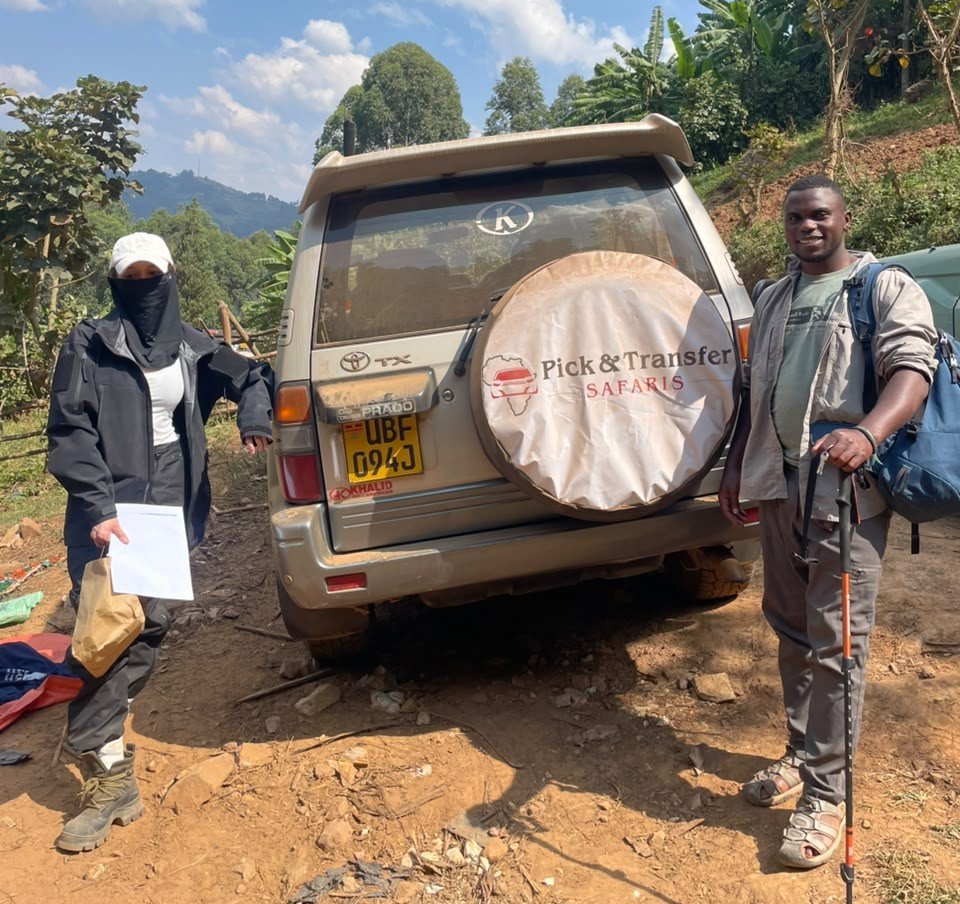
7 Days Uganda Safari – One week tour
This 7-day itinerary is the classic one-week introduction to Uganda, covering the country’s three most iconic wildlife experiences: chimpanzee tracking in Kibale Forest National Park, Big Five game drives and a boat cruise in Queen
Tour Details →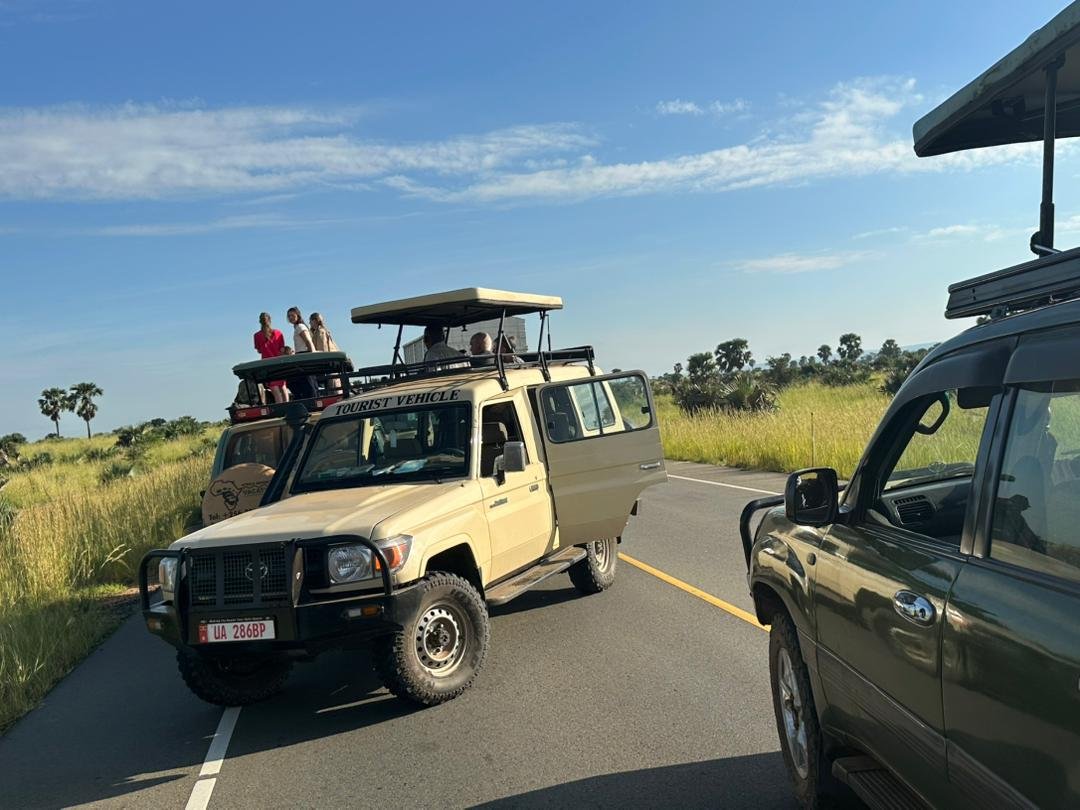
10 Days Uganda Primates and Wildlife
This 10-day Uganda Grand Safari is the most complete Uganda itinerary we offer at Pick and Transfer Safaris. It begins with a scenic northward drive from Entebbe to the vast open plains of Murchison
Tour Details →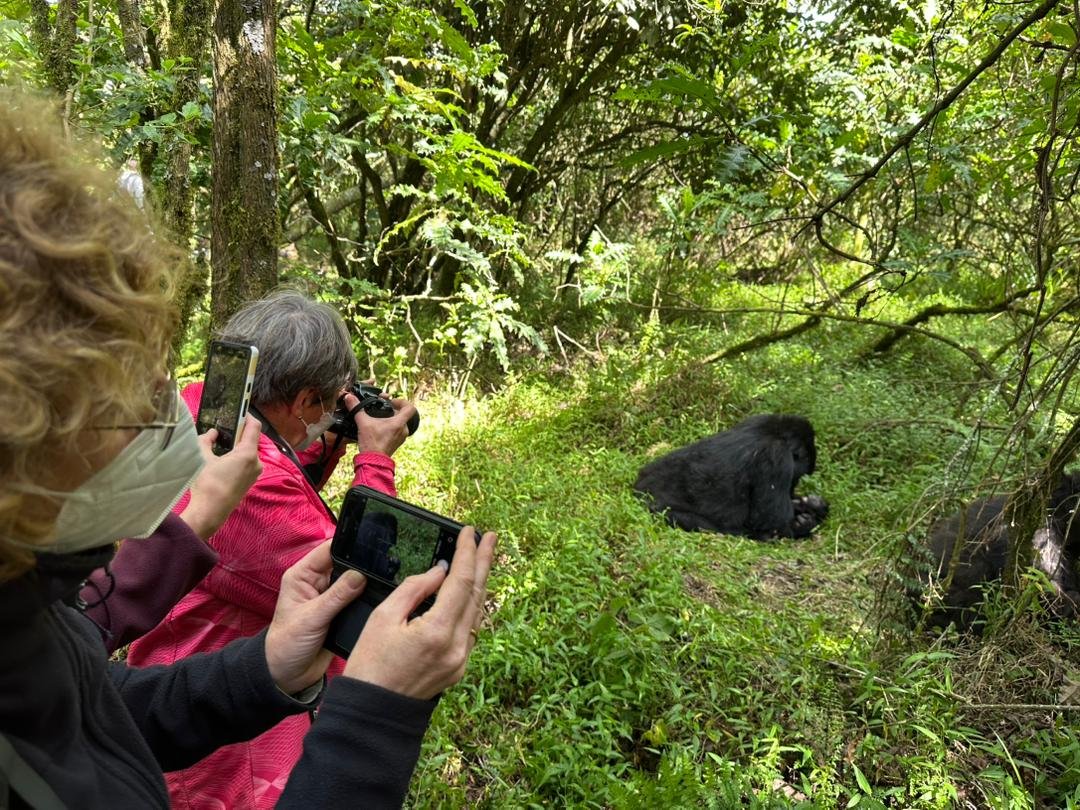
2 Days Uganda Gorilla Tour Starting from Kigali
This is the gentler cousin of our 1-Day Uganda Gorilla Safari Starting from Kigali — same idea, twice the breathing room. Instead of squeezing a 3,000-metre forest trek and two border crossings into a single very long day
Tour Details →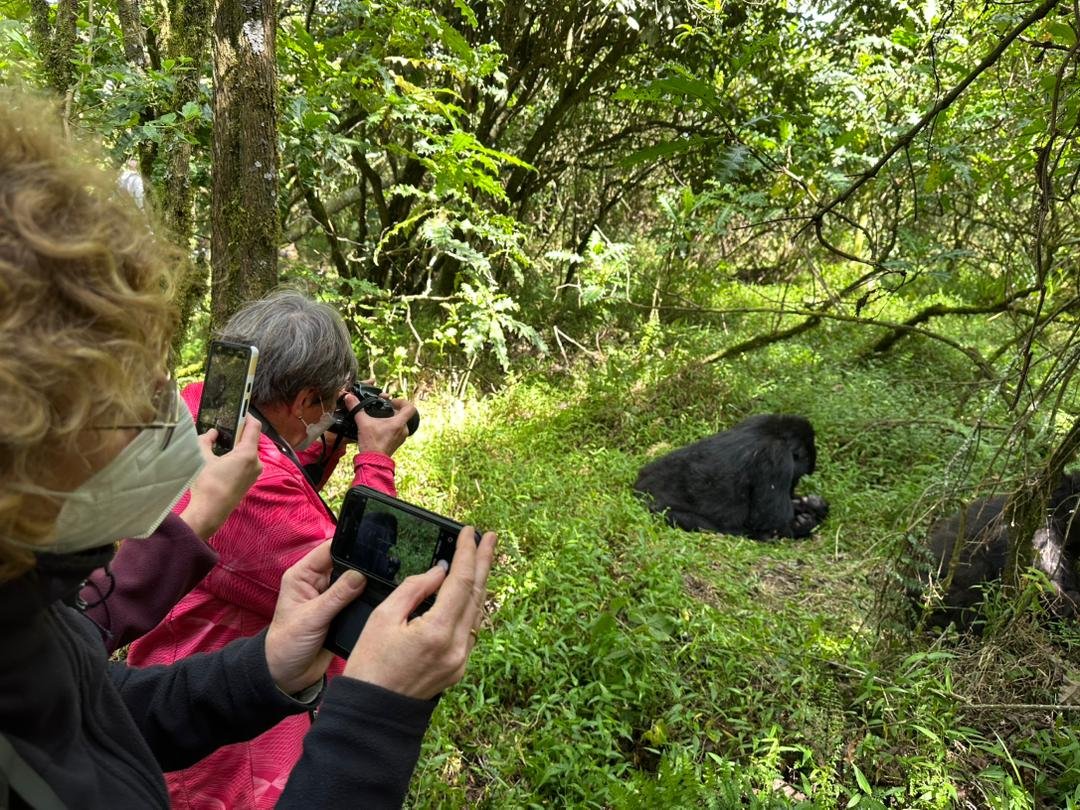
5-Day Uganda Gorilla and Chimpanzee Safari
This itinerary can be combined with a Rwanda extension or a wildlife-focused add-on through Queen Elizabeth National Park — browse our Uganda & Rwanda Safaris and Primate Safaris collections for ideas.
Tour Details →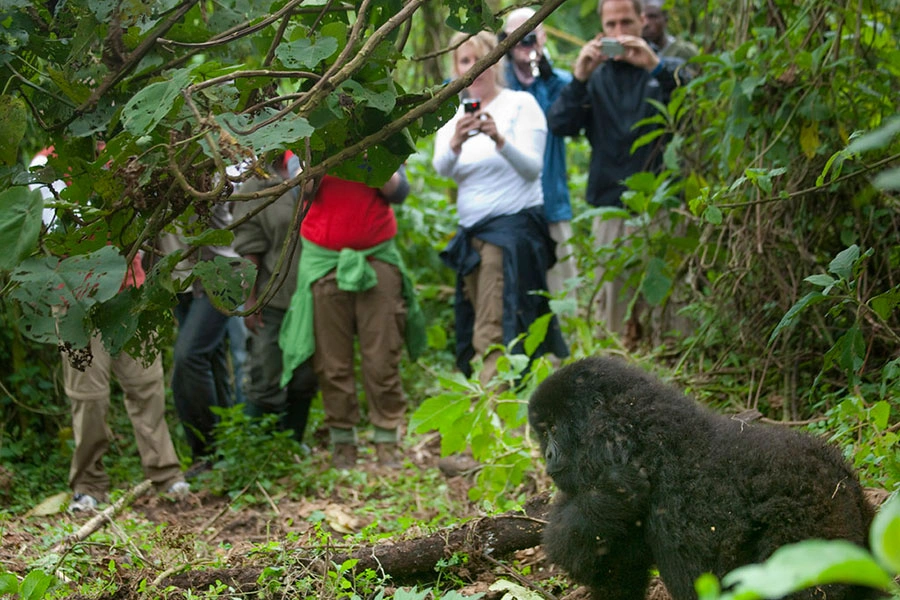
5 Days Rwanda Wildlife and Gorillas
This 5-day itinerary brings together Rwanda’s two flagship wildlife experiences: open savannah game drives and a boat safari in Akagera National Park, followed by a face-to-face encounters
Tour Details →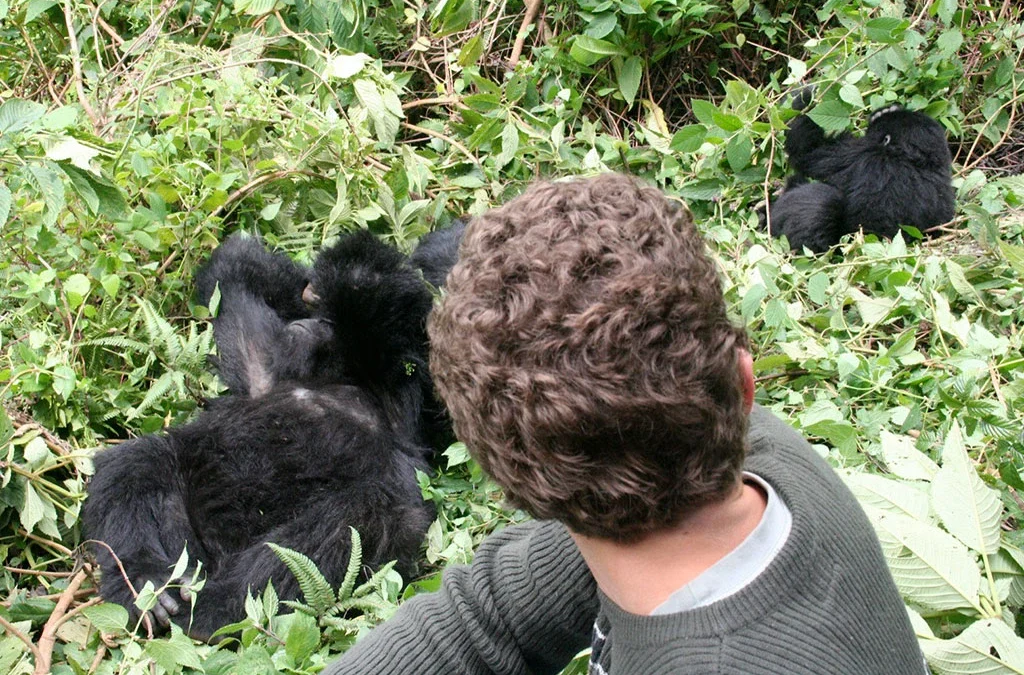
3 Days Uganda Gorilla Safari
For travelers who arrive in Entebbe with a tight schedule and a clear ambition, a 3-day gorilla safari to Bwindi Impenetrable Forest National Park is the most focused and rewarding short trip the country has to offer.
Tour Details →