- LET'S PLAN YOUR SAFARI
- +256 200 921 002
- +256 793 194 703
- info@pickandtransfersafaris.com

Land in Kigali and Go gorilla trek in Bwindi
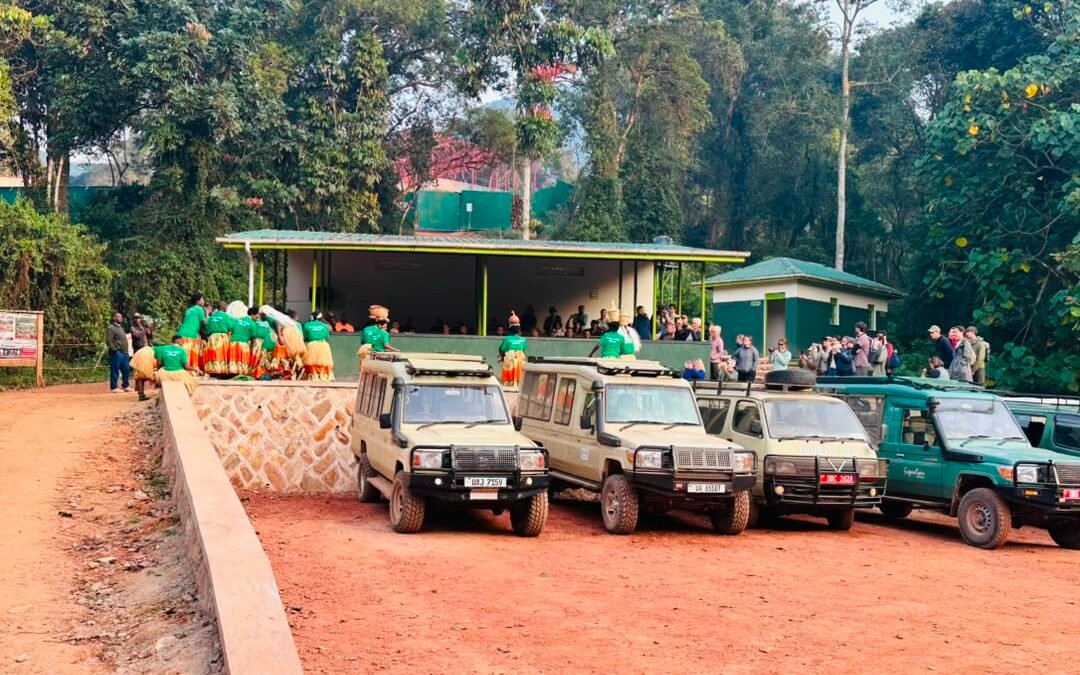
Land in Kigali and Go gorilla trek in Bwindi If you are picturing landing at Kigali International Airport and heading straight into Bwindi Impenetrable Forest for a gorilla trek the same day, we want to give you the honest answer before you book anything: it is not realistic. But that doesn’t mean your trip is impossible or even especially complicated — it just needs one or two things arranged in the right order. This guide explains exactly why a same-day landing-to-trekking plan for Bwindi doesn’t work, what timeline actually does work, and how to plan a trip that gets you to Bwindi’s gorillas as quickly and safely as your schedule allows.
We work with travelers on this exact route every week, and the question “can I land and go straight to the gorillas” comes up constantly. Below is the complete, realistic picture — including the one park where a much faster turnaround genuinely is possible.
The confusion is understandable. Search results and travel forums often blur together two very different Uganda gorilla parks — Bwindi Impenetrable Forest and Mgahinga Gorilla National Park — as though they were interchangeable stops on the same route from Kigali. They are not. One sits close enough to Rwanda’s capital to support a genuinely fast turnaround; the other does not, no matter how efficient your driver or how early your flight lands. Getting this distinction right before you book anything — flights, permits, or accommodation — is the single most useful thing this guide can do for you.
The Short Answer: Not on Arrival Day for Bwindi
Bwindi Impenetrable Forest National Park sits 160 to 200 km from Kigali, a 4 to 6 hour drive depending on your sector, plus an international border crossing. Combined with immigration processing, luggage collection, and the reality that gorilla permits must be booked well before you travel, landing and trekking Bwindi on the same day simply isn’t something we can responsibly offer. Our 3-day Uganda gorilla safari from Rwanda reflects the realistic minimum timeline instead.
We say this knowing it is not the answer most people searching this question are hoping for. But we would rather set accurate expectations now than have a client stuck at a border after dark, or worse, arriving at the park gate after the 7:30 a.m. briefing has already closed with an $800 non-refundable permit gone. The rest of this guide is dedicated to showing you what does work, in as little time as your schedule genuinely allows.
What “Landing and Trekking” Actually Requires
Three separate things all have to line up: a confirmed, pre-paid gorilla permit for a specific date and sector, a valid visa already in hand, and enough travel time between your arrival and the 7:30 a.m. trekking briefing. Missing any one of these makes a fast turnaround impossible, regardless of how short the drive itself might be.
It helps to think of these three requirements as independent locks that all need a key before the door opens. A perfectly timed flight does nothing for you if your permit isn’t booked. A confirmed permit does nothing for you if your visa isn’t approved. And a visa and permit together still don’t help if the physical drive time simply doesn’t fit the hours you have. Planning this trip well means solving all three well ahead of departure, not scrambling to fix one of them after you land.
How International Flights Into Kigali Typically Arrive
Long-haul flights into Kigali International Airport commonly land in the evening or overnight, after connections through European, Gulf, or regional hubs. That timing alone rules out a same-day Bwindi trek, since the drive takes 4 to 6 hours and the trekking briefing starts early the next morning at the latest.
Even travelers who land on an earlier connection, say mid-morning or early afternoon, are still working against the clock. By the time you clear immigration, collect bags, and meet your driver, you are realistically looking at a mid-afternoon departure at best — arriving at even the closest Bwindi sector well after dark, with no buffer for a wrong turn, a slow border queue, or simple fatigue after a long flight. This is a fundamentally different situation from Mgahinga, where the shorter drive leaves enough daylight margin to make a same-day arrival-to-park journey (though not trekking) genuinely workable.
Immigration and Border Formalities on Arrival
After landing, you still need to clear Rwandan immigration, collect luggage, and meet your driver — routinely 45 minutes to over an hour at a busy arrival time. From there, reaching even the closest Uganda gorilla park requires crossing an entirely separate international border at Cyanika or Katuna, with its own passport and visa checks.
Why Your Permit Must Already Be Booked Before You Land
Gorilla permits are not something you can arrange on arrival. They are booked in advance through a licensed operator, tied to your exact passport details, and — as of 2026 — paid for in full at the time of booking. Landing without a confirmed permit means you have nothing to trek toward, no matter how fast your transport is.
Permits are also allocated by park and, at Bwindi, by specific sector, in numbers that are capped daily by Uganda Wildlife Authority. That means the permit you need for a particular date can simply sell out weeks or months in advance during busy periods, independent of how quickly you personally could theoretically get from the airport to the park gate. A fast car and a well-planned route are irrelevant if there is no permit issued for your name on the date you land.
2026 Permit Payment Rules You Need to Know in Advance
Important: As of March 2026, Uganda gorilla permits must be paid in full at the time of booking. The previous system allowing a temporary hold without payment has been removed, so your permit needs to be confirmed and paid for well before you board your flight.
This makes advance planning non-negotiable rather than optional. Book your permit through our gorilla safari packages at least 2 to 3 months ahead of high season travel dates. Kenlink Tours’ overview of available gorilla tours for booking in Uganda confirms the same payment timeline, so whichever operator you choose, expect to pay in full well before you pack your bags.
This shift matters more than it might first appear. Under the old system, travelers could hold a permit date with a partial deposit while they finalized flights and other logistics. That flexibility no longer exists, which means the order of operations for planning this trip has effectively reversed: you now need near-certainty about your travel dates before committing payment, rather than booking a flexible hold and firming up details later.
How Far Bwindi Really Is From Kigali
Depending on which of Bwindi’s four sectors you are trekking — Buhoma, Ruhija, Rushaga, or Nkuringo — the distance from Kigali ranges from 160 to 200 km, with a one-way drive time of 4 to 6 hours. Rushaga and Nkuringo, reached via the Cyanika border, are the fastest southern sectors; Buhoma, reached via Katuna, takes longer. Kenlink Tours has published a detailed breakdown of how far Bwindi is from Kigali covering each route.
It is worth sitting with these numbers for a moment, because they are easy to underestimate on a map. A distance of 160 to 200 km sounds modest by international standards, but rural mountain roads through two countries, combined with an international border crossing, mean average speeds are far lower than a similar distance on a highway back home. Four to six hours is the realistic figure operators on this exact route quote, not a conservative padding added for safety margin.
Why a Same-Day Fly-In-and-Trek Isn’t Realistic for Bwindi
Add up arrival processing, the 4 to 6 hour drive, and the fixed 7:30 a.m. trekking briefing, and there simply isn’t a safe way to compress this into the hours between a typical evening flight landing and the next morning’s trek, let alone the same calendar day. Attempting it risks missing your non-refundable $800 permit entirely.
Consider the math directly: if your flight lands at 10:00 p.m., even a flawless, delay-free airport exit gets you on the road by roughly midnight. A 4 to 6 hour drive puts you at your sector between 4:00 and 6:00 a.m. — technically before the 7:30 a.m. briefing, but only after a drive undertaken entirely through the night, immediately following a long-haul flight, with a driver who has now also been awake for the same stretch of time. This is not a plan any responsible operator should present as a standard option, regardless of whether it is technically achievable on paper.
What About Mgahinga Instead?
Mgahinga Gorilla National Park is Uganda’s other gorilla trekking destination, and it sits much closer to Kigali — about 134 km, a 3 to 4 hour drive via the same Cyanika border. While still not a true “land and trek immediately” plan, Mgahinga supports a realistic one-day itinerary once you are already in Kigali, as detailed in our one-day Uganda gorilla safari from Kigali.
The trade-off with Mgahinga is worth understanding clearly. It has only one habituated gorilla family, the Nyakagezi group, with just eight trekking permits issued per day, compared with Bwindi’s twenty-plus families spread across four sectors. For a traveler whose priority is speed and simplicity over sector choice, that trade-off is usually an easy one to accept. For a traveler set on a specific Bwindi sector or family, it means accepting the longer, better-paced itinerary instead.
The Realistic Minimum Timeline for a Bwindi Trek After Landing
| Day | Activity |
|---|---|
| Day 1 (arrival) | Land in Kigali, rest overnight |
| Day 2 | Drive to Bwindi (4-6 hours), overnight near the park |
| Day 3 | Gorilla trekking, return drive begins |
This three-day minimum, reflected in our 3-day Uganda gorilla safari from Rwanda, is the shortest itinerary we consider genuinely safe and enjoyable for a Bwindi trek starting from a Kigali landing. Note that this timeline assumes your permit, visa, and transport are all confirmed before you leave home — it covers the physical travel and rest time only, not the administrative lead time needed to secure the permit itself, which should be arranged separately, well in advance.
Sample Timeline: Land Today, Trek Tomorrow (Mgahinga Only)
If your flight lands in the early morning rather than overnight, and you are targeting Mgahinga rather than Bwindi, a next-morning trek becomes possible: rest on arrival day, depart Kigali very early the following morning, cross at Cyanika, and reach Mgahinga in time for the briefing. This exact structure underlies our 2-day Uganda gorilla tour from Kigali.
Even this compressed Mgahinga version still asks a lot of a traveler who has just landed from a long-haul flight: a departure around 3:00 a.m. the following day, several hours of trekking, and a return drive that afternoon. It is achievable, and many travelers do it successfully, but it is not effortless. If your arrival day flight was particularly long or you know you struggle with jetlag, building in one additional rest day before this itinerary begins is a worthwhile trade for a noticeably better experience.
Sample Timeline: Land Today, Trek Bwindi in Two Days
For Bwindi specifically, plan on landing day one, driving to your sector on day two, and trekking on day three at the earliest — unless your flight lands unusually early and you are willing to drive the same evening, which we do not generally recommend after a long-haul flight.
This pacing also gives you flexibility to absorb small delays without any knock-on effect on your permit date. If your flight is an hour late, or the border queue runs longer than expected on day two, you still have a full rest night before trekking day three rather than a same-day scramble. That built-in slack is, in our experience, the single biggest factor separating a trip clients describe as relaxed and memorable from one they describe as stressful.
Which Bwindi Sector Fits an Arrival-Day Start
If your schedule is tight, Rushaga and Nkuringo — Bwindi’s southern sectors — are the better choice, since the Cyanika border route shaves an hour or more off the drive compared with Buhoma’s Katuna route. Confirm your sector before booking accommodation, since lodges are positioned around each sector separately.
Choosing the Right Border Crossing After Landing
Cyanika, near Musanze, serves Mgahinga and Bwindi’s southern sectors and is generally the more efficient crossing for tourist traffic. Katuna, near Kabale, serves Buhoma and typically takes longer. Our driver-guides select the appropriate crossing automatically based on your permit’s sector, a service also offered by Kenlink Tours’ Rwanda-to-Bwindi transfer operators.
Both crossings are used daily by tourist vehicles and generally process visitors efficiently, but timing still matters. Crossing during the middle of the day, when commercial and local traffic is heaviest, tends to take longer than an early morning crossing. If your itinerary has any flexibility at all, an early departure from Kigali — even by an hour — often pays for itself several times over at the border window.
What Happens If Your Flight Is Delayed
Because gorilla permits are non-transferable and tied to a specific date, a flight delay that pushes your arrival back a day can jeopardize a tightly scheduled itinerary. Building at least one buffer day into your plan — rather than landing the same day your trek is scheduled — protects your permit investment from routine travel disruptions.
Travel insurance that explicitly covers trip delays and non-refundable activity costs is worth carrying for exactly this reason. While no policy can restore a missed trekking slot, a good one can at least recover some of the financial loss if a genuine delay, rather than poor planning, is what causes you to miss your date — one more argument for building buffer time in rather than relying on insurance as a backstop.
Jetlag, Fatigue, and Trekking Readiness
Gorilla trekking involves several hours of forest hiking at elevations above 1,800 metres, often on steep and muddy terrain. Attempting this immediately after a long-haul flight and an additional multi-hour drive, with little or no proper sleep, meaningfully increases both the physical difficulty and the safety risk of the trek itself.
Altitude alone catches many travelers off guard, independent of jetlag. Sections of both Bwindi and Mgahinga sit above 2,000 metres, and shortness of breath on otherwise moderate inclines is common even for fit hikers who have not had time to acclimatize. Combining that adjustment period with sleep deprivation from a rushed arrival schedule is, in our experience, the most common reason a gorilla trek ends up feeling like an ordeal rather than the highlight of a trip — a pattern also discussed by Kenlink Tours in their guide to trekking safety and readiness.
Overnight Options Near the Border Before Trekking
Whether you choose Mgahinga or Bwindi, spending one night near Kisoro town or your assigned sector — rather than attempting the whole journey in one continuous push — makes for a dramatically more comfortable and safer trip. Lodges such as Ichumbi Gorilla Lodge near Mgahinga are a good example of this kind of well-positioned overnight stop.
Accommodation options near both parks range from simple guesthouses to comfortable mid-range lodges, and pricing generally scales with proximity to the park gate. Paying slightly more for a lodge positioned five minutes from the trailhead rather than thirty minutes away is often worth it purely for the extra sleep it buys you on an already early trekking morning. This is a detail we factor into every itinerary we build, since the difference between a 5:30 a.m. and a 6:15 a.m. wake-up call matters more than it sounds on a trip already built around tight timing.
Booking Your Permit Before You Book Your Flight
Given the 2026 full-payment rule and limited daily permit numbers — especially Mgahinga’s cap of eight per day — we recommend confirming your gorilla permit date before finalizing international flights, not after. This avoids the common and costly mistake of booking non-refundable flights around a permit date that later turns out to be unavailable.
Planning your arrival and trekking dates together? Talk to our team before booking flights — browse our gorilla safaris or contact us for realistic timeline advice.
Visa Requirements to Have Ready Before Arrival
Apply for your Uganda single-entry visa or the East Africa Tourist Visa (covering Rwanda, Uganda, and Kenya) at least two to three weeks before departure. Arriving without this pre-approved, alongside your yellow fever certificate, adds unnecessary delay to a schedule that already has little room for it.
If your itinerary involves crossing the border more than once — for example, a Rwanda gorilla trek alongside your Uganda trek — the East Africa Tourist Visa almost always makes more sense than applying for separate single-entry visas each time. Keep both digital and printed copies of your visa approval letter, since border officials at Cyanika and Katuna sometimes ask to see a printed version even when the approval itself is electronic.
What to Pack in Your Carry-In for a Fast Turnaround
If your itinerary has you trekking within a day or two of landing, pack your trekking essentials — waterproof boots, rain jacket, long trousers, and gardening gloves — in your carry-on rather than checked luggage, in case bags are delayed. A basic first-aid kit and any regular medication should travel with you as well.
Lost or delayed luggage is one of the more common travel disruptions, and on a normal trip it is a minor inconvenience solved with a shopping trip or a day’s wait. On a compressed gorilla trekking itinerary with a fixed permit date, it can be the difference between trekking as planned and scrambling to buy replacement gear in Kisoro town at the last minute. A change of clothes, any prescription medication, your passport and visa printouts, and your trekking boots are the non-negotiables to keep with you at all times.
Cost Considerations for a Compressed Itinerary
| Item | Approximate Cost (per person) |
|---|---|
| Gorilla permit (high season) | $800 |
| Ground transport, Kigali to Bwindi round trip | $200-300 |
| 1-2 nights lodging near the park | $80-150 per night |
| Visa (Uganda single-entry or EAC Tourist Visa) | $50-100 |
A compressed but realistic 3-day plan costs roughly the same as a more relaxed version — the extra comfort and safety margin comes at very little additional expense.
Common Mistakes Travelers Make With This Plan
The most frequent mistake is booking a permit date the same day as an international flight lands, assuming the drive can simply be squeezed in. Others include booking flights before confirming permit availability, underestimating border crossing times, and packing trekking gear in checked luggage on a tight schedule. Our about us page outlines how we help clients avoid each of these.
A related mistake is assuming that because Mgahinga supports a fast turnaround, Bwindi must too, simply because both are described as “Uganda gorilla parks reachable from Kigali.” As this guide has laid out, the roughly 30 to 90 minute difference in one-way drive time between the two parks compounds significantly once doubled for a round trip and combined with fixed briefing times — it is the difference between a demanding but workable day and one that isn’t safely achievable at all.
Working With a Ground Operator From the Moment You Land
A ground operator who meets you at the airport, already holds your confirmed permit, and has your onward transport and lodging arranged removes nearly all of the uncertainty from this kind of trip. This coordinated approach is the core of our gorilla safari packages, and a similar service is offered by Kenlink Tours’ Uganda-Rwanda gorilla safaris.
The value of this coordination is easy to underestimate until something goes slightly wrong. A driver who already knows your permit’s sector and gorilla family will automatically choose the correct border crossing and lodge location without needing to be told. A driver hired separately and briefed only on “take me to Bwindi” may take a technically valid but suboptimal route, or book a lodge convenient to the wrong sector entirely. On a trip with almost no slack in the schedule, this kind of small mismatch can be the difference between making your briefing and missing it.
Comparing This Plan to a More Relaxed Multi-Day Safari
If your schedule allows it, a 5 to 7 day itinerary that includes a rest day in Kigali, a comfortable drive to Bwindi, and time to explore the surrounding area is a noticeably better experience than any version of a rushed arrival-to-trek plan. Our 5-day gorilla and chimps safari from Rwanda is a good example of this fuller pacing.
Beyond comfort, a longer itinerary also gives you room to recover if any single day underperforms — a longer-than-expected gorilla trek, an unexpected rest day due to minor illness, or simply a desire to linger somewhere unexpectedly beautiful. None of that flexibility exists on a schedule built around landing and trekking within 24 to 48 hours, which is one more reason we encourage clients to add days wherever their overall trip planning allows it, even if gorilla trekking remains the single centerpiece activity.
Extending Your Trip: Combine Bwindi With Other Parks
Once you have built in a realistic timeline for reaching Bwindi, it becomes easy to extend the trip toward Queen Elizabeth National Park for game drives, or Rwanda’s own Volcanoes National Park for a second gorilla trek, as outlined in our 7-day Uganda-Rwanda safari adventure.
This is often the point where the “land and trek” question resolves itself naturally. Once a traveler accepts that a proper Bwindi trip needs three days at minimum, extending that into a seven or ten day circuit that also covers savannah wildlife, chimpanzee tracking, or a second country’s gorillas stops feeling like an inconvenience and starts feeling like the obviously better use of the same travel investment. Our 10-day Uganda-Rwanda safari is built for exactly this kind of traveler.
What Past Travelers Say About Rushing This Itinerary
Feedback we consistently hear from travelers who have attempted a rushed version of this trip is that the exhaustion overshadowed the experience itself, and that an extra rest day or overnight stop would have made a meaningful difference to how much they enjoyed their hour with the gorillas. This is echoed in traveler accounts referenced by Kenlink Tours’ guide to Mgahinga safety and readiness.
The recurring theme in this feedback is not regret about the gorillas themselves — every traveler we have spoken with describes that hour as extraordinary regardless of how the surrounding logistics went. The regret is almost always about everything around it: too little sleep to fully appreciate the moment, too much anxiety about the return drive to be present, or simply too little time afterward to process what they had just experienced before rushing back to an airport. None of that is necessary once the itinerary is planned with realistic timing from the start.
Best Time of Year If Your Schedule Is Tight
If you are working with a compressed schedule, the dry seasons — December to February and June to September — reduce the chance of weather-related road delays between Kigali and Bwindi. The rainy months bring lower prices, including the discounted $600 permit rate in April, May, and November, but slightly less predictable road conditions.
If your travel dates are fixed regardless of season — for example, tied to a work trip or a family event — build extra buffer time into your itinerary during the rainier months specifically. A road that takes five hours in perfect dry conditions can take considerably longer after heavy rain has affected the route between the Cyanika or Katuna border and your sector, and that difference matters far more on a tight schedule than on a relaxed one.
Booking Tips for a Tightly Timed Trip
Book your permit first, then your flights, then your accommodation — in that order. Confirm your sector, your border crossing, and your driver-guide’s pickup time in writing before departure. Check current availability through our gorilla safari listings or Kenlink Tours’ gorilla tour booking page.
When you confirm your booking, ask specifically what happens if your flight is delayed or your permit date needs to shift. A transparent operator will tell you plainly that permits are largely fixed once booked, and will instead focus on building enough buffer into your itinerary so that a delay doesn’t threaten the trek at all — rather than promising flexibility that the underlying UWA system simply does not offer.
Things to Do in Kigali While You Wait for Your Trek
Rather than viewing the day or two before your trek as wasted time, use it to explore Kigali City itself — the Kigali Genocide Memorial, local markets, and a strong café scene make it a worthwhile stop rather than just a transit point, a view shared in Kenlink Tours’ guide to nearby Kisoro town once you reach the border area.
Frequently Asked Questions
Can I land in Kigali and go straight to Bwindi the same day?
Not realistically. Bwindi is 4-6 hours from Kigali, and permits must be booked and paid for well in advance.Is a fast turnaround possible at any Uganda gorilla park?
Mgahinga, at 3-4 hours from Kigali, supports a realistic one-day trip once you are already in Kigali, though still not literally on your landing day.How far ahead do I need to book my gorilla permit?
At least 2-3 months ahead for high season, given 2026’s full-payment-at-booking rule and limited daily permits.What’s the minimum realistic trip length for Bwindi from Kigali?
Three days: arrival and rest, travel to the park, then trekking.
Final Verdict: Plan the Order, Not Just the Distance
Landing in Kigali and going straight to a Bwindi gorilla trek is not a plan we can responsibly build for you, given the distance, border crossing, and 2026 permit rules. What does work is a short, well-sequenced trip: book your permit first, arrive with a day of buffer, and let a coordinated ground team handle the rest. The destination is exactly as rewarding — you simply need the itinerary in the right order to get there safely.
To summarize the practical takeaways: Bwindi needs a minimum of three days from a Kigali landing, done properly. Mgahinga can compress to two days, or even a single very long day, once you are already in Kigali, though not literally on your arrival day. Your permit needs to be booked and fully paid for months, not days, before you travel, under the 2026 rules. And whichever park you choose, the quality of your experience depends far more on how well the schedule around it is paced than on how quickly you can technically cover the distance involved.
Land in Kigali and Go gorilla trek in Bwindi
Talk to our team before booking flights around a fixed trekking date. Explore our gorilla safaris, browse other Uganda and Rwanda destinations, or contact us for honest, experience-based planning advice. For comparison, see Kenlink Tours’ contact page as well.
We would rather spend fifteen minutes with you upfront confirming a realistic sequence of permit, flights, and transport than have you discover a scheduling problem after money has already changed hands. If you already have flight dates in mind, send them over and we will tell you plainly whether they support the itinerary you want, and if not, exactly what needs to shift to make the trip work safely and comfortably.
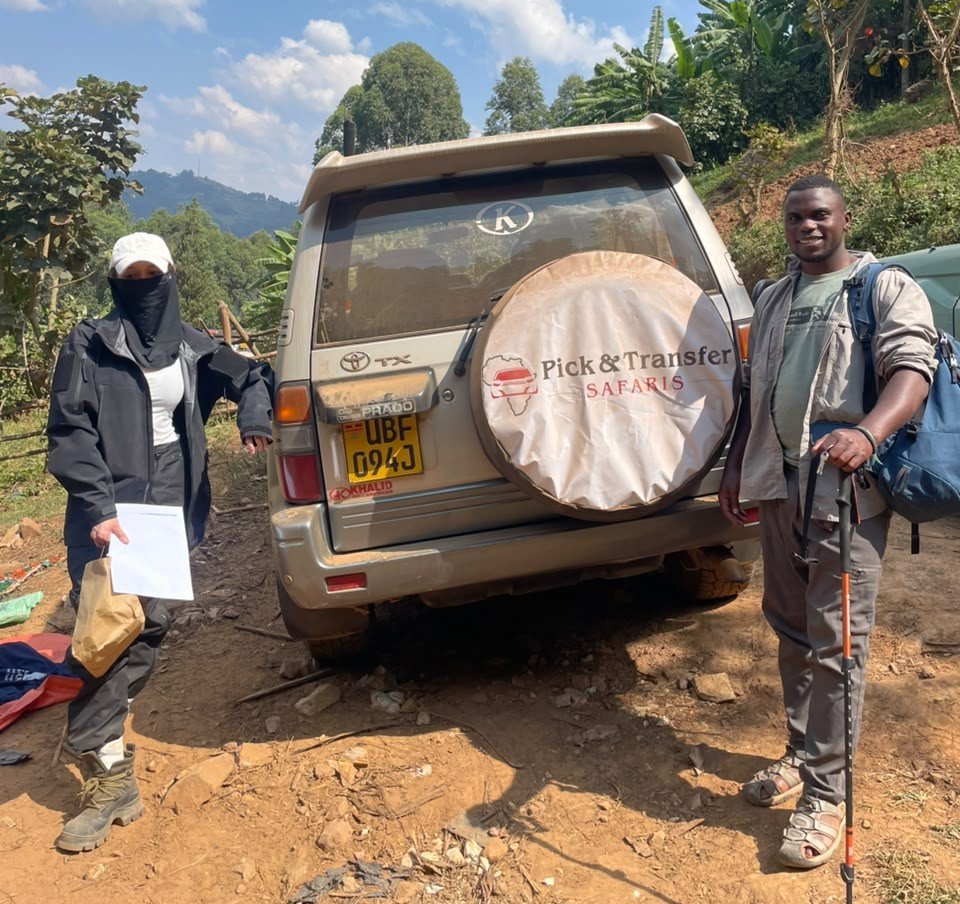
7 Days Uganda Safari – One week tour
This 7-day itinerary is the classic one-week introduction to Uganda, covering the country’s three most iconic wildlife experiences: chimpanzee tracking in Kibale Forest National Park, Big Five game drives and a boat cruise in Queen
Tour Details →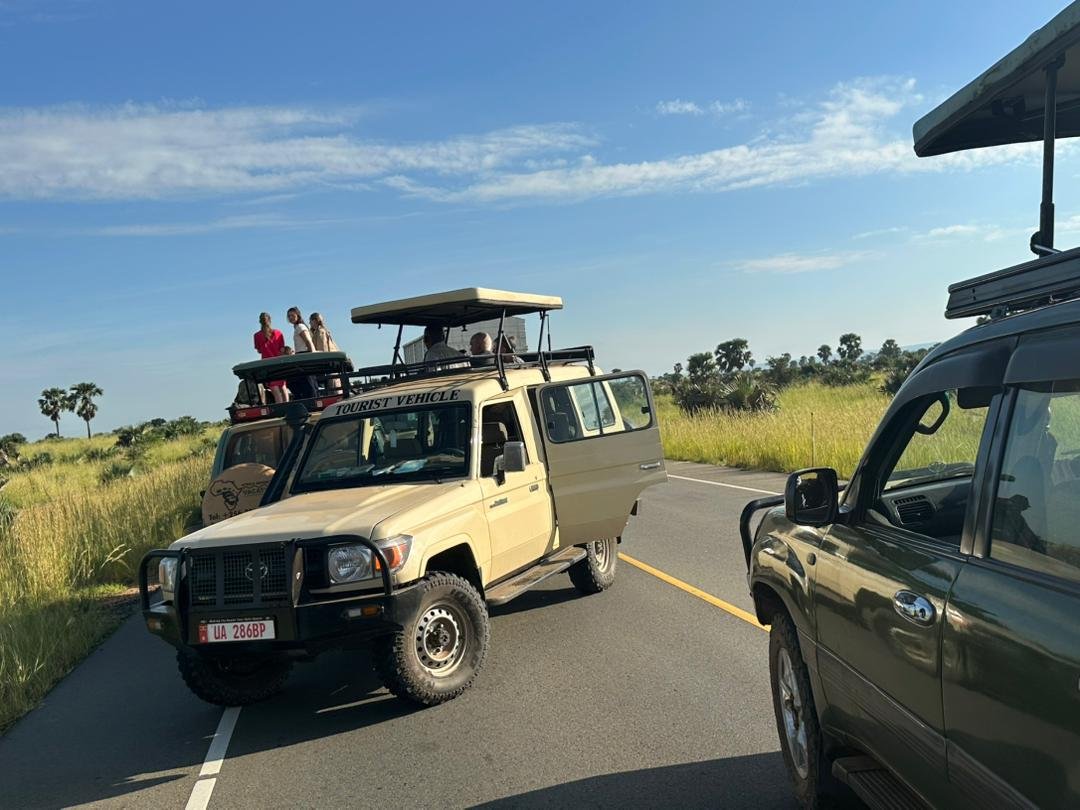
10 Days Uganda Primates and Wildlife
This 10-day Uganda Grand Safari is the most complete Uganda itinerary we offer at Pick and Transfer Safaris. It begins with a scenic northward drive from Entebbe to the vast open plains of Murchison
Tour Details →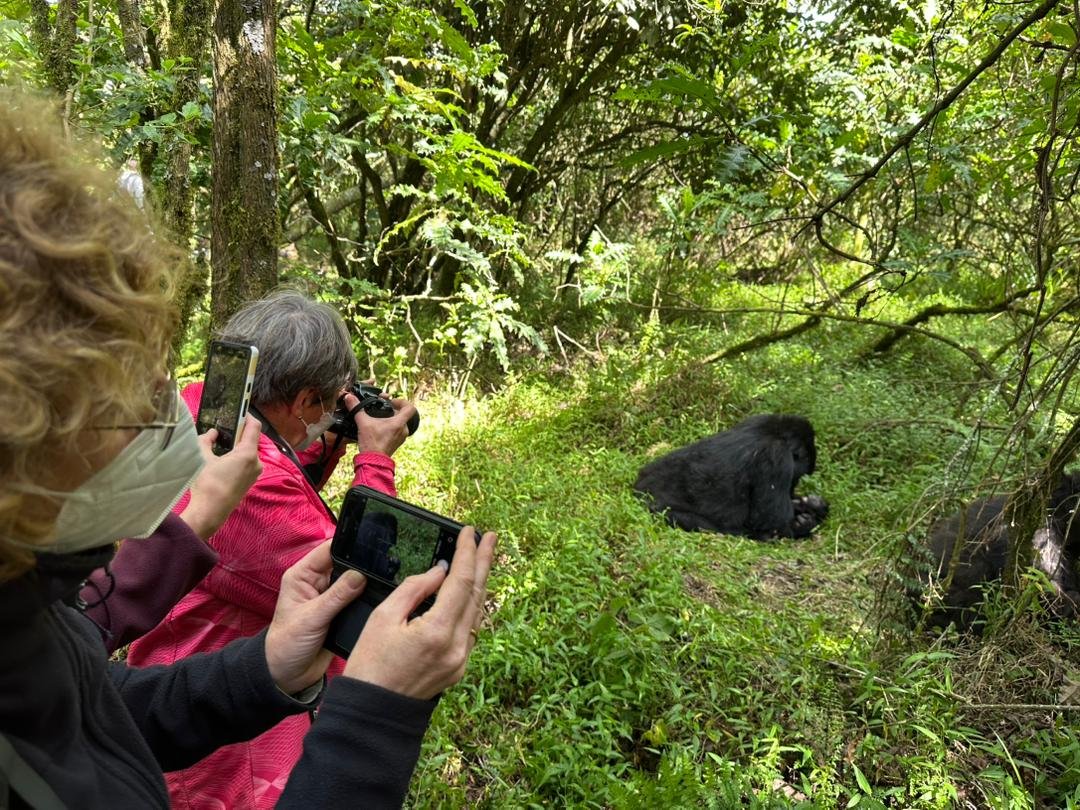
2 Days Uganda Gorilla Tour Starting from Kigali
This is the gentler cousin of our 1-Day Uganda Gorilla Safari Starting from Kigali — same idea, twice the breathing room. Instead of squeezing a 3,000-metre forest trek and two border crossings into a single very long day
Tour Details →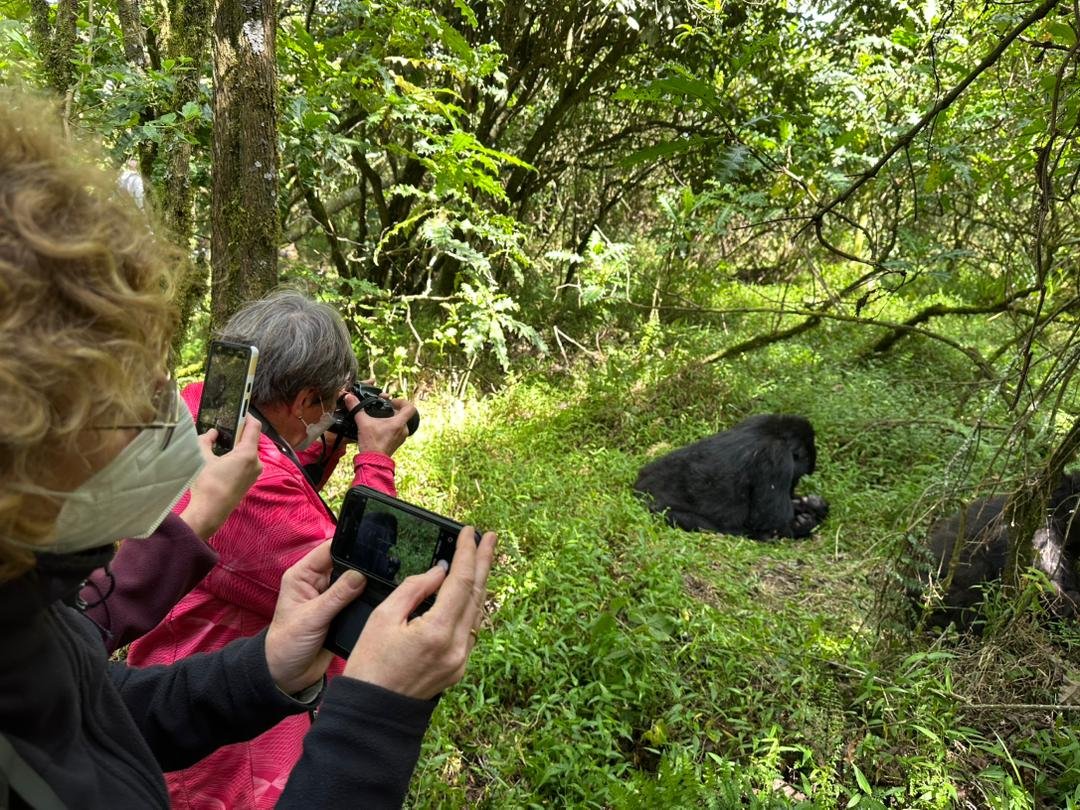
5-Day Uganda Gorilla and Chimpanzee Safari
This itinerary can be combined with a Rwanda extension or a wildlife-focused add-on through Queen Elizabeth National Park — browse our Uganda & Rwanda Safaris and Primate Safaris collections for ideas.
Tour Details →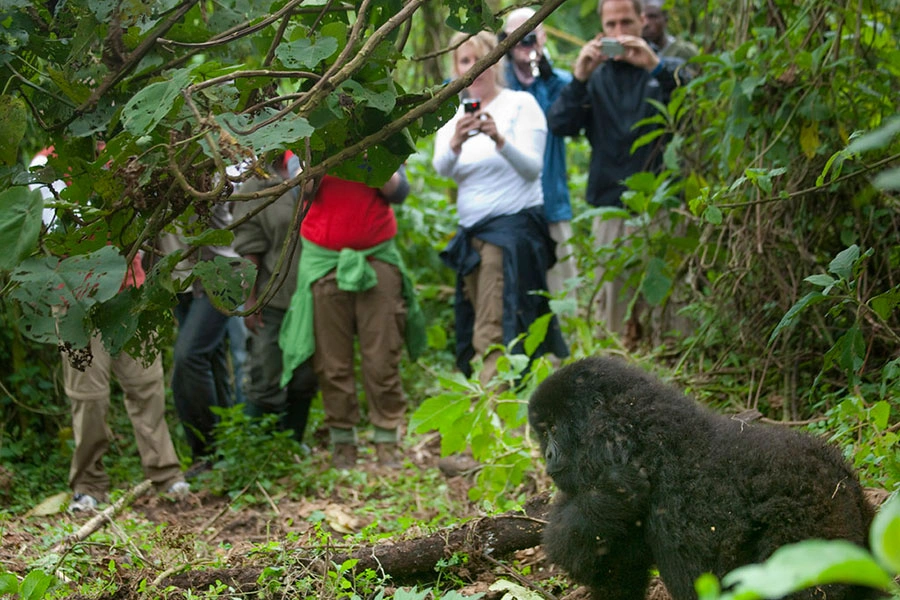
5 Days Rwanda Wildlife and Gorillas
This 5-day itinerary brings together Rwanda’s two flagship wildlife experiences: open savannah game drives and a boat safari in Akagera National Park, followed by a face-to-face encounters
Tour Details →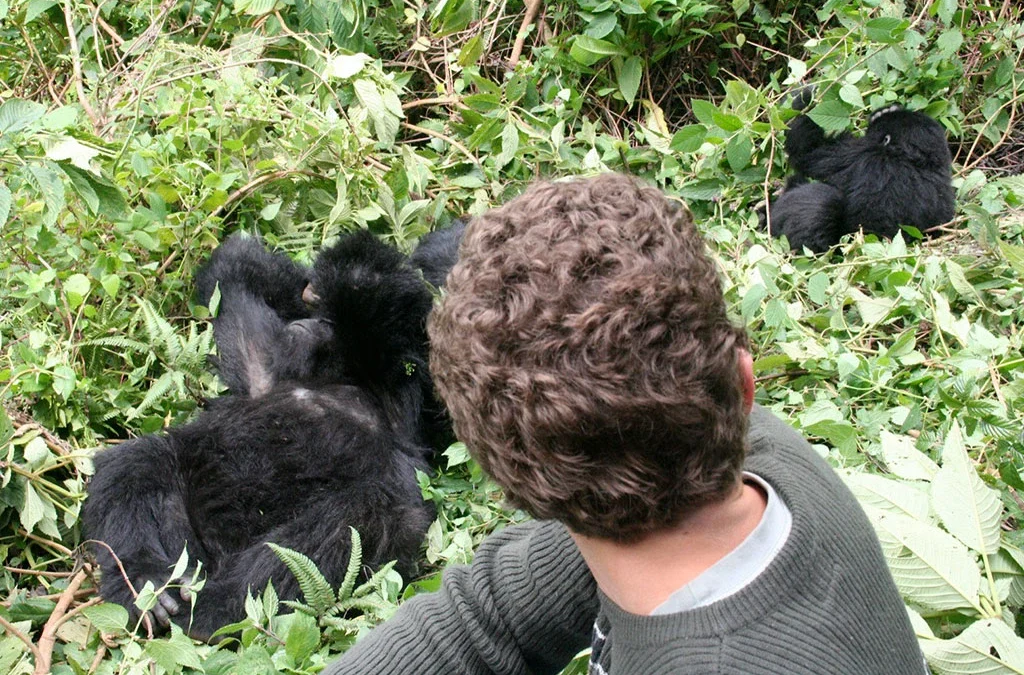
3 Days Uganda Gorilla Safari
For travelers who arrive in Entebbe with a tight schedule and a clear ambition, a 3-day gorilla safari to Bwindi Impenetrable Forest National Park is the most focused and rewarding short trip the country has to offer.
Tour Details →