- LET'S PLAN YOUR SAFARI
- +256 200 921 002
- +256 793 194 703
- info@pickandtransfersafaris.com

Kigali to Buhoma Gorilla Trek
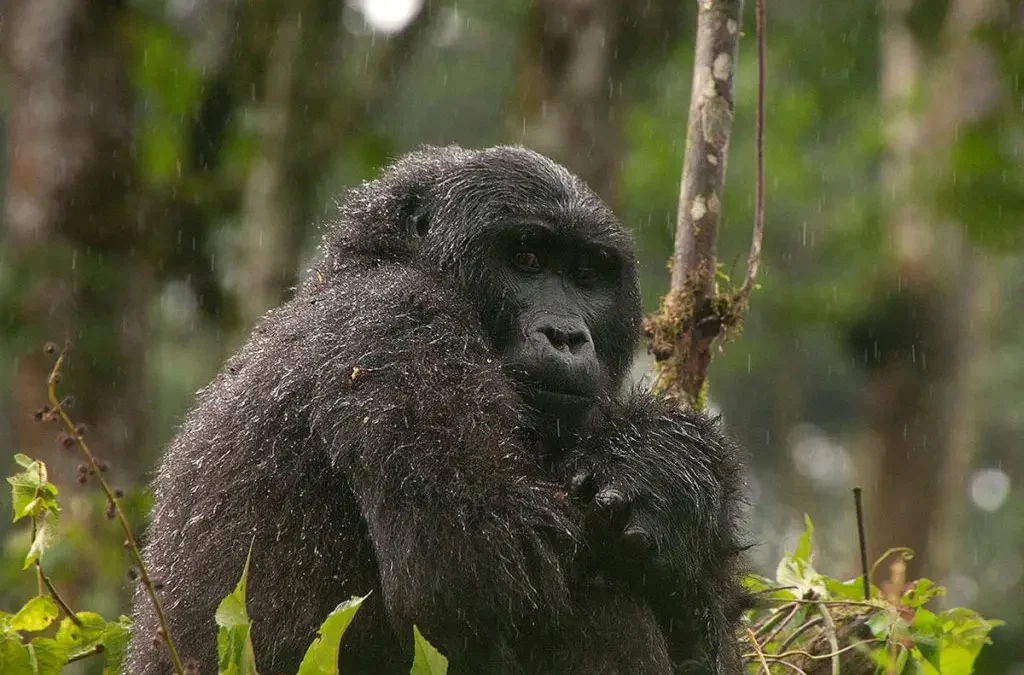
Kigali to Buhoma Gorilla Trek. Few journeys on the continent reward a traveler the way the road from Kigali to Buhoma does. You leave Rwanda’s spotless, hilly capital in the cool of the morning, wind through terraced tea plantations and volcanic ridgelines, cross a quiet border post, and by afternoon you are standing at the edge of one of the oldest rainforests on earth, listening for the crack of a branch that means a 200-kilogram silverback is somewhere just ahead of you. The Kigali to Buhoma gorilla trek is, without exaggeration, one of the greatest wildlife experiences left on the planet, and it is far more accessible than most travelers assume.
This guide walks you through everything you need to plan a Kigali to Buhoma gorilla trekking safari in 2026: the routes, the border crossing, permit prices, what to pack, where to sleep, and how to turn a single trek into a full Uganda-Rwanda adventure. Whether you are flying into Kigali International Airport for a short gorilla getaway or building a longer itinerary around it, Pick and Transfer Safaris has spent years guiding travelers along exactly this route, and this article distills that experience into one practical resource.
By the time you finish reading, you should have a clear picture of exactly how the logistics work: which border crossing to use, how much to budget in dollars, which weeks of the year suit your priorities, and which gorilla family in Buhoma you are most likely to be assigned. We have also cross-checked the practical details against independent itinerary research so that the figures below reflect what is actually happening on the ground in 2026, not outdated pricing from a few years back.
Why the Kigali to Buhoma Gorilla Trek Is a Bucket-List Journey
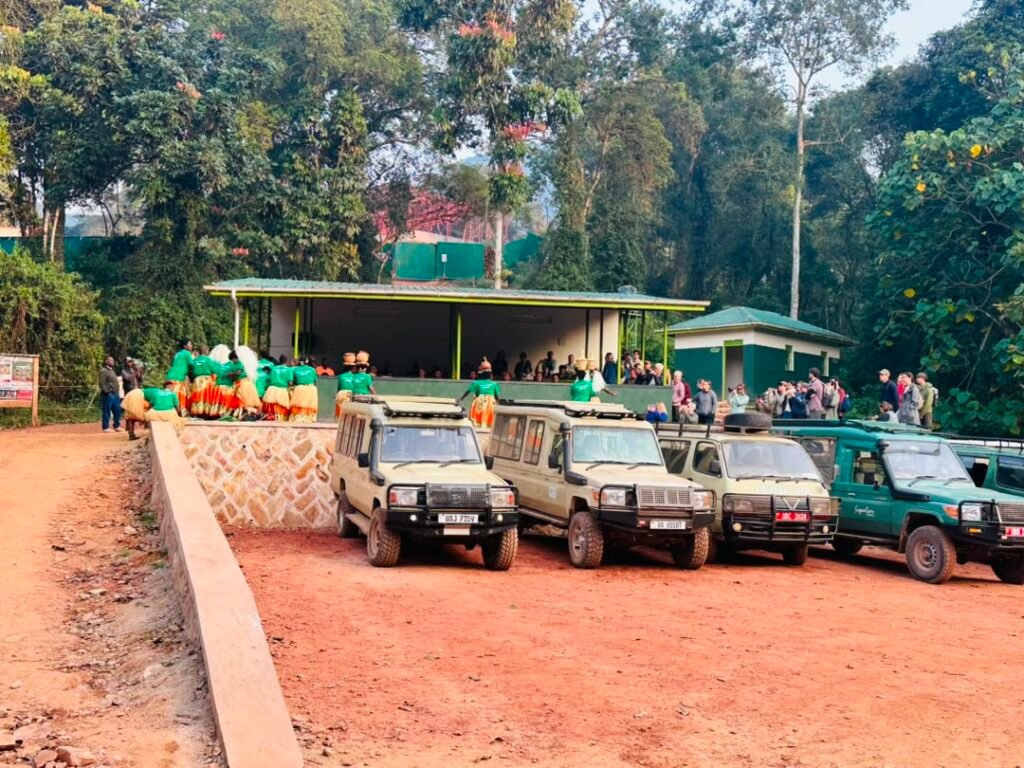

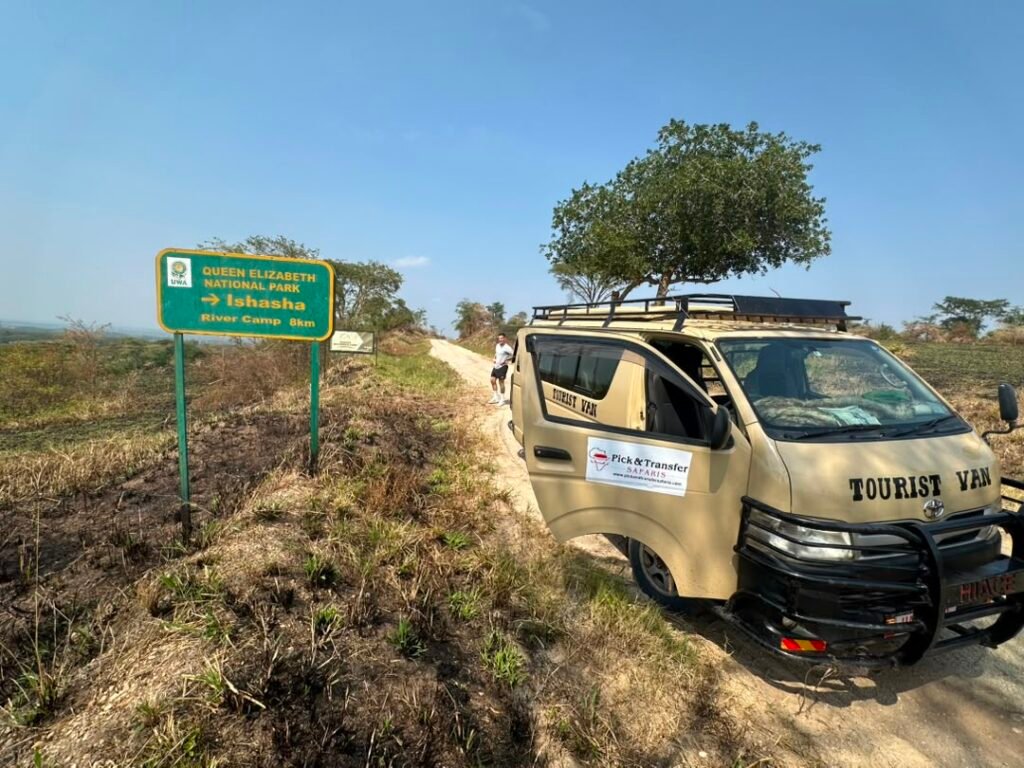
Buhoma sits on the northern edge of Bwindi Impenetrable Forest National Park in southwestern Uganda, and it is where gorilla tourism in East Africa effectively began. Starting your trip in Kigali rather than Entebbe is a strategic choice many seasoned travelers make: Kigali is a genuine, walkable, low-crime capital with excellent direct flights from Europe, the Middle East, and increasingly North America, and it sits considerably closer to Bwindi’s forest edge than Uganda’s own capital does. A traveler landing in Kigali in the morning can, with the right planning, be trekking gorillas in Buhoma within 24 to 48 hours.
The trek itself is unlike anything else in African safari travel. Unlike a game drive where you observe animals from a vehicle, gorilla trekking puts you on foot, inside the forest, walking in the footprints of a ranger and a tracker until you are standing a few meters from a family of mountain gorillas going about their day — feeding, grooming, playing, occasionally eyeing you with the same curiosity you feel toward them. Bwindi is home to roughly half of the world’s remaining mountain gorilla population, and Buhoma remains the sector with the richest trekking history and infrastructure of any part of the park. For travelers combining Rwanda and Uganda, a gorilla safari that begins in Kigali and ends in Buhoma is widely considered the most scenic and rewarding way to see mountain gorillas in the wild.
There is also a practical dimension that makes this specific pairing so popular. Rwanda’s tourism infrastructure around Kigali — direct international flights, reliable roads, a compact and easy-to-navigate capital — makes it an efficient gateway, while Uganda’s Bwindi sector offers larger gorilla populations, more habituated families, and permit prices that are considerably friendlier to a traveler’s budget than trekking on the Rwandan side alone. Combining the two is less a compromise than a genuine best-of-both-worlds strategy that experienced Africa travelers increasingly favor over choosing a single country.
Understanding Bwindi Impenetrable Forest and the Buhoma Sector
Bwindi Impenetrable Forest National Park is a UNESCO World Heritage Site covering 331 square kilometers of ancient, tangled rainforest in Uganda’s southwest, near the borders of Rwanda and the Democratic Republic of Congo. The name is not marketing — the forest genuinely is dense, mist-wrapped, and steep, an ecosystem that has survived largely untouched since the last Ice Age. It shelters over 400 plant species, 350 bird species, and, most famously, roughly half of all the mountain gorillas left on Earth.
The park is divided into four trekking sectors: Buhoma in the north, Ruhija in the east, and Rushaga and Nkuringo in the south. Buhoma was the original sector opened to tourism in the 1990s and remains the most popular entry point, particularly for travelers arriving via the Katuna/Gatuna border from Rwanda. You can read a full overview of the park’s ecology, history, and trekking zones on the Bwindi Impenetrable Forest National Park destination page, which is worth reviewing before you finalize your itinerary.
Buhoma’s appeal goes beyond convenience. The sector has the park’s most developed visitor infrastructure, the widest range of accommodation from budget community lodges to five-star retreats, and trailheads that lead not just to gorilla families but to waterfalls, birding circuits, and Batwa cultural sites. It is also, geographically, the sector that sits most naturally at the end of a Kigali departure via the northern Katuna route.
The terrain around Buhoma sits at an altitude of roughly 1,160 to 1,600 meters, which is notably lower and gentler than the steeper southern sectors of Rushaga and Nkuringo. This makes Buhoma a particularly popular choice for first-time trekkers, older travelers, or anyone slightly nervous about the physical demands of the hike, without sacrificing any of the authenticity of the encounter. The forest canopy here is thick enough that even a midday trek feels cool and shaded, a welcome contrast to the open savannah landscapes many travelers associate with an East African safari.
Meet the Gorilla Families of Buhoma
Buhoma is currently home to several habituated gorilla families available for daily trekking, each with its own personality and history. Mubare was the very first gorilla group habituated for tourism in Uganda, back in 1993, and trekking to Mubare today is something of a pilgrimage for gorilla enthusiasts. Habinyanja is a large, sometimes restless group known for shifting territory, which can mean longer or shorter treks depending on the season. Rushegura, descended from Habinyanja, is famous for occasionally wandering close to the lodges around Buhoma village itself. Katwe rounds out the sector’s trekking groups.
On your safari for Kigali to Buhoma Gorilla Trek, Each morning, park rangers brief trekkers at the Buhoma park headquarters and assign groups of a maximum of eight trekkers per gorilla family, based on trackers’ overnight reports on where each family last nested. This system is what keeps gorilla tourism sustainable: limited daily permits, small groups, and a strict one-hour viewing window once you find the family. If you would like a broader sense of how families are allocated across sectors and how habituation works, Pick and Transfer Safaris’ gorilla safari page breaks down the process for first-time trekkers.
The Best Route From Kigali to Buhoma: Via the Katuna/Gatuna Border
The classic and most direct route from Kigali to Buhoma runs through the Gatuna (Rwandan side) or Katuna (Ugandan side) border post. From Kigali, the drive heads north and slightly east through Rwanda’s Northern Province, past Musanze and the volcanic foothills, before reaching the border. This route covers roughly 230–250 kilometers and takes about six to seven hours of total travel time, including the border formalities, though the drive itself is scenic enough that it rarely feels long.
After crossing into Uganda at Katuna, the road continues through Kabale town — often called the “Switzerland of Africa” for its terraced hills and cool climate — past the shimmering waters of Lake Bunyonyi, and on through Kanungu district to Buhoma. Most of the route is on well-maintained tarmac, transitioning to a good all-weather murram road for the final stretch into the park. This is the route almost every operator uses for a direct Kigali to Buhoma gorilla trek, and it is the one built into itineraries like the 3 Days Uganda Gorilla Safari from Rwanda and the longer 5 Days Uganda Gorilla and Chimps Safari.
Many travelers choose to break the journey with a night in Kabale or by Lake Bunyonyi, arriving in Buhoma fresh the next morning rather than pushing through in a single long day. Your driver-guide will typically recommend this based on your flight arrival time in Kigali and the time of your gorilla permit the following day.
Alternative Route: Via Cyanika Border and the Southern Sectors
There is a second, shorter route worth understanding even if it does not lead directly to Buhoma. Travelers heading to the southern Bwindi sectors of Rushaga or Nkuringo, or to Mgahinga Gorilla National Park, typically cross at Cyanika rather than Katuna. This route runs from Kigali through Musanze to the Cyanika border, then on to Kisoro town — a journey of only 170–200 kilometers and four to five hours, noticeably shorter than the Katuna route.
If your travel dates or permit availability push you toward Rushaga or Nkuringo instead of Buhoma, this southern corridor is faster and equally beautiful, skirting the base of the Virunga volcanoes. It also opens the door to combining your trek with a stop at Mgahinga Gorilla National Park, Uganda’s smallest national park and home to golden monkey trekking. Deciding between the Buhoma (Katuna) and southern (Cyanika) routes usually comes down to which gorilla family permit you manage to secure, so it is worth discussing both options with your operator before booking.
Border Crossing Requirements and Visa Information
Crossing from Rwanda into Uganda is straightforward but does require some preparation. Both the Katuna/Gatuna and Cyanika border posts operate daily from roughly 6:00 a.m. to 6:00 p.m., and processing typically takes between fifteen minutes and an hour depending on traffic and the day of the week.
As you choose to do Kigali to Buhoma Gorilla Trek, You will need a passport valid for at least six months beyond your travel dates, a valid Uganda visa or East African Tourist Visa, and a valid yellow fever vaccination certificate, which is checked at the border. The East African Tourist Visa, priced at around US$100, is particularly useful for this itinerary because it is a single visa valid for entry into Uganda, Rwanda, and Kenya, with multiple entries permitted between the three countries during its 90-day validity — ideal if your trip involves crossing back and forth between Kigali and Buhoma or continuing on to other parks. Always confirm current visa rules before departure, since immigration policy can change; the Contact Us page is a good place to ask your operator for the latest requirements when you book.
Gorilla Permit Prices in 2026: Uganda vs. Rwanda
Permit pricing is often the deciding factor in how travelers structure a Kigali to Buhoma trip, and the gap between the two countries is significant. In 2026, a Uganda gorilla trekking permit for a foreign non-resident costs US$800, covering one hour with a habituated gorilla family in any of Bwindi’s four sectors, including Buhoma. Foreign residents and East African citizens pay reduced rates. Rwanda, by contrast, prices its gorilla permits at US$1,500 per person for trekking in Volcanoes National Park — nearly double the Ugandan rate.
This price difference is precisely why so many Kigali-based travelers choose to fly into Rwanda for its convenience and safety, then cross into Uganda specifically to trek, rather than trekking on the Rwandan side. It is entirely possible, and popular, to do both: a shorter Rwanda gorilla trek near Kigali via the 2 Days Volcanoes Gorilla Trek from Kigali combined with a Buhoma trek in Uganda for those who want to compare both countries’ experiences and see two different gorilla families on one trip. Permits sell out months in advance during the July–September and December–February peak seasons, so booking as early as possible — ideally four to six months ahead — is strongly advised regardless of which side of the border you choose.
Sample Cost Breakdown for a Kigali to Buhoma Gorilla Trek
Budgeting for this trip involves more moving pieces than a standard safari, so it helps to see the main cost categories laid out. The gorilla permit itself is the single largest line item at US$800 per person for foreign non-residents trekking in Buhoma. On top of that, factor in ground transport for the Kigali–Buhoma round trip, which typically runs as a package rate covering the vehicle, fuel, and an experienced driver-guide for the full journey rather than a per-kilometer fare.
Accommodation in Buhoma ranges widely, from around US$60–100 per person per night at community-run guesthouses to several hundred dollars per night at upscale forest lodges, so this is where your budget has the most flexibility. Add modest daily costs for park entry fees, porter tips (US$15–20 is standard and genuinely appreciated), meals if not included in your lodge rate, and the East African Tourist Visa if you don’t already hold Ugandan or Rwandan residency. Travelers booking as a group often find better per-person rates on both transport and accommodation; the Group Tours options offered by regional operators illustrate how those savings typically scale with group size. For an accurate, itemized quote based on your exact dates and group size, the Our Safaris overview page is a useful starting point before requesting a tailored quote.
How to Book Your Gorilla Trekking Permit and Safari
Gorilla permits in Uganda are issued by the Uganda Wildlife Authority and must be booked and paid for in advance; walk-up trekking is not possible. The easiest and most reliable way to secure a permit for the exact date and sector you want is to book through a licensed tour operator who handles the reservation, payment, and paperwork on your behalf, and who can combine your permit with transport, accommodation, and a driver-guide who knows the Kigali–Buhoma road well.
Pick and Transfer Safaris specializes in exactly this route and offers a range of ready-made itineraries, from a fast-paced 1 Day Uganda Gorilla Safari Starting from Kigali for travelers with limited time, to a more relaxed 2 Days Uganda Gorilla Tour Starting from Kigali that allows an overnight buffer for the drive. Every itinerary can also be customized — extended with chimpanzee tracking, adjusted for group size, or paired with additional parks — by speaking directly with the team through the Contact Us page. For travelers researching the process independently, background articles like What It’s Like to Trek Gorillas in Uganda and Rwanda offer a useful first-person perspective on what a trekking day actually feels like.
Best Time of Year for the Kigali to Buhoma Gorilla Trek
Gorilla trekking in Buhoma is possible year-round, since the gorillas are tracked daily regardless of season, but timing affects both comfort and cost. The two dry seasons — June through September and December through February — offer the firmest trails, the least mud, and the most predictable weather for the drive from Kigali. These months are understandably the most popular and the first to sell out of permits.
The wetter months, particularly March to May and October to November, bring lower rates at many lodges and thinner crowds on the trails, though the forest floor becomes considerably muddier and the trek more physically demanding. Rain in Bwindi rarely falls for a full day, so even a “wet season” trek is often interrupted by long stretches of sunshine. Travelers who want a quieter Buhoma experience and don’t mind bringing sturdier rain gear often find the shoulder seasons genuinely rewarding, and permit availability is far more flexible for last-minute bookings during these months.
What to Pack for Your Buhoma Gorilla Trekking Adventure
The Buhoma trek is a genuine hike through montane rainforest, so packing correctly matters as much as booking the right permit. Sturdy, ankle-supporting waterproof hiking boots are essential, since trails can be steep, root-covered, and slippery. Wear long trousers and a long-sleeved shirt tucked in to guard against stinging nettles and safari ants, and pack a lightweight rain jacket even in the dry season, since Bwindi’s weather can shift quickly at altitude.
Gardening-style gloves are a small but genuinely useful addition, protecting your hands when you grab at vegetation on steep sections. A daypack should carry at least two liters of water, energy snacks, a basic first-aid kit, insect repellent, and a dust mask or scarf for drier trail conditions. A walking stick — usually available for a small fee or free at the park headquarters — takes real pressure off your knees on the descent. Binoculars and a camera with a good zoom lens (flash photography of gorillas is prohibited) round out the essentials. Porters are available to hire at the trailhead for a modest fee and are worth every shilling; they carry your bag, help you over difficult terrain, and their fees directly support the local Buhoma community.
What to Expect on Trekking Day
Trekking day begins early with a briefing at Buhoma park headquarters around 7:30 a.m., where rangers explain park rules, assign trekkers to gorilla families, and share updates from the trackers who left before dawn to locate each group. From there, you set off into the forest with an armed ranger, a guide, and often a tracker, following trails that vary enormously in length and difficulty depending on where the gorillas nested the night before — anywhere from a gentle 45-minute walk to a strenuous five- or six-hour trek through dense, steep terrain.
Once your group locates the gorillas, you leave your bags and walking sticks with the porters and approach quietly, keeping a respectful seven-meter distance for the gorillas’ health and yours. You are permitted exactly one hour with the family, an hour that consistently ranks among travelers’ most emotional wildlife encounters anywhere in the world — watching a silverback move through undergrowth with startling grace, or infants tumbling over each other a few meters away. The walk back to the trailhead can take as long as the walk in, and most lodges will have a hot lunch and warm shower waiting by early-to-mid afternoon.
Where to Stay in Buhoma
Accommodation around Buhoma covers the full spectrum, from community-run budget guesthouses to luxury eco-lodges built into the forest edge. Because the sector has been welcoming trekkers since the 1990s, its lodges are generally more established and varied than those in Bwindi’s newer sectors. Many properties sit directly along the park boundary, meaning you can sometimes hear forest sounds — including, occasionally, gorillas themselves — from your veranda.
When booking through Pick and Transfer Safaris, accommodation is arranged to match your budget and travel style as part of the full itinerary, whether that’s a simple, comfortable stay for a one-night trek or a multi-night forest retreat combined with nearby activities. Because permits and lodge availability both tighten during peak season, it’s worth locking in accommodation at the same time you secure your gorilla permit rather than treating them as separate bookings.
Beyond Gorillas: Other Experiences in Buhoma
A trip built entirely around one hour with the gorillas would already be worthwhile, but Buhoma rewards travelers who stay an extra day or two. The Buhoma Community Rest Camp area is the starting point for several excellent nature walks, including trails to the Munyaga River waterfall and longer forest walks rich with birdlife — Bwindi holds over 350 recorded bird species, including several Albertine Rift endemics that draw dedicated birders from around the world.
Just outside the park boundary, Batwa community visits offer a moving and important cultural counterpoint to the trek itself. The Batwa were the forest’s original inhabitants before it was gazetted as a national park, and community-led walks and performances near Buhoma allow travelers to learn about their traditional forest life directly from Batwa guides, with proceeds supporting the community. Organizations such as the Kigezi Foundation work directly with communities around Bwindi, including former Batwa residents, and are worth learning about if you want your visit to have a lasting local impact beyond the trekking fee itself.
Responsible Tourism and Supporting Local Communities
Gorilla tourism is one of the clearest examples anywhere in the world of conservation funded directly by travel. A meaningful share of every US$800 Uganda gorilla permit is channeled back into park management, ranger salaries, and — crucially — a revenue-sharing scheme that funds schools, health clinics, and infrastructure in the communities bordering Bwindi. This is a large part of why the mountain gorilla, once teetering toward extinction, is now one of the only great ape populations in the world with a growing headcount.
Choosing operators and lodges that visibly reinvest in the Buhoma area extends that impact further. Organizations like the Kigezi Foundation work directly with communities around Bwindi, including former Batwa forest residents displaced when the park was gazetted, funding education and livelihood projects in the villages your trek passes through. Hiring a porter, buying a craft from a community stall near the park headquarters, or booking a Batwa cultural walk are all small choices that put tourism revenue directly into local hands rather than leaving it entirely with lodges and operators. Responsible operators build this ethos into every itinerary, from the shortest 3-Day Uganda Gorillas Safari to the longer combination trips, and it is a fair question to ask any company you book with before you travel.
Combining Buhoma With Other Uganda and Rwanda Safaris
Because Buhoma sits close to the Rwanda border and within a reasonable drive of several other major parks, it rarely makes sense to treat it as a standalone destination if your schedule allows more time. Many travelers combine their Kigali to Buhoma gorilla trek with a stop at Queen Elizabeth National Park, roughly a half-day’s drive north, famous for tree-climbing lions and boat cruises along the Kazinga Channel; the 3 Days Queen Elizabeth National Park itinerary slots naturally onto the back end of a Buhoma trek.
Others extend into chimpanzee tracking, since Uganda offers some of the best chimp encounters on the continent through parks like Kibale Forest, covered on the Kibale Forest National Park destination page, or through the dedicated 3 Days Chimpanzee Tour in Uganda. Travelers who want both primates in one trip often choose the 5 Day Uganda Gorilla and Chimpanzee Safari, while those staying based in Rwanda can loop back through Kigali to visit Volcanoes National Park or unwind afterward exploring Kigali City itself. For travelers who want to see the fullest possible picture of both countries, multi-country options such as the 7 Days Uganda Rwanda Safari Adventure or the longer 10 Days Uganda Rwanda Safari weave Buhoma into a broader circuit covering savannah wildlife, forest primates, and Rwandan culture in a single, well-paced trip. Independent research from itineraries like Kenlink Tours’ 3-Day Bwindi Gorilla Safari Starting from Kigali and their 2-Day Uganda Gorilla Safari Starting from Kigali can also help you benchmark how much time and budget to allocate for this leg of your journey.
Health, Safety, and Trekking Rules
Gorilla trekking comes with a set of rules designed to protect both visitors and the gorillas, who share roughly 98% of human DNA and are susceptible to many human illnesses. Anyone showing symptoms of a cold, flu, or other contagious illness on trekking day will be asked to sit out, so it is worth building a rest day into your schedule in case this happens. Children under 15 are not permitted to trek, though older children can take part in shorter nature walks around Buhoma while parents trek.
A basic level of fitness is recommended given the terrain, but porters and flexible pacing mean trekkers of a wide range of ages and fitness levels complete the hike successfully each year — Bwindi guides are experienced at adjusting pace and offering support. Travel insurance covering emergency medical evacuation is strongly recommended for any Bwindi trek given the remote, mountainous terrain, and it is worth confirming your policy covers trekking activities specifically before departure, ideally purchased as soon as your permit and flights are booked rather than left until the week before you travel.
Photography Tips and Gorilla Trekking Etiquette
The hour you spend with a gorilla family passes quickly, and it is worth thinking through your camera settings before you enter the forest rather than fumbling with them once the family is in front of you. Bwindi’s canopy filters most direct light, so the forest floor is often dim even at midday; a camera capable of shooting comfortably at a higher ISO, or a lens with a wide maximum aperture, will serve you far better than a compact point-and-shoot. Flash photography is strictly prohibited, both because it startles the gorillas and because repeated exposure to flash can affect their eyesight over time.
Beyond gear, etiquette matters as much as equipment. Keep your voice low, move slowly, and follow your ranger’s instructions on positioning without exception — rangers are reading the gorillas’ body language constantly and will reposition the group if a silverback shows signs of stress. Eating, drinking, and smoking are not permitted once you are with the gorillas, and the seven-meter minimum distance exists for the gorillas’ protection as much as yours, since they have no natural immunity to human respiratory illnesses. Trekkers who arrive with this mindset — treating the encounter as a privileged visit into the gorillas’ world rather than a photo opportunity to be extracted — consistently describe the experience as more moving, not less.
Sample Itinerary: A Focused Kigali to Buhoma Gorilla Trek
For travelers with limited time, a well-run three-day itinerary looks roughly like this. Day one begins with an early pickup in Kigali and the scenic drive to the Katuna border, crossing into Uganda by early afternoon and continuing to Buhoma in time for dinner and a briefing on the following day’s trek. Day two is trekking day itself: an early start, the forest hike to find your assigned gorilla family, the unforgettable hour in their company, and an afternoon to rest, walk to a nearby waterfall, or visit a Batwa community program. Day three retraces the route back to Kigali, arriving in time for an evening flight or a night in the city.
Travelers with more flexibility often stretch this into four or five days, adding a second trek in a different sector, a stop in Queen Elizabeth National Park, or a slower pace through Lake Bunyonyi on the return leg. Full-length versions of this itinerary, with exact day-by-day breakdowns, are available on the 3 Days Uganda Gorilla Safari from Rwanda page, and can be adjusted after a quick conversation through Contact Us.
Frequently Asked Questions About the Kigali to Buhoma Gorilla Trek
How far is Buhoma from Kigali? Roughly 230–250 kilometers via the Katuna/Gatuna border, translating to about six to seven hours of driving including the border crossing.
Do I need a visa to cross from Rwanda to Uganda? Yes — either a standard Uganda visa or, more conveniently, the East African Tourist Visa, which covers Uganda, Rwanda, and Kenya on one multiple-entry visa.
How much does a Uganda gorilla permit cost in 2026? US$800 per person for foreign non-residents, compared to US$1,500 in Rwanda, which is why many Kigali-based travelers choose to trek on the Ugandan side at Buhoma.
Can I trek gorillas in Buhoma as a day trip from Kigali? It is possible with very early departure and strong planning, but most travelers and operators recommend at least one overnight near Buhoma to avoid an exhausting single-day round trip and to allow flexibility if the trek runs long.
Is the Kigali to Buhoma road safe and comfortable? Yes. The route is used daily by tour operators, is mostly paved, and passes through some of the most scenic countryside in the Great Lakes region, making the drive itself part of the experience rather than something to endure.
Which gorilla family will I trek in Buhoma? Assignments are made by park rangers each morning based on overnight tracker reports, so it isn’t guaranteed in advance, but Buhoma’s regulars include the historic Mubare group, the large Habinyanja family, and Rushegura, which sometimes wanders close to the village itself. Any of the four is a genuine, unscripted wildlife encounter.
Can I combine a Buhoma trek with Rwanda’s Volcanoes National Park in one trip? Yes, and many travelers do exactly this to compare both countries and see two different gorilla families. A short 2 Days Volcanoes Gorilla Trek from Kigali can be scheduled either before or after your Buhoma leg, with your operator handling the logistics of both permits and the border crossing in between.
Why Book Your Kigali to Buhoma Gorilla Trek With Pick and Transfer Safaris
Planning a cross-border gorilla trek involves coordinating permits, transport, accommodation, and timing across two countries, and small mistakes — a permit booked for the wrong sector, an underestimated drive time, a missed visa requirement — can be costly on a trip this significant. Pick and Transfer Safaris has built its wildlife safaris and extended safari offerings specifically around this Kigali-to-Uganda corridor, with drivers who know the Katuna route, relationships with lodges throughout Buhoma, and the ability to secure permits during high season when independent bookings often fail.
Whether you want the streamlined 1 Day Uganda Gorilla Safari Starting from Kigali, a fuller multi-day exploration through the Destinations of both countries, or a fully custom trip built around your dates and interests, the team can put together a complete plan from your first message. Standing a few meters from a wild mountain gorilla family in the misty hills above Buhoma is an experience that, once had, tends to reorder a traveler’s sense of what a wildlife encounter can be — and the road there from Kigali is every bit as memorable as the destination itself. Reach out through Contact Us to start planning your trek today.