- LET'S PLAN YOUR SAFARI
- +256 200 921 002
- +256 793 194 703
- info@pickandtransfersafaris.com

Kigali to Gorilla Trekking in One Day
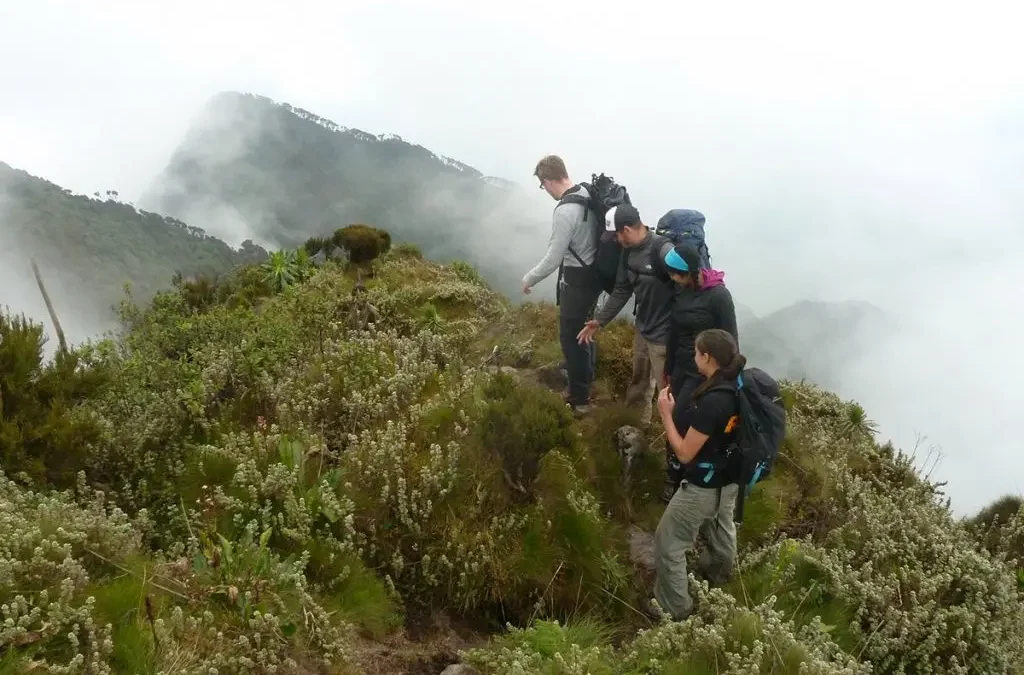
Kigali to Gorilla Trekking in One Day. Few wildlife experiences on earth compare to locking eyes with a 200-kilogram silverback mountain gorilla in the misty forests of the Virunga Mountains, an encounter that regularly tops the bucket lists of seasoned safari travelers and first-time visitors to Africa alike. What surprises most travelers is that this bucket-list encounter does not require a week-long safari or an overnight stay in the bush. If you are based in Kigali, or simply passing through Rwanda’s capital on a tight itinerary, you can leave the city before sunrise, trek with mountain gorillas by mid-morning, and be back in your hotel in time for a late dinner. This guide walks you through exactly how a Kigali to gorilla trekking one day trip works, what it costs in 2026, how to prepare, and how to make sure your single day in the Virunga forest is unforgettable rather than rushed.
Whether you are a business traveler with only 24 hours to spare, a stopover passenger connecting through Kigali International Airport, or simply someone who wants to maximize a short Rwanda holiday, a one-day gorilla trekking excursion from Kigali is one of the most efficient wildlife experiences in Africa. Below, we break down everything from logistics and pricing to packing lists and insider tips, and we show you how Pick and Transfer Safaris can turn this ambitious day trip into a smooth, safe, and unforgettable adventure.
Visa and Entry Requirements for Visiting Rwanda
Before you can worry about gorilla permits and pre-dawn departures, it helps to confirm that your Rwanda entry logistics are in order. Most nationalities can now obtain a Rwandan visa on arrival at Kigali International Airport or apply in advance through the online e-visa portal, and citizens of several African and East African Community countries enjoy visa-free entry entirely. Because immigration rules and reciprocal agreements shift periodically, it is worth checking the latest requirements shortly before you travel rather than relying on information from a previous trip.
Kigali International Airport is well connected via RwandAir and a growing number of international carriers, making it realistic to fly in, complete a one-day gorilla trek, and fly out again within a short overall trip if your schedule is tight. For travelers who like to cross-check current entry rules and regional travel advisories from more than one source, resources such as Kenlink Tours’ travel news page offer useful, regularly updated context on entry requirements and conditions across East Africa. Once your visa and flights are confirmed, the remaining planning, permits, transport, and timing, is best handled by a specialist operator who works this route every week.
Where to Stay in Kigali Before Your Early Departure
Because your gorilla trekking day begins in the middle of the night, your choice of Kigali accommodation matters more than it might for a typical city stay. Look for a hotel that can arrange an early breakfast box or at least hot coffee before your 3:00 or 4:00 a.m. pickup, and confirm with your operator that your specific address is factored into the pickup schedule, since traffic patterns and road access vary across Kigali’s hilly neighborhoods.
Staying in a central area such as Kiyovu, Kacyiru, or near Kigali International Airport can shave meaningful time off your pre-dawn drive compared with accommodation on the far side of the city. Many travelers choose to book only one night in Kigali on either side of their trekking day, since the itinerary itself consumes the entire day in between. If you plan to arrive late the night before your trek, request a wake-up call in addition to your own alarm, given how easy it is to oversleep after a long international flight.
Some travelers prefer the flexibility of self-driving between Kigali and Kinigi rather than relying entirely on a guided vehicle, particularly if they already have regional driving experience. Car hire options are available through operators such as Kenlink Tours’ car hire service, though for a time-critical one-day gorilla trek most travelers still find a professional driver-guide safer and considerably less stressful than navigating unfamiliar roads before dawn.
Why Choose a One-Day Gorilla Trekking Trip from Kigali
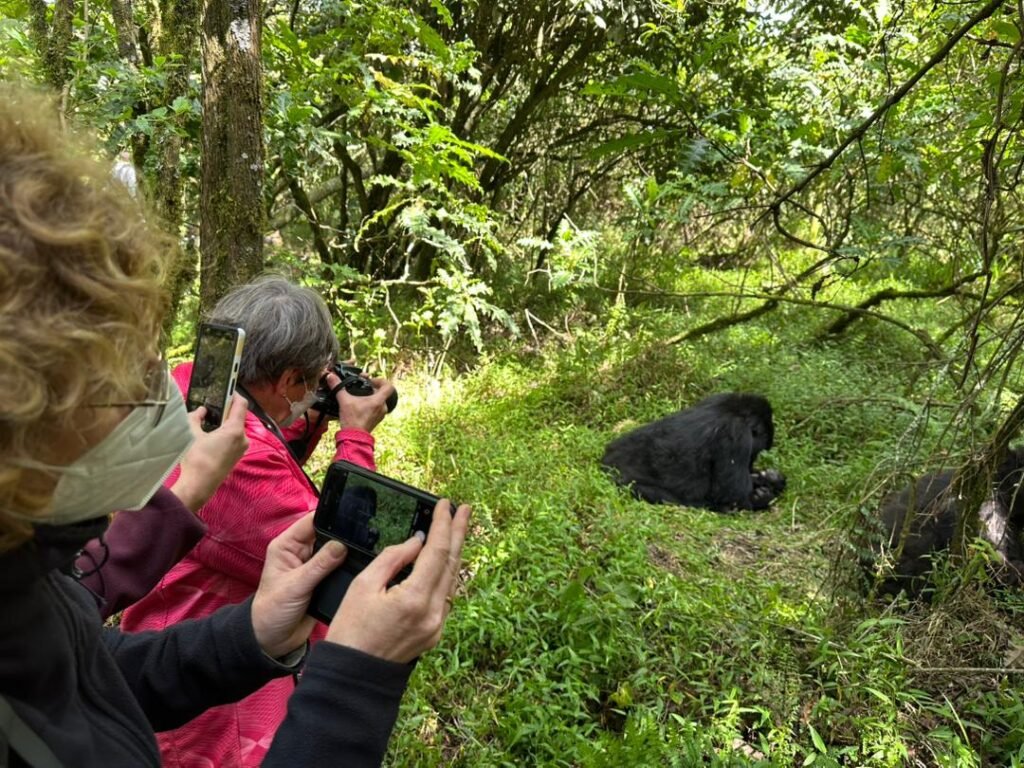
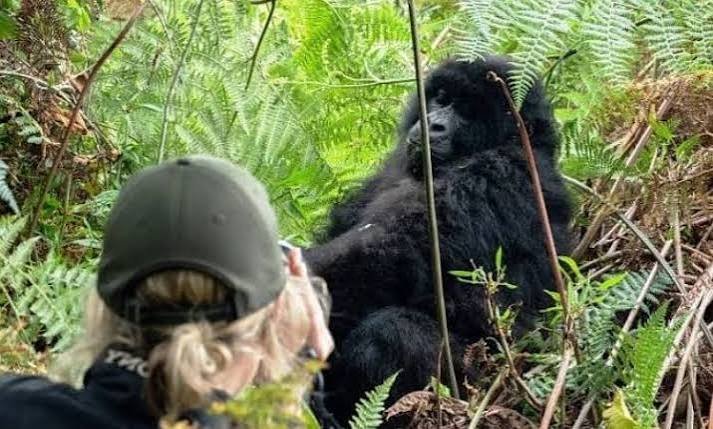
Rwanda has positioned itself as the most accessible country in the world for gorilla trekking, and Kigali sits at the heart of that accessibility. Unlike Uganda’s Bwindi Impenetrable Forest, which can take up to eight or nine hours to reach by road from Entebbe, Volcanoes National Park is only a two-to-three-hour drive from the capital. This geographic advantage is precisely what makes a single-day gorilla trekking itinerary realistic rather than reckless.
There are several practical reasons travelers choose this option. First, it suits people with limited annual leave who still want to check gorilla trekking off their list without committing several days to it. Second, it works well for cruise-style itineraries, layovers, and multi-country business trips where every day matters. Third, it eliminates the cost of an extra hotel night near Musanze, since you return to your Kigali accommodation the same evening. Finally, for travelers who have already done an extended safari elsewhere in East Africa and simply want to add gorillas to the list, a one-day add-on is far more efficient than restructuring an entire trip.
At the same time, this is not a trip to underestimate. It demands an early start, a realistic expectation of physical exertion, and a reliable operator who understands the timing constraints involved. That last point is where working with an experienced ground operator, such as the team behind Pick and Transfer Safaris’ gorilla safari packages, becomes essential rather than optional.
Understanding Volcanoes National Park and Its Mountain Gorillas
Volcanoes National Park, known locally as Parc National des Volcans, is Rwanda’s flagship conservation area and one of only three places on the planet where mountain gorillas can be found in the wild, alongside Uganda’s Bwindi and Mgahinga forests and the Democratic Republic of Congo’s Virunga National Park. The Rwandan side of the Virunga Massif is home to a chain of dormant and active volcanoes, including Mount Karisimbi, Mount Bisoke, Mount Sabyinyo, Mount Gahinga, and Mount Muhabura, all draped in dense montane and bamboo forest.
This is the very landscape where the legendary primatologist Dian Fossey conducted her decades of research, and her legacy is still visible today in the park’s conservation ethos and in the Dian Fossey Gorilla Fund’s ongoing work. The park currently protects a dozen habituated gorilla families available for tourism, ranging from small groups of six or seven individuals to larger families exceeding twenty members, each with its own personality, hierarchy, and story.
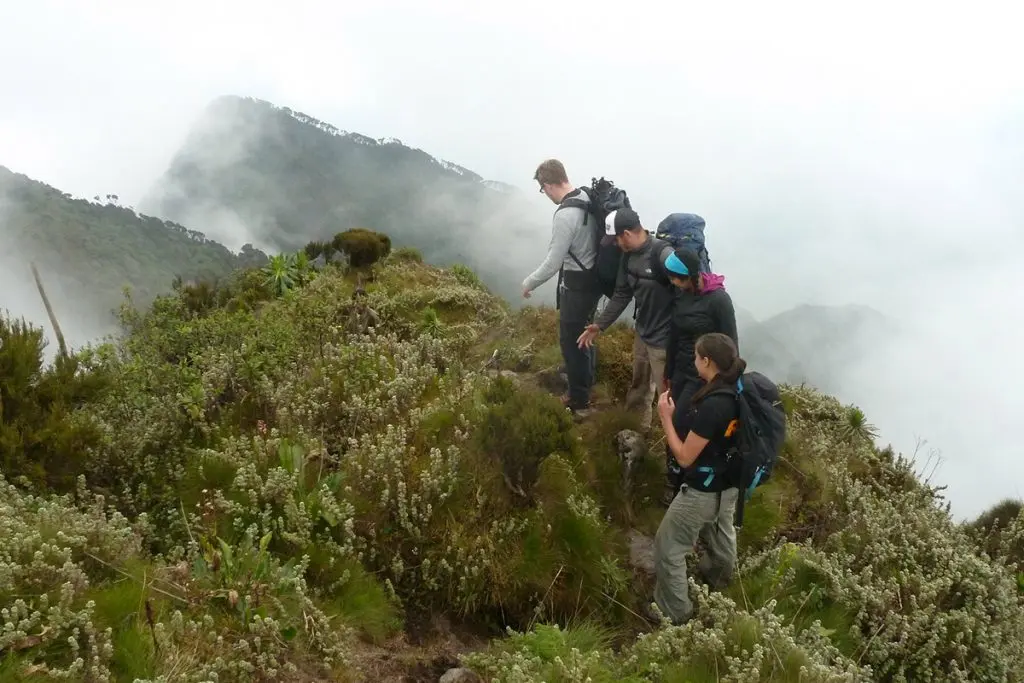
Because the terrain is steep, volcanic, and often shrouded in cloud and mist, trekking here is physically demanding, but it is precisely this rugged, high-altitude setting that gives Rwandan gorilla trekking its reputation as one of the most scenic and rewarding versions of the experience anywhere in the world. Travelers interested in comparing the ecosystem to other Rwandan parks can explore the biodiversity of Nyungwe Forest National Park or the savannah landscapes of Akagera National Park, both of which pair beautifully with a gorilla trek if you have additional days.
Is One-Day Gorilla Trekking from Kigali Really Possible?
Yes, and it is done successfully every week of the year, provided the logistics are handled by an experienced operator. The entire premise rests on Volcanoes National Park’s proximity to Kigali and the structured, predictable schedule that the Rwanda Development Board enforces at the park headquarters in Kinigi. Trekkers must register and attend a briefing at the park headquarters by 7:00 a.m., which is precisely why the drive time from Kigali becomes the defining factor in whether a one-day trip is feasible.
Because briefing starts promptly at dawn, your vehicle needs to leave Kigali between 3:00 and 4:00 a.m., depending on your hotel location and traffic conditions around the city. This early departure is the trade-off for the convenience of a same-day return. It is a long day, typically spanning sixteen to eighteen hours door to door, but the payoff, standing a few meters from a wild mountain gorilla family, makes the early wake-up call worthwhile for the vast majority of travelers who choose this route.
It is worth being transparent that a one-day trip is more intense than a two-day itinerary that includes an overnight near Musanze. If your schedule allows for an extra day, the 2 Days Volcanoes Gorilla Trek from Kigali package offers a more relaxed pace with an overnight stay near the park, reducing the pressure of the early morning drive. However, for travelers with a hard time constraint, the one-day version remains a completely viable and popular option.
The Distance and Drive Time from Kigali to Kinigi
Volcanoes National Park headquarters sits in Kinigi, a small town roughly 105 kilometers (about 65 miles) northwest of Kigali. On Rwanda’s well-maintained, paved highway, this translates to approximately two to three hours of driving, depending on the time of day, weather, and how many stops you make along the way. The road climbs steadily out of Kigali through rolling hills of tea and coffee plantations before reaching the volcanic foothills of Musanze District.
Many drivers pause briefly around Nyirangarama, roughly 45 kilometers outside Kigali, for a coffee or bathroom break, though on a one-day trekking itinerary this stop is usually brief given the early start. Because arrival before 7:00 a.m. is mandatory, most tour operators recommend departing Kigali no later than 4:00 a.m. to build in a buffer for fog, slower early-morning visibility, or unexpected roadworks.
A private 4×4 safari vehicle with an experienced driver-guide is strongly recommended over self-driving or public transport for this leg of the journey. Beyond comfort, a professional driver familiar with the route can navigate the pre-dawn hours safely and ensure you are not the group holding up the 7:00 a.m. briefing. This is a core part of what Pick and Transfer Safaris provides on every one-day gorilla trekking booking: a dedicated vehicle, driver, and fixed pickup time tailored to your hotel location in Kigali.
Gorilla Permit Prices and What They Include (2026 Rates)
Understanding permit pricing is essential to budgeting your Kigali to gorilla trekking one day trip. As of 2026, the Rwanda Development Board charges USD 1,500 per person for a standard gorilla trekking permit in Volcanoes National Park. This fee is not simply an entrance ticket; it funds armed ranger escorts, trackers who locate the gorilla family each morning, park conservation and anti-poaching efforts, and community development programs in the villages surrounding the park.
A handful of discounts exist. Rwanda periodically offers a 30 percent discount, bringing the price down to around USD 1,050, for visitors who combine their Volcanoes visit with a trip to Nyungwe Forest or Akagera National Park, typically valid during the low season months of November through May. Conference and MICE (meetings, incentives, conferences, and exhibitions) attendees may also qualify for a 15 percent discount. For travelers seeking total privacy, an exclusive family buyout option exists at a significantly higher rate.
Every permit includes a maximum of one hour with the gorilla family once located, and groups are capped at eight trekkers per gorilla family to minimize stress on the animals. Permits are non-transferable and tied to your passport details, so accurate information must be submitted well in advance. Because permits sell out months ahead during the July to September and December to February peak seasons, we strongly recommend booking through Pick and Transfer Safaris’ Rwanda gorilla safari packages at least two to six months before travel, and ideally even earlier if you are targeting a specific date.
If your budget is tighter, it is worth knowing that Uganda’s gorilla permits, priced at roughly USD 800 in high season and USD 600 during the April, May, and November low season, are considerably cheaper. Some travelers based in Kigali choose to cross into Uganda’s Mgahinga Gorilla National Park for a lower-cost one-day trek, a route covered in detail on Pick and Transfer Safaris’ one-day Uganda gorilla safari from Kigali page.
Step-by-Step Itinerary: Kigali to Gorilla Trekking in One Day
Early Morning Departure (3:00–4:00 a.m.)
Your driver-guide picks you up directly from your Kigali hotel in a comfortable 4×4 safari vehicle. Departing this early feels intense, but it guarantees you reach Kinigi with time to spare, even allowing for a short rest stop along the way. Bring a jacket, as pre-dawn Kigali and the higher-altitude drive toward Musanze can be noticeably cooler than daytime temperatures.
Arrival and Briefing at Park Headquarters (Before 7:00 a.m.)
At Kinigi park headquarters, you will check in, meet your assigned trekking group, and enjoy traditional Intore dancers performing before the official briefing begins. Rangers introduce the day’s gorilla families, explain trekking etiquette, and assign trekkers to groups based on fitness level and the difficulty of reaching each family’s known location that morning. This is also where porters, highly recommended for one-day trekkers who need to move efficiently, can be hired for a modest fee.
The Trek Itself (7:30 a.m.–early afternoon)
Trekking times vary enormously depending on where the assigned gorilla family is located that day, ranging from a 30-minute walk to a strenuous four-to-six-hour hike through steep, muddy, and sometimes stinging-nettle-covered terrain. Once your group locates the gorillas, you are permitted exactly one hour in their presence, an extraordinary window to watch silverbacks, mothers with infants, and juveniles interact just meters away. After your hour, the group treks back down to the park headquarters.
Return Journey to Kigali (Afternoon into evening)
After a quick lunch, often a packed meal your driver arranges in advance, or a stop at a local restaurant in Musanze, the drive back to Kigali begins. Traffic and fatigue can stretch this leg slightly longer than the morning drive, so most one-day trekkers arrive back in Kigali between 7:00 and 9:00 p.m., tired but exhilarated.
This entire day is significantly easier to manage with a fixed itinerary and a professional operator handling timing, permits, and transport. Explore the full day-by-day structure on Pick and Transfer Safaris’ dedicated gorilla safari packages page to see exactly how the logistics are coordinated.
What to Pack for Your One-Day Gorilla Trek
Packing correctly can make the difference between an enjoyable trek and a miserable one. Because you are moving through dense, often wet vegetation at altitudes between 2,500 and 4,000 meters, layering is essential. Start with a moisture-wicking base layer, add a fleece or light sweater, and top it with a waterproof, breathable rain jacket, since Volcanoes National Park sees rainfall in almost every month.
Sturdy, broken-in hiking boots with good ankle support and grip are non-negotiable given the muddy volcanic soil. Gardening gloves are surprisingly useful for grabbing onto vegetation, including stinging nettles, without injury. Long trousers tucked into socks or gaiters help prevent both nettle stings and safari ants from reaching your skin. A daypack should carry water, energy snacks, a rain cover, and a light lunch if your operator has not arranged one on-site.
Other essentials include a hat, sunscreen, insect repellent, a camera or smartphone with a fully charged battery (flash photography of the gorillas is prohibited), and a walking stick, which is typically provided free of charge at the park headquarters. Cash in Rwandan francs or US dollars is useful for tipping porters, guides, and trackers. If you are unsure what your specific itinerary requires, the Pick and Transfer Safaris team can send a tailored packing checklist once your trek is confirmed.
Best Time of Year for One Day Gorilla Trekking from Kigali
Gorilla trekking in Rwanda is possible year-round because the gorilla families are tracked and visited daily regardless of season, but the two dry seasons, from June to September and from December to February, offer the most favorable trekking conditions. Trails are firmer, visibility is better, and the overall hiking experience is noticeably less strenuous than during the rains.
That said, the wet seasons, roughly March to May and October to November, bring their own advantages for a one-day itinerary. Rates are occasionally discounted, the park is quieter, and the surrounding hills turn a vivid green that many photographers prefer. The trade-off is muddier trails and a higher chance of rain interrupting your trek, which can extend hiking time and make an already long day feel longer.
For travelers whose schedule is fixed regardless of season, such as a single free day during a business trip, the good news is that mountain gorillas are trekked in Volcanoes National Park 365 days a year, so a one-day trip remains possible in any month, provided permits are available. If you have some flexibility, aim for June through September or December through February for the smoothest possible single-day experience, and browse Pick and Transfer Safaris’ seasonal gorilla safari options for guidance on timing your trip around Rwanda’s calendar.
Physical Fitness and Age Requirements
Gorilla trekking has a strict minimum age requirement of 15 years old, a rule enforced across all of Rwanda’s gorilla families to protect both the animals and younger visitors from the physical demands and disease-transmission risks involved. There is no upper age limit, and trekkers well into their seventies and eighties complete the hike successfully every year, often with the help of a hired porter.
That said, a realistic assessment of your fitness level matters enormously on a one-day itinerary, since you do not have the luxury of a rest day afterward. The terrain includes steep volcanic slopes, uneven ground, mud, and altitude that can range up to nearly 4,000 meters in some sectors. Rangers do their best to match less physically able trekkers with gorilla families known to be closer to the trailhead on a given day, but this cannot always be guaranteed.
If you have any underlying heart, lung, or mobility concerns, consult your doctor before booking, and consider hiring a porter regardless of your fitness level, both as a support measure and as a way of contributing directly to the local Kinigi economy. Groups traveling with a mix of fitness levels, such as families or multigenerational trips, may want to consider the more relaxed pace of the 2 Days Volcanoes Gorilla Trek from Kigali itinerary instead of compressing everything into a single day.
Alternative Options: Combining Rwanda and Uganda Gorilla Trekking
Because Kigali sits within a few hours of both Rwanda’s Volcanoes National Park and Uganda’s Mgahinga Gorilla National Park, some travelers use the city as a base for exploring both countries’ gorilla trekking options. If Rwanda’s permit price feels steep for your budget, Uganda’s Mgahinga park, priced at roughly USD 800 in high season, offers a genuine and more affordable alternative, albeit with a smaller daily permit allocation of just eight trekkers tracking a single habituated family.
Travelers who want to explore this route in more depth can read a helpful comparison on Kenlink Tours’ Uganda safari page, which outlines the broader trekking landscape across Uganda’s parks, or review Kenlink Tours’ dedicated two-day Uganda gorilla safari from Kigali itinerary for a side-by-side sense of how the Ugandan route compares logistically.
Travelers arranging their own group of friends or colleagues sometimes weigh a private one-day dash against a scheduled small-group departure. If a fixed-date group format appeals to you more than a fully private itinerary, it is worth comparing options such as Kenlink Tours’ group tours page alongside a private, custom-timed trip. Either format works for gorilla trekking, and the right choice usually comes down to whether you value the flexibility of setting your own pace or the camaraderie and typically lower per-person cost of joining an organized group.
For travelers who prefer to stay within Rwanda but want more than a single gorilla encounter, combining a Volcanoes trek with a Golden Monkey tracking excursion, both accessible from the same Kinigi park headquarters, is an efficient way to see two primate species in one region. Multi-day travelers can also review Kenlink Tours’ four-day golden monkey and gorilla trekking itinerary for additional context on how these experiences are typically packaged. On the Rwandan side, Pick and Transfer Safaris’ 3 Days Uganda Gorilla Safari from Rwanda package is a popular option for travelers who want to experience both countries without the compressed timing of a single day.
Other Primate and Wildlife Experiences Near Kigali
If a single hour with mountain gorillas leaves you wanting more, Rwanda and the wider region offer an impressive range of complementary wildlife experiences, many of which can be added to your trip before or after your gorilla trekking day. Golden monkey tracking, also based out of Kinigi, involves a shorter and less strenuous hike to observe playful, endangered golden monkeys in the bamboo forest, and pairs naturally with a gorilla trek on a longer itinerary such as Pick and Transfer Safaris’ 5 Days Rwanda Primate Safari.
Chimpanzee tracking in Nyungwe Forest National Park, a few hours south of Kigali, offers a completely different rainforest ecosystem and the chance to see East Africa’s largest population of primates, including chimpanzees, colobus monkeys, and over 300 bird species. The 2 Days Nyungwe Chimps Tracking Trip is a well-suited add-on for travelers extending their stay by even one extra day.
For a change of pace after the intensity of trekking, Akagera National Park delivers classic savannah game drives with lions, elephants, giraffes, and rhinos, all reintroduced through one of Africa’s most celebrated rewilding success stories. Consider the 3 Days Akagera National Park Safari from Kigali if you have time beyond your gorilla trekking day. Travelers researching Uganda-side alternatives can also review Kenlink Tours’ three-day Akagera game drive safari and Kenlink Tours’ three-day Nyungwe Forest tour for comparison.
Why Book Your One-Day Gorilla Trek with Pick and Transfer Safaris
A one-day gorilla trekking trip from Kigali leaves almost no margin for logistical error. Missing the 7:00 a.m. briefing, mismanaging permit paperwork, or hiring an inexperienced driver unfamiliar with the Kinigi route can unravel the entire day. This is precisely why working with a specialized, locally rooted operator matters more for this itinerary than almost any other safari format.
Pick and Transfer Safaris has built its reputation on precisely engineered transfers and safari logistics across Rwanda and Uganda, with deep operational knowledge of the Kigali-to-Kinigi corridor. The team handles permit booking directly with the Rwanda Development Board, arranges a private 4×4 vehicle with an English-speaking driver-guide, builds in appropriate time buffers for weather and traffic, and remains reachable throughout your trekking day in case anything needs adjusting.
Beyond the one-day itinerary, Pick and Transfer Safaris’ full range of gorilla safari packages includes everything from quick two-day trips to extended multi-week primate and wildlife adventures such as the 10 Days Rwanda Wildlife Gorilla Tour and the 7 Days Best of Rwanda Safari, giving travelers flexibility to scale their Rwanda experience up or down depending on time and budget. For those interested in combining Rwanda with neighboring countries, the 15 Days Rwanda Uganda Safari and 10 Days Uganda Rwanda Safari packages showcase how a single gorilla trekking day can anchor a much larger East African journey.
To start planning, reach out directly through Pick and Transfer Safaris’ contact page, where the team can confirm permit availability, recommend the best trekking date for your schedule, and arrange every detail of your Kigali to gorilla trekking one day adventure.
Tips for a Smooth and Memorable One-Day Gorilla Trekking Experience
Book your permit as early as possible, ideally several months in advance, since Rwanda caps the number of daily permits per gorilla family and demand routinely outpaces supply during peak months. Confirm your Kigali hotel pickup time the night before, and set multiple alarms given how early the departure genuinely is. Eat a light, energy-dense breakfast before departure or bring something portable, since the trek itself can last several hours before your packed lunch.
Hire a porter even if you consider yourself fit; the fee is modest, the support is genuinely useful on slippery volcanic terrain, and it directly benefits the local Kinigi community. Keep your camera settings ready in advance since your one hour with the gorillas passes quickly and you will not want to fumble with settings while a silverback watches you from a few meters away. Maintain the recommended seven-meter distance from the gorillas at all times, avoid direct eye contact with a silverback if it displays agitation, and always follow your guide’s instructions immediately, as rangers are trained to manage any unexpected gorilla behavior safely.
Finally, build in mental flexibility. Trekking times are unpredictable, weather can shift quickly at altitude, and the return drive to Kigali can feel long after an exhausting but rewarding day. Travelers who go in with realistic expectations about the intensity of a single-day itinerary consistently report it as one of the most rewarding travel days of their lives.
Frequently Asked Questions About One-Day Gorilla Trekking from Kigali
Can I really see mountain gorillas in a single day from Kigali? Yes. Because Volcanoes National Park is roughly 105 kilometers and two to three hours from Kigali, a well-organized one-day itinerary with an early departure, typically 3:00 to 4:00 a.m., is a well-established and regularly completed trip.
How much does a one-day gorilla trek from Kigali cost in 2026? The core cost is the USD 1,500 Rwanda gorilla permit, plus private vehicle transport, driver-guide fees, park entry, and optional porter tips. Discounted permits of around USD 1,050 are occasionally available for travelers combining Volcanoes with Nyungwe or Akagera during low season.
What time does the trek start and how long does the whole day take? Briefing at Kinigi park headquarters begins at 7:00 a.m., meaning departure from Kigali is typically between 3:00 and 4:00 a.m. The full day, including the drive, briefing, trek, one-hour gorilla viewing, and return journey, generally runs between 16 and 18 hours.
Is one-day gorilla trekking suitable for children? Rwanda enforces a strict minimum age of 15 for gorilla trekking, so this itinerary is not suitable for younger children. Families with younger kids may prefer to combine a Kigali city tour or an Akagera National Park game drive, which has no minimum age restriction.
What happens if it rains on trekking day? Trekking proceeds in almost all weather conditions since gorilla tracking happens year-round. Rain can make trails muddier and slightly extend hiking time, which is one more reason a buffer is built into the one-day schedule.
Do I need travel insurance for gorilla trekking? Comprehensive travel insurance covering trekking activities and medical evacuation at altitude is strongly recommended given the physical demands and remote terrain involved.
Can I combine my one-day trek with other Rwanda experiences? Absolutely. Many travelers pair their trekking day with a Kigali city tour, a visit to the Kigali Genocide Memorial, or extend their trip with a Nyungwe Forest chimp tracking excursion or an Akagera safari.
Is it cheaper to trek gorillas in Uganda instead? Yes, Uganda’s permits are roughly USD 800 in high season, nearly half the Rwandan price, though the trade-off is a longer drive from Kigali to Uganda’s parks. Details are available on Pick and Transfer Safaris’ one-day Uganda gorilla safari from Kigali page and on Kenlink Tours’ three-day Uganda gorillas itinerary for comparison.
Should I book directly through a national park authority or through a tour operator? Both routes are technically possible, but most travelers find that an established regional operator saves considerable time and reduces the risk of costly mistakes. Locally based companies, including Pick and Transfer Safaris and other established names such as Kenlink Tours, handle permit reservations, vehicle logistics, and timing on a daily basis, which matters enormously on a schedule as tight as a one-day gorilla trek.
How much should I tip my guide, tracker, and porter? Tipping is customary though not mandatory, and it forms a meaningful part of local income around Kinigi. A common guideline is roughly USD 15 to 20 for the lead guide, USD 10 to 15 shared among trackers and the ranger escort, and USD 10 to 15 for a porter, though many trekkers tip more generously after an especially memorable encounter. Carrying small denominations of US dollars or Rwandan francs specifically for this purpose is worthwhile, since change is not always readily available at the park headquarters.
What should I do with my luggage while trekking? Since a one-day itinerary starts and ends in Kigali, you generally will not be carrying full luggage during the trek itself. Most travelers leave larger bags at their Kigali hotel for the day and carry only a small daypack in the vehicle and on the trail, containing water, snacks, rain gear, and camera equipment. If you are transiting straight through without a Kigali hotel stay, your driver-guide can usually secure bulkier luggage safely in the vehicle during the trek.
Final Thoughts on Your One-Day Gorilla Trekking Adventure from Kigali
A Kigali to gorilla trekking one day trip condenses one of the world’s great wildlife encounters into a single, well-orchestrated day. It demands an early start, a realistic understanding of the physical trek involved, and a trusted operator managing permits, transport, and timing, but the reward, an hour spent in the presence of a wild mountain gorilla family in the misty Virunga forest, is worth every early alarm and muddy footstep.
Whether this is your only opportunity to see mountain gorillas during a short stay in Rwanda, or the highlight of a longer East African journey, planning ahead is the single biggest factor in making the day go smoothly. Confirm your permit early, choose an operator who genuinely understands the Kigali-to-Kinigi timing, pack for changeable mountain weather, and set your alarm with confidence, because the effort of a pre-dawn departure fades quickly once you are standing quietly in a Virunga clearing, watching a silverback go about his morning as if you were simply part of the forest.
Explore the full range of gorilla safari packages from Pick and Transfer Safaris, browse available destinations across Rwanda and Uganda, or get in touch directly to start building your one-day gorilla trekking itinerary from Kigali today.