- LET'S PLAN YOUR SAFARI
- +256 200 921 002
- +256 793 194 703
- info@pickandtransfersafaris.com

Kigali to Mgahinga Gorilla Trek
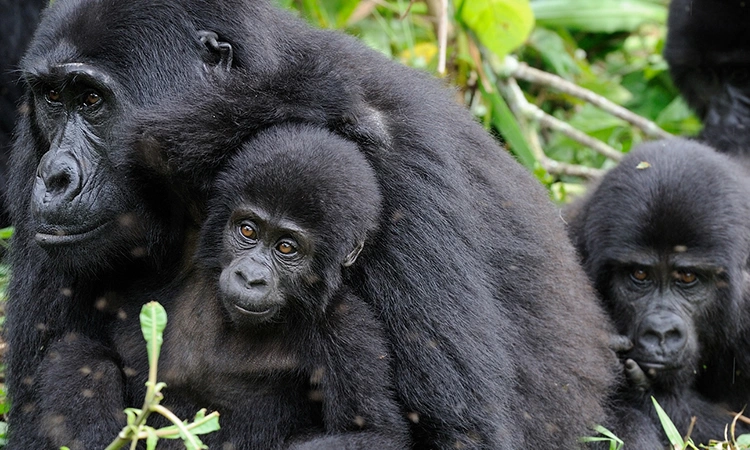
Kigali to Mgahinga Gorilla Trek. Of all the routes into Uganda’s gorilla parks, none is shorter or simpler from Rwanda’s capital than the drive to Mgahinga Gorilla National Park. At only two to three hours from Kigali, it’s the closest gorilla trekking destination to the city by a comfortable margin, close enough that it’s genuinely possible to cross the border, complete a full trek, and be back in your Kigali hotel the same evening. For travellers weighing up their gorilla trekking options from a Rwandan base, understanding exactly how this route works is worth doing before anything else.
Why Mgahinga Is the Closest Option
Mgahinga sits on the Ugandan side of the Virunga volcanic massif, the same mountain range that contains Rwanda’s own Volcanoes National Park, which is precisely why the geography works so neatly. The park’s entrance at Ntebeko Gate is a short drive from the border town of Kisoro, and Kisoro itself sits only a couple of hours from Kigali once you’ve cleared immigration at the Cyanika or Gatuna crossing. Compare that with Bwindi Impenetrable Forest, Uganda’s other and much larger gorilla park, which takes four to five hours from Kigali, and it’s clear why Mgahinga is the default choice for travellers wanting the shortest possible version of this trip.
The Drive From Kigali
The journey covers roughly 120 to 150 kilometres and takes around two to three hours depending on road conditions and time spent at the border. Most routes cross via the Gatuna or Cyanika border posts, continuing on toward Kisoro before the final approach to Ntebeko Gate. The roads on the Rwandan side are well maintained for the entire journey, and while the Ugandan side can be hillier and occasionally rougher, particularly on the final stretch into the park itself, this remains a considerably gentler and shorter drive than the equivalent trip to Bwindi. A 4×4 vehicle is still the sensible choice given the terrain around the park entrance, especially during the wet season when the roads closer to the volcanoes can turn muddy.
What Makes Mgahinga’s Trekking Experience Different
Mgahinga has just one habituated gorilla family, the Nyakagyezi group, which changes the shape of the trekking experience in a genuinely important way. There’s no sector allocation process the way there is at Bwindi, and no waiting to find out which family you’ve been assigned — everyone treks the same group, and the only real variable is how far they’ve moved since the previous night. The trek itself can take anywhere from thirty minutes to several hours through bamboo forest and increasingly steep volcanic terrain, and once the family is located, the encounter runs a strict one hour, the same as anywhere else in the region.
What sets the setting apart is the landscape itself. Mgahinga’s forest rises directly toward the slopes of Mount Gahinga, Mount Sabinyo, and Mount Muhavura, and the trek regularly passes through terrain with genuine volcanic drama to it — something Bwindi’s denser, flatter forest doesn’t offer in quite the same way.
One Day or Two
Because the drive is so short, Mgahinga is the one Uganda gorilla park where a genuine one-day round trip from Kigali is realistic. That typically means a pre-dawn departure, both border crossings and the full trek completed within a single day, and a return to Kigali that same evening — intense, but manageable for travellers with only a single free day.
A two-day version removes most of that time pressure for very little extra cost. Crossing the evening before and staying at a lodge near Ntebeko Gate means you’re already in position for the early trekking briefing rather than having driven through the night to reach it, and the return to Kigali the following evening happens without a second long stretch of driving immediately after a physically demanding morning. For most travellers, this is the more comfortable version of essentially the same trip.
Golden Monkeys and Volcano Hikes
One advantage Mgahinga holds over Bwindi is that it’s the only place in Uganda to track golden monkeys, and the same bamboo zones the gorillas move through also hold large, energetic troops of this species found in only two countries on earth. Golden monkey tracking costs considerably less than a gorilla permit and takes less time to complete, making it a natural addition for travellers with an extra day, or a worthwhile alternative for anyone in the group without a gorilla permit of their own.
For those with even more time, Mgahinga’s three volcanoes each offer a genuinely different hiking experience — Mount Gahinga’s five-to-seven-hour round trip to a lobelia-fringed crater, Mount Sabinyo’s ridge walk to the point where Uganda, Rwanda, and the DRC meet, and Mount Muhavura’s longer climb to a crater lake with views across the entire Virunga chain. None of these are required to make the gorilla trek worthwhile, but they turn a short trip into a genuinely varied one for travellers willing to add a day or two.
What You’re Saving Compared With Rwanda
The financial logic is the same as for any Uganda gorilla trek from Kigali: a Uganda permit costs USD 800 per person, against Rwanda’s USD 1,500 for Volcanoes National Park, a difference of USD 700 that comfortably covers the modest additional costs of the Uganda route — a visa where required, and a lodge night if you’re doing the two-day version. The trekking experience itself is broadly comparable between the two countries, and for travellers specifically drawn to Mgahinga’s smaller, quieter, single-family setup, the saving comes with no meaningful compromise in the quality of the encounter.
Getting the Details Right
The paperwork matters here just as much as it does for any cross-border gorilla trip. A valid passport, the correct Uganda visa arrangement for your nationality, and a current yellow fever certificate should all be sorted well before you travel rather than dealt with at the crossing itself. Because Mgahinga issues permits for only eight visitors per day, against Bwindi’s several dozen spread across its many families, booking ahead matters more here than almost anywhere else in the region — particularly during the June-to-September and December-to-February dry seasons, when demand from both countries peaks together.
Given the number of pieces involved — the permit, the border crossing, the vehicle, and, for the two-day version, a lodge booking timed around an early morning briefing — coordinating the whole trip through a single operator rather than arranging each element separately removes most of the risk of a permit date and transfer schedule falling out of sync.
Making It More Than a Single Stop
Because Mgahinga sits so close to the Rwandan border, it also connects naturally to other stops in the region for travellers with a little more time. Lake Bunyonyi lies within easy reach for a night or two of rest after the trek, and a cross-border extension into Rwanda’s own Volcanoes National Park allows travellers to compare mountain gorilla trekking on both sides of the same volcanic range within a single trip. For those wanting to see more of Uganda specifically, Bwindi itself is only a few hours further on, making it possible to trek both of Uganda’s gorilla destinations within one loop rather than choosing between them.
Is Mgahinga the Right Choice From Kigali
If your priority is the shortest, simplest, and most affordable version of gorilla trekking from Rwanda’s capital, Mgahinga is very hard to beat — it’s closer than Bwindi, cheaper than Rwanda, and set within a genuinely dramatic volcanic landscape that adds golden monkeys and volcano hikes to the itinerary if you want them. It offers less choice than Bwindi’s twenty-odd habituated families, but for travellers who simply want to see wild mountain gorillas without turning the trip into a full Uganda safari, that trade-off rarely matters.
Ready to plan your Mgahinga trek from Kigali? Get in touch with our travel experts and we’ll arrange the permit, the cross-border transfer, and whichever combination of golden monkey tracking, volcano hiking, or onward travel suits your schedule. Our destinations page covers everything else within reach once you’re already this close to the border.