- LET'S PLAN YOUR SAFARI
- +256 200 921 002
- +256 793 194 703
- info@pickandtransfersafaris.com

Kigali to Queen Elizabeth National Park Tour
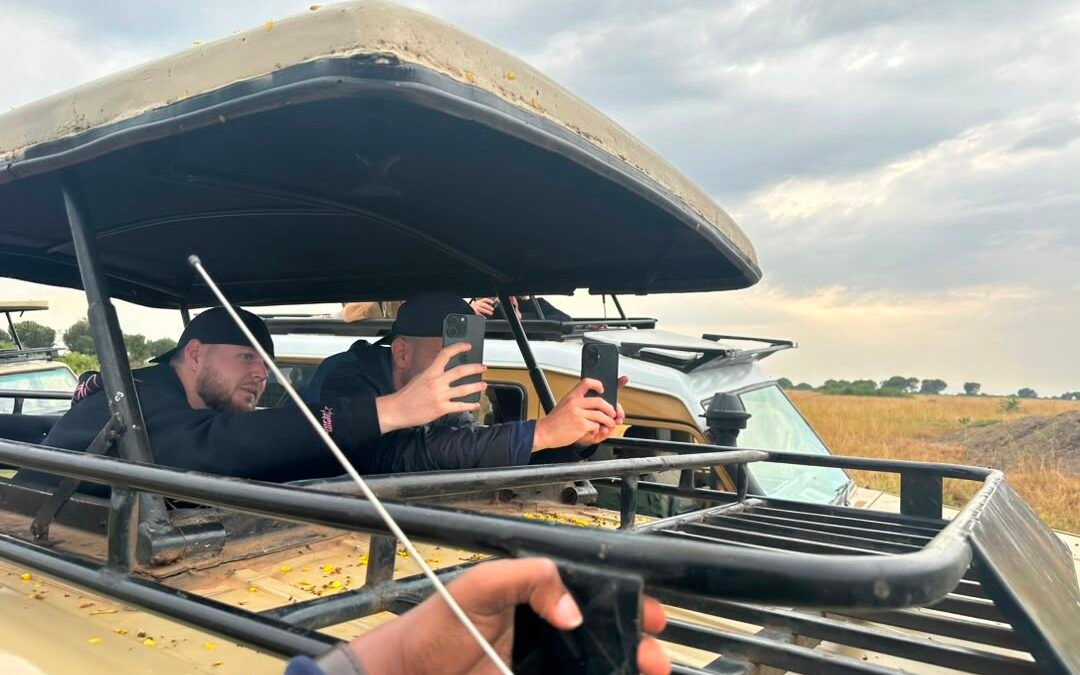
Kigali to Queen Elizabeth National Park Tour. A Kigali to Queen Elizabeth National Park tour is one of the most rewarding cross-border safari routes in East Africa — and one of the most underrated. Rather than flying back out of Kigali after gorilla trekking in Rwanda, travelers who continue overland into Uganda get a scenic drive through the Virunga foothills, a border crossing into a new country, and arrival in one of Uganda’s richest wildlife areas, all in a single, well-planned day of travel. For many of our guests, this transfer becomes a highlight in its own right, not just a logistics step between two destinations.
This guide walks through exactly how the route works: which border crossing to use, what you’ll see along the way, the sample itineraries we run most often, what’s included, realistic costs, and how to combine this transfer with gorilla trekking, Bwindi, or a longer Uganda circuit. If you’re weighing whether to fly back to Kigali or continue by road into Uganda, this is the page that answers that question in full.
We’ve written it the way we’d brief a guest booking this exact route with us: covering the practical questions first — timing, borders, what to pack — before getting into the itinerary options, so you can decide with confidence whether a one-day transfer, a two-night stopover, or a full multi-park circuit suits your trip best.
Why Take a Kigali to Queen Elizabeth National Park Tour
Flying between Kigali and Uganda’s parks is possible but expensive and often requires backtracking through Entebbe or Kigali International Airport. Driving overland instead turns dead travel time into safari time: the road from Kigali into southwestern Uganda passes directly through some of the best game-viewing terrain in the region, including the Ishasha sector of Queen Elizabeth National Park, famous for lions that climb into fig and acacia trees during the heat of the day.
It’s also simply more efficient for multi-country trips. Rather than treating Rwanda and Uganda as two separate holidays, a Kigali to Queen Elizabeth transfer lets you combine Volcanoes National Park gorilla trekking with Uganda’s Queen Elizabeth National Park game drives, Kazinga Channel boat cruise, and onward connections to Bwindi Impenetrable Forest in one continuous, well-sequenced loop.
Route Overview: How You’ll Travel from Kigali to Queen Elizabeth National Park
The drive from Kigali to Queen Elizabeth National Park covers roughly 350–400 kilometers and takes approximately 6–8 hours by road, including the border crossing and a stop for lunch, depending on which route and entry sector you choose. Most itineraries leave Kigali early in the morning, drive north through Rwanda’s terraced hills toward the border, cross into Uganda, and continue through southwestern Uganda toward the park’s southern Ishasha sector rather than the longer route around to the main northern gate.
Because this is a genuinely full day of travel, we build in a scenic lunch stop and time for photography at viewpoints along the way, rather than rushing straight through. Guests who’d prefer to break the journey into two shorter days can also route through Bwindi Impenetrable Forest or Mgahinga Gorilla National Park first, overnighting near the gorilla trekking trailheads before continuing on to Queen Elizabeth the following day.
Border Crossing Options: Katuna (Gatuna) vs Cyanika
There are two main border posts used on this route. The Katuna–Gatuna border, northwest of Kigali, is the busier and more established crossing, connecting through to Kabale in Uganda. The Cyanika border, further south, connects more directly toward Kisoro and is often preferred by travelers who are visiting Mgahinga Gorilla National Park or trekking gorillas on the Rwandan side of the Virunga range before continuing into Uganda.
Both borders are generally straightforward for tourists holding a valid visa or East Africa Tourist Visa, with passport control, a short vehicle inspection, and typically under an hour of processing time outside of peak holiday periods. Your driver-guide will advise which crossing suits your specific itinerary and handle the paperwork alongside you at the post.
A practical tip: border posts are busiest early morning and late afternoon, when buses and cargo trucks queue alongside private vehicles. Departing Kigali by 6:30–7:00am usually means you reach the border before the heaviest traffic builds up, which keeps the whole transfer day on schedule and leaves more daylight for the Ishasha game drive once you’re across.
Entering Through Ishasha: Tree-Climbing Lions En Route
One of the biggest advantages of the overland route is entering Queen Elizabeth National Park through its southern Ishasha sector, rather than skipping straight to the main park area near Mweya. Ishasha is one of only a handful of places in Africa where lions regularly climb trees, reportedly to escape biting insects and the heat of the savannah floor, and sightings here are genuinely common, not a rare bonus.
A short game drive through Ishasha on your way into the park — spotting lions in fig trees, herds of Uganda kob, and the occasional elephant along the Ishasha River — turns what would otherwise be a transit day into a proper safari day before you’ve even reached your lodge. This is one of the main reasons we route Kigali transfers through Ishasha rather than the longer alternative road.
Tour Highlights: What You’ll See and Do in Queen Elizabeth National Park
Once you’ve arrived, Queen Elizabeth National Park offers several distinct experiences worth building extra days around. The Kasenyi Plains area is the best spot for classic game drives, with lions, elephants, buffalo and large herds of kob. A launch cruise along the Kazinga Channel — connecting Lake Edward and Lake George — delivers some of the highest concentrations of hippos and birdlife anywhere in East Africa, often within a few boat-lengths of your vessel.
For travelers with an extra day, Kyambura Gorge offers a chimpanzee tracking experience distinct from Kibale’s forest trek, descending into a steep-sided riverine gorge nicknamed “the valley of the apes.” Combined with the Ishasha sector you’ll already have passed through on arrival, these three zones give Queen Elizabeth a genuinely varied wildlife portfolio in a compact area.
Sample Itinerary: 1-Day Kigali to Queen Elizabeth Transfer Safari
Our most requested format is a single, well-paced transfer day: depart Kigali early morning, cross the border, enjoy a game drive through the Ishasha sector on the way in, stop for lunch, and arrive at your lodge in Queen Elizabeth National Park by late afternoon with time for a sundowner overlooking the park. This works well as a standalone connector between a Rwanda gorilla trekking trip and a Uganda safari, without adding an extra overnight stop.
Sample Itinerary: 3-Day Kigali to Queen Elizabeth Safari
Travelers who want more time in the park rather than treating it as a single stop often choose a 3-day version: Day 1, drive from Kigali through Ishasha into Queen Elizabeth National Park with an afternoon game drive; Day 2, morning Kazinga Channel boat cruise followed by an afternoon game drive on the Kasenyi Plains; Day 3, an optional Kyambura Gorge chimpanzee walk before your return transfer or onward connection. This mirrors the structure of our standalone 3-day safari to Queen Elizabeth National Park, simply starting from Kigali instead of Entebbe.
Sample Itinerary: Combine With Gorilla Trekking En Route
Because the route passes so close to Uganda’s own gorilla trekking trailheads, many travelers extend this transfer into a fuller primates-and-wildlife circuit rather than a simple point-to-point drive. Routing through Bwindi Impenetrable Forest or Mgahinga Gorilla National Park first adds a full day of gorilla trekking before continuing on to Queen Elizabeth, and pairs naturally with our 3-day Uganda gorilla safari from Rwanda or 2-day Volcanoes gorilla trek from Kigali if you’d rather trek on the Rwandan side before crossing over.
For travelers with more time, our 10-day Uganda-Rwanda safari uses this same Kigali–Ishasha–Queen Elizabeth corridor as its backbone, extending onward to Bwindi, Kibale and Murchison Falls for a complete Uganda circuit that begins and can end in either country.
Cost of a Kigali to Queen Elizabeth National Park Tour
Pricing for this route depends mainly on trip length, vehicle type and accommodation tier rather than the drive itself, since the transfer day uses the same 4×4 safari vehicle and driver-guide as the rest of your Uganda itinerary. A single-day transfer with a game drive through Ishasha is priced per person based on group size, with private departures costing more per person than a shared group vehicle — the same cost-sharing logic that makes group safaris generally more affordable than solo private trips.
If you’re adding gorilla trekking in Bwindi or Mgahinga before continuing to Queen Elizabeth, budget separately for the permit itself — USD 800 per person for foreign non-residents in 2026 — since this is the largest single cost on most combined itineraries and is quoted apart from the transfer and accommodation package. For an accurate quote based on your exact dates, group size and starting point, our contact us page is the fastest way to get a detailed breakdown.
Budget, Mid-Range and Luxury Options for This Route
Budget travelers can keep costs down by joining a shared group vehicle rather than booking a private transfer, staying in guesthouses just outside the park boundary, and choosing the single-day transfer format rather than a multi-night stopover in Queen Elizabeth. This keeps the core experience — the Ishasha game drive and border crossing — intact while trimming accommodation and vehicle costs.
Mid-range travelers typically upgrade to en-suite lodges overlooking the Kazinga Channel and add the boat cruise as a full activity day rather than a rushed add-on. Luxury travelers often choose a private vehicle for the whole route, a premium tented camp on the Ishasha or Mweya concessions, and build in an extra day for Kyambura Gorge chimpanzee tracking. Whichever tier fits your trip, the route and border-crossing logistics stay the same — only the vehicle, pace and accommodation change.
Group and Scheduled Departures for This Route
If you’d rather join an existing departure than arrange a private transfer, several operators run scheduled group safaris that follow this same Kigali–Ishasha–Queen Elizabeth corridor as part of a longer circuit. Kenlink Tours’ group tours and scheduled departure safaris pages are a useful reference for fixed-date group formats that include this route, and their broader Uganda safaris listing shows how it’s typically packaged as part of a multi-day itinerary rather than sold as a standalone transfer.
Pick and Transfer Safaris runs this route both as a private, date-flexible transfer and as part of scheduled group departures — get in touch through our contact us page to check upcoming group dates if you’d prefer to travel with other guests and share the cost of the vehicle.
Self-Drive vs Guided Transfer: Which Should You Choose
A small number of confident, experienced travelers choose to self-drive this route rather than book a guided transfer. It’s technically possible with a 4×4 rental and the right cross-border paperwork, but it comes with real trade-offs: you’ll need to arrange your own vehicle insurance valid in both countries, handle border paperwork without a guide’s assistance, and navigate unmarked turnoffs into the Ishasha sector without local knowledge of where lions are typically spotted that week.
For most visitors, a guided transfer is simply the more relaxed and more rewarding option, since your driver-guide already knows the current Ishasha sightings pattern, handles all border formalities, and can adjust the day’s pacing on the spot. Travelers who do want a self-drive option for other legs of their trip can review 4×4 rental details through our partner service, Self Drive Safaris Uganda, or compare rental terms against Kenlink Tours’ car hire page before deciding.
Photography Tips for the Ishasha Game Drive
The Ishasha sector rewards a bit of preparation. Tree-climbing lions are usually spotted resting in the lower branches of large fig or sausage trees during the warmest hours of the day, roughly late morning through mid-afternoon, so a transfer that reaches Ishasha around midday often has better odds than an early-morning crossing. A 200–400mm zoom lens covers most sightings well, since vehicles generally keep a respectful distance from resting lions.
Keep your camera accessible rather than packed away during the Ishasha stretch of the drive — sightings here happen suddenly and close to the road, and the guests who spot the first lion in the trees are usually the ones who were already looking up, not down at a phone. Overcast light in the late afternoon can also produce some of the best photographs of the day, softening harsh midday shadows in the savannah.
Best Time of Year for This Route
The route itself is drivable year-round, since the roads on both the Rwandan and Ugandan sides are well maintained, but game viewing in Queen Elizabeth National Park is best during the dry seasons of December–February and June–September, when animals concentrate more predictably around the Kazinga Channel and Ishasha’s riverine forest. The wetter months of March–May and October–November bring lush scenery, quieter parks and lower lodge rates, with slightly muddier tracks but still very rewarding game drives.
What’s Included in a Kigali to Queen Elizabeth Tour
A standard Kigali to Queen Elizabeth transfer safari with Pick and Transfer Safaris includes private ground transport in a 4×4 safari vehicle, an English-speaking driver-guide, border crossing assistance, park entrance fees for the day’s game drive, and accommodation and meals for multi-day versions of the itinerary. Gorilla or chimpanzee permits, visas, international flights, tips and personal purchases are quoted separately, since these vary by traveler and by which activities you add to the route.
You can review current pricing structures and inclusions across our full range of wildlife safaris and gorilla safaris, or reach out directly through our contact us page for a quote tailored to your exact route and dates.
Accommodation Options Near Queen Elizabeth National Park
Lodges near Queen Elizabeth National Park range from budget guesthouses just outside the park boundary to mid-range lodges overlooking the Kazinga Channel and luxury tented camps on private concessions near Ishasha. Because you’ll be arriving in the late afternoon on the transfer day, we generally recommend a lodge close to the Mweya or Kazinga Channel area for your first night, so you’re not adding extra driving time after a long travel day.
If your itinerary includes an extra night near Ishasha itself — worthwhile if you want a second chance at tree-climbing lion sightings or plan to continue toward Bwindi the next morning — a handful of smaller camps sit right on the edge of that sector, offering a quieter, more remote base than the busier Mweya area. Your driver-guide can recommend specific properties once your exact dates and budget are confirmed.
Visa and Border Requirements
Most nationalities can apply for a Uganda tourist visa online in advance, or use the East Africa Tourist Visa, which allows travel between Rwanda, Uganda and Kenya on a single visa — a genuinely useful option if your trip already starts in Kigali. Make sure your passport has at least six months’ validity and a couple of blank pages, and carry printed copies of your visa approval and any permit confirmations, since connectivity at border posts can be unreliable.
Choosing the Right Operator for a Cross-Border Transfer
Not every Uganda safari company is set up to handle cross-border transfers smoothly. Ask specifically whether your operator’s vehicles and drivers are licensed to cross into Rwanda (or vice versa), how border paperwork is handled, and what happens if border processing takes longer than expected on a tight itinerary. An experienced local operator will have done this route many times and will know exactly which border post, timing and lunch stop works best for your specific onward plans.
If you’re comparing options or researching typical Rwanda-Uganda connecting itineraries before you book, Kenlink Tours’ Uganda-Rwanda connecting safaris page is a useful reference point, alongside their 3-day Bwindi gorilla safari starting from Kigali and 2-day Uganda gorilla safari starting from Kigali packages, both of which follow a similar Kigali-to-southwest-Uganda routing.
It’s also worth checking how long an operator has run this specific cross-border route, since border logistics reward experience over general safari knowledge. Kenlink Tours’ about us page is a reasonable example of the kind of track record — years operating, countries covered — worth confirming before you commit a deposit to any operator handling a multi-country itinerary for you.
Extending Your Trip: Combine With Bwindi, Murchison Falls or a Full Uganda Circuit
A Kigali to Queen Elizabeth transfer is rarely the whole trip — it’s usually the opening leg of a longer Uganda safari. From Queen Elizabeth, most travelers continue north to Kibale Forest National Park for chimpanzee tracking, or further on to Murchison Falls National Park for a boat cruise to the base of the falls, following the same structure as our 3-day safari to Murchison Falls.
If your interests lean toward primates rather than big game, pairing this route with our 5-day Uganda gorilla and chimpanzee safari or the broader 7-day Uganda safari one-week tour turns a single transfer day into a complete, well-rounded circuit. For travelers comparing longer regional options, Kenlink’s 10-day Uganda-Rwanda combining safari and 5-day Uganda-Rwanda double gorilla safari are worth comparing against our own extended safaris for pricing and pacing.
What to Pack for This Route
Since this route mixes a long travel day with an active game drive through Ishasha, pack light, comfortable clothing in neutral colors, a hat and sunscreen, a light rain jacket for sudden showers, and snacks and water for the drive. Bring your camera and binoculars in your daypack rather than checked luggage, since the best Ishasha lion sightings happen unpredictably along the drive itself, not only at designated stops.
Frequently Asked Questions About the Kigali to Queen Elizabeth Route
How long does the drive from Kigali to Queen Elizabeth National Park take? Typically 6–8 hours including the border crossing and a lunch stop, depending on which border post and park sector you use.
Which border crossing is best for this route? Katuna–Gatuna is the more direct option toward the main park area via Kabale, while Cyanika suits travelers also visiting Mgahinga Gorilla National Park or Bwindi first. Your driver-guide will recommend the best option for your specific plan.
Will I see tree-climbing lions on the way? Sightings are common but never guaranteed, since this is wild, free-roaming wildlife. Entering through the Ishasha sector gives you the best realistic chance, and most guests do see lions in the trees along this stretch.
Can I do this as a day trip and continue straight to Bwindi instead? Yes — some itineraries route through Ishasha and Queen Elizabeth as a scenic stop en route to Bwindi rather than an overnight destination, though we generally recommend at least one night in the park to make the most of the Kazinga Channel cruise.
Do I need a separate visa to cross from Rwanda into Uganda? Not if you hold the East Africa Tourist Visa, which covers Rwanda, Uganda and Kenya. Otherwise, a standard Uganda tourist visa (arranged online in advance) is required in addition to your Rwandan entry documents.
Is this route suitable for a family with children? Yes, with a caveat — it’s a long travel day, so families with young children may prefer to split it into two shorter days via Bwindi or Mgahinga rather than driving straight through. The Ishasha game drive itself is a highlight for most kids, since the tree-climbing lions are genuinely easy to spot and photograph from the vehicle.
Can I fly instead of driving this route? Yes, small charter flights connect Kigali to airstrips near Queen Elizabeth National Park, but they’re considerably more expensive than a road transfer and skip the Ishasha game drive entirely, which is one of the main reasons most travelers choose to drive.
What currency should I carry for the border and route? Ugandan shillings are used once you cross into Uganda, though US dollars are widely accepted at lodges and for permit-related payments. It’s worth carrying a small amount of local currency for snacks, tips and incidental purchases along the way.
Conclusion: Plan Your Kigali to Queen Elizabeth National Park Tour
A Kigali to Queen Elizabeth National Park tour turns an ordinary border transfer into one of the most scenic and wildlife-rich travel days in East Africa, thanks to the Ishasha sector’s tree-climbing lions and the natural flow it creates between Rwanda’s gorilla trekking and Uganda’s savannah parks. Whether you’re routing straight through as a single transfer day or building it into a longer circuit with Bwindi, Kibale or Murchison Falls, this is one of the best-connected overland safari routes available in the region.
Ready to plan your route? Browse our wildlife safaris and gorilla safaris, explore all destinations, or contact us today for a tailored Kigali to Queen Elizabeth National Park itinerary and quote.
7 Days Uganda Safari – One week tour
This 7-day itinerary is the classic one-week introduction to Uganda, covering the country’s three most iconic wildlife experiences: chimpanzee tracking in Kibale Forest National Park, Big Five game drives and a boat cruise in Queen
Tour Details →
10 Days Uganda Primates and Wildlife
This 10-day Uganda Grand Safari is the most complete Uganda itinerary we offer at Pick and Transfer Safaris. It begins with a scenic northward drive from Entebbe to the vast open plains of Murchison
Tour Details →
2 Days Uganda Gorilla Tour Starting from Kigali
This is the gentler cousin of our 1-Day Uganda Gorilla Safari Starting from Kigali — same idea, twice the breathing room. Instead of squeezing a 3,000-metre forest trek and two border crossings into a single very long day
Tour Details →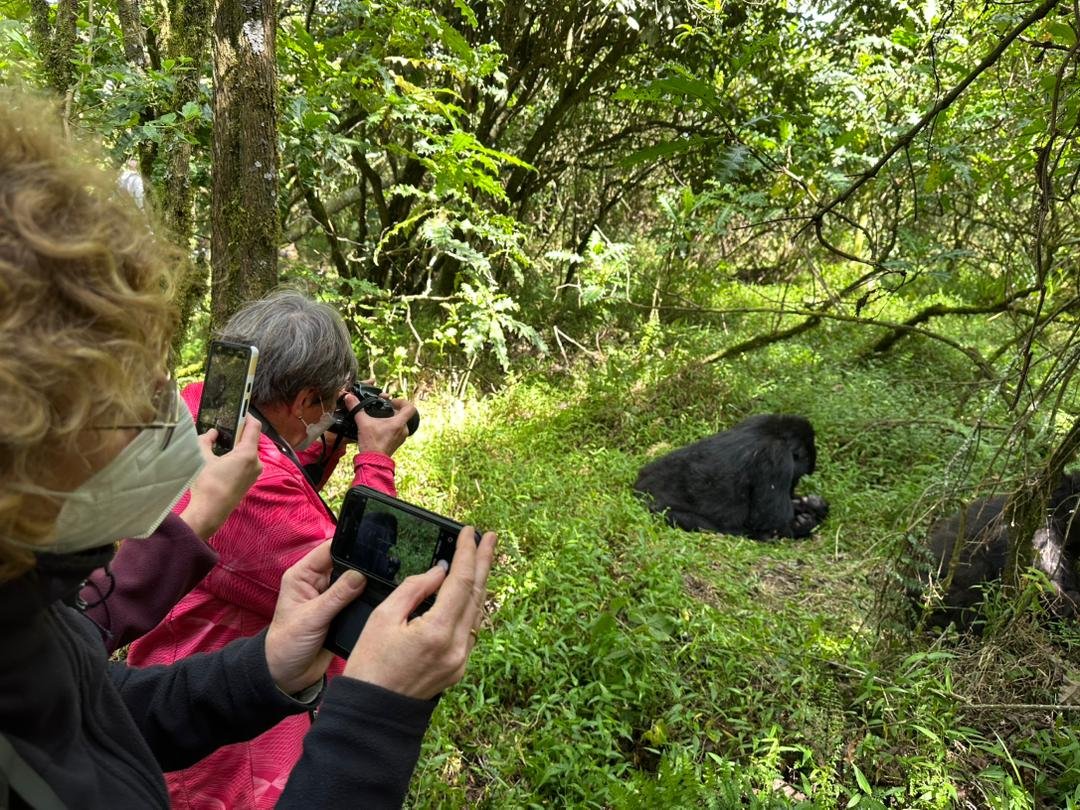
5-Day Uganda Gorilla and Chimpanzee Safari
This itinerary can be combined with a Rwanda extension or a wildlife-focused add-on through Queen Elizabeth National Park — browse our Uganda & Rwanda Safaris and Primate Safaris collections for ideas.
Tour Details →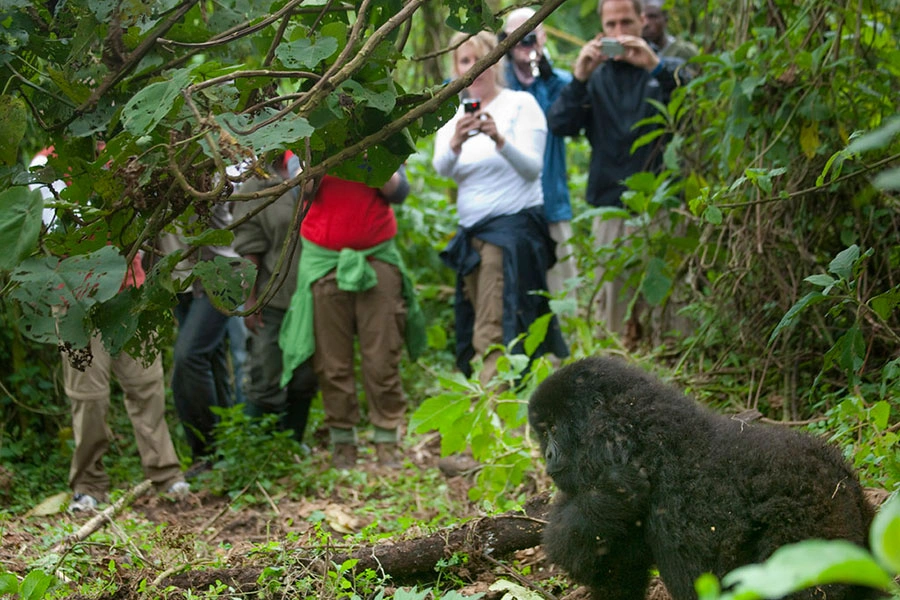
5 Days Rwanda Wildlife and Gorillas
This 5-day itinerary brings together Rwanda’s two flagship wildlife experiences: open savannah game drives and a boat safari in Akagera National Park, followed by a face-to-face encounters
Tour Details →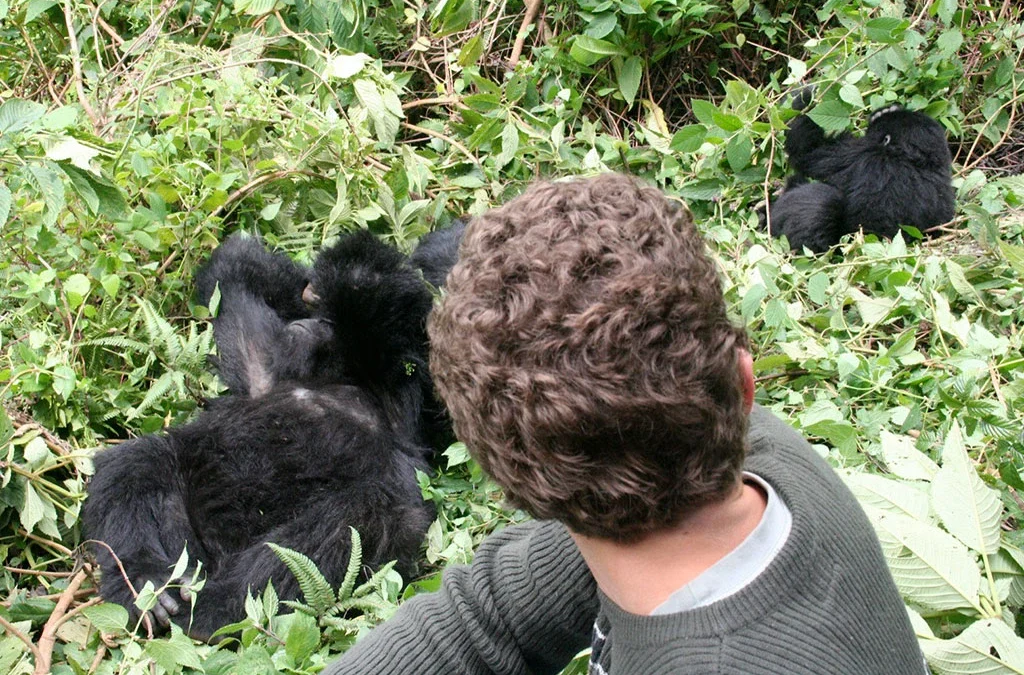
3 Days Uganda Gorilla Safari
For travelers who arrive in Entebbe with a tight schedule and a clear ambition, a 3-day gorilla safari to Bwindi Impenetrable Forest National Park is the most focused and rewarding short trip the country has to offer.
Tour Details →