- LET'S PLAN YOUR SAFARI
- +256 200 921 002
- +256 793 194 703
- info@pickandtransfersafaris.com

Kigali Transfers to Bwindi National Park
Kigali Transfers to Bwindi National Park. For a huge share of gorilla trekkers, the journey to Bwindi Impenetrable Forest National Park does not begin in Uganda at all. It begins in Kigali, Rwanda, where international flight connections are often faster and more frequent than into Entebbe, making a Kigali transfer to B windi National Park the practical starting point for travelers heading to Uganda’s premier gorilla trekking destination. What looks on a map like a short hop between two neighboring countries is, in practice, a journey shaped by which of Bwindi’s four trekking sectors you are headed to, which border crossing you use, and how well the whole route is planned around your gorilla permit time.
At Pick and Transfer Safaris, arranging exactly this kind of cross-border transfer is one of the services we handle most often, and it is reflected in our name. This guide breaks down the real distances and drive times involved, the two border crossings travelers use, what documents you need to have ready, and how to choose the right route depending on which sector of Bwindi your gorilla trek is booked in.
Popular Kigali-to-Bwindi Transfer Packages at a Glance
Before the full route breakdown, here is a quick comparison of itineraries built around a Kigali-to-Bwindi transfer, useful for weighing duration against route before reading further.
| Safari Package | Duration | Highlights |
|---|---|---|
| One-Day Uganda Gorilla Safari from Kigali | 1 Day | Fastest possible cross-border trek and return |
| 2-Day Uganda Gorilla Tour from Kigali | 2 Days | Overnight near the park, less rushed transfer |
| 3-Day Uganda Gorilla Safari from Rwanda | 3 Days | Kigali start, comfortable pacing around the trek |
| 5-Day Uganda Gorilla and Chimps Safari from Rwanda | 5 Days | Adds Kibale chimpanzee tracking after Bwindi |
| 3-Day Uganda Gorilla Safari | 3 Days | Adaptable start point, Rwanda or Uganda side |
| 5-Day Best of Rwanda Primate Safari | 5 Days | Rwanda gorillas first, Bwindi transfer optional add-on |
Why So Many Travelers Transfer From Kigali to Bwindi
Kigali International Airport has become a genuinely convenient gateway to Uganda’s gorilla trekking circuit, not because it sits inside Uganda, but because its international flight connections are often more direct and better timed than routings through Entebbe, particularly for travelers flying from Europe or the Middle East. Rather than fighting jet lag through a second connecting flight, many travelers land in Kigali, spend a night adjusting in the city, and transfer overland directly to Bwindi the next day, arriving rested and ready for an early morning gorilla trek rather than racing straight off a long-haul flight.
This pattern has made the Kigali-to-Bwindi road transfer one of the most well-established cross-border routes in East African tourism, with a predictable set of border crossings, road conditions, and timing considerations that are worth understanding in detail before booking your trip.
How Far Is Bwindi From Kigali? Distance and Drive Time Explained
The honest answer is that it depends heavily on which of Bwindi’s four trekking sectors you are heading to, since the park itself stretches across a wide area of southwestern Uganda and different sectors are reached via different border crossings. As a general rule, the southern sectors of Bwindi, Rushaga and Nkuringo, sit considerably closer to the Rwanda border and can typically be reached from Kigali in around 4 to 5 hours including border formalities. The northern sectors, Buhoma and Ruhija, sit further from the border and generally require closer to 5 to 7 hours depending on road conditions and which border post is used.
Because published distance and time estimates vary noticeably between sources, largely due to which specific border crossing and sector combination is being described, we always recommend confirming the expected drive time for your specific trekking sector with your operator rather than relying on a single generic figure, and building a sensible buffer into your schedule rather than assuming the fastest quoted time as a guarantee.
The Two Main Border Crossings: Cyanika and Katuna
Two border posts handle almost all tourist traffic between Rwanda and Uganda on this route. Cyanika, situated between Musanze in Rwanda and Kisoro in Uganda, is the more commonly used crossing for travelers heading to Bwindi’s southern sectors and to Mgahinga Gorilla National Park, given its proximity to Kisoro town. Katuna, also known as Gatuna on the Rwandan side, sits further north and is generally the more direct route for travelers heading toward Bwindi’s northern sectors via the town of Kabale.
Both crossings handle regular tourist traffic and are well used by safari vehicles daily, but they differ meaningfully in which onward route they set you up for, which is why choosing the right crossing for your specific trekking sector matters more than simply picking whichever appears first on a map search.
Cyanika Border Crossing: What to Expect
The Cyanika border crossing operates daily, generally from early morning until early evening, and sits roughly a three to four hour drive from Kigali. The crossing process involves two stages: exiting Rwanda through the Rwandan immigration office, then entering Uganda by completing arrival formalities at the Ugandan immigration post just across the border. Tourist vehicles typically clear this process reasonably quickly, with light customs inspection for standard tourist luggage, though self-drive travelers bringing their own vehicle across the border face additional requirements covered further below.
From Cyanika, Mgahinga Gorilla National Park is a short onward drive of around thirty minutes, while Bwindi’s Rushaga sector is generally reachable within a further one and a half to two hours, and Nkuringo within roughly two to two and a half hours, making this crossing the natural choice for most Kigali-based trips heading to Bwindi’s southern trekking sectors.
Katuna Border Crossing: What to Expect
The Katuna crossing, known as Gatuna from the Rwandan side, follows a similar operating pattern to Cyanika and handles a comparable volume of tourist and commercial traffic. This crossing sets up a more direct onward route through Kabale toward Bwindi’s northern sectors, Buhoma and Ruhija, avoiding the longer detour around the park’s southern side that a Cyanika crossing would otherwise require for these destinations.
Because Katuna’s onward route runs through Kabale, a regional hub town with fuel stations, restaurants, and basic services, it also offers a practical, well-established stopping point roughly midway through the journey, useful for travelers wanting to break up a longer transfer to Bwindi’s northern sectors.
Which Border Crossing Should You Use for Your Bwindi Sector?
As a practical rule, travelers with a gorilla trekking permit for Rushaga or Nkuringo should generally route via Cyanika, while those trekking in Buhoma or Ruhija are usually better served by Katuna, given the more direct onward road network each crossing connects to. This distinction matters enough that we recommend confirming your permit’s specific sector before your operator finalizes the transfer route, since choosing the wrong border crossing for your sector can add a meaningful and entirely avoidable detour to an already long travel day.
Rushaga and Nkuringo: The Closest Sectors to Kigali
Rushaga and Nkuringo, Bwindi’s two southernmost trekking sectors, are generally the fastest to reach from Kigali, making them a popular choice for travelers with tighter schedules or those wanting to minimize the physical toll of a long transfer day before an early morning gorilla trek. Both sectors are known for offering some of Bwindi’s more strenuous trekking terrain, so travelers choosing this route purely for transfer convenience should be prepared for a correspondingly demanding hike once the trek itself begins.
Buhoma and Ruhija: The Longer Transfer
Buhoma, Bwindi’s original and most established trekking sector, and Ruhija, known for its birding and somewhat gentler average trekking terrain, both require a longer transfer from Kigali given their position on the park’s northern and eastern sides. Travelers heading to either sector should plan for a full transfer day, generally starting as early as possible from Kigali, and strongly consider an overnight stop rather than attempting a same-day gorilla trek immediately after such a long journey.
What the Border Crossing Actually Feels Like
For first-time travelers, the idea of crossing an international land border can sound more daunting than it actually is in practice on this particular route. Arriving at either Cyanika or Katuna, your vehicle joins a lane of similar tourist and commercial traffic, and the process itself involves stepping out at the Rwandan side to have your passport stamped for exit, walking or driving a short distance across the marked border zone, and repeating the process at the Ugandan immigration office on the other side, completing an arrival form and having your passport, visa, and yellow fever certificate checked. For travelers with all documents in order and traveling with an organized operator, the entire process typically takes well under an hour, even accounting for a queue of other vehicles.
Basic amenities, small shops, informal currency exchange, and simple food stalls, cluster around both border posts, useful for a quick stretch or snack break, though we generally recommend having Ugandan shillings or US dollars on hand rather than relying on finding a reliable currency exchange at the border itself. Mobile phone signal is generally available on both sides, though travelers should expect their network to switch automatically between Rwandan and Ugandan carriers as they cross, which can briefly disrupt data connectivity.
Documents You Need for the Border Crossing
Every traveler crossing from Rwanda into Uganda by road needs a valid passport with at least six months of remaining validity, along with proof of a valid visa for Uganda, either a standard single-entry visa or the East African Tourist Visa, which covers travel between Kenya, Uganda, and Rwanda on a single application and is particularly convenient for this specific route. A yellow fever vaccination certificate is mandatory and checked at the border; entry can be denied without it, so this is not a document to leave packed away in checked luggage.
Border officials occasionally request evidence of onward accommodation or a general travel itinerary, particularly for independent travelers, though this is handled routinely for visitors traveling with an organized safari operator. Self-drive travelers bringing a rental vehicle across the border face additional requirements, including proof of COMESA insurance and a temporary vehicle import permit, on top of the standard personal documentation.
Private Road Transfer vs Flying: Is There a Flight Option?
Scheduled domestic flights to Bwindi’s two airstrips, Kihihi and Kisoro, currently operate from Entebbe International Airport and Kajjansi Airfield within Uganda, rather than as a standard scheduled route from Kigali. Travelers specifically wanting to fly rather than drive the Kigali-to-Bwindi route generally need to arrange a private charter flight, which is possible but considerably more expensive than the equivalent road transfer and typically needs to be booked well in advance through a charter operator.
For the large majority of travelers, the private road transfer remains both the more practical and more cost-effective option for this specific route, with the added benefit of passing through genuinely scenic countryside, terraced hillsides, and small trading towns along the way rather than skipping over them entirely.
What a Private Road Transfer Includes
A private road transfer booked through a specialist operator covers considerably more than simply point-to-point transport. It typically includes an experienced driver-guide familiar with both border crossings and current road conditions, assistance navigating immigration formalities at whichever crossing your route uses, a private vehicle rather than a shared shuttle, and the flexibility to stop for photographs, meals, or a rest break at a pace suited to your group rather than a fixed public transport schedule. Every Kigali-to-Bwindi transfer we arrange includes this level of support as standard, rather than treating the journey as an afterthought squeezed between the more marketable parts of the trip.
What Kind of Vehicle Makes This Journey Comfortably
Given that a meaningful stretch of this route, particularly the final approach to Bwindi’s more remote sectors, runs over unpaved or partially maintained roads, vehicle choice matters more here than on many other East African transfer routes. A four-wheel-drive safari vehicle with reasonable ground clearance is the standard choice for this journey, both for comfort over the rougher sections and as a practical safety margin during the wetter months when road surfaces can deteriorate quickly after rainfall. Standard sedan taxis, while sometimes offered informally at a lower price, are generally not well suited to the final stretch into most Bwindi sectors and can add significant time and discomfort to an already long journey.
Every private transfer we arrange uses a dedicated four-wheel-drive vehicle suited to the specific route and season, rather than a generic vehicle assigned without regard for which sector or time of year the trip falls in, since the difference in comfort and reliability over a five-to-seven hour journey is considerable.
Best Time of Day to Start Your Transfer
Given that Bwindi’s gorilla trekking briefings begin early in the morning, generally around 7 or 8 am at the relevant sector’s headquarters, timing a Kigali-to-Bwindi transfer correctly matters as much as the route itself. For a same-day arrival ahead of a next-morning trek, departing Kigali as early as realistically possible, ideally by 6 or 7 am, gives the greatest buffer against border delays, road conditions, or simply the fatigue of a long travel day. Travelers who can build in an overnight stop partway through the journey, or who arrive in Bwindi the day before their scheduled trek rather than the same day, consistently report a noticeably less stressful start to their gorilla trekking experience.
Road Conditions and What to Expect Along the Way
The route between Kigali and Bwindi passes through genuinely varied terrain, from Rwanda’s well-maintained, terraced hillside roads to Uganda’s more mixed combination of paved highway and, closer to the park itself, sections of unpaved road depending on the specific sector and season. Road conditions are generally at their best during the dry seasons, roughly December to February and June to September, when reduced rainfall keeps the final unpaved stretches firmer and safer for travel, while the wetter months from March to May and October to November can meaningfully slow the final approach to some sectors, particularly Rushaga and Nkuringo.
Stops Worth Making Along the Route
Rather than treating the transfer purely as a logistical necessity, many travelers build in a stop or two along the way to break up the journey. A short pause in Musanze on the Rwandan side, or in Kisoro or Kabale on the Uganda side depending on which crossing you use, offers a chance to stretch, get a meal, and pick up any last supplies before continuing to the park. Travelers using the Cyanika crossing sometimes combine their transfer with a brief detour to Mgahinga Gorilla National Park, given how close it sits to the border itself, turning a pure transfer day into the start of a multi-park itinerary.
Self-Drive vs Guided Transfer: What to Consider
Travelers weighing a self-drive option against a guided private transfer should factor in more than just cost. Self-drive requires arranging COMESA insurance and a temporary import permit for the vehicle at the border, adjusting to Uganda’s left-hand driving after Rwanda’s right-hand system, and navigating unfamiliar rural roads and border procedures without local guidance. A guided transfer removes all of this friction, and for travelers on a tight schedule ahead of a fixed gorilla trekking time, the reliability of an experienced local driver-guide is generally worth more than any savings from self-driving. Travelers specifically interested in a self-drive option within Uganda after crossing the border can look into Self Drive Safaris Uganda as a dedicated resource for that approach.
What to Pack for a Long Transfer Day
A five-to-seven hour road transfer, potentially with an early departure and a border crossing in the middle, is worth packing for specifically rather than treating as an afterthought before the main event of gorilla trekking. Snacks and water for the journey are worth carrying independently of whatever your accommodation provides, since options along the route, while present, are limited and informal. A light jacket or layer is useful given that temperatures shift noticeably with altitude as the road climbs toward the park, and a printed or easily accessible digital copy of your passport, visa approval, and yellow fever certificate saves time at the border compared with searching through a packed bag under pressure.
Motion sickness medication is worth considering for travelers prone to it, given the combination of winding mountain roads and, on some stretches, a rougher unpaved surface. Finally, a fully charged phone or camera, along with a portable charger, is worth having ready, since the drive itself passes through some of the most visually striking countryside in the region, terraced hillsides, volcanic peaks, and small rural trading centers, well worth photographing along the way rather than saving all your camera battery for the gorilla trek itself.
What Happens if Your Flight Into Kigali Is Delayed
Given how tightly a Kigali-to-Bwindi transfer is generally scheduled around a fixed gorilla trekking briefing time, it is worth planning in advance for the possibility of a delayed international flight into Kigali. Travelers with same-day connections between their international arrival and the start of their road transfer carry the highest risk here, since a significant flight delay can compress or even eliminate the buffer needed for a safe, unhurried border crossing and onward drive. Building in at least one night in Kigali before beginning the transfer, rather than attempting to connect directly from an international flight to a multi-hour road journey, removes most of this risk and is the approach we recommend to the large majority of our clients regardless of how confident their airline’s on-time record might be.
For travelers who do experience a significant delay, keeping your operator informed as early as possible allows for realistic rescheduling options to be discussed, whether that means adjusting the transfer route, the overnight stop, or, in more serious cases, working with the trekking permit’s rescheduling policies. This kind of flexibility is far easier to arrange when working with an operator managing your full itinerary rather than a series of independently booked transfers and treks.
Combining the Transfer With a Second Gorilla Trek in Rwanda
Because the Kigali-to-Bwindi route passes directly through Rwanda’s own gorilla trekking region, many travelers use the journey as an opportunity to trek twice rather than once, adding a stop at Volcanoes National Park before continuing on to Bwindi. This turns a pure transfer into a genuine two-country, two-forest gorilla trekking itinerary, reflected in options such as our 5-day best of Rwanda primate safari, which can be extended with a Bwindi transfer for travelers wanting both experiences on a single trip.
Best Time of Year for This Route
Beyond road conditions, timing a Kigali-to-Bwindi transfer around the dry seasons, roughly December to February and June to September, offers the additional benefit of aligning with Uganda’s most popular gorilla trekking months, meaning permits should be booked well in advance regardless of which border crossing or sector you plan to use. Travelers willing to transfer during the wetter months benefit from quieter roads and lower gorilla permit demand, at the cost of a somewhat slower and muddier final approach to the park.
Transfer Costs and What Affects Them
The cost of a private Kigali-to-Bwindi transfer depends primarily on vehicle type, group size, and which sector you are heading to, since the longer routes to Buhoma or Ruhija naturally involve more fuel and driver time than the shorter run to Rushaga or Nkuringo. Shared transfers or public transport options exist at a lower price point but come with considerably less flexibility around timing, border formalities, and comfort, which matters more on this particular route than on many others given the strict, fixed timing of gorilla trekking briefings on the other end. We generally recommend a private transfer for anyone whose trip includes a paid gorilla permit, simply because the cost difference is small relative to the permit itself, while the reliability gained is significant.
How This Route Compares to Transferring From Entebbe
Travelers choosing between a Kigali-based or Entebbe-based start to their Bwindi trip are often weighing international flight convenience against domestic transfer distance. Entebbe sits within Uganda itself, but the drive from Entebbe or Kampala to Bwindi is considerably longer than the Kigali route for most sectors, generally in the range of nine to ten hours covering roughly 550 kilometers, making a Kigali start genuinely competitive on total transfer time despite involving an international border crossing partway through.
The deciding factor for most travelers ends up being flight availability and cost from their home country rather than the ground transfer itself, since both routes are well established and reliably serviced by experienced operators. Travelers already planning to visit Rwanda, whether for gorilla trekking at Volcanoes National Park or simply a Kigali stopover, naturally lean toward the Kigali route, while those with a Uganda-only itinerary more often start from Entebbe regardless of the comparative transfer times.
Traveling With Children or Elderly Family Members
A multi-hour road transfer with a border crossing partway through is worth planning around carefully for travelers with young children or elderly family members in the group, even setting aside the fact that gorilla trekking itself carries a minimum age of fifteen. Building in more frequent rest stops, choosing an overnight stay partway through the journey rather than attempting it in a single push, and confirming in advance that your vehicle has adequate space and comfort for a longer sit all make a meaningful difference to how manageable the day feels for less experienced travelers.
Families combining a Bwindi gorilla trek with younger children who cannot yet join the trek itself sometimes use this transfer day, or a rest day immediately after arrival, to explore Kisoro or Kabale town, or, for those routing via Cyanika, to add a stop at nearby Mgahinga Gorilla National Park for its non-age-restricted activities such as the Batwa Cultural Trail or a gentler nature walk, turning what could be a purely logistical day into something the whole family can take part in.
Currency and Connectivity Along the Route
Rwanda and Uganda use separate currencies, the Rwandan franc and the Ugandan shilling respectively, and while US dollars are widely accepted at lodges and by tour operators on both sides of the border, smaller local vendors along the route generally expect local currency. It is worth carrying a modest amount of both Rwandan francs for the first leg of the journey and Ugandan shillings for use after crossing, since currency exchange options directly at the border are informal and offer inconsistent rates.
Mobile data connectivity is generally reliable along most of the route, though travelers relying on a Rwandan SIM card will lose service shortly after crossing into Uganda and vice versa, so travelers wanting to stay connected throughout the entire journey should consider either an international roaming plan or purchasing a local SIM card on each side of the border, both of which are readily available in Kigali and in towns such as Kisoro or Kabale on the Uganda side.
Weather Along the Route by Season
Beyond the general dry and wet season pattern already discussed, it is worth understanding how weather shifts specifically along this route given the range of altitudes it passes through. Rwanda’s hillside roads sit at consistently high elevation throughout, keeping temperatures relatively cool and mild year-round, while the final approach into Bwindi climbs further still into genuinely cool, sometimes misty montane conditions, particularly in the early morning hours when most transfers begin. Even during the nominally dry months, a light rain jacket is worth keeping accessible rather than packed away, since brief showers are common at these elevations regardless of the broader seasonal pattern.
Fog and low cloud cover are also worth anticipating, particularly on early morning departures from Kigali, since visibility on some of the higher, winding sections of road can be meaningfully reduced until later in the morning. Experienced driver-guides familiar with the route adjust their pace accordingly, which is one more practical reason to favor a guided transfer over self-driving this particular journey without prior local experience.
Common Mistakes to Avoid on This Route
The most frequent mistake is underestimating total journey time by relying on a single quoted figure without accounting for which specific sector and border crossing applies, then arriving late or exhausted ahead of an early trekking briefing. A second mistake is forgetting the yellow fever vaccination certificate, which can result in the border denying entry outright regardless of how well the rest of the trip is planned. A third mistake is attempting a same-day transfer and trek combination for the longer northern sectors, Buhoma or Ruhija, without building in an overnight buffer, leaving travelers dangerously fatigued for what is already a physically demanding day in the forest.
Frequently Asked Questions
How long does it take to get from Kigali to Bwindi? Generally 4 to 5 hours to the southern sectors, Rushaga and Nkuringo, via the Cyanika border, and closer to 5 to 7 hours to the northern sectors, Buhoma and Ruhija, via the Katuna border, though exact timing varies with road conditions and border wait times.
Which border crossing should I use? Cyanika for Rushaga, Nkuringo, or Mgahinga, and Katuna for Buhoma or Ruhija, based on which crossing sets up the more direct onward route to your specific trekking sector.
Can I fly directly from Kigali to Bwindi? Not on a standard scheduled route; scheduled flights to Bwindi’s airstrips currently depart from Entebbe or Kajjansi within Uganda. A private charter from Kigali is possible but needs to be arranged specifically and costs considerably more than a road transfer.
What documents do I need at the border? A passport valid for at least six months, a valid Uganda visa or East Africa Tourist Visa, and a yellow fever vaccination certificate, which is mandatory and checked on arrival.
Should I arrive the day before my gorilla trek? For the northern sectors especially, yes. Arriving the day before rather than attempting a same-day transfer and trek gives a much-needed buffer against delays and reduces fatigue ahead of a physically demanding trekking day.
Further Reading on This Route
Travelers wanting additional background on this specific route may find this overview of the distance from Kigali to Bwindi useful further reading. For travelers approaching from Kigali specifically, this 2-day Uganda gorilla safari from Kigali and this 3-day Bwindi gorilla safari from Kigali both show how the transfer fits into a complete itinerary, while this 10-day Uganda-Rwanda combining safari demonstrates how the route can anchor a much longer two-country trip.
General planning resources, including this Rwanda safaris overview, this Uganda safaris overview, this dedicated 3-day Rwanda gorilla safari itinerary, this Uganda travel overview, this practical regional car hire guide, and this background operator overview, round out the additional reading worth reviewing when planning this specific route.
Why Book Your Kigali-to-Bwindi Transfer With Pick and Transfer Safaris
Getting this transfer right, choosing the correct border crossing for your specific trekking sector, timing departure sensibly around your permit, and having the right documents ready, makes a genuine difference to how your gorilla trekking day actually feels. Our team runs this exact route regularly, with private vehicles and driver-guides experienced at both the Cyanika and Katuna crossings, and we build every transfer around your specific permit sector rather than a generic one-size-fits-all route.
Whether you need a standalone transfer, a full gorilla safari built around it, or a longer extended itinerary combining Rwanda and Uganda, our team can tailor the route to your dates and permit. Browse our full range of safari packages and destination guides on our destinations page, learn more on our about us page, and when you are ready to start planning, get in touch with our team for a tailored quote.
Kigali Transfers to Bwindi National Park
A Kigali transfer to Bwindi National Park is a genuinely well-trodden route, but getting the details right, the correct border crossing for your sector, a sensible departure time, and the right documents in hand, is what separates a smooth, scenic journey from a stressful scramble to an early morning briefing. Planned properly, this transfer becomes part of the adventure itself rather than simply the gap between your flight and your gorilla trek.
If you would like help planning your own Kigali-to-Bwindi transfer, whether as a standalone journey or part of a longer Uganda or Rwanda itinerary, our team at Pick and Transfer Safaris is ready to build a route around your dates and permit. Explore our full range of safari packages to see how this transfer could fit into your own gorilla trekking adventure.
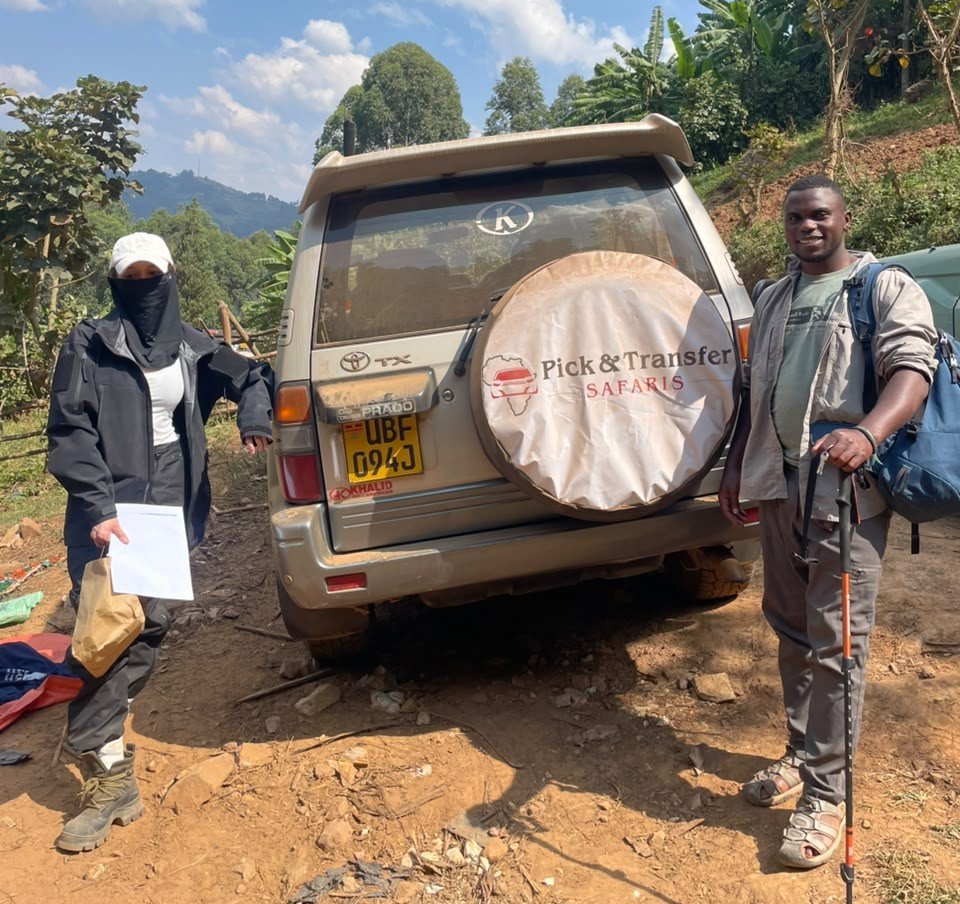
7 Days Uganda Safari – One week tour
This 7-day itinerary is the classic one-week introduction to Uganda, covering the country’s three most iconic wildlife experiences: chimpanzee tracking in Kibale Forest National Park, Big Five game drives and a boat cruise in Queen
Tour Details →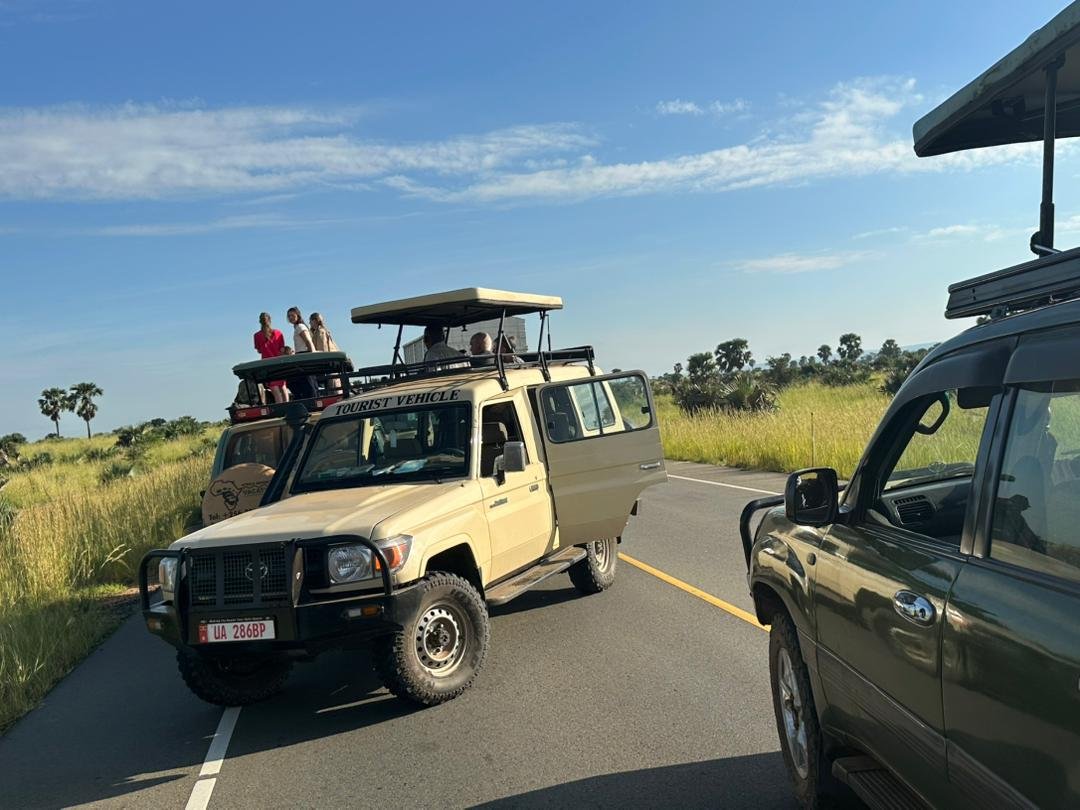
10 Days Uganda Primates and Wildlife
This 10-day Uganda Grand Safari is the most complete Uganda itinerary we offer at Pick and Transfer Safaris. It begins with a scenic northward drive from Entebbe to the vast open plains of Murchison
Tour Details →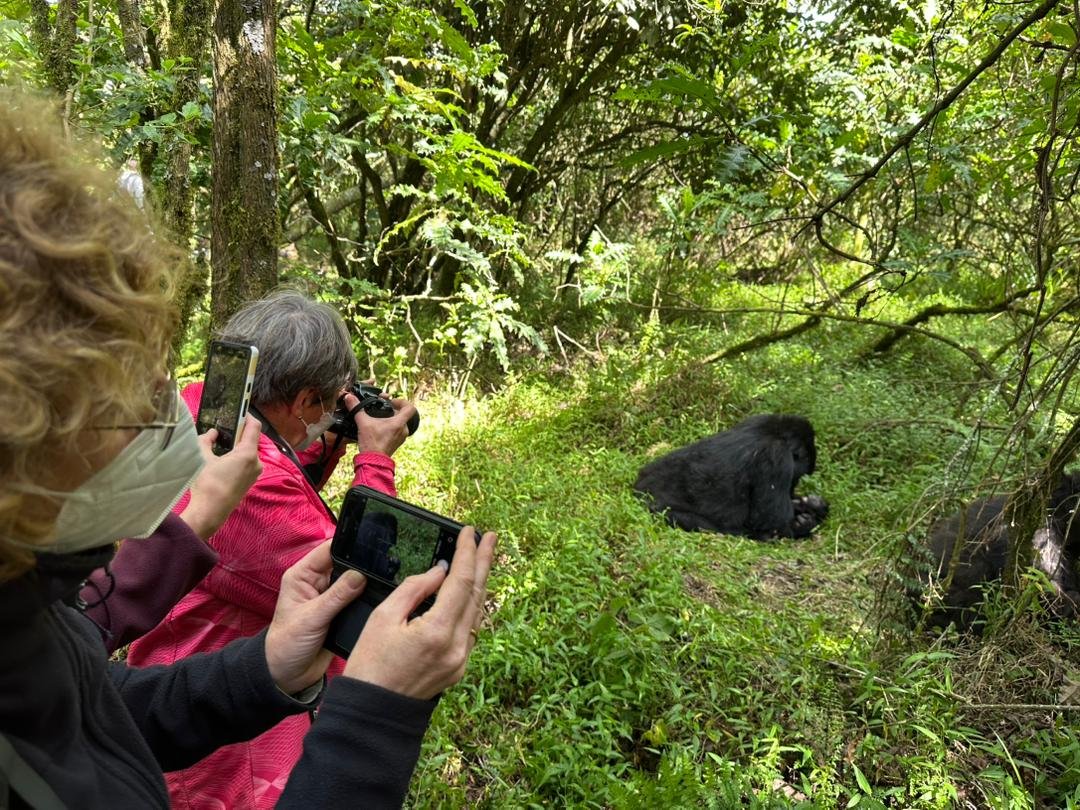
2 Days Uganda Gorilla Tour Starting from Kigali
This is the gentler cousin of our 1-Day Uganda Gorilla Safari Starting from Kigali — same idea, twice the breathing room. Instead of squeezing a 3,000-metre forest trek and two border crossings into a single very long day
Tour Details →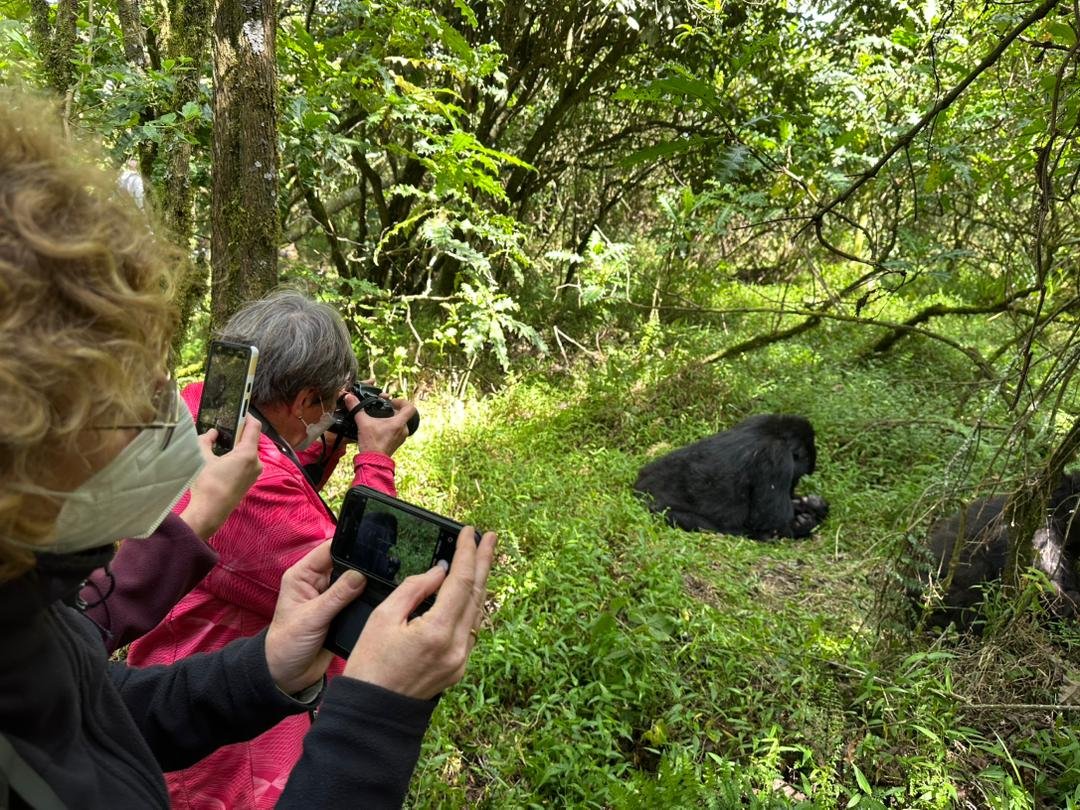
5-Day Uganda Gorilla and Chimpanzee Safari
This itinerary can be combined with a Rwanda extension or a wildlife-focused add-on through Queen Elizabeth National Park — browse our Uganda & Rwanda Safaris and Primate Safaris collections for ideas.
Tour Details →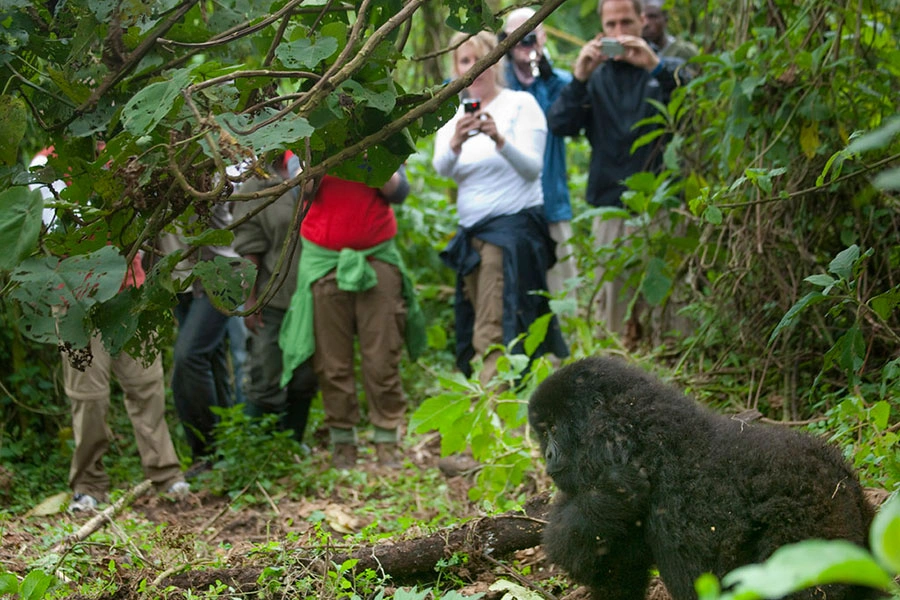
5 Days Rwanda Wildlife and Gorillas
This 5-day itinerary brings together Rwanda’s two flagship wildlife experiences: open savannah game drives and a boat safari in Akagera National Park, followed by a face-to-face encounters
Tour Details →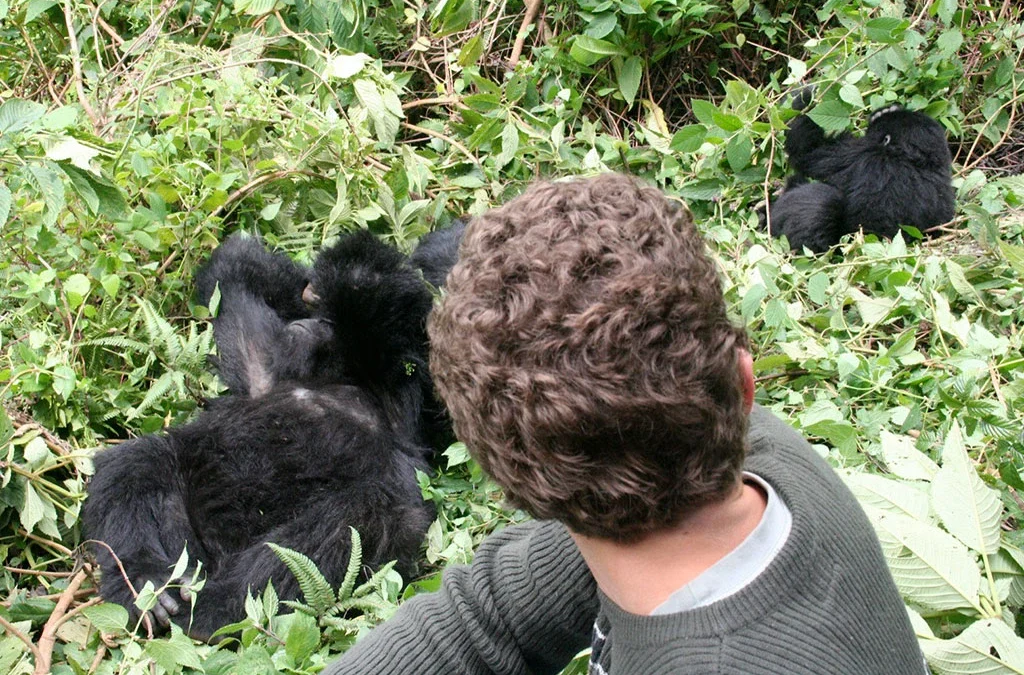
3 Days Uganda Gorilla Safari
For travelers who arrive in Entebbe with a tight schedule and a clear ambition, a 3-day gorilla safari to Bwindi Impenetrable Forest National Park is the most focused and rewarding short trip the country has to offer.
Tour Details →