- LET'S PLAN YOUR SAFARI
- +256 200 921 002
- +256 793 194 703
- info@pickandtransfersafaris.com

Landing in Kigali Trekking in Bwindi
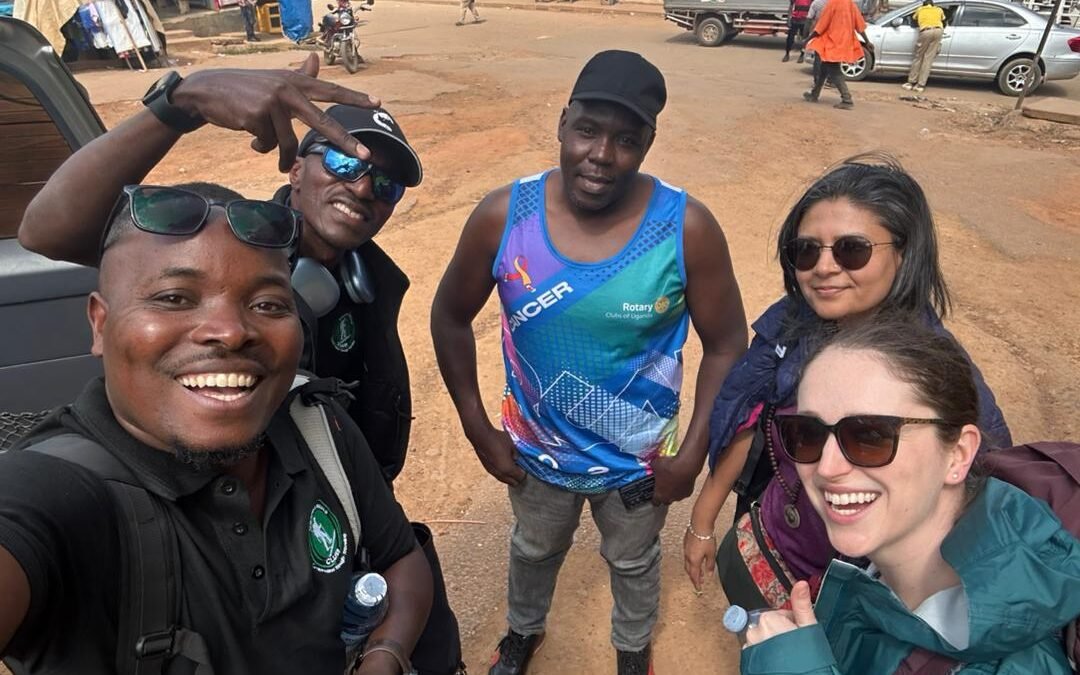
Landing in Kigali Trekking in Bwindi. For a growing number of travellers, the mountain gorilla journey no longer begins in Uganda at all. It begins the moment your flight touches down at Kigali International Airport, passes through Rwandan immigration, and sets off overland toward Bwindi Impenetrable Forest, one of the last strongholds of the world’s remaining mountain gorillas. Landing in Kigali and trekking in Bwindi has become one of the most practical ways to combine an easy international arrival with Uganda’s most celebrated gorilla trekking destination, but the two halves of that sentence, the flight and the forest, need to be planned together rather than as an afterthought. This guide walks through the entire journey in order: which flights actually get you to Kigali, what happens at immigration, how soon after landing you should realistically attempt a trek, and everything that follows on the road to Bwindi.
Why Kigali Has Become the Preferred Gateway to Bwindi
Bwindi Impenetrable Forest sits in Uganda’s extreme southwest, and for years most travellers reached it via Entebbe International Airport, followed by a gruelling eight- to ten-hour drive across the country. Kigali changes that equation entirely. Because Rwanda’s capital sits just 170 to 200 kilometres from Bwindi’s southern Rushaga and Nkuringo sectors, a journey of four to five hours by road, landing in Kigali rather than Entebbe can cut your overland travel time by more than half. Kigali also benefits from a well-regarded international airport, a compact, easy-to-navigate city, and a reputation as one of Africa’s cleanest and safest capitals to spend a night in before or after a physically demanding trek. Our own gorilla safari packages starting from Kigali are built specifically around this geographic advantage, and the sections below walk through exactly how the journey unfolds from the moment your plane lands. Several regional operators, including Kenlink Tours, a Uganda and Rwanda safari specialist operating since 2010, offer comparable Kigali-gateway itineraries, and comparing notes across a few of them is a sensible way to benchmark pricing and inclusions before you book flights.
Flying Into Kigali: Airlines and Routes
Kigali International Airport is served by a genuinely international spread of carriers, which is part of why it has become such a workable gateway for gorilla trekking. RwandAir, the national carrier, connects Kigali to roughly eighteen airports worldwide, including direct flights from London Heathrow and Paris, a route of around nine and a half hours, as well as regular services from Doha and Dubai in the Middle East. Qatar Airways offers a strong Doha connection of around six hours, while Brussels Airlines and KLM provide seasonal European links from Brussels and Amsterdam respectively. Within Africa, Nairobi, Entebbe and Addis Ababa are the busiest regional gateways into Kigali, together accounting for a large share of monthly arrivals, alongside further connections from Johannesburg, Lagos and Dar es Salaam. Star Alliance, SkyTeam and Oneworld all maintain a presence at Kigali, which means most long-haul travellers can reach the city on a familiar frequent-flyer alliance regardless of which region they are flying from. Because flight schedules and routes shift from year to year, it is worth checking current connections directly through your preferred airline or a flight search tool closer to your travel dates, rather than assuming last year’s routing still applies, particularly on the seasonal European services.
Planning Your Onward Journey Before You Even Book Flights
One detail worth settling before you book anything is whether your trip will begin and end in Kigali, or whether you plan to fly into one country and out of another. Because gorilla trekking naturally pulls you toward Uganda’s southwestern border regardless of which capital you land in, some travellers choose an open-jaw ticket, flying into Kigali and out of Entebbe, or vice versa, which can save a full day of backtracking on a longer itinerary. This decision affects everything downstream, from which visa combination makes sense to how your gorilla permit and any onward wildlife activities are sequenced, so it is worth raising with your operator at the very first planning conversation rather than after flights are already booked. Kenlink Tours’ Uganda-Rwanda connecting safaris page illustrates how operators in the region typically structure exactly this kind of open-jaw, two-country itinerary.
What Happens When You Land: Immigration, Visas and Customs
Kigali International Airport’s arrivals process is generally efficient by regional standards, with immigration, baggage claim and customs handled in a single, well-organised area. Expect immigration processing to take roughly 20 to 30 minutes during morning rush periods and considerably less after 6:00 p.m., including a biometric fingerprint and photograph taken at the immigration counter. If you have arranged your Rwanda visa or East Africa Tourist Visa in advance, this stage moves quickly; travellers relying on visa-on-arrival should expect a slightly longer queue, particularly on flights that land close to other international arrivals. Once through immigration, baggage claim and customs are straightforward, and most travellers are through the entire arrivals process and out to their pickup within 45 minutes to an hour of landing, jet lag and long-haul fatigue notwithstanding.
Rwanda Visa Options Explained
Rwanda offers one of the more traveller-friendly visa regimes in the region. Citizens of a wide range of countries, including Kenya, Uganda, Tanzania, South Africa, the United States, the United Kingdom, Germany, Canada, Australia, Singapore, Mauritius and Hong Kong, along with all East African Community partner states, can currently enter visa-free for up to 90 days, with entry authorisation granted at the airport itself. Travellers from countries not on this list need to apply for an e-visa in advance through Rwanda’s official immigration portal, uploading a passport bio-page and photograph, with approval typically arriving within three to five working days and a fee of $50 for a single-entry 30-day visa or $70 for a multiple-entry 90-day visa. Because this trip also involves crossing into Uganda for the trek itself, it is worth considering the East Africa Tourist Visa at this stage too, a single $100 fee covering Rwanda, Uganda and Kenya as one combined travel zone, which is well suited to exactly this kind of two-country itinerary. Confirm your specific nationality’s requirements a few weeks before departure, and raise any questions with our team through our contact page when you book.
Should You Trek the Same Day You Land?
Our honest recommendation: no, not if you can avoid it. Attempting a gorilla trek on the same day you land in Kigali after a long-haul flight is technically possible but genuinely unwise, and we would rather say so plainly than let a traveller find out the hard way partway up a volcanic slope.
A trek to Bwindi’s southern sectors already demands a pre-dawn departure, four to five hours of driving each way, an international border crossing in both directions, and a trek that can run anywhere from one to five hours through genuinely steep, muddy terrain. Layering that on top of a long-haul flight, disrupted sleep and jet lag is a significant physical ask, and it meaningfully increases the risk of the kind of exhaustion-related mistakes, a missed footing, a poor decision on the trail, that matter on a demanding hike at altitude. Beyond the physical risk, park rangers are entitled to turn away trekkers who appear unwell or unfit to safely complete the trek, and a traveller who has just stepped off a fifteen-hour flight is a reasonable candidate for that kind of assessment. Our strong recommendation, and the approach we build into our own itineraries, is to spend at least one full night in Kigali before setting out for the border, giving your body a genuine chance to recover before the trek itself. This is especially true for travellers arriving from time zones more than a few hours removed from Central Africa Time, where the accumulated sleep debt from a long-haul flight can take a full day or more to meaningfully resolve, and where pushing straight into a demanding physical activity often means trekking through a fog of fatigue rather than genuinely enjoying the encounter you have travelled so far for.
Spending Your First Night in Kigali
Building in a night in Kigali before heading to Bwindi is not wasted time; it is arguably the single best-value addition to this entire trip. Kigali rewards a slow afternoon and evening more than almost any other East African capital, with a walkable, hilly city centre, a genuinely excellent restaurant and coffee scene, and sites such as the Kigali Genocide Memorial that offer a meaningful, if sobering, introduction to Rwanda’s modern history. A full night’s sleep in a comfortable Kigali hotel resets your body clock, settles any lingering flight fatigue, and means you begin the drive to Bwindi rested rather than running on fumes from your flight. It also gives your operator a buffer to confirm your gorilla permit, pickup timing and any last paperwork face to face rather than over a rushed phone call from the airport. Our Kigali City destination guide covers more on how to spend this first evening well, and Kenlink Tours’ overview of Uganda offers useful further context on the wider region you are about to head into.
The Road from Kigali to Bwindi
With a rested start, the drive from Kigali to Bwindi’s southern trekking sectors covers roughly 170 to 200 kilometres, a journey of four to five hours through Rwanda’s terraced highlands before reaching the Cyanika border post near Kisoro. The route runs through genuinely striking countryside, rolling hills, tea plantations and small roadside markets, and most drivers build in a short stop along the way for coffee, a bathroom break or photographs. This road bypasses Uganda’s larger, busier Gatuna border crossing entirely, since Cyanika sits much closer to the section of Bwindi closest to Rwanda and is generally the calmer, more efficient of the two posts. If you are weighing up a self-drive option for any portion of this route rather than a guided transfer, Kenlink Tours’ car hire fleet illustrates the kind of 4×4 vehicle typically needed for the mountain roads on the Ugandan side of the border, though a private driver-guide is strongly recommended for travellers unfamiliar with the route. Kenlink Tours’ guide to choosing the best Uganda safari covers similar route-planning considerations for travellers weighing up self-drive versus guided transport across this part of the region.
Crossing at Cyanika: Uganda Entry Explained
Cyanika is a comparatively small, well-run border post sitting almost exactly between Musanze in Rwanda and Kisoro in Uganda, operating daily from roughly 6:00 a.m. to 6:00 p.m. Your driver-guide will handle the practical logistics, walking you through Rwandan exit formalities and then a short distance further to Ugandan entry, a process that typically takes 15 to 45 minutes each way depending on how busy the crossing is that morning. If you have already obtained the East Africa Tourist Visa or a standard Uganda visa in advance, this stage is straightforward; travellers arranging a Uganda visa on arrival at Cyanika should expect a little extra processing time. Because this crossing happens at least twice during any Bwindi trip based out of Kigali, once outbound and once on return, keeping your passport and visa documentation easily accessible throughout the journey, rather than buried in checked luggage, saves real time at both ends.
Choosing Rushaga or Nkuringo
Only Bwindi’s two southern sectors, Rushaga and Nkuringo, are realistic for a Kigali-based itinerary, since the park’s other two sectors, Buhoma and Ruhija, sit far closer to Uganda’s northern Gatuna border and add several additional hours of driving. Rushaga is the closer of the two sectors to Cyanika and currently hosts six habituated gorilla families, the Nshongi, Kahungye, Mishaya, Kutu, Busingye and Bweza groups, giving it the widest permit availability in the entire park. Nkuringo, a little further along the park boundary, hosts three groups, the Nkuringo, Christmas and Bushaho families, and is generally considered the more physically demanding sector given its steep, undulating terrain. For most Kigali-based itineraries, Rushaga is the default choice, both for its proximity to the border and its greater permit availability, though Nkuringo remains a solid option for trekkers comfortable with tougher terrain.
Where You’ll Sleep Near the Park
Accommodation near Rushaga and Nkuringo ranges from simple, comfortable guesthouses to genuinely upscale lodges perched on the hillsides overlooking the forest, and most multi-day itineraries include one night at a mid-range property close to whichever sector you are trekking in. Staying near the park rather than attempting a same-day round trip from Kigali is, alongside your first night in Kigali itself, the second major comfort upgrade available on this journey, since it means you approach trekking morning already acclimatised, well rested and close enough to the trailhead that a 6:00 or 7:00 a.m. start feels entirely reasonable rather than rushed. Our 2 Days Uganda Gorilla Tour from Kigali and 3 Days Uganda Gorilla Safari from Rwanda both build this overnight stay into the itinerary as standard, which is our recommended approach for anyone landing in Kigali fresh off an international flight.
Trekking Day: What Actually Happens
Trekking day begins early, typically with a 6:00 to 7:00 a.m. wake-up and a short drive to park headquarters for registration and the mandatory ranger safety briefing, covering trail etiquette, hand signals and what to do if a silverback approaches closely. From there, rangers assign each group to a specific gorilla family based on fitness level and the family’s last known location, and the trek itself begins, ranging anywhere from a relatively easy one-hour walk to a demanding four- or five-hour hike through dense, hilly forest depending on where the family has settled that morning. Once located, you spend a strict one hour with the gorillas, watching them feed, interact and move through the vegetation at close but respectful range, before the walk back out to park headquarters and a well-earned lunch. For travellers who chose the two- or three-day itinerary, the afternoon and following day are genuinely relaxed by comparison, whether that means resting at your lodge, joining an optional community walk, or beginning the return journey to Kigali without the same time pressure a single-day round trip demands.
Bwindi’s Habituated Gorilla Families
Part of Bwindi’s international reputation comes down to sheer scale: across its four sectors, the park manages more habituated gorilla families and daily permits than any other single gorilla trekking destination in the world. Rushaga alone offers six families and roughly 48 permits daily, with Nkuringo adding a further three families and around 24 more, meaning the two sectors realistic for a Kigali-based trip combine for well over 70 permits available each day. This scale matters practically as well as statistically, since it generally makes last-minute availability easier to find at Bwindi than at smaller neighbouring parks that manage only a single habituated family. It also means that even repeat visitors trekking on different trips are likely to end up with a genuinely different gorilla family and forest experience each time.
Gorilla Trekking Rules You’ll Follow on the Trail
Trekking rules across Uganda’s gorilla parks are set nationally by the Uganda Wildlife Authority and apply identically in every sector. Expect a mandatory 10-metre minimum distance between trekkers and the gorillas at all times, a requirement to wear a medical-grade surgical mask during direct viewing, and a strict one-hour limit with the family once located, regardless of how long the approach took. Flash photography, raised voices and sudden movements are prohibited throughout, and the minimum age for a gorilla permit is 15. Anyone showing symptoms of a cold, flu or other communicable illness on the morning of the trek may be asked to sit the day out, a rule that exists precisely because mountain gorillas share close to 98 percent of their DNA with humans and are highly susceptible to the same respiratory illnesses. Kenlink Tours’ Uganda trekking safaris page offers a useful comparative look at how these rules apply across Uganda’s various trekking destinations.
2026 Gorilla Permit Prices
Gorilla permit pricing is set nationally in Uganda and applies identically regardless of which Bwindi sector you trek in. As of 2026, foreign non-residents pay $800 during high season, covering June through October and December through February, dropping to $600 during the low season months of April, May and November. Foreign residents of East Africa generally pay around $700 in high season and $500 in low season, while East African Community citizens pay a heavily discounted rate of roughly 300,000 Ugandan shillings, about $80.
| Traveller category | High season (Jun–Oct, Dec–Feb) | Low season (Apr, May, Nov) |
|---|---|---|
| Foreign non-resident | $800 | $600 |
| Foreign resident | $700 | $500 |
| East African Community citizen | ~$80 (300,000 UGX) | ~$80 (300,000 UGX) |
For comparison, Rwanda’s own gorilla permit at Volcanoes National Park is priced at a flat $1,500 regardless of season, close to double Uganda’s high-season rate, a genuine consideration for travellers deciding whether to trek on the Ugandan or Rwandan side of the border after landing in Kigali.
How Many Days Should You Realistically Budget?
Given everything above, we recommend budgeting a minimum of three days for a Kigali-to-Bwindi gorilla trip, and ideally four: one night in Kigali to recover from your flight, one full day travelling to and settling near Bwindi, trekking day itself, and a return journey either back to Kigali or onward within Uganda. Travellers with a genuinely tight schedule can compress this into our one day gorilla safari from Kigali, though that itinerary uses Mgahinga Gorilla National Park rather than Bwindi specifically, since Mgahinga’s proximity to the border is what makes a genuine same-day round trip possible at all. If Bwindi specifically is important to you and a single day genuinely will not work with your schedule, our 2 Days Uganda Gorilla Tour is the shortest realistic way to reach Bwindi comfortably, and remains our recommended minimum for anyone arriving in Kigali on an international flight rather than already being based in the region.
Returning: Back to Kigali or Onward to Entebbe
Most short Bwindi itineraries out of Kigali return the same way they came, back through Cyanika to Kigali, which is the natural choice if your international departure flight also leaves from Kigali International Airport. Travellers with more time sometimes choose to continue north through Uganda instead, extending the trip into Queen Elizabeth National Park and Kibale Forest before flying out of Entebbe, an option covered in detail on our 5 Days Uganda Gorilla and Chimps Safari page. Whichever direction you choose, confirm with your operator early which airport your itinerary ends at, since booking an international departure from the wrong city is a surprisingly common and entirely avoidable planning mistake on trips that cross this particular border.
What to Pack for the Flight-to-Forest Journey
Packing for this trip means packing for two very different environments in quick succession: a long-haul flight and a muddy rainforest trek. For the flight, prioritise comfortable layers, a neck pillow and anything that helps you sleep on the plane, since arriving rested genuinely changes how much you enjoy the first day or two in Kigali. For the trek itself, sturdy, broken-in waterproof hiking boots are essential given Bwindi’s notoriously muddy trails, along with a rain jacket, waterproof trousers, gardening-style gloves for stinging nettles, and trousers tucked into socks to guard against biting ants. A daypack for water, snacks and your camera, sun protection, insect repellent and a reusable water bottle round out the trekking essentials, and it is worth packing a portable charger given how limited charging opportunities become once you leave Kigali. Keep your passport, visa documents and gorilla permit confirmation in an easily accessible pocket throughout the journey, given the multiple document checks this itinerary involves between the airport, your hotel and the border.
Best Time of Year to Land and Trek
Gorilla trekking in Bwindi runs year-round, but the season you choose to land and travel affects both trail conditions and flight pricing. The two dry seasons, June to September and December to February, offer firmer trekking trails and the highest demand for both flights and gorilla permits, which pushes prices up across the board and makes early booking, on both fronts, essential. The shorter low season windows in April, May and November bring heavier rain and muddier trails, but also lower permit prices, quieter trails, and, often, more competitively priced international flights into Kigali. Because this journey involves coordinating international flight schedules with a fixed gorilla permit date, it is worth locking in your permit first and then booking flights around it, rather than the reverse, since permits are considerably harder to shift once confirmed.
Pairing Your Trip with Rwanda’s Own Gorilla Trekking
Because you are already landing in Rwanda, it is worth considering whether to trek on both sides of the border during the same trip, comparing Uganda’s lower permit price and larger family count against Rwanda’s more polished, higher-cost trekking infrastructure at Volcanoes National Park, which sits far closer to Kigali than Bwindi does. Our 2 Days Volcanoes Gorilla Trek from Kigali covers the Rwandan side of the same mountain range without crossing into Uganda at all, and our 3 Days Rwanda Gorilla Tracking and Cultural Tour pairs a Rwandan trek with a cultural village visit. Kenlink Tours’ 3-day Rwanda gorilla safari and 5-day Uganda-Rwanda double gorilla safari offer further useful reference points for structuring a two-country trekking trip.
Coordinating Flights and Trekking Permits Together
Because gorilla permits are allocated to named individuals on a specific date, and international flights carry their own change fees and availability constraints, the two need to be planned in the right order. Secure your gorilla permit and rough travel dates first, ideally six to ten months ahead for peak season and three to six months for low season, and only then book your international flights into Kigali around that confirmed date. Building in at least one buffer day, both after landing and before your international departure flight, protects you against flight delays, which are common enough on long-haul routes that a permit booked for the morning after a tight connection carries real risk. Our team can help sequence this properly when you book through our contact page, and Kenlink Tours’ Uganda safari booking guide covers similar sequencing advice that applies broadly across the region.
Health, Safety and Jet Lag
Beyond the jet lag advice already covered above, a few further health basics apply to this specific journey. Kigali sits at a moderate altitude of around 1,500 metres, and Bwindi itself ranges from roughly 1,160 to 2,600 metres, so travellers arriving from sea level should allow a genuine adjustment period rather than assuming altitude will not affect them. Stay well hydrated in the days around your flight and trek, since both air travel and altitude increase dehydration risk, and pack a personal first aid kit for minor scrapes, blisters or insect bites picked up on the trail. Travel insurance that explicitly covers high-altitude trekking, flight delays and cross-border travel is strongly recommended for this specific itinerary, since a missed connection or delayed flight can have knock-on effects on a fixed-date gorilla permit that few standard policies address well. Choosing an operator with an experienced driver-guide who knows the Cyanika crossing and the roads on both sides of it also matters considerably to your overall safety, given how many hours of driving this journey involves. It is also worth registering with your embassy’s travel advisory service before departure and saving digital copies of your passport, visa and permit confirmation separately from the originals, a small precaution that costs nothing but can save real stress if a document goes missing partway through a trip that spans an international flight, two land border crossings and a multi-day itinerary. Kenlink Tours’ overview of Uganda safaris covers broader safety and preparation guidance that applies to first-time visitors travelling this route regardless of which operator they ultimately book with.
Responsible Tourism from Runway to Rainforest
Every stage of this journey, from the airport tax built into your flight to the permit fee that funds park rangers, feeds into the same broader conservation and community system. A significant share of every gorilla permit fee is reinvested into park management, ranger salaries and community development projects around Bwindi, which is widely credited as a major reason mountain gorillas have moved from critically endangered toward a more stable, if still vulnerable, population over the past three decades. Choosing to spend a night in Kigali rather than rushing straight through also has a genuine local economic benefit, supporting hotels, restaurants and guides in the city itself rather than treating it purely as a transit point. Community-linked initiatives such as Kenlink Tours’ tourism internship programme in Uganda reflect the same broader investment in the people who make this entire journey, from arrivals hall to forest trail, genuinely sustainable.
Why Plan This Journey with Pick and Transfer Safaris
Coordinating an international flight, a Rwandan visa, a Kigali hotel stay, a cross-border transfer and a gorilla permit into one smooth journey takes more planning than any single element on its own, and small mistakes, a permit booked too close to a flight, a visa overlooked until the airport, compound quickly on a trip with this many moving parts. Our team plans this entire journey around your actual flight itinerary, securing your gorilla permit for a date that gives you a genuine buffer after landing, arranging your first night in Kigali, and coordinating the overland transfer and border crossing with an experienced driver-guide throughout. Because we operate across both Uganda and Rwanda, we can also help you decide whether to trek in Bwindi, Mgahinga, Rwanda’s Volcanoes National Park, or some combination of the three, and extend your trip into a broader gorilla safari or wildlife safari if your schedule allows. Reach out through our contact page once you have a rough sense of your flight dates, and we will help you sequence the rest, or read more about how our team plans journeys like this on our About Us page. Browse our extended safari itineraries too, if landing in Kigali turns out to be the start of a longer regional trip.
Frequently Asked Questions About Landing in Kigali and Trekking in Bwindi
Can I trek gorillas the same day I land in Kigali? It is technically possible using Mgahinga rather than Bwindi, but we strongly recommend against attempting any gorilla trek on the same day as a long-haul flight, given the combined physical demands of jet lag and a genuinely strenuous hike.
How many nights should I budget for this trip? A minimum of three nights is our recommendation: one to recover in Kigali, one near Bwindi before or after trekking, and flexibility around your international flight schedule; four nights offers a more comfortable buffer.
Do I need a visa before I arrive in Kigali? It depends on your nationality; many travellers qualify for visa-free entry to Rwanda, while others need to apply for an e-visa in advance through Rwanda’s official immigration portal, and the East Africa Tourist Visa is worth considering given the Uganda crossing involved.
Which airlines fly directly to Kigali? RwandAir offers the widest network, including direct London and Paris routes, alongside Qatar Airways from Doha, and seasonal services from Brussels Airlines and KLM, with strong regional connections via Nairobi, Entebbe and Addis Ababa.
Is Bwindi or Mgahinga better if I’ve just landed in Kigali? Mgahinga suits travellers on a genuinely tight one-day schedule, while Bwindi, reached comfortably over two or three days with a rest night built in, offers considerably more habituated families and a gentler pace for anyone recovering from a long flight.
What happens if my flight into Kigali is delayed? A delayed flight can affect a tightly scheduled itinerary, which is why we recommend booking flights with a buffer day before your trek and holding comprehensive travel insurance that covers flight delays alongside trekking-specific risks.
Do I fly back out of Kigali or Entebbe after trekking? Most short itineraries return to Kigali, but longer trips that continue north through Uganda’s other parks typically end in Entebbe instead, so confirm this detail with your operator before booking your return flight.
Landing in Kigali Trekking in Bwindi
Landing in Kigali and trekking in Bwindi is one of the more elegant ways to experience mountain gorillas anywhere in the world, pairing an easy, well-connected international arrival with genuinely world-class trekking just a few hours down the road. The journey rewards travellers who plan the flight and the forest together rather than as two separate trips bolted end to end, building in a rest night after landing, sequencing permits and flights in the right order, and choosing the sector and pace that fit their actual stamina rather than the tightest possible schedule. Done that way, the trip from runway to rainforest becomes exactly what it should be: demanding in the right places, comfortable in the rest, and genuinely unforgettable by the time you are standing an arm’s length from a wild mountain gorilla family. The flight gets you to the continent; the planning in between is what gets you, well rested and properly prepared, to the forest itself.
Planning to land in Kigali and trek in Bwindi? Contact Pick and Transfer Safaris through our contact page with your rough flight dates, and we will build the whole journey around them, from your first night in Kigali to your hour with the gorillas.
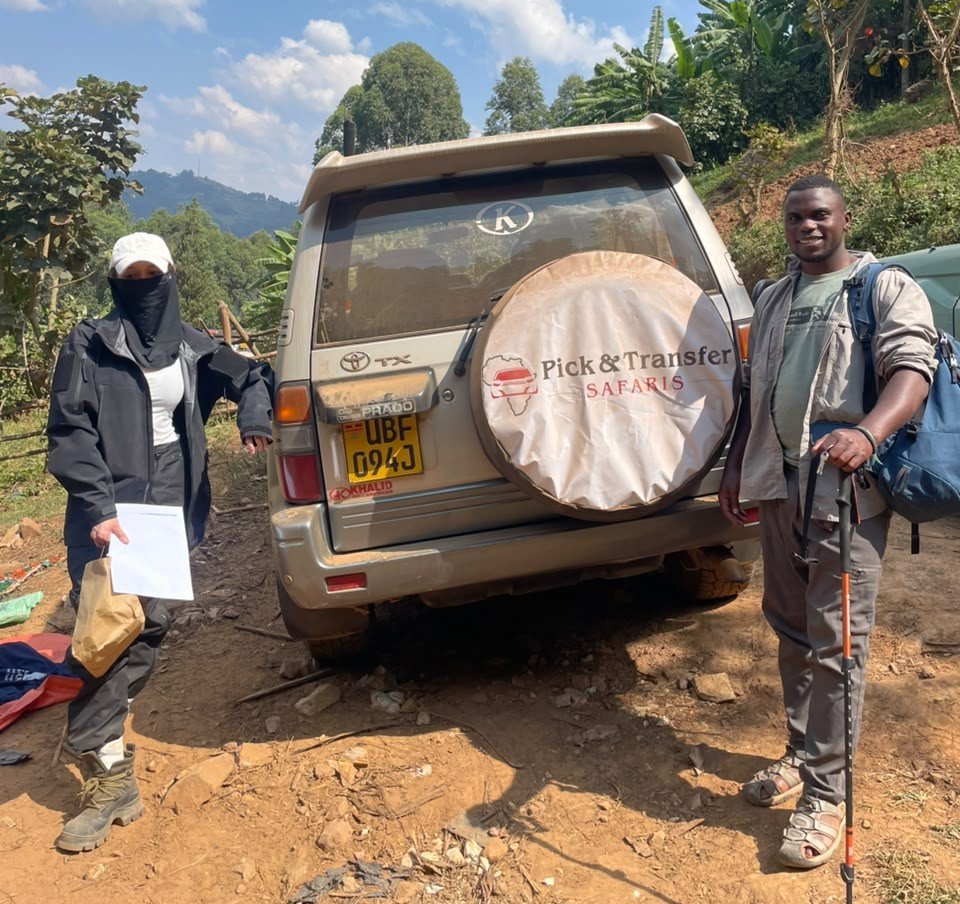
7 Days Uganda Safari – One week tour
This 7-day itinerary is the classic one-week introduction to Uganda, covering the country’s three most iconic wildlife experiences: chimpanzee tracking in Kibale Forest National Park, Big Five game drives and a boat cruise in Queen
Tour Details →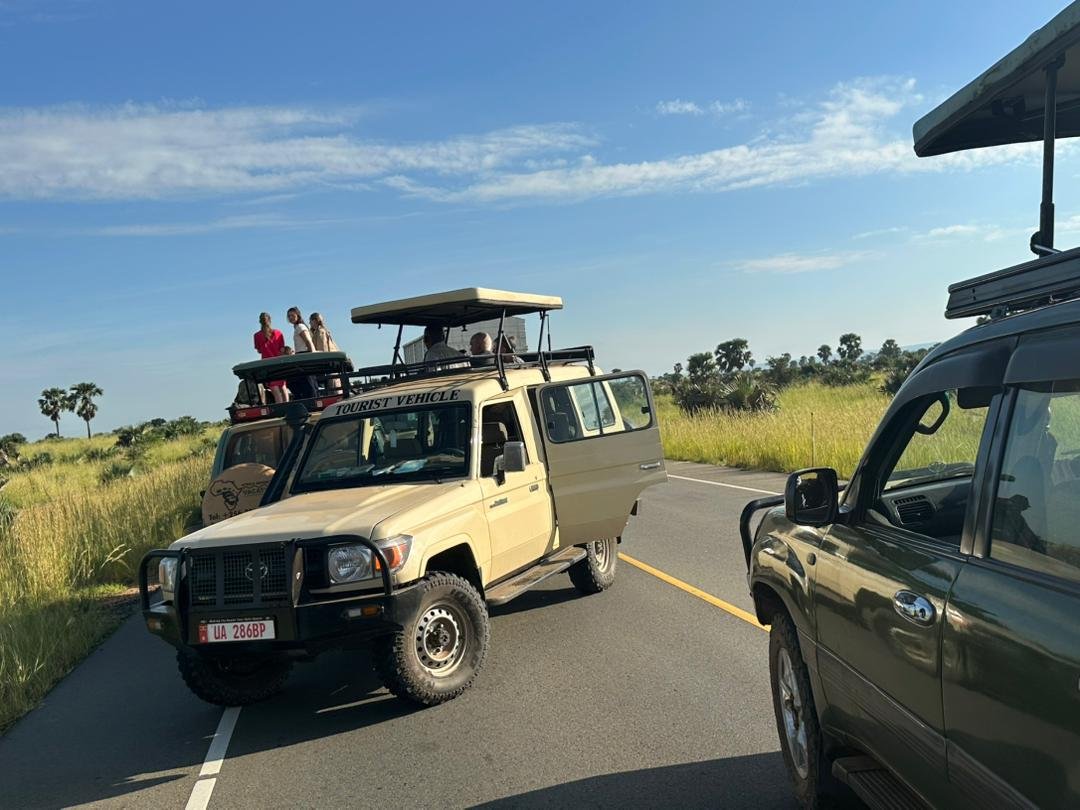
10 Days Uganda Primates and Wildlife
This 10-day Uganda Grand Safari is the most complete Uganda itinerary we offer at Pick and Transfer Safaris. It begins with a scenic northward drive from Entebbe to the vast open plains of Murchison
Tour Details →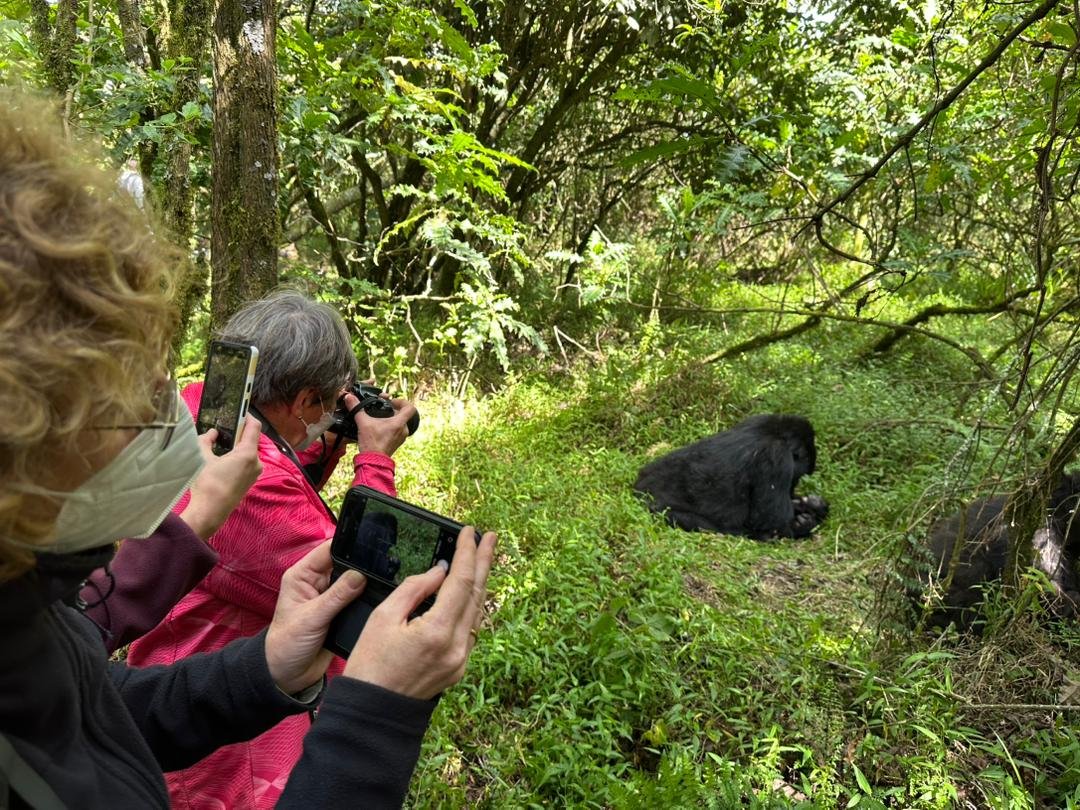
2 Days Uganda Gorilla Tour Starting from Kigali
This is the gentler cousin of our 1-Day Uganda Gorilla Safari Starting from Kigali — same idea, twice the breathing room. Instead of squeezing a 3,000-metre forest trek and two border crossings into a single very long day
Tour Details →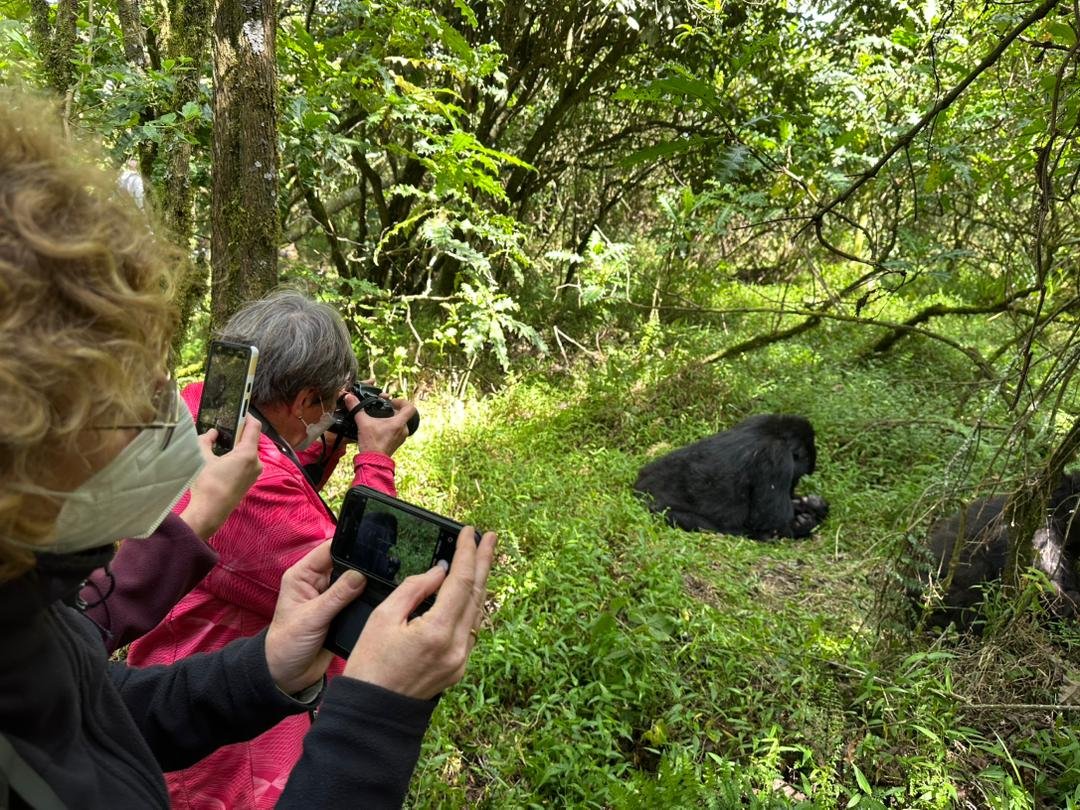
5-Day Uganda Gorilla and Chimpanzee Safari
This itinerary can be combined with a Rwanda extension or a wildlife-focused add-on through Queen Elizabeth National Park — browse our Uganda & Rwanda Safaris and Primate Safaris collections for ideas.
Tour Details →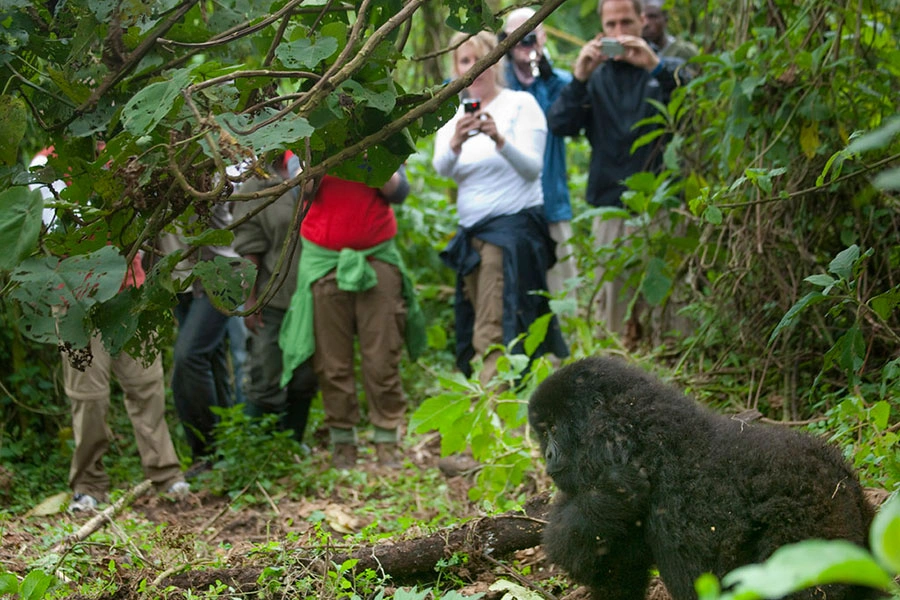
5 Days Rwanda Wildlife and Gorillas
This 5-day itinerary brings together Rwanda’s two flagship wildlife experiences: open savannah game drives and a boat safari in Akagera National Park, followed by a face-to-face encounters
Tour Details →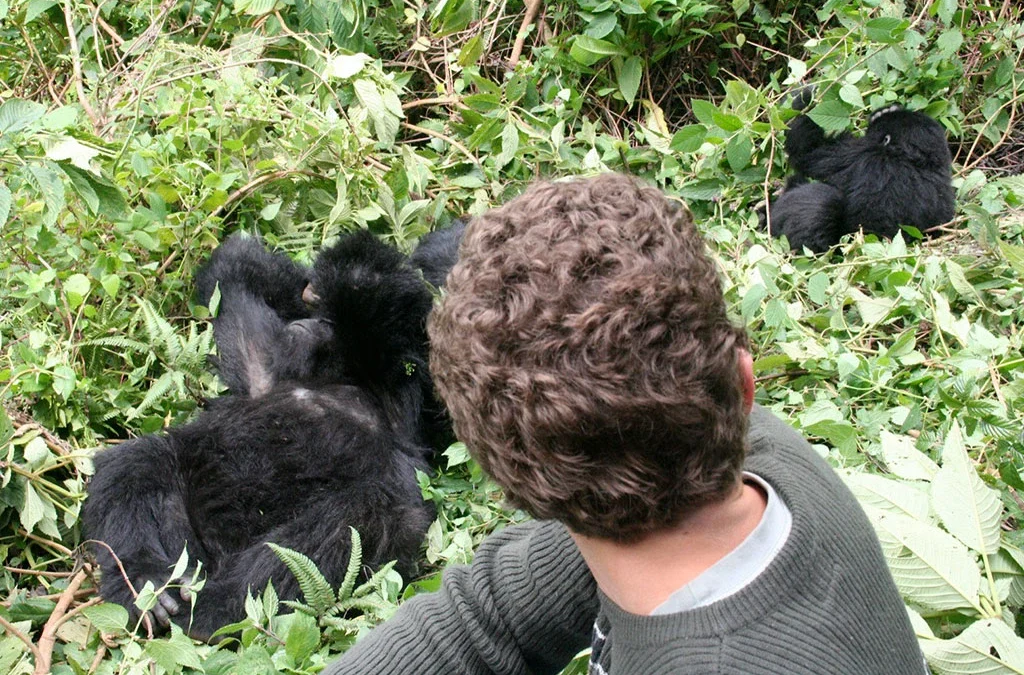
3 Days Uganda Gorilla Safari
For travelers who arrive in Entebbe with a tight schedule and a clear ambition, a 3-day gorilla safari to Bwindi Impenetrable Forest National Park is the most focused and rewarding short trip the country has to offer.
Tour Details →