- LET'S PLAN YOUR SAFARI
- +256 200 921 002
- +256 793 194 703
- info@pickandtransfersafaris.com

Last Minute Gorilla Trek from Kigali
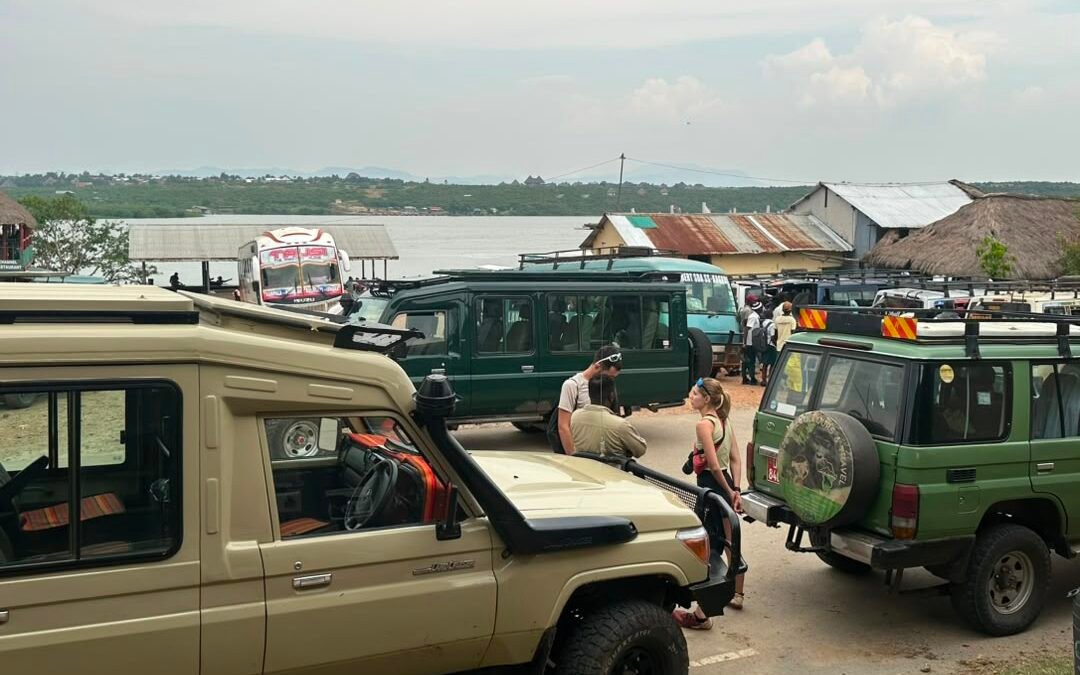
Last Minute Gorilla Trek from Kigali. Every year, a steady stream of travelers land in Kigali on a business trip, a longer African itinerary, or simply a spontaneous whim, and ask the same question a day or two later: is it actually possible to trek gorillas in Bwindi with almost no advance planning? The honest answer is more encouraging than most blogs let on — yes, it is genuinely possible, but only if you understand exactly how permit availability works, where the flexibility actually exists, and where it does not. This guide lays out what a last-minute gorilla trek from Kigali really looks like in 2026, without the vague reassurances or the doom-and-gloom warnings you tend to find elsewhere.
For those considering a Last Minute Gorilla Trek from Kigali, understanding the logistics is crucial.
Booking a Last Minute Gorilla Trek from Kigali requires the same core costs and logistics as any other trip. The permit still costs the same $800, and the drive remains 4 to 6 hours.
Many travelers ask about the availability of a Last Minute Gorilla Trek from Kigali.
This distinction matters because so much of the gorilla trekking content online is written for the traveler planning six months out, and its advice — book early, choose your preferred sector, request a specific gorilla family — is precisely the opposite of what actually works when you have days rather than months. Everything below is written for the compressed timeline specifically, drawing on how permit cancellations, sector demand, and seasonal patterns actually behave in practice rather than in the idealized version of the booking process.
Understanding how a Last Minute Gorilla Trek from Kigali works is essential for success.
Is a Last-Minute Gorilla Trek from Kigali Actually Possible?
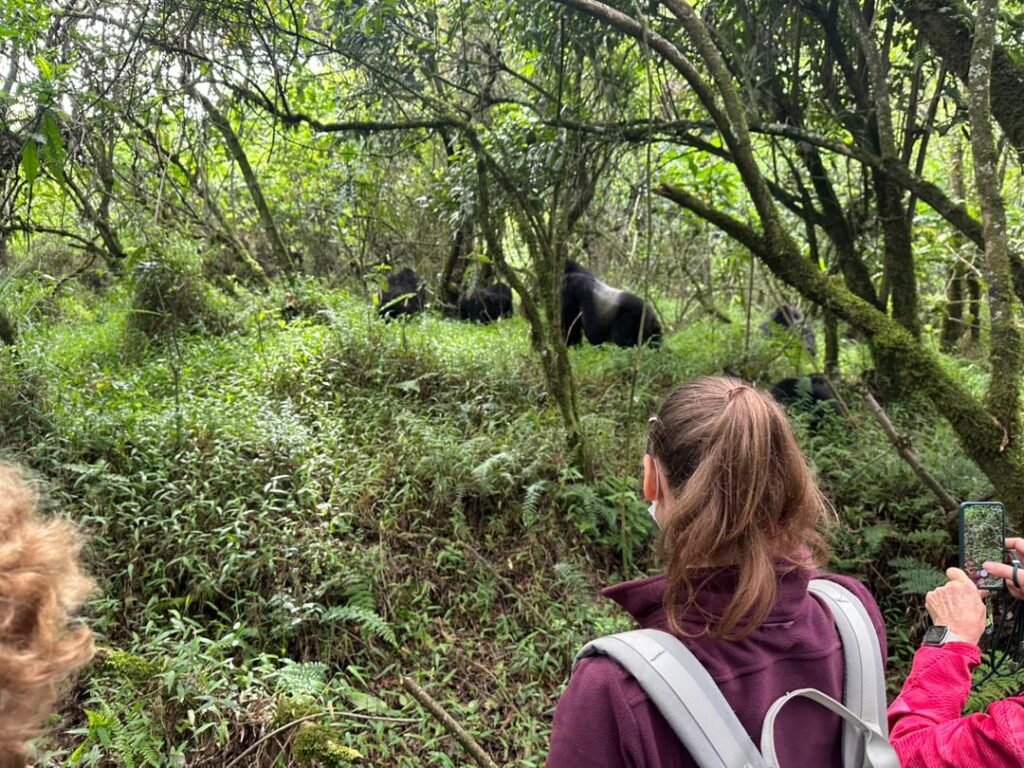
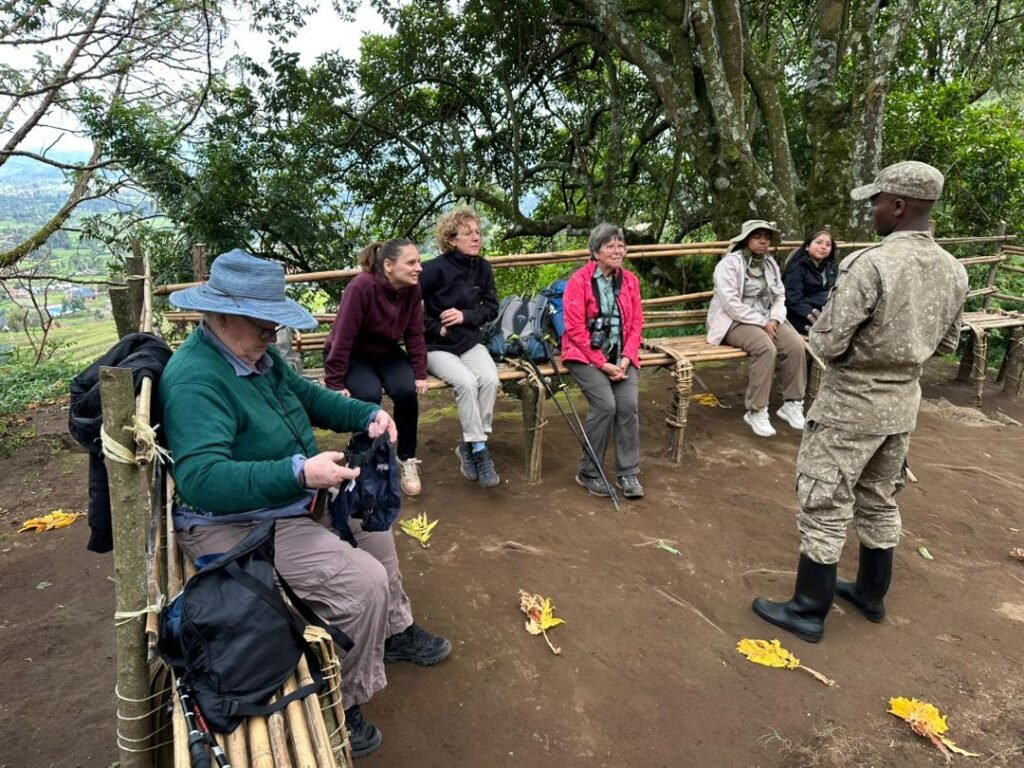
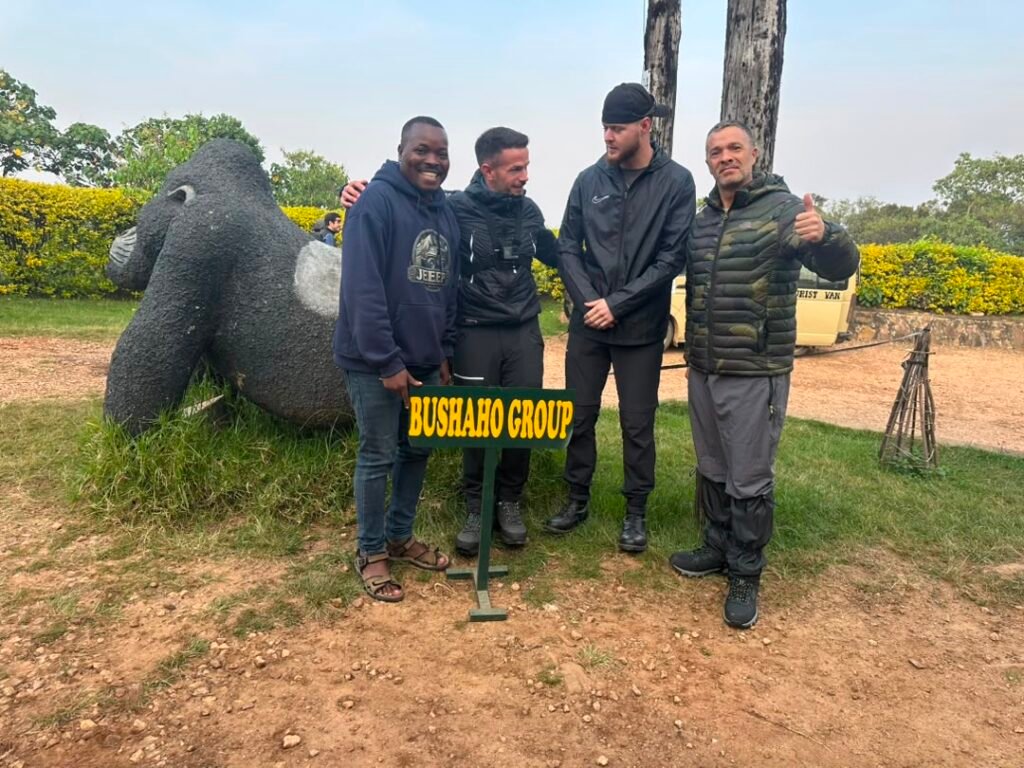
Yes, with an important caveat: possible does not mean guaranteed, and your odds depend heavily on the season, the sector, and how flexible you are willing to be. Permits do open up at the last minute through cancellations and unsold allocations, and operators who actively track daily availability across Bwindi’s many gorilla families can sometimes secure a permit within a matter of days, occasionally even for the following morning. The travelers who succeed at this are almost always the ones who stay flexible on dates, sectors, and gorilla family assignment rather than insisting on one specific combination.
Quick Overview: What “Last Minute Gorilla Trek from Kigali” Really Means
In the gorilla trekking world, “last minute” can mean anything from booking a few weeks out during low season to scrambling for a permit two days before you want to trek. This guide focuses on the tighter end of that spectrum — roughly one to fourteen days of lead time — since that is where most of the genuine uncertainty and the genuine opportunity both live. Outside peak season, a week or two of notice is often plenty. During peak season, even a month of notice can be tight, and true last-minute success becomes considerably less likely without real luck or real operator connections.
Why Permits Open Up at the Last Minute
Gorilla permits become available on short notice for a handful of predictable reasons: travelers cancel due to illness, missed connections, or a change of plans; tour operators holding block allocations release unsold seats close to the trek date; and a small number of permits are simply never purchased in lower-demand months and sectors. None of this is random or rare — it happens every week across Bwindi’s 25-plus habituated gorilla families — but it does mean last-minute availability is a moving target that changes daily, which is exactly why working with an operator who checks it constantly matters so much more here than for a trip planned six months out.
Bwindi’s Permit Volume vs Rwanda’s: Why Uganda Is Easier to Book Last Minute
Bwindi Impenetrable National Park issues over 200 permits per day across more than 25 habituated gorilla families spread across its four sectors, a genuinely large volume compared to Rwanda’s Volcanoes National Park or Uganda’s own Mgahinga Gorilla National Park, which offers only 8 daily permits from a single habituated group. That sheer volume is the single biggest reason Bwindi, and by extension a Kigali-to-Bwindi trip, offers meaningfully better last-minute odds than either of the smaller parks nearby. If your goal is simply to see gorillas on short notice rather than trek a specific sector, Bwindi should be your default target.
Best Sectors for Last-Minute Availability
Rushaga, Bwindi’s largest sector with the most habituated families, tends to offer the best last-minute odds simply due to sheer permit volume. Nkuringo, being less popular overall due to its demanding terrain, often has openings precisely because fewer travelers request it in the first place. Buhoma and Ruhija can go either way depending on the season, but as the park’s more established, higher-demand sectors they sometimes sell out further ahead. If you are booking last minute and a specific sector matters less to you than simply securing a trek, telling your operator you are open to any sector with availability significantly widens your options.
How Uganda Wildlife Authority Cancellation Refunds Work (and Why That Creates Openings)
The Uganda Wildlife Authority’s tiered cancellation refund policy directly shapes when last-minute permits appear. Cancellations made 91 or more days ahead receive a 75 percent refund, 46 to 90 days ahead receive 50 percent, and 9 to 45 days ahead receive just 25 percent, while cancellations inside 8 days receive no refund at all. This structure means most cancellations happen well before the trek date, which is exactly why last-minute availability tends to firm up gradually in the weeks before a date rather than opening up dramatically in the final 48 hours — a detail worth knowing if you are watching availability yourself rather than working through an operator.
A successful Last Minute Gorilla Trek from Kigali is attainable with the right information.
Peak vs Low Season: When Last-Minute Bookings Actually Work
During peak dry seasons, June through August and December through February, permits are frequently booked out six months in advance, making genuine last-minute success considerably harder, though not impossible if you are willing to accept whatever sector and date becomes available. During the quieter rainy-season months, last-minute bookings become noticeably more realistic, since demand is lower and unsold permits are more common. If your travel dates have any flexibility at all, shifting toward a shoulder or low-season window dramatically improves your odds of a genuine last-minute success.
Uganda’s Low-Season Permit Discount and How It Affects Last-Minute Trips
Uganda has, in past low seasons, offered a discounted permit rate of around $600 rather than the standard $800 during April, May, and November specifically, a period that conveniently overlaps with the same months when last-minute availability tends to be strongest. This is a meaningful coincidence for last-minute travelers: the months where you are most likely to actually find an open permit are sometimes also the months where that permit costs less. Discount terms and availability change from year to year, so always confirm current pricing with your operator rather than assuming the discount applies to your specific dates.
Rwanda’s Promotional Permit Rate vs a Last-Minute Uganda Trek
For a successful Last Minute Gorilla Trek from Kigali, be prepared for last-minute changes.
Rwanda has run its own promotional gorilla permit rate, discounting Volcanoes National Park permits from $1,500 to roughly $1,050 during November through May low season, though typically with conditions attached such as a minimum two-night stay and participation in an additional Rwandan park activity. Even at that discounted rate, Uganda’s standard $800 permit — or a potential $600 low-season rate — usually remains the cheaper option for a last-minute trekker based in Kigali, particularly once you factor in that Rwanda’s promotion comes with extra booking requirements that work against a genuinely fast, simple last-minute plan.
How Far Ahead Is “Last Minute” in Practice?
Outside peak season, a lead time of one to two weeks is often enough to secure a permit, arrange a transfer, and find available accommodation without major compromise. Inside a week, your odds start to depend heavily on luck, sector flexibility, and how well-connected your operator is with same-week cancellations. Same-day or next-day trekking is essentially never realistic, since permits require processing time and the drive from Kigali alone takes 4 to 6 hours — the fastest genuine turnaround most operators can manage is typically 2 to 3 days from initial inquiry to trekking morning.
Step-by-Step: How to Book a Last-Minute Gorilla Trek from Kigali
Start by contacting an experienced operator immediately rather than spending days comparing options, since permit availability changes daily and every hour of delay narrows your choices. Be explicit about your flexibility on dates, sectors, and gorilla families right from the first message. Have your passport details, yellow fever certificate, and payment method ready to move the moment availability is confirmed, since permits are typically held only briefly once identified. Confirm your transfer and accommodation in the same conversation rather than sequentially, since a permit without a way to reach the park or somewhere to sleep the night before is not actually a usable booking.
Working With a Local Operator vs Booking Directly with UWA
The Uganda Wildlife Authority does allow direct permit bookings, but its own booking channels are not built for real-time, moment-to-moment availability checking across every sector and gorilla family, which is exactly the kind of monitoring a last-minute trip actually needs. Local ground operators with established UWA relationships typically have faster, more direct visibility into which specific permits have just opened up, and can act on that information within hours rather than days. For a standard, well-planned trip, booking directly can work fine; for a genuine last-minute scramble, a well-connected local operator is almost always faster.
The timeline for a Last Minute Gorilla Trek from Kigali can be quite fast.
Flexibility: The Single Biggest Factor in Getting a Last-Minute Permit
If there is one lesson that separates successful last-minute trekkers from disappointed ones, it is flexibility. Insisting on Rushaga specifically, on a particular gorilla family, or on an exact date within a narrow one- or two-day window dramatically shrinks your options at exactly the moment you need them widest. Travelers who tell their operator “any sector, any family, anywhere in the next five days” consistently succeed more often than those who arrive with a rigid, specific request, simply because they are competing for a much larger pool of potential openings.
Fastest Realistic Timeline from Booking to Trekking
In genuinely favorable conditions — low season, flexible dates, an operator with same-day permit visibility — a realistic fastest timeline runs: Day 1, confirm permit availability and pay; Day 2, transfer from Kigali to Bwindi; Day 3, trek. This compressed three-day structure is the practical floor for how quickly this trip can come together, and it assumes everything, including your travel documents and payment method, is already in order the moment a permit is confirmed.
Visa on Arrival: One Less Thing to Plan Ahead
One genuine advantage working in favor of last-minute travelers is that neither Rwanda nor Uganda requires an advance visa application for most nationalities. Rwanda offers visa on arrival to all nationalities since 2018, and the East Africa Tourist Visa, covering Uganda, Rwanda, and Kenya for $100, can also be purchased on arrival or shortly before your border crossing. This is one part of the trip that genuinely does not need to be arranged weeks ahead, which helps compress an otherwise tight timeline.
Last-Minute Transfer Options from Kigali to Bwindi
A private transfer, typically $200 to $380 one-way depending on sector, remains bookable on short notice provided your operator has an available vehicle and driver, which established companies with multiple vehicles generally do even inside a week’s notice. Shared shuttles and public transport routes toward Kisoro or Kabale are also available with essentially no advance notice at all, though they add complexity and risk on a trip where timing already has little margin for error. For a last-minute trip specifically, a private transfer booked alongside your permit is worth the extra cost simply to remove one more variable from an already compressed plan.
Last-Minute Accommodation Near Bwindi: What’s Actually Available
Budget and midrange lodges generally hold some rooms back for exactly this kind of short-notice demand, and a well-connected operator can often secure a room within a day or two even during moderately busy periods. Nkuringo’s thinner lodge inventory makes last-minute rooms there considerably harder to find than in Rushaga or Buhoma, which is another reason sector flexibility matters so much for a rushed booking. Luxury lodges, particularly Bwindi’s handful of award-winning properties, are the least likely to have last-minute openings, since their smaller room counts and strong existing demand mean they sell out furthest in advance.
Sample Last-Minute Budget: 2-Day Trip Booked This Week
A realistic last-minute 2-day itinerary for a solo traveler: permit $800, private transfer round trip roughly $300 to $400 shared per vehicle, one night’s accommodation at whatever tier is actually available $150 to $350, meals $30, porter and tips $50, visa $50 to $100. All-in, this typically lands between $1,380 and $1,730 for a solo traveler, slightly higher than a well-planned equivalent trip simply because last-minute travelers have less room to shop around for the best-value transfer or lodge rate. Our 2-day gorilla tour from Kigali package can often be adapted to a compressed last-minute timeline when availability allows.
What You Might Have to Compromise On When Booking Last Minute
Last-minute trekkers should expect to compromise on at least one, and sometimes several, of the following: their preferred sector, their preferred gorilla family, their preferred lodge tier, or the exact date they originally hoped for. What almost never changes is the permit price itself, since that is fixed regardless of how far ahead you book. Going in with realistic expectations about which variables are negotiable and which are fixed prevents the frustration of chasing a specific combination that simply is not available on your timeline.
Documents and Gear You Need Ready Right Now
A valid passport with at least six months’ remaining validity, a yellow fever vaccination certificate, and a payment method that can move quickly — a credit card or access to a wire transfer — are the non-negotiable basics for a fast booking. On the gear side, waterproof hiking boots, a rain jacket, and layers for variable weather matter regardless of how much notice you have, and if you do not already own them, most can still be picked up in Kigali or Kisoro on short notice, even if the selection is more limited than what you would find at home.
Health Requirements You Can’t Skip Even Last Minute
The yellow fever vaccination certificate is checked at both the Rwandan and Ugandan borders and cannot be waived simply because your trip came together quickly, so if you do not already hold a valid certificate, this becomes the one genuine bottleneck in an otherwise fast-moving plan, since the vaccine typically needs to be administered at least ten days before it is considered valid for entry purposes. Malaria prophylaxis, while strongly recommended, is more flexible and can often be started even a few days before departure depending on the specific medication.
Gorilla Habituation Experience: Realistic or Not on Short Notice?
The gorilla habituation experience, offered only in Rushaga at $1,500 per person with a maximum of four visitors per day, is considerably harder to secure last minute than a standard permit given how few slots exist daily. It is not impossible — cancellations happen here too — but travelers hoping specifically for the habituation experience on short notice should treat it as a long shot rather than a plan, and consider a standard permit as their realistic primary target with the habituation experience as an opportunistic upgrade if one happens to open up.
How to Reach Your Operator Fast: What to Have Ready Before You Call
Before you make first contact, have your exact travel window written down, including how many days of true flexibility you have on either end, your nationality and passport expiry date, whether you already hold a yellow fever certificate, and your group size. Operators can move considerably faster when a traveler opens with this information upfront rather than a general “is it possible” message that requires several rounds of back-and-forth just to establish the basics. Mentioning that you are specifically asking about a last-minute booking, rather than a standard one, also signals to the operator that speed matters more than optimizing every last detail of the itinerary.
Kigali Airport Arrivals: A Common Starting Point for Last-Minute Trips
Many travelers inquire about the feasibility of a Last Minute Gorilla Trek from Kigali.
A meaningful share of last-minute gorilla trekking inquiries come from travelers already on the ground in Kigali, having landed for business, a stopover, or a longer regional trip, and deciding only after arrival to add a gorilla trek. If this describes your situation, your operator can typically arrange airport-area pickup or a hotel pickup in the city on very short notice, since this piece of the logistics chain is the most flexible one. Our broader guide to Kigali City is worth a look if you are already there and want to fill an extra day or two while your permit is being confirmed.
Booking a Local Operator Already in Kigali vs an International Agency
Booking a Local Operator for a Last-Minute Gorilla Trek from Kigali
Travel Insurance and Last-Minute Trips
Understanding age limits is important for a Last Minute Gorilla Trek from Kigali.
Travel insurance purchased at the last minute is still worth arranging, and most providers allow policies to be bought right up until departure, typically costing $60 to $150 for a two-week trip. Given that a rushed itinerary has less built-in buffer for delays, missed connections, or illness than a well-planned one, insurance covering trip interruption and medical evacuation is arguably even more valuable here than on a standard trip, not less, precisely because there is so little slack elsewhere in the plan to absorb a problem.
Preparing for a Last Minute Gorilla Trek from Kigali means having essential gear ready.
Currency and Payment: Moving Money Fast for a Rushed Booking
Most operators require payment, or at least a substantial deposit, before confirming a last-minute permit, since permits themselves must be paid for upfront to the Uganda Wildlife Authority. Having a credit card with sufficient limit, or the ability to complete an international wire transfer within a day, removes a common bottleneck that otherwise slows down an already tight timeline. Once you are in the region, Kigali’s 24-hour ATMs and forex bureaus can supply the cash you will need for tips, porter fees, and incidentals, but the permit and transfer deposit itself typically needs to move electronically before you even leave home.
Packing in a Hurry: A Fast Checklist
If your gear is not already sorted, prioritize waterproof hiking boots, a rain jacket, layered clothing, and a basic daypack over anything else, since these matter most for the trek itself and are the hardest to improvise at the last minute. Gardening gloves, gaiters, and trekking poles are genuinely useful but can be purchased in Kigali or Kisoro if you arrive without them, typically for $20 to $60 total. A working phone with an international plan or a plan to buy a local SIM card at the airport rounds out the essentials for staying in contact with your operator throughout a fast-moving itinerary.
Age Limit and Fitness: Does Last-Minute Change Anything?
The Uganda Wildlife Authority’s minimum age of 15 for gorilla trekking permits applies exactly the same regardless of how far ahead you book. What last-minute planning does change is your ability to prepare physically, since a well-planned trip might include weeks of conditioning hikes beforehand while a rushed one does not. If you know your baseline fitness is only moderate, mentioning this to your operator when discussing sector flexibility is worth doing, since Buhoma and Rushaga are generally gentler than Nkuringo and may be a better last-minute fit for a less-prepared trekker.
Weather Considerations When You Can’t Choose Your Season
A last-minute trip, by definition, often means trekking whenever a permit happens to be available rather than during your ideal season. If that lands you in a rainy month, pack accordingly with a proper rain shell and waterproof boots, and mentally prepare for muddier, more physically demanding trail conditions than you might encounter in the dry season. The upside, as covered earlier, is that rainy months are also when last-minute permits are easiest to find in the first place, so this trade-off tends to come as a package deal rather than a surprise.
Solo Travelers vs Groups: Does Last-Minute Favor One Over the Other?
Solo travelers generally have a slight edge in last-minute permit availability, since a single open slot within an existing group permit allocation is easier to find than several consecutive slots for a larger party. Groups of four or more booking last minute may need to accept being split across two gorilla families rather than trekking together, or may need more day’s notice than a solo traveler would to find enough simultaneous openings. If your group is large and your timeline is tight, communicating this trade-off honestly with your operator upfront avoids disappointment later.
Comparing a Last-Minute Uganda Trek to a Last-Minute DRC Trek
The Democratic Republic of Congo’s Virunga National Park has, at various points, offered notably cheaper and sometimes more flexible last-minute permits than Uganda, but this needs to be weighed against materially different security and logistical considerations given the region’s periodic instability. For the vast majority of travelers prioritizing a straightforward, reliable last-minute booking process, Uganda’s Bwindi via Kigali remains the safer and generally more practical choice, even if a DRC permit occasionally looks better on price alone.
What Happens If You Can’t Get a Permit at All?
If your specific dates simply have no availability anywhere in Bwindi despite genuine flexibility, a working backup plan is worth having ready. This might mean shifting your gorilla trek to slightly later in your trip if your schedule allows even a few extra days, considering Rwanda’s Volcanoes National Park as an alternative country, or substituting a Uganda chimpanzee tracking permit in Kibale Forest, which tends to have considerably more last-minute availability than gorilla permits do. None of these are quite the same experience as a gorilla trek, but they keep the trip meaningful rather than ending in a flat cancellation.
For those considering a Last Minute Gorilla Trek from Kigali, timing is everything.
Common Mistakes That Sink a Last-Minute Booking Attempt
The most common failure is spending several days comparing quotes from multiple operators before committing to any of them, during which the specific permit availability being discussed simply disappears. Insisting on a specific sector or gorilla family rather than staying open to whatever is actually available is another frequent self-inflicted obstacle. Waiting to sort out a yellow fever certificate until after a permit is confirmed can also derail an otherwise successful last-minute plan, given the vaccine’s validity waiting period. Finally, booking a permit without simultaneously confirming a transfer and a place to sleep leaves travelers with a confirmed trek date and no practical way to reach it.
Booking the Shortest Possible Itinerary as Your Fastest Last-Minute Option
If speed matters more than anything else, a single-night, one-day trekking itinerary is the fastest structure to pull together, since it minimizes the number of accommodation nights that need to align with permit availability. Our 1-day Uganda gorilla safari starting from Kigali package is built around exactly this compressed structure — a single overnight near the park bookending the trek itself — and tends to be the easiest itinerary shape for an operator to slot into whatever availability opens up on short notice.
Sample Last-Minute 3-Day Itinerary With a Buffer Night
If your timeline allows even one extra day beyond the bare minimum, adding a buffer night meaningfully reduces the stress of a rushed trip. A typical structure runs: Day 1, confirm permit and transfer to Bwindi, arriving with time to rest before trek day; Day 2, gorilla trek followed by a relaxed evening; Day 3, return transfer to Kigali with margin for any delay. This structure costs only modestly more than the bare 2-day version but removes the tightest, most stressful part of a last-minute plan — arriving and trekking back to back with zero recovery time.
How Sector Choice Affects Your Last-Minute Transfer Cost
Because Rushaga and Nkuringo use the faster Cyanika border crossing, a last-minute permit in either sector typically pairs with a shorter, slightly cheaper transfer than one in Buhoma or Ruhija via Katuna. If you are already prioritizing flexibility on sector for the sake of permit availability, it is worth knowing this cost difference exists too — accepting whatever sector opens up first is usually the right call for a genuine last-minute trip, but a Rushaga or Nkuringo permit carries a small transfer-cost advantage if you happen to have a real choice between multiple simultaneous openings.
Why Rushaga Is Often the Default Recommendation for Last-Minute Bookings
Given its combination of the highest number of habituated families in the park, a comparatively fast Cyanika border route, and being the only sector offering the gorilla habituation experience, Rushaga tends to be the sector most operators point last-minute travelers toward by default. This is not because Rushaga is inherently better than Bwindi’s other sectors, but simply because its sheer permit volume makes it statistically the most likely place to find an opening on short notice, particularly for travelers who have not expressed a strong preference for a specific alternative.
A Last Minute Gorilla Trek from Kigali can turn into a longer experience with added adventures.
Setting Realistic Expectations: What Success Actually Looks Like
A successful last-minute gorilla trek rarely looks like the exact trip a traveler originally imagined. It usually means trekking a different sector than first hoped, a different gorilla family than researched in advance, and a lodge that was simply available rather than the highest-rated option in the area. Reframing success as “I got to spend an hour with mountain gorillas on short notice” rather than “I got the specific Rushaga habituation experience I read about online” is the mental shift that keeps most last-minute trekkers genuinely happy with how their trip turned out.
When It’s NOT Worth Trying for a Last-Minute Trek
If your travel window falls squarely within peak dry season with only a day or two of notice, or if you are missing a yellow fever certificate with no time to get one validated before travel, a genuine last-minute trek becomes a long shot rather than a realistic plan. In these situations, it is often more productive to either shift your gorilla trek to a later date on the same trip, giving your operator a slightly longer runway to secure a permit, or to consider Rwanda’s Volcanoes National Park as an alternative, since its smaller size sometimes means different cancellation patterns than Bwindi’s larger system.
Extending a Successful Last-Minute Trek Into a Longer Itinerary
Occasionally a last-minute inquiry turns into something bigger once a traveler realizes how much else is within easy reach of a Kigali-based trip. If your gorilla permit comes through with a few extra free days on either side, it is worth asking your operator about tacking on a short Volcanoes National Park visit, a Kigali city tour, or even a longer Uganda-Rwanda combination like our 7-day Uganda-Rwanda safari adventure, since the hardest logistical piece — securing the gorilla permit itself — is already solved at that point.
Money-Saving Angle: Is Last Minute Actually Cheaper?
Contrary to how last-minute travel sometimes works in the airline or hotel industry, a last-minute gorilla trek is rarely cheaper than a well-planned one, and can occasionally cost slightly more due to reduced transfer and accommodation options. The one genuine exception is the low-season permit discount discussed earlier, which happens to overlap with months when last-minute availability is also strongest — meaning last-minute success and last-minute savings can occasionally align, but purely by coincidence of timing rather than because booking late itself confers any discount.
Cross-Checking Your Route Before You Commit to a Last-Minute Date
Travelers often ask how to secure a Last Minute Gorilla Trek from Kigali.
Once a permit is tentatively confirmed, it is worth quickly cross-checking the drive time and border route for that specific sector against your actual arrival details, since a last-minute plan leaves little room for a miscalculated transfer window. Kenlink Tours’ Kigali-to-Bwindi distance breakdown is a quick, useful reference for this, and comparing it against the sector-specific timings in this guide can help confirm your compressed itinerary is actually achievable before you commit any non-refundable payment.
Short Itinerary Packages Worth Comparing
If you are weighing your options across operators before committing, it is worth looking at how other companies structure their shortest itineraries, since the general shape tends to be similar even when the specific inclusions differ. Kenlink Tours’ 2-day Uganda gorilla safari from Kigali and 3-day Bwindi gorilla safari from Kigali packages are useful comparison points alongside our own gorilla safari packages from Kigali, particularly for gauging whether a quoted last-minute price and itinerary length are broadly in line with the rest of the market.
Combining a Last-Minute Bwindi Trek with Volcanoes National Park
If a Bwindi permit proves genuinely impossible to secure on your specific timeline, Rwanda’s own Volcanoes National Park sits just two to three hours from Kigali and represents a worthwhile backup plan, particularly since it does not require a border crossing at all. Our 2-day Volcanoes gorilla trek from Kigali package is built for exactly this kind of quick-turnaround domestic trip, and Kenlink Tours’ Rwanda safaris overview is a useful reference if you are weighing the two countries against each other under real time pressure.
Why Pick and Transfer Safaris Can Move Fast on Last-Minute Bookings
Because permit visibility changes hour to hour rather than day to day, the operator you choose for a last-minute trip matters more than for any other kind of gorilla trekking booking. Pick and Transfer Safaris maintains direct relationships with the Uganda Wildlife Authority and Bwindi’s lodges specifically to move quickly on short-notice openings, coordinating your permit, transfer, and accommodation in a single conversation rather than sequential bookings. Reach out through our contact page with your dates and flexibility, and we will tell you honestly within hours whether a last-minute trek is realistic for your specific window.
How quickly can I actually get a gorilla permit in Uganda?
In favorable conditions — low season, flexible sector and dates — a permit can sometimes be confirmed within a day or two through an operator actively tracking cancellations. During peak season, this timeline stretches considerably and a genuine last-minute success becomes far less likely without significant date and sector flexibility.
Make the most of your Last Minute Gorilla Trek from Kigali by keeping an open mind.
Is it true that gorilla permits get cheaper if I book last minute?
A Last Minute Gorilla Trek from Kigali is an achievable goal for many travelers.
No, the permit price itself never changes based on how close to the trek date you book. Any savings you see are tied to seasonal discounts, such as Uganda’s historical low-season rate, which happen to overlap with months when last-minute availability also tends to be better — not a genuine last-minute discount in itself.
Booking a Last Minute Gorilla Trek from Kigali often requires flexibility and quick decisions.
What is the absolute minimum notice needed for a Kigali-based gorilla trek?
Roughly 2 to 3 days is the practical floor, assuming permit availability, transfer, and accommodation all align on the first attempt. Same-day or next-day trekking is not realistic given the processing time permits require and the multi-hour drive from Kigali to any Bwindi sector.
Should I book directly with the Uganda Wildlife Authority or through an operator for a last-minute trip?
A local operator with established relationships and daily visibility into permit cancellations is typically faster and more reliable for a genuine last-minute booking than navigating official booking channels independently, since operators are often aware of openings before they are broadly advertised.
Can I get a refund if I book last minute and then need to cancel?
Cancellations inside 8 days of the trek date receive no refund under the Uganda Wildlife Authority’s standard policy, which is an important risk to weigh before committing to a rushed booking. This is another reason travel insurance covering trip cancellation is worth arranging even on a compressed timeline, since it can offset a loss that would otherwise be entirely unrecoverable.
Will I have to accept a specific gorilla family with no say in the matter?
Largely yes, and this is one of the clearest trade-offs of booking last minute. Standard bookings often allow some input into family preference, particularly for travelers requesting an easier or more active family, but last-minute bookings are generally matched to whatever specific opening exists at the time, with little room to request otherwise.
Final Thoughts on Booking a Last-Minute Gorilla Trek from Kigali
A last-minute gorilla trek from Kigali is a real, achievable option for travelers willing to stay flexible on sector, gorilla family, and exact dates, particularly outside peak season. It is not, however, a guaranteed or entirely predictable process, and going in with rigid expectations about which sector or lodge you will end up at is the fastest way to turn a spontaneous adventure into a frustrating dead end. Move quickly, stay flexible, have your documents ready, and lean on an operator who is actually watching daily availability rather than checking once a week — that combination is what actually gets last-minute travelers into the forest.
The travelers who come away disappointed are almost never the ones who failed to find any permit at all — genuine, total failure is comparatively rare for anyone with even a week of flexibility outside peak season. They are the ones who held out for one specific sector, family, or lodge and let several genuinely usable openings pass by in the process. Treat the first honest, workable option your operator surfaces as a win rather than a compromise, and a last-minute gorilla trek from Kigali becomes a far more reliable proposition than its reputation suggests. When you are ready to find out what’s available on your dates, reach out through our contact page and we will give you a straight answer, fast.