- LET'S PLAN YOUR SAFARI
- +256 200 921 002
- +256 793 194 703
- info@pickandtransfersafaris.com

Mgahinga or Bwindi Which is better for Gorilla Trekking
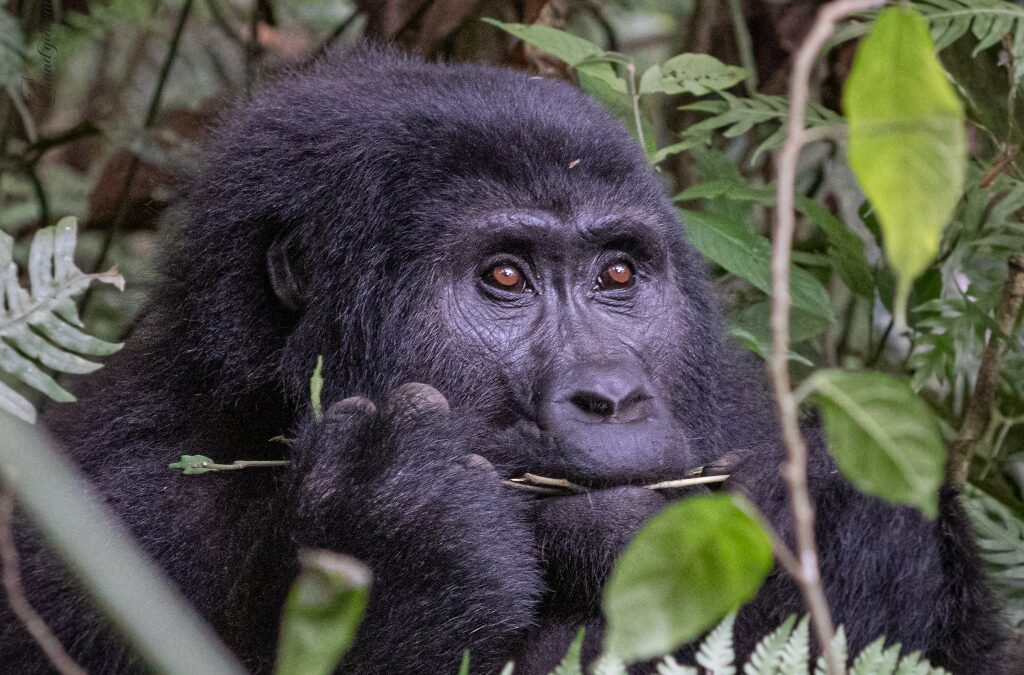
Mgahinga or Bwindi Which is better for Gorilla Trekking. Mgahinga or Bwindi, which is better for gorilla trekking? It is one of the most common questions we hear from travellers planning a gorilla safari in Uganda, and it is a great question to ask, because the two parks offer genuinely different experiences. Both protect endangered mountain gorillas, both are in southwestern Uganda close to the Rwandan border, and both use the same Uganda Wildlife Authority permit. Yet one is a vast, ancient rainforest with dozens of gorilla families, while the other is a small, dramatic volcanic park with a single famous family and a host of other adventures.
In this detailed comparison, the team at Pick and Transfer Safaris, based right here in Kisoro between the two parks, breaks down everything you need to know: permit costs, gorilla families, trekking difficulty, scenery, access from Kigali and Kampala, accommodation, extra activities and which park suits which type of traveller. By the end, you will know exactly which park is the right choice for your gorilla trekking adventure.
Mgahinga or Bwindi: The Quick Answer
If you want the short version, here it is:
- Choose Bwindi if you want the widest choice of gorilla families, the best chance of securing a permit on your preferred date, the option of the Gorilla Habituation Experience, a large range of lodges, or the chance to trek more than once.
- Choose Mgahinga if you want a quieter, more exclusive experience, spectacular volcano scenery, the opportunity to combine gorillas with golden monkey tracking and volcano hiking, and the shortest drive from Kigali.
Neither park is objectively “better.” The best choice depends on your priorities, your schedule, your fitness and where you are starting from. The rest of this guide will help you decide with confidence.
An Introduction to Bwindi Impenetrable National Park
Bwindi Impenetrable National Park is Uganda’s most famous gorilla destination and one of the most important primate habitats on earth. Covering roughly 331 square kilometres of steep, forested hills and valleys, Bwindi is one of Africa’s oldest rainforests, having survived the last Ice Age while many other forests disappeared. Its biodiversity is extraordinary, and it was declared a UNESCO World Heritage Site in 1994.
Bwindi is home to around half of the world’s mountain gorillas. The rest live in the Virunga Massif, which Mgahinga shares with Rwanda and DR Congo. Bwindi has more habituated gorilla families than any other park in Africa, spread across four trekking sectors:
- Buhoma in the north, the park’s original trekking sector and home to its first habituated family.
- Ruhija in the east, the highest sector and a favourite with birdwatchers.
- Rushaga in the south, which has the most gorilla families and hosts the Gorilla Habituation Experience.
- Nkuringo in the southwest, known for steep terrain and stunning views towards the Virunga volcanoes.
The name “Impenetrable” is well earned. The forest is dense, tangled and hilly, with thick undergrowth, vines and ferns covering steep slopes. Trekking here is a true jungle adventure, often requiring guides to cut a path through the vegetation with machetes as you follow the gorillas.
An Introduction to Mgahinga Gorilla National Park
Mgahinga Gorilla National Park is Uganda’s smallest national park, covering about 33.7 square kilometres in the far southwestern corner of the country. It forms the Ugandan part of the Virunga Conservation Area, a transboundary ecosystem that includes Rwanda’s Volcanoes National Park and DR Congo’s Virunga National Park. The park’s motto, “Where Gold Meets Silver,” refers to its two star primates: the golden monkey and the silverback gorilla.
Mgahinga is dominated by three extinct volcanoes: Muhabura (about 4,127 metres), Gahinga (about 3,474 metres) and Sabyinyo (about 3,669 metres). Their slopes are covered with montane forest, bamboo, and Afro-alpine vegetation including giant lobelias and groundsels. The scenery is some of the most dramatic in East Africa, with sweeping views across Uganda, Rwanda and DR Congo on clear days.
For gorilla trekking, Mgahinga is centred on one main habituated family, the famous Nyakagezi group. Occasionally, other gorilla families wander across the border from Rwanda into the park, but Nyakagezi is the family that visitors reliably trek.
Gorilla Permit Costs: Mgahinga vs Bwindi
Good news for budget planners: the gorilla trekking permit price is the same in both parks because both are managed by the Uganda Wildlife Authority (UWA). In 2026, the standard permit costs US$800 per person for foreign non-residents, with a discounted rate of around US$600 during the low-season months of April, May and November. Foreign residents and East African citizens pay lower rates.
That makes both Ugandan parks significantly more affordable than Rwanda, where a permit for Volcanoes National Park costs US$1,500. For many travellers, this price difference is the main reason for trekking in Uganda. It is also why so many visitors fly into Kigali and cross into Uganda for their trek, as we explain in our guide to Uganda gorilla safaris starting from Rwanda.
Bwindi also offers the Gorilla Habituation Experience in the Rushaga sector, where a small group spends up to four hours with a gorilla family that is still being habituated to people. This permit costs considerably more than a standard trekking permit and is available only in Bwindi, not in Mgahinga.
Number of Gorilla Families and Permit Availability
This is the single biggest difference between the two parks, and it has real practical consequences for your trip.
Bwindi has well over 20 habituated gorilla families available for tourism across its four sectors. Each family can be visited by a maximum of eight people per day, which means Bwindi offers a large number of daily permits. As a result, it is usually much easier to secure a permit in Bwindi on the date you want, even in busy months.
Mgahinga has only one reliably trekked family, so only eight permits are available per day. In the peak seasons of June to September and December to February, these permits can sell out many months in advance. On the positive side, the small number of visitors gives Mgahinga an exclusive, uncrowded atmosphere, and you are unlikely to see other trekking groups on the mountain.
Historically, the Nyakagezi family was known for crossing into Rwanda and DR Congo, which occasionally made treks unpredictable. In recent years, the family has settled much more consistently on the Ugandan side, and sightings are now very reliable. Even so, booking Mgahinga well in advance, through an operator who monitors the family’s movements, is always a smart idea.
Meet the Gorilla Families
Mgahinga’s Nyakagezi family is one of the most admired gorilla groups in the region. It is led by a dominant silverback and is notable for having several silverbacks living together peacefully, which is unusual in gorilla society. The family includes adult females, juveniles and infants, and it is known for being calm and relaxed around visitors. Because trekkers visit only this one family, guides know its members intimately and share rich stories about their personalities and history.
Bwindi’s families are spread across the park, and each has its own character. In Buhoma, the Mubare family was the first to be habituated for tourism in Uganda in the early 1990s, and nearby families such as Habinyanja and Rushegura are also popular. Ruhija’s families include Bitukura and Oruzogo, while Rushaga has the largest selection, including Nshongi, Mishaya, Kahungye and Busingye. In Nkuringo, the Nkuringo family is famous for its dramatic terrain. The sheer variety means every trek in Bwindi feels slightly different, and repeat visitors often trek in more than one sector.
Trekking Difficulty and Terrain
Both parks involve physical effort, and both require a reasonable level of fitness, but the character of the hike is different.
In Bwindi, the terrain is steep, muddy and densely vegetated. Trails may climb and descend several ridges, and progress can be slow through tangled undergrowth. Trek times vary widely depending on the sector and the family’s location, ranging from under an hour to six hours or more for the round trip. Nkuringo and Rushaga are often considered the most demanding sectors, while some Buhoma and Ruhija families can involve gentler walks. Altitude in Bwindi ranges from roughly 1,160 to 2,600 metres.
In Mgahinga, the trek takes place on volcanic slopes at higher altitude, generally starting above 2,300 metres. The vegetation is more open, with bamboo forest and montane woodland rather than thick jungle, which can make walking feel easier despite the altitude. However, the air is thinner, and some sections are steep. Treks typically last between two and five hours in total, depending on where Nyakagezi is feeding.
In both parks, you can hire a porter to carry your bag and help you on difficult sections. We highly recommend doing so; it makes the day more comfortable and provides valuable income for local families.
What Trekking Day Looks Like in Each Park
The rhythm of trekking day is similar in both parks, but the details differ in ways that are worth knowing before you choose.
In Mgahinga, you will usually drive about 30 minutes from Kisoro to the Ntebeko park headquarters at the foot of Gahinga and Muhabura, arriving around 7:30 am. Because only one family is trekked, there is just one small group of up to eight visitors, so the briefing feels personal and relaxed. After the briefing, you set off across the old farmland at the park boundary, climb past the stone wall that marks the park edge, and enter the bamboo zone. Trackers who left at dawn guide your group towards Nyakagezi, and once you reach the family you enjoy your hour among the bamboo with the volcanoes towering above. Most groups are back at headquarters by early afternoon, leaving plenty of time for a Batwa Trail walk, a visit to Lake Mutanda or simply relaxing with a view of the peaks.
In Bwindi, the morning starts at your sector’s briefing point, where several groups gather at once, each assigned to a different family. Rangers match families to visitors according to fitness, so the briefing is also your chance to speak up if you would prefer a shorter walk. From there, some groups walk straight into the forest from the briefing point, while others drive to a trailhead first. The trek is typically slower and more intimate, weaving along narrow paths, crossing streams and climbing forested ridges before you catch the first glimpse of dark fur in the undergrowth. Return times vary widely, from late morning to late afternoon, depending on the family you visit.
In both parks, you will receive an official gorilla trekking certificate at the end of the day, a treasured souvenir of your encounter.
Scenery and Landscape
If scenery matters to you, both parks will take your breath away, but in very different ways.
Bwindi is a classic tropical rainforest. Mist hangs in the valleys each morning, giant tree ferns rise from the forest floor, and the canopy echoes with birdsong and the calls of monkeys. Standing on a ridge in the early morning, looking over layer after layer of forested hills fading into the mist, is an unforgettable sight. The atmosphere is intimate, green and mysterious.
Mgahinga is all about the volcanoes. The towering cones of Muhabura, Gahinga and Sabyinyo dominate every view, and the landscape shifts from farmland to bamboo to Afro-alpine moorland as you climb. The panoramic views across three countries, the crater lakes and the dramatic skies make Mgahinga a photographer’s dream.
For a first-hand sense of how the terrain feels on each side of the border, Kenlink Tours shares a vivid account of what it’s like to trek gorillas in Uganda and Rwanda.
Getting There: Access from Kigali
For many travellers, especially those flying into Rwanda, access is the deciding factor. Here, Mgahinga has a clear advantage.
Mgahinga sits only a short drive from the Cyanika border crossing between Rwanda and Uganda. From Kigali, you can reach Kisoro town, the gateway to Mgahinga, in around three hours including border formalities. This makes Mgahinga the closest Ugandan gorilla park to Kigali and the ideal choice for very short trips. It is the park behind our 1 Day Uganda Gorilla Safari Starting from Kigali, a remarkably efficient way to see gorillas at Uganda permit prices.
Bwindi’s southern sectors, Rushaga and Nkuringo, are also easily reached from Kigali, usually in around four to five hours via Kisoro or the Katuna border. That makes them perfect for trips like our 2 Days Uganda Gorilla Tour Starting from Kigali and 3 Days Uganda Gorilla Safari from Rwanda. Kenlink Tours runs similar itineraries, such as the 2 Days Rwanda to Uganda Gorilla Trekking Safari and the 3 Days Bwindi Gorilla Safari Starting from Kigali.
Bwindi’s northern sectors, Buhoma and Ruhija, are farther from Kigali, typically requiring a full day’s drive. They are better suited to travellers exploring Uganda from Kampala or combining gorillas with Queen Elizabeth National Park.
Getting There: Access from Kampala and Entebbe
If you are starting your safari in Uganda, both parks are a long drive from Kampala and Entebbe, generally eight to ten hours by road. Many travellers break the journey with a night at Lake Mburo National Park or combine the drive with other parks along the way.
For those short on time, scheduled domestic flights connect Entebbe with airstrips near both parks. Kisoro airstrip serves Mgahinga and Bwindi’s southern sectors, while Kihihi airstrip is convenient for Buhoma. Flights take around one and a half to two hours and save a full day of driving.
Many travellers now choose to fly into Kigali and out of Entebbe (or the reverse), travelling overland through both countries without backtracking. Read our guide on beginning your tour at Kigali Airport and ending at Entebbe Airport to see how this route works.
Accommodation Options Near Each Park
Bwindi has by far the largest range of accommodation in Uganda’s gorilla region. Each of the four sectors has its own selection of lodges, from simple community-run guesthouses and budget bandas to mid-range lodges and luxurious forest retreats with private cottages overlooking the jungle. Staying in the same sector as your gorilla family is important, as the drive between sectors can take several hours.
Mgahinga has fewer lodges immediately next to the park, but the nearby town of Kisoro offers a good range of hotels and guesthouses, many with superb volcano views. Kisoro is just 30 minutes or so from the park headquarters, and it also serves as a convenient base for Bwindi’s southern sectors. One popular choice is covered in our in-depth guide to Ikoro Hotel in Kisoro, a comfortable base with views of the Virunga volcanoes.
What Else Can You Do in Mgahinga?
One of Mgahinga’s greatest strengths is the variety of activities packed into such a small park. If you have an extra day or two, you can enjoy:
- Golden monkey tracking: Mgahinga is the only place in Uganda where you can track the endangered golden monkey, a striking primate with orange-gold fur that bounces through the bamboo zone. Kenlink Tours compares the experience on both sides of the border in its guide to golden monkey tracking.
- Volcano hiking: Climb Muhabura for a crater lake at the summit, Gahinga for a swampy crater, or Sabyinyo for the thrill of standing in Uganda, Rwanda and DR Congo at the same time.
- The Batwa Trail: Walk with Batwa guides, the forest’s original inhabitants, who share traditional hunting skills, medicinal plant knowledge and the sacred Garama Cave.
- Birdwatching: Look for Albertine Rift endemics such as the Rwenzori turaco and Rwenzori double-collared sunbird.
- Lake Mutanda: Relax with a canoe trip on one of Uganda’s most beautiful lakes, just outside Kisoro.
Combining gorillas and golden monkeys is a hugely popular pairing. Kenlink’s 4-Day Rwanda-Uganda Golden Monkey and Gorilla Trekking tour is a good example of how smoothly the two activities fit together.
What Else Can You Do in Bwindi?
Bwindi’s activities focus on the forest and its people. Beyond gorilla trekking, you can enjoy:
- The Gorilla Habituation Experience: Spend up to four hours with a family being prepared for tourism, alongside researchers and trackers (Rushaga sector).
- Nature walks: Explore waterfalls, rivers and forest trails, including the Munyaga River Trail and the Buhoma-Nkuringo trail.
- World-class birding: Bwindi is home to around 350 bird species, including many Albertine Rift endemics, and the Mubwindi Swamp in Ruhija is famous for the rare African green broadbill.
- Batwa cultural experiences: Visit Batwa communities near Buhoma and learn about their traditional forest life.
- Community walks: Meet local farmers, healers, tea growers and craftspeople, and learn about village life.
- Other primates: Look out for L’Hoest’s monkeys, black-and-white colobus, red-tailed monkeys and blue monkeys.
If you are wondering how to spend the rest of your time after trekking, our guide to what to do after a gorilla tour in Bwindi is full of ideas, from half-day activities to multi-day extensions.
How Much Does a Full Gorilla Trip Cost in Each Park?
Since the permit price is identical in Mgahinga and Bwindi, the total cost of your trip depends mostly on transport, accommodation and the length of your itinerary.
Transport: Starting from Kigali is usually the cheapest way to reach either park, because the drive is short. Mgahinga and Bwindi’s southern sectors are reachable in a few hours, which means fewer nights and lower vehicle costs than a road trip from Kampala. From Entebbe or Kampala, you will either drive for a full day each way or pay for domestic flights to Kisoro or Kihihi.
Accommodation: Bwindi offers the widest range, from budget community guesthouses to high-end luxury lodges, so it suits every budget. Mgahinga travellers typically stay in Kisoro, where comfortable, good-value hotels keep costs down, with a handful of upmarket options closer to the park.
Trip length: A short gorilla trip from Kigali can be completed in one to three days, keeping costs low. Longer safaris that add chimpanzees, savannah parks or cultural experiences naturally cost more but offer far greater variety. Kenlink’s 4 Days Uganda Cultural and Gorilla Tour shows how a few extra days can add community experiences to your gorilla trek. Independent travellers who plan to drive themselves between parks can compare options through Kenlink’s 4×4 car hire, though a driver-guide is strongly recommended on the steep roads around Kisoro and Bwindi.
For an accurate price, share your dates, group size and preferred comfort level with our team, and we will send you a tailored quote for either park.
Mgahinga or Bwindi for Photography
Photographers often ask which park offers better conditions. In Bwindi, the dense forest can make light dim and backgrounds cluttered, but it also creates moody, atmospheric images. In Mgahinga, the gorillas are often found in more open bamboo and montane vegetation, which can provide better light and cleaner backgrounds. Mgahinga’s volcanic landscapes also offer superb scenic photography before and after the trek.
In both parks, flash photography is prohibited. Bring a fast lens, raise your ISO, and prepare your camera settings before reaching the gorillas, since your one hour passes quickly.
Mgahinga or Bwindi for Families, Older Travellers and First-Timers
First-time trekkers will be thrilled with either park. If your dates are fixed and you are booking closer to departure, Bwindi’s permit availability gives you more flexibility.
Older travellers or those with limited fitness often find Bwindi’s larger choice of families helpful, because rangers can sometimes assign a family that is closer to the trailhead. That said, Mgahinga’s more open terrain suits some travellers well, and porters are available in both parks. In either park, tell the rangers about your fitness level on the morning of the trek.
Families with teenagers (the minimum age for gorilla trekking in Uganda is 15) will enjoy Mgahinga’s variety of activities, such as golden monkey tracking and the Batwa Trail, while younger children who cannot trek can join nature walks and cultural visits in both areas.
Mgahinga or Bwindi for Short Trips from Rwanda
If you are flying into Kigali and have only one or two days, Mgahinga and Bwindi’s southern sectors are your best options. Mgahinga offers the shortest drive and is ideal for a single-day trip. Rushaga and Nkuringo offer greater permit availability and more gorilla families while still being reachable within a few hours.
In practice, many short itineraries are designed to be flexible: your operator books whichever park has permits available on your dates, and arranges transport accordingly. This is exactly how we plan our Kigali-based trips, and it is how Kenlink Tours structures its 5-Day Gorilla Trekking Safari from Kigali to Uganda.
If you would prefer to stay entirely in Rwanda, our 2 Days Volcanoes Gorilla Trek from Kigali takes you to Volcanoes National Park, which shares the same Virunga ecosystem as Mgahinga, though at a higher permit cost.
Mgahinga or Bwindi for Longer Uganda Safaris
If you are planning a longer journey through Uganda, Bwindi tends to fit more naturally into classic safari routes. Buhoma and Ruhija connect easily with Queen Elizabeth National Park, famous for tree-climbing lions and boat safaris on the Kazinga Channel, and with Kibale Forest National Park, the primate capital of the world, where you can track chimpanzees.
Our 5 Days Uganda Gorilla and Chimps Safari Starting from Rwanda and 5 Day Uganda Gorilla and Chimpanzee Safari combine Bwindi with Kibale for two unforgettable primate encounters. Kenlink Tours offers a comparable 7 Days Gorilla and Wildlife Safari in Uganda that adds savannah game drives.
Mgahinga fits beautifully at the start or end of a longer trip that crosses between Uganda and Rwanda. For a full two-country adventure, our 10 Days Uganda Rwanda Safari links gorillas, chimpanzees, savannah wildlife and culture in both countries.
Can You Trek in Both Mgahinga and Bwindi?
Absolutely, and it is a fantastic option for gorilla lovers. Because Mgahinga and Bwindi’s southern sectors are both close to Kisoro, you can trek Nyakagezi in Mgahinga one day and a Rushaga or Nkuringo family in Bwindi the next. Each experience feels completely different: volcanic slopes and bamboo in one, dense rainforest in the other.
Many travellers also combine one trek in Uganda with another in Rwanda for a “double gorilla” safari. Trekking in two parks or two countries doubles your time with the gorillas and gives you a richer understanding of how the species lives in different habitats. Our 3 Days Uganda Gorilla Safari can be extended with a second trek on request.
Best Time for Gorilla Trekking in Mgahinga and Bwindi
Gorilla trekking is available year-round in both parks, but the seasons affect trail conditions:
Dry seasons (June to September and December to February): Drier trails, easier hiking and better photography conditions. These are the busiest months, and Mgahinga’s limited permits sell out fastest during this time.
Wet seasons (March to May and October to November): Heavier rainfall makes trails muddy and slippery, particularly in Bwindi’s steep terrain. However, the forests are lush, visitor numbers are lower, and discounted permits of around US$600 apply in April, May and November, making this a great time for budget travellers.
Both parks can be cold in the early mornings, especially Mgahinga because of its altitude, so pack warm layers whatever the season.
What to Pack for Gorilla Trekking in Either Park
- Waterproof hiking boots with good grip, already broken in.
- Long trousers and long-sleeved shirts in neutral colours.
- Garden gloves to protect your hands from nettles and thorns.
- A waterproof rain jacket.
- A warm fleece, particularly for Mgahinga’s cool mornings.
- Gaiters or long socks to keep out mud and ants.
- A small waterproof daypack with water, snacks and your packed lunch.
- Sunscreen, sunglasses and a hat.
- Insect repellent.
- A camera with spare batteries, flash turned off.
- A face mask, as rangers may ask you to wear one near the gorillas.
- Your passport and permit details for check-in at the park headquarters.
- Cash for porter fees, tips and souvenirs.
Gorilla Trekking Rules in Uganda
The rules are the same in both parks and are designed to protect the gorillas and keep visitors safe:
- Minimum trekking age is 15 years.
- Do not trek if you are unwell, as gorillas are highly vulnerable to human diseases.
- Keep at least 7 metres away from the gorillas.
- Your visit is limited to one hour with the family.
- Maximum group size is eight visitors per family per day.
- Speak quietly and avoid sudden movements.
- No flash photography.
- No eating, drinking or smoking near the gorillas.
- Carry all rubbish out of the park.
- If a gorilla charges, crouch down calmly, avoid eye contact and follow your guide. Never run.
Conservation and Community Impact
Whichever park you choose, your permit fee makes a real difference. A portion of every gorilla permit sold in Uganda goes to communities living around the parks, funding schools, health centres, clean water and roads. Permit revenue also pays for rangers, trackers and veterinary care that protect the gorillas from poaching, disease and habitat loss.
Both Mgahinga and Bwindi have close ties with the Batwa, the forest’s original inhabitants, who were relocated when the parks were created. Visiting Batwa-led cultural experiences, buying locally made crafts and hiring porters are simple ways to ensure your visit benefits local people directly. At Pick and Transfer Safaris, a share of our proceeds also supports community projects in the Kigezi region through the Kigezi Foundation.
Mgahinga vs Bwindi: Side-by-Side Summary
- Size: Mgahinga about 33.7 km²; Bwindi about 331 km².
- Habituated gorilla families: Mgahinga has one main family (Nyakagezi); Bwindi has well over 20.
- Daily permits: Mgahinga has 8; Bwindi has many times more.
- Permit price: Same in both parks, US$800 (around US$600 in April, May and November).
- Habituation Experience: Bwindi only.
- Terrain: Mgahinga has volcanic slopes and bamboo; Bwindi has dense, steep rainforest.
- Altitude: Mgahinga is higher; Bwindi is lower but often steeper.
- Distance from Kigali: Mgahinga is closest; Bwindi’s southern sectors are close behind.
- Other highlights: Mgahinga offers golden monkeys, volcano hikes and the Batwa Trail; Bwindi offers birding, nature walks and community tours.
- Crowds: Mgahinga is quieter and more exclusive; Bwindi is busier but still well managed.
Our Verdict: Mgahinga or Bwindi?
So, Mgahinga or Bwindi? Here is how we advise our own clients:
Choose Mgahinga if you are starting from Kigali and want the quickest access, you love volcano scenery, you want an exclusive, uncrowded trek, you want to add golden monkeys or a volcano climb, and you are booking well in advance.
Choose Bwindi if you want the greatest choice of gorilla families and the best permit availability, you are interested in the Gorilla Habituation Experience, you want to combine gorillas with Queen Elizabeth or Kibale, you love birding and rainforest walks, or your travel dates are close or inflexible.
And if you cannot decide? Do both. Kisoro sits between the two parks, making it easy to trek Mgahinga and Bwindi on consecutive days. Explore more itinerary ideas in Kenlink’s guide to Uganda and Rwanda gorilla safaris and its 3-Day Uganda Gorillas Safari, or browse Kenlink’s overview of Uganda’s national parks.
Why Book with Pick and Transfer Safaris?
Our office is located on the Kabale-Kisoro Road, right in the heart of Uganda’s gorilla country, just minutes from Mgahinga and within easy reach of Bwindi’s southern sectors. That local presence gives our clients real advantages:
- Up-to-date knowledge of gorilla family movements and permit availability in both parks.
- Official permit booking through the Uganda Wildlife Authority.
- Seamless cross-border transfers from Kigali via Cyanika or Katuna.
- Comfortable private 4×4 vehicles with experienced driver-guides.
- Flexible itineraries that can switch between Mgahinga and Bwindi depending on availability.
- Affordable, transparent pricing designed to make gorilla trekking accessible to more travellers.
Browse all of our Uganda and Rwanda safaris, discover more East African destinations, or combine your gorilla trek with our 3 Days Chimpanzee Tour in Uganda.
Frequently Asked Questions: Mgahinga or Bwindi
Is Mgahinga or Bwindi better for gorilla trekking?
Both are excellent. Bwindi offers more gorilla families and better permit availability, while Mgahinga offers an exclusive trek, volcano scenery, golden monkeys and the shortest drive from Kigali.
Are gorilla permits cheaper in Mgahinga than in Bwindi?
No. The permit price is the same in both parks: US$800 for foreign non-residents in 2026, with a discounted rate of around US$600 in April, May and November.
How many gorilla families are in Mgahinga?
Mgahinga has one main habituated family available for trekking, the Nyakagezi group.
How many gorilla families are in Bwindi?
Bwindi has well over 20 habituated gorilla families across its four sectors: Buhoma, Ruhija, Rushaga and Nkuringo.
Which park is closer to Kigali?
Mgahinga is the closest, about three hours from Kigali via the Cyanika border. Bwindi’s southern sectors are around four to five hours away.
Which park is easier to trek?
It depends on where the gorillas are. Mgahinga’s terrain is more open but at higher altitude, while Bwindi is lower but often steeper and denser.
Can I do the Gorilla Habituation Experience in Mgahinga?
No. The Gorilla Habituation Experience is only offered in Bwindi’s Rushaga sector.
Can I see golden monkeys in Bwindi?
No. In Uganda, golden monkeys are found only in Mgahinga Gorilla National Park.
Can I trek in both Mgahinga and Bwindi on the same trip?
Yes. Kisoro sits between the two parks, making it easy to trek in Mgahinga and Bwindi’s southern sectors on consecutive days.
How far in advance should I book?
Book as early as possible, ideally three to six months ahead, and even earlier for Mgahinga in peak season, since it has only eight permits per day.
Mgahinga or Bwindi Which is better for Gorilla Trekking
Whether you choose the volcanic drama of Mgahinga or the ancient rainforest of Bwindi, you are in for one of the most extraordinary wildlife encounters on earth. Both parks offer a precious hour with endangered mountain gorillas at a fraction of Rwanda’s permit cost, and both support conservation and local communities with every visit. The right choice simply depends on your time, budget, starting point and interests.
Still unsure whether Mgahinga or Bwindi is right for you? Let our Kisoro-based team help. Contact Pick and Transfer Safaris today with your travel dates and group size, and we will check permit availability in both parks and send you a free, no-obligation quote.
7 Days Uganda Safari – One week tour
This 7-day itinerary is the classic one-week introduction to Uganda, covering the country’s three most iconic wildlife experiences: chimpanzee tracking in Kibale Forest National Park, Big Five game drives and a boat cruise in Queen
Tour Details →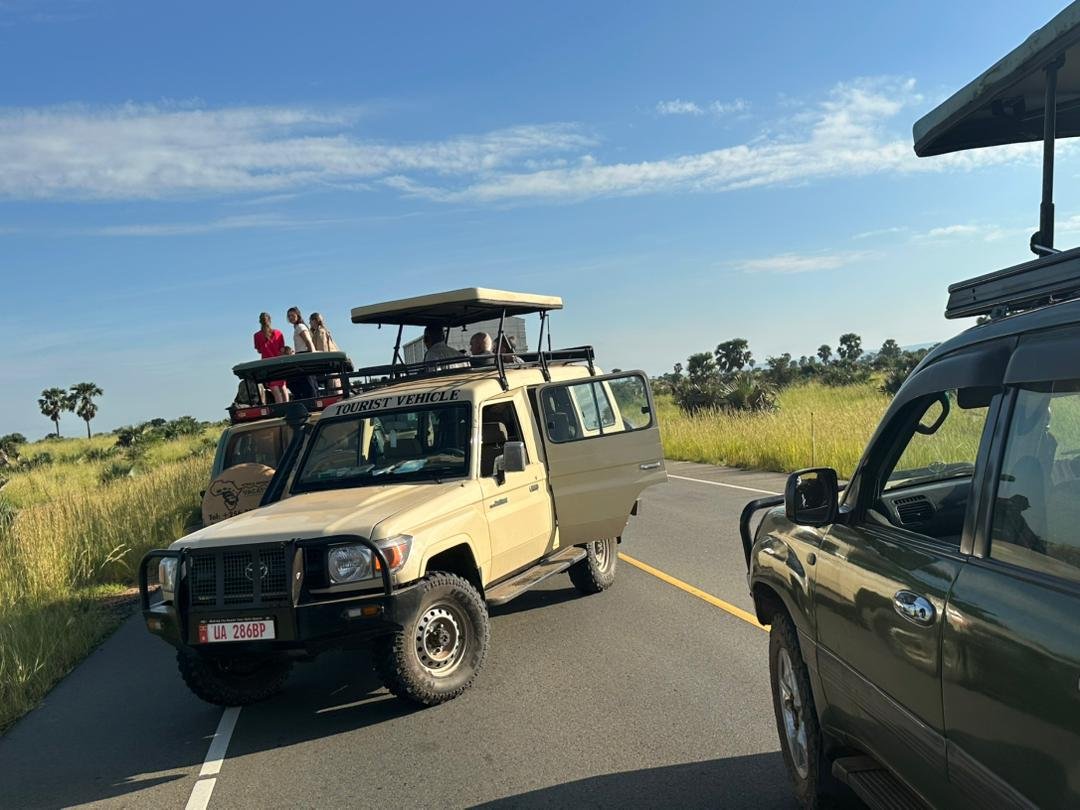
10 Days Uganda Primates and Wildlife
This 10-day Uganda Grand Safari is the most complete Uganda itinerary we offer at Pick and Transfer Safaris. It begins with a scenic northward drive from Entebbe to the vast open plains of Murchison
Tour Details →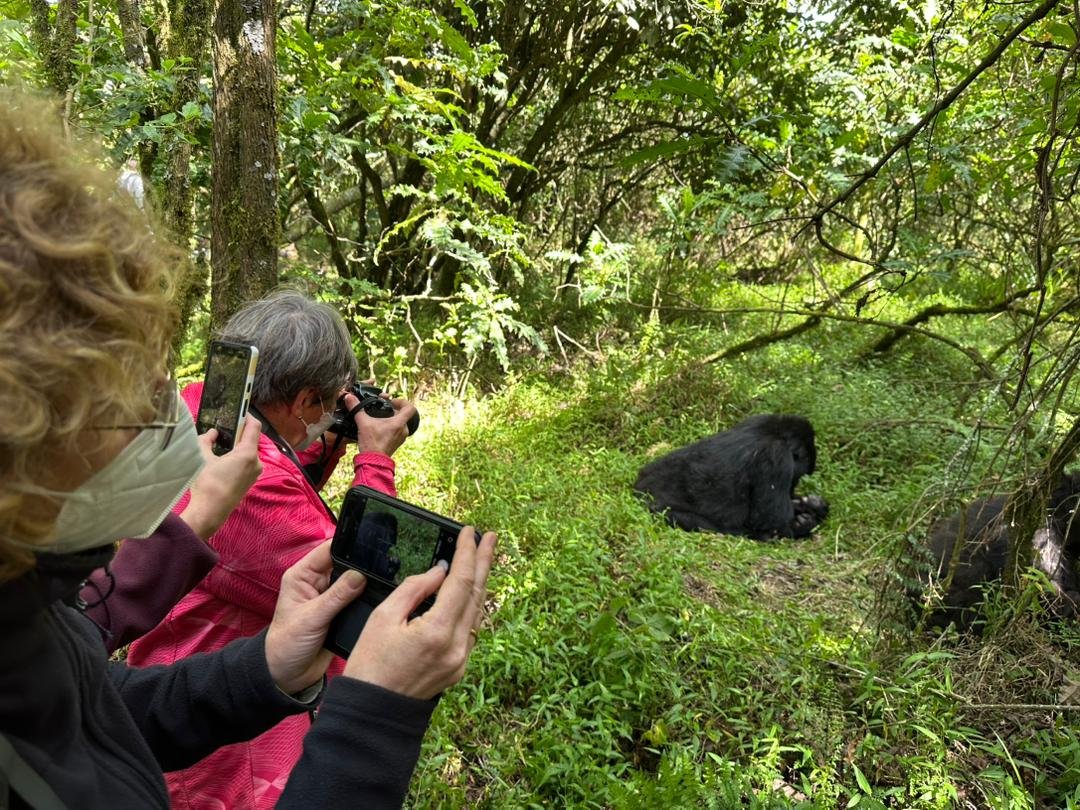
2 Days Uganda Gorilla Tour Starting from Kigali
This is the gentler cousin of our 1-Day Uganda Gorilla Safari Starting from Kigali — same idea, twice the breathing room. Instead of squeezing a 3,000-metre forest trek and two border crossings into a single very long day
Tour Details →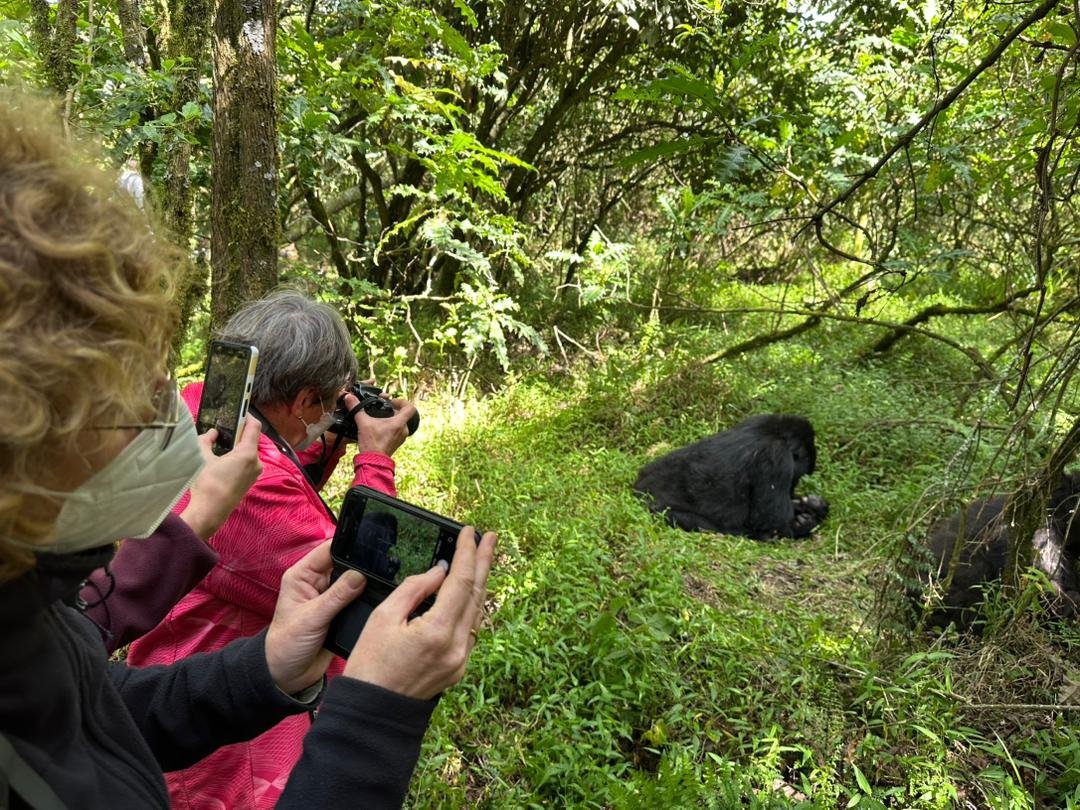
5-Day Uganda Gorilla and Chimpanzee Safari
This itinerary can be combined with a Rwanda extension or a wildlife-focused add-on through Queen Elizabeth National Park — browse our Uganda & Rwanda Safaris and Primate Safaris collections for ideas.
Tour Details →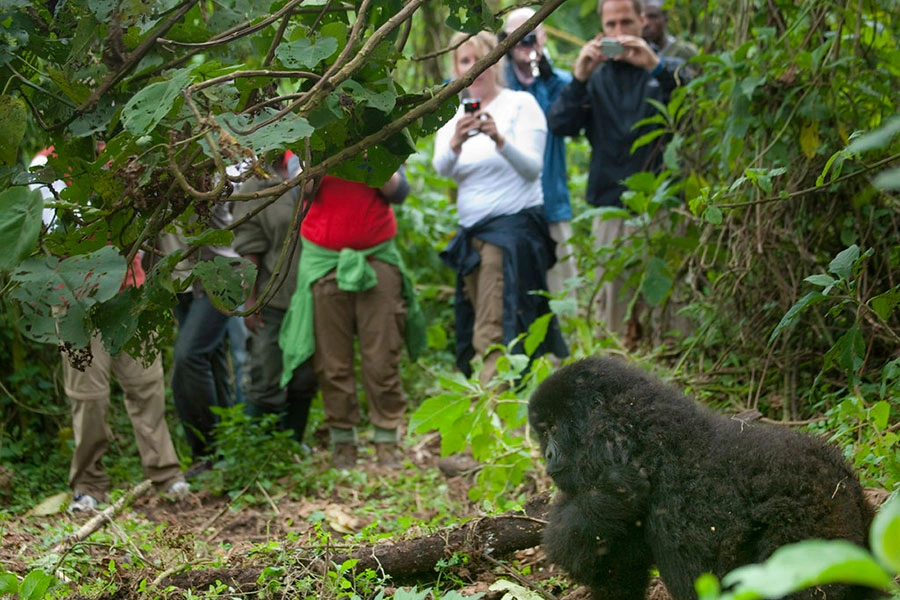
5 Days Rwanda Wildlife and Gorillas
This 5-day itinerary brings together Rwanda’s two flagship wildlife experiences: open savannah game drives and a boat safari in Akagera National Park, followed by a face-to-face encounters
Tour Details →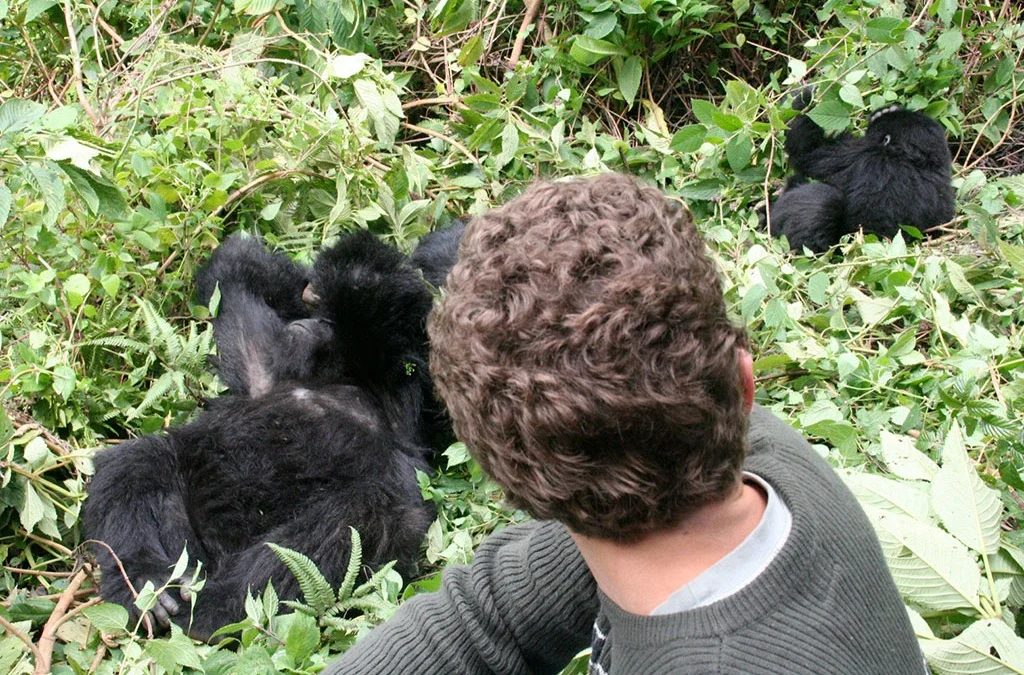
3 Days Uganda Gorilla Safari
For travelers who arrive in Entebbe with a tight schedule and a clear ambition, a 3-day gorilla safari to Bwindi Impenetrable Forest National Park is the most focused and rewarding short trip the country has to offer.
Tour Details →