- LET'S PLAN YOUR SAFARI
- +256 200 921 002
- +256 793 194 703
- info@pickandtransfersafaris.com

One Day Bwindi Gorilla Trek Starting from Kigali
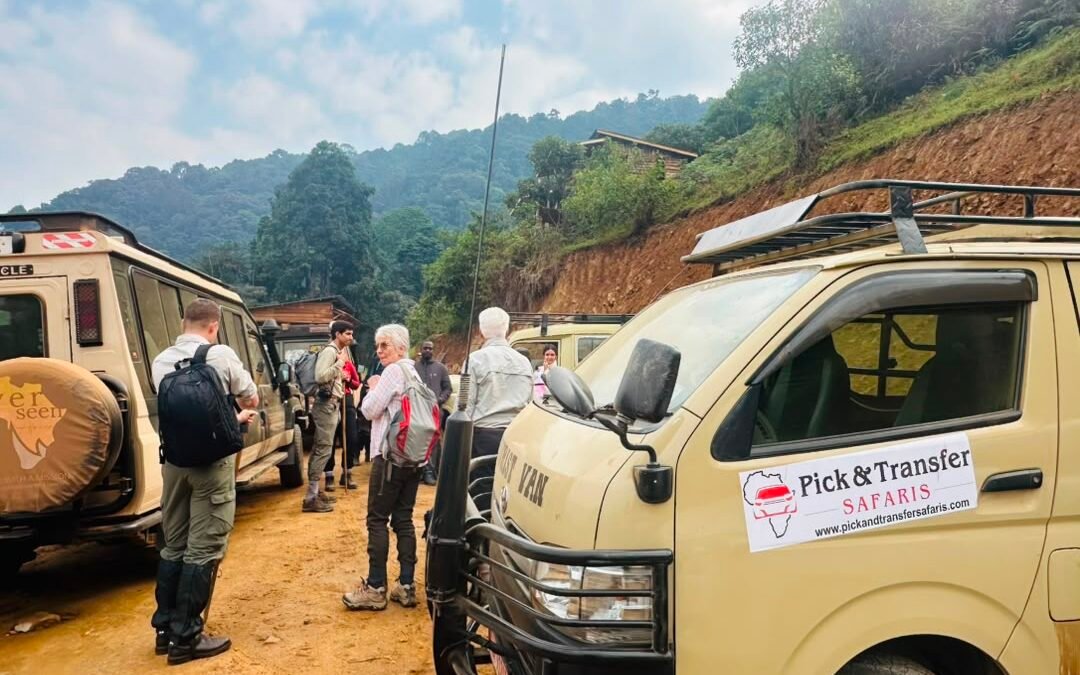
One Day Bwindi Gorilla Trek Starting from Kigali. Bwindi Impenetrable Forest is home to roughly half of the world’s remaining mountain gorillas, spread across four separate trekking sectors. For travellers based in Kigali with only one day to spare, reaching it and back in a single day is a real, well-tested itinerary, provided you know exactly which part of Bwindi to aim for. This guide focuses specifically on what it takes to trek gorillas in Bwindi — as distinct from Uganda’s smaller Mgahinga Gorilla National Park — and return to Kigali the same day.
The choice of the One Day Bwindi Gorilla Trek Starting from Kigali is perfect for those limited on time but eager to experience the beauty of Uganda’s nature.
As you prepare for your journey, remember that the One Day Bwindi Gorilla Trek Starting from Kigali requires good physical fitness and a spirit of adventure.
Whether you are an experienced trekker or a first-timer, the One Day Bwindi Gorilla Trek Starting from Kigali offers a unique opportunity to witness the majestic mountain gorillas in their natural habitat.
For those eager to embark on a memorable journey, the One Day Bwindi Gorilla Trek Starting from Kigali is an adventure that immerses you in the heart of Uganda’s wildlife.
For those eager to embark on a memorable journey, the One Day Bwindi Gorilla Trek Starting from Kigali is an adventure that immerses you in the heart of Uganda’s wildlife.
Whether you are an experienced trekker or a first-timer, the One Day Bwindi Gorilla Trek Starting from Kigali offers a unique opportunity to witness the majestic mountain gorillas in their natural habitat.
As you prepare for your journey, remember that the One Day Bwindi Gorilla Trek Starting from Kigali requires good physical fitness and a spirit of adventure.
The choice of the One Day Bwindi Gorilla Trek Starting from Kigali is perfect for those limited on time but eager to experience the beauty of Uganda’s nature.
Because Bwindi’s four sectors sit at very different distances from Rwanda’s border, this guide narrows in on the two that actually make a one-day Bwindi trip possible: Rushaga and Nkuringo, both in the park’s south.
At Pick and Transfer Safaris, our One Day Uganda Gorilla Safari Starting from Kigali routes through exactly these sectors, and this guide walks through the full logistics, timing, and decision-making involved in doing it well. You can browse every itinerary length side by side, from this same-day option to a full week, on our Gorilla Safaris page or our broader Our Safaris overview.
Many travelers consider the One Day Bwindi Gorilla Trek Starting from Kigali as a highlight of their visit to East Africa.
In conclusion, the One Day Bwindi Gorilla Trek Starting from Kigali is not just a trip; it’s an unforgettable experience.
Let the One Day Bwindi Gorilla Trek Starting from Kigali be the adventure that connects you with nature and wildlife.
Join us for the One Day Bwindi Gorilla Trek Starting from Kigali and create lasting memories with these gentle giants.
The excitement of the One Day Bwindi Gorilla Trek Starting from Kigali will leave you in awe of nature’s wonders.
Embark on the One Day Bwindi Gorilla Trek Starting from Kigali and experience the thrill of seeing mountain gorillas up close.
The One Day Bwindi Gorilla Trek Starting from Kigali is a chance to explore one of the most biodiverse areas in the world.
If you’re weighing Bwindi specifically against Mgahinga for your one-day trip, or you’ve already decided on Bwindi and want to know exactly how the day unfolds, this guide is written to answer both — starting with why Bwindi draws so many travellers away from the shorter Mgahinga alternative in the first place. For an independent perspective on Uganda’s gorilla parks generally, Kenlink Tours also publish a useful overview worth reading alongside this guide.
For the best trekking experience, consider the One Day Bwindi Gorilla Trek Starting from Kigali for your travel plans.
Experience the thrill of the One Day Bwindi Gorilla Trek Starting from Kigali, where adventure awaits.
The One Day Bwindi Gorilla Trek Starting from Kigali is more than just a trek; it’s an encounter with nature.
The memories created during the One Day Bwindi Gorilla Trek Starting from Kigali will last a lifetime.
Make your journey memorable with the One Day Bwindi Gorilla Trek Starting from Kigali.
Join the adventure of the One Day Bwindi Gorilla Trek Starting from Kigali for an extraordinary experience.
The One Day Bwindi Gorilla Trek Starting from Kigali promises not just gorillas, but an experience of a lifetime.
Be part of this thrilling expedition with the One Day Bwindi Gorilla Trek Starting from Kigali.
Why “Bwindi” Specifically, Rather Than Any Uganda Gorilla Park
Don’t miss out on the One Day Bwindi Gorilla Trek Starting from Kigali, a unique wildlife adventure.
Witness the beauty of nature with the One Day Bwindi Gorilla Trek Starting from Kigali.
The thrill of the One Day Bwindi Gorilla Trek Starting from Kigali is an experience you won’t forget.
For an unforgettable wildlife experience, choose the One Day Bwindi Gorilla Trek Starting from Kigali.
The One Day Bwindi Gorilla Trek Starting from Kigali is a must-do for any nature lover.
Experience the magic of the One Day Bwindi Gorilla Trek Starting from Kigali and its incredible wildlife.
Start your adventure with the One Day Bwindi Gorilla Trek Starting from Kigali and discover the beauty of Uganda.
The One Day Bwindi Gorilla Trek Starting from Kigali offers a unique glimpse into the lives of mountain gorillas.
Any traveler seeking adventure should consider the One Day Bwindi Gorilla Trek Starting from Kigali.
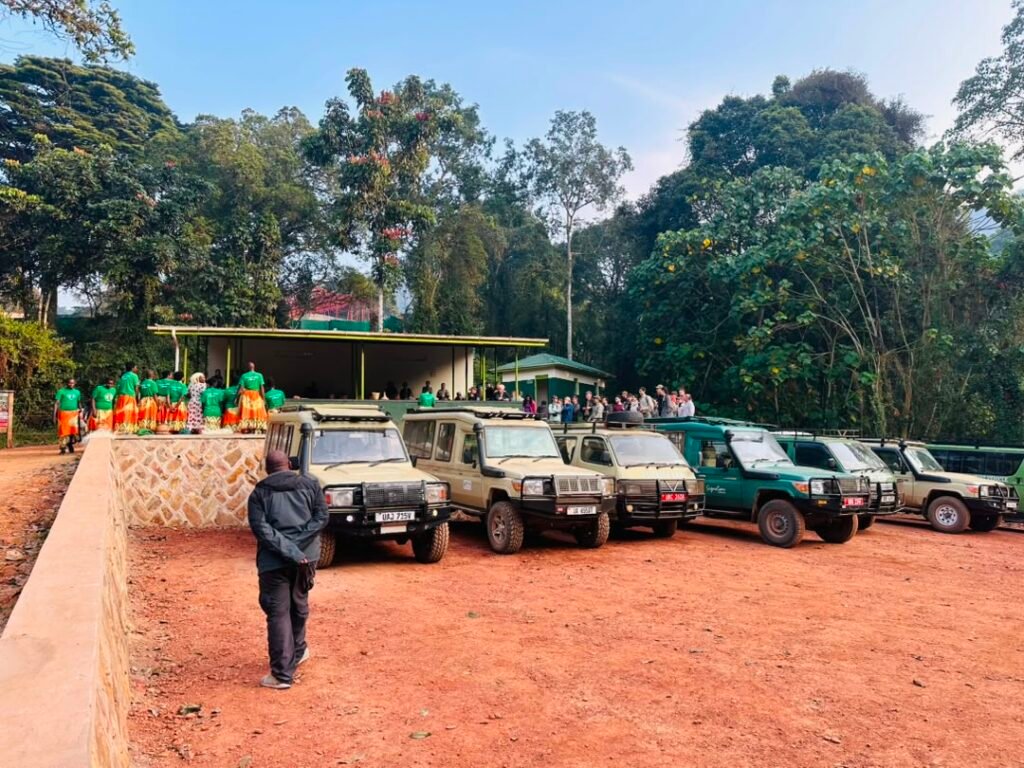
Uganda offers two places to trek mountain gorillas: Bwindi Impenetrable Forest and the smaller Mgahinga Gorilla National Park. Both are reachable from Kigali in a single day, but they offer meaningfully different experiences, and travellers specifically searching for a Bwindi trip are usually drawn by one of Bwindi’s particular strengths.
Bwindi hosts the larger, more genetically diverse share of Uganda’s gorilla population, spread across dozens of habituated families in its four sectors — considerably more choice than Mgahinga’s single family. It’s also home to the exclusive gorilla habituation experience, an extended encounter available only at Bwindi’s Rushaga sector, and its dense, ancient rainforest — the “impenetrable forest” the park is named for — offers a genuinely different trekking environment from Mgahinga’s more open volcanic slopes. For travellers who’ve specifically chosen Bwindi over Mgahinga, this guide covers exactly how to make the one-day version of that trip work from Kigali.
Which Bwindi Sectors Actually Work for a One-Day Trip
This is the single most important piece of planning information in this entire guide: only two of Bwindi’s four sectors are realistically compatible with a same-day round trip from Kigali.
Rushaga and Nkuringo, both in Bwindi’s south, sit roughly 4 to 4.5 hours from Kigali via the Cyanika border post — a genuinely long drive, but one that leaves enough of the day for the trek itself and the return journey without pushing past a reasonable limit. Buhoma and Ruhija, in Bwindi’s north, typically require 6 to 7 hours or more from Kigali, usually via the Katuna/Gatuna crossing, which makes a genuine same-day round trip effectively impossible without an extraordinarily long and risky day.
For a one-day Bwindi trek from Kigali, Rushaga is generally the stronger choice of the two southern sectors, given its significantly larger number of habituated gorilla families — currently eight or more, compared with Nkuringo’s smaller roster — which translates into meaningfully better permit availability, particularly during peak season. Our companion guides on the best sector for gorilla trekking in Bwindi and the Kigali-to-Rushaga route cover this specific sector in more depth if you’d like to compare it against Nkuringo directly.
The Full One-Day Bwindi Itinerary, Hour by Hour
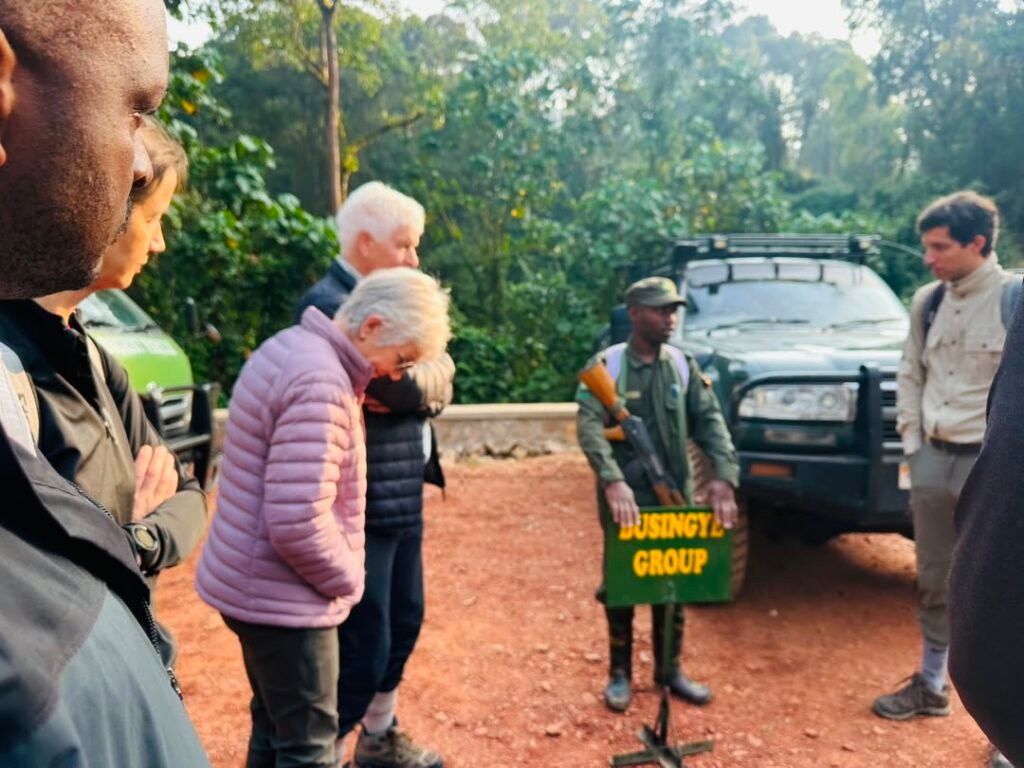
Success on this itinerary depends entirely on precise timing, so it’s worth understanding the shape of the day before committing to it.
3:30–4:00 am — Pickup from your Kigali hotel or the airport. This early start is non-negotiable given Bwindi’s greater distance from Kigali compared with Mgahinga.
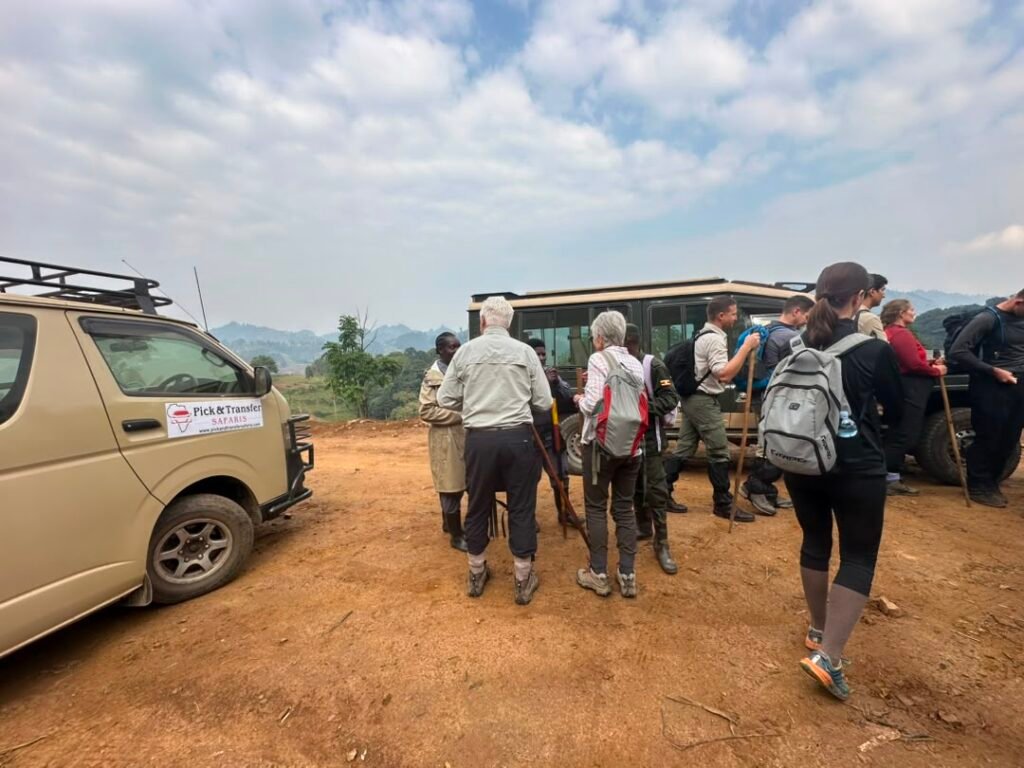
4:00–7:00/7:30 am — The drive southwest through Rwanda toward the Cyanika border post, crossing into Uganda, and continuing through Kisoro and into the hills toward Rushaga or Nkuringo’s headquarters. Breakfast is typically packed the night before and eaten in the vehicle, since there’s no time for a sit-down meal.
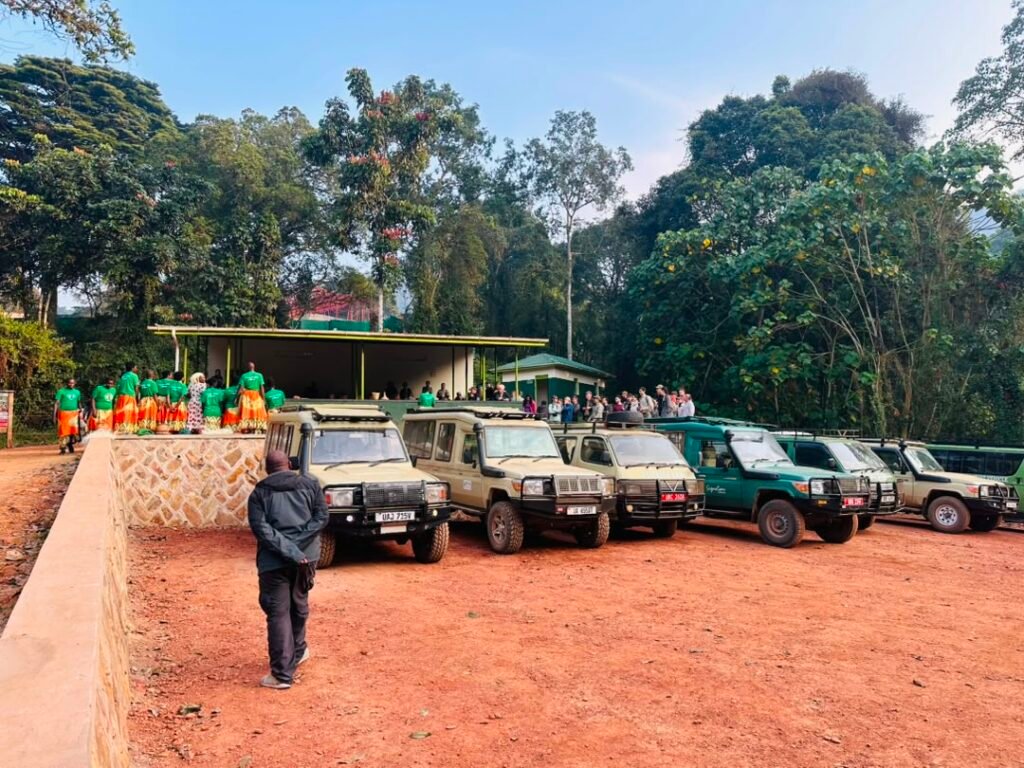
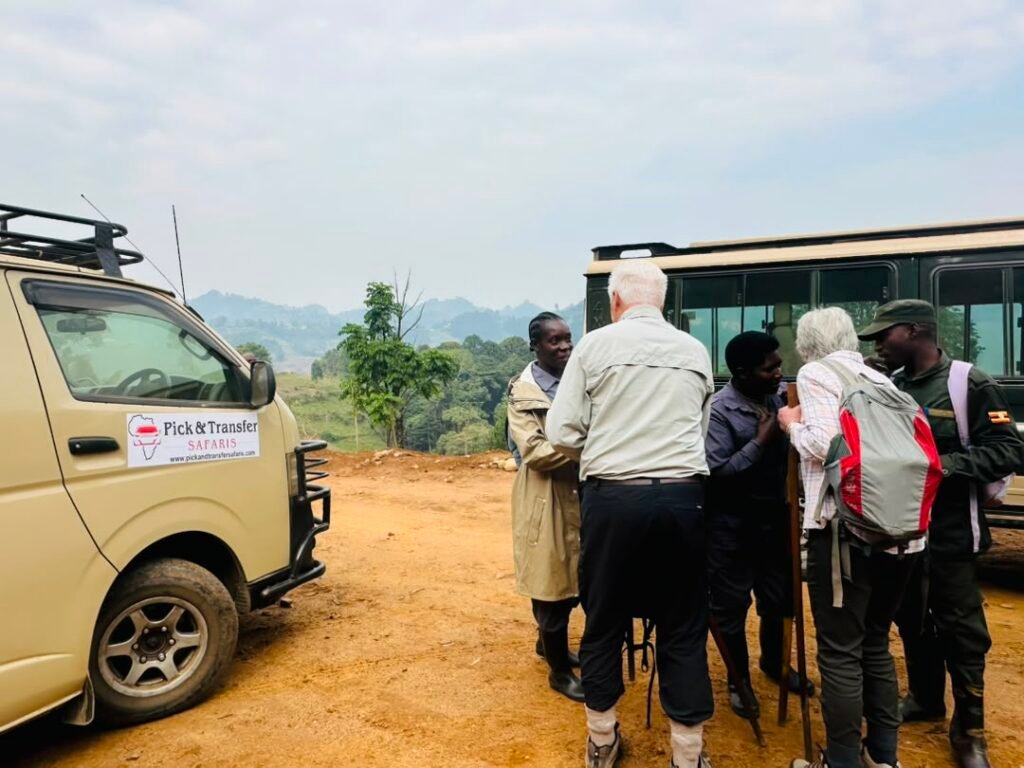
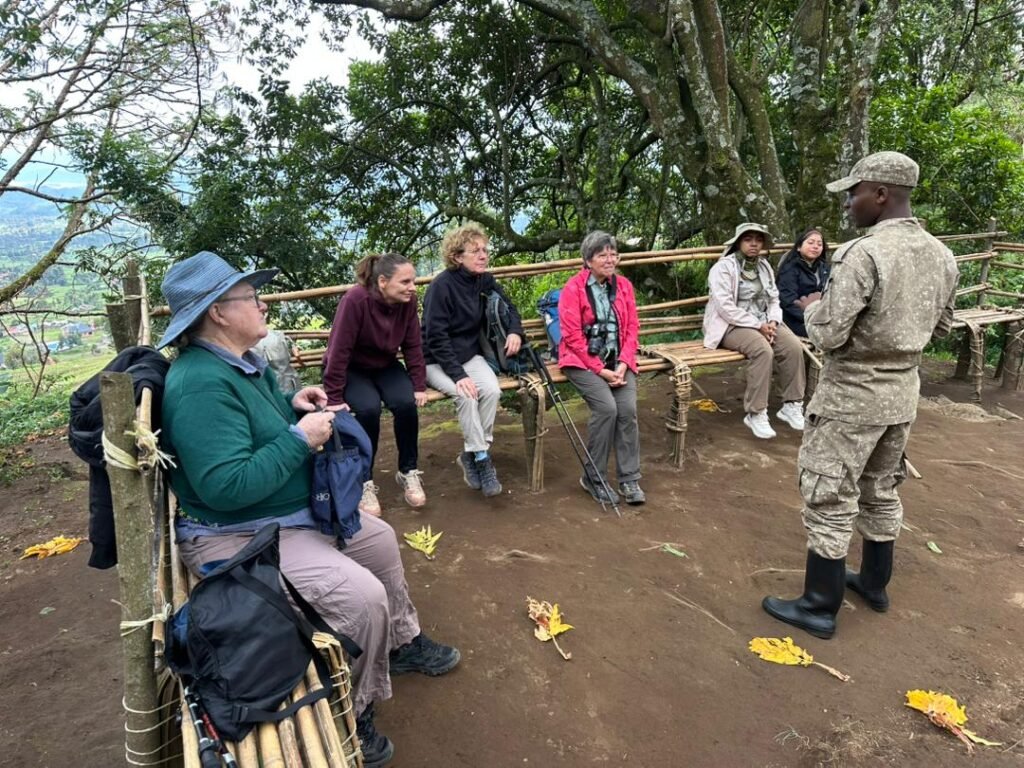
7:00–7:30 am — Arrival at your assigned park headquarters for registration and the mandatory briefing, where rangers divide the day’s trekkers into groups of up to eight and assign each group to a specific habituated gorilla family.
7:30 am–12:00/1:00 pm — The trek itself, which can run anywhere from 45 minutes to several hours given Bwindi’s characteristically dense, steep terrain, followed by exactly one hour with the gorillas once the family is located, and the hike back out to the trailhead.
1:00–2:30 pm — A late lunch near the park, usually at a lodge or restaurant close to headquarters, and a short window to rest before the long drive back begins.
2:30–7:30/8:30 pm — The return drive to Kigali, retracing the morning’s route across the border, arriving at your hotel or the airport in the early-to-mid evening.
Given Bwindi’s slightly longer drive and characteristically more demanding terrain than Mgahinga, this itinerary typically runs 17–21 hours door to door, with real potential to run longer if the trek itself takes several hours.
Rushaga or Nkuringo: Choosing Between Bwindi’s Two Southern Sectors
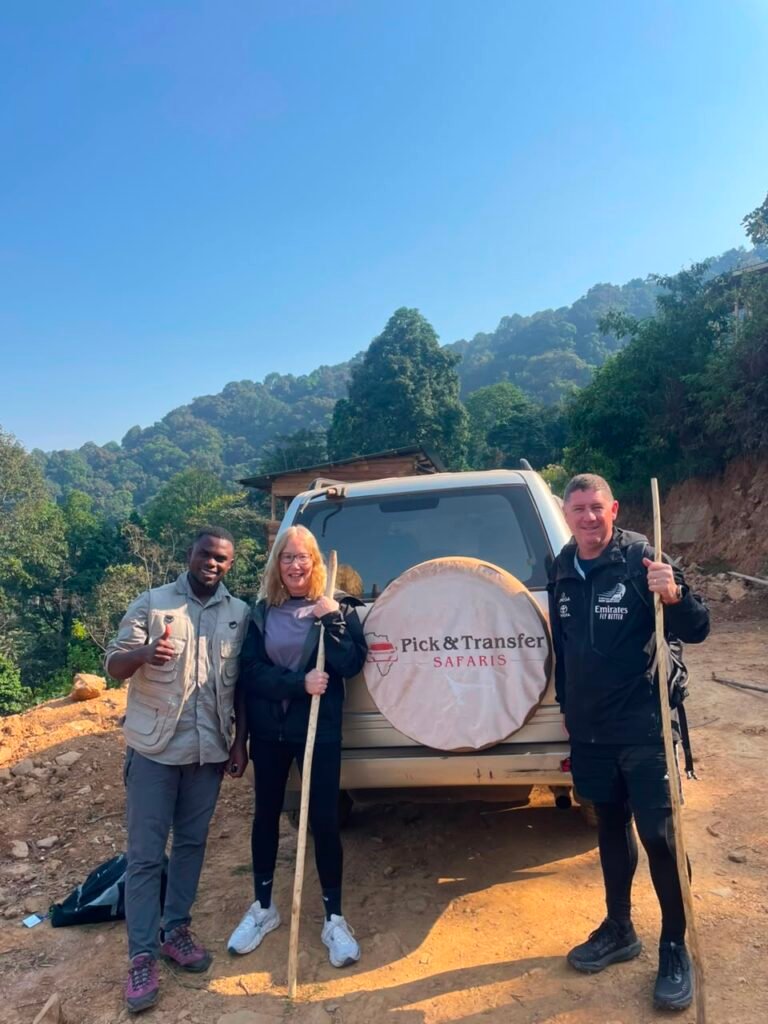
Since these are the only two sectors realistically compatible with a one-day trip, it’s worth understanding exactly how they differ.
Discover the wonders of the One Day Bwindi Gorilla Trek Starting from Kigali, where memories await.
Rushaga hosts significantly more habituated families than Nkuringo — eight or more, spread across several trailheads including Nyakagyezi, Bikingi, Kashasha, Bweza, and others. This gives it stronger permit availability, particularly valuable for a one-day itinerary where there’s little flexibility to shift dates if your first choice is unavailable. Rushaga is also the only sector offering the gorilla habituation experience, though that specific activity is generally unsuitable for a compressed one-day trip given its longer four-hour format.
Finally, the One Day Bwindi Gorilla Trek Starting from Kigali is the ultimate wildlife experience to cherish.
Nkuringo is often considered the more scenic of the two, with a dramatic ridge-top headquarters overlooking the Virunga volcanoes, and its trails are widely regarded as among the most physically demanding in the entire park — appealing to travellers who specifically want a serious hike. Its smaller number of habituated families means tighter availability, which matters more on a one-day trip than a flexible multi-day itinerary, since there’s less room to simply wait for a later date if your preferred family is unavailable.
For most travellers planning a one-day Bwindi trek specifically for the sake of permit certainty, Rushaga is the safer choice; travellers specifically drawn to Nkuringo’s scenery and more demanding terrain should book well ahead to offset its more limited availability.
Best Time of Year for a One-Day Bwindi Trip
Gorilla trekking at Bwindi runs year-round, since gorilla families don’t migrate and permits are issued every month, but seasonal timing has a real effect on how manageable a same-day round trip feels given the route’s already demanding length.
The dry seasons — roughly June to September and December to February — offer the firmest road conditions on both the paved Rwandan stretch and the unpaved final approach into Rushaga or Nkuringo, reducing the risk of the drive itself running long. They’re also the busiest months for permits, so booking three months minimum ahead is worth treating as a firm rule for this itinerary specifically, since same-day travellers have the least flexibility of anyone to shift to an alternative date if their first choice sells out.
The wet seasons — roughly March to May and October to November — bring a real risk of the unpaved stretches near Rushaga or Nkuringo slowing the drive by 30–45 minutes each way, on top of muddier, more physically demanding trekking conditions in Bwindi’s already dense forest interior. Attempting the one-day version during peak wet-season months adds a genuine layer of risk to an already tight schedule, and it’s worth weighing the two-day alternative more seriously if your travel dates fall within this window.
Is a One-Day Bwindi Trek Harder Than a One-Day Mgahinga Trek?
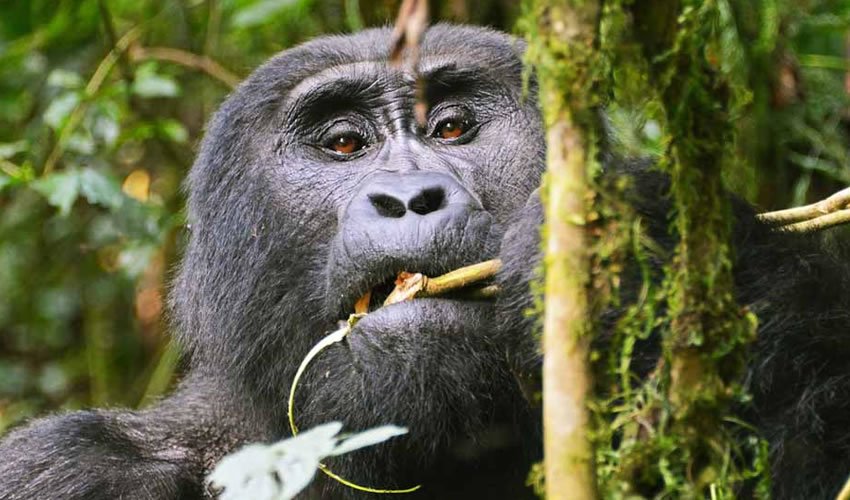
Yes, generally, for two compounding reasons. First, the drive itself is longer — 4 to 4.5 hours each way to Rushaga or Nkuringo, compared with roughly 3 hours to Mgahinga — which adds 2–3 hours to the total day. Second, Bwindi’s terrain, true to its “impenetrable forest” name, tends to be steeper and denser than Mgahinga’s more open volcanic slopes, which can mean longer, more physically demanding treks once you’re in the forest.
This doesn’t make a one-day Bwindi trip unreasonable — it remains a well-tested, regularly booked itinerary — but it’s worth being honest about the extra demand compared with the Mgahinga alternative when deciding between the two. Travellers specifically drawn to Bwindi’s larger family selection or its habituation experience will generally find the additional time and effort worthwhile; travellers whose only priority is the shortest, least demanding same-day option may find Mgahinga the more comfortable choice.
Bwindi vs. Mgahinga: A Direct Comparison for One-Day Trips
Since many travellers arrive at this guide already weighing Bwindi against Mgahinga, it’s worth laying the two options side by side directly. On drive time, Mgahinga wins clearly — roughly 3 hours each way versus Bwindi’s 4 to 4.5 hours to Rushaga or Nkuringo, a meaningful 2–3 hour difference across the full round trip. On family choice, Bwindi wins just as clearly — Rushaga alone offers eight or more habituated families compared with Mgahinga’s single family, giving Bwindi trekkers considerably more permit flexibility and, if their trip allows it, the unique option of the gorilla habituation experience unavailable anywhere else in Uganda.
On terrain, Mgahinga’s more open volcanic slopes are generally considered gentler than Bwindi’s dense, often steep forest — a real factor for travellers concerned about combining a long drive with a demanding hike in a single day. On cost, the two are broadly comparable, with Bwindi’s longer drive adding a modest premium to transport costs while the permit price itself remains identical.
The practical takeaway: if permit certainty and family variety matter most to you, Bwindi — specifically Rushaga — is the stronger choice despite the longer day. If minimising total time and physical demand is the overriding priority, Mgahinga’s shorter drive and gentler terrain make it the more comfortable same-day option. Neither choice is wrong; they simply optimise for different priorities, and this guide exists specifically for travellers who’ve already decided Bwindi’s advantages are worth the extra effort.
Should You Really Attempt This in One Day?
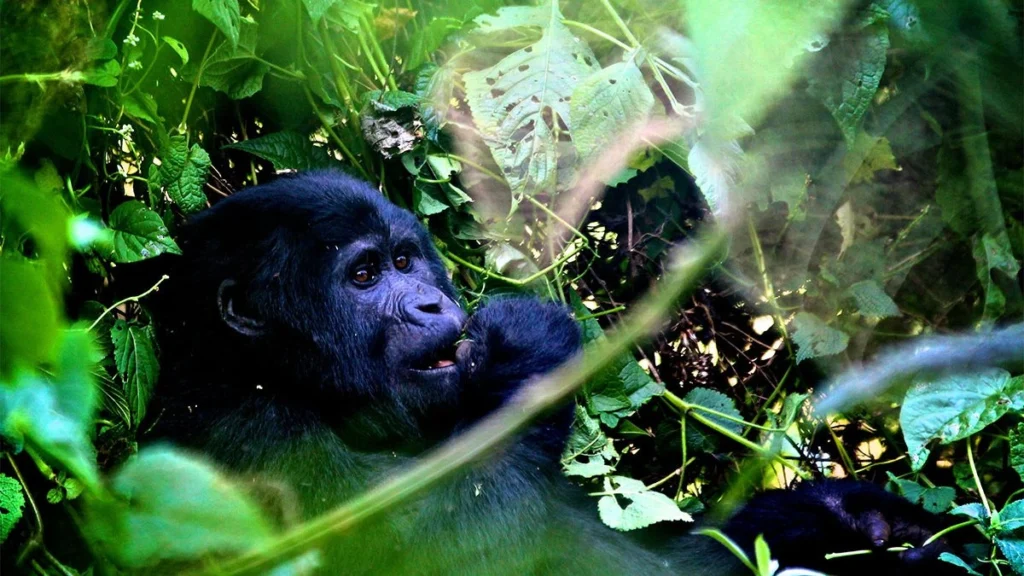
There’s a genuine and well-reasoned case for the one-day Bwindi version: no lodge to book, one calendar day consumed rather than two, and a trip that fits cleanly around a tight business schedule or a short stopover. For exactly this kind of traveller, the trade-offs are worth making, and it remains one of our most requested itineraries.
But given Bwindi’s longer drive and typically more demanding terrain compared with Mgahinga, it’s worth weighing this honestly against our 2 Days Uganda Gorilla Tour Starting from Kigali, which delivers the identical Rushaga or Nkuringo trekking experience with an overnight near the park removing the pre-dawn start and the same-day return pressure entirely. If you can find even one additional free day, the two-day version is very often the meaningfully more comfortable way to trek Bwindi’s gorillas specifically, given how much longer this route runs than the equivalent Mgahinga day trip. Travellers with more flexibility still might also consider our 3 Days Uganda Gorilla Safari from Rwanda, which adds a cultural visit alongside the same Rushaga-based trek.
Gorilla Permits for a One-Day Bwindi Trek
Standard gorilla trekking permits for any Bwindi sector, including Rushaga and Nkuringo, are issued by the Uganda Wildlife Authority (UWA) and currently cost around $800 per person for foreign non-residents, $700 for foreign residents, and a discounted rate for East African citizens, with a strict cap of eight visitors per gorilla family per day. This price and cap are identical across all four Bwindi sectors — the trekking experience and permit availability differ, but not the fee.
Because a one-day itinerary offers no flexibility to simply shift to a later date if your first-choice sector or family is unavailable, booking well ahead matters even more here than on a multi-day trip. Two to three months ahead is the safe minimum, extending to four to six months for July–August or the December holiday period, and booking through an operator who confirms your permit directly with UWA — rather than attempting to secure one independently — is strongly recommended given how little margin this itinerary allows for last-minute problems.
For travellers booking as part of a larger group, Rushaga’s family count advantage becomes especially relevant on a one-day itinerary specifically, since there’s no flexibility to simply push a portion of the group to a different date if permits for everyone on the same day prove difficult to secure at a smaller sector. A family or group of friends is generally better served booking Rushaga over Nkuringo for this reason alone, even setting aside the broader availability advantage already discussed. For an independent breakdown of Uganda and Rwanda permit pricing, Kenlink Tours also publish useful comparative figures.
Visa and Border Crossing Requirements
The Kigali-to-Bwindi route crosses from Rwanda into Uganda at the Cyanika border post, near Kisoro, and back the same day. Most nationalities can use the East Africa Tourist Visa, permitting multi-entry travel across Rwanda, Uganda, and Kenya on a single visa, or a single-entry Ugandan visa, obtainable online in advance or, in many cases, on arrival at Cyanika itself.
Given how tight this itinerary’s schedule already is, applying for your visa online before you land in Kigali is strongly recommended over relying on the on-arrival option — even a modest processing delay at the border eats directly into an already thin buffer on a day this long. A passport valid for at least six months beyond your travel dates and a yellow fever vaccination certificate are required for entry into both countries; carry printed copies of both alongside any digital versions.
What to Pack for a One-Day Bwindi Trek
Bwindi’s dense, often steep terrain makes proper gear especially important on a compressed one-day itinerary where there’s no lodge to retreat to if something’s missing.
- Sturdy, already broken-in hiking boots with strong ankle support, given Bwindi’s characteristically challenging terrain.
- Long trousers and a long-sleeved shirt, tucked in, to guard against stinging nettles and biting insects in the dense undergrowth.
- Gardening or trekking gloves for gripping vegetation on steep, forested sections.
- A packable, waterproof rain jacket — Bwindi’s forest interior is humid and rain-prone regardless of season.
- A warm layer for the pre-dawn departure and the cool early-morning briefing.
- A small daypack with a rain cover, for water, snacks, camera gear, and documents.
- At least 2 litres of water and energy-dense snacks, given Bwindi’s potentially longer trekking times.
- Trekking poles, either brought from home or rented at park headquarters, genuinely useful on Bwindi’s inclines.
- Cash in US dollars for porter tips (around $15–20) — well worth hiring given the terrain, and directly supporting the local community.
- Your passport, visa documentation, and permit confirmation, kept easily accessible for the border crossing.
Physical Demands of a One-Day Bwindi Trip
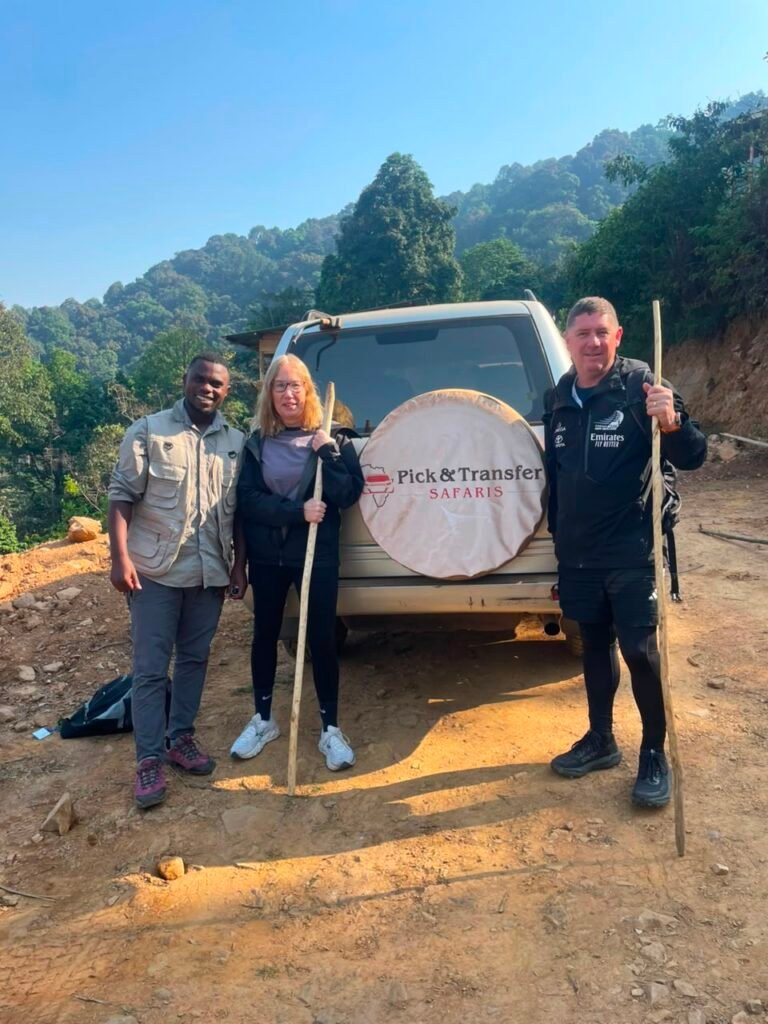
This is a genuinely demanding itinerary, and it’s worth understanding exactly why before committing to it. The trek itself is moderate to strenuous — expect real elevation change, at altitudes between roughly 1,800 and 2,900 metres, over dense, sometimes muddy forest terrain that gave Bwindi its “impenetrable” name. This is bookended by an 8–9 hour round trip of driving on the same day, all within a single continuous 17–21 hour window rather than spread across two more restful days.
With breathtaking scenery, the One Day Bwindi Gorilla Trek Starting from Kigali is the perfect escape from city life.
Don’t forget to experience the One Day Bwindi Gorilla Trek Starting from Kigali for a rewarding adventure.
For a day filled with excitement, choose the One Day Bwindi Gorilla Trek Starting from Kigali.
Take the chance to enjoy the One Day Bwindi Gorilla Trek Starting from Kigali and create unforgettable memories.
Engage with the heart of Africa through the One Day Bwindi Gorilla Trek Starting from Kigali.
Let the One Day Bwindi Gorilla Trek Starting from Kigali show you the beauty of wildlife in its natural habitat.
Book your spot for the One Day Bwindi Gorilla Trek Starting from Kigali and embark on an adventure of a lifetime.
Remember, the One Day Bwindi Gorilla Trek Starting from Kigali is not just a trek; it’s a journey into the wild.
Travellers who tend to manage this itinerary well are comfortable with early starts and long drives, in reasonable physical condition, and realistic about arriving back in Kigali genuinely tired. Porters are available at every trailhead (around $15–20) and are worth hiring regardless of fitness level, both for practical assistance on Bwindi’s steep sections and because the fee directly supports the local community. If you have any concerns about combining a long drive with a demanding hike in a single day, it’s worth discussing them with your operator, and worth seriously weighing the two-day alternative instead.
What Happens During Your Hour with the Gorillas
Everything about this demanding day builds toward a single hour, so it’s worth knowing what actually happens once your group finds the family. Trackers head into Bwindi’s forest well before dawn, working from the gorilla family’s last known nesting site to locate them fresh each morning, before guiding your group’s ranger toward their approximate position once trekking begins.
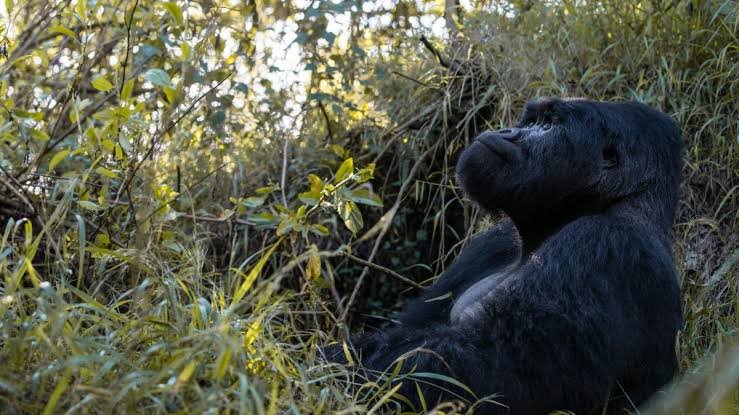
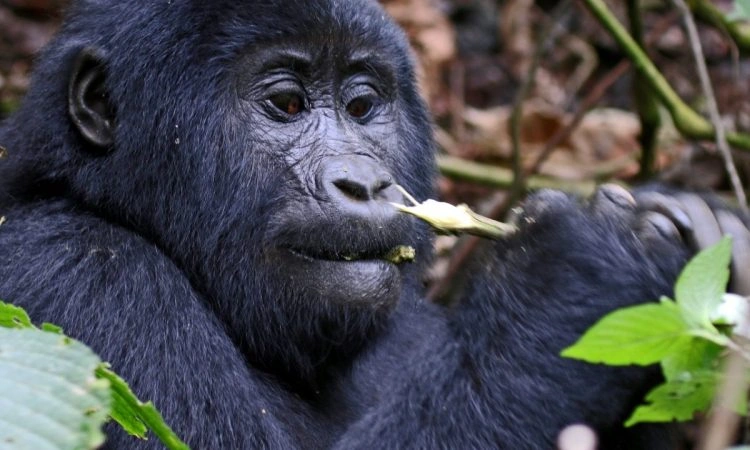
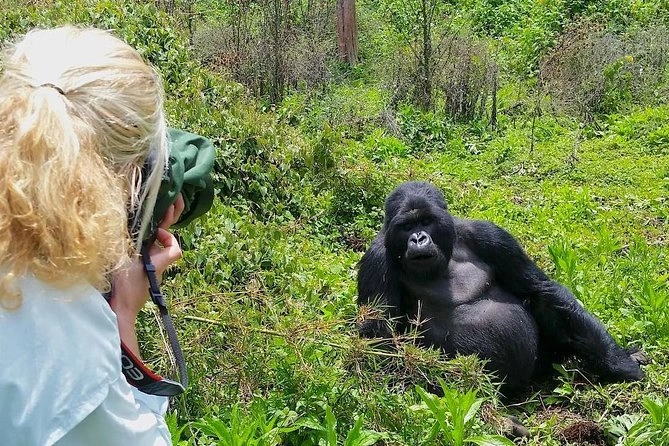
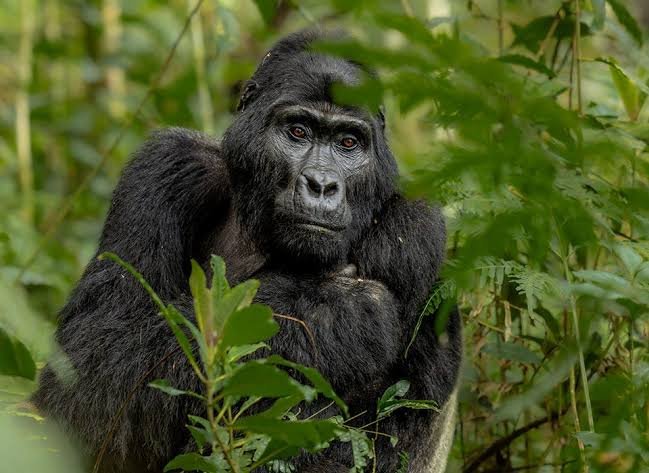
Once your group is within range, bags, poles, and food are typically left with a support team a short distance away, and the final approach is made quietly, in single file, at the guide’s pace. From there, you’ll spend up to one hour at a mandated distance of roughly 7 meters, watching the family forage, rest, and interact within Bwindi’s dense, textured forest setting — a genuinely different visual experience from the more open terrain found at Mgahinga or Rwanda’s Volcanoes National Park. It’s not unusual for a curious juvenile, or occasionally the silverback himself, to close that distance on his own terms; the correct response is to stay still, stay quiet, and let the guide manage the moment. When the hour is up, the hike back to the trailhead begins — the first leg of the long journey back to Kigali.
Gorilla Trekking Rules and Etiquette
The same standard rules apply at Bwindi as anywhere else mountain gorillas are trekked, and they matter just as much on a compressed one-day trip as any longer itinerary.
- Maximum group size of eight visitors per gorilla family per day.
- Maximum time with the gorillas of one hour.
- Minimum distance of roughly 7 metres, though gorillas frequently close that gap on their own.
- No trekking while unwell, and no flash photography or loud voices near the gorillas.
- No eating, drinking, or smoking in the gorillas’ presence.
- Minimum age of 15, in line with UWA policy.
Rangers and guides manage every encounter closely, and following their instructions immediately is what keeps the experience safe for visitors and gorillas alike.
Health, Safety, and Travel Insurance
Beyond the yellow fever certificate required for entry into both countries, standard travel health precautions apply. Malaria is present at the elevations surrounding Bwindi, though risk is somewhat lower than in lowland areas, and most travel health advisories recommend antimalarial prophylaxis regardless. Because mountain gorillas are vulnerable to human respiratory illness, park authorities strictly enforce the no-trekking-while-unwell rule — worth planning for specifically on a one-day itinerary given how little flexibility there is to reschedule at short notice.
Travel insurance covering trekking at altitude and, ideally, permit cancellation, is worth confirming before you travel — and given how demanding this specific itinerary is, it’s worth checking your policy covers a long day of driving and strenuous trekking within the same 24-hour window without unusual exclusions.
How Much Does a One-Day Bwindi Trek Cost?
A one-day Bwindi trek from Kigali typically covers the gorilla permit, a private or shared 4×4 vehicle with driver-guide for the full day, fuel, park entry fees, and lunch near the park — but no accommodation, since none is needed. As a rough figure, expect a total in the region of $1,000–$1,350 per person, slightly higher than the equivalent Mgahinga day trip given Bwindi’s longer drive and correspondingly higher transport cost.
Because there’s no lodge night to book, this itinerary can come out marginally cheaper overall than the two-day version, though the difference is often smaller than travellers expect, since the vehicle and driver still cover the same total distance either way — a shared group booking is usually the more meaningful way to reduce the per-person transport cost, rather than the itinerary length itself.
Responsible Tourism on a Compressed Itinerary
The conservation economics behind gorilla trekking apply just as much on a one-day trip as any longer one. A significant share of every permit fee is reinvested into park protection and community revenue-sharing schemes that fund schools, clinics, and infrastructure in the villages bordering Bwindi’s trekking sectors — the same mechanism that has helped grow the mountain gorilla population from under 300 individuals in the 1980s to just over 1,000 today. Hiring a local porter, even on a schedule where every hour feels precious, remains one of the most direct ways to support that community economy, and it’s worth resisting any temptation to skip this step simply because the day already feels rushed.
Choosing an Operator for This Specific Itinerary
Because the entire day depends on precise timing across two international border crossings and Bwindi’s genuinely demanding final approach roads, the operator you choose matters more here than on almost any other itinerary. Worth confirming before booking: whether the operator has run this exact same-day Rushaga or Nkuringo round trip regularly; whether the driver is experienced specifically with the Cyanika crossing; whether the vehicle is a proper 4×4 suited to Bwindi’s unpaved final stretches; and what their contingency plan is if the trek runs significantly longer than expected given Bwindi’s typically denser forest.
At Pick and Transfer Safaris, the one-day Bwindi trip is one of our most requested itineraries specifically because so few operators run it well — get in touch with our team if you’d like to confirm whether this itinerary genuinely fits your schedule, or whether the two-day version might suit you better. For a second, independent perspective on operators running this same route, Kenlink Tours is worth comparing against.
Photography Tips for a Bwindi Day Trip
With so much of this day spent driving, and only one hour actually in front of the gorillas, it’s worth having your camera setup sorted before you reach the forest. Bwindi’s canopy is notably dense — true to its “impenetrable forest” reputation — which filters out more available light than some other trekking areas, making flash-free, higher-ISO capability or a fast lens around f/2.8 particularly valuable here. A mid-range zoom, roughly 70–200mm equivalent, tends to be more practical than an ultra-telephoto, since gorillas are often much closer than the mandated distance once they move on their own accord.
Because this itinerary leaves no time to charge anything mid-trip, bring spare batteries and memory cards from home, and keep your camera in a dry bag or rain cover given how often Bwindi’s forest interior stays damp even outside the official wet season. It’s also worth resisting the temptation to spend the long drive scrolling through a small screen — a fully charged phone or camera is worth more to you at the trailhead than during the hours on the road beforehand.
What’s Typically Included and Excluded
Knowing exactly what a quoted price for this itinerary covers helps avoid surprises on a day with little room to sort out logistics on the fly. A well-packaged one-day Bwindi trip typically includes the gorilla permit, ground transport in a 4×4 vehicle with driver-guide for the full day, park entrance fees, lunch near the park, and pickup and drop-off at your Kigali hotel or the airport. It typically excludes international flights, visa fees, travel insurance, porter and guide tips, and any additional activities beyond the standard trek.
It’s worth asking specifically whether border crossing fees are included in the quoted price, since practice varies between operators, and requesting an itemised breakdown rather than a single bundled figure makes it far easier to compare pricing across operators before committing to a non-refundable permit.
Arriving in Kigali Before Your One-Day Bwindi Trek
Given the 3:30–4:00 am departure this itinerary requires, and Bwindi’s longer overall drive compared with Mgahinga, arrival planning matters more here than on almost any other trip. If your international flight lands the same day you intend to trek, or even the evening before, the cumulative fatigue of long-haul travel followed almost immediately by a pre-dawn departure and a genuinely demanding full day of driving and trekking is significant — and worth avoiding if at all possible.
Wherever your schedule allows it, spending at least one full night in Kigali before the trekking day is strongly recommended, giving you time to adjust to the time zone, confirm any last-minute visa or permit documentation, and get a proper night’s sleep before the early start. Many travellers use this pre-trek night to see a little of Kigali City itself — though given how demanding the trekking day ahead will be, an early night is generally the wiser use of that evening.
What to Expect on the Return Leg to Kigali
The drive back to Kigali deserves its own brief mention, since it’s easy to underestimate simply because it retraces a route you’ve already travelled that morning. Fatigue after a demanding trek, combined with afternoon traffic near the Cyanika border and the same unpaved final stretch in reverse, means the return leg typically takes just as long as the outbound drive — not less, as some travellers optimistically assume.
Most operators build in a rest stop partway through the return journey, often back in Kisoro town, offering a chance to stretch, use a bathroom, and grab a coffee or snack before the final push back across the border into Rwanda. By the time you’re back on Rwandan tarmac, the remaining drive to Kigali generally feels considerably faster than the morning’s outbound leg, if only because the hardest part of the day — the trek itself — is already behind you. Arriving back at your Kigali hotel in the early-to-mid evening, tired but with a trekking certificate and a memory card full of photos, is the typical, well-earned end to this particular day.
Common Mistakes to Avoid
Booking an evening flight on the same day. Given how easily this schedule can slip by two or three hours on Bwindi’s longer route, build in at least a full extra day before any onward flight.
Confusing Bwindi with Mgahinga when booking. These are two different parks with different drive times and different terrain — always confirm exactly which one your permit and itinerary refer to.
Choosing Buhoma or Ruhija for a one-day trip. Both sit 6–7 hours from Kigali, well outside realistic range for a genuine same-day round trip — Rushaga or Nkuringo are the only sensible choices for this specific itinerary.
Underestimating Bwindi’s terrain. Its “impenetrable forest” reputation is earned — pack and prepare for a genuinely more demanding trek than a same-day Mgahinga trip might involve.
Skimping on rain gear. With no lodge to retreat to and change, being caught without proper waterproofs during a rain shower is considerably more uncomfortable on this itinerary than on a multi-day trip.
Forgetting cash for tips and incidentals. Card payments are unreliable outside Kigali — bring more US dollars in small denominations than you expect to need.
Frequently Asked Questions
Can I really trek in Bwindi and be back in Kigali the same day? Yes, provided your permit is for Rushaga or Nkuringo — Bwindi’s southern sectors — and you accept a genuinely long 17–21 hour day with a 3:30–4:00 am departure.
Is a one-day Bwindi trek harder than a one-day Mgahinga trek? Generally yes, given Bwindi’s longer drive from Kigali and typically denser, steeper terrain compared with Mgahinga’s more open volcanic slopes.
Which Bwindi sector should I choose for a one-day trip: Rushaga or Nkuringo? Rushaga, for most travellers, given its significantly larger number of habituated families and correspondingly stronger permit availability — a meaningful advantage on an itinerary with no flexibility to shift dates.
Can I visit Buhoma or Ruhija on a one-day trip from Kigali? No — both sit 6–7 hours from Kigali, making a genuine same-day round trip unrealistic; Rushaga and Nkuringo are the only Bwindi sectors compatible with this itinerary.
What happens if my trek runs longer than expected? Your return departure simply shifts later accordingly — this is why booking a tight evening flight or other fixed commitment for the same day is strongly discouraged.
Should I do the gorilla habituation experience on a one-day trip? Generally not — its extended four-hour format leaves very little margin on an already tight one-day schedule; it’s much better suited to a two-day or longer itinerary.
Is it worth doing this trip if I have limited time, or should I choose Mgahinga instead? If your priority is Bwindi’s larger family selection or its habituation experience, the extra drive and effort are worth it; if your only priority is the shortest, least demanding same-day trip, Mgahinga may be the more comfortable choice.
How far in advance should I book a one-day Bwindi trek? At least two to three months ahead for regular travel dates, and four to six months for July–August or the December holiday period, when both Rushaga’s and Nkuringo’s closest-to-headquarters families sell out fastest.
Can I do this trip as a couple, or is it better suited to solo travellers? It works well for couples and small groups — the vehicle and driver-guide fee is typically shared across the group, which brings the per-person transport cost down compared with travelling solo.
What should I do if it rains on my trekking day? The trek proceeds regardless of weather, since permits are date-specific and non-refundable for rain — proper rain gear, covered earlier in this guide’s packing list, is essential rather than optional, particularly given Bwindi’s already humid forest interior.
Is there a minimum fitness level required for a one-day Bwindi trek? No formal minimum, but a reasonable baseline of fitness makes a real difference given Bwindi’s characteristically steep terrain combined with the cumulative fatigue of a long driving day — porters are available at every trailhead for travellers who want additional support.
For an independent perspective on how other operators structure the Kigali-to-Bwindi route, Kenlink Tours also publish useful comparative detail on permit costs and trekking sectors worth reading alongside this guide.
Final Thoughts
A one-day Bwindi gorilla trek from Kigali is a genuine, well-tested itinerary. However, it’s the more demanding of Uganda’s two same-day trekking options, given Bwindi’s longer drive and characteristically steeper, denser terrain compared with Mgahinga. Choosing Rushaga over Nkuringo for its stronger permit availability, booking your permit well ahead, and travelling with an operator experienced in this exact route are what turn a demanding day into a smooth, if long, one.
The details that matter most on this specific itinerary — an on-time pre-dawn pickup, a proper 4×4 for the unpaved final stretch, a lodge-free but well-organised packing list, and above all, no fixed commitment scheduled for the evening you return — are the same details that separate a memorable, well-run day from a stressful one. Get them right, and the many hours spent on the road become a reasonable price to pay for the single hour that made the whole trip worthwhile.
If you have even one additional free day, our 2 Days Uganda Gorilla Tour Starting from Kigali delivers the identical Bwindi trekking experience with a fraction of the fatigue. Our Destinations page shows how a Bwindi trek can anchor a longer circuit through Queen Elizabeth National Park or elsewhere in Uganda. But if it genuinely has to be one day, get in touch with our team and we’ll build the tightest, safest version of this itinerary around your exact travel dates.