- LET'S PLAN YOUR SAFARI
- +256 200 921 002
- +256 793 194 703
- info@pickandtransfersafaris.com

One day Gorilla Tour in Bwindi Picking up in Kigali
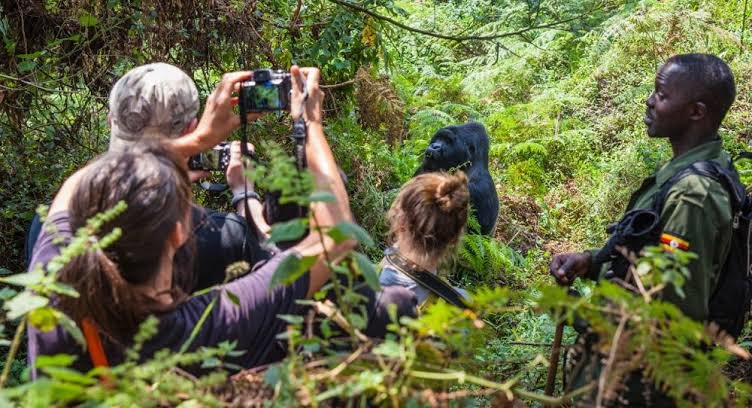
One day Gorilla Tour in Bwindi Picking up in Kigali. If you are based in Kigali and want the Bwindi Impenetrable Forest experience specifically, rather than a smaller neighbouring park, a packaged one day gorilla tour in Bwindi with pickup in Kigali is the way most travellers make it happen. Your driver-guide collects you from your hotel or the airport in the small hours, handles the border paperwork on both legs of the journey, and delivers you into Bwindi’s forest with a permit already secured in your name. This guide walks through exactly what that pickup and tour experience looks like from the moment your driver arrives to the moment you are dropped back in Kigali that night, including realistic timing, sector choice, pricing and what to have ready before you go to bed the night before. It is worth being upfront from the start that this is a long, tightly scheduled day rather than a relaxed excursion, and the sections below are written to help you plan around that reality rather than be surprised by it once you are already on the road.
What This Tour Actually Includes
A packaged one day Bwindi gorilla tour with Kigali pickup is built around a handful of core elements bundled into a single price: a gorilla trekking permit secured in your name ahead of time, private door-to-door transport in a 4×4 vehicle, an English-speaking driver-guide who manages both border crossings on your behalf, bottled water and a packed lunch, and the government taxes that apply to tourism activity in Uganda. What it is not is a loosely arranged day where you show up and hope a permit is available; because Bwindi’s permits are allocated to named individuals in advance, the entire tour only works because your operator has already reserved your slot before pickup day arrives. Our own One Day Uganda Gorilla Safari from Kigali page outlines how we structure this exact kind of tour, and our team can quote the Bwindi version specifically through our contact page. Several regional operators run comparable packaged tours out of Kigali, and comparing a few of them, including Kenlink Tours, a Uganda and Rwanda safari specialist operating since 2010, is a sensible way to benchmark what should and should not be included in the price before you commit.
Your Kigali Pickup: What to Expect That Morning
The tour begins well before sunrise, with most pickups scheduled between 2:30 and 3:30 a.m. from a Kigali hotel or from Kigali International Airport if you have just landed the night before. Your driver-guide will typically confirm pickup timing and location by phone or message the evening before, and it is worth double-checking your hotel’s night entrance and security procedures in advance, since many properties lock their main doors overnight and require advance notice for an early guest departure. On arrival, your driver will do a quick document check, confirming your passport, any visa paperwork and your gorilla permit confirmation are all with you before setting off, since forgetting any one of these at this hour is far harder to fix later in the day, and there is no realistic way to double back to your hotel once the day’s tight schedule is underway. From here, the vehicle heads southwest out of the city toward the Uganda border, and this is genuinely the point where the “tour” part of the day begins, since almost everything from this moment forward is choreographed around a fixed schedule.
Which Parts of Kigali Can Be Included for Pickup?
Most one day gorilla tour operators, ourselves included, can arrange pickup from hotels and guesthouses across Kigali’s main visitor areas, including the city centre business district, Kiyovu, Kimihurura, Nyarutarama, Remera and the areas surrounding Kigali International Airport. Because the tour departs so early, distance across the city does matter more than it might for a daytime pickup, and a hotel on the far side of Kigali from the southwestern exit road can add twenty to thirty minutes to an already long day. If you have flexibility over where you stay the night before your trek, choosing a hotel closer to the Kigali-Muhanga-Musanze route can shave a small but genuinely useful amount of time off your morning departure. Whichever area you are staying in, confirm your exact pickup point with your operator a day or two in advance rather than the night before, since early-morning logistics leave very little room for last-minute confusion.
How This Tour Differs from a Multi-Day Bwindi Safari
It helps to understand what you are trading away by choosing the single-day version of this tour rather than a longer Bwindi safari. A multi-day itinerary spreads the roughly eight to ten hours of total driving across two separate days, gives you a proper night’s sleep in a lodge near the park before your trek, and generally builds in time for an additional activity such as a community walk or a second wildlife stop. The one-day pickup tour compresses all of that into a single continuous push: drive, cross, trek, cross, drive, with almost no rest built in between. What you gain in exchange is significant, since you avoid an extra night of accommodation entirely, keep your Kigali base intact for the following morning, and can treat the whole experience as a single, self-contained day trip rather than a multi-day commitment. Neither approach is wrong; they simply serve different kinds of travellers, and it is worth being honest with yourself about which trade-off you would rather make before locking in your pickup date. If you are still undecided, ask yourself how you typically feel after a red-eye flight followed immediately by a full day of activity; if that sounds manageable, the one-day pickup tour will likely suit you fine, and if it sounds miserable, the extra night near the park is probably worth the additional cost.
The Route South: From Kigali to Bwindi’s Southern Sectors
The drive itself covers roughly 170 to 200 kilometres from Kigali to Bwindi’s southern trekking sectors, a journey of four to five hours each way that runs through Rwanda’s own scenic highlands before reaching the Cyanika border post near Kisoro. This route bypasses Uganda’s larger northern border crossing at Gatuna entirely, since Cyanika sits much closer to the section of Bwindi closest to Rwanda. Once across the border, the final approach into the park runs along mountain roads through the Kisoro district, with views of the Virunga volcanoes visible for much of the drive. Because this is such a long single stretch of driving on both legs of the day, the quality of your vehicle and the experience of your driver matter enormously; for context on the kind of 4×4 vehicles typically used on cross-border mountain routes like this one, Kenlink Tours’ car hire fleet is a useful independent reference point. For broader background on how the southwestern corner of Uganda fits into the country’s wider geography, Kenlink Tours’ overview of Uganda is a useful companion resource, particularly if this is your first visit to the region.
Rushaga or Nkuringo: Choosing Your Trekking Sector
Bwindi has four trekking sectors in total, but only two are realistic for a same-day tour from Kigali. Rushaga, the sector closest to the Cyanika border, currently hosts six habituated gorilla families, the Nshongi, Kahungye, Mishaya, Kutu, Busingye and Bweza groups, giving it the widest permit availability in the park and making it the default sector for most packaged one day tours. Nkuringo, a little further along the park boundary, hosts three groups, the Nkuringo, Christmas and Bushaho families, and is generally regarded by guides as the more physically demanding of the two, with steep terrain on both the approach and the return climb. For a tour built around a single, tightly scheduled day, Rushaga is usually the sector your operator will book you into by default, simply because it keeps the driving-to-trekking ratio as favourable as possible.
What If Your Preferred Sector Is Fully Booked?
Because Rushaga is the default sector for almost every one-day pickup tour out of Kigali, its permits can sell out well ahead of peak weeks, particularly around July to September and the December to January holiday period. If this happens to your preferred travel dates, a few realistic options remain. Shifting your date by a few days either side of your original plan is usually the simplest fix, since availability changes as other travellers reschedule or cancel. Nkuringo remains a genuine second choice for a one-day pickup tour, provided you are comfortable with its steeper terrain under time pressure. Travellers with a little more flexibility sometimes shift toward a two-day version instead, which opens up Bwindi’s northern sectors, Buhoma and Ruhija, along with their own additional pool of habituated families. Whichever direction suits you best, contacting your operator the moment your travel dates are fixed keeps the widest range of options genuinely open.
Crossing at Cyanika: What Actually Happens at the Border
Cyanika is a comparatively small, efficient border post sitting almost exactly between Musanze in Rwanda and Kisoro in Uganda, and it operates daily from roughly 6:00 a.m. to 6:00 p.m. Your driver-guide will park, walk you through the Rwandan exit formalities, and then a short distance further to the Ugandan entry post, a process that typically takes 15 to 45 minutes each way depending on how many other travellers are crossing that morning. Because the post is not open around the clock, the timing of your outbound crossing matters: leaving Kigali too late risks arriving before opening hours or, worse, pushes the entire day’s schedule later than planned. On the return leg in the evening, the same crossing needs to happen with enough buffer before the 6:00 p.m. closing time, which is one of the main reasons this tour’s schedule is built with so little slack.
Passports, Visas and Paperwork Before You Leave Kigali
Sort your visa situation well before pickup morning, since this is not something that can be fixed at 3:00 a.m. in a hotel lobby. Many nationalities can apply in advance for the East Africa Tourist Visa, a single $100 fee covering Rwanda, Uganda and Kenya as one combined travel zone for up to 90 days, which suits a same-day border crossing like this one well, since it removes the need for two separate visa applications. This visa is generally obtained through the immigration portal of whichever country you enter first, so Kigali-based travellers typically apply through Rwanda’s system ahead of arrival. If you would rather keep visas separate, a standard Uganda visa can be arranged in advance or, for many nationalities, on arrival at Cyanika, though this adds processing time to your morning schedule. Confirm current visa rules for your nationality a few weeks ahead of travel, and raise any questions with our team through our contact page when you book. General visa guidance for the region is also covered in Kenlink Tours’ Uganda safari booking guide.
Hour by Hour: A Realistic Day on This Tour
Pickup from your Kigali hotel or the airport happens between 2:30 and 3:30 a.m., positioning you at the Cyanika border around 6:00 to 6:30 a.m. as it opens. The final stretch to Rushaga or Nkuringo sector headquarters takes a further one to two hours, putting arrival at park headquarters around 7:30 to 8:30 a.m. for registration and the mandatory ranger safety briefing. The trek itself is the least predictable part of the entire day: some gorilla families are found within an hour or two of walking, while others require four or five hours through dense, hilly forest, so your hour with the gorillas could begin anywhere from mid-morning to early afternoon depending on where the family happened to settle overnight. A lunch stop near park headquarters typically follows, before the long drive back through Cyanika to Kigali, with realistic arrival back in the city somewhere between 7:00 p.m. and 9:00 p.m. If you have an evening flight out of Kigali, build in a generous buffer and flag this clearly with your operator when booking rather than assuming the earliest possible return time.
Who You’ll Trek With: Bwindi’s Habituated Gorilla Families
Because Rushaga alone offers six habituated families and roughly 48 daily permits, with Nkuringo adding a further three families and around 24 more, the two sectors realistic for this tour combine for well over 70 permits available each day, a genuinely different scale to smaller neighbouring parks that manage only a single family. Ranger teams assign trekkers to a specific family each morning based on group size, fitness level and each family’s last known location, so while your operator can express a sector preference on your behalf, the exact family you end up trekking to is decided on the day to keep everyone’s trekking time as efficient as possible. This flexibility works in your favour on a tightly timed tour like this one, since rangers are actively trying to match slower or faster trekking groups with families that suit the day’s overall schedule.
On the Trail: Rules Every Trekker Must Follow
Trekking rules in Bwindi are set nationally by the Uganda Wildlife Authority and apply identically across every sector and every tour operator. Expect a mandatory 10-metre minimum distance between trekkers and the gorillas at all times, a requirement to wear a medical-grade surgical mask during direct viewing, and a strict one-hour limit with the family once located, regardless of how long the walk in took. Flash photography, raised voices and sudden movements are prohibited, and your ranger will brief the group thoroughly on hand signals and expected behaviour before the trek begins, including guidance on what to do if a silverback approaches closely. The minimum age for a gorilla permit is 15, and anyone showing symptoms of a cold, flu or other communicable illness on the morning of the trek may be asked to sit the day out to protect the gorilla family from human disease. Kenlink Tours’ Uganda trekking safaris page covers how these same rules apply across Uganda’s other trekking destinations for useful comparison.
What’s Included in the Price and What Isn’t
A complete one day Bwindi gorilla tour package from Kigali generally starts from around $1,200 to $1,400 per person, a figure that bundles the gorilla trekking permit, private 4×4 transport with an experienced driver-guide for the full day, fuel and border logistics, bottled water and a packed or sit-down lunch, plus applicable government taxes. It generally excludes Rwandan and Ugandan visa fees, travel insurance, tips for your guide and any trekking porter you hire, and personal expenses along the way. Because a private vehicle and guide are committed to close to 18 hours of driving and waiting for a single gorilla permit’s worth of trekking, this remains one of the pricier ways to spend an hour with mountain gorillas on a per-hour basis, a cost that buys convenience and a same-day return rather than a discount. For a like-for-like comparison of inclusions across operators, Kenlink Tours’ guide to choosing the best Uganda safari is a useful independent reference.
2026 Permit Pricing at a Glance
Gorilla permit pricing is set nationally in Uganda and applies the same way whether you trek in Bwindi or at a smaller neighbouring park. As of 2026, foreign non-residents pay $800 during high season, covering June through October and December through February, dropping to $600 during the low season months of April, May and November. Foreign residents of East Africa pay slightly less, generally around $700 in high season and $500 in low season, while East African Community citizens pay a heavily discounted local rate of roughly 300,000 Ugandan shillings, about $80.
| Traveller category | High season (Jun–Oct, Dec–Feb) | Low season (Apr, May, Nov) |
|---|---|---|
| Foreign non-resident | $800 | $600 |
| Foreign resident | $700 | $500 |
| East African Community citizen | ~$80 (300,000 UGX) | ~$80 (300,000 UGX) |
For comparison, Rwanda’s own gorilla permit at Volcanoes National Park is priced at a flat $1,500 regardless of season, close to double Uganda’s high-season rate, which is one of the reasons a Kigali-based Bwindi tour has become such a popular way to trek gorillas without paying Rwandan permit prices.
Is This Tour Physically Demanding?
Yes, more so than most people expect going in. Between the pre-dawn pickup, roughly eight to ten hours of total driving, and a trek that can run anywhere from one to five hours through Bwindi’s genuinely steep, muddy forest terrain, this is a long day by any measure. A moderate to good level of fitness, comfort walking continuously for several hours on uneven ground, and realistic expectations about how tired you will be by the evening return are the practical minimum. Hiring a local porter at park headquarters, an inexpensive add-on, is strongly recommended regardless of your fitness level, both for the steadying support offered on steep sections and because porter fees flow directly into the local community around the park. Travellers who would rather remove the physical intensity of the pre-dawn start and late return should look seriously at our 2 Days Uganda Gorilla Tour from Kigali, which reaches the same park with an overnight stay near the trailhead instead.
Packing List for the Day
Sturdy, well broken-in waterproof hiking boots are essential given Bwindi’s muddy, root-covered trails, along with a rain jacket and waterproof trousers, since the forest’s high rainfall pattern means showers are common even outside the official wet season. Pack gardening-style gloves to protect against stinging nettles, and tuck long trousers into your socks to guard against biting ants along the trail. A daypack for water, snacks, a light jacket, sun protection and your camera is worth carrying yourself or handing to a porter, and a headlamp or torch is genuinely useful given how early this tour begins and how late it often ends. Leave a full change of clothes in the vehicle for the drive home, since trekking after rain typically leaves boots and trousers thoroughly soaked, and keep your passport, visa documents and permit confirmation in an easily accessible pocket rather than buried in your main bag, given the two border crossings this pickup involves in a single day. A portable power bank is worth adding to this list too, since charging opportunities are limited for most of the day once you leave your hotel, and you will likely want your phone or camera available for both the trek itself and the long drive on either side of it.
Choosing Your Season
This tour runs year-round, but the season you choose affects both trail conditions and how predictably the day unfolds. The two dry seasons, June to September and December to February, offer firmer trails and generally faster trekking, which helps keep an already long day on schedule, though permit prices sit at their high-season rate and advance booking becomes essential. The shorter low season windows in April, May and November bring heavier rain, muddier trails and a real chance your trek runs longer than average, worth weighing against the lower permit price if you are attempting this specific one-day itinerary rather than a more forgiving multi-day version. Travellers with genuine flexibility over their travel dates often find that shoulder periods just before or after the official low season windows offer a reasonable middle ground, combining moderately quieter trails with pricing closer to the high-season rate than the deepest discount. Whichever season you pick, starting your pickup exactly on time matters more on this tour than on almost any other single-day itinerary in the region.
When a Single Day Isn’t Quite Enough
If the idea of an 18-hour round trip feels like more than you want to take on, it is worth seriously considering a version of this same trip spread across two or three days instead. Our 2 Days Uganda Gorilla Tour from Kigali reaches the same Rushaga and Nkuringo sectors with an overnight stay near the park, removing the pre-dawn departure and late-night return entirely. Our 3 Days Uganda Gorilla Safari from Rwanda goes further, adding a Batwa community visit or a more relaxed pace around the trek itself, while our 5 Days Uganda Gorilla and Chimps Safari from Rwanda combines Bwindi trekking with chimpanzee tracking further into Uganda for travellers who want to build a fuller primate circuit. None of these alternatives is objectively better than the single-day tour; they simply trade a longer trip for a considerably less exhausting one.
Pairing This Tour with a Trek on the Rwandan Side
Some Kigali-based travellers choose to trek on both sides of the border during the same trip, comparing Bwindi’s lower permit price and larger family count against the more polished, higher-cost trekking infrastructure at Rwanda’s own Volcanoes National Park. If that appeals to you, our 2 Days Volcanoes Gorilla Trek from Kigali covers the Rwandan side of the same mountain range without crossing into Uganda at all, and our 3 Days Rwanda Gorilla Tracking and Cultural Tour pairs a Rwandan trek with a cultural village visit. Kenlink Tours’ 3-day Rwanda gorilla safari and 5-day Uganda-Rwanda double gorilla safari offer further useful reference points for structuring a trip that spans both countries.
Solo, Couple or Group: How Pickup and Pacing Change
Solo travellers and couples booking this tour privately have the most control over their exact pickup time and pacing, which matters enormously given how little slack this schedule carries. Group departures, where available through some operators, reduce the per-person cost by sharing vehicle and guide fees across several trekkers, but every traveller in the vehicle needs to be ready at the same early hour, and any delay caused by one person’s paperwork or pace affects the whole group’s timing for the rest of the day. Given the pre-dawn pickup, two international border crossings and the genuinely unpredictable length of a Bwindi trek, most operators, including our own team, generally recommend booking this specific tour privately even for solo travellers, simply because the schedule leaves so little room to absorb anyone else’s delay. Kenlink Tours’ overview of Uganda safaris offers a useful comparison of how other regional operators structure group versus private departures for similar cross-border itineraries.
Staying Safe and Healthy on a Long Cross-Border Day
Because mountain gorillas share close to 98 percent of their DNA with humans, health screening on the morning of the trek is taken seriously, and trekkers showing cold, flu or other communicable symptoms may be turned away to protect the gorilla family, generally with a partial refund arranged through your operator. Travel with basic precautions in mind: a light meal and good hydration before the pre-dawn start, gradual acclimatisation given Bwindi’s elevation of roughly 1,160 to 2,600 metres, and a personal first aid kit for minor scrapes or insect bites. Given how many hours you will spend behind the wheel on both sides of the border, choosing an operator with well-maintained vehicles and drivers experienced on this exact route matters just as much to your safety as the trek itself, particularly for the after-dark return drive this tour often involves. It is also worth registering with your embassy’s travel advisory service before departure and keeping a digital copy of your passport, visa and permit confirmation saved separately from the originals, a small precaution that costs nothing but can save real stress if any document is misplaced during a day that spans two countries. Travel insurance covering high-altitude trekking and cross-border travel is strongly recommended, since it sits outside almost every gorilla tour package on the market, including this one.
Supporting Conservation and Local Communities
Bwindi’s recovering mountain gorilla population is widely credited as one of conservation’s genuine long-term success stories, and regulated, permit-funded tourism is the primary reason the species has moved from critically endangered toward a more stable, though still vulnerable, status over the past three decades. A meaningful share of every permit fee is reinvested into park management, ranger salaries and community development projects around the park boundary, which is part of why permits are priced deliberately high rather than kept accessible to mass tourism. Choosing an operator who hires local guides, porters and drivers, and who follows park regulations without cutting corners to save time on an already rushed schedule, extends that same responsible-tourism principle through the rest of your pickup and tour. Community-linked initiatives such as Kenlink Tours’ tourism internship programme in Uganda reflect the same broader investment in the people who make this kind of trekking tourism sustainable.
Booking Your Pickup with Pick and Transfer Safaris
A one-day, cross-border gorilla tour with a pre-dawn Kigali pickup is one of the least forgiving itineraries in East African travel, and getting the logistics right matters as much as the trek itself. Our team plans this tour around the realities of your specific hotel location, the Cyanika crossing, and Bwindi’s Rushaga and Nkuringo sectors, securing your gorilla permit well in advance, confirming your exact pickup time and address the day before, and providing an experienced driver-guide who has made this route many times. Because we operate across both Uganda and Rwanda, we can also help you weigh up whether this one-day pickup, a calmer overnight version, or a Rwanda-side trek best fits your schedule, and extend your trip into a broader gorilla safari or wildlife safari if you decide you have time for more. Get in touch through our contact page to confirm your pickup point and check permit availability for your travel dates, or read about how our team plans trips like this on our About Us page. Browse our extended safari itineraries as well, if a single day turns out to be just the start of a longer trip.
Frequently Asked Questions About This Tour
What time will my driver pick me up in Kigali? Most pickups happen between 2:30 and 3:30 a.m., early enough to reach the Cyanika border as it opens at 6:00 a.m. and still leave time for the drive on to Bwindi’s park headquarters.
Can I be picked up from Kigali International Airport instead of a hotel? Yes, airport pickup is a standard option for travellers arriving the night before or on an early flight; confirm the exact arrangement with your operator when booking.
Which sector will I trek in? Most one day tours from Kigali are booked into Rushaga sector by default, since it sits closest to the border and offers the widest permit availability of Bwindi’s four sectors.
How much does this tour cost? Complete packages generally start from around $1,200 to $1,400 per person, including the gorilla permit, private transport, guide, fuel and lunch, excluding visas, tips and travel insurance.
What time will I get back to Kigali? Realistically expect a return between 7:00 p.m. and 9:00 p.m., sometimes later if your trek runs long or the border is busier than usual, so build a buffer if you have an evening flight.
Do I need a visa for both Rwanda and Uganda? The East Africa Tourist Visa covers Rwanda, Uganda and Kenya under one $100 fee and suits this kind of same-day crossing well, though separate single-country visas remain an option.
Is this tour suitable for first-time trekkers? It is suitable for reasonably fit first-time trekkers who are comfortable with a very early start and a late return; those who would prefer a gentler introduction to gorilla trekking may be better served by our two-day version instead.
Will my driver wait with the vehicle during the trek? Yes, your driver-guide remains at the trailhead or nearby parking area throughout the trek, ready to depart as soon as you return from your hour with the gorillas, which helps keep the return leg to Kigali as prompt as the day’s schedule allows.
Can I request a specific gorilla family? You can express a preference for a sector, but the specific family you trek to is assigned by park rangers on the morning of your visit based on group size, fitness and each family’s last known location, so a guaranteed family request is not something any operator can promise.
What happens if I miss my pickup time? Because permits are tied to a specific date and the border has fixed operating hours, missing your pickup can jeopardise the entire day; confirm your pickup time and location clearly the evening before and set multiple alarms given how early the collection happens.
Final Thoughts on the One day Gorilla Tour in Bwindi Picking up in Kigali
A one day gorilla tour in Bwindi with pickup in Kigali packs an extraordinary amount into a single day: a pre-dawn hotel collection, two international border crossings, a trek through one of Africa’s most celebrated rainforests, and an hour spent quietly beside a wild mountain gorilla family, all before you are dropped back at your Kigali hotel that same night. It asks a lot of you physically, but for travellers who specifically want the Bwindi experience without committing to an overnight stay in Uganda, it remains one of the most efficient ways to make that happen. Getting the pickup, timing and paperwork right from the very first phone call with your operator is what separates a smooth, memorable day from a stressful one. Travellers who go in with realistic expectations about the length of the day, rather than assuming it will feel like a normal excursion, consistently come away describing it as intense but genuinely worth it, which is about as honest an endorsement as a schedule this demanding can reasonably earn.
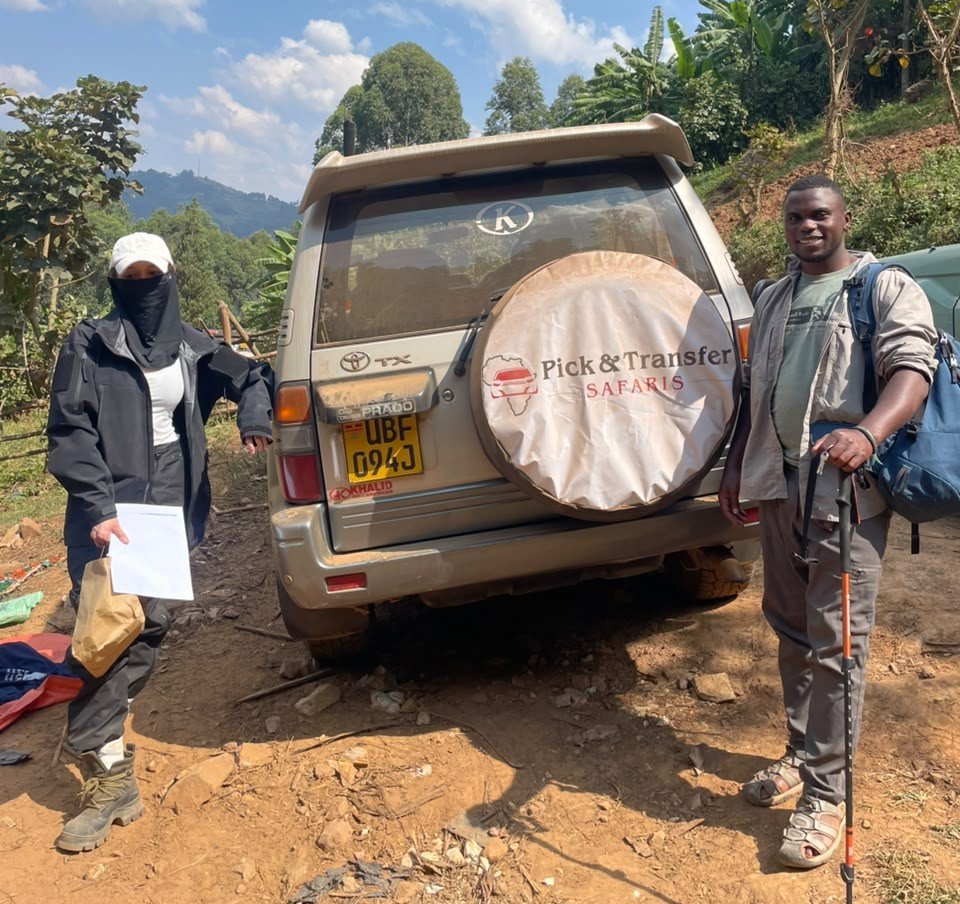
7 Days Uganda Safari – One week tour
This 7-day itinerary is the classic one-week introduction to Uganda, covering the country’s three most iconic wildlife experiences: chimpanzee tracking in Kibale Forest National Park, Big Five game drives and a boat cruise in Queen
Tour Details →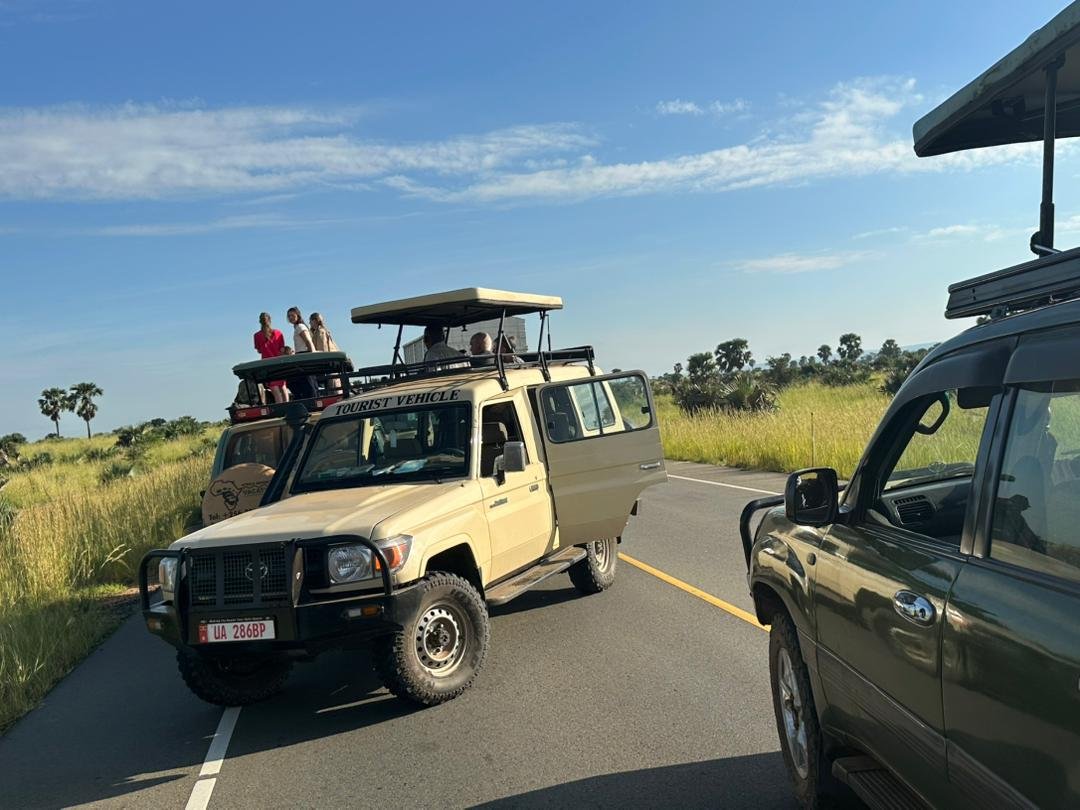
10 Days Uganda Primates and Wildlife
This 10-day Uganda Grand Safari is the most complete Uganda itinerary we offer at Pick and Transfer Safaris. It begins with a scenic northward drive from Entebbe to the vast open plains of Murchison
Tour Details →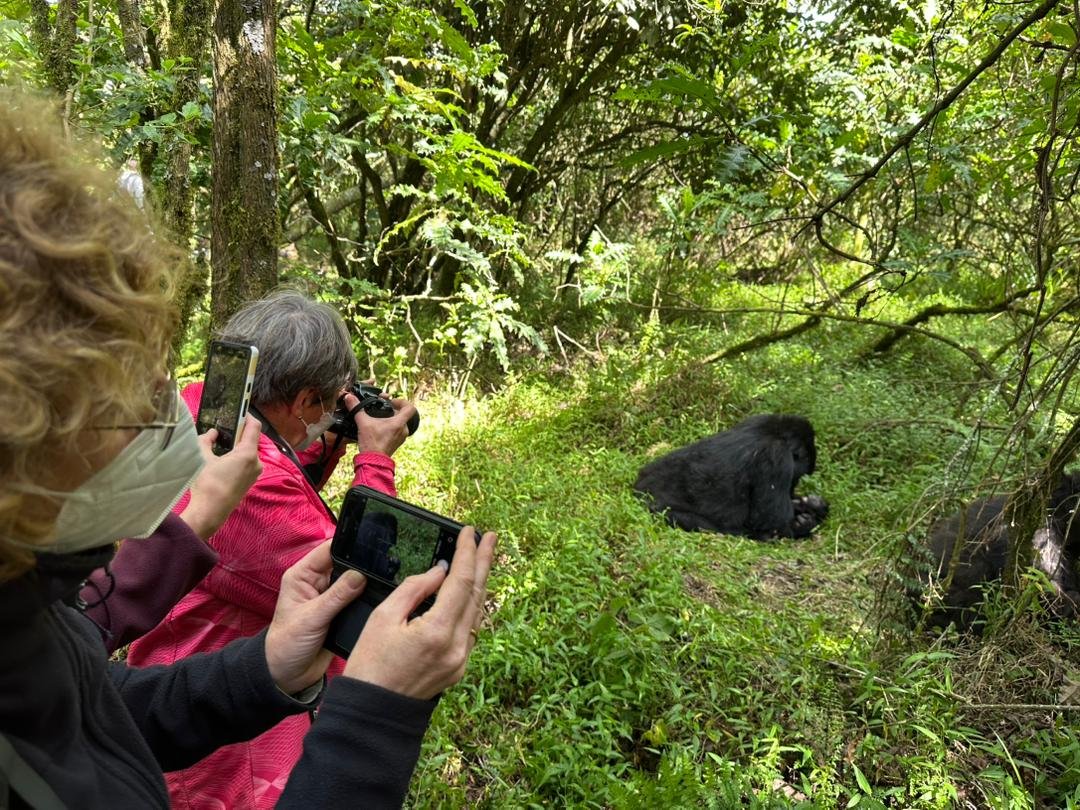
2 Days Uganda Gorilla Tour Starting from Kigali
This is the gentler cousin of our 1-Day Uganda Gorilla Safari Starting from Kigali — same idea, twice the breathing room. Instead of squeezing a 3,000-metre forest trek and two border crossings into a single very long day
Tour Details →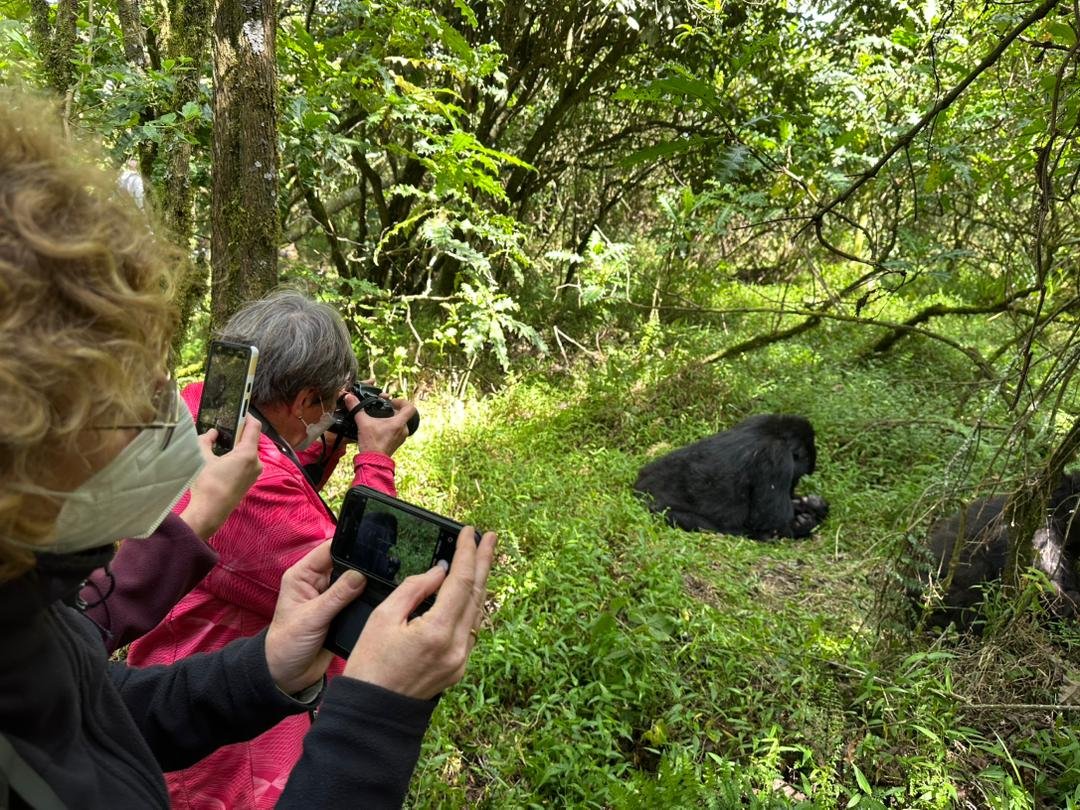
5-Day Uganda Gorilla and Chimpanzee Safari
This itinerary can be combined with a Rwanda extension or a wildlife-focused add-on through Queen Elizabeth National Park — browse our Uganda & Rwanda Safaris and Primate Safaris collections for ideas.
Tour Details →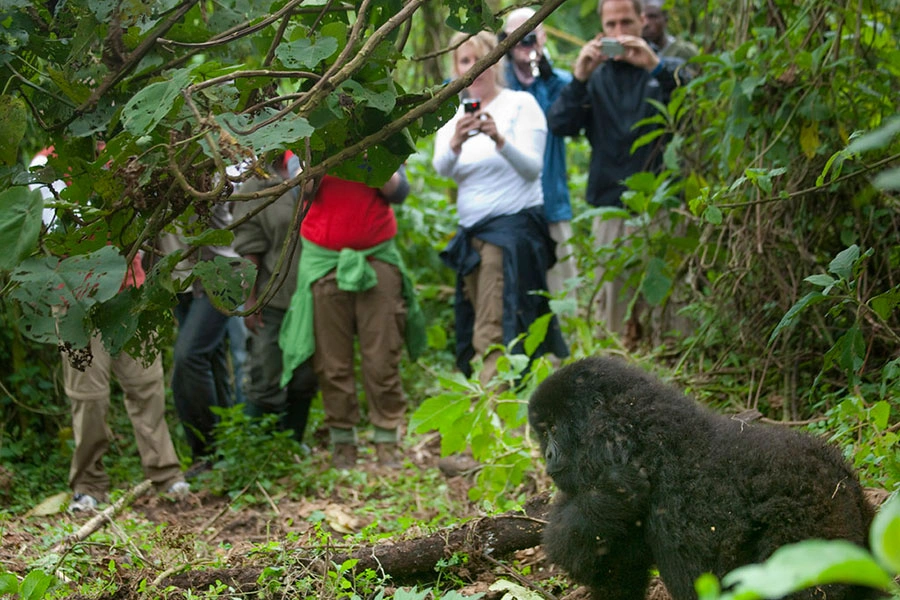
5 Days Rwanda Wildlife and Gorillas
This 5-day itinerary brings together Rwanda’s two flagship wildlife experiences: open savannah game drives and a boat safari in Akagera National Park, followed by a face-to-face encounters
Tour Details →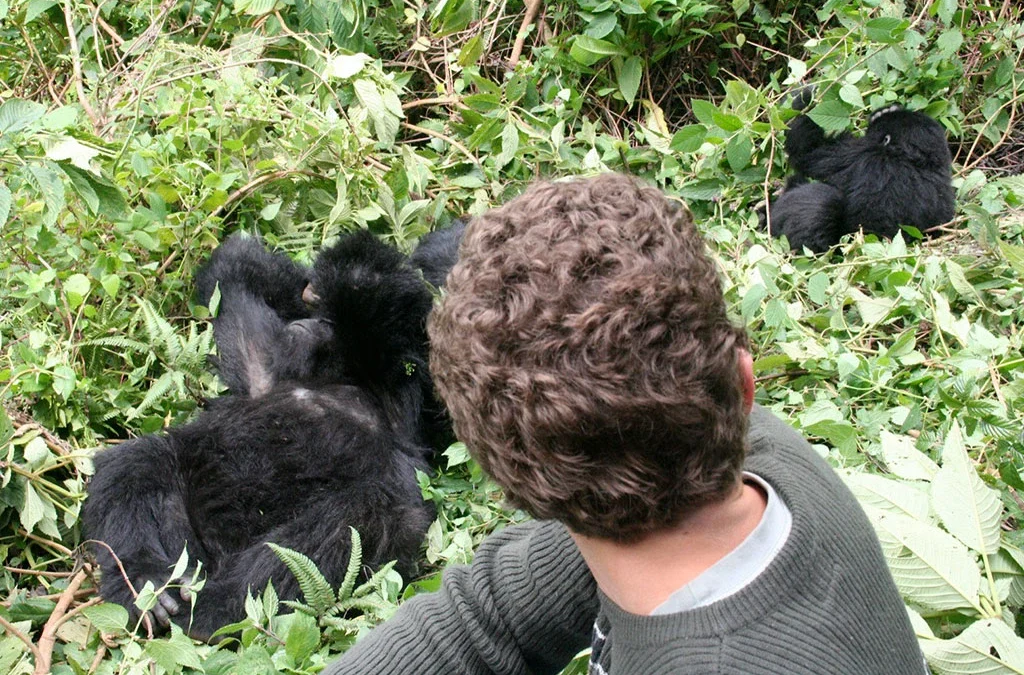
3 Days Uganda Gorilla Safari
For travelers who arrive in Entebbe with a tight schedule and a clear ambition, a 3-day gorilla safari to Bwindi Impenetrable Forest National Park is the most focused and rewarding short trip the country has to offer.
Tour Details →