- LET'S PLAN YOUR SAFARI
- +256 200 921 002
- +256 793 194 703
- info@pickandtransfersafaris.com

One Day Uganda Gorilla Trek Starting from Kigali
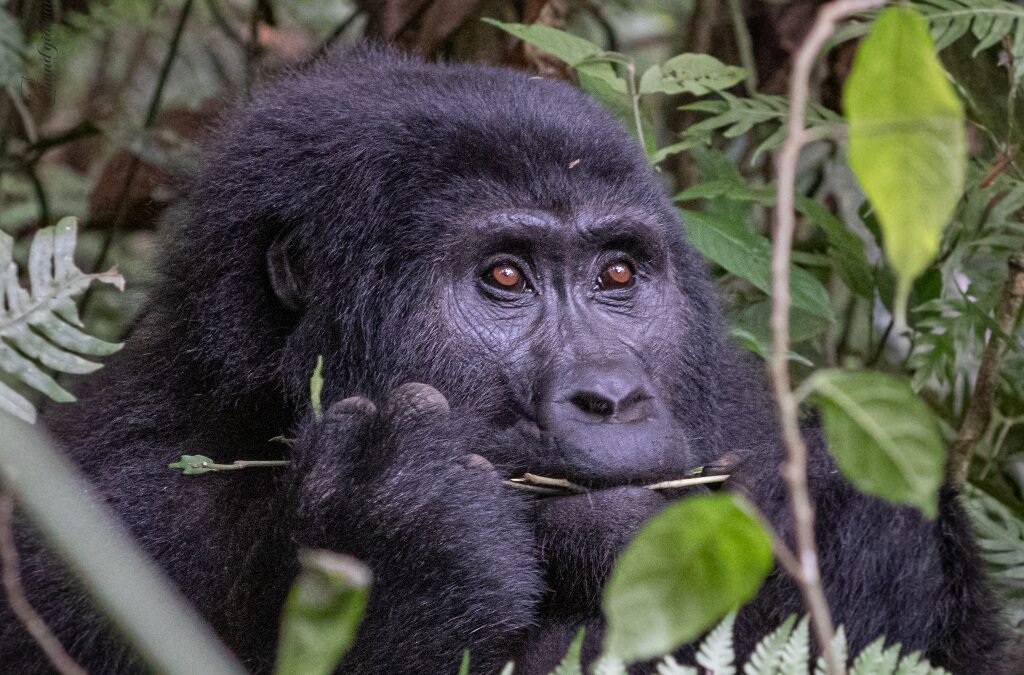
If you’re flying into Kigali with only a single free day on your calendar, you might assume mountain gorilla trekking is out of reach. It isn’t. Uganda’s Mgahinga Gorilla National Park sits close enough to the Rwanda border that a same-day round trip from Kigali — cross the border, trek, spend an hour with a wild gorilla family, and return to your Kigali hotel that same night — is not only possible, it’s become one of the most sought-after single-day wildlife experiences in East Africa. This adventure is known as the One Day Uganda Gorilla Trek Starting from Kigali. The One Day Uganda Gorilla Trek Starting from Kigali has gained immense popularity among travelers looking for a unique experience.
The One Day Uganda Gorilla Trek Starting from Kigali is designed for those who want an unforgettable experience without sacrificing their travel itinerary. This unique trek allows you to explore Uganda’s incredible gorillas in just one day.
This guide walks through exactly what a One Day Uganda Gorilla Trek Starting from Kigali involves: the route, the timing, the permit process, what to pack, who it suits, and what to expect from start to finish. If you’re weighing whether a single day is enough, or trying to understand how the logistics of a same-day international gorilla trek actually work, everything you need is below.
Why a One-Day Gorilla Trek from Kigali Works
Many travelers choose the One Day Uganda Gorilla Trek Starting from Kigali for its convenience and adventure. This trek offers an opportunity to witness the majestic mountain gorillas in their natural habitat.
Travelers can enjoy the One Day Uganda Gorilla Trek Starting from Kigali, as it provides a rare glimpse into the lives of these magnificent creatures.
Many find that the One Day Uganda Gorilla Trek Starting from Kigali is an excellent way to maximize their time in East Africa.
The entire premise of this trip rests on one geographic fact: Mgahinga Gorilla National Park, in Uganda’s far southwestern corner, sits only a short drive from the Cyanika border crossing with Rwanda, and Cyanika itself is roughly two to three hours from Kigali by road. Compare that to Uganda’s own capital, Entebbe, where the drive to the same park can take nine to eleven hours, and the reason a same-day trip is only realistic from Kigali becomes obvious.
The One Day Uganda Gorilla Trek Starting from Kigali is well-planned to ensure that you make the most of your single day.
The experience of the One Day Uganda Gorilla Trek Starting from Kigali is unlike any other and leaves travelers with lasting memories.
This proximity has turned Kigali into the preferred launch point for travelers who want to experience Uganda’s mountain gorillas without building an entire trip around the activity. Business travelers with a single free day between meetings, honeymooners on a Rwanda-based itinerary who want to add Uganda’s gorillas without extending their stay, and backpackers passing through the region all rely on this same basic logistics chain to fit a genuine gorilla trek into a schedule that would otherwise have no room for one.
Choosing the One Day Uganda Gorilla Trek Starting from Kigali is a decision that many travelers find rewarding.
Our own 1 Day Uganda Gorilla Safari Starting from Kigali is built entirely around this route, coordinating the permit, the border crossing, and the transfer into a single, tightly managed day so that travelers can focus on the trek itself rather than the logistics behind it. This is the perfect opportunity for those interested in the One Day Uganda Gorilla Trek Starting from Kigali.
Understanding the Route: Kigali to Mgahinga
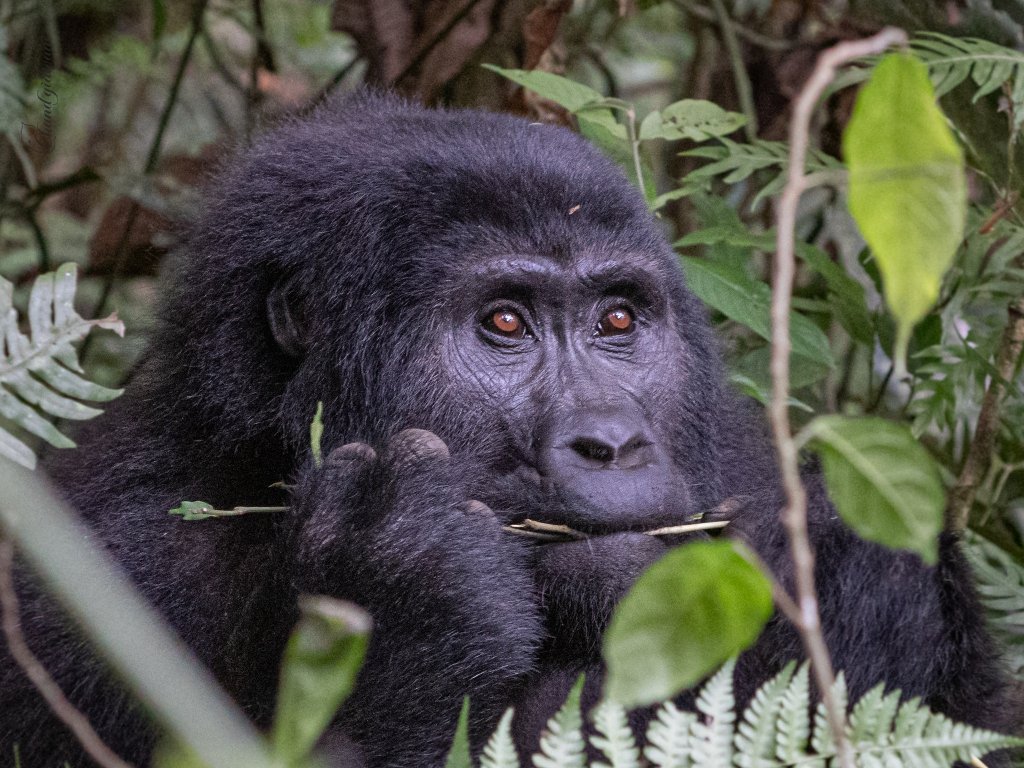
A typical one-day itinerary begins well before sunrise, usually with a 3:00 or 4:00 a.m. pickup from your Kigali hotel. The early start isn’t arbitrary — it’s the single most important design decision in the entire itinerary, since it builds in enough time for the border crossing, the drive to the park, the mandatory pre-trek briefing, and the trek itself, all before the gorilla family has moved too far from its last known location.
From Kigali, the drive heads northwest toward the Cyanika border post near Kisoro, a journey that typically takes two to three hours depending on road conditions and the time of departure. After crossing into Uganda, the route continues a further short distance to Mgahinga Gorilla National Park’s headquarters, where all trekkers must arrive in time for the standard 7:00 or 8:00 a.m. briefing. From there, the trek itself begins, following rangers and trackers into the Virunga Mountains’ bamboo and montane forest in search of the day’s habituated gorilla family.
The One Day Uganda Gorilla Trek Starting from Kigali offers a unique opportunity that shouldn’t be missed.
The return journey mirrors the outbound route — back across the Cyanika border and on to Kigali — typically arriving at your hotel sometime in the evening, anywhere from 7:00 p.m. to as late as 9:00 or 10:00 p.m. depending on how long the trek itself took and how smoothly the border crossing went. It’s a long day by any measure, but for travelers with genuinely no room for an overnight stay in Uganda, it remains the only way to trek gorillas without giving up a second day entirely.
The Cyanika Border Crossing Explained
Understanding the Cyanika border crossing in advance removes most of the uncertainty that makes first-time travelers nervous about a same-day international gorilla trek. Cyanika is one of two main crossings between Rwanda and Uganda in this region, the other being Katuna further east near Kabale, and it’s the crossing used for virtually all Kigali-to-Mgahinga gorilla itineraries because of its direct route and proximity to the park.
The crossing itself is generally efficient, particularly for travelers whose visa and passport documentation is already in order, and most tour operators are well practiced at managing the paperwork on both sides quickly. Because the East African Tourist Visa allows multiple entries between Uganda and Rwanda under a single application, many travelers on this itinerary use that visa specifically to simplify what would otherwise be two separate single-entry visa processes for a same-day crossing.
Kenlink Tours’ overview of starting a trip from Rwanda to Uganda covers the Cyanika crossing process in more detail, and their breakdown of a Uganda gorilla safari starting from Kigali, Rwanda lays out the exact distances and road conditions travelers can expect on both legs of the journey.
What a One-Day Itinerary Actually Looks Like
Walking through the day hour by hour makes the logistics feel far less daunting than they sound in the abstract. The day begins with a pre-dawn pickup from your Kigali hotel, typically between 3:00 and 4:00 a.m., followed by the drive to the Cyanika border, arriving as the crossing opens for the day. Once through immigration on both sides, the short remaining drive brings you to Mgahinga’s park headquarters in time for registration and the mandatory ranger briefing, usually starting around 7:00 or 8:00 a.m.
The trek itself follows immediately, with rangers dividing the day’s visitors into a group of up to eight and setting off in search of the habituated gorilla family, guided by trackers who typically enter the forest ahead of the main group at first light. Trekking time varies significantly depending on where the gorillas were last spotted, ranging from a relatively short one- to two-hour hike to a considerably longer four- or five-hour trek through Mgahinga’s bamboo forest and volcanic slopes.
Many participants in the One Day Uganda Gorilla Trek Starting from Kigali rave about the experience and the memories made.
Once the family is located, visitors spend a single, tightly regulated hour observing them before beginning the return hike out of the forest. After a quick meal and a chance to freshen up, the group begins the return drive to Kigali, crossing back through Cyanika and arriving at your hotel sometime in the evening. It’s a full, demanding day — but one that delivers a complete, unhurried hour with wild mountain gorillas despite never requiring an overnight stay in Uganda.
The Gorilla Permit for a One-Day Trip
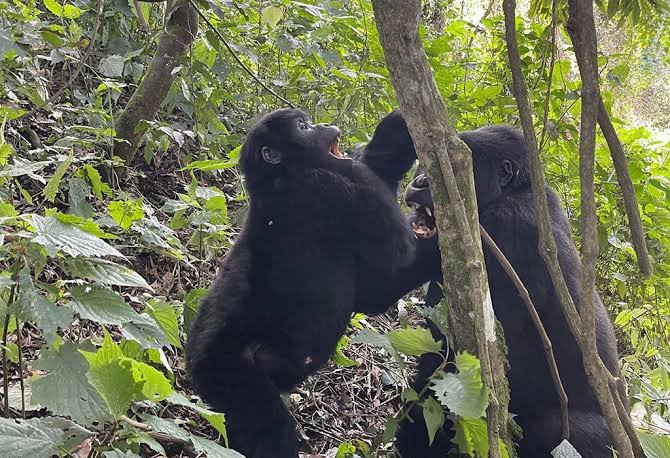
Every gorilla trek in Uganda, regardless of trip length, requires a permit issued by the Uganda Wildlife Authority, and a one-day itinerary is no exception. The permit costs USD 800 for foreign non-residents, grants access to one specific habituated gorilla family on a specific date, and is capped at eight visitors per family per day to protect the gorillas from overcrowding and stress.
Because Mgahinga typically hosts a single habituated gorilla family, available permits for a specific date can be more limited than at Bwindi, which spreads its allocation across four sectors and multiple families. This makes early booking especially important for a one-day Kigali itinerary, since there’s no flexibility to simply choose a different sector if your preferred date is unavailable — Mgahinga’s single-family structure means the date itself is the constraint.
Reputable operators handle the full permit reservation process on your behalf once you confirm your travel dates, typically requiring the full permit cost as part of your deposit. It’s worth confirming this detail specifically when booking, since a same-day itinerary leaves absolutely no room to discover a permit issue on the morning of your trek.
Mgahinga Gorilla National Park: Your Trekking Destination
Mgahinga Gorilla National Park sits within the Virunga Conservation Area, the same volcanic mountain range shared with Rwanda’s Volcanoes National Park and the Democratic Republic of Congo’s Virunga National Park. The gorillas trekked here belong to the same broader cross-border population as their more famous Rwandan cousins, meaning the encounter itself is every bit as authentic and immersive as a trek in Volcanoes National Park, at a considerably lower permit cost.
Beyond its single habituated gorilla family, Mgahinga is also one of the very few places on earth where golden monkey trekking is available, a bonus activity that some travelers add onto a longer Uganda-Rwanda itinerary, though it isn’t typically included in a one-day gorilla-only trip given the added time it would require. The park’s volcanic slopes and bamboo forest terrain offer a genuinely different trekking environment from Bwindi’s denser, lower-altitude rainforest, with cooler temperatures and, for many trekkers, a somewhat more manageable incline.
The One Day Uganda Gorilla Trek Starting from Kigali is a fantastic way to explore the beauty of Uganda.
Our Mgahinga Gorilla National Park destination guide covers the park’s wildlife, trekking conditions, and access routes in more depth if you want a fuller picture before committing to this specific one-day itinerary.
Why Mgahinga (Not Bwindi) for a One-Day Trip
It’s worth understanding explicitly why a one-day itinerary from Kigali routes to Mgahinga rather than Bwindi, since both parks are technically accessible from Rwanda. The answer comes down entirely to distance. Mgahinga sits just a short drive beyond the Cyanika border crossing, while Bwindi’s various trekking sectors sit considerably further into Uganda, adding several additional hours to both the outbound and return legs of the trip.
For a two- or three-day itinerary, that extra distance to Bwindi is easily absorbed into the schedule, and many travelers choose it specifically for the wider selection of trekking sectors and habituated families it offers. But for a genuine same-day round trip, that math simply doesn’t work — the additional hours required to reach Bwindi and return would either eliminate any meaningful time with the gorillas or push the return arrival in Kigali well past midnight.
Kenlink Tours’ comparison of landing in Kigali or Entebbe for a gorilla safari lays out these distances clearly, and their piece on how far Bwindi is from Kigali is worth reading if you’re deciding between a Mgahinga-based one-day trip and a longer Bwindi-based itinerary instead.
Physical Demands: Is a Same-Day Round Trip Right for You?
The One Day Uganda Gorilla Trek Starting from Kigali is an adventure that brings you face-to-face with nature.
A one-day gorilla trek from Kigali is, honestly, physically and logistically demanding in a way that a two- or three-day version simply isn’t. You’re combining a pre-dawn wake-up, several hours of road travel each way, an international border crossing on both legs, and the gorilla trek itself — which can range from a one-hour stroll to a genuinely strenuous five-hour hike through volcanic terrain — all within a single day, with no overnight rest built in between the travel and the trekking.
This combination suits travelers who are reasonably fit, comfortable with long travel days, and specifically constrained by time rather than simply looking for the most comfortable way to see gorillas. It’s not the right choice for travelers who struggle with early mornings, long car journeys, or who want a more relaxed pace to properly recover between the drive and the physical demands of trekking.
If any of that gives you pause, it’s worth seriously considering our 2 Days Uganda Gorilla Tour Starting from Kigali instead, which removes the same-day round trip pressure entirely by adding a night’s stay near the park both before and after the trek, at the cost of one extra day away from Kigali.
What to Pack for a One-Day Trek
Because there’s no lodge stop to reorganize your bag or change clothes partway through the day, packing correctly before you leave Kigali matters more on a one-day itinerary than on any longer version of the same trip. Sturdy, broken-in hiking boots with good ankle support are essential, since Mgahinga’s volcanic slopes and bamboo forest floor can be uneven and occasionally slippery regardless of season.
A waterproof, breathable rain jacket belongs in every daypack, since mountain weather in the Virunga region can shift quickly even during the drier months. Long sleeves and trousers in neutral colors protect against stinging nettles and biting insects along the trail, and a pair of light gardening or trekking gloves make a noticeable difference when grabbing onto vegetation on steep sections. Pack at least two liters of water and energy-dense snacks, since you’ll be away from any lodge or restaurant for the entire day.
Given the pre-dawn departure, it’s worth laying out and packing everything the night before rather than the morning of, including your passport, visa documentation, permit confirmation, and enough Ugandan and Rwandan currency in small denominations for tipping rangers, trackers, and porters at the end of the trek.
Visa and Border Documentation Requirements
A same-day international border crossing means your documentation needs to be entirely in order before departure, with zero room to sort out an issue on the road. Most nationalities require a visa for both Uganda and Rwanda, and the East African Tourist Visa, which permits multiple entries between the two countries under a single application, is specifically designed for exactly this kind of same-day crossing itinerary.
A yellow fever vaccination certificate is typically required for entry into Uganda and is worth carrying physically rather than relying solely on a digital copy. Your passport should have at least six months of remaining validity and several blank pages available for entry and exit stamps on both sides of the border, since a same-day round trip generates four separate stamps in a single day rather than the usual two.
Confirming all of this well before your trek date, rather than the night before, is one of the simplest ways to avoid the single biggest risk on a one-day itinerary: arriving at the border only to discover a documentation gap that jeopardizes the entire day’s plan.
Health Requirements and Trekking Fitness
Gorilla trekking comes with a handful of health rules that apply regardless of trip length, and they matter more, not less, on a one-day itinerary where there’s no flexibility to reschedule if something goes wrong. Visitors showing symptoms of a cold, flu, or other communicable illness may be asked to sit out their trek entirely, since gorillas are highly susceptible to human respiratory infections and even a mild illness can pose a genuine risk to the population.
Beyond illness, the physical fitness required for this specific itinerary deserves honest self-assessment. You’re not simply trekking for a few hours — you’re doing so on the back end of a pre-dawn wake-up and several hours of road travel, with several more hours of driving still ahead of you afterward. Travelers with any mobility concerns or underlying health conditions that make long days particularly taxing should discuss this specific itinerary candidly with their operator before booking, since the two-day version offers meaningfully more rest without sacrificing the core experience.
Pricing: What’s Included in a One-Day Gorilla Trek
A one-day gorilla trek from Kigali typically includes the gorilla permit itself, private ground transportation in a 4×4 vehicle for the full round trip, a professional driver-guide, park entry fees, and border crossing assistance on both legs of the journey. Because there’s no overnight stay involved, accommodation costs simply don’t factor into this itinerary, which keeps the total price notably lower than a two- or three-day version despite the permit fee remaining identical.
What’s generally excluded includes your Kigali hotel stay itself (since the trip starts and ends there rather than including it), visa fees, travel insurance, tips for your driver, rangers, trackers, and any porters hired for the trek, and meals beyond a packed lunch or light provisions during the trip. It’s worth confirming exactly what’s bundled into any quoted price before booking, since the permit fee specifically should always be clearly itemized rather than left ambiguous.
Because the fixed costs of a same-day trip — the permit, the vehicle, and the driver-guide — are spread across a single day rather than two or three, the per-day cost of a one-day trek is naturally higher than a longer itinerary, even though the total trip cost is lower.
Comparing the 1-Day vs 2-Day Kigali Gorilla Options
Choosing between the one-day and two-day Kigali gorilla trekking options comes down almost entirely to how much flexibility your schedule allows. The one-day version delivers the exact same gorilla encounter — the same permit, the same park, the same hour with a habituated family — while requiring zero nights away from your Kigali base, making it the only option for travelers with genuinely no room for an overnight stay anywhere in their itinerary.
The two-day version trades that convenience for a meaningfully more comfortable pace. By adding a single night’s stay near Mgahinga, travelers arrive at the trailhead rested rather than road-weary, and the overall day feels considerably less rushed, since there’s no pressure to complete the return drive to Kigali by a specific evening hour. For travelers who can spare the extra day, it’s generally the more enjoyable version of the same underlying experience.
Our 2 Days Uganda Gorilla Tour Starting from Kigali and the one-day itinerary covered throughout this guide use the identical route and destination — the only real difference is where you sleep the night before your trek, and how rushed the day itself feels as a result.
Who This Trip Is Best For
The one-day Kigali gorilla trek suits a specific, fairly identifiable type of traveler. Business travelers attending a conference or meetings in Kigali with a single free day between commitments are perhaps the most common booking, since the itinerary lets them add a genuinely world-class wildlife experience to an otherwise work-focused trip without extending their stay by even one night.
It also suits travelers on a broader East Africa itinerary who specifically want to add Uganda’s gorillas to a primarily Rwanda-based trip without restructuring their entire schedule around an overnight border crossing, and backpackers or budget travelers who are comfortable with a physically demanding day in exchange for the lower overall cost of skipping an additional night’s accommodation. It is generally not the right choice for travelers who prioritize comfort and pacing over efficiency, families traveling with less physically robust members, or anyone who simply prefers to build in a buffer day around a physically demanding activity.
The One Day Uganda Gorilla Trek Starting from Kigali caters to those seeking an extraordinary wildlife experience.
Many adventurers are drawn to the One Day Uganda Gorilla Trek Starting from Kigali for its unique appeal and thrilling encounters.
Common Mistakes to Avoid on a One-Day Trip
A handful of avoidable mistakes tend to derail one-day gorilla treks more often than any other version of this itinerary. The most common is booking flights out of Kigali too close to the return time, without accounting for the possibility that trekking could take longer than expected or that the border crossing could face unexpected delays. Given how tightly a one-day itinerary is scheduled, it’s wise to avoid any onward flight departing the same evening as your trek.
A second common mistake is underestimating how demanding the day will feel cumulatively. Trekkers who handle a single strenuous activity without difficulty sometimes find the combination of a 3:00 a.m. wake-up, hours of road travel, and a multi-hour forest trek considerably more draining than any one element in isolation. Getting genuinely restful sleep the night before, rather than staying out late in Kigali, makes a real difference to how the day actually feels.
Embarking on the One Day Uganda Gorilla Trek Starting from Kigali is a choice that resonates with countless adventurers.
A third mistake is failing to confirm visa and documentation requirements well in advance, since a same-day international crossing leaves no room to resolve a paperwork issue on the road. Finally, some travelers underestimate the value of hiring a porter for the trek itself — for a fee that typically amounts to a modest tip, a porter carries your daypack and offers a steadying hand on difficult sections, which matters considerably more on a day when you’re already running on limited rest.
Alternatives if a Single Day Feels Too Rushed
If, after reading through the logistics above, a single day feels like more than you want to take on, several close alternatives deliver the same core gorilla trekking experience with a gentler pace. The two-day Kigali gorilla tour, already discussed above, is the most direct alternative, removing the same-day round trip pressure while keeping the trip length to a minimum.
For travelers who want a longer Rwanda-based combination, our 5 Days Uganda Gorilla and Chimps Safari starting from Rwanda pairs a properly paced Uganda gorilla trek with chimpanzee tracking and additional wildlife activities, while our 3 Days Uganda Gorilla Safari from Rwanda offers a middle-ground option that routes into Bwindi rather than Mgahinga, trading the shorter Mgahinga distance for access to a wider range of trekking sectors.
Travelers who specifically want to compare Uganda and Rwanda’s trekking styles within the same trip might also consider our 2 Days Volcanoes Gorilla Trek from Kigali, which treks in Rwanda’s own Volcanoes National Park rather than crossing into Uganda at all — a useful option if border logistics specifically are what’s giving you pause.
Booking Timeline: How Far Ahead to Reserve
Because Mgahinga typically manages a single habituated gorilla family rather than Bwindi’s multiple sectors and families, permit availability for a specific date can be more constrained on this particular route than on other Uganda gorilla itineraries. During peak months — roughly July through September and the December holiday period — it’s worth confirming your permit reservation at least two to three months in advance, and ideally earlier if your Kigali travel dates themselves are fixed and non-negotiable, such as around a conference or work commitment.
During quieter shoulder-season months, four to six weeks’ notice is often sufficient, though earlier booking always provides more security given how tightly a same-day itinerary depends on everything lining up correctly. Because this trip type is frequently booked by business travelers with fixed, unmovable travel dates, it’s one of the itineraries where early confirmation matters most — there’s simply no flexibility to shift your trek date by a day or two if your permit isn’t available exactly when you need it.
Every traveler should consider the One Day Uganda Gorilla Trek Starting from Kigali as a highlight of their trip.
To fully enjoy your time, consider the One Day Uganda Gorilla Trek Starting from Kigali for a day filled with exploration.
The One Day Uganda Gorilla Trek Starting from Kigali allows for a thrilling experience without a long commitment.
Kenlink Tours’ guide to combining Rwanda and Uganda gorilla trekking and culture touches on similar booking-timeline considerations for travelers weighing a same-day Uganda add-on against a longer, more flexible combined itinerary.
Best Time of Year for a One-Day Kigali Gorilla Trek
Mgahinga’s trekking conditions follow the same broad seasonal pattern as the rest of Uganda’s gorilla parks. The two dry seasons, roughly December through February and June through September, offer firmer trails and generally more predictable road conditions for both the drive to Cyanika and the trek itself, making them the most popular booking windows for this itinerary. Because a same-day round trip already has zero margin for delay, many travelers specifically favor these drier months to minimize the risk of muddy roads adding unexpected time to either leg of the journey.
The rainier stretches, roughly March through May and October through November, bring a real trade-off. Trails become muddier and the trek itself can take somewhat longer underfoot, but permit availability for Mgahinga’s single habituated family is often easier to secure on shorter notice, and the volcanic slopes take on a noticeably lush, vivid green that many photographers actually prefer. For travelers with genuinely flexible dates, a shoulder-season booking can offer a useful combination of easier permit access and lower lodge and vehicle rates for the Kigali portion of the trip, even though this itinerary doesn’t include an overnight stay itself.
Whichever season you travel in, it’s worth building a small amount of extra time into your day if at all possible — even avoiding a same-evening flight by a single day removes a significant amount of unnecessary stress from what is already a tightly scheduled itinerary.
Tipping Guide for Your One-Day Trek
Tipping is a meaningful part of the local economy around Mgahinga, and it’s worth budgeting for specifically before you leave Kigali, since a same-day itinerary offers no opportunity to withdraw cash once you’ve crossed the border. Rangers, trackers, and your driver-guide are the core team supporting your trek, and most travelers tip each separately at the end of the day, typically in a mix of US dollars and Ugandan shillings in small denominations.
If you hire a porter to carry your daypack during the trek, a tip for that assistance is customary and directly supports the local community around the park, since porter work is one of the more accessible sources of tourism income for residents near Mgahinga. Because the one-day itinerary moves quickly and doesn’t include a lodge stop where cash might otherwise be exchanged, it’s worth withdrawing or exchanging enough small-denomination currency in Kigali before departure to cover tips for your entire team without needing to break large bills mid-trek.
While tipping amounts are always at your discretion, treating this as a planned part of your budget rather than an afterthought ensures the day ends smoothly, without the awkwardness of trying to sort out appropriate cash on the drive back to the border.
Photography and Memory-Making on a Tight Schedule
Because a one-day itinerary compresses everything into a single trekking window, it’s worth thinking through your photography approach before you set off rather than figuring it out in the moment. Mgahinga’s bamboo forest and volcanic terrain filter light differently than open savannah, so a camera or phone capable of performing reasonably well in lower light will serve you better than gear optimized purely for bright daylight conditions.
Given the demanding nature of the day, many trekkers find it worthwhile to spend at least part of their hour with the gorillas simply watching rather than shooting continuously, since the memory of the encounter itself tends to outlast any single photograph. Flash photography is strictly prohibited throughout the trek, so practicing your camera’s low-light settings before your trip, rather than discovering them for the first time in the forest, helps you capture the encounter without fumbling through menus during your limited hour.
It’s also worth keeping your phone charged and easily accessible throughout the long travel portions of the day, both for photographing the scenic drive between Kigali and Cyanika and for keeping in touch with your accommodation or onward travel plans given how variable return timing can be.
The One Day Uganda Gorilla Trek Starting from Kigali is an opportunity to connect with nature like no other.
The One Day Uganda Gorilla Trek Starting from Kigali provides a once-in-a-lifetime experience for those who embark on it.
Preparing in Kigali the Night Before
A successful one-day gorilla trek genuinely starts the evening before you leave Kigali, not the morning of. Given the pre-dawn departure, it’s worth having an early, light dinner, packing your daypack completely rather than partially, and confirming your pickup time and location directly with your operator rather than assuming the details from your original booking confirmation still apply exactly.
Charging every device you plan to bring, laying out your clothing for the morning, and double-checking that your passport, visa documentation, and yellow fever certificate are all in the same easily accessible bag are small steps that make a meaningful difference at 3:00 a.m. when decision-making is naturally slower. Many travelers also find it worth avoiding alcohol the night before, given both the early wake-up and the physical demands of the day ahead.
The One Day Uganda Gorilla Trek Starting from Kigali is a meticulously crafted experience that highlights Uganda’s rich biodiversity.
If your Kigali hotel offers an early breakfast option or packed breakfast for guests departing before standard service hours, arranging this in advance ensures you’re not starting a demanding day on an empty stomach simply because the kitchen wasn’t open yet.
On the One Day Uganda Gorilla Trek Starting from Kigali, you’ll have a chance to observe these magnificent animals up close.
Choosing the One Day Uganda Gorilla Trek Starting from Kigali opens doors to remarkable wildlife encounters.
Every detail of the One Day Uganda Gorilla Trek Starting from Kigali is designed to provide a seamless experience.
Traveling Solo vs. With a Group
The one-day itinerary works equally well whether you’re trekking solo, as a couple, or as part of a small group, though each situation carries slightly different practical considerations worth planning around. Solo travelers benefit from maximum flexibility, since securing a single permit slot is generally easier than coordinating several, and the itinerary can be timed precisely around one person’s schedule without needing to accommodate anyone else’s preferences or pace.
Couples and small groups traveling together should confirm early whether they want to guarantee trekking as a unit with the same gorilla family, since Uganda Wildlife Authority assigns trekkers to families based on permit allocation, and a same-day itinerary offers no flexibility to request a change if the group ends up split. Booking permits together, through the same operator, at the same time, is the most reliable way to ensure a group treks as a single unit rather than being divided between different families on the same date.
The One Day Uganda Gorilla Trek Starting from Kigali is not just a trek; it’s a journey into the heart of the wild.
Larger groups of four or more should factor in slightly more logistics coordination at the Cyanika border crossing itself, since immigration processing naturally takes a little longer per person, though this rarely adds more than a few extra minutes when handled by an experienced operator familiar with the crossing.
Weather and Gear Considerations Specific to Mgahinga
Mgahinga’s volcanic terrain sits at a meaningfully higher altitude than much of Bwindi’s forest, and this altitude shapes both the weather you’ll encounter and the gear that serves you best. Mornings at the park headquarters can feel noticeably cool, even chilly, particularly during the pre-dawn hours of a one-day itinerary, so a layering system — a base layer, a warm mid layer, and a waterproof outer shell — tends to work better than a single heavy jacket that becomes uncomfortable once the trek itself gets underway and body heat rises.
For those in search of a quick adventure, the One Day Uganda Gorilla Trek Starting from Kigali is an ideal choice.
The bamboo forest sections of the trek can feel different underfoot than Bwindi’s denser rainforest floor, with root systems and volcanic soil that shift between firm and slippery depending on recent rainfall. A proper walking stick, available for rent at the trailhead, genuinely helps with balance on these sections, and it’s worth accepting one even if you don’t think you’ll need it, given how much a same-day itinerary already asks of your energy reserves.
Because the day involves both a cool pre-dawn departure and a physically warm mid-morning trek, gloves that can be removed and stowed easily, rather than bulky insulated ones, tend to work best for maintaining comfort across the day’s temperature swings.
A Realistic Traveler’s Perspective on the Day
It’s worth being candid about how this specific itinerary tends to feel in practice, since managing expectations makes the day considerably more enjoyable than going in unprepared. The pre-dawn hours often pass in a slightly groggy blur, and most travelers report drifting in and out of sleep during the drive to Cyanika rather than staying fully alert for the entire journey — this is completely normal and nothing to worry about.
The border crossing itself, when handled by an experienced operator, tends to feel more routine than travelers expect, often taking less time than the anticipation beforehand suggests. The trek is where the day’s energy noticeably shifts: the physical exertion combined with genuine anticipation tends to override any earlier tiredness, and the hour spent with the gorilla family is consistently described by travelers as feeling both shorter and more profound than expected.
The long drive back to Kigali is, honestly, the part travelers are least prepared for. Physical fatigue from the trek combines with the accumulated hours of the day, and most people spend much of the return journey resting rather than actively engaging with the passing scenery. Planning nothing demanding for that same evening — no dinner reservations, no further activities — lets the day end on a genuinely satisfying note rather than an exhausted one.
Frequently Asked Questions
Is a one-day gorilla trek from Kigali physically safe? Yes, when undertaken by reasonably fit travelers who have arranged proper rest the night before. The main challenge is stamina across a long day rather than any specific safety risk, and rangers manage every trek with the same safety protocols regardless of trip length.
What time will I return to my Kigali hotel? Return times vary based on trekking duration and border conditions, but most one-day itineraries arrive back in Kigali between 7:00 p.m. and 10:00 p.m. It’s wise to avoid booking any commitments, including onward flights, for that same evening.
Can I choose which gorilla family I trek with? No. Rangers assign trekking groups to a specific habituated family each morning based on the family’s last known location, and this applies to every gorilla trekking itinerary in Uganda, regardless of length.
Do I need a separate visa for Uganda if I already have a Rwanda visa? In most cases, yes, unless you hold the East African Tourist Visa, which covers both Uganda and Rwanda under a single application and is specifically designed for travelers making same-day or short cross-border trips like this one.
What happens if the trek takes longer than expected? Operators build some buffer time into the schedule, but a significantly longer trek can push your return to Kigali later into the evening. This is exactly why avoiding same-evening flight departures is strongly recommended for this itinerary.
Is the one-day trip cheaper than the two-day version? The total trip cost is lower, since there’s no accommodation to pay for, but the permit fee itself — the single largest cost on either itinerary — remains identical regardless of trip length.
Can I extend a Kigali business trip with this itinerary without missing meetings? Many business travelers do exactly this, scheduling the trek on a free day between commitments. Just be sure to avoid booking any meetings, calls, or onward flights for the evening of your trek, since return timing can vary by a few hours depending on trekking duration.
What if I can’t get a permit for my exact date? Because Mgahinga typically manages a single habituated family, unavailable dates do occasionally happen, particularly during peak season. In that case, your operator can usually suggest either an adjacent date or a same-day trek routed into Bwindi instead, though that alternative requires significantly more travel time and generally isn’t feasible as a single-day Kigali round trip.
Will I get cell phone signal during the trek? Signal is generally weak to nonexistent once you’re inside the forest itself, though it’s usually available at the park headquarters and along most of the drive between Kigali and Cyanika. It’s worth letting anyone expecting to hear from you know in advance that you’ll likely be unreachable for several hours during the trek.
Is travel insurance required for this itinerary? It isn’t legally required, but given the physical nature of the trek and the remote location relative to major hospitals, comprehensive travel insurance that includes medical evacuation coverage is strongly recommended for any Uganda gorilla trekking itinerary, including this one.
Ready to Book Your One-Day Gorilla Trek from Kigali?
A single free day in Kigali is genuinely enough to trek wild mountain gorillas in Uganda, provided the logistics are handled by someone who does this route regularly. The permit, the Cyanika border crossing, the drive to Mgahinga, and the trek itself all need to line up precisely, and a well-prepared operator makes the difference between a smooth, memorable day and an unnecessarily stressful one.
If your schedule allows for even one extra day, it’s worth weighing this itinerary against our 2-day version for a noticeably more relaxed pace. But if a single day is genuinely all you have, our 1 Day Uganda Gorilla Safari Starting from Kigali is built specifically to make that day work. Browse our full Gorilla Safaris collection for every Kigali and Entebbe-based option, or reach out directly through our Contact Us page to confirm your permit and lock in your one-day gorilla trek date today.