- LET'S PLAN YOUR SAFARI
- +256 200 921 002
- +256 793 194 703
- info@pickandtransfersafaris.com

Primate Tracking Safaris in Uganda
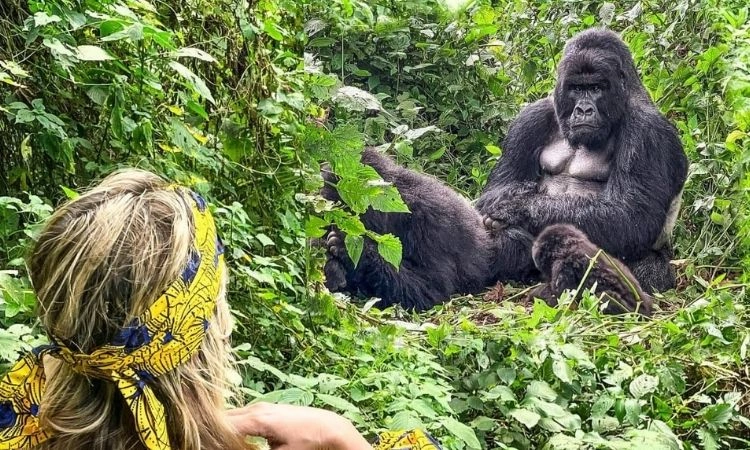
Primate Tracking Safaris in Uganda. Uganda is home to more primate species than almost anywhere else on the continent, and a primate tracking safari in Uganda is the single best way to experience that diversity in one trip. With roughly 20 primate species recorded within its borders, including endangered mountain gorillas, chimpanzees, golden monkeys, and a long list of colobus and guenon species, Uganda offers a depth of primate viewing that Kenya, Tanzania, and even Rwanda cannot match park for park.
At Pick and Transfer Safaris, primate tracking is the safari style we build more itineraries around than any other, because it rewards travelers with close, structured encounters that a standard game drive simply cannot deliver. This guide breaks down every major primate tracking experience available in Uganda today: where to find each species, what the permits cost in 2026, how physically demanding each trek is, and how to combine several experiences into one well-paced itinerary.
Why Uganda Is Africa’s Top Primate Tracking Destination
Three factors set Uganda apart for primate tracking. First is sheer species diversity: within a single country you can track mountain gorillas, common chimpanzees, and golden monkeys, plus observe black-and-white colobus, red colobus, l’Hoest’s monkeys, vervet monkeys, olive baboons, and several other species without ever crossing a border. Second is geographic concentration: Uganda’s primate hotspots sit close enough together that a two-week trip can realistically include four or five distinct tracking experiences, something that is far harder to achieve in Central Africa’s more spread-out gorilla destinations.
Third, and often overlooked, is value. Uganda’s gorilla permits are priced below Rwanda’s, its chimpanzee permits are among the most affordable primate permits in Africa, and several of its lesser-known primate experiences, such as golden monkey trekking and Kyambura Gorge chimp tracking, cost a fraction of the marquee activities while still delivering memorable sightings. For travelers who want maximum primate diversity without a marquee-only budget, Uganda is difficult to beat.
Uganda Compared to Rwanda and Congo for Primate Tracking
Travelers researching gorilla and primate safaris inevitably compare Uganda against Rwanda and the Democratic Republic of Congo, the only other two countries where mountain gorilla trekking is possible. Rwanda offers a slicker, more polished visitor experience and shorter driving distances from its capital, but at a significantly higher gorilla permit price of $1,500 per person, and without Uganda’s breadth of chimpanzee and monkey tracking options. The Democratic Republic of Congo’s Virunga National Park offers the lowest gorilla permit prices in the region, but ongoing regional security concerns mean most international operators, including our team at Pick and Transfer Safaris, do not currently recommend it as a primary destination.
Uganda occupies a genuinely favorable middle ground: gorilla permits priced well below Rwanda’s, chimpanzee tracking available at three separate locations rather than one, and a stable, well-developed tourism infrastructure that makes multi-week, multi-park itineraries far more practical to execute than in either neighboring country. For travelers who want primate diversity rather than a single flagship activity, Uganda is consistently the stronger choice.
Mountain Gorilla Trekking in Bwindi and Mgahinga
Mountain gorillas are the headline act of any Uganda primate safari, and for good reason. Bwindi Impenetrable National Park holds roughly half of the world’s remaining mountain gorilla population, spread across four trekking sectors: Buhoma, Ruhija, Rushaga, and Nkuringo. A smaller number of habituated gorilla families live in Mgahinga Gorilla National Park in the far southwest, near the Rwanda and DRC borders, which is a quieter and less-visited alternative to Bwindi with the added benefit of being trekkable on the same day as golden monkey tracking.
Gorilla trekking permits for 2026 cost $800 per person for foreign non-residents in high season, dropping to $600 during the April, May, and November low season. The trek itself involves anywhere from one to seven hours of walking through dense, often steep rainforest, followed by a strictly enforced one-hour viewing window once the gorilla family is located, with a minimum seven-meter distance maintained at all times. Trekkers must be at least 15 years old, a rule enforced at the park gate by passport check on the morning of the trek itself.
Chimpanzee Tracking in Kibale Forest National Park
If Bwindi is Uganda’s gorilla capital, Kibale Forest National Park is unquestionably its chimpanzee capital. With more than 1,500 chimpanzees living across several habituated communities, Kibale offers the highest chimpanzee sighting success rate of any park in the country, along with excellent infrastructure at the Kanyanchu Visitor Centre where treks begin each morning.
Standard chimpanzee tracking permits in Kibale currently cost around $250 for foreign non-residents, $200 for Uganda residents, and roughly 250,000 Ugandan shillings for East African citizens. The terrain in Kibale is considerably gentler than Bwindi’s, with well-maintained forest trails that make this activity accessible to a wider range of fitness levels. Travelers who want a deeper experience can upgrade to the Chimpanzee Habituation Experience, spending a full morning or afternoon alongside researchers and rangers working with a community still being acclimatized to human observers, well beyond the standard one-hour viewing limit.
Chimpanzee Tracking in Kyambura Gorge, Queen Elizabeth National Park
Fewer travelers know about Kyambura Gorge, a dramatic, sunken riverine forest inside Queen Elizabeth National Park often nicknamed the “Valley of Apes.” Because the gorge sits below the surrounding savanna, descending into it feels like entering an entirely different ecosystem, dense, humid, and alive with birdlife alongside its resident chimpanzee community.
Kyambura’s chimpanzee sightings are less predictable than Kibale’s because the community here is smaller and ranges more widely, but the setting is arguably more dramatic, and the permit is considerably cheaper at around $50 per person for both foreign residents and non-residents, plus the standard Queen Elizabeth National Park entrance fee. Because Kyambura sits directly on the main road between Kibale and Bwindi, it is an easy and inexpensive add-on for travelers already driving that route, giving you a second, very different chimpanzee tracking experience without a significant detour.
Chimpanzee Tracking in Budongo Forest, Murchison Falls National Park
Travelers heading north to Murchison Falls National Park for classic savanna game drives and the Nile boat cruise often do not realize that Budongo Forest, immediately south of the park, offers some of the best chimpanzee tracking in Uganda outside Kibale. Budongo is Uganda’s largest natural mahogany forest and holds a well-habituated chimpanzee community that researchers have studied for decades, giving guides an unusually detailed understanding of individual chimpanzees and their family relationships.
Permit prices in Budongo are notably affordable, with foreign non-resident permits priced at roughly $130 per person, foreign residents at around $120, and East African citizens at approximately $85, though these figures are always worth reconfirming closer to your travel dates since UWA periodically revises rates. Because Budongo pairs naturally with a Murchison Falls itinerary rather than requiring a dedicated detour, it is one of the most efficient ways to add a third chimpanzee tracking experience to a longer Uganda primate safari.
Golden Monkey Trekking in Mgahinga Gorilla National Park
Golden monkeys are one of Africa’s most photogenic and least-discussed primates, found only in the Virunga volcanic range shared by Uganda, Rwanda, and the Democratic Republic of Congo. In Uganda, golden monkey trekking takes place exclusively in Mgahinga Gorilla National Park, where a habituated troop moves through dense bamboo forest on the lower slopes of the volcanoes.
Golden monkey trekking is considerably less strenuous than gorilla trekking, usually taking one to three hours round trip, and considerably cheaper too, at roughly $50 per person for standard trekking or $100 per person for the longer habituation experience. Because Mgahinga sits close to several of Bwindi’s southern gorilla sectors, particularly Rushaga and Nkuringo, golden monkey trekking is frequently added as a same-trip extension for travelers who want a lighter, low-cost second primate activity alongside their main gorilla trek.
Other Primates You Can See on a Uganda Safari
Beyond the three headline species, Uganda’s forests and savannas hold an impressive supporting cast of primates that most first-time visitors never expect to see. Black-and-white colobus monkeys, with their flowing white capes, are common in Kibale, Bwindi, and even around Lake Bunyonyi lodges. Kibale is also one of the best places in Africa to see red colobus and l’Hoest’s monkey, while Semuliki National Park in the far west holds species found almost nowhere else in East Africa due to its Central African forest ecosystem.
Vervet monkeys and olive baboons are near-guaranteed sightings throughout the savanna parks, often visible right from your vehicle during transfers between destinations, while grey-cheeked mangabeys and blue monkeys round out Kibale’s exceptional primate checklist. For dedicated primate enthusiasts, building a full checklist across Kibale, Semuliki, and the western forest parks can realistically produce ten or more species sighted in a single two-week trip.
Semuliki National Park and Uganda’s Rarest Primates
Tucked into the far west of the country along the Congo border, Semuliki National Park rarely appears on a first-time visitor’s itinerary, yet it holds a genuinely different primate community from the rest of Uganda. Because Semuliki’s lowland forest is a direct extension of the vast Ituri Forest ecosystem in the Democratic Republic of Congo, it supports several Central African primate species that do not occur anywhere else in Uganda, alongside more familiar residents such as vervet monkeys and olive baboons.
Semuliki is best suited to travelers who have already covered the country’s headline primate experiences and are specifically chasing a longer species checklist, or to keen birdwatchers combining primates with Semuliki’s exceptional bird list. It is not typically included in a standard five- or ten-day itinerary, but our team at Pick and Transfer Safaris can build it into a longer, custom western Uganda circuit for travelers with the extra time and specific interest.
Comparing Uganda’s Primate Tracking Experiences: Which Should You Choose
With so many options, first-time visitors often ask which primate experience to prioritize if time or budget is limited. Mountain gorilla trekking in Bwindi remains the essential, once-in-a-lifetime experience and the one activity we recommend nobody skip if it is within reach of their budget. Chimpanzee tracking in Kibale is the best second choice for travelers who want a reliable, high-quality sighting with a gentler trek, while Kyambura Gorge and Budongo Forest are excellent lower-cost additions for travelers already passing through Queen Elizabeth or Murchison Falls National Parks.
Golden monkey trekking is the easiest and cheapest activity to add on for travelers already in the Bwindi-Mgahinga area, and it works particularly well for families with members who are not yet old enough for gorilla trekking, since it carries no strict minimum age requirement. Our team at Pick and Transfer Safaris typically recommends combining at least two of these experiences on any trip of five days or longer, since the incremental cost of a second or third primate activity is often small relative to the value it adds to the overall safari.
Best Time of Year for Primate Tracking Safaris in Uganda
Uganda’s primate parks can be visited year-round since the country sits on the equator, but the two dry seasons, December to February and June to September, offer the firmest trails and the most comfortable trekking conditions, particularly in Bwindi where terrain is steepest. These months are also Uganda’s busiest for gorilla permits, so booking three to six months ahead is advisable if your travel dates fall within them.
The shoulder months of April, May, and November bring Uganda’s official low season and a genuine gorilla permit discount, currently $600 instead of $800 for foreign non-residents, in exchange for wetter trails and a higher chance of rain during the trek. Chimpanzee tracking, golden monkey trekking, and most of the other primate experiences on this list are considerably less weather-sensitive than gorilla trekking, since the terrain in Kibale, Kyambura, Budongo, and Mgahinga’s bamboo zone is flatter and better maintained, making them good candidates for wet-season travel even when gorilla trekking conditions are less ideal.
Primate Permit Prices in Uganda: A 2026 Overview
Because permit pricing varies so much by species and location, it helps to see the full picture in one place. Mountain gorilla permits in Bwindi and Mgahinga cost $800 in high season and $600 in low season for foreign non-residents, with a $1,500 Gorilla Habituation Experience available in Bwindi’s Rushaga sector. Chimpanzee permits in Kibale run approximately $250, while the same activity costs roughly $130 in Budongo Forest and just $50 in Kyambura Gorge, reflecting differences in habituation quality, sighting reliability, and visitor infrastructure between the three sites. Golden monkey trekking in Mgahinga costs around $50 for standard trekking and $100 for the habituation experience.
All permit prices are set and periodically revised by the Uganda Wildlife Authority, so our team at Pick and Transfer Safaris always reconfirms exact current rates before finalizing any quote, ensuring the figures you are given match what you will actually pay on your travel dates.
Sample Itineraries: Combining Multiple Primate Experiences
The right itinerary length depends entirely on how many primate species you want to track. Travelers with only three days available typically focus on a single activity, such as a 3-day chimp tracking safari to Kibale Forest National Park or a compact 3-day best-of-Uganda gorilla safari built around Bwindi alone.
Travelers with four to five days can comfortably combine two primate experiences, which is exactly what a dedicated 4-day Uganda primate tour is designed around, typically pairing Kibale chimpanzee tracking with Bwindi gorilla trekking. A 5-day gorilla and wildlife safari or a 5-day chimps and gorilla safari extends this further with additional game viewing in Queen Elizabeth National Park along the way. Travelers who also want a cultural dimension often prefer a 4-day Uganda cultural and gorilla tour, which adds a Batwa community visit alongside the gorilla trek itself.
For travelers with a week or more, a 10-day gorilla trekking and great migration safari or a full 14-day East Africa safari covering Uganda’s gorillas and Serengeti wildlife can realistically incorporate four or five separate primate tracking experiences alongside classic savanna game drives. Our team at Pick and Transfer Safaris can build any of these combinations around your exact travel dates and the specific species you most want to see.
What to Pack and How to Prepare for Primate Trekking
Regardless of which primate activity you choose, a similar packing list applies across all of Uganda’s forest parks. Sturdy, broken-in hiking boots with ankle support are essential for Bwindi and Mgahinga’s steeper trails, while lighter trail shoes are usually sufficient for Kibale, Kyambura, and Budongo’s gentler paths. Long trousers tucked into socks, a long-sleeved shirt, and gardening or light hiking gloves protect against stinging nettles and thorny undergrowth common across all of these forests.
A daypack with a rain cover, a reusable water bottle, energy snacks, and a lightweight rain jacket should be carried on every trek regardless of season, since forest weather can shift quickly at any time of year. For photography, bring a zoom lens if possible, spare batteries, and a dry bag for your equipment, and remember that flash photography is prohibited during every primate encounter in Uganda, not only gorilla trekking. Insect repellent, sunscreen, a hat, and a small amount of cash in US dollars for porter tips and gratuities round out a complete packing list.
Health, Safety, and Conservation Rules for Primate Encounters
Because humans and great apes share close to 98% of their DNA, disease transmission risk runs in both directions, and Uganda’s parks enforce strict health rules to protect both visitors and animals. Anyone showing symptoms of a cold, flu, or other contagious illness can be denied entry to gorilla or chimpanzee tracking on the day of the activity, so travel insurance that covers rescheduling in genuine medical situations is strongly recommended.
A minimum seven-meter distance from gorillas and chimpanzees is enforced throughout every encounter, group sizes are capped, most commonly at eight visitors per gorilla family, and viewing time is limited to one hour for standard treks. These rules exist because habituated primate groups remain wild animals whose long-term survival depends on minimizing stress and disease exposure from the thousands of visitors who track them each year. Respecting your ranger’s instructions at all times, keeping your voice low, and never attempting to touch or feed any primate are non-negotiable parts of a responsible primate tracking experience.
Physical Fitness and Training Tips Before Your Trek
Gorilla trekking in particular rewards a reasonable level of pre-trip fitness, even though rangers set the pace according to the group’s slowest member and porters are available to assist. Bwindi’s trails frequently involve steep, muddy climbs at altitude, and a trek that finds the gorilla family several hours from the trailhead can turn into a genuinely demanding half-day hike. In the two to three months before your trip, regular walking or hiking with a loaded daypack, some stair climbing, and general cardiovascular exercise will make a noticeable difference to how much you enjoy the experience rather than simply endure it.
Chimpanzee tracking in Kibale, Kyambura, and Budongo, along with golden monkey trekking in Mgahinga, are all considerably less demanding physically, since the terrain in each location is flatter and the trails are better maintained. Travelers with limited mobility or lower fitness levels who still want a genuine primate tracking experience often build their itinerary around these three activities rather than gorilla trekking, and our team at Pick and Transfer Safaris is always upfront about which activities suit which fitness levels when we put together your quote.
Photography Tips for Primate Tracking in Uganda
Primate tracking presents a genuinely difficult photography challenge: low light beneath a dense forest canopy, fast-moving subjects, and a strict rule against flash photography during every encounter. A fast lens with a wide maximum aperture, ideally in the 70-200mm or 100-400mm range, makes a significant difference in Uganda’s forest light compared to the wide-angle lenses better suited to open savanna game drives. Raising your camera’s ISO rather than relying on flash, and shooting in continuous or burst mode to capture fast chimpanzee movement, will produce far better results than a standard daylight safari setup.
Because you are permitted only one hour with gorillas and a similarly short window with most other primates, it helps to decide in advance whether you are prioritizing wide environmental shots, close behavioral portraits, or video, since trying to capture everything in sixty minutes often means capturing none of it well. Guides and rangers are generally happy to position the group for better light and sightlines if you communicate what you are hoping to capture at the start of the encounter.
What to Do After Your Primate Trek
The hours after a gorilla or chimpanzee encounter are often underrated, but they matter for both rest and reflection. Many lodges near Bwindi and Kibale offer short community walks, coffee or tea plantation tours, or simply a quiet veranda with forest views, all of which make for a relaxed afternoon after an early, physically demanding morning. For a full rundown of options specifically built around Bwindi, our detailed guide on what to do after your gorilla tour in Bwindi covers everything from cultural encounters to simply resting at your lodge before the next leg of your safari.
Booking Your Primate Permits Through a Local Ground Operator
It is technically possible to purchase Uganda Wildlife Authority permits directly, but in practice the vast majority of international travelers book through a local ground operator, and there are good reasons for this beyond simple convenience. A local operator like Pick and Transfer Safaris tracks permit availability across all of Uganda’s primate tracking sites in real time, can quickly pivot your dates or sector if a specific gorilla family or trekking day sells out, and bundles your permit purchase with the lodge and transport bookings that need to align with it.
This matters especially for multi-site itineraries covering, say, Kibale chimpanzee tracking, Bwindi gorilla trekking, and Mgahinga golden monkey trekking in one trip, since each permit is tied to a specific date, park, and sometimes a specific sector, and a booking error in any one of them can unravel the logistics of the entire itinerary. Whether your trip starts at Entebbe or you need it structured so that you begin at Kigali Airport and end at Entebbe Airport, our reservations team handles the full permit and logistics chain so nothing falls out of sync.
Where to Stay Near Uganda’s Primate Tracking Parks
Accommodation choice matters more on a primate safari than on a standard game-drive itinerary, since most treks begin with an early-morning briefing at a fixed park headquarters. Near Kibale, most lodges sit within twenty to thirty minutes of the Kanyanchu Visitor Centre, while lodges near Queen Elizabeth National Park’s Mweya or Kyambura areas serve travelers combining a Kyambura Gorge chimp trek with a Kazinga Channel boat cruise. Near Bwindi, your lodge choice should always match the trekking sector your permit is allocated to, whether that is Buhoma, Ruhija, Rushaga, or Nkuringo, since a mismatch can add two to three unnecessary hours of driving on trekking morning.
Travelers basing themselves on the Kisoro side of Bwindi for Rushaga or Nkuringo sector treks, and combining this with golden monkey trekking in nearby Mgahinga, often choose comfortable mid-range properties such as Ikoro Hotel in Kisoro, which offers an easy base for both activities without requiring a lodge change between them.
How Pick and Transfer Safaris Plans Your Primate Tracking Safari
Coordinating multiple primate tracking permits, several park headquarters, and lodges matched to each activity is significantly more complex than planning a standard game-drive safari, and that complexity is exactly what our team at Pick and Transfer Safaris manages on your behalf. We book and pay for gorilla, chimpanzee, and golden monkey permits well in advance, sequence your itinerary so that trekking days are never rushed, and select lodges that minimize early-morning driving before each activity.
Every itinerary we run includes a private 4×4 vehicle with an experienced driver-guide rather than a shared shuttle, which matters considerably on the unpaved roads leading into Uganda’s western forest parks. Because our drivers work these routes regularly, they know exactly which lodges pair best with which trekking sectors and permit types, and they can adjust your schedule on the fly if weather, road conditions, or a permit reschedule requires it. Whether your trip starts and ends at Entebbe or you need it begin at Kigali Airport and end at Entebbe Airport, our team designs the routing around your specific combination of primate experiences.
Sustainable and Responsible Primate Tourism in Uganda
Every gorilla, chimpanzee, and golden monkey permit sold in Uganda funds far more than the hour you spend with the animals. A significant share of permit revenue supports the Uganda Wildlife Authority’s ranger patrols, anti-poaching operations, and veterinary monitoring of habituated groups, while a separate revenue-sharing scheme channels a percentage of park earnings directly into the communities living along park boundaries, funding schools, clinics, and infrastructure in areas that otherwise see little direct benefit from tourism.
Choosing a ground operator that hires local guides, porters, and drivers, and that follows UWA’s health and distance rules without exception, is one of the most meaningful ways travelers can support this system rather than undermine it. Hiring a porter at the trailhead, even if you feel physically capable of carrying your own bag, is a small gesture that directly channels tourism income into the communities bordering Bwindi, Kibale, and Mgahinga. Our team at Pick and Transfer Safaris works only with licensed guides and porters for exactly this reason, and we encourage every guest to factor porter and ranger gratuities into their trip budget as a meaningful part of responsible primate tourism rather than an optional extra.
Combining Primate Tracking with Uganda’s Other Wildlife Experiences
While primates are the centerpiece of this style of safari, most itineraries also pass directly through Uganda’s classic savanna parks, and it would be a missed opportunity not to build in some additional game viewing along the way. Queen Elizabeth National Park, which sits directly on the route between Kibale and Bwindi, offers a Kazinga Channel boat cruise packed with hippos, elephants, and birdlife, plus the famous tree-climbing lions of the Ishasha sector. Murchison Falls National Park, easily combined with a Budongo Forest chimpanzee trek, adds a dramatic boat cruise to the base of the Nile’s most powerful waterfall alongside classic savanna game drives for lions, giraffes, and buffalo.
For travelers who also want to compare a broader range of full-country itineraries built around primate tracking, Kenlink Tours’ Uganda safaris page and their overview of Uganda as a destination are useful references while you plan, alongside our own team’s recommendations at Pick and Transfer Safaris.
Solo Travelers, Couples, and Families on a Primate Safari
Primate tracking safaris in Uganda work well across a wide range of traveler profiles, though each benefits from slightly different planning. Solo travelers are never charged a punitive single supplement on the permit itself, since gorilla, chimpanzee, and golden monkey permits are priced per person regardless of group size, though solo travelers booking a private vehicle should expect to cover the full cost of the car and driver themselves unless they join a scheduled group departure to share it.
Couples typically favor the flexibility of a fully private itinerary, which allows spontaneous stops, a slower pace between activities, and the freedom to swap a planned activity for an extra rest day if one partner needs it. Families traveling with children face one hard constraint, the 15-year minimum age for gorilla trekking, but this rarely rules out a family primate safari altogether, since chimpanzee tracking in Kibale, Kyambura, or Budongo, along with golden monkey trekking in Mgahinga, all have no strict minimum age and give younger family members a genuine primate encounter while older members or accompanying adults go gorilla trekking separately.
Whatever your traveling configuration, our team at Pick and Transfer Safaris tailors the pacing, vehicle size, and daily activity mix specifically around who is traveling, rather than fitting every group into the same fixed template.
Frequently Asked Questions About Primate Tracking Safaris in Uganda
How many primate species can I realistically see on a Uganda safari?
A well-planned two-week itinerary covering Kibale, Bwindi, Mgahinga, and one of the savanna parks can realistically produce sightings of eight to twelve primate species, including mountain gorillas, chimpanzees, golden monkeys, black-and-white colobus, red colobus, l’Hoest’s monkey, vervet monkeys, and olive baboons.
Which primate tracking experience should first-time visitors prioritize?
Mountain gorilla trekking in Bwindi is the experience most travelers should prioritize first if budget allows, followed by chimpanzee tracking in Kibale as a strong and more affordable second choice.
Is golden monkey trekking worth adding to a gorilla trekking trip?
Yes, particularly for travelers already staying near Bwindi’s Rushaga or Nkuringo sectors, since Mgahinga is close by, the permit is inexpensive at roughly $50, and the trek is considerably shorter and easier than gorilla trekking.
Can children go primate tracking in Uganda?
Chimpanzee tracking, golden monkey trekking, and most other primate activities in Uganda have no strict minimum age, making them accessible to families. Gorilla trekking specifically requires a minimum age of 15, verified by passport at the park gate.
Do I need separate permits for each primate activity?
Yes. Gorilla trekking, chimpanzee tracking in each individual location (Kibale, Kyambura, and Budongo are all separately permitted), and golden monkey trekking each require their own permit, purchased in advance through the Uganda Wildlife Authority or a licensed tour operator.
How far in advance should I book primate tracking permits?
Gorilla permits should be booked three to six months ahead for high-season travel dates. Chimpanzee and golden monkey permits generally have more daily availability and can often be secured four to six weeks in advance, though earlier booking is always safer during peak months.
Is it better to book permits myself or through a tour operator?
Most travelers are better served booking through an established local operator, since permits for different primate species and sites often need to be sequenced together with lodges and transport. Our team at Pick and Transfer Safaris handles this coordination as part of every quote we prepare.
What is the biggest mistake first-time primate trackers make?
Underestimating the physical demands of gorilla trekking specifically, and overpacking their itinerary with back-to-back activities without rest time. A well-paced primate safari builds in a lodge afternoon or a lighter activity, such as golden monkey trekking, between more demanding treks.
Primate Tracking Safaris in Uganda
Few countries anywhere in the world offer the primate diversity that Uganda packs into a single, compact safari circuit. Whether your priority is a single, unforgettable hour with a mountain gorilla family or a full checklist spanning gorillas, chimpanzees, golden monkeys, and half a dozen monkey species besides, Uganda’s parks and permit system are built to accommodate exactly that kind of trip.
If you are ready to start planning your own primate tracking safari, contact Pick and Transfer Safaris today and our team will design an itinerary around the specific primate experiences, travel dates, and budget that matter most to you.
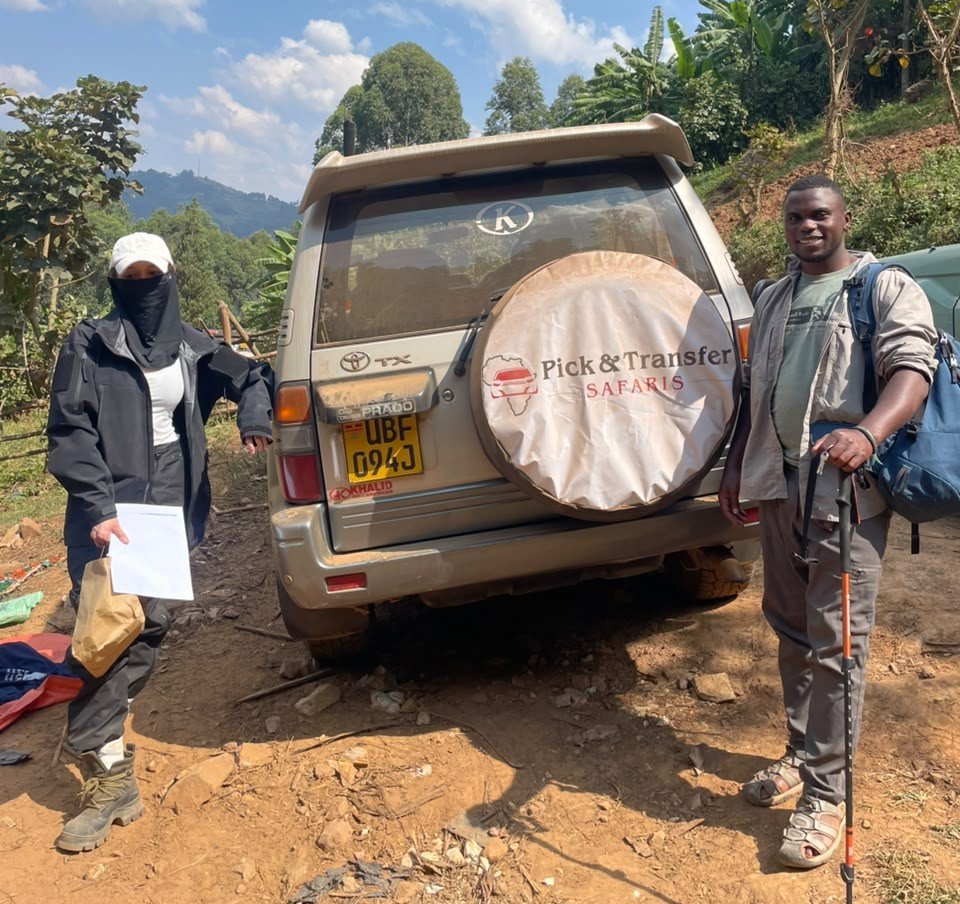
7 Days Uganda Safari – One week tour
This 7-day itinerary is the classic one-week introduction to Uganda, covering the country’s three most iconic wildlife experiences: chimpanzee tracking in Kibale Forest National Park, Big Five game drives and a boat cruise in Queen
Tour Details →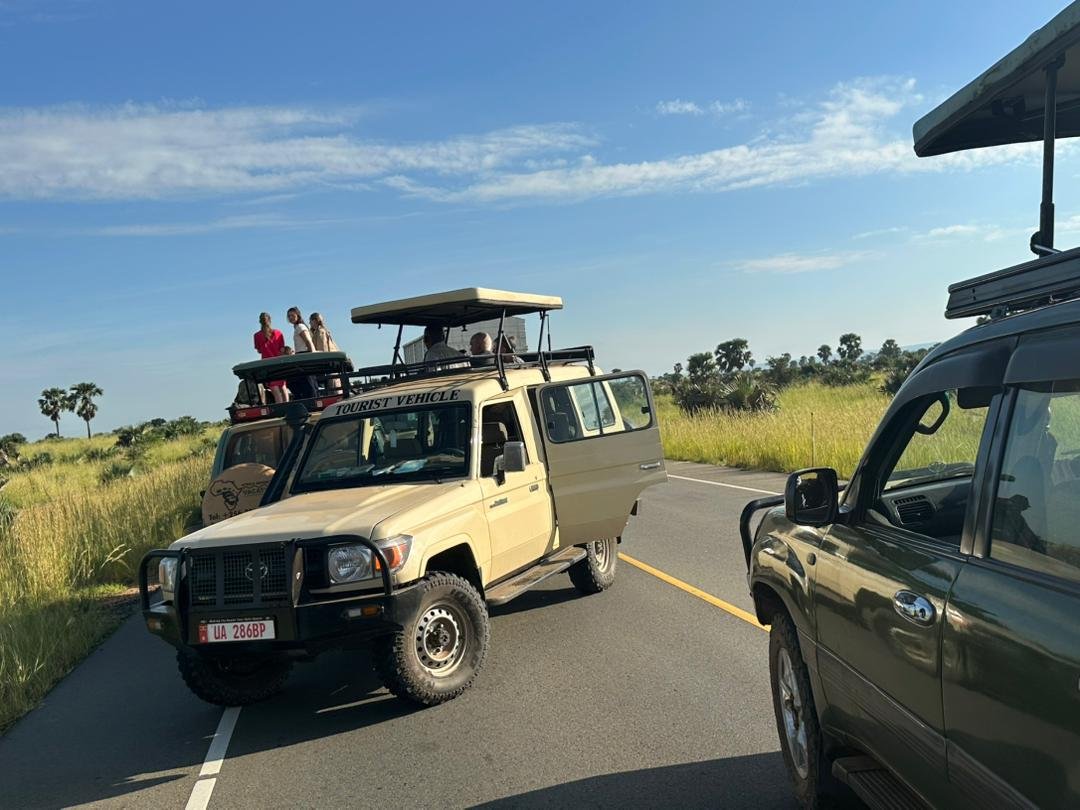
10 Days Uganda Primates and Wildlife
This 10-day Uganda Grand Safari is the most complete Uganda itinerary we offer at Pick and Transfer Safaris. It begins with a scenic northward drive from Entebbe to the vast open plains of Murchison
Tour Details →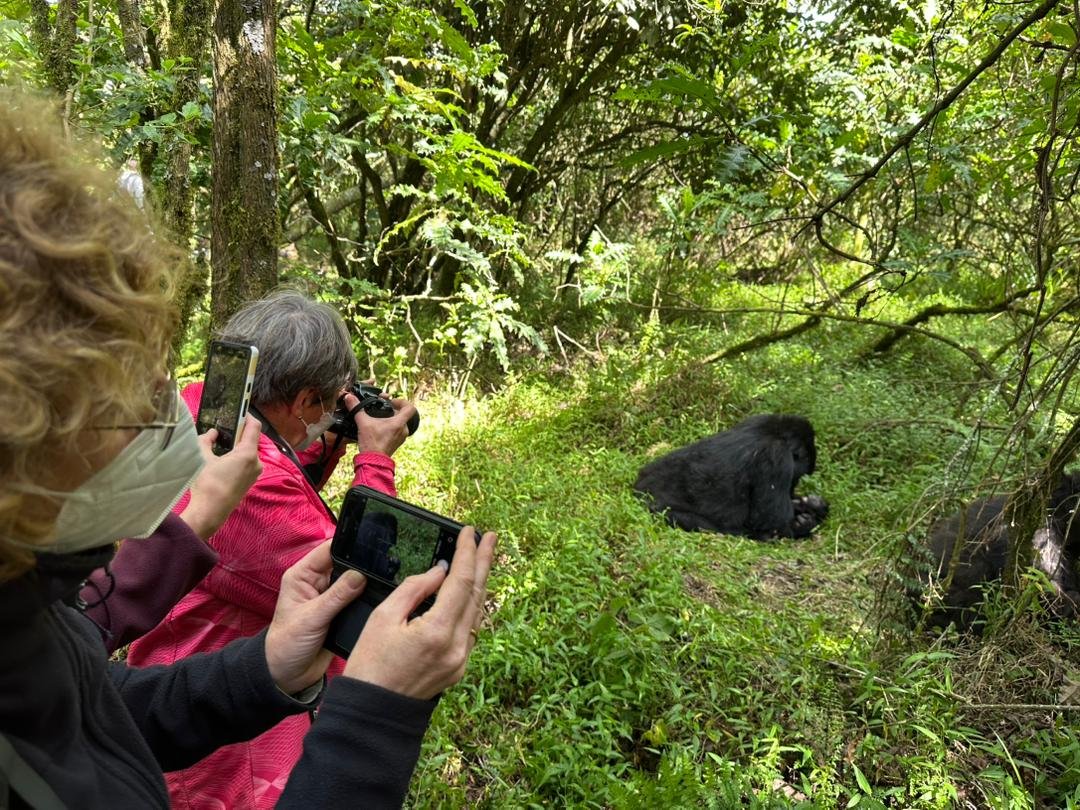
2 Days Uganda Gorilla Tour Starting from Kigali
This is the gentler cousin of our 1-Day Uganda Gorilla Safari Starting from Kigali — same idea, twice the breathing room. Instead of squeezing a 3,000-metre forest trek and two border crossings into a single very long day
Tour Details →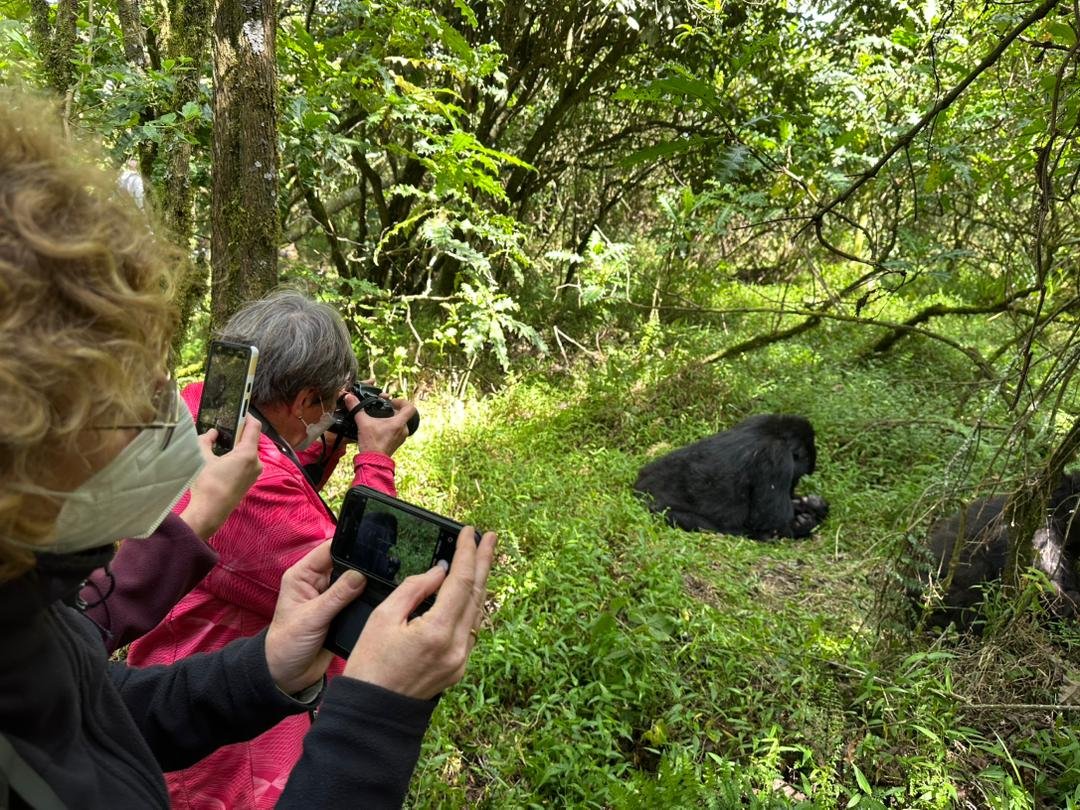
5-Day Uganda Gorilla and Chimpanzee Safari
This itinerary can be combined with a Rwanda extension or a wildlife-focused add-on through Queen Elizabeth National Park — browse our Uganda & Rwanda Safaris and Primate Safaris collections for ideas.
Tour Details →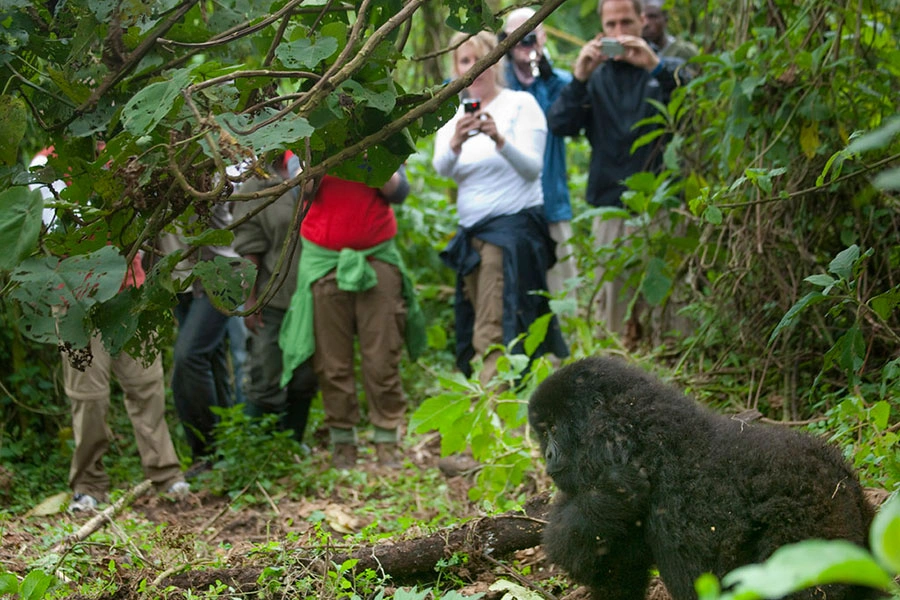
5 Days Rwanda Wildlife and Gorillas
This 5-day itinerary brings together Rwanda’s two flagship wildlife experiences: open savannah game drives and a boat safari in Akagera National Park, followed by a face-to-face encounters
Tour Details →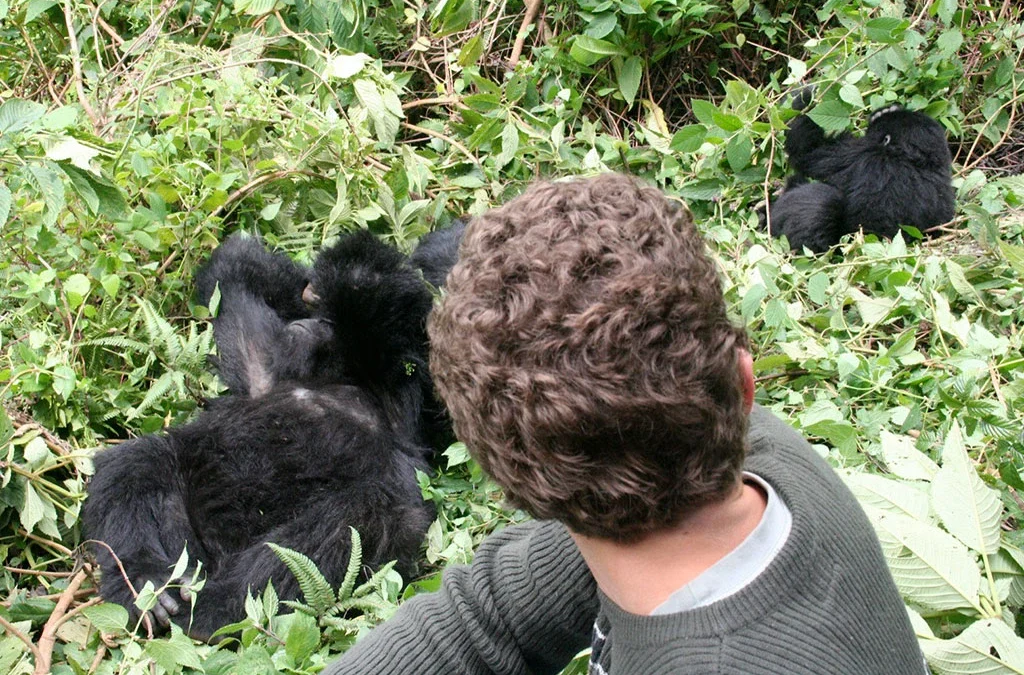
3 Days Uganda Gorilla Safari
For travelers who arrive in Entebbe with a tight schedule and a clear ambition, a 3-day gorilla safari to Bwindi Impenetrable Forest National Park is the most focused and rewarding short trip the country has to offer.
Tour Details →