- LET'S PLAN YOUR SAFARI
- +256 200 921 002
- +256 793 194 703
- info@pickandtransfersafaris.com

Rwanda Gorilla Tours
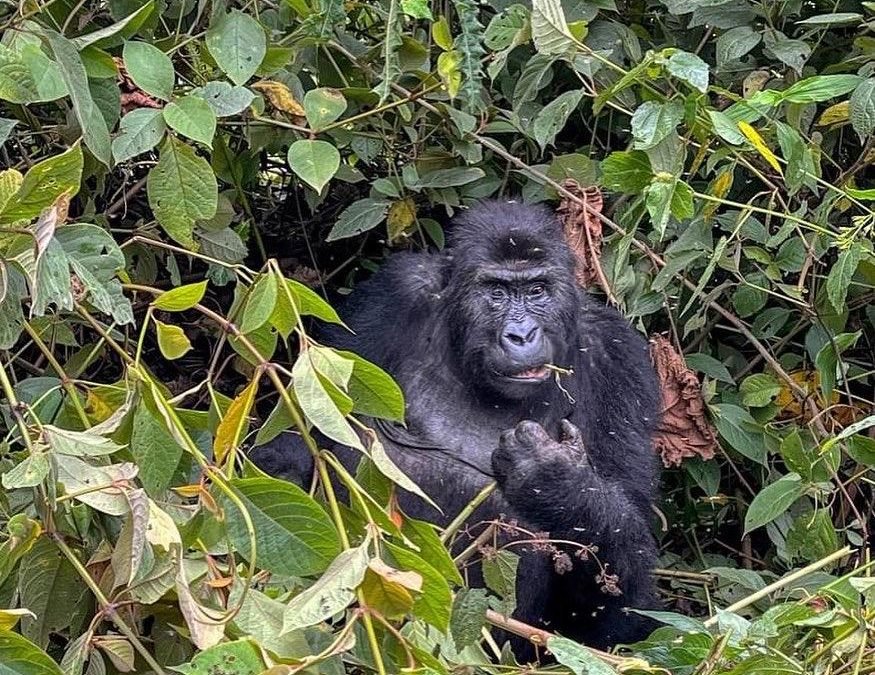
Rwanda Gorilla Tours. Rwanda has built its entire tourism identity around a single, extraordinary experience: spending an hour with a wild mountain gorilla family in the misty forests of the Virunga Mountains. It is a more polished, more accessible version of gorilla trekking than almost anywhere else in Africa, with smooth roads, a compact national park just two hours from the capital, and a permit system designed around a smaller number of higher-paying visitors rather than mass tourism. For travellers who want the classic gorilla trekking experience with minimal logistical friction, Rwanda gorilla tours remain the benchmark.
This guide covers everything you need to plan one properly: how Volcanoes National Park works, what a Rwanda gorilla permit actually costs and includes, how to choose between two-day, three-day, and five-day packages, and how to pair your trek with golden monkey tracking, Nyungwe Forest, or a Big Five safari in Akagera. We also compare Rwanda against neighbouring Uganda directly, since many travellers weigh both countries before deciding where to book their gorilla safari.
By the end of this guide you should have a clear sense not just of what a Rwanda gorilla tour costs, but of how the pieces, permit, transport, accommodation, and any add-on activities, fit together into a single well-sequenced trip, whether you are trekking for a single day or building a full two-week circuit through Rwanda and Uganda together.
Why Rwanda Gorilla Tours Are World-Renowned
Rwanda’s reputation for gorilla trekking rests on a few genuine advantages. Volcanoes National Park sits close enough to Kigali International Airport that visitors can trek within a day or two of landing, without the long domestic transfers required in other gorilla destinations. Rwanda’s road network is consistently rated among the best in East Africa, meaning the drive to the park is smooth and predictable rather than a bumpy, multi-hour ordeal.
Rwanda also caps its daily trekking permits deliberately low relative to demand, which keeps trekking groups small, trails less crowded, and the overall experience noticeably more intimate. This scarcity is part of why permits are priced higher than neighbouring countries, but for travellers prioritising comfort, efficiency, and a slightly more exclusive experience, Rwanda consistently delivers.
Rwanda has also invested heavily in tourism infrastructure around gorilla trekking specifically, from a dedicated visitor centre at Kinigi to a well-trained corps of rangers and trackers, and a growing collection of lodges built specifically to serve trekkers rather than general tourism. This focus shows in small but meaningful ways throughout the trip, from how efficiently the morning briefing runs to how clearly transport and permit logistics are communicated before you even arrive.
Gorilla Tour Packages
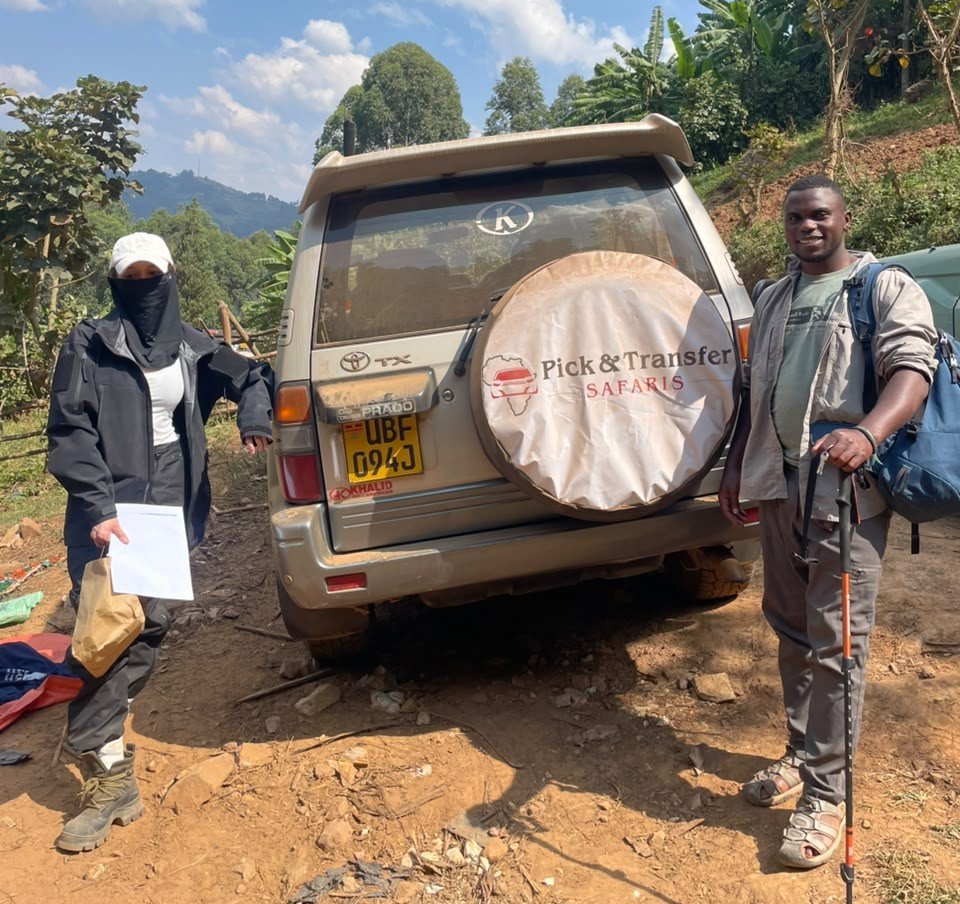
One day Uganda Gorilla Safari Starting from Kigali
It’s a long but thrilling day, and exactly the kind of efficient, “one foot in two countries, ” adventure that has made starting a gorilla safari from Kigali so popular
Tour Details →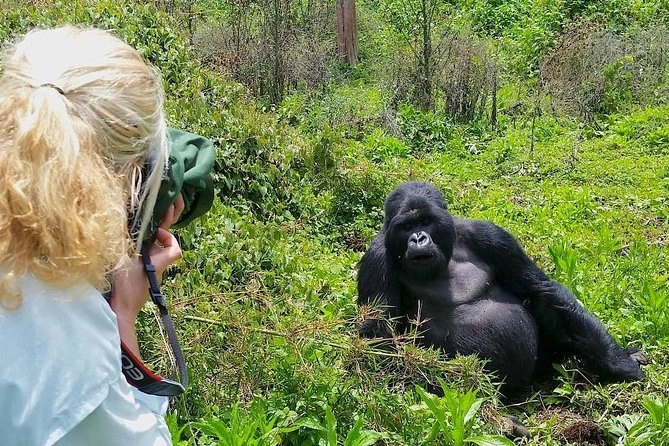
3 Days Uganda Gorilla Safari from Rwanda
This 3-day gorilla trekking package is designed to be quick, efficient, and unforgettable. Departing from Kigali, the itinerary takes advantage of Rwanda’s short distance to southwestern Uganda
Tour Details →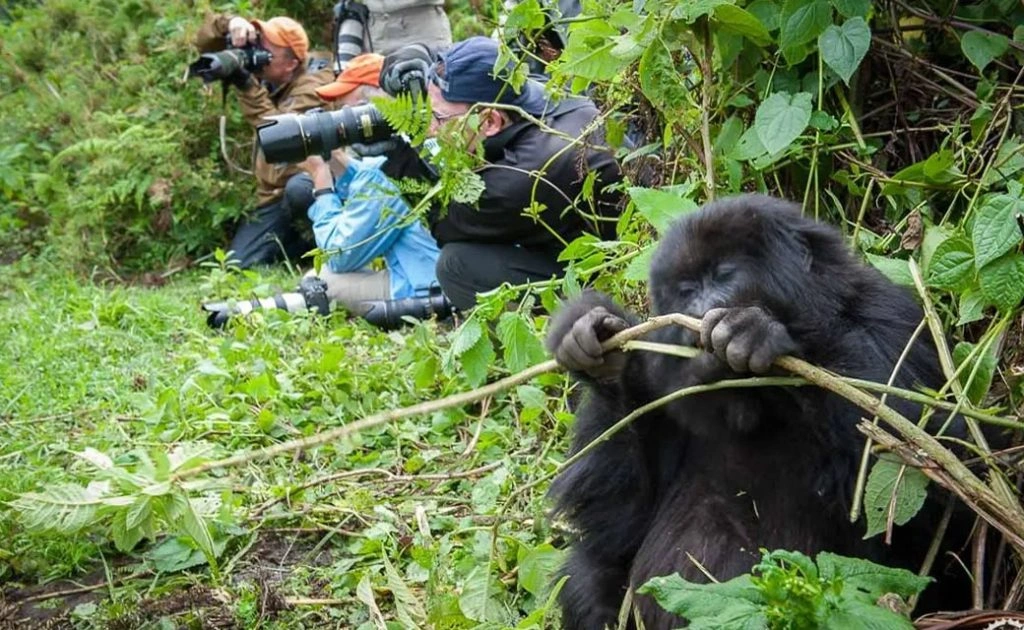
5 Days Uganda Gorilla and Chimps Safari from Rwanda
this 5-day safari is built around two of Africa’s most extraordinary forest encounters: tracking mountain gorillas in National Park and following wild chimps
Tour Details →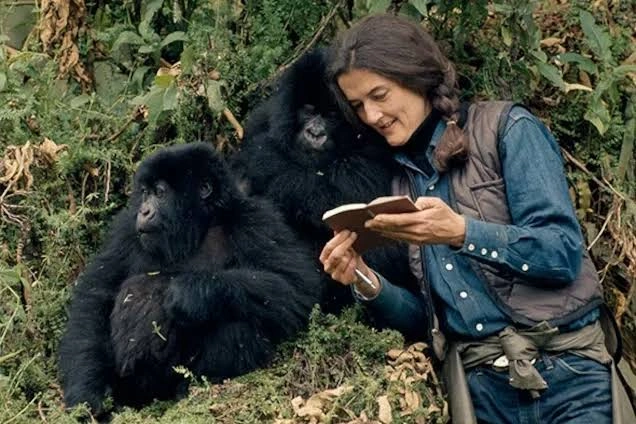
10 Days Uganda Primates and Wildlife
This 10-day Uganda Grand Safari is the most complete Uganda itinerary we offer at Pick and Transfer Safaris. It begins with a scenic northward drive from Entebbe to the vast open plains of Murchison Falls
Tour Details →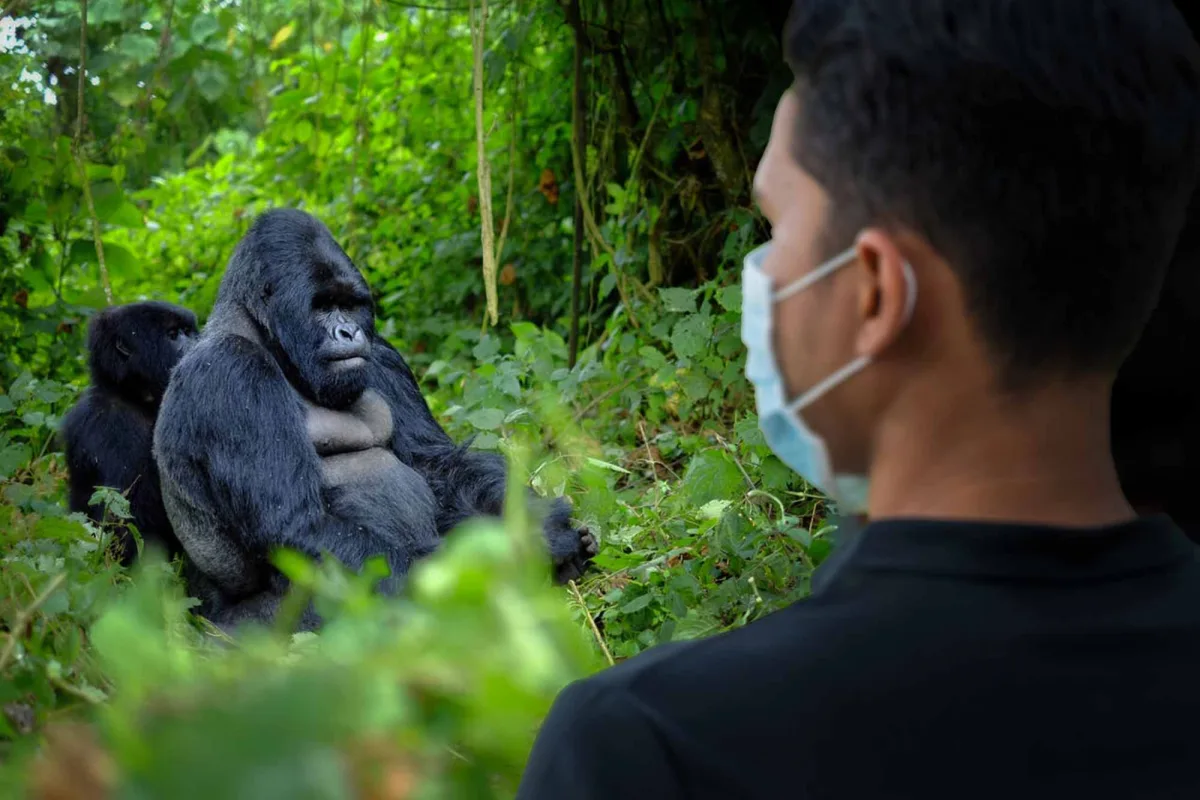
5 Days best of Rwanda Primate Safari
This 5-day Rwanda Primate Safari brings those two encounters together in a single, logically routed itinerary that begins and ends in Kigali and takes you to the two most important primate parks in Rwanda
Tour Details →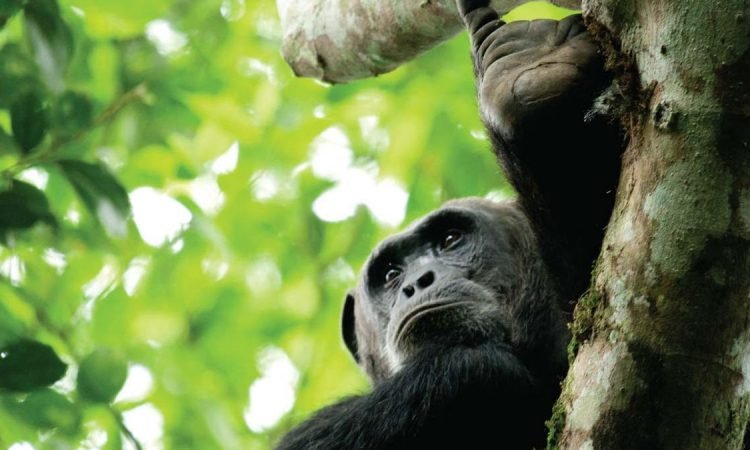
2 Days Nyungwe Chimps Tracking Trip
This 2-day trip from Kigali is built for travelers who want to experience Rwanda beyond the volcanoes: a long, scenic drive south through Rwanda’s thousand hills on day one
Tour Details →
3 Days Rwanda Gorilla Tracking and Cultural Tour
This 3-day tour pairs mountain gorilla trekking in Volcanoes National Park with a deeper look at Rwanda’s history and culture, both in Kigali City and in the communities living alongside the park itself.
Tour Details →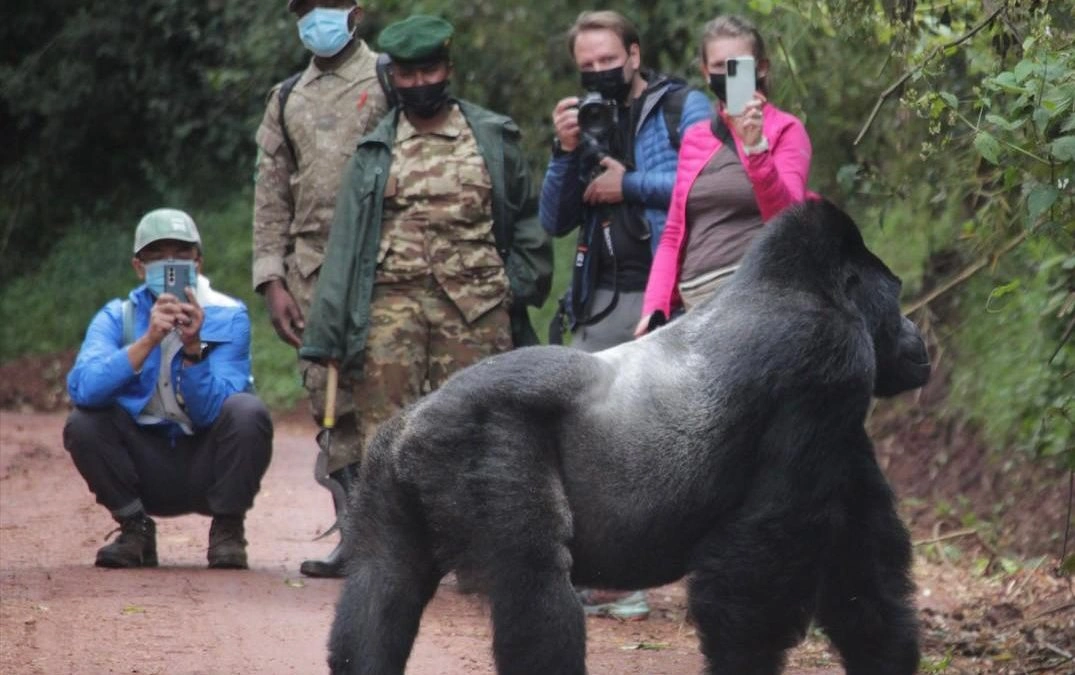
2 Days Volcanoes Gorilla Trek from Kigali
This itinerary stays entirely within Rwanda, with just a two-to-three-hour drive each way between Kigali and the foothills of the Virunga Mountains, so there’s no border paperwork to worry about.
Tour Details →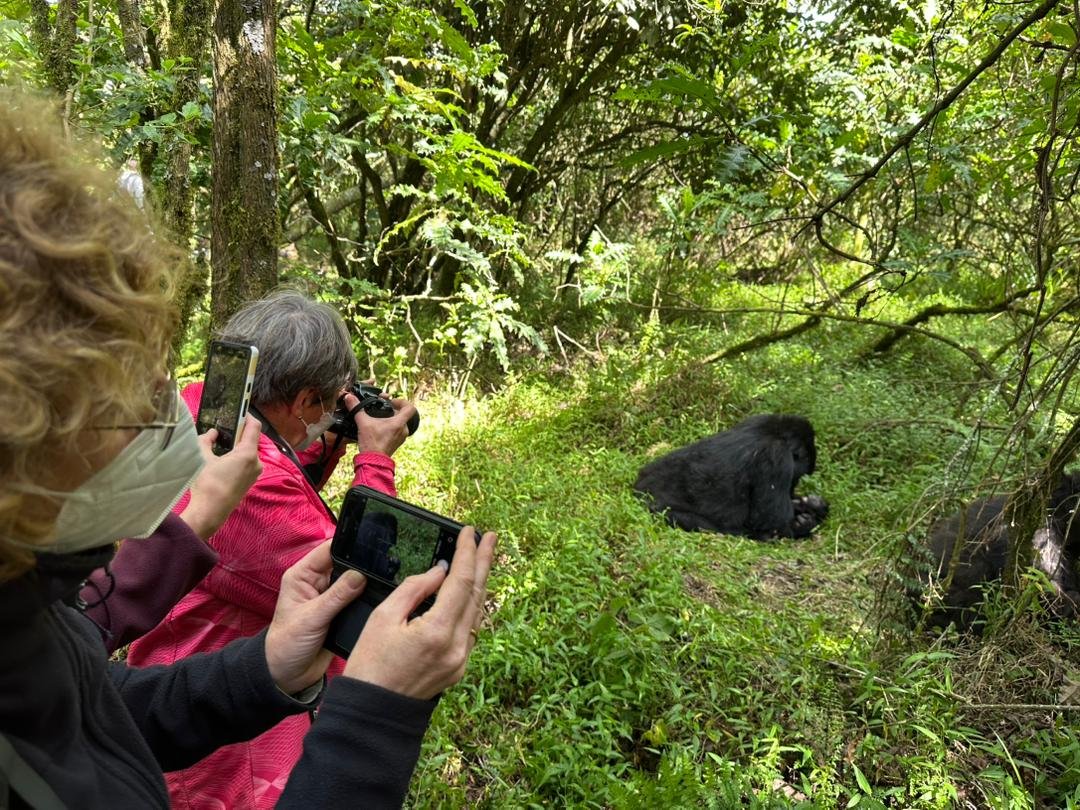
2 Days Uganda Gorilla Tour Starting from Kigali
Bwindi’s Rushaga and Nkuringo sectors sit just a few kilometres inside Uganda from the Cyanika crossing, making them the natural choice for a Kigali-based itinerary — Rushaga in particular has the greatest number of habituated gorilla families
Tour Details →Volcanoes National Park: Rwanda’s Gorilla Trekking Heart
Every Rwanda gorilla tour centres on Volcanoes National Park, part of the wider Virunga Massif shared with Uganda and the Democratic Republic of Congo. The park protects five of the eight Virunga volcanoes and is home to twelve habituated gorilla families, each assigned to a specific trekking group each morning at the park’s Kinigi headquarters near Musanze.
Unlike Uganda’s Bwindi, which spans four distinct, widely separated sectors, Volcanoes National Park’s trekking points are all accessed from the same general area around Kinigi, which simplifies logistics considerably. Most gorilla families here are reached within one to four hours of hiking, generally on gentler terrain than Bwindi’s steep forest slopes, though the specific family you are assigned still determines your actual trekking difficulty on the day.
Rwanda Gorilla Permit Costs and What’s Included
A standard Rwanda gorilla trekking permit costs $1,500 per person for foreign non-residents, a figure that covers park entrance, the ranger-guided trek itself, and the one-hour viewing window once your group locates its assigned gorilla family. Rwanda periodically offers a 30 percent discount, bringing the price to roughly $1,050, for travellers visiting during the November-to-May low season who combine their gorilla trek with a visit to Nyungwe Forest or Akagera National Park.
For travellers wanting an even more exclusive experience, Rwanda also sells private trekking permits, priced from around $15,000 for a solo visitor up to $30,000 for a small private group over three consecutive days, granting exclusive access to a gorilla family without sharing the trek with other visitors. Most travellers, however, book the standard permit through the two-day Volcanoes gorilla trek from Kigali or a similar standard package.
Best Rwanda Gorilla Tour Packages by Duration
A two-day Volcanoes gorilla trek from Kigali is the shortest realistic Rwanda gorilla tour, covering the drive to Kinigi, one night near the park, the trek itself, and the return to Kigali. It suits travellers on a tight schedule who still want the full trekking experience without a rushed same-day round trip.
Travellers with a bit more time often choose the three-day Rwanda gorilla tracking and cultural tour, which adds a cultural excursion, typically a visit to the Iby’Iwacu Cultural Village or a local community project, alongside the trek itself. For a fuller primate-focused trip, the five-day best of Rwanda primate safari combines gorilla trekking with golden monkey tracking and a Nyungwe Forest chimpanzee excursion in one well-paced itinerary. Kenlink’s comparable three-day Rwanda gorilla safari is a useful benchmark for how a standard mid-length itinerary is typically structured.
Golden Monkey Tracking: Rwanda’s Other Primate Experience
Volcanoes National Park is one of the very few places in the world where visitors can track golden monkeys, an endangered, strikingly colourful primate species found only in the Albertine Rift. Golden monkey permits cost a fraction of a gorilla permit and involve a shorter, generally easier trek through bamboo forest, making it an accessible and worthwhile add-on for travellers of almost any fitness level.
The minimum age for golden monkey tracking is twelve, several years lower than the gorilla trekking minimum of fifteen, which makes it a practical way for families with younger teenagers to share a primate trekking experience together even if not everyone can join the gorilla trek itself. Many operators pair golden monkey tracking with a gorilla trek on the same trip, spreading the two activities across consecutive mornings.
Combining Gorilla Trekking with Nyungwe Forest
Nyungwe Forest National Park, one of Africa’s oldest and most biodiverse montane rainforests, sits in Rwanda’s southwest and is home to chimpanzees, thirteen other primate species, and the country’s famous canopy walkway suspended high above the forest floor. Pairing a Volcanoes gorilla trek with a Nyungwe excursion, as in the two-day Nyungwe chimps tracking trip or the more complete three-day Nyungwe safari, gives travellers two distinct primate encounters and a genuinely different landscape within a single Rwanda itinerary.
Nyungwe also qualifies for Rwanda’s seasonal low-season permit discount when combined with gorilla trekking, which makes this pairing appealing both for the variety of wildlife and for the potential cost savings during the November-to-May window. Kenlink’s three-day Nyungwe Forest National Park tour offers a useful comparison for how a standalone Nyungwe-focused trip is typically priced and paced.
The drive between Musanze and Nyungwe takes roughly three to four hours through some of Rwanda’s most scenic tea-growing hills, which makes it sensible to treat this as a distinct leg of the trip with its own overnight stay rather than a rushed same-day add-on. Nyungwe’s canopy walkway, one of very few of its kind in Africa, is also worth building in time for separately from the chimpanzee tracking itself, since the two activities run on different schedules within the park.
Combining Gorilla Trekking with Akagera National Park
For travellers who want Rwanda’s primates alongside classic savannah wildlife, Akagera National Park in the east delivers the Big Five, lion, leopard, elephant, buffalo, and rhino, within a landscape of rolling savannah and wetlands bordering Tanzania. The three-day Akagera National Park safari from Kigali is a popular add-on either before or after a gorilla trek, and it also qualifies for Rwanda’s combined low-season permit discount.
Travellers wanting the fullest possible Rwanda experience, gorillas, chimpanzees, and the Big Five, often build a longer itinerary such as the five-day Rwanda wildlife and gorillas safari or the more extensive ten-day Rwanda wildlife gorilla tour, which weaves together all three parks into a single, well-sequenced route. Kenlink’s three-day Akagera game drive safari is a helpful reference point for what a standalone Big Five leg typically involves.
Akagera sits roughly two and a half hours east of Kigali, in the opposite direction from Volcanoes National Park, so most itineraries treat it as a separate leg either at the very start or very end of the trip rather than a same-day pairing with the gorilla trek. Game drives here run both morning and afternoon, with an optional boat cruise on Lake Ihema adding hippo and crocodile sightings alongside the park’s more traditional savannah wildlife.
Cultural Tours Around Kinigi and Musanze
The area around Volcanoes National Park is rich in cultural experiences that pair naturally with a gorilla trek. The Iby’Iwacu Cultural Village near Kinigi offers traditional dance, storytelling, and a look at pre-colonial Rwandan life, often led by former poachers now working in conservation and tourism. Local coffee cooperatives, banana beer demonstrations, and community walks around Musanze town add further texture to a trip that might otherwise be entirely wildlife-focused.
These cultural additions are built directly into itineraries such as the three-day Rwanda gorilla tracking and cultural tour, and they are a meaningful way to put tourism revenue directly into the hands of the communities living alongside the park, many of whom benefit from Rwanda’s revenue-sharing conservation model.
Best Time of Year for a Rwanda Gorilla Tour
Rwanda’s two dry seasons, June to September and December to February, offer the firmest trekking trails and the most predictable weather, and they are correspondingly the busiest months for permit demand. The rainy shoulder seasons of March to May and September to November bring lower visitor numbers and Rwanda’s periodic low-season permit discount when combined with Nyungwe or Akagera, making them attractive for travellers with flexible schedules.
Because trekking happens inside a rainforest regardless of season, some rainfall is normal even in the driest months, and gorilla trekking operates daily year-round. Booking three to six months ahead is recommended in any season, since Rwanda’s smaller daily permit quota, 96 permits across all twelve families, sells out faster relative to demand than Uganda’s larger allocation.
Getting to Volcanoes National Park from Kigali
The drive from Kigali to Musanze, the gateway town for Volcanoes National Park, takes roughly two to two and a half hours along a smooth, well-paved road through Rwanda’s dramatic “Land of a Thousand Hills” scenery. This is a considerably shorter and easier transfer than the equivalent Kigali-to-Bwindi drive into Uganda, which is one of the practical reasons Rwanda gorilla tours feel less logistically demanding for many travellers.
Most operators arrange a private vehicle transfer directly from Kigali International Airport to your lodge near the park, with an early departure on trek morning to reach the Kinigi park headquarters in time for the standard briefing. Travellers who prefer to arrange their own transport can compare car hire options, such as Kenlink’s car hire service, though the smooth Rwandan roads make this route one of the more approachable self-drive options in the region.
Where to Stay Near Volcanoes National Park
Accommodation around Kinigi and Musanze spans the full range from simple guesthouses to some of the most celebrated luxury lodges in East Africa, several of which overlook the volcanoes themselves and run their own conservation and community initiatives. Because all Volcanoes National Park trekking points are accessed from the same general headquarters area, lodge location matters less for logistics here than it does around Bwindi’s more spread-out sectors.
Whichever tier you choose, book accommodation alongside your permit as part of a single coordinated package, such as any of the Rwanda gorilla safari packages available, so your lodge, transport, and trek date are all confirmed together rather than pieced together separately.
Physical Fitness and What to Expect on the Trek
Rwanda’s gorilla trekking terrain is generally considered somewhat gentler than Uganda’s, with many of the twelve habituated families reachable within one to three hours of moderate hiking, though a small number of families require longer, steeper treks depending on where they are ranging that day. Altitude is a more noticeable factor here than fitness alone, since Volcanoes National Park sits at elevations above 2,400 metres, and some travellers feel the thinner air more than the physical exertion itself.
Porters are available to hire at the park headquarters and are worth engaging regardless of fitness level, both for practical support on steep or muddy sections and as a direct, meaningful way to support the local economy around the park. Trekking poles are also provided, and rangers set a pace suited to the group’s slowest member rather than rushing visitors through the forest.
Rules and Etiquette for Rwanda Gorilla Trekking
Once your group locates its assigned gorilla family, Rwanda Development Board rules grant exactly one hour in their presence, with a minimum seven-metre distance maintained at all times to protect both visitor safety and gorilla welfare. Flash photography, eating, and drinking near the gorillas are all prohibited, and visitors are asked to keep their voices low and movements slow and deliberate.
Anyone feeling unwell with a cold, flu, or other contagious illness should not join their scheduled trek, since mountain gorillas are highly susceptible to human respiratory illness given how closely related the two species are genetically. Group size is capped at eight visitors per gorilla family per day, the same limit applied in Uganda, which keeps every trek intimate regardless of which country you choose.
Rangers also ask visitors to avoid sudden movements, loud noises, or attempts to touch the gorillas, even when a curious young gorilla approaches closely on its own, since maintaining a calm, predictable presence is part of what keeps both visitors and habituated families safe during every encounter. Following your ranger’s instructions immediately and without hesitation is the single most important etiquette rule of the entire trek.
Rwanda Gorilla Tour Group Sizes and Permit Allocation
Rwanda issues a daily maximum of 96 gorilla trekking permits across its twelve habituated families, with each family capped at eight visitors per day, the same visitor limit applied in Uganda. This smaller overall daily quota compared with Uganda’s larger allocation across a bigger number of families is part of why Rwanda’s trekking experience feels more exclusive, and also why permits for popular travel periods should be booked earlier rather than later.
If your preferred date is unavailable, your operator can usually check adjacent dates or suggest a different gorilla family assignment within the same general area, since all twelve families are accessed from the same Kinigi headquarters rather than requiring a change of sector or region the way a sold-out Bwindi sector might.
Weather and Packing for a Rwanda Gorilla Trek
Volcanoes National Park sits at high altitude in a rainforest environment, meaning cool mornings, the possibility of rain in any season, and warm, humid conditions once the sun is fully up. Layered clothing works best: a moisture-wicking base layer, a warm mid layer for the early morning briefing, and a light waterproof outer layer that can come off as the day warms up and the trek gets underway.
Sturdy, broken-in waterproof hiking boots are essential given the volcanic soil, which turns slick and muddy quickly after rain, and gardening gloves help when gripping stinging nettles or steadying yourself on uneven ground. As in Uganda, trekking poles are usually provided free at the park headquarters, and porters can be hired on the spot for a modest fee.
Rwanda’s Conservation Success Story
Rwanda’s mountain gorilla population has grown steadily over recent decades, one of the very few great ape conservation stories moving in the right direction, and gorilla tourism revenue is a direct part of why. A significant share of each permit fee funds anti-poaching patrols, veterinary care for habituated families, and a revenue-sharing scheme that channels a percentage of park income into schools, health clinics, and infrastructure projects in communities bordering the park.
This conservation model is a large part of why Rwanda prices its permits at a premium rather than trying to maximise visitor volume, and travellers booking a Rwanda gorilla tour are, in a very direct sense, funding the ongoing protection of the very species they have come to see.
Solo Travellers and Couples on a Rwanda Gorilla Tour
Rwanda’s compact geography and short transfer times make it a genuinely comfortable destination for solo travellers, since even a private vehicle transfer from Kigali involves only two to two and a half hours of driving rather than the longer hauls required elsewhere. Solo travellers can also ask operators about joining an existing scheduled departure to reduce per-person transport costs, similar to Kenlink’s scheduled departure safaris model.
Couples celebrating a honeymoon or anniversary frequently choose Rwanda specifically for its higher-end lodge options around Kinigi, several of which are built around romantic, secluded settings with volcano views. Combining the trek with a night or two in Kigali via the four-day Rwanda wildlife and city tour gives couples a well-rounded trip beyond the trekking day itself.
Photography and Gear Tips for Volcanoes National Park
Volcanoes National Park’s bamboo and montane forest offers better natural light in places than Bwindi’s denser canopy, though conditions still shift quickly between bright clearings and shaded understorey. A camera with reliable autofocus and reasonable low-light performance will serve you better than a heavy telephoto lens, since the mandatory seven-metre viewing distance rarely requires extreme zoom.
As with any gorilla trek, flash photography is strictly prohibited, and it is worth spending the first few minutes of your hour simply observing before reaching for a camera, both to steady your hands after the hike and to genuinely absorb what is, for most visitors, a completely unforgettable encounter.
Visa Requirements for a Rwanda Gorilla Tour
Most nationalities can obtain a Rwanda visa on arrival or in advance online, and many travellers combining Rwanda with Uganda opt for the East Africa Tourist Visa, which covers both countries plus Kenya on a single document. Confirm your specific nationality’s requirements before booking flights, since visa cost and processing time can influence how you structure a multi-country itinerary.
Your operator should be able to advise on the correct visa route for your nationality and itinerary; background planning resources such as Kenlink’s Rwanda safaris overview are a useful starting point if you are researching entry requirements before finalising your booking.
Sample Five-Day Rwanda Gorilla Tour Itinerary
A well-paced five-day Rwanda gorilla tour might look like this: day one covers arrival in Kigali and a short city orientation before the drive to Musanze in the afternoon. Day two is the gorilla trek itself at Volcanoes National Park, followed by a relaxed afternoon at your lodge. Day three adds golden monkey tracking or a cultural village visit near Kinigi. Day four transfers toward Nyungwe Forest for a chimpanzee tracking excursion or a walk along the famous canopy walkway. Day five returns to Kigali for departure, with time for last-minute shopping or a visit to the Kigali Genocide Memorial.
This structure mirrors the logic behind the five-day best of Rwanda primate safari, sequencing gorillas, golden monkeys, and chimpanzees across five unhurried days rather than cramming every activity into the shortest possible window.
Rwanda vs Uganda Gorilla Tours: Which Should You Choose
The honest answer is that both countries offer excellent, well-managed gorilla trekking, and the right choice depends on your priorities. Rwanda offers shorter transfers, smoother roads, gentler average trekking terrain, and a slightly more polished, higher-end tourism infrastructure, all reflected in its $1,500 permit price. Uganda offers a significantly lower permit cost, around $800 in peak season and $600 in low season, a larger number of trekking sectors and habituated families, and generally more budget-friendly accommodation options, in exchange for longer, sometimes rougher transfers.
Many travellers solve this trade-off by doing both: flying into Kigali, trekking in Rwanda for the convenience, then crossing into Uganda for a second, lower-cost trek, as in the three-day Uganda gorilla safari from Rwanda. Comparing Kenlink’s 2-day Uganda gorilla safari from Kigali against a standard Rwanda-only package is a useful way to see the price and logistics difference side by side before deciding.
Extending into Uganda: Cross-Border Gorilla Combos
For travellers who cannot choose between the two countries, a cross-border combination often makes the most sense, and Kigali’s central location makes this genuinely practical rather than a major logistical undertaking. Itineraries such as the five-day Rwanda gorilla and chimpanzee safari can be extended with a short overland trip into Uganda, or booked from the outset as a combined route touching both Volcanoes National Park and Bwindi.
Kenlink’s five-day Uganda Rwanda double gorilla safari illustrates exactly this format, trekking two different gorilla populations across two countries within a single trip, and it is worth reviewing alongside Pick and Transfer Safaris’ own cross-border itineraries when deciding how much time to allocate to each country.
A Day Trip to Kigali City Before or After Your Trek
Since almost every Rwanda gorilla tour begins and ends in the capital, it is worth setting aside at least half a day to explore Kigali City itself, one of Africa’s cleanest and most walkable capitals. The Kigali Genocide Memorial offers an essential, sobering counterpoint to the wildlife-focused parts of the trip, while the city’s craft markets, coffee shops, and restaurants make for a relaxed final day before an international flight home.
Travellers with a full extra day can combine Kigali sightseeing with a wider city and wildlife loop, such as the four-day Rwanda wildlife and city tour, which bookends a gorilla trek with meaningful time in the capital rather than treating it as a pure transit point.
Common Mistakes When Planning a Rwanda Gorilla Tour
The most frequent planning mistake is underestimating how quickly popular trekking dates sell out given Rwanda’s smaller daily permit quota, leading travellers to book flights before confirming permit availability, only to discover their preferred dates are gone. Always confirm permit availability, ideally with a written reservation, before finalising flights.
A second common mistake is assuming Rwanda and Uganda permits can be booked interchangeably or transferred between countries if plans change. Each country’s permits are entirely separate systems with their own booking process, pricing, and cancellation rules, so a Rwanda permit cannot simply be swapped for a Uganda one if your plans shift after booking. Confirm your country of trekking clearly with your operator from the very first conversation, particularly if you are still deciding between a Rwanda-only trip and a cross-border combination.
Comparing Rwanda Gorilla Tour Prices Across Operators
Because the $1,500 permit fee is fixed and identical no matter which operator books it, price differences between quotes come down entirely to transport, accommodation tier, and the operator’s own margin. When comparing quotes for a similar itinerary, ask each operator for an itemised breakdown rather than a single bundled figure, so you can see clearly whether one quote is genuinely better value or simply presenting the same costs differently.
It is worth cross-checking a quote for something like the three-day Rwanda gorilla tracking and cultural tour against comparable itineraries elsewhere, including general Rwanda trip planning resources such as Kenlink’s travel news updates, to get a realistic sense of current market pricing before committing to a deposit.
Booking Your Rwanda Gorilla Tour
Rwanda gorilla permits are booked through the Rwanda Development Board, directly or through a licensed operator, and require your full legal name, nationality, and a passport copy submitted well in advance, typically alongside a 30 percent deposit. Because Rwanda’s daily permit quota is smaller than Uganda’s, booking three to six months ahead is a sensible minimum, and up to a year ahead for July, August, or December travel.
As with any gorilla permit booking, insist on written confirmation with a specific date, gorilla family or trekking point, and reference number before considering your trek secure. Group departures, such as those listed under Kenlink’s scheduled departure safaris, can also reduce per-person transport costs for solo travellers joining a Rwanda gorilla tour.
Before paying a deposit, it is also worth reviewing an operator’s cancellation and rescheduling terms in writing, since these can differ from the underlying Rwanda Development Board policy, particularly for the transport and accommodation portions of a package. Comparing how an established operator publishes its booking terms, such as Kenlink’s terms and conditions, is a useful benchmark for what a transparent, properly structured booking process should look like.
Why Book Your Rwanda Gorilla Tour with Pick and Transfer Safaris
Planning a Rwanda gorilla tour, particularly one that also touches Nyungwe, Akagera, or a cross-border Uganda extension, benefits enormously from a single coordinated booking rather than several separate reservations. Pick and Transfer Safaris secures Rwanda Development Board permits directly, arranges transport from Kigali International Airport, and matches accommodation to your chosen itinerary, whether that is a simple two-day trek or a full multi-park route.
Browse the complete range of gorilla safari packages, explore wildlife safaris across Rwanda’s parks, review the team behind the bookings on the about us page, or get in touch through the contact page to start planning your Rwanda gorilla tour.
Frequently Asked Questions About Rwanda Gorilla Tours
How much does a Rwanda gorilla tour cost? The standard permit is $1,500 per person, with a 30 percent low-season discount available November through May when combined with Nyungwe or Akagera. Total package cost also depends on transport, accommodation tier, and trip length.
How long does the gorilla trek itself take? Most treks in Volcanoes National Park take between one and four hours of hiking to reach an assigned gorilla family, followed by exactly one hour of viewing time once located.
Is Rwanda or Uganda better for gorilla trekking? Rwanda offers shorter transfers and generally gentler terrain at a higher price; Uganda offers a lower permit cost and more trekking sectors at the cost of longer transfers. Many travellers combine both.
What is the minimum age for gorilla trekking in Rwanda? Fifteen years old for gorilla trekking, and twelve years old for golden monkey tracking.
How far in advance should I book a Rwanda gorilla permit? Three to six months is recommended, and up to a year ahead for July, August, or December travel, since Rwanda’s daily permit quota is smaller than Uganda’s.
Can I combine a Rwanda gorilla tour with Uganda in one trip? Yes, this is a popular option given Kigali’s central location, and it lets travellers experience both countries’ gorilla populations while taking advantage of Uganda’s lower permit price for a second trek.
Can I track golden monkeys and gorillas on the same trip? Yes, both activities are based out of Volcanoes National Park and are commonly scheduled on consecutive mornings within the same itinerary.
Is Rwanda gorilla trekking safe? Yes, Rwanda has a well-established, professionally run tourism sector, armed ranger escorts on every trek, and one of the safest overall travel environments in the region.
Do I need a 4×4 vehicle to reach Volcanoes National Park? The main road from Kigali to Musanze is well paved and does not require a 4×4, though a 4×4 is useful for the final approach roads near some lodges and for any onward travel toward Nyungwe or Akagera.
Can I see gorillas in Rwanda without booking a full package? The permit itself can technically be booked independently, but transport, accommodation, and border logistics still need to be arranged separately, which is why most travellers find a coordinated package simpler overall.
Final Thoughts on Planning Your Rwanda Gorilla Tour
Rwanda gorilla tours deliver one of the most efficient, well-organised versions of a genuinely life-changing wildlife encounter, with short transfers, smooth roads, and a compact national park that make the entire experience feel remarkably accessible for something this extraordinary. Whether you keep the trip focused purely on Volcanoes National Park or expand it into a wider Rwanda circuit through Nyungwe and Akagera, or across the border into Uganda, the trek itself remains the same unforgettable hour with a wild gorilla family.
The pieces that make a Rwanda gorilla tour work well are the same regardless of how much time or budget you have: a confirmed permit booked well ahead of your travel dates, a short and comfortable transfer from Kigali, accommodation matched to your chosen trekking area, and, if you have the extra days, a thoughtfully chosen add-on, golden monkeys, Nyungwe chimpanzees, an Akagera game drive, or a second trek across the border in Uganda, that adds real variety rather than simply extending the trip for its own sake.
Ready to plan your trip? Browse the full range of Rwanda gorilla safari packages, explore all Rwanda and Uganda destinations, or reach out through the contact page to secure your permit and build an itinerary around your dates.