- LET'S PLAN YOUR SAFARI
- +256 200 921 002
- +256 793 194 703
- info@pickandtransfersafaris.com

Rwanda Gorilla Trekking Rules and Regulations
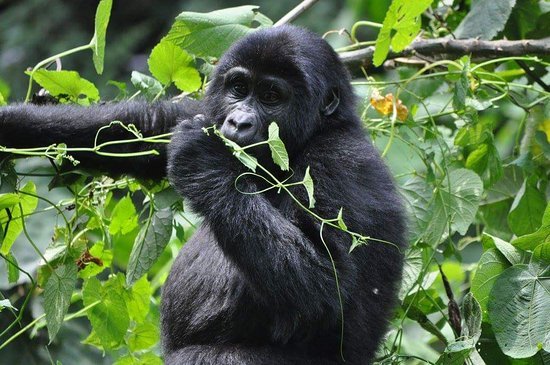
Rwanda Gorilla Trekking Rules and Regulations. Gorilla trekking is one of the most tightly regulated wildlife experiences in Africa, and for good reason: mountain gorillas share roughly 98% of human DNA, which means they can catch our illnesses as easily as we might catch theirs. Every rule the Rwanda Development Board enforces in Volcanoes National Park — the distance you keep, the hour you’re allowed, the cough you’re asked to cover — exists to protect a population that numbered under 300 individuals a few decades ago and has only recovered because of rules like these.
This guide walks through every rule you’ll actually encounter on a Rwanda gorilla trek: who qualifies, what happens if you’re sick, how close you can get, what you can photograph, and what gets travelers turned away at the trailhead after they’ve already paid for their permit. If you’re still finalizing your trip, it pairs well with our broader guide to gorilla safaris and our detailed look at Volcanoes National Park itself.
Why Rwanda’s Gorilla Trekking Rules Exist
It’s worth understanding the logic before the list of rules, because it makes every individual requirement easier to follow without feeling arbitrary. Mountain gorillas in Volcanoes National Park are wild animals that have been deliberately habituated to tolerate human presence for research and tourism — but habituation is not domestication, and every rule the park enforces balances two goals: keeping the gorillas safe from human disease and stress, and keeping trekkers safe from a wild animal that can weigh over 200 kilograms.
Rwanda’s rules are set and enforced by the Rwanda Development Board, in line with international guidelines developed by primatologists and conservation bodies working across all of Central Africa’s gorilla range states. They’re broadly similar to Uganda’s rules for the same reason — both countries are managing the same species under the same biological constraints — though a few specific numbers differ, which we cover later in this guide. For context on how the two countries’ overall trekking experience compares, Kenlink Tours’ Rwanda vs Uganda safari comparison is a useful companion read.
Who Can Go Trekking: Age and Fitness Requirements
The minimum age for gorilla trekking in Rwanda is 15 years old, with no exceptions — this is a hard rule, not a guideline, and children under 15 will be denied entry at registration even if a permit was mistakenly booked for them. There is no upper age limit, and Rwanda regularly welcomes trekkers in their seventies and eighties, but the park does expect a reasonable baseline level of fitness, since the terrain is steep, often muddy, and at altitude.
At registration, park staff assess each trekker informally and factor fitness into which gorilla family and trail they’re assigned to — less physically demanding trails and closer-ranging families are generally given to older or less mobile trekkers where possible, though this isn’t guaranteed, since gorilla families move daily and assignments ultimately depend on where each family was last seen that morning. Travelers with mobility concerns should mention this when booking; a good operator will flag it during the permit request so park staff can factor it into the day’s assignments. Sedan chairs — a padded seat carried by a team of porters — are also available to hire for trekkers who cannot manage the hike unassisted, and they’re worth knowing about if a trip involves a trekker with limited mobility. A gentler introduction for less confident trekkers is also available through shorter routes like this 2-day Volcanoes gorilla trek from Kigali, which builds in a rest day either side of the trek itself.
Families travelling with children under 15 aren’t excluded from Volcanoes National Park entirely — golden monkey tracking, a separate permitted activity in the same park, carries no minimum age requirement, which lets parents split into shifts, with one adult tracking golden monkeys alongside younger children while the other completes the gorilla trek. It’s a practical workaround worth knowing about rather than assuming a family trip is off the table, and it pairs naturally onto an itinerary like this 4-day Rwanda-Uganda golden monkey and gorilla trekking safari.
Health Rules: Why You Can’t Trek If You’re Sick
This is the rule that catches the most travelers off guard, because it’s enforced on the day, not at booking. If you arrive at registration with a visible cough, cold symptoms, fever, or any sign of a potentially infectious illness, park rangers have the authority to deny you access to the trek — and they exercise it. This isn’t about being inconvenienced by a minor sniffle; it’s a direct response to documented cases of human respiratory illness spreading to habituated gorilla families in the past, sometimes with fatal consequences for individual animals.
Practically, this means: don’t push through a trek while visibly unwell, disclose any illness honestly at registration rather than trying to mask symptoms, and consider building a buffer day into your itinerary in case a reschedule becomes necessary. Rwanda’s rescheduling and refund terms for illness-related cancellations are less standardized than a simple published percentage — they’re generally handled case by case through the Rwanda Development Board or your booking operator — so it’s worth confirming the current policy in writing before you travel rather than assuming a specific refund amount. Washing your hands thoroughly before the trek begins is also standard practice and often physically required at the trailhead.
Group Size and How Gorilla Families Are Assigned
Rwanda limits each trekking group to a maximum of 8 visitors per gorilla family per day, a rule that exists purely to limit how much human contact and disturbance any single gorilla family experiences on a given day. With ten habituated families currently open to tourism in Volcanoes National Park, that caps the total number of trekking permits issued for the entire park at 80 per day — the hard ceiling that makes advance booking essential rather than optional during busy months.
You do not choose which gorilla family you’ll visit when you book a permit. Assignments happen the morning of your trek, at registration in Kinigi, based on where each family was last located, your fitness level, and group logistics on the day. Trackers head out before dawn to locate each family’s overnight nesting site, and that information is relayed back to park headquarters in time to brief each trekking group before departure. Because families range across the park’s forested slopes and can move significant distances overnight, no two days look quite the same — a family that required only a 45-minute walk the previous day might be two or three hours away the next, which is part of why Rwanda avoids promising a fixed trek duration when you book. This is one of the genuine differences between a self-arranged trip and one booked through an experienced operator — routes like this 5-day Best of Rwanda Primate Safari are built with the flexibility to absorb whichever family and trail you’re assigned, rather than assuming a fixed schedule.
The 7-Meter Rule: Minimum Viewing Distance
The core distance rule in Rwanda is a minimum of 7 meters — roughly 22 feet — between trekkers and the gorillas at all times, though park guides commonly encourage treating 8 to 10 meters as the practical standard, since gorillas move unpredictably and can close a gap far faster than a person expects. This distance rule exists specifically to reduce the risk of airborne disease transmission in either direction, and it applies throughout the full hour of viewing, not just on approach.
In practice, your guide manages this distance for the group rather than leaving it to individual judgment — trekkers are asked to stay in a tight cluster and follow positioning instructions rather than spreading out or repositioning independently for a better photo angle. If a gorilla approaches closer than the minimum distance on its own initiative, which does happen, the rule is to stay calm, avoid backing away suddenly, and let your guide manage the situation rather than moving yourself.
The One-Hour Rule: How Long You Spend With the Gorillas
Once your group locates the assigned gorilla family, you’re permitted a maximum of one hour in their presence — a rule enforced strictly by park rangers, who track viewing time from the moment your group first reaches the family. This hour is separate from the trek itself, which can range anywhere from thirty minutes to eight hours of hiking depending on where the family happens to be that day, so a “gorilla trekking day” in Rwanda is really a multi-hour hiking commitment with one carefully protected hour at its center.
The one-hour cap can end early if the gorillas show signs of stress or agitation, in which case rangers will call the visit to a close regardless of how much time has elapsed. This is a genuine possibility, not a hypothetical — gorilla behavior varies day to day, and a family that’s calm and settled one morning may be more alert or defensive the next, particularly if a silverback is asserting dominance or a mother is protecting young infants. Travelers wanting more than the standard hour should know that Rwanda does not currently offer a habituation-style extended experience the way Uganda does through its Gorilla Habituation Experience; the one-hour rule is universal across all ten Volcanoes families.
Photography Rules: No Flash and What Else to Know
Photography is actively encouraged during your hour with the gorillas, but flash photography is strictly prohibited — the sudden bright light can startle gorillas and, in a worst case, provoke a defensive charge from a protective silverback. Most modern cameras and phones default to flash-off in daylight anyway, but it’s worth manually checking your settings before you reach the family, since the forest canopy can trigger auto-flash even during the day.
Beyond the flash rule, standard park etiquette applies to photography the same way it applies to any other behavior: no sudden movements to chase a better angle, no repositioning outside the group to get a clearer shot, and no approaching closer than the minimum distance for a close-up. Personal, non-commercial photography and video are covered under your standard permit fee at no extra charge. Commercial filming — for a documentary, advertisement, or any project intended for distribution or sale — requires a separate filming permit arranged with the Rwanda Development Board well in advance, and this is worth clarifying with your operator, such as through a direct enquiry, long before your trip if it applies to you.
Behavior Rules Inside the Forest
Beyond distance and photography, a set of general behavior rules governs the full hour with the gorillas. Voices must stay low — normal conversational volume is generally fine, but no calling out, laughing loudly, or raised excitement, since sudden noise unsettles gorillas more than most trekkers expect. Sudden movements of any kind, including quick gestures to point something out to a fellow trekker, should be avoided in favor of calm, deliberate motion.
Touching a gorilla is never permitted under any circumstance, even if a young, curious gorilla approaches and initiates contact — in that scenario, the correct response is to stay still and let your guide manage the interaction rather than reaching out or pulling away abruptly. Eating, drinking, and smoking are all prohibited for the full duration of the encounter, both because food odors can attract unwanted attention and because it’s a straightforward hygiene measure. Staying within your assigned group at all times is also a rule rather than a suggestion — wandering off, even briefly, to get a different vantage point is both against park regulations and genuinely unsafe in dense forest terrain shared with wild animals.
What to Do If a Gorilla Charges
A mock charge — a short, loud, forceful advance meant to assert dominance rather than actually make contact — is a natural gorilla behavior that experienced guides are trained to read and de-escalate, and most trekkers who experience one describe it as startling rather than genuinely dangerous when the correct response is followed. The rule, drilled into every trekker during the pre-trek briefing, is simple and counterintuitive: do not run. Running triggers a chase instinct in gorillas the same way it would in most animals, and turns a mock display into a real pursuit.
The correct response is to stay still, avoid direct eye contact by lowering your gaze, and crouch down slightly to appear smaller and non-threatening — signaling submission rather than confrontation. Your guide will typically speak calmly to the gorilla during this process, a technique rangers are specifically trained in, and will direct the group on when it’s safe to resume normal positioning. Genuine attacks on trekkers are exceptionally rare precisely because this protocol works and because habituated gorillas have, over years of controlled contact, learned that trekking groups aren’t a threat.
It’s worth separating a mock charge from ordinary close proximity, since first-time trekkers sometimes conflate the two. A gorilla simply walking past close to the group, or a juvenile approaching out of curiosity, is not a charge and doesn’t call for the same response — in these more common situations, the rule is simply to stay still and let your guide manage positioning, without the crouching or submissive posture that’s specifically reserved for an actual charge. Guides brief every group on the distinction before the trek begins, precisely so trekkers don’t overreact to normal gorilla curiosity.
Porter Rules and Why Hiring One Is Worth It
Hiring a porter is optional in Rwanda, but it’s one of the most consistently recommended add-ons for trekkers of any fitness level, not just those who feel they need physical help. Porters are local community members trained and organized through the park, and their fixed fee — roughly US$20, paid directly and in cash — goes straight into the local economy around Volcanoes National Park, making it one of the more direct ways a visitor’s spending benefits the community that shares land with the gorillas.
A porter carries your day pack, offers a hand or a literal push on steep or slippery sections, and generally makes the trek noticeably more comfortable, freeing you to focus on the forest and the eventual encounter rather than the climb. Porters and trackers keep their own distance from the gorillas once the family is located, so hiring one has no bearing on the group size or distance rules covering trekkers themselves. Most operators build the porter fee into pre-trek logistics rather than leaving it as a surprise cash negotiation — worth confirming when you book a package such as this 3-day Rwanda gorilla tracking and cultural tour.
What to Pack: Required and Recommended Gear
Rwanda doesn’t formally mandate specific gear at registration beyond your permit and identification documents, but several items are effectively required by the terrain itself. Waterproof, ankle-supporting hiking boots are the single most important item — the forest floor is frequently wet and uneven regardless of season, and inappropriate footwear is one of the most common reasons trekkers struggle physically on an otherwise manageable trek. Long trousers and a long-sleeved shirt, ideally in a lightweight, quick-drying fabric, protect against stinging nettles and biting ants common along the trail, and gardening gloves are a small, inexpensive addition that make a genuine difference when you need to grab a branch on a steep section.
A light rain jacket belongs in every day pack regardless of season, since mountain weather changes quickly at this altitude. Bring your passport or ID — it’s checked against your permit at registration — along with drinking water, a small snack, and your camera with flash disabled. Insect repellent, sunscreen, and a hat round out the practical list. Porters can carry all of this for you once hired, so packing a reasonably full day bag isn’t something to worry about for the sake of your own comfort during the climb.
Waste, Hygiene, and Environmental Rules
Volcanoes National Park operates under a strict pack-in, pack-out policy: anything you bring into the forest — wrappers, bottles, tissues — comes back out with you rather than being left behind, even biodegradable items. This is a straightforward conservation rule rather than anything gorilla-specific, but it’s enforced the same way the behavioral rules are, by your accompanying guide and rangers.
If you need a bathroom break during the trek, guides are equipped to dig and properly refill a hole away from the trail — this is handled discreetly and is a normal, anticipated part of a multi-hour hike through remote forest, not something to feel awkward asking about. Spitting is specifically discouraged as a hygiene measure related to the same disease-transmission concerns that drive the distance and health rules, and covering coughs or sneezes — even mild, non-illness-related ones — is standard etiquette throughout the trek, not just in the gorillas’ immediate presence.
Weather and Seasonal Trekking Rules
Rwanda does not cancel or postpone gorilla treks for rain — trekking proceeds in both the dry and wet seasons, and the rules above apply identically regardless of weather. What changes with the season is difficulty rather than access: the two rainy periods, March to May and October to November, make trails muddier and the hike more physically demanding, though gorilla behavior and viewing rules stay exactly the same once you reach the family. Trekkers visiting during the wetter months should treat waterproof boots and a rain jacket as non-negotiable rather than optional extras.
There is no rule requiring trekkers to reschedule around weather, and doing so isn’t usually possible in any case given how tightly permits are allocated. Many trekkers actually prefer the shoulder seasons specifically because of thinner crowds and the greenery at its most dramatic, and pairing a wet-season trek with a relaxed few days afterward — at a spot like Lake Kivu, as on this 6-day Rwanda great apes and Lake Kivu adventure — is a popular way to balance a physically demanding trek with genuine downtime.
Registration Day: What Happens at Kinigi Park Headquarters
Every Rwanda gorilla trek begins with mandatory registration at park headquarters in Kinigi, with check-in required precisely at 7:00 a.m. Arriving late risks being reassigned to a less desirable group or, in the worst case, missing the trek entirely, so most operators build in a pre-dawn departure from your lodge to guarantee an on-time arrival, particularly if you’re staying anywhere beyond the immediate Volcanoes National Park area or driving up from Kigali that same morning.
Whether you’re being driven by a private guide or arranging your own transport, Kinigi is roughly a two-to-three-hour drive from Kigali on good tarmac roads, which still requires a genuinely early departure to make the 7:00 a.m. cutoff comfortably. Travelers considering a self-drive option can review Kenlink Tours’ car hire page for a sense of what’s typically included, though most first-time trekkers find a private driver-guide removes one more variable from an already early, logistically tight morning.
Registration includes a safety briefing covering everything in this guide — distance, behavior, health protocols, and what to do in an unlikely emergency — delivered by park staff before you’re introduced to your lead ranger and assigned trekking group. This is also when gorilla family and trail assignments are finalized and communicated, along with an estimate of how long that day’s trek is expected to take based on the family’s last known location. Traditional dancers often perform at Kinigi before groups depart, a welcoming touch that’s become part of the standard Rwanda trekking experience alongside the more procedural elements of check-in.
Permit Rules: Booking, Payment, and Rescheduling
A Rwanda gorilla trekking permit currently costs US$1,500 for foreign non-residents and must be paid in full at the time of booking — permits are not held on a partial deposit, and availability is only confirmed once full payment clears. Given the hard cap of 80 permits per day across all ten families, booking six to nine months ahead is standard advice for the June-to-September and December-to-February peak seasons, with three to four months generally sufficient during quieter months.
Rescheduling and cancellation terms are handled by the Rwanda Development Board or through your booking operator rather than following one simple universal percentage, and they can depend on how much notice you give and the specific circumstances involved — always get the current policy in writing before you pay rather than assuming a figure from a blog post, since terms are revised periodically. One useful planning note: travelers spending at least two nights across Nyungwe Forest National Park and/or Akagera National Park in addition to their gorilla trek can qualify for a 30% permit discount when trekking between November and May, which is worth factoring into your booking timeline if your dates have any flexibility. Kenlink Tours’ Rwanda safari packages, 3-day Akagera game drive safari, and 5-day Volcanoes, gorillas and Akagera wildlife safari are useful references for building this kind of multi-park itinerary around the discount.
Liability Waivers, Insurance, and Legal Requirements
Alongside the safety briefing, most trekkers are asked to sign an informed-consent or liability waiver at registration, acknowledging that gorilla trekking involves inherent risk — steep and remote terrain, unpredictable wildlife behavior, and limited access to emergency medical care mid-trek. This isn’t unique to Rwanda or unusual for adventure activities generally, but it’s worth reading rather than signing reflexively, since it typically outlines exactly what the park and its staff are and aren’t liable for.
Comprehensive travel insurance that explicitly covers trekking or hiking at altitude, along with emergency medical evacuation, is strongly recommended rather than formally mandated at registration — but given how remote parts of Volcanoes National Park are from the nearest hospital, treating it as a requirement rather than an option is the sensible approach. Confirm your policy names Rwanda specifically and covers the activity as “trekking” or “hiking” rather than excluding it under a general adventure-sports exclusion, which is a common gap travelers only discover after it matters.
Common Mistakes That Get Trekkers Turned Away
A handful of avoidable mistakes account for most of the trekkers who run into trouble on the day, and knowing them in advance is the easiest way to avoid becoming one of them. Arriving without a passport or ID that matches the name on your permit is a surprisingly common issue, since it’s easy to assume the booking confirmation alone is sufficient — it isn’t, and registration staff will check. Trying to trek visibly unwell, rather than disclosing illness honestly, is the second most common issue, and it’s the one most likely to result in an outright denial rather than a workaround.
Underestimating footwear and fitness requirements is the third major category — trekkers who show up in casual sneakers or without having considered the altitude and terrain sometimes find themselves unable to keep pace with their assigned group, which affects the whole group’s experience, not just their own. Finally, arriving late to the 7:00 a.m. Kinigi registration, often because of underestimating drive time from a lodge or from Kigali, can mean reassignment to a less convenient group or, in rare cases, forfeiting the trek entirely. Booking a package like this 5-day Rwanda Gorilla and Chimpanzee Safari through an operator who builds realistic timing into your itinerary removes most of this risk before it becomes a problem.
Booking through an independent, unlicensed agent rather than a properly registered operator is a less obvious mistake, but one that occasionally leaves travelers with a permit that was never actually confirmed with the Rwanda Development Board — always ask for your permit confirmation number directly rather than taking a booking receipt at face value. Joining an established, regularly scheduled departure, such as the ones listed under Kenlink Tours’ group tours, is one straightforward way to sidestep this risk entirely, since the permit and logistics are handled by an operator with an established track record.
How Rwanda’s Rules Compare to Uganda’s
Rwanda and Uganda apply nearly identical core rules — the same 15-year minimum age, the same 8-visitors-per-family group cap, and the same one-hour viewing limit — because both countries are managing the same species under similar conservation guidance. The differences that do exist are worth knowing if your trip, like this 10-day Uganda Rwanda safari, includes treks in both countries.
Uganda’s published minimum distance is generally cited as 10 meters versus Rwanda’s 7 meters, though in practice both countries’ guides tend to enforce 7 to 10 meters as a working range rather than a rigid line, adjusting based on the specific family’s temperament and the terrain. Uganda also offers a Gorilla Habituation Experience — up to four hours with a semi-habituated family instead of the standard one hour — an option Rwanda does not currently provide. Health, behavior, photography, and porter rules are otherwise functionally identical between the two countries, so a trekker who’s briefed once generally arrives at the second country’s trailhead already knowing what to expect.
Terrain is where the practical difference shows up most: Uganda’s Bwindi Impenetrable Forest earns its name with genuinely dense, often steeper terrain across its four trekking sectors, while Rwanda’s Volcanoes National Park trails, though still demanding, tend to run through more open bamboo and heather zones on the lower slopes. Uganda’s smaller Mgahinga Gorilla National Park, part of the same Virunga range as Volcanoes, follows rules identical to both its neighbors. Kenlink Tours’ overview of cross-border gorilla safaris and general Uganda travel essentials are useful if you’re planning a combined trip and want the Uganda-side rules and logistics in one place.
Frequently Asked Questions About Rwanda Gorilla Trekking Rules
Can I request a specific gorilla family when booking my permit? No — family assignments are made the morning of the trek based on each family’s location, your fitness level, and group logistics, not chosen in advance. Some operators can request a general preference (such as an easier or more accessible family for less mobile trekkers), but this is a request rather than a guarantee.
What happens to my payment if I’m turned away for being sick on the day? This depends on the specific circumstances and is handled by the Rwanda Development Board or your operator rather than following one fixed published rule — confirm the current policy with your operator in writing before you travel, and consider travel insurance that explicitly covers trek cancellation for illness.
Are walking sticks provided, or should I bring my own? Wooden walking sticks are typically available for hire or free use at Kinigi park headquarters on the morning of your trek, so there’s usually no need to bring your own, though trekkers who prefer a specific style or height are welcome to bring one.
Is there a dress code beyond practical hiking gear? There’s no formal dress code, but neutral, muted colors are recommended over bright or highly patterned clothing, partly for practicality in muddy terrain and partly because it’s generally considered better forest etiquette, similar to game-drive dress norms elsewhere in East Africa.
Can I bring a professional camera with a large telephoto lens? Yes — there’s no restriction on lens size or camera type for personal use, only on flash photography and on commercial filming without a separate permit. A 100–400mm zoom range is generally considered the most useful given the required viewing distance.
Can I combine gorilla trekking with chimpanzee tracking on the same trip without breaking any rules? Yes, and it’s a common combination — the two activities have separate permits and separate rule sets (chimpanzee tracking in Nyungwe Forest National Park follows its own, slightly less strict distance guidance), and there’s no restriction on doing both within the same trip. Kenlink Tours’ 3-day Nyungwe Forest National Park tour is a good reference for how this pairing is typically structured.
Rwanda Gorilla Trekking Rules and Regulations
Most of these rules become second nature within the first few minutes of your briefing, and the vast majority of trekkers complete their hour with the gorillas without a single rule ever feeling burdensome in the moment — they’re designed to fade into the background of what is, for most visitors, one of the most memorable wildlife encounters of their lives. The trekkers who have the smoothest experience tend to be the ones who treat the rules as useful preparation rather than red tape: packing the right gear, being honest about health on the day, and trusting their guide’s instructions without needing to be told twice.
The rules exist because they work — Rwanda’s gorilla population has grown steadily since these protocols were formalized, which is the clearest evidence that a well-briefed, rule-following group of trekkers and a healthy gorilla population aren’t in tension with each other. Come prepared, listen to your guide, and the regulations you’ve just read through will barely register as rules at all once you’re standing seven meters from a silverback.
If you’re still building your itinerary around a Rwanda gorilla trek, browse our full range of Rwanda gorilla safari packages and wider wildlife safaris, read more about our team, or get in touch and we’ll walk you through exactly what to expect on your specific trek dates, right down to what time your driver-guide will need to collect you for that 7:00 a.m. Kinigi registration.
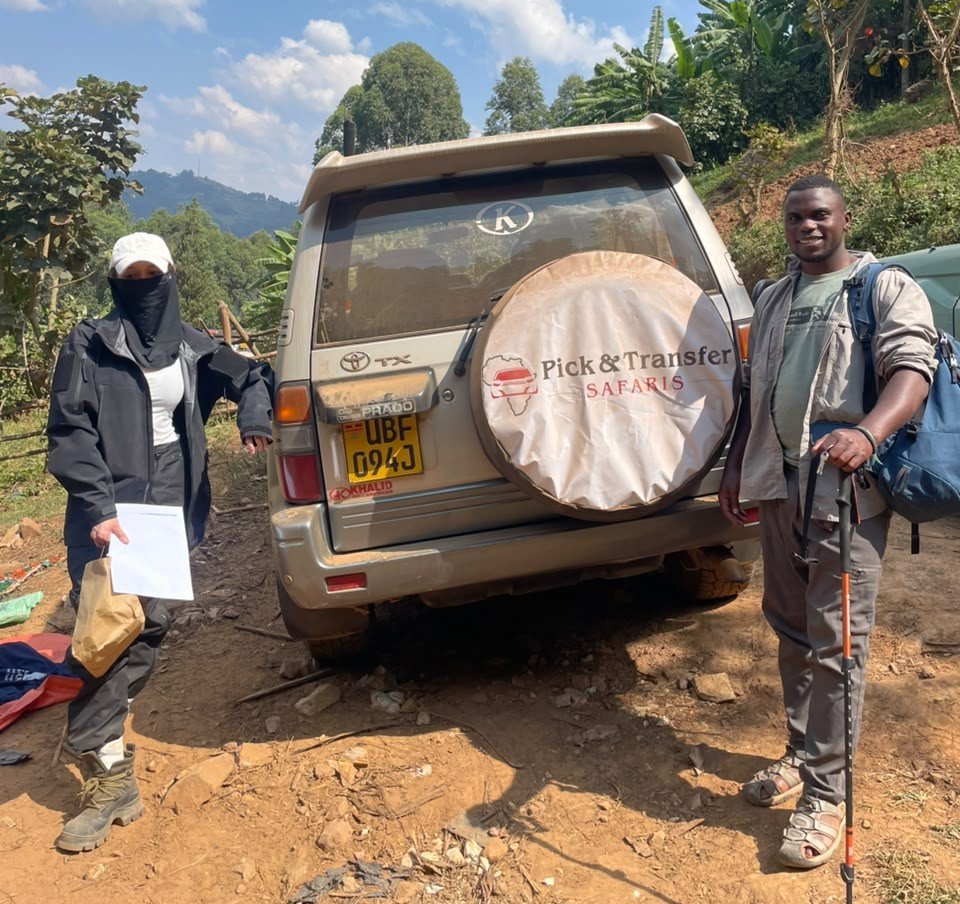
7 Days Uganda Safari – One week tour
This 7-day itinerary is the classic one-week introduction to Uganda, covering the country’s three most iconic wildlife experiences: chimpanzee tracking in Kibale Forest National Park, Big Five game drives and a boat cruise in Queen
Tour Details →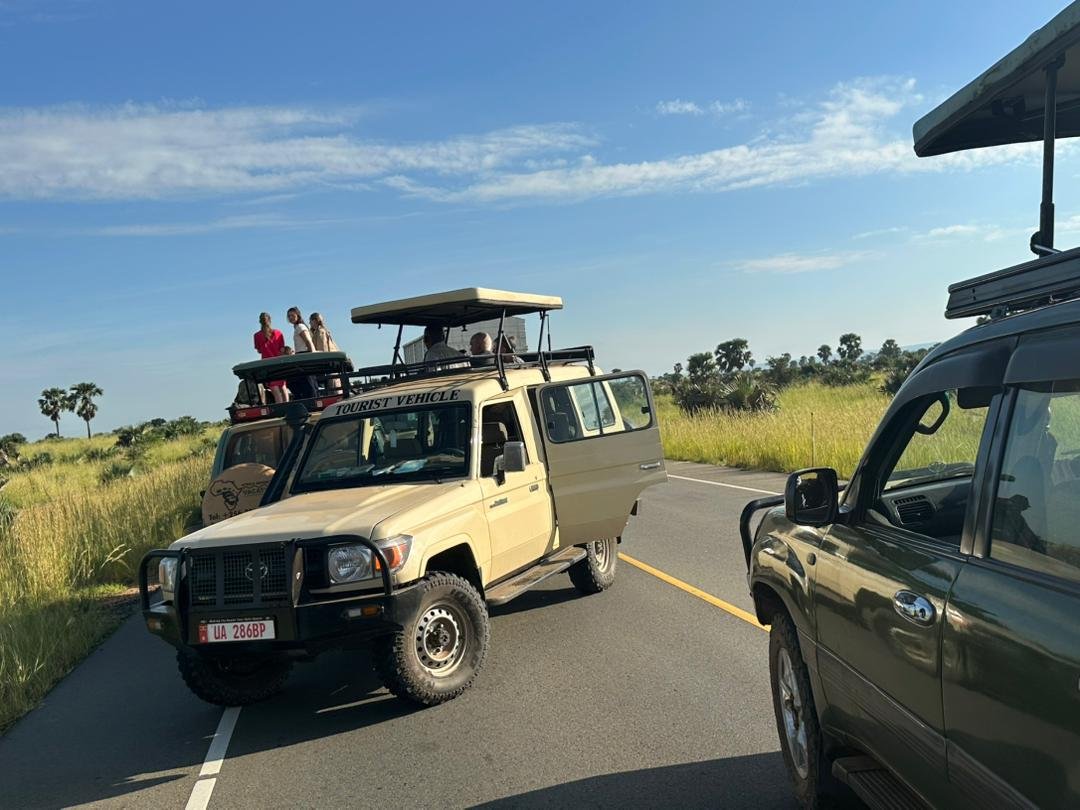
10 Days Uganda Primates and Wildlife
This 10-day Uganda Grand Safari is the most complete Uganda itinerary we offer at Pick and Transfer Safaris. It begins with a scenic northward drive from Entebbe to the vast open plains of Murchison
Tour Details →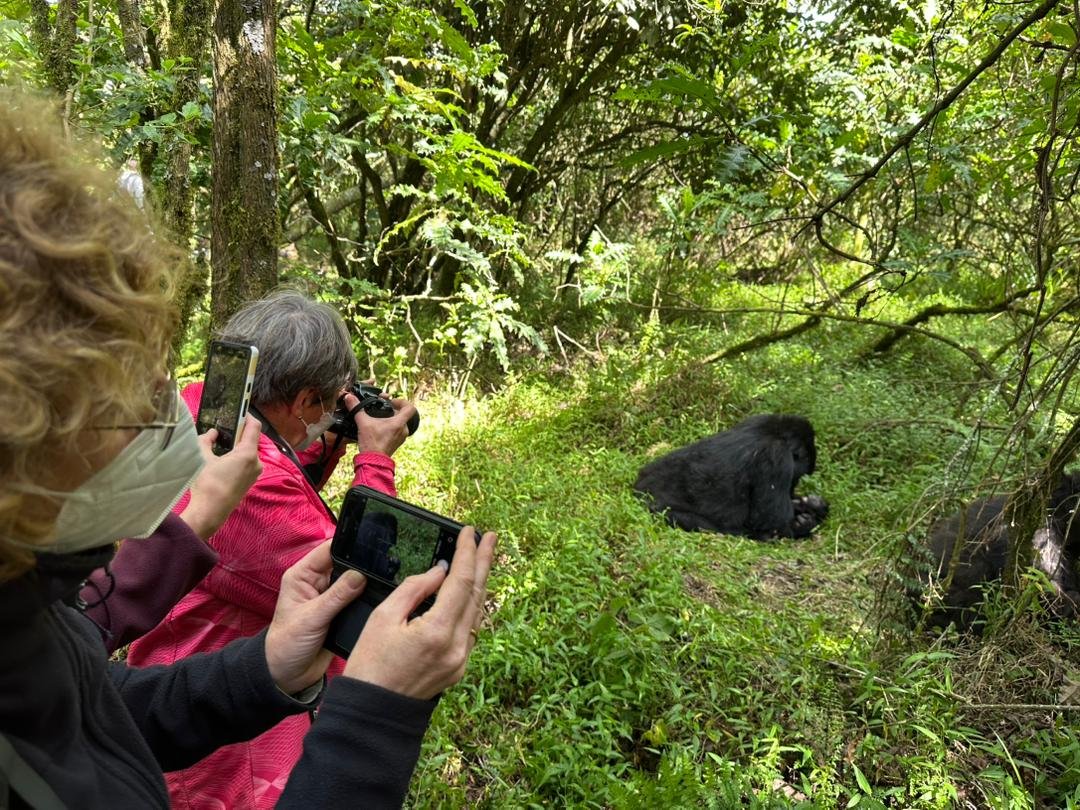
2 Days Uganda Gorilla Tour Starting from Kigali
This is the gentler cousin of our 1-Day Uganda Gorilla Safari Starting from Kigali — same idea, twice the breathing room. Instead of squeezing a 3,000-metre forest trek and two border crossings into a single very long day
Tour Details →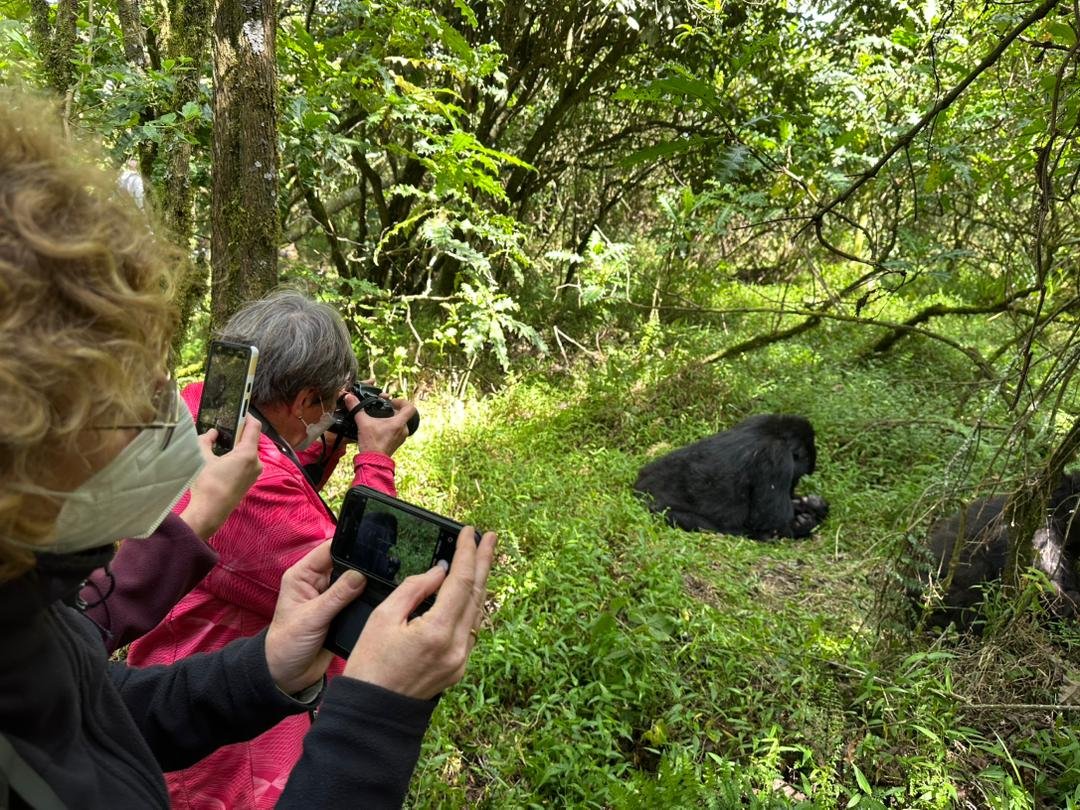
5-Day Uganda Gorilla and Chimpanzee Safari
This itinerary can be combined with a Rwanda extension or a wildlife-focused add-on through Queen Elizabeth National Park — browse our Uganda & Rwanda Safaris and Primate Safaris collections for ideas.
Tour Details →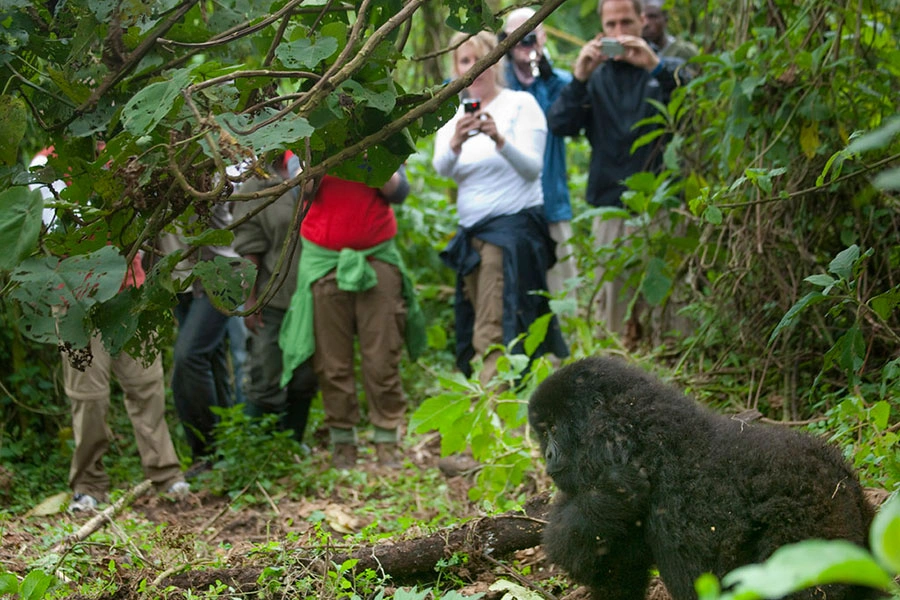
5 Days Rwanda Wildlife and Gorillas
This 5-day itinerary brings together Rwanda’s two flagship wildlife experiences: open savannah game drives and a boat safari in Akagera National Park, followed by a face-to-face encounters
Tour Details →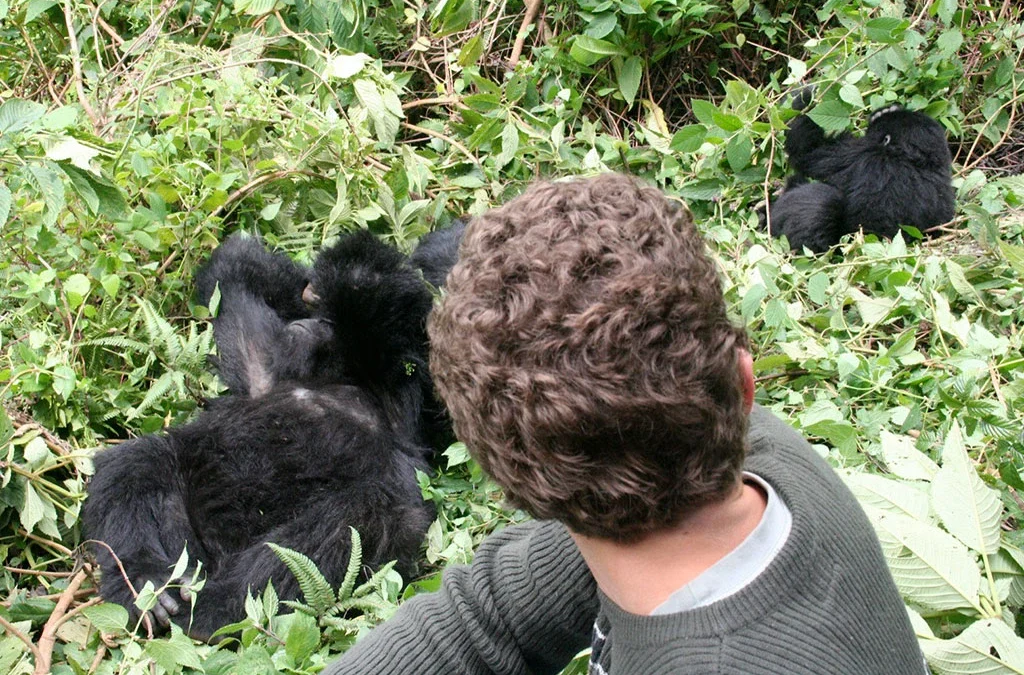
3 Days Uganda Gorilla Safari
For travelers who arrive in Entebbe with a tight schedule and a clear ambition, a 3-day gorilla safari to Bwindi Impenetrable Forest National Park is the most focused and rewarding short trip the country has to offer.
Tour Details →