- LET'S PLAN YOUR SAFARI
- +256 200 921 002
- +256 793 194 703
- info@pickandtransfersafaris.com

Rwanda Honeymoon Safaris
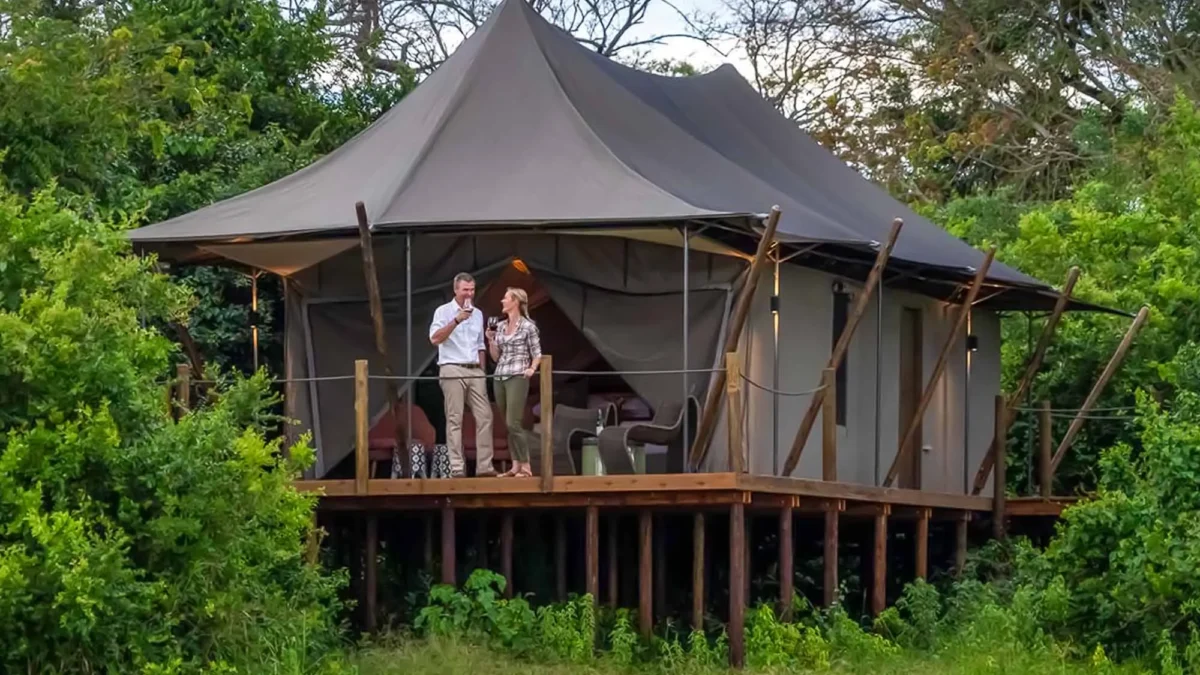
Rwanda Honeymoon Safaris. Rwanda has quietly become one of the most compelling honeymoon destinations on Earth, and it isn’t only because of the gorillas. In the space of a single week, a newly married couple can trek through volcanic forest to sit with a mountain gorilla family, watch lions and elephants cross open savannah in Akagera National Park, walk a swinging canopy bridge above ancient rainforest in Nyungwe, and end the trip on the still, warm waters of Lake Kivu — all within a country roughly the size of Maryland, with some of the best-organized, safest tourism infrastructure in Africa. Rwanda honeymoon safaris pack an extraordinary range of experience into a genuinely manageable itinerary, which is exactly why so many couples are now choosing Rwanda over more traditional honeymoon safari destinations.
This guide walks through every major piece of planning a Rwanda honeymoon safari in 2026: the different parks and experiences on offer, the most romantic lodges, sample itineraries from three days to two weeks, realistic budgets for two, what to pack, visas and logistics, and how Rwanda compares to other classic African honeymoon destinations. Whether you want a fast, focused gorilla-trekking escape or a full two-week loop through the whole country, you’ll find the practical detail here to plan it properly. It’s also a trip that rewards a bit of upfront planning rather than a last-minute booking. Gorilla permits and the best honeymoon-friendly lodges both sell out months ahead in peak season, and a handful of small requests — a private table for dinner, a same-group trekking slot, a decorated room on arrival — need to be arranged in advance rather than assumed on the day. None of that makes the trip complicated; it simply rewards the couples who read a guide like this one before picking up the phone.
Why Rwanda Is Africa’s Most Romantic Safari Destination
Most classic safari honeymoons involve long, dusty drives between distant parks and lodges built for large groups rather than couples. Rwanda inverts that formula. The country is compact enough that transfer times between its major parks rarely exceed three or four hours, its roads are unusually well maintained by regional standards, and its tourism industry has deliberately positioned itself at the high-value, low-volume end of the market — which means smaller lodges, smaller groups, and a level of personal attention that’s hard to find in larger safari destinations. Add to that Rwanda’s reputation as one of Africa’s safest, cleanest countries, its famously warm hospitality culture, and volcanic and lakeside scenery that looks genuinely different from the flat savannah most people picture when they think “African safari,” and it’s easy to see why Rwanda has become such a strong honeymoon choice. A good first stop for couples exploring what’s possible is the Rwanda and Uganda destinations overview, and Kenlink Tours’ guide to the best African safari holidays for couples is a useful second opinion while you’re comparing destinations. There’s also a quieter, less tangible reason Rwanda works so well for honeymoons: the country’s own recent history of recovery and rebuilding gives the entire trip an emotional undertone that many couples find unexpectedly moving. Watching a gorilla population climb back from near-extinction, or seeing lions and rhinos successfully reintroduced to a park that had lost them entirely, sits alongside a honeymoon in a way that feels meaningful rather than incidental — a shared reminder, on the trip that’s supposed to mark the start of your own new chapter, that recovery and renewal are possible on a much larger scale too.
A Day in the Life on a Rwanda Honeymoon Safari
It helps to picture what an actual day looks like rather than just a list of parks. On a gorilla-trekking day, you’re typically collected from your lodge around 6:00 a.m. for the short drive to park headquarters, where a 7:00 a.m. briefing assigns your group to a specific gorilla family based on overnight tracker reports. The hike itself can last anywhere from thirty minutes to five hours, followed by a strictly enforced one-hour encounter with the gorillas, before the group retraces its steps and returns to the lodge by early afternoon — leaving the rest of the day free to rest together, order a late lunch, and simply absorb what you just experienced. A game-drive day in Akagera looks entirely different: an early departure to catch the best light and animal activity, several hours moving slowly through savannah and along the lakeshore in an open vehicle, a picnic breakfast or lunch overlooking the water, and often a second, shorter drive or boat cruise at sunset. A Lake Kivu day, by contrast, might involve nothing more strenuous than a late breakfast on a private terrace, a short boat trip to a nearby island, and an afternoon spent doing exactly nothing — which, after several days of early starts, is usually exactly what a honeymooning couple wants. Most well-built itineraries deliberately alternate active and restful days rather than stacking early starts back to back, which matters more for a honeymoon than it does for an ordinary group tour.
Understanding the Different Types of Rwanda Honeymoon Safaris
Rwanda honeymoon safaris generally fall into a few distinct categories, and most couples end up combining two or three of them rather than choosing just one. Primate-focused trips center on gorilla trekking in Volcanoes National Park, often paired with golden monkey tracking or chimpanzee tracking elsewhere. Big Five safaris center on Akagera National Park’s savannah, home to lions, elephants, rhinos, buffalo, and leopards reintroduced or recovered over the past decade. Forest and canopy experiences revolve around Nyungwe, with its suspended canopy walkway and chimpanzee tracking. And relaxation-focused stops on Lake Kivu round out the more active portions of a trip with boat rides, lakeside dining, and simply doing nothing together for a day or two. A full itinerary through the Rwanda and Uganda safaris collection typically blends two or more of these categories, and understanding which combination appeals to you both is the real starting point for planning — more useful, honestly, than picking a specific hotel first. A useful way to decide is to talk through what each of you actually wants from the trip before you look at a single itinerary. One partner might be drawn purely to the primates, another to open-vehicle game drives, and a third combination might simply want two or three restful days by water bookending a shorter, more active stretch. There’s no single “correct” Rwanda honeymoon safari — the country’s real strength is that almost any combination of these experiences works logistically, so the planning conversation is really about preference rather than feasibility.
Gorilla Trekking: The Signature Rwanda Honeymoon Experience
For most couples, gorilla trekking is the non-negotiable centerpiece of a Rwanda honeymoon, and for good reason. A standard 2026 gorilla permit costs US $1,500 per person, granting a strictly limited one-hour encounter with a habituated gorilla family in Volcanoes National Park after a guided trek that can last anywhere from thirty minutes to five hours depending on where the family has moved that morning. Couples should request to be booked into the same trekking group when reserving permits, since groups are assembled by gorilla family rather than automatically by relationship. Shorter honeymoon-friendly options like the 2-day Volcanoes gorilla trek from Kigali fit the entire experience into a single overnight, while the 3-day Rwanda gorilla tracking and cultural tour adds a cultural visit around Kinigi for couples with a little more time. Kenlink Tours’ 3-day Rwanda gorilla safari is a useful benchmark itinerary worth comparing on price and pacing before you commit to an operator.
Akagera National Park: Big Five Game Drives for Honeymooners
Akagera National Park, roughly two and a half hours east of Kigali along Rwanda’s border with Tanzania, is often the most surprising stop on a Rwanda honeymoon for couples who assumed the country was only about gorillas. Once severely depleted by decades of conflict and poaching, Akagera has undergone one of Africa’s most successful conservation turnarounds, with lions and black rhinos both reintroduced and now breeding successfully alongside large elephant, buffalo, and hippo populations across its savannah, lakes, and papyrus swamps. For honeymooners, Akagera offers something Volcanoes National Park can’t: the classic open-vehicle, golden-hour game drive experience, often with a private guide and vehicle for just the two of you. The 3-day Akagera National Park safari from Kigali covers it well as a standalone trip, and Kenlink Tours’ 3-day Akagera game drive safari is worth comparing for pricing and lodge options. Many couples pair a night or two here with a boat cruise on Lake Ihema at sunset — a quietly romantic experience that rarely makes it onto a standard safari brochure but is consistently rated a highlight by honeymooners who add it.
Nyungwe Forest: Canopy Walks and Chimpanzee Tracking for Couples
Nyungwe Forest National Park, in Rwanda’s southwest, is one of Africa’s oldest rainforests and a genuinely different kind of romantic experience from either the volcanoes or the savannah. Its suspended canopy walkway, hung 70 meters above the forest floor, offers sweeping views over the forest canopy that make for a memorable, slightly adrenaline-tinged couples’ activity, while its chimpanzee tracking program offers a wilder, less predictable primate encounter than the more habituated mountain gorillas. The 2-day Nyungwe chimps tracking trip and Kenlink Tours’ 3-day Nyungwe Forest National Park tour both cover the highlights well. Nyungwe’s forest lodges tend to be smaller and quieter than those near the more heavily visited Volcanoes region, which appeals to honeymooners specifically looking for a less crowded, more secluded stretch of their trip.
Lake Kivu: The Relaxing Finale to a Rwanda Honeymoon
After several days of early-morning treks and game drives, most Rwanda honeymoon itineraries build in at least one or two nights beside Lake Kivu — one of Africa’s Great Lakes and, for many couples, the most purely restful stretch of the entire trip. The lake’s shoreline towns of Gisenyi and Kibuye host a growing number of boutique lakeside lodges with private decks, and the water itself is calm, warm, and free of the crocodiles and hippos found in many other African lakes, making it genuinely swimmable. Boat trips out to small islands, sunset cruises, and simply sitting on a private terrace with the water in front of you are the main activities here, which is precisely the point after the more physically demanding parts of a Rwanda honeymoon. Kenlink Tours’ 6-day Rwanda adventures: great apes and Lake Kivu itinerary is built specifically around this combination and is a good template for how to structure the balance between activity and rest. Kibuye tends to feel quieter and more secluded than the larger town of Gisenyi, which makes it the slightly more popular choice among honeymooners specifically looking for privacy, while Gisenyi offers a wider range of restaurants and a livelier waterfront if you’d rather have a bit more going on around you in the evenings. Either town works well as the final stop before flying home, since both are within a few hours’ drive of Kigali and its international airport.
Kigali: Where Every Rwanda Honeymoon Begins and Ends
Nearly every Rwanda honeymoon safari starts and ends in Kigali, and the city deserves more than a rushed overnight on either side of the trip. Rwanda’s capital is consistently ranked among Africa’s cleanest and safest cities, with a genuinely good restaurant scene, the moving Kigali Genocide Memorial, and enough boutique hotels and rooftop bars to make a day or two here feel like a proper part of the honeymoon rather than a layover. Couples flying long-haul often benefit from spending a full day in Kigali city before heading out to the parks, both to recover from jet lag and to ease into the trip together before the early starts required for gorilla trekking and game drives. A final night back in the city before an international flight home is equally worth building into your itinerary rather than rushing straight from a lodge to the airport.
Choosing Your Rwanda Honeymoon Lodge Style
Lodge choice shapes a Rwanda honeymoon almost as much as the parks themselves. Volcano-view lodges near Volcanoes National Park range from comfortable mid-range guesthouses to five-star properties with private plunge pools and fireplace suites, and several will arrange a decorated room or private dinner for honeymooners on request if you mention it at the time of booking. Akagera’s lodges tend toward classic safari-camp styling — think canvas tents with proper beds and en-suite bathrooms rather than actual camping — while Nyungwe’s forest lodges lean quieter and more secluded, and Lake Kivu’s properties are built around water views and outdoor lounging space. Because lodge inventory near the most popular parks is genuinely limited, especially the handful of properties with the best views, booking accommodation at the same time as your gorilla permit — rather than treating it as a secondary decision — is one of the more important pieces of advice for any couple planning around a fixed wedding date. The full range of options is easiest to browse through the gorilla safaris and wildlife safaris collections, both of which bundle lodging into the itinerary rather than leaving you to arrange it separately. It’s also worth deciding in advance how much time you actually want to spend at each lodge versus on the road. Some couples prefer to change location every night to see as much of the country as possible, while others would rather settle into two or three bases for multiple nights each and take day trips from there — a pace that tends to feel more genuinely restful on a honeymoon, even if it means seeing slightly less of the map. Neither approach is wrong, but it’s a decision worth making deliberately rather than defaulting to whatever a standard tour template happens to offer.
Cultural Experiences to Add to Your Rwanda Honeymoon
Beyond wildlife and scenery, a handful of cultural experiences can add real texture to a Rwanda honeymoon without much extra time or cost. Community cultural villages near Kinigi offer traditional Intore dance performances and drumming, often with the chance for couples to join in rather than simply watch, while coffee cooperative tours near Musanze walk you through Rwanda’s celebrated coffee industry from bean to cup — a pleasant, low-key half-day that pairs nicely with a rest day. In Kigali, a visit to the Presidential Palace Museum or a guided walk through a local market gives a more grounded sense of the country than a hotel room ever could, and the Kigali Genocide Memorial, while sobering, is widely considered an essential stop for understanding modern Rwanda rather than an optional add-on. None of these experiences require much planning — most can simply be requested through your operator as a half-day addition to an existing itinerary.
Best Time of Year for a Rwanda Honeymoon Safari
7 Days Uganda Safari – One week tour
This 7-day itinerary is the classic one-week introduction to Uganda, covering the country’s three most iconic wildlife experiences: chimpanzee tracking in Kibale Forest National Park, Big Five game drives and a boat cruise in Queen
Tour Details →
10 Days Uganda Primates and Wildlife
This 10-day Uganda Grand Safari is the most complete Uganda itinerary we offer at Pick and Transfer Safaris. It begins with a scenic northward drive from Entebbe to the vast open plains of Murchison
Tour Details →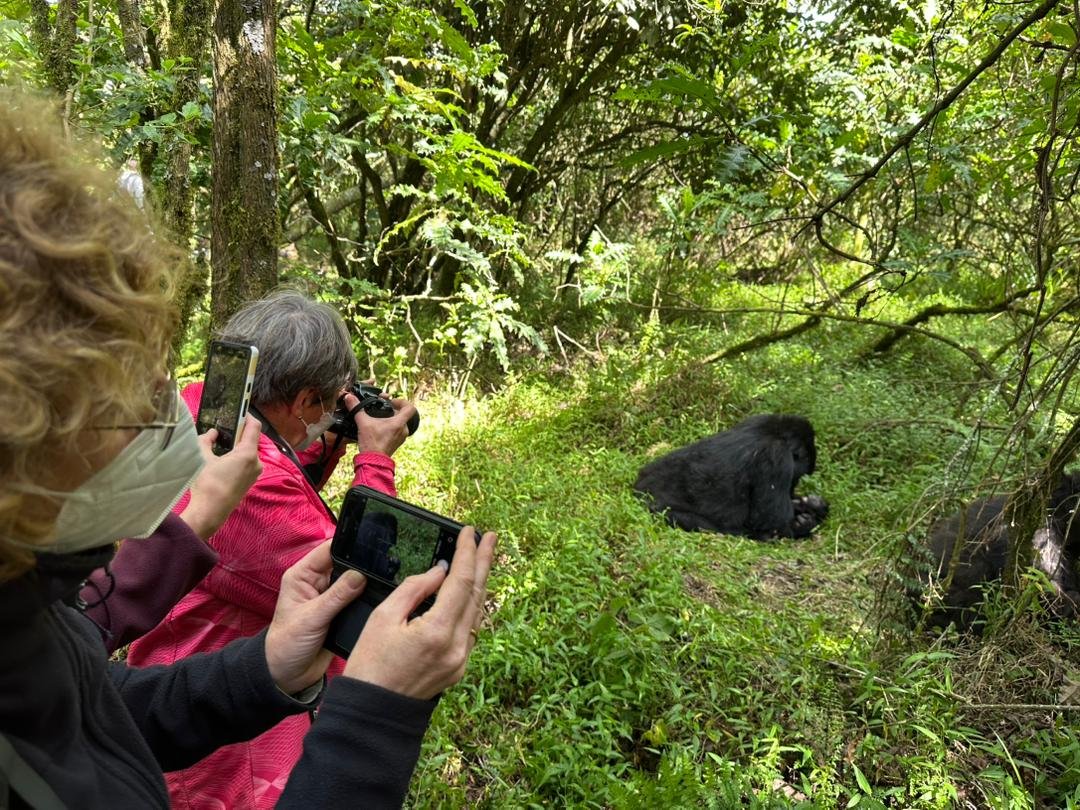
2 Days Uganda Gorilla Tour Starting from Kigali
This is the gentler cousin of our 1-Day Uganda Gorilla Safari Starting from Kigali — same idea, twice the breathing room. Instead of squeezing a 3,000-metre forest trek and two border crossings into a single very long day
Tour Details →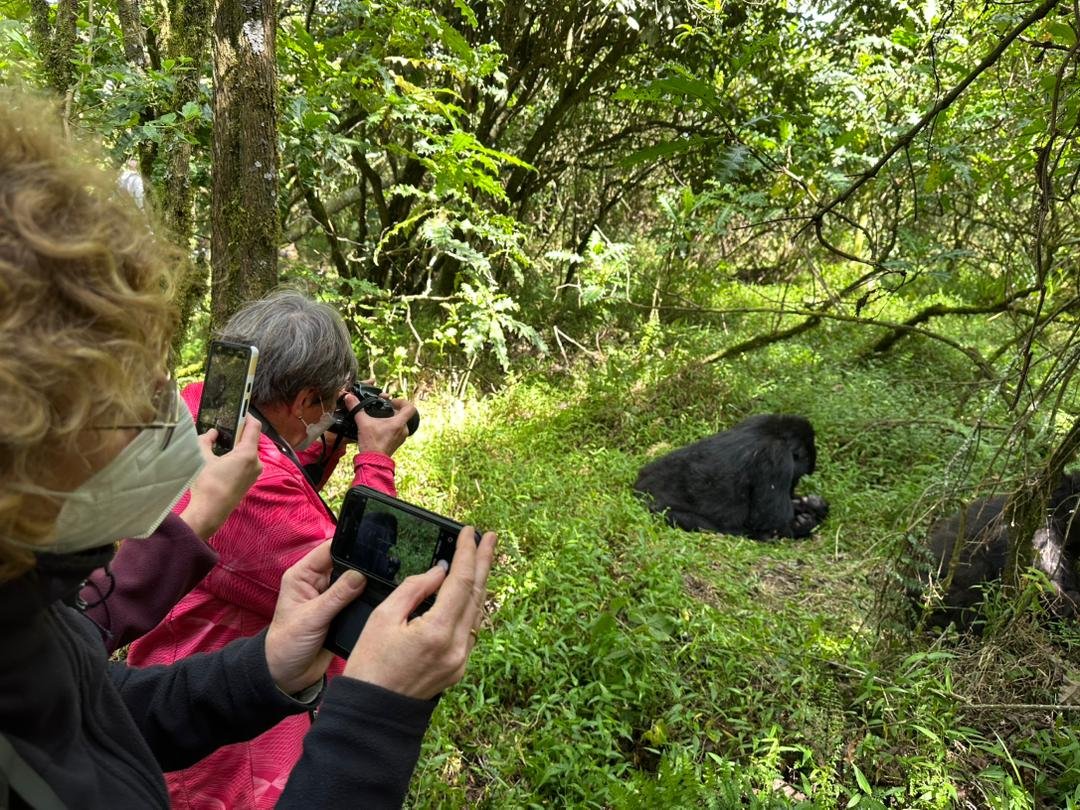
5-Day Uganda Gorilla and Chimpanzee Safari
This itinerary can be combined with a Rwanda extension or a wildlife-focused add-on through Queen Elizabeth National Park — browse our Uganda & Rwanda Safaris and Primate Safaris collections for ideas.
Tour Details →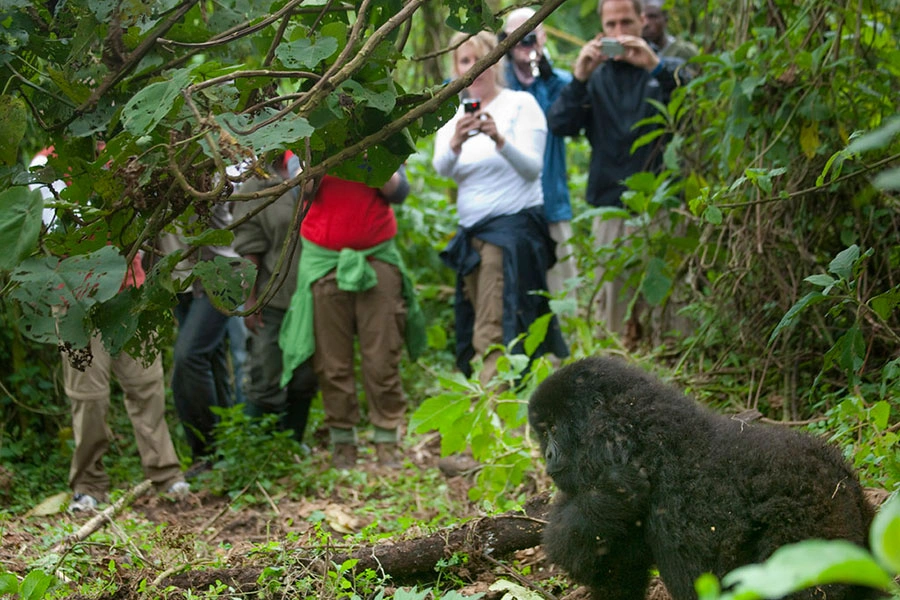
5 Days Rwanda Wildlife and Gorillas
This 5-day itinerary brings together Rwanda’s two flagship wildlife experiences: open savannah game drives and a boat safari in Akagera National Park, followed by a face-to-face encounters
Tour Details →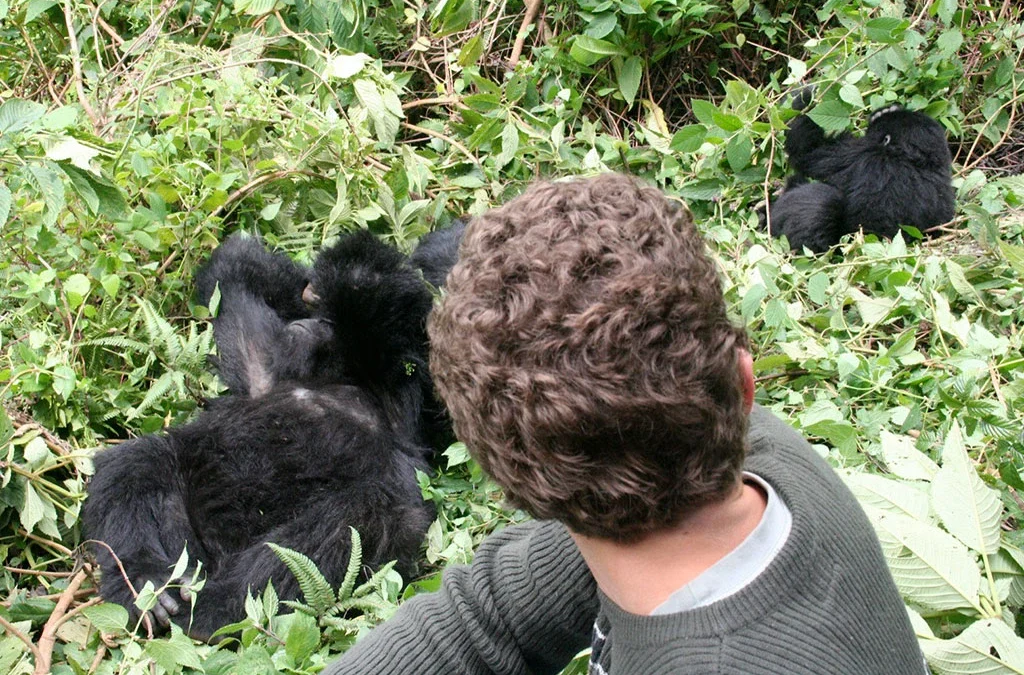
3 Days Uganda Gorilla Safari
For travelers who arrive in Entebbe with a tight schedule and a clear ambition, a 3-day gorilla safari to Bwindi Impenetrable Forest National Park is the most focused and rewarding short trip the country has to offer.
Tour Details →Rwanda’s parks are open year-round, but the calendar still matters for a honeymoon built around comfort as much as adventure. The dry seasons — June through September and December through mid-February — offer the firmest trekking trails, the best game-viewing conditions in Akagera as animals cluster near remaining water sources, and the clearest skies for photographs, but also the highest lodge rates and the tightest gorilla permit availability, requiring bookings three to six months ahead. The “green season” months of March, April, October, and November bring more rain and muddier trails, particularly for gorilla trekking, but also markedly lower lodge prices, thinner crowds, and — for gorilla permits specifically — a discounted combination rate when paired with Akagera or Nyungwe. Many couples find the shoulder months of late May and early November strike the best balance between comfortable conditions and better value across the whole trip.
Sample Rwanda Honeymoon Safari Itineraries
For couples with a short window, a focused three-day trip built around the 3-day Rwanda gorilla tracking and cultural tour covers the signature gorilla experience without requiring much time off work. A five-day honeymoon opens up considerably more range: the 5-day Best of Rwanda primate safari and 5-day Rwanda wildlife and gorillas safari both combine Volcanoes National Park with either Nyungwe or Akagera, giving newlyweds two distinct Rwandan ecosystems in one well-paced trip. Couples with a full week available often prefer the 7-day Best of Rwanda safari, which comfortably fits gorillas, a Big Five park, and a rest stop into one itinerary without feeling rushed, while a longer honeymoon of ten days or more, such as the 10-day Rwanda wildlife and gorilla tour, allows for genuinely leisurely pacing with multiple nights at each stop. Kenlink Tours’ 5-day Volcanoes gorillas and Akagera wildlife safari is another solid five-day template worth comparing before you finalize a route.
Rwanda Honeymoon Safari Budget Guide
Budgeting for two people rather than one changes the math considerably, since gorilla permits and most park fees are charged per person rather than per couple. As a rough guide, expect roughly US $3,000 for two standard gorilla permits, US $150–$400 for private ground transport between Kigali and the parks, and lodge rates ranging from around $150 a night per room at a comfortable mid-range property to $600 or more per night at a five-star lodge with a private plunge pool. Akagera and Nyungwe park fees, guided activities, and porter or tracker tips of $10–$20 per day add a modest but real amount on top. A focused three- to five-day honeymoon typically totals somewhere between US $4,500 and $8,000 for two people, while a fuller seven- to ten-day trip covering gorillas, Akagera, and Lake Kivu tends to land between US $7,000 and $13,000, excluding international flights. The single biggest lever couples control is timing: traveling in the green season, choosing mid-range rather than ultra-luxury lodges, and taking advantage of the discounted combination permit rate can bring the total down meaningfully without changing the core experience. Booking a complete, pre-priced package through the Rwanda and Uganda safaris collection rather than assembling each piece separately also tends to be both cheaper and considerably less stressful to plan. It’s worth building in a small contingency of $150–$250 for incidentals — an extra night if a flight is delayed, a souvenir from a community cooperative near the parks, or a spontaneous meal out in Kigali on your last night. Many couples also find it useful to designate the gorilla permit as the one genuinely fixed, non-negotiable cost in the budget, then treat lodge tier and trip length as the flexible variables to adjust up or down depending on what the wedding budget has left over.
What to Pack for a Rwanda Honeymoon Safari
Packing for a Rwanda honeymoon safari means preparing for genuinely different environments across a single trip. For gorilla and chimpanzee trekking, bring sturdy, broken-in hiking boots, waterproof trousers and a rain jacket regardless of season, gardening-style gloves for grabbing vines and nettles, and a daypack with a rain cover. For Akagera’s game drives, lightweight, neutral-colored clothing and a good pair of binoculars make a real difference, while Lake Kivu calls for swimwear and something considerably more relaxed than trekking gear. Across the whole trip, a mid-range camera or a phone with a strong zoom and low-light performance will capture far more than a basic point-and-shoot, particularly since flash photography is prohibited around the gorillas. A few honeymoon-specific extras — a nice outfit for lodge dinners, a small gift or card to exchange along the way — are worth the little extra suitcase space, since several lodges are happy to help arrange a small celebration if you mention the occasion when booking.
Visas, Flights, and Getting Around Rwanda as Newlyweds
Rwanda has one of the most liberal visa policies in Africa. Citizens of African Union, Commonwealth, and La Francophonie member states receive a free 30-day visa on arrival, East African Community citizens can enter visa-free for up to six months, and most other nationalities — including the US, UK, EU, and Canada — can obtain a visa on arrival at Kigali International Airport or apply online in advance, with fees capped at US $50 for a single entry. Couples planning to cross into Uganda during the same honeymoon should look into the East Africa Tourist Visa, which covers all three East African Community countries under one application. Getting around the country is straightforward with a private driver-guide, which is how most honeymoon itineraries are structured — door-to-door transfers between Kigali, Volcanoes, Akagera, Nyungwe, and Lake Kivu, with the driver also serving as a local guide along the way. It’s worth confirming exact transfer times and current entry requirements directly through your operator’s contact page before finalizing flights, since requirements are periodically updated. Mobile data is inexpensive and widely available through local SIM cards sold at the airport, which is worth picking up on arrival if you’d like to share honeymoon updates or navigate independently during any free time. Currency exchange is straightforward in Kigali, though most lodges and tour operators accept card payments or US dollars directly, so newlyweds rarely need to carry large amounts of local currency for anything beyond markets, small cafes, and tips.
Rwanda vs Other African Honeymoon Safari Destinations
Couples researching African honeymoon safaris often compare Rwanda against Kenya, Tanzania, or South Africa, and the honest answer is that each offers a genuinely different experience. Kenya and Tanzania deliver the classic wide-open savannah and, during the right season, the great wildebeest migration, but require longer distances between parks and larger group sizes at many lodges. South Africa offers excellent infrastructure and malaria-free options in some reserves, but lacks Rwanda’s primate trekking entirely. Rwanda’s advantage for honeymooners specifically is density and pace: a compact country where gorillas, Big Five game drives, rainforest, and a lakeside finale are all within a few hours of each other, paired with a small-lodge, low-volume tourism model that feels built for two people rather than a busload. For couples who also want to see Uganda’s larger gorilla population or Big Five parks, Kenlink Tours’ Uganda and Rwanda gorilla safaris comparison is a useful resource for weighing that extension without needing to research an entirely separate country from scratch. Flight time is another underrated factor. Kigali has grown into a genuine regional hub with reasonably direct connections from Europe, the Middle East, and elsewhere in Africa, which for many couples means less total transit time than reaching some of the more remote reserves in Tanzania or Botswana. And because Rwanda’s parks sit so close together, a honeymoon here rarely involves the multiple short domestic flights that a Kenya-Tanzania combination trip often requires — nearly everything is reachable by a comfortable road transfer with a private driver-guide, which keeps the trip feeling connected rather than chopped into disjointed flight segments.
Combining Rwanda with Uganda for an Extended Honeymoon
Because Rwanda sits so close to Uganda’s border, a considerable number of honeymoon itineraries extend across both countries rather than staying inside Rwanda alone. Uganda’s lower gorilla permit fee and larger number of habituated families make it an appealing extension for couples with more time, and Kenlink Tours’ guide to the best honeymoon holidays in Uganda is worth reading alongside this guide if you’re weighing a combined trip. For a fully combined honeymoon, the 5-day Rwanda gorilla and chimpanzee safari and Kenlink Tours’ 4-day Rwanda-Uganda golden monkey and gorilla trekking safari both add a second country and a second primate species without overloading the itinerary. Crossing the border adds a few hours of driving on each leg, so it’s worth weighing that honestly against how much total time you have for the honeymoon.
Responsible and Sustainable Honeymoon Travel in Rwanda
Every gorilla permit fee and a meaningful share of Akagera and Nyungwe park revenue is reinvested into conservation and shared directly with communities bordering Rwanda’s national parks — a policy widely credited with turning former poachers into some of the country’s strongest conservation advocates, and with funding the reintroduction of lions and rhinos to Akagera. Honeymooning couples can extend that impact by hiring local porters and guides even when not strictly necessary, buying handicrafts from community cooperatives near the parks as a lasting souvenir, and choosing lodges that visibly employ and train local staff. Respecting park rules matters just as much: staying the required distance from gorillas, avoiding flash photography, and following ranger instructions during any wildlife encounter all protect animal populations that have taken decades to recover. Choosing an operator that briefs couples thoroughly before each activity, rather than simply dropping them at the gate, is one of the simplest ways to ensure a Rwanda honeymoon leaves the country’s parks better off rather than worse.
How to Book Your Rwanda Honeymoon Safari
Booking a Rwanda honeymoon safari works best when permits, lodging, and transfers are arranged together rather than piecemeal, since availability at the best lodges and gorilla permit quotas both tighten considerably in peak season. Ask specifically about honeymoon touches when you inquire — room decoration, a private dinner, a same-group trekking slot for both of you — since most operators can arrange these but won’t necessarily offer them unless asked directly. Start by browsing the full range of itineraries on the Rwanda and Uganda safaris page, or reach out through the contact page to describe your dates, budget, and which combination of parks appeals most. It’s also worth reading a little about the operator itself through an about us page before committing several thousand dollars in permit and lodge deposits to any single company, and cross-checking pricing against a second operator such as Kenlink Tours’ Rwanda safaris overview or their about us page is a sensible step before finalizing a booking.
Frequently Asked Questions: Rwanda Honeymoon Safaris
How many days should a Rwanda honeymoon safari be?
Five to seven days is the sweet spot for most couples, long enough to combine gorilla trekking with either Akagera or Nyungwe plus a night on Lake Kivu, without requiring an extended absence from work right after the wedding. Shorter three-day trips work well if gorillas are the only priority.
Is Rwanda affordable for a honeymoon, or is it only for luxury travelers?
Both. The gorilla permit fee is fixed regardless of lodge tier, but accommodation ranges widely from comfortable mid-range guesthouses to five-star volcano-view lodges, so couples can meaningfully control their total budget through lodge choice and travel season without giving up the core experience.
Do we need to visit every park, or can we focus on just one or two?
You can absolutely focus on just gorillas and one other park. Many of the most popular honeymoon itineraries deliberately pair only two experiences — Volcanoes and Akagera, or Volcanoes and Lake Kivu — rather than trying to cover the entire country in one trip.
Can we combine Rwanda with a beach extension afterward?
Yes, and some couples do exactly this, flying on to Zanzibar or the Kenyan coast after their Rwanda safari for a more traditional beach finale. It’s worth planning flight connections carefully, since onward flights from Kigali to coastal destinations often route through a regional hub.
What’s the biggest mistake couples make when planning a Rwanda honeymoon safari?
Booking too late. Because gorilla permits and the best honeymoon lodges both have genuinely limited availability in peak season, couples who wait until a month or two before travel often find their preferred dates, lodges, or even permits themselves unavailable, and end up settling for a less ideal itinerary than they could have had by booking three to six months ahead.
Is it safe for a couple to travel around Rwanda without a large group?
Yes. Rwanda is widely regarded as one of Africa’s safest countries, and nearly all honeymoon itineraries are run as private departures with a dedicated driver-guide rather than large group tours, so a couple traveling alone with their guide is the norm rather than the exception here.
Final Thoughts on Planning a Rwanda Honeymoon Safari
Few countries pack this much genuine variety into a single honeymoon-length trip: mountain gorillas, a Big Five savannah recovering from the brink, ancient rainforest, and a lake calm enough to simply float on together, all connected by short, comfortable drives rather than long-haul internal flights. Rwanda’s small-lodge, high-touch tourism model means a honeymoon here rarely feels like just another stop on someone else’s group tour — it feels, deliberately, like it was built for two people. Whether you build a fast, focused gorilla escape or a full two-week loop through every park mentioned in this guide, start by browsing the full range of Rwanda and Uganda destinations, compare itineraries against Kenlink Tours’ best African safari holidays for couples guide, and reach out through the contact page to start building a Rwanda honeymoon safari around your own wedding date. Few trips reward early planning as generously — or deliver a shared memory as lasting — as this one does.