- LET'S PLAN YOUR SAFARI
- +256 200 921 002
- +256 793 194 703
- info@pickandtransfersafaris.com

Rwanda in 10 Days: From Kigali to the National Parks
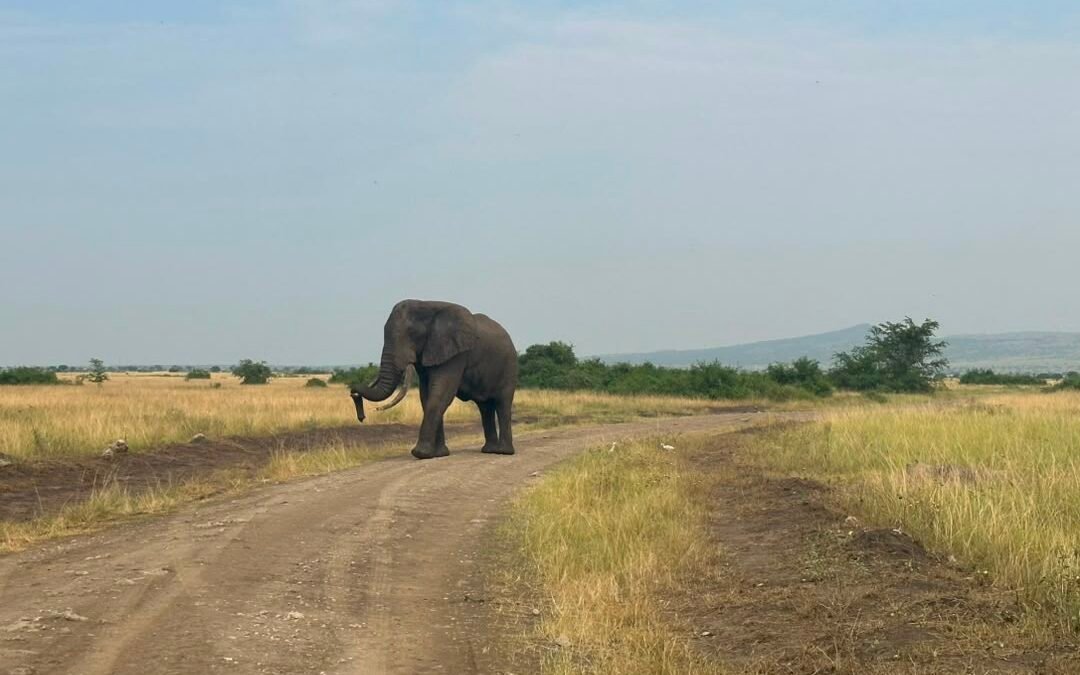
Rwanda in 10 Days: From Kigali to the National Parks. Ten days is, for most travellers, the most realistic window for a proper Rwanda trip: long enough to trek both mountain gorillas and chimpanzees, spend real time in a Big Five park, and still see Kigali properly, but short enough to fit inside a single block of annual leave without stretching into a three-week commitment. This guide lays out a complete, tested 10-day Rwanda itinerary, day by day, running from Kigali up to Volcanoes National Park, across to Nyungwe Forest, and back east to Akagera National Park before returning to the capital, with realistic drive times, costs and booking guidance built in throughout.
This route is one of the itineraries we run most often at Pick and Transfer Safaris, and it sits deliberately between our shorter 7-Day Best of Rwanda trip and our fuller Ultimate 2 Weeks Rwanda Itinerary, giving you nearly everything the longer trip covers while cutting out the extra rest days and slower pacing that a full fourteen days allows for.
What follows is written the same way we brief our own clients before this exact trip: day by day, with realistic drive times, honest notes on where the schedule is tight, and clear guidance on what to trim if ten days still feels ambitious once your permit dates are confirmed. A ten-day Rwanda itinerary rewards careful sequencing more than almost any other length of trip, since there is enough time to see everything worth seeing, but not enough slack to recover easily from a poorly planned day, which is exactly why the order and pacing below matter as much as the destination list itself.
Why 10 Days Is the Practical Sweet Spot for Rwanda
A week in Rwanda, the structure behind our own 7-Day Best of Rwanda itinerary, comfortably covers gorilla trekking plus one additional park, but usually forces a choice between Nyungwe’s chimpanzees and Akagera’s Big Five rather than fitting both in without rushed, uncomfortably long driving days. Two weeks, by contrast, adds genuine rest time at Lake Kivu and slack for delays, which is wonderful but not always available to travellers working around a fixed amount of leave. Ten days sits precisely in between: enough time to properly trek gorillas, trek chimpanzees, and safari through Akagera’s Big Five, with only a single true transit day rather than several, and no destination reduced to a rushed half-day stop.
How This 10-Day Route Is Structured
The itinerary below runs Kigali to Volcanoes National Park in the northwest, south to Nyungwe Forest with a brief Lake Kivu stopover along the way, and finally east to Akagera before looping back to Kigali for departure. It assumes private vehicle transport throughout, the standard arrangement for Rwanda safaris since public transport does not serve the parks directly, and each day includes a realistic pace rather than an idealised one. As with every itinerary we run, this is a strong, tested default that we adjust freely to match a traveller’s fitness, interests and budget.
Before You Go: Booking Order for a 10-Day Trip
Because this route depends on two capped, government-issued permits, gorilla and chimpanzee, book your gorilla trekking date first, since Volcanoes National Park issues only around 96 permits per day and popular June-to-September and December-to-February dates routinely sell out three to six months in advance. Once that date is locked in, your chimpanzee permit, flights and the rest of your accommodation can be arranged with far more certainty. On a ten-day trip specifically, there is less slack than on a longer itinerary to absorb a permit date that does not fit neatly into the schedule, so booking early matters even more here than it does on the fourteen-day version of this trip.
Day 1: Arrival in Kigali
Most international flights land in Kigali in the evening, so day one is kept deliberately light: clear immigration at Kigali International Airport, transfer to your hotel, and rest ahead of a busier day two. Travellers arriving earlier in the day can use the afternoon for a first, gentle look at Kigali, a walk near your hotel, an early dinner, or simply time to recover from the flight before the trip’s more demanding days begin.
Day 2: Kigali City Highlights and Transfer to Volcanoes National Park
Day two opens with a guided visit to the Kigali Genocide Memorial in Gisozi, essential context for understanding modern Rwanda and worth roughly ninety minutes to two hours, ideally in the quieter morning hours. From there, a shorter walking stop through the Nyamirambo neighbourhood or a browse through Kimironko Market covers Kigali’s livelier, more everyday side before the roughly two-and-a-half to three-hour drive northwest to Musanze, the gateway town for Volcanoes National Park. On a ten-day itinerary, this single condensed city morning replaces what would be a fuller day of Kigali sightseeing on a longer trip, a deliberate trade-off that keeps the schedule realistic without cutting the capital out entirely.
Day 3: Gorilla Trekking in Volcanoes National Park
This is the day the entire trip is built around. After an early breakfast and briefing at park headquarters, you will be assigned to one of Volcanoes National Park’s habituated gorilla families and set off with rangers and trackers into the forest, a climb that can take anywhere from thirty minutes to six or seven hours depending on where the group happens to be that morning. The reward is a strictly limited but genuinely unforgettable hour in the presence of a wild gorilla family. We cover exactly what this costs and how it compares to chimpanzee trekking in our companion guides on how much gorilla trekking in Rwanda costs and gorilla trekking versus chimpanzee trekking. The rest of the day is left free to rest, since the trek is genuinely tiring regardless of fitness level.
Day 4: Golden Monkeys and the Road South Toward Lake Kivu
Day four offers a lighter, complementary primate encounter before the drive south begins. Golden monkey trekking follows small, highly active troops through the park’s bamboo zone at a gentler pace and lower altitude than the previous day’s climb, and is a popular way to add a second wildlife encounter without another full-intensity trek. By midday, it is a roughly one-hour drive to Rubavu on the northern shore of Lake Kivu, where an overnight stay offers a welcome change of pace, lakeside dinner and a genuine break after two demanding trekking days, even on a schedule tighter than the full two-week version of this trip.
Day 5: Lake Kivu Stopover and Onward to Nyungwe Forest
Rather than a full rest day, day five on a ten-day itinerary uses the morning for a short, worthwhile taste of Lake Kivu, a boat trip to watch local fishermen, an hour of kayaking, or simply coffee on the waterfront, before the roughly four-hour drive south along the lake road toward Nyungwe Forest. This compressed version of the Lake Kivu experience still delivers the scenic, restorative change of pace the lake offers, without the dedicated full rest day a fourteen-day trip can afford; travellers who want more time here should look at our longer 2-week Rwanda itinerary instead, or the similarly themed 6-Day Rwanda Adventure covering great apes and Lake Kivu from our partner Kenlink Tours. Arriving at Nyungwe Forest National Park by late afternoon leaves time to settle in ahead of the next day’s trek.
Day 6: Chimpanzee Trekking in Nyungwe Forest
An early departure gives the best chance of finding Nyungwe’s habituated chimpanzee community while they are still near their overnight nesting sites, before ranging further into the canopy as the day warms. Chimpanzee trekking moves at a noticeably different pace than gorilla trekking, louder, faster and more dynamic, as the community forages, calls across the forest and occasionally moves quickly through the trees overhead. Permits cost a fraction of the gorilla permit price, which is a large part of why Nyungwe pairs so naturally with Volcanoes National Park on a trip like this rather than being treated as an either-or choice. The afternoon is free for Nyungwe’s canopy walkway, East Africa’s only suspended forest bridge, offering sweeping views across the treetops from roughly seventy metres up.
Day 7: Colobus Monkeys, a Cultural Stop and the Long Drive to Akagera
Nyungwe’s Angolan colobus monkey troops, some numbering several hundred individuals, make an excellent, less strenuous morning activity before departing the forest. This is the longest driving day of the trip, so it is worth breaking it up with a cultural stop in Huye, formerly Butare, roughly ninety minutes from Nyungwe and home to Rwanda’s National Museum, before continuing on toward Kigali and, from there, the final stretch to Akagera. On a ten-day schedule, this day typically ends with an overnight in Kigali, splitting what would otherwise be a very long single drive from Nyungwe directly to the park.
Day 8: Arrival in Akagera and First Game Drive
From Kigali, it is a further two-and-a-half hours to the south gate of Akagera National Park, Rwanda’s only Big Five destination and a complete change of scenery after several days of forest trekking. Arriving by midday leaves time for an afternoon game drive through the park’s southern circuit, covering woodland, wetland and the shores of Lake Ihema, where elephant, buffalo and a wide range of plains game are readily visible, followed by a late boat safari on Lake Ihema for close-range views of hippos, crocodiles and elephants drinking at the shoreline. Our dedicated guide to Akagera’s Big Five covers exactly where each species is best spotted.
Day 9: Full Day Big Five Safari in Akagera
Day nine is built around an early departure north to the Kilala Plains, the open grassland where Akagera’s lions and rhinos are most reliably seen, both species favouring the visibility and prey concentration of open terrain over the woodland further south. A guided night drive in the evening, essential for lion and leopard sightings given their largely nocturnal habits, rounds out the day, giving you a realistic shot at all five species within a single overnight in the park’s northern sector.
Day 10: Return to Kigali and Departure
A final early-morning game drive, when predators are most active in the hour after the gates open, closes out the safari before the roughly two-and-a-half-hour drive back to Kigali. Depending on your flight time, this may allow for a last coffee, a final look around the city, or simply a relaxed lunch before your transfer to Kigali International Airport for departure, bringing a genuinely full ten days to a close.
Where to Stay Each Night on This Route
Choosing accommodation sensibly matters even more on a ten-day trip than a longer one, since there is less room to recover from a poorly located lodge that adds unnecessary driving time. In Kigali on nights one and ten, a centrally located hotel keeps the Genocide Memorial, your northbound transfer and your final departure all conveniently close. Around Volcanoes National Park, Musanze town offers the widest range of budget and mid-range options for nights two and three, with a handful of premium lodges directly on the park boundary for travellers who want a more immersive volcano-slope stay. Rubavu’s Lake Kivu waterfront is the natural stop for night four, and given the shorter stopover this itinerary allows compared with a two-week trip, a well-located property directly on the water is worth prioritising so the limited time there feels relaxing rather than rushed. Around Nyungwe Forest, a small cluster of lodges sits close to the park entrance for nights five and six, and at Akagera, the choice between southern lodges near Lake Ihema and northern camps on the Kilala Plains, covered in detail in our Akagera Big Five guide, should favour the north on this shorter itinerary, since it maximises your single overnight’s proximity to the lion and rhino sightings most travellers prioritise.
Health, Safety and Travel Insurance for This Trip
Rwanda remains one of the safer countries in the region to travel through, with low crime rates in Kigali and well-regulated national parks throughout this route. Malaria prophylaxis is generally recommended for the lower-altitude stretches around Akagera and Lake Kivu, and should be discussed with a travel health provider well before departure, alongside routine vaccinations and, for many nationalities, proof of yellow fever vaccination on arrival. Comprehensive travel insurance covering trip interruption, medical evacuation and, ideally, gorilla and chimpanzee permit cancellation is strongly recommended given the non-refundable cost of both permits and the physically demanding nature of the trekking days, a risk that matters even more on a ten-day schedule where there is less buffer to absorb a missed trekking date. Altitude is a genuine consideration around Volcanoes National Park, where trekking happens between roughly 2,400 and 3,000 metres, so travellers with cardiovascular or respiratory conditions should discuss the climb with a doctor beforehand.
Why This Ten-Day Route Order Works
Running the itinerary clockwise from Kigali through the volcanoes first, rather than starting with Akagera, matters even more on a compressed ten-day schedule than it does on the longer version of this trip. Doing gorilla trekking early, on day three, means tackling the single most physically demanding day while still fresh, and it front-loads the hardest permit to book, so any scheduling flexibility needed can be resolved before the rest of the trip is locked in around it. Placing the Lake Kivu stopover immediately afterward, even in its condensed form here, still provides meaningful recovery time between two demanding trekking days. Finishing at Akagera rather than starting there means the trip builds toward its most visually dramatic contrast, closing ten days of forest and volcano scenery with open savannah, and it also means the longest single drive of the trip, day seven toward Akagera, happens in the middle of the schedule rather than immediately after the long flight in or immediately before the flight home, when travellers are least equipped to handle it comfortably.
What This 10-Day Itinerary Costs
Cost varies with accommodation tier, but as a planning figure, a ten-day trip following this route, including the $1,500 gorilla permit, a chimpanzee permit, Akagera park fees, private vehicle and driver-guide throughout, and mid-range accommodation, typically runs from $4,000 to $6,500 per person, rising considerably at Rwanda’s premium lodges around Volcanoes National Park, or falling toward $3,000 to $3,800 per person for travellers prioritising budget guesthouses and shared transport. As with any Rwanda itinerary, the gorilla permit remains by far the single largest fixed cost; we break down every other line item, from porter tips to lodge pricing by tier, in our detailed gorilla trekking cost guide, which applies directly to budgeting this shorter route as well.
10 Days vs 14 Days: Which Should You Choose
The honest answer depends on what you are optimising for. Ten days delivers essentially the same core experience as our full 2-week Rwanda itinerary, gorilla trekking, chimpanzee trekking and a proper Big Five safari at Akagera, in roughly a third less time, mainly by compressing Lake Kivu into a single stopover rather than a dedicated rest day and reducing Kigali sightseeing to a single condensed morning. If your annual leave is limited or you are combining Rwanda with another destination on the same trip, ten days is the more efficient use of your time. If you have the extra days available and want a noticeably more relaxed pace, with genuine rest time built in and less risk of a single delay cascading through the schedule, the fourteen-day version remains the more comfortable choice. Neither is a compromise; they are simply two well-tested paces for covering the same core route.
How to Customize This 10-Day Itinerary
This route is a strong, tested default, but it is not the only way to structure ten days in Rwanda. Travellers less interested in Lake Kivu can skip the stopover entirely and use the saved half-day for an extra Akagera game drive or additional rest before departure. Families travelling with children under fifteen, who cannot join gorilla or chimpanzee treks under Rwanda’s minimum age rule, often swap trekking days for additional Kigali cultural activities or a second Akagera game drive instead. Travellers who want to prioritise the Big Five over chimpanzee trekking can drop Nyungwe entirely and add an extra night at Akagera instead, a variation closer in spirit to our 5-Day Rwanda Wildlife and Gorillas itinerary extended by a few days. Every one of our packages, from the focused 5-Day Rwanda Gorilla and Chimpanzee Safari to our dedicated 10-Day Rwanda Wildlife and Gorilla Tour, can be adjusted into the exact route described here.
Best Time of Year for This Route
Rwanda’s two dry seasons, June through September and December through February, offer the most reliable trekking conditions and the easiest driving on Akagera’s northern roads, but they are also peak season for gorilla permits, so book at least three to six months ahead if your trip falls in these windows. The shoulder and low season months, particularly April, May, October and November, bring a real chance of rain and muddier trekking conditions, but also lower lodge rates, easier permit availability, and, from November to May specifically, a 30 percent discount on the gorilla permit for travellers who spend two or more nights at Akagera or Nyungwe, both already built into this route by design.
A Note on Flexibility: Where the Schedule Has the Least Room
Every itinerary benefits from at least one buffer day, and on a fourteen-day trip that role is easy to build in without sacrificing anything else. Ten days is tighter, and it is worth being honest about exactly where the schedule has the least slack so you can plan around it rather than being surprised by it. Day seven, the long drive from Nyungwe toward Akagera with a cultural stop in Huye, is the single point in this itinerary most vulnerable to running late, whether from an extended colobus monkey sighting in the morning or simply traffic on the approach to Kigali, and it is worth resisting the temptation to add extra stops on that day specifically. If your travel dates allow even one additional day, we generally recommend adding it either as a second night at Akagera, extending day nine into two full days on the Kilala Plains, or as a buffer night in Kigali before departure, both of which meaningfully reduce the risk of a single delayed day disrupting your flight home.
Sample Cost Breakdown by Category
Beyond the total figures given above, it helps to see where a typical mid-range ten-day budget actually goes. The gorilla permit at $1,500 and chimpanzee permit at roughly $100 together account for the largest single share of most travellers’ total spend, followed by accommodation, which across nine nights at a mix of mid-range lodges and guesthouses typically runs $1,200 to $2,500 depending on how many nights are spent at pricier properties near Volcanoes National Park. Private vehicle and driver-guide costs for the full route generally run $800 to $1,400 depending on vehicle type and group size, park entrance fees at Akagera add roughly $100 per day for international visitors, and meals, tips, porter fees and incidentals typically add a further $400 to $700 across the full trip. Seeing the budget broken out this way makes clear why group travel and low-season timing, both covered in our companion gorilla trekking cost guide, have such a meaningful effect on the total, since they reduce nearly every category except the fixed permit price itself.
Packing List for a 10-Day Rwanda Trip
Because this itinerary moves between volcanic highland, rainforest and savannah in a compressed timeframe, pack for a wider range of conditions than a single-park trip would require. Sturdy, broken-in hiking boots and waterproof rain gear are essential for both trekking days, along with long sleeves, gardening gloves and gaiters for the stinging nettles around Volcanoes National Park. Neutral-coloured, lightweight clothing suits the warmer Akagera game drives, a light jacket covers cooler mornings and night drives, and a swimsuit is worth packing for the Lake Kivu stopover even if your time there is brief. A camera with reasonable zoom, binoculars, sunscreen, insect repellent and a printed or digital copy of your gorilla and chimpanzee permits complete the list.
Logistics: Vehicles, Guides and Domestic Flights
A private vehicle with driver-guide for the full ten days, standard across our Rwanda and Uganda safari packages, remains the simplest way to manage this route’s several long drives without the added complexity of self-driving on unfamiliar roads, particularly on the unpaved sections around Volcanoes National Park and Akagera’s northern circuit. Travellers who prefer to self-drive part of the route can compare independent options through Kenlink Tours’ car hire service, and travellers on a tighter schedule sometimes use a short domestic flight between Kigali and Kamembe, near Nyungwe, to save several hours of driving on day five or seven, worth discussing with your operator if the ten-day pace still feels rushed once your itinerary is finalised. Travelling in a small group of three or four also meaningfully reduces the per-person cost of private transport across a route this long, an option worth reviewing through Kenlink Tours’ own group tour departures if you are travelling solo or as a couple and open to joining others.
Whichever transport option you choose, confirm before departure that your driver-guide is licensed for both national park driving and gorilla or chimpanzee trekking area access, since not every general tour vehicle is automatically cleared for the more restricted roads around Volcanoes National Park. This is a detail that experienced operators handle automatically as part of a packaged itinerary, but it is worth explicitly confirming if you are assembling any part of this route independently, particularly the transfer between Nyungwe and Akagera, which crosses through areas where vehicle permits and driver credentials are checked at multiple points along the way.
Extending Into Uganda
Travellers with a few extra days available sometimes extend this route across the border into Uganda, adding a second country’s gorilla or chimpanzee trekking, Queen Elizabeth National Park’s tree-climbing lions, or Murchison Falls, all reachable from Kigali with two to three additional travel days. Our long-time partner Kenlink Tours runs strong Uganda-side options for exactly this kind of extension, including their 3-Day Rwanda Gorilla Safari as a shorter standalone alternative, their 3-Day Chimpanzee Tracking Safari in Uganda, and their combined 5-Day Volcanoes, Gorillas and Akagera Park Wildlife Safari, all worth reviewing through their Rwanda safaris and Uganda safaris collections. Travellers seriously considering a longer, two-country trip may also prefer to start directly from our own 15-Day Rwanda and Uganda Safari rather than bolting an extension onto this ten-day route.
Working with a Local Operator to Build This Itinerary
A route covering three national parks, two great-ape treks and several long transfers in just ten days is genuinely difficult to assemble reliably as an independent traveller, since permit dates, lodge availability and transport all need to line up correctly with almost no room for error given the tighter schedule. Most travellers, even highly experienced independent ones, choose to have a local operator coordinate the full route rather than booking each leg separately, precisely because a single missed connection or an unconfirmed lodge booking has a much larger knock-on effect on a ten-day trip than it would on a longer, more forgiving itinerary. If you are still comparing operators or want a second quote to benchmark against, our partner Kenlink Tours can be reached through their contact page, and their track record is outlined on their about us page, both useful references alongside our own itinerary above when deciding who to book this trip through.
What Makes a 10-Day Trip Different From a Gorilla-Only Visit
Most first-time Rwanda travellers plan their trip around gorilla trekking alone and treat everything else as an afterthought if time allows. This ten-day route deliberately builds outward from that starting point: gorilla trekking remains the centrepiece and the single fixed date the rest of the trip is planned around, but it sits alongside chimpanzee trekking, a proper Big Five safari and a genuine taste of both Kigali and Lake Kivu, rather than standing alone as a two- or three-day add-on to a longer regional trip. The result is a schedule tight enough to fit inside a standard block of annual leave while still reflecting why Rwanda has become a compelling destination well beyond its gorillas, a mix of volcanic highland, rainforest, lakeside scenery and savannah wildlife that few countries this size can match.
Frequently Asked Questions About a 10-Day Rwanda Itinerary
Is 10 days enough time for Rwanda? Yes, for the core experience described here, gorilla trekking, chimpanzee trekking and a proper Akagera Big Five safari. It is a genuinely full schedule with limited slack, so travellers who prefer a more relaxed pace with dedicated rest days should look at a twelve- to fourteen-day version instead.
Can this itinerary be shortened further? Yes, most commonly by dropping either Nyungwe or the Lake Kivu stopover, which brings the trip down to roughly seven to eight days while keeping gorilla trekking and Akagera intact, closer in structure to our 7-Day Best of Rwanda itinerary.
How much driving does a 10-day Rwanda trip involve? Roughly five to six driving days out of ten, with the longest single leg, day seven from Nyungwe toward Akagera, running five to six hours including the cultural stop. No other single day exceeds about four hours behind the wheel.
Do I need to book gorilla and chimpanzee permits before I arrive? Yes, without exception. Both are capped daily and routinely sell out for popular dates, particularly gorilla permits in peak season, so both should be secured months ahead rather than left until arrival in Rwanda.
Is this itinerary suitable for a first trip to Africa? Very much so. Rwanda is one of the safest, most straightforward countries in the region for a first African trip, and this route’s private vehicle, fixed accommodation and well-established parks make it an accessible, low-stress introduction to safari travel, without the added complexity of self-navigation or unpredictable public transport that a more improvised itinerary elsewhere on the continent might involve.
What if I only want to see the Big Five and skip the primate treks? That is a straightforward adjustment, and it actually simplifies the schedule considerably, since it removes both the gorilla and chimpanzee permit constraints that otherwise anchor the entire trip. A ten-day version built around Kigali, Akagera and a slower-paced circuit through the rest of the country becomes far more flexible on dates and generally less expensive overall, since the $1,500 gorilla permit is the single largest cost in the standard itinerary, and it opens up considerably more flexibility on which weeks of the year you can travel.
Can I do this itinerary in the reverse direction, starting with Akagera? Yes, and some travellers prefer it, particularly if their flight timing makes an early Akagera start more convenient. Reversing the loop works logistically without issue, though it means tackling the physically demanding gorilla trek later in the trip, after several days of driving and safari activity rather than while still fresh from arrival.
What happens if my gorilla trek is rained out or a trekking day runs very long? Gorilla and chimpanzee treks proceed in the rain rather than being cancelled for weather, and permits are non-refundable regardless of conditions, so a wet trekking day does not by itself disrupt the rest of this itinerary. A trek that runs unusually long, six or seven hours rather than the more typical two to three, can push back the following day’s departure slightly, which is one reason we build a small amount of flexibility into the transfer timing on days four and seven rather than scheduling every hour of the trip back to back, and it is worth mentioning this possibility to your operator when the itinerary is first confirmed.
How This Route Compares to a Guided Group Tour
Some travellers weighing this itinerary also consider joining a scheduled group departure rather than a private, custom-built trip, and it is worth understanding the trade-offs honestly. A private itinerary, the model this guide is built around, gives you full control over pacing, which lodges you stay at, and the flexibility to adjust a day on the fly if a trek runs long or the weather turns, all genuinely valuable on a schedule as tight as ten days. A group departure, such as those offered through Kenlink Tours’ group tour programme, trades some of that flexibility for a lower per-person cost on shared transport and guiding, and can suit travellers who are comfortable with a fixed schedule and enjoy meeting other travellers along the way. Neither approach is objectively better; it comes down to whether you value flexibility or cost savings more on this particular trip, and it is a decision worth making explicitly rather than defaulting to whichever option you happen to see advertised first.
Plan Rwanda in 10 Days: From Kigali to the National Parks
Every leg of this itinerary, gorilla and chimpanzee trekking, a Lake Kivu stopover, and Akagera’s Big Five, is something we build into custom Rwanda itineraries every week at Pick and Transfer Safaris. Explore our gorilla safari packages, our full wildlife safari collection, or browse every destination covered in this route. Learn more about us, or get in touch through our contact page for a personalised ten-day quote built around your travel dates, budget and pace.
Ten days, planned well, is enough time to come home from Rwanda with a genuinely complete picture of the country: a gorilla encounter you will describe for years, a chimpanzee trek that could not feel more different from it, a savannah safari most first-time visitors never expect to find in a country this associated with mountain forests, and just enough of Kigali and Lake Kivu in between to understand why Rwanda has become one of the most talked-about small countries on the African travel map. If your schedule allows only ten days this time, this route makes sure none of that gets left out.
7 Days Uganda Safari – One week tour
This 7-day itinerary is the classic one-week introduction to Uganda, covering the country’s three most iconic wildlife experiences: chimpanzee tracking in Kibale Forest National Park, Big Five game drives and a boat cruise in Queen
Tour Details →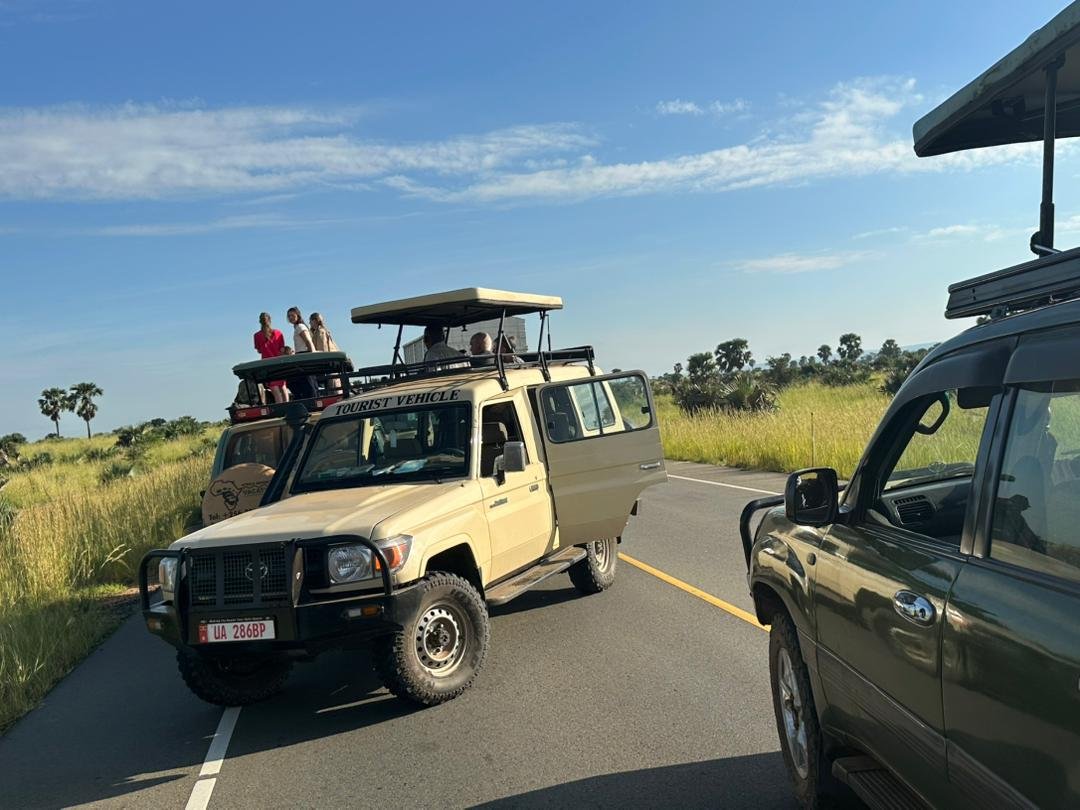
10 Days Uganda Primates and Wildlife
This 10-day Uganda Grand Safari is the most complete Uganda itinerary we offer at Pick and Transfer Safaris. It begins with a scenic northward drive from Entebbe to the vast open plains of Murchison
Tour Details →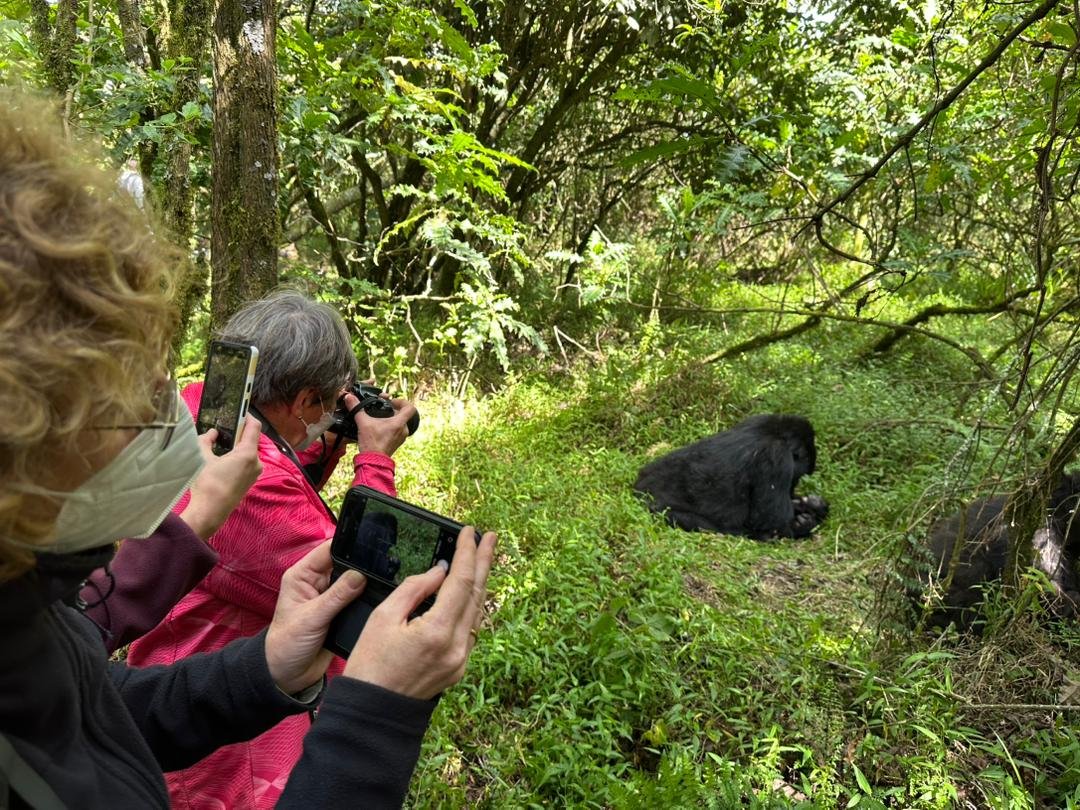
2 Days Uganda Gorilla Tour Starting from Kigali
This is the gentler cousin of our 1-Day Uganda Gorilla Safari Starting from Kigali — same idea, twice the breathing room. Instead of squeezing a 3,000-metre forest trek and two border crossings into a single very long day
Tour Details →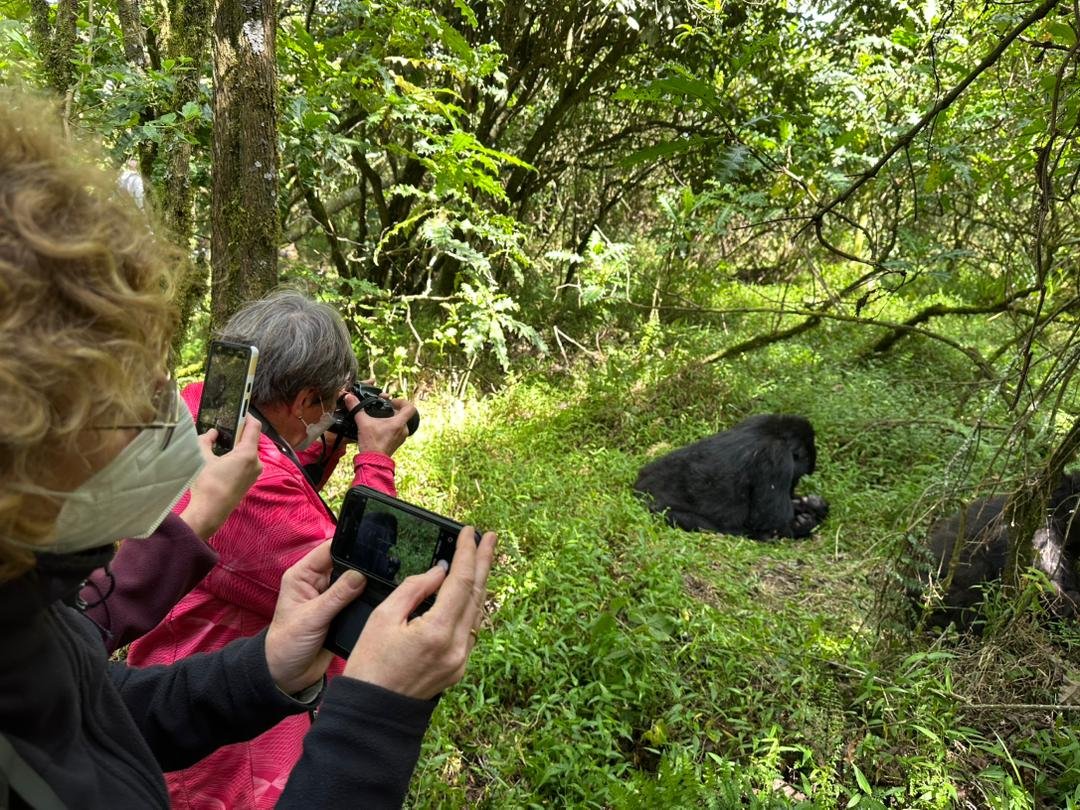
5-Day Uganda Gorilla and Chimpanzee Safari
This itinerary can be combined with a Rwanda extension or a wildlife-focused add-on through Queen Elizabeth National Park — browse our Uganda & Rwanda Safaris and Primate Safaris collections for ideas.
Tour Details →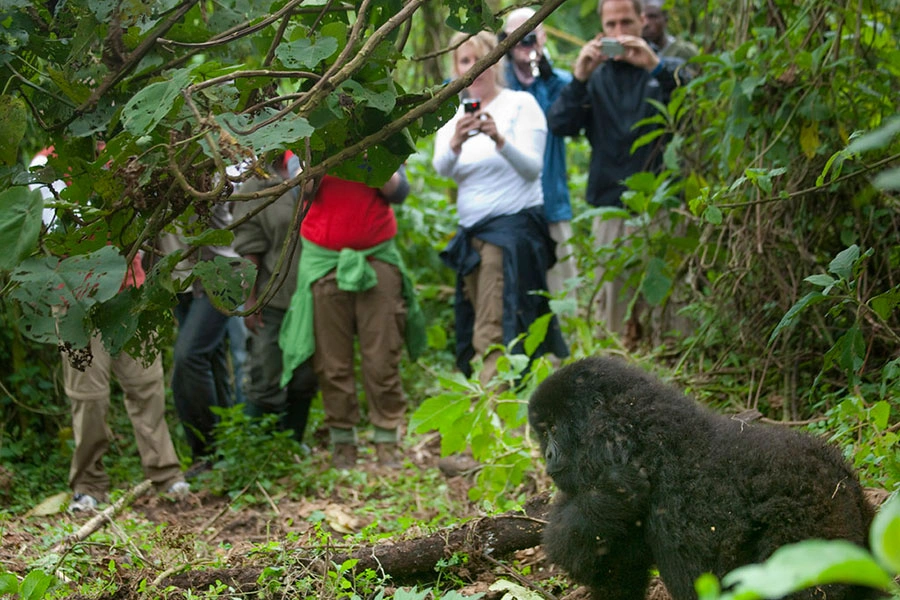
5 Days Rwanda Wildlife and Gorillas
This 5-day itinerary brings together Rwanda’s two flagship wildlife experiences: open savannah game drives and a boat safari in Akagera National Park, followed by a face-to-face encounters
Tour Details →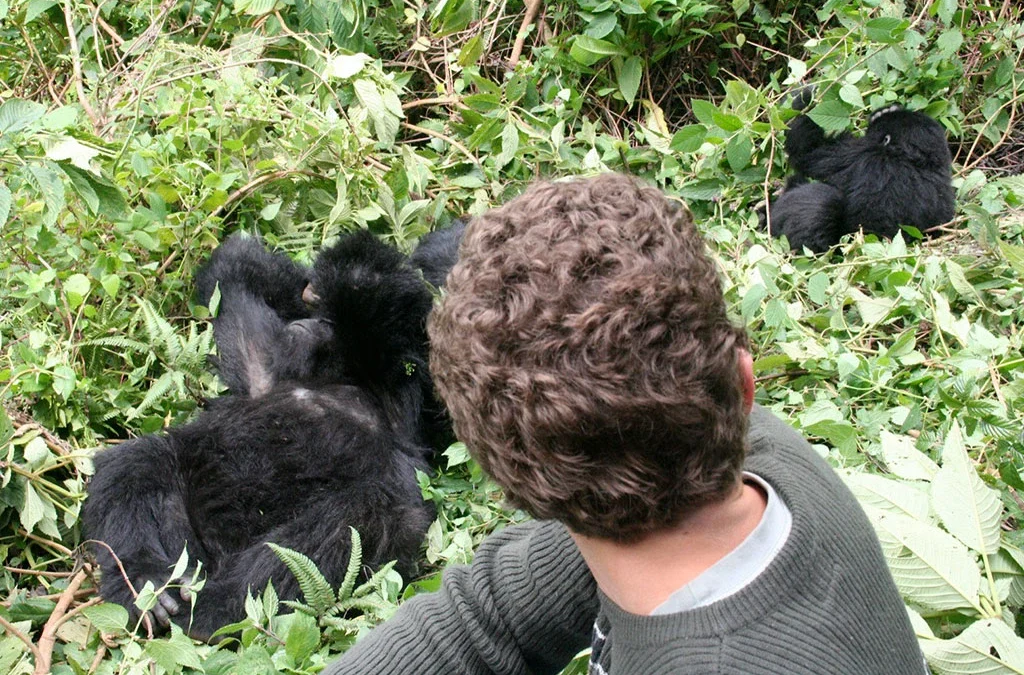
3 Days Uganda Gorilla Safari
For travelers who arrive in Entebbe with a tight schedule and a clear ambition, a 3-day gorilla safari to Bwindi Impenetrable Forest National Park is the most focused and rewarding short trip the country has to offer.
Tour Details →