- LET'S PLAN YOUR SAFARI
- +256 200 921 002
- +256 793 194 703
- info@pickandtransfersafaris.com

Short Bwindi Gorilla Safari from Kigali
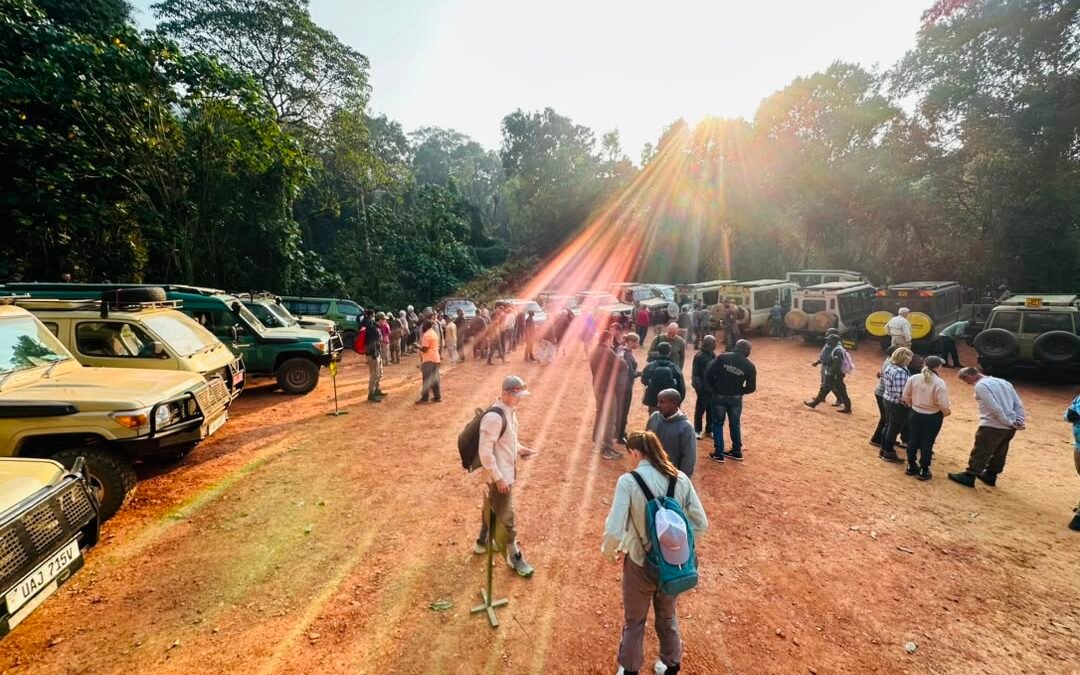
Short Bwindi Gorilla Safari from Kigali. Not every traveler has two full weeks to spend chasing mountain gorillas through the misty forests of southwestern Uganda, and the good news is that nobody actually needs to. A short Bwindi gorilla safari from Kigali — anywhere from a single fast-paced day to a relaxed three-day trip — delivers the same one-hour encounter with a wild gorilla family as a much longer safari, without the extended time commitment or the larger travel budget that often puts gorilla trekking out of reach for busy travelers.
This guide is built around a simple question: how short can a Bwindi gorilla safari actually be, and what do you gain or give up at each length? We’ll walk through the 1-day, 2-day, and 3-day formats side by side, compare their routes, costs, and pacing, and help you land on the version that fits your schedule without sacrificing the experience itself. Pick and Transfer Safaris runs every one of these formats regularly from Kigali, and this article draws on that hands-on operational experience.
We’ll also look at how a short Uganda-side trek stacks up against a short trek across the border in Rwanda, when it makes sense to add an extra day rather than fight the clock, and the specific mistakes that most often turn a well-planned short trip into a stressful one. By the end, you should be able to pick a length with confidence rather than guessing at what “short” actually involves.
What Counts as a “Short” Bwindi Gorilla Safari?
In the context of gorilla trekking, “short” generally means anything from one to three days, as opposed to the five-to-fourteen-day itineraries that combine gorilla trekking with savannah wildlife, chimpanzee tracking, and multiple national parks. A short safari strips the trip down to its essential purpose — reaching Bwindi Impenetrable Forest, completing the trek, and returning — with little or no time built in for additional activities.
This isn’t a lesser version of a gorilla safari; it’s simply a different design goal. A short safari optimizes for time and cost efficiency, while a longer safari optimizes for breadth of experience. Both deliver the identical core moment: a full hour standing a few meters from a wild mountain gorilla family. Understanding this distinction upfront helps set the right expectations before you choose which length works for you.
It also helps to separate two things that often get conflated: the length of your safari and the length of your overall trip. Many travelers running a short Bwindi safari aren’t taking a short vacation at all — they’re carving two or three days for gorilla trekking out of a longer stay in Rwanda, a regional work assignment, or a broader multi-country itinerary. The “short” label describes the gorilla trekking component specifically, not necessarily the whole holiday it sits inside.
Why a Short Bwindi Safari from Kigali Works So Well
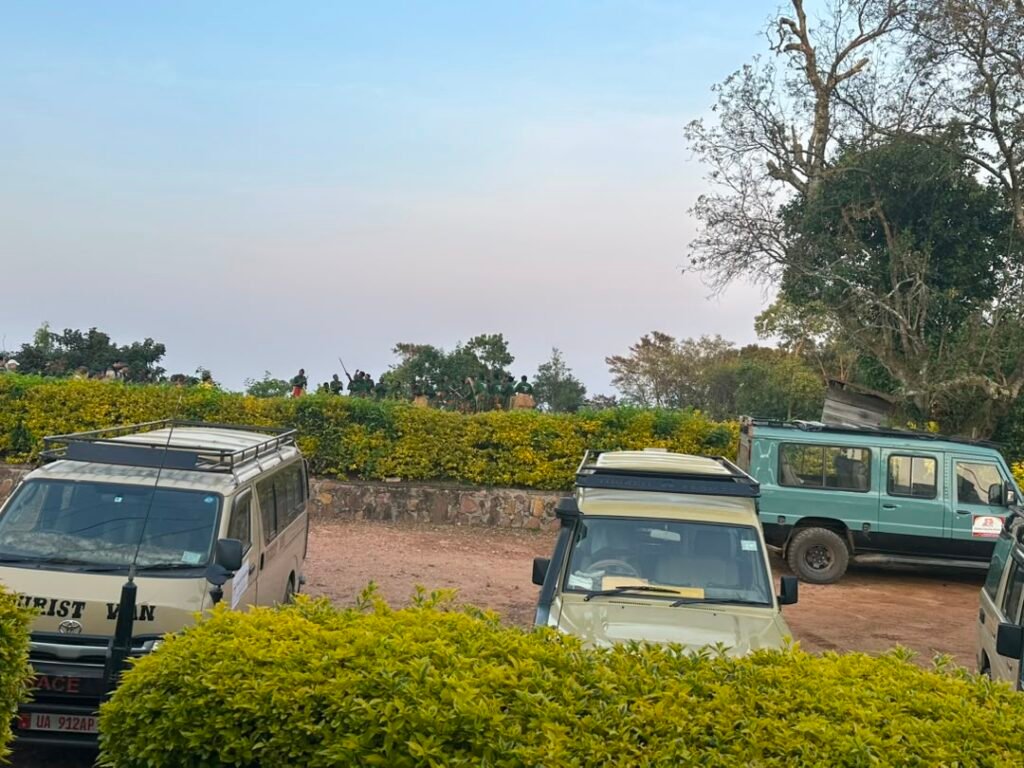
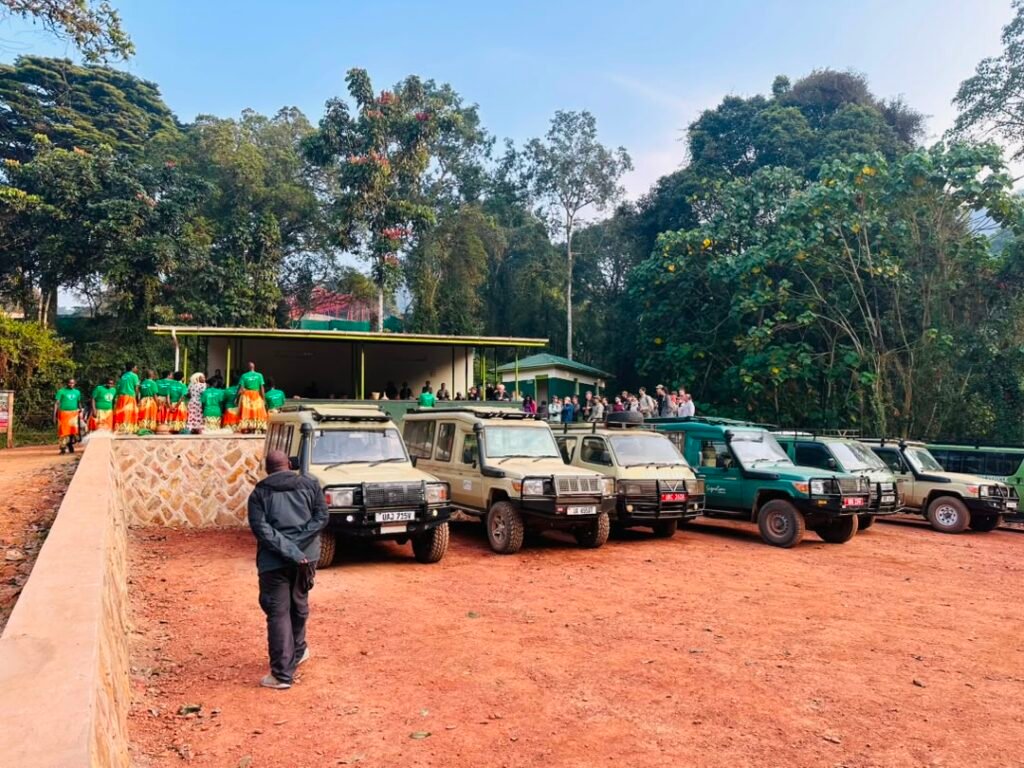
Kigali’s position as a launch point is what makes the short-safari format realistic in the first place. Rwanda’s capital has strong international flight connections, a compact and efficient city layout, and — most importantly for a short trip — a noticeably shorter overland distance to Bwindi than Uganda’s own capital, Entebbe. A traveler flying into Kigali can be trekking gorillas within a day or two of landing, something that is considerably harder to pull off starting from the Ugandan side.
This geographic advantage is why so many gorilla safaris marketed as “short” or “express” are built around a Kigali departure rather than an Entebbe one. It also explains why Kigali has become something of an informal regional hub for gorilla tourism, even though the trekking itself happens entirely across the border in Uganda.
Kigali’s role as a gateway is reinforced further by its airport’s growing list of direct connections and by the relative ease of moving through immigration compared with some regional alternatives. For a trip designed around minimizing wasted time, every hour saved on arrival logistics is an hour that can go toward the trek itself, or toward getting home sooner — both of which matter more on a short safari than they would on a longer, more leisurely itinerary.
The 1-Day Option: The Fastest Possible Bwindi Gorilla Encounter
The single-day format is the most extreme version of a short safari, designed for travelers with almost no spare time — a business trip with one open day, a long layover extended into a full day, or simply someone unwilling to give up more than 24 hours. It typically involves a pre-dawn departure from Kigali, a direct drive to the Bwindi sector with confirmed permit availability, the trek itself, and a return to Kigali the same night, often arriving quite late.
This format is demanding: it means eight to ten hours of driving compressed around a physically strenuous hike, with essentially no rest built in. It is only realistic via the faster southern routes into Bwindi, and it requires near-perfect timing with no room for delays. The 1 Day Uganda Gorilla Safari Starting from Kigali is built specifically for travelers who understand and accept this trade-off in exchange for fitting a gorilla trek into a single day.
The 2-Day Option: The Most Popular Short Bwindi Gorilla Safari from Kigali
For most travelers, two days strikes the best balance between speed and comfort, which is why it has become the default choice among short Bwindi itineraries. Day one covers the drive from Kigali and an overnight stay near the trailhead, allowing a full night’s rest before the physically demanding trek. Day two covers the trek itself and the return journey, arriving back in Kigali by evening.
This format removes the single biggest stressor of the one-day option — attempting the trek on zero sleep after a long drive — while still keeping the total trip to a genuinely short window. The 2 Days Uganda Gorilla Tour Starting from Kigali is the itinerary most operators, including ours, recommend as the sweet spot for travelers who want a short trip without an uncomfortably rushed one.
The 3-Day Option: A Little More Breathing Room
Adding a third day doesn’t change the core structure much, but it changes the experience meaningfully. A three-day format allows a more relaxed drive to Bwindi on day one, a full day for the trek itself with time afterward to rest or add a short extra activity — a village walk, a waterfall hike, or simply an unhurried lunch — and a calmer, less time-pressured return journey on day three.
This extra day also creates useful flexibility if your assigned gorilla family turns out to be nesting further from the trailhead than usual, since a longer-than-expected trek won’t compress your return schedule the way it might on a strict two-day trip. The 3 Days Uganda Gorilla Safari from Rwanda is the natural choice for travelers who have a little more time available and want their short safari to feel unhurried rather than tightly optimized.
Many travelers who initially plan a two-day trip end up choosing three days once they see how little the extra night adds to the overall cost relative to how much comfort it buys back. It’s a worthwhile question to ask when requesting a quote: how much would one additional night actually change the total price, and would that extra day meaningfully improve the pace of the trip.
Comparing 1, 2, and 3 Days Side by Side
Laid out together, the trade-offs become easy to see. The one-day format costs the least in terms of nights away but is the most physically demanding, leaves zero buffer for delays, and is only feasible via the faster southern Bwindi routes. The two-day format adds one night of accommodation, removes the exhausting same-day return, and works well for either the southern sectors or, with a slightly earlier start, the Buhoma sector via the Katuna border. The three-day format adds a further night, opens up the option of an extra activity, and comfortably accommodates any Bwindi sector, including Buhoma, without time pressure.
Cost scales modestly across the three — the US$800 gorilla permit is identical regardless of trip length, so the difference between formats mainly comes down to one or two additional nights of accommodation and a little extra ground transport time. For most travelers, this modest cost difference is well worth it for the comfort gained, which is part of why the two-day and three-day formats are booked far more often than the single-day sprint.
There’s also a fatigue dimension worth weighing that doesn’t show up on a cost comparison. The one-day format asks your body to handle a long drive, a strenuous hike, and another long drive within a single 18-to-20-hour window, with the trek itself sitting in the middle rather than at the start or end when you’d have more energy in reserve. The two- and three-day formats spread that physical load across separate days, which is a large part of why travelers who’ve tried both tend to describe the longer short-safari formats as noticeably more enjoyable, not just more comfortable on paper.
Which Bwindi Sector Suits a Short Safari Best
Bwindi Impenetrable Forest is split into four trekking sectors — Buhoma, Ruhija, Rushaga, and Nkuringo — and they are not all equally accessible on a short timeline. The southern sectors, Rushaga and Nkuringo, are reached via the Cyanika border near Kisoro, roughly 170 to 200 kilometers and four to five hours from Kigali, making them the natural choice for one-day and tightly run two-day safaris.
Buhoma, reached via the Katuna/Gatuna border, sits 230 to 250 kilometers and six to seven hours from Kigali. It remains entirely accessible on a two- or three-day short safari, and its gentler terrain and more developed lodge scene make it a strong choice once you have at least two full days to work with. Ruhija, in the park’s east, is less commonly used for Kigali-based short safaris simply because of its more roundabout access route, and is generally better suited to trips that also include Uganda’s other parks.
Comparing a Short Uganda Trek to a Short Rwanda Volcanoes Trek
Travelers based in or flying through Kigali often weigh a short Bwindi trip against the obvious alternative sitting much closer to home: a short gorilla trek in Rwanda’s own Volcanoes National Park. The Rwandan option is undeniably more convenient distance-wise, with no border crossing required and drive times from Kigali often under two and a half hours. A 2 Days Volcanoes Gorilla Trek from Kigali can, in some cases, be run comfortably as a long single day.
The trade-off is price. At US$1,500 per person, a Rwandan permit costs nearly double Uganda’s US$800 rate, which for many travelers more than offsets the extra few hours of driving involved in crossing into Bwindi. There’s also a difference in forest character — Volcanoes National Park sits at higher altitude with more open, bamboo-heavy terrain, while Bwindi’s dense, low-altitude rainforest offers a different, arguably more atmospheric trekking environment. Neither is objectively better; independent comparisons such as Kenlink Tours’ Rwanda Safaris overview are useful if you want to weigh the Rwandan side in more depth before deciding which country to trek in for your short trip.
The Route and Border Crossing for a Short Safari
Regardless of which sector you choose, the border crossing itself is straightforward and consistent. Both the Cyanika and Katuna/Gatuna posts operate daily from around 6:00 a.m. to 6:00 p.m., with processing typically taking fifteen minutes to an hour. You’ll need a passport valid for at least six months, a valid Uganda visa or East African Tourist Visa, and a yellow fever vaccination certificate.
The East African Tourist Visa, priced around US$100, is worth prioritizing for a short safari specifically because of its multiple-entry validity across Uganda, Rwanda, and Kenya over 90 days — useful if your trip involves crossing the border more than once, or if you plan to return to the region again within a few months for a different short trip. Confirm the latest entry requirements with your operator ahead of departure through Contact Us, since immigration rules can shift and a short itinerary has little slack to absorb a paperwork surprise at the border.
Gorilla Permit Prices and Booking Windows in 2026
Permit pricing is identical no matter how short or long your safari is: US$800 per person for foreign non-residents trekking in Uganda in 2026, against US$1,500 for a Rwandan permit in Volcanoes National Park. This roughly 45 percent price gap is one of the clearest reasons travelers based in or near Kigali choose to cross into Uganda for a short Bwindi trek rather than trek closer to home in Rwanda.
Permits must be secured through the Uganda Wildlife Authority in advance and cannot be bought on arrival, so booking early is essential regardless of trip length — a short safari doesn’t mean short notice. Aim to confirm your permit at least four to six weeks ahead during regular months, and two to three months ahead during the June–September and December–February peak seasons. If your dates are flexible, scheduled group departures with pre-confirmed permits can shorten this lead time considerably, since you’re joining an already-secured booking rather than starting from scratch.
What a Short Bwindi Safari Costs
A short safari’s cost is dominated by the same core items as any Bwindi trip, just compressed into fewer nights. The gorilla permit at US$800 is the largest fixed cost. Ground transport for the Kigali round trip is generally quoted as a package covering the vehicle, driver, and fuel for the full journey rather than priced per day, so a one-day trip and a three-day trip see less transport cost variation than you might expect. Accommodation is the main variable, ranging from roughly US$60 to US$150 per person per night at comfortable mid-range lodges near the trailhead, and this is naturally where trip length affects your total the most — zero nights for the one-day option, one night for the two-day option, two nights for the three-day option.
Add a porter tip of US$15 to US$20, meals, and visa costs, and a realistic all-in budget per person lands around US$900 to US$1,000 for a one-day trip, US$1,000 to US$1,150 for two days, and US$1,150 to US$1,350 for three days. Traveling with a group brings the transport portion down meaningfully per person; group tour pricing is a useful reference point for how much group size can move the needle. For an exact quote against your dates, request a breakdown through the Our Safaris page.
It’s worth comparing this against the per-day cost of a longer safari, since the comparison often surprises first-time planners. A seven- or ten-day multi-park safari typically averages out to a lower per-day rate once the fixed permit and transport costs are spread across more days of touring, but it also requires a much larger total budget and a much larger block of vacation time upfront. A short safari trades that lower per-day efficiency for a dramatically smaller total commitment — both in dollars and in days away from work — which is exactly the trade-off that makes it the right choice for so many travelers, even if it isn’t technically the most cost-efficient way to see Bwindi on a per-day basis.
Booking Logistics: Reserving a Short Safari Without Stress
Because a short safari compresses everything into a small window, the booking process deserves more attention than the trip length might suggest. Start by fixing a date range rather than a single fixed date, since gorilla permit availability by sector can vary week to week — having two or three acceptable weekends or windows gives your operator meaningfully more room to secure the exact sector and family assignment you want.
Next, decide on your preferred trip length and sector before requesting quotes, since a one-day southern-sector trip, a two-day Buhoma trip, and a three-day flexible trip all involve different transport arrangements and lodge bookings. Once your permit is confirmed, treat that date as fixed — flights, other commitments, and any pre- or post-trek plans should be built around it rather than the other way around, since gorilla permits are far harder to reschedule than most other travel bookings. Finally, keep a copy of your permit confirmation, visa approval, and yellow fever certificate together, ideally both digitally and on paper, so a short trip never gets held up at the border over a missing document that was simply left in a different bag.
What to Pack Light For a Short Bwindi Safari
Packing for a short safari rewards discipline, since you’ll likely be carrying everything in a single daypack or small duffel for the entire trip. The essentials don’t change regardless of trip length: sturdy waterproof hiking boots, long trousers and a long-sleeved shirt to guard against nettles and biting ants, a compact rain jacket, and gardening-style gloves for gripping vegetation on steep sections of trail.
Beyond clothing, carry your passport, visa confirmation, permit paperwork, and yellow fever certificate together in one accessible folder, since border formalities move noticeably faster when documents are ready to hand over rather than scattered across different bags and pockets. A daypack for trekking day should hold at least two liters of water, energy snacks, insect repellent, a basic first-aid kit, and a camera with a reasonable zoom lens — flash photography near the gorillas is not permitted. Porters are available to hire at the trailhead for a modest fee and are especially valuable on a short trip, since conserving energy for the return journey matters more when your schedule leaves little room for recovery.
A Sample 2-Day Itinerary, Hour by Hour
Since the two-day format is the most commonly booked short safari, it’s worth seeing exactly how the hours break down. Day one starts with an early morning pickup in Kigali, roughly 6:00 to 7:00 a.m., followed by four to seven hours of driving depending on your chosen sector, a border crossing along the way, and arrival at your lodge by early-to-mid afternoon, leaving time to rest before an early dinner and a briefing on the next day’s trek.
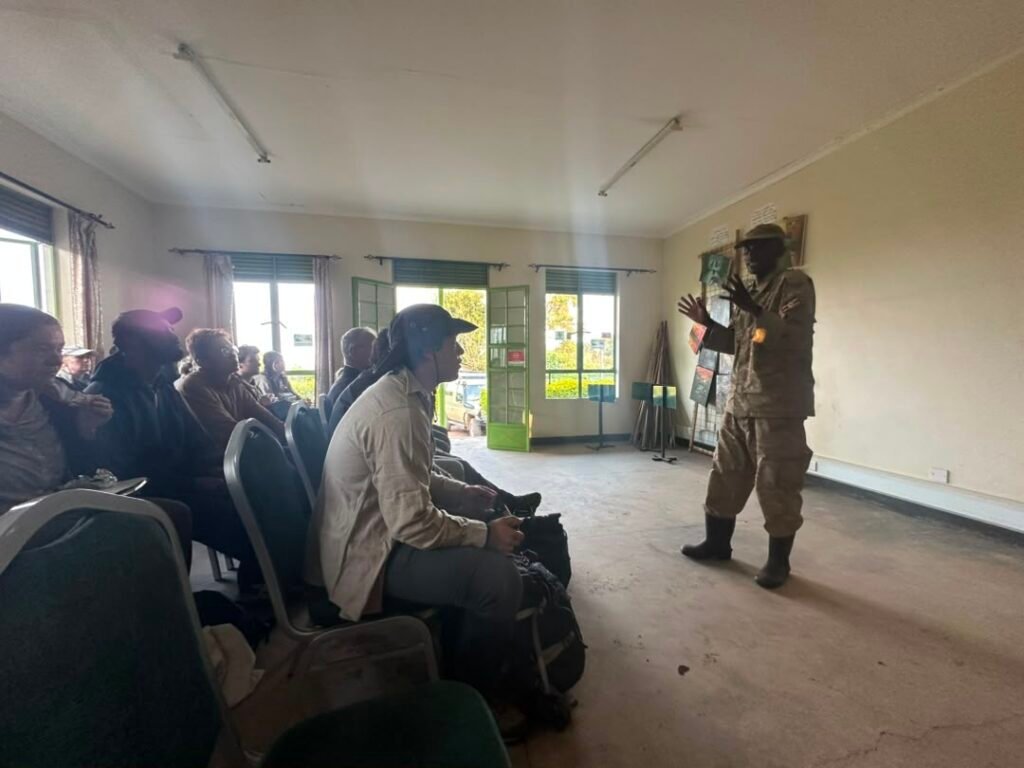
Day two begins with a wake-up around 5:30 to 6:00 a.m., a light breakfast, and the park headquarters briefing at roughly 7:30 a.m., where rangers assign your group to a gorilla family. The trek itself can run anywhere from 45 minutes to five or six hours depending on where the family is nesting, followed by your one-hour viewing window and the walk back to the trailhead. After a late lunch and a short rest at the lodge, the return drive to Kigali typically departs by early-to-mid afternoon, arriving back in the city by evening.
Who Chooses a Short Bwindi Safari
The short-safari format attracts a genuinely broad range of travelers, unified less by who they are than by how they’re structuring their trip. Cruise passengers and long-haul flight travelers with an extended layover in the region use it to slot a bucket-list wildlife encounter into an otherwise transit-focused trip. Business travelers and conference attendees passing through Kigali frequently extend their stay by a day or two specifically for this purpose. Budget-conscious travelers use the shorter format to access gorilla trekking without the accommodation and activity costs that stack up over a longer, multi-park safari.
First-time visitors to East Africa sometimes deliberately choose a short safari as a low-commitment way to experience gorilla trekking before deciding whether to return for a longer, more exploratory trip later — and a surprising number end up doing exactly that, coming back within a year or two for a fuller wildlife safari once they’ve experienced how compelling the encounter is.
Travelers already exploring Kigali City on a broader Rwanda itinerary also make up a large share of short-safari bookings, treating the Bwindi trek as a two- or three-day side trip rather than the centerpiece of their vacation. Some combine it with a shorter detour to Mgahinga Gorilla National Park for golden monkey trekking, using the same southern border crossing to add a second primate encounter without meaningfully extending their overall trip length.
Common Mistakes That Turn a Short Safari Into a Rushed One
The most common misstep is underestimating how much a longer-than-average trek can compress everything scheduled after it. Because gorilla families move overnight and trek length isn’t knowable in advance, building zero buffer into a one-day itinerary — or scheduling a flight departure for the same evening as your trek — is the single biggest source of short-safari stress. A second common mistake is choosing Buhoma for a strict one-day trip; the sector’s longer drive time simply doesn’t leave enough margin, and travelers who insist on Buhoma specifically are almost always better served by the two- or three-day format instead.
A third mistake is booking permits too late and then compressing the trip itself to fit whatever date happens to be available, rather than planning the date first and booking early enough to have real choice. Finally, packing heavy bags for a short trip slows down the border crossing and adds unnecessary friction to what should be a lean, efficient itinerary — pack only what the trek and one or two nights genuinely require.
A less obvious mistake is underestimating the value of local knowledge on a compressed schedule. Drivers and guides who run this route regularly know which border crossing tends to move faster at a given time of day, which stretches of road are best avoided during heavy rain, and how to adjust a day’s pacing on the fly if the trek runs long. On a longer safari, a small miscalculation is a minor inconvenience; on a short one, it can be the difference between a smooth trip and a missed flight, which is precisely why experienced local guidance matters more here than it does on almost any other safari format.
Extending Your Short Safari If You Fall in Love With Bwindi
It happens often enough to mention: travelers who book a one- or two-day short safari expecting a quick, efficient trip end up wanting more once they’ve experienced the forest and the gorillas firsthand. If that happens to you, extending is straightforward, particularly if you’ve booked with flexibility in mind. A short Bwindi trip pairs naturally with a follow-on visit to Queen Elizabeth National Park for savannah wildlife, or a chimpanzee tracking add-on through the 3 Days Chimpanzee Tour in Uganda, both reachable by continuing north from Bwindi rather than backtracking to Kigali.
Travelers who want both gorillas and chimpanzees in a single trip from the outset often skip the short format altogether in favor of the 5 Day Uganda Gorilla and Chimpanzee Safari, while those who want to compare the Ugandan and Rwandan gorilla trekking experiences sometimes add a Volcanoes National Park trek before heading home. None of these extensions need to be decided upfront — many travelers simply message their operator from the lodge on day two and adjust the plan on the spot.
Health and Practical Considerations for a Compressed Trip
A short, compressed schedule adds a bit more physical demand than a longer trip would, since long drives and a strenuous hike are packed closer together with less recovery time in between. As with any Bwindi trek, anyone showing symptoms of a cold, flu, or other contagious illness on trekking day will be asked to sit out, since mountain gorillas are highly susceptible to human respiratory illnesses. Children under 15 are not permitted to trek, though older children can join shorter nature walks near the trailhead.
Travel insurance covering emergency medical evacuation is essential for any Bwindi trip, and worth double-checking specifically for trekking activities before you travel. Because a short safari leaves little slack to absorb delays, arriving well rested — rather than treating a long flight or drive as your only opportunity to sleep before trekking day — makes a genuine difference to how the trek itself feels.
Altitude is another factor worth a moment’s thought, particularly for travelers arriving directly from a long-haul flight with no acclimatization time. Bwindi’s trailheads sit at roughly 1,160 to 2,350 meters depending on the sector, and while this isn’t extreme by mountaineering standards, it’s enough to make a strenuous hike feel noticeably harder for travelers coming from sea level. Staying well hydrated on the drive in, eating a proper breakfast before setting out, and pacing yourself deliberately on the steeper sections all help more than most first-time trekkers expect, especially on a schedule where there’s no second day to recover before flying home.
Weather and Seasonal Timing for a Short Safari
Season matters slightly more on a short trip than a longer one, since there’s less time to simply wait out a poor weather day. Bwindi’s two dry seasons, June through September and December through February, offer the firmest trails and the most predictable driving conditions, making them the safest bet for a tightly timed one- or two-day itinerary where an unexpected delay has nowhere to hide.
The wetter months — March to May and October to November — bring thinner crowds and lower lodge rates, but also muddier, slower trails that can extend trek duration and, occasionally, driving time on unpaved stretches near the park. If you’re running the shortest one-day format, leaning toward the dry season is a sensible way to protect your tight schedule. If you’ve built in a bit more slack with the two- or three-day format, the shoulder seasons can actually work in your favor, since permit availability tends to be more flexible and last-minute bookings more achievable.
Frequently Asked Questions About Short Bwindi Gorilla Safaris
What is the shortest possible gorilla safari from Kigali? A single-day trip is technically possible via the faster southern Bwindi sectors, though it involves eight to ten hours of driving compressed around the trek itself and leaves no buffer for delays. Most travelers find two days considerably more comfortable.
Is a 2-day or 3-day safari better for a first-time trekker? Two days is the most commonly booked and generally recommended starting point, offering a full night’s rest before the trek without extending the trip unnecessarily. Three days adds comfort and flexibility, particularly for travelers choosing the Buhoma sector.
Does a shorter safari mean a lower-quality gorilla encounter? No — the permit, the trek, and the one-hour viewing window are identical regardless of how many days you spend traveling to and from the park. A short safari changes the surrounding logistics, not the encounter itself.
Can I book a short Bwindi safari on short notice? The trip length is short, but the booking lead time isn’t — gorilla permits should ideally be secured four to six weeks ahead, or two to three months ahead in peak season, since availability rather than logistics is usually the limiting factor.
Which sector should I choose for a short safari? The southern sectors of Rushaga and Nkuringo, reached via Cyanika, are fastest and best suited to one-day or tight two-day trips. Buhoma, reached via Katuna, is comfortably accessible on a two- or three-day format and offers gentler terrain and more accommodation choice.
Is a short Uganda safari cheaper than a short Rwanda safari? Generally yes. Even accounting for the extra driving time and a border crossing, Uganda’s US$800 permit against Rwanda’s US$1,500 permit usually makes the Bwindi option the more budget-friendly short trek, despite Rwanda’s shorter drive time from Kigali.
Can I do a short Bwindi safari as part of a longer Rwanda holiday? Yes, and this is one of the most common ways travelers structure the trip — treating the gorilla trek as a two- or three-day detour from a broader Kigali-based itinerary rather than planning the entire holiday around it. Independent itineraries like Kenlink Tours’ 5-Day Gorilla Trekking Safari from Kigali to Uganda show how a short trek can also be extended modestly without turning into a full-length safari.
Why Book Your Short Bwindi Gorilla Safari With Pick and Transfer Safaris
A compressed itinerary rewards careful planning far more than a longer, more forgiving trip does, which is exactly where working with an experienced operator pays off. Pick and Transfer Safaris runs the full range of short-safari formats from Kigali — one-day, two-day, and three-day — with drivers who know both the Cyanika and Katuna routes well enough to keep a tight schedule genuinely smooth rather than stressful, and relationships with lodges near every Bwindi trailhead to minimize wasted travel time.
Whether you want the fastest possible one-day encounter, the well-balanced two-day format most travelers choose, or a slightly more relaxed three-day trip, the team can match the itinerary to your exact dates and starting point. Browse the full gorilla safaris lineup, explore Destinations to compare Bwindi’s sectors with other parks, learn more About Us on the About Us page, or reach out directly through Contact Us to start planning your short Bwindi gorilla safari today.
There’s a reason gorilla trekking keeps showing up on travel bucket lists year after year, and it has very little to do with how many days the trip takes. It’s the hour itself — the moment a silverback shifts his weight a few meters away and looks straight through you, entirely unbothered, entirely wild. A short Bwindi gorilla safari from Kigali exists to put that hour within reach of people who assumed it required more time, more money, or more planning than they actually have. In most cases, it requires far less than you’d think — just a well-chosen route, a confirmed permit, and a driver who knows exactly how to make one, two, or three days count.