- LET'S PLAN YOUR SAFARI
- +256 200 921 002
- +256 793 194 703
- info@pickandtransfersafaris.com

Short Gorilla Safaris in Uganda Starting from Kigali
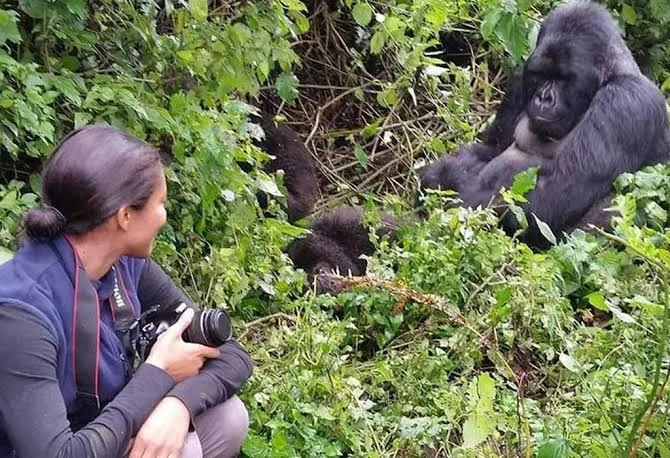
Short Gorilla Safaris in Uganda Starting from Kigali. If there is one question we get asked more than any other at Pick and Transfer Safaris, it’s this: “I’m flying into Kigali — can I really see mountain gorillas in Uganda without adding days to my trip?”
The answer is yes. Thanks to Uganda’s southwestern gorilla parks sitting just a short drive from the Rwandan border, Kigali has quietly become one of the smartest gateways for gorilla trekking in Uganda — whether you have a single spare day, a relaxed weekend, or want to weave gorillas into a longer regional trip. Here’s everything you need to know.
Why Start Your Uganda Gorilla Safari from Kigali?
Most people picture a Uganda gorilla safari starting in Entebbe, with a long 9 to 11-hour drive across the country to reach Bwindi Impenetrable Forest National Park. From Kigali, the picture changes completely. Both Mgahinga Gorilla National Park and the Rushaga and Nkuringo sectors of Bwindi Impenetrable Forest National Park sit only three to four and a half hours from Kigali International Airport, on good tarmac roads through some of the most scenic countryside in the region.
There’s also a financial incentive. A standard gorilla trekking permit in Uganda, issued by the Uganda Wildlife Authority, costs significantly less than the equivalent permit for Rwanda’s Volcanoes National Park. For travellers already in Kigali for business, a conference, or a Rwanda-focused holiday, crossing the border for a Uganda gorilla trek is often the most cost-effective way to add this experience to a trip.
Crossing the Border: Cyanika vs Gatuna/Katuna
Two border posts make this route possible. The Cyanika border, about three to four hours from Kigali, is the faster option for reaching Mgahinga Gorilla National Park and the Rushaga/Nkuringo sectors of Bwindi — both lie just a short distance from the crossing itself. The Gatuna/Katuna border is closer to Kigali (around two hours), but adds an extra hour or so of driving on the Uganda side to reach Bwindi’s other sectors, making it a better fit for longer itineraries rather than same-day trips.
For most short gorilla safaris from Kigali, Cyanika is the route of choice — it’s well-maintained, generally efficient for tourists with the correct documentation, and puts you closest to the parks.
How Short Can a Gorilla Safari Really Be?
Shorter than most people expect. Broadly, there are three ways to structure a gorilla safari from Kigali, depending on how much time you have:
A single, very long day. Leave Kigali before sunrise, cross at Cyanika, trek in Mgahinga Gorilla National Park, and be back in Kigali by evening. It’s an intense day — typically 14 to 16 hours door to door — but it means you can tick off gorilla trekking without committing a single extra night away from Kigali. We cover this option in detail in our 1-Day Uganda Gorilla Safari Starting from Kigali.
Two days, one night. A noticeably more comfortable version of the above: cross into Uganda on day one, settle into a lodge near Bwindi’s Rushaga or Nkuringo sector, sleep properly, and trek fresh the next morning before returning to Kigali in the evening. This is the option most first-time trekkers tell us they’re glad they chose — see our 2-Day Uganda Gorilla Safari Starting from Kigali for the full itinerary.
A longer primate circuit. If gorillas are just one part of a bigger Uganda adventure, our 5-Day Uganda Gorilla and Chimpanzee Safari pairs gorilla trekking in Bwindi with chimpanzee tracking in Kibale Forest National Park — though this itinerary typically starts from Entebbe rather than Kigali. Ask us about combining it with a Kigali departure if that suits your routing better.
What a Day of Gorilla Trekking Actually Involves
However many days your itinerary covers, the trekking day itself follows the same pattern. You’ll arrive at the park headquarters early in the morning for a briefing from Uganda Wildlife Authority rangers, covering trekking etiquette, safety, and the rules designed to protect both you and the gorillas — including the minimum seven-metre viewing distance.
From there, ranger guides and trackers lead small groups into the forest in search of a habituated gorilla family. Depending on where the gorillas were last seen, the walk in can take anywhere from thirty minutes to several hours, over terrain that ranges from gentle to genuinely steep. Once the family is located, you’re permitted a full hour in their company — watching them feed, rest, groom, and interact at extraordinarily close range, often just a few metres away. It’s an hour that consistently leaves visitors lost for words, regardless of how many wildlife encounters they’ve had before.
Trekking is open to travellers aged 15 and over, and while a reasonable level of fitness helps, porters are available locally to carry bags and offer a hand on steeper sections — a small cost that goes directly to the local community.
Visa Requirements for Crossing Between Rwanda and Uganda
Because a short gorilla safari from Kigali involves crossing into Uganda and back, visas are worth sorting out before you travel. Many nationalities are eligible for the East Africa Tourist Visa, a single multiple-entry visa covering Rwanda, Uganda, and Kenya, which is purpose-built for exactly this kind of cross-border trip — apply once, and move freely between the three countries for the validity of the visa.
Requirements and application routes can change, so it’s worth checking the official guidance on the Uganda Directorate of Citizenship and Immigration Control website before you travel, and confirming your specific situation with us when you book.
Best Time of Year for Short Gorilla Safaris from Kigali
Gorilla trekking runs every day of the year in both Mgahinga and Bwindi, so there’s no “closed season.” That said, the dry seasons — June to September and December to February — bring firmer, less slippery trails, which can make a real difference on Bwindi’s steeper sectors. These months are also the most popular, so permits and lodges should be booked well in advance.
The wetter months — March to May and October to November — bring lush, vivid forest, quieter trails, and often better last-minute permit availability, in exchange for a higher chance of rain underfoot. For travellers with flexible dates, the shoulder months can be an excellent trade-off.
Tips for Making the Most of a Short Gorilla Safari
A few small things make a big difference on a tight itinerary like this:
Pack light and pack right — sturdy waterproof hiking boots, long trousers and sleeves, a rain jacket, gardening gloves, and a camera without flash should all be in your daypack, since everything travels with you for the day.
Book your permit early. Mgahinga has just one habituated gorilla family and eight permits per day; Bwindi’s Rushaga and Nkuringo sectors have more availability but still sell out months ahead in peak season.
Build in a buffer if you can. Border crossings, road conditions, and trekking times all vary day to day — the 2-day option exists precisely because it absorbs these variables far more comfortably than a single-day dash.
Confirm your visa situation before you fly, especially if you’re crossing the border more than once in a day.
Choosing the Right Safari for You
If you’re short on time and want the simplest possible “gorillas, done” experience without an overnight stay, our 1-Day Uganda Gorilla Safari Starting from Kigali is built for exactly that. If you’d rather trek on a full night’s sleep and have a little breathing room either side of the border, our 2-Day Uganda Gorilla Safari Starting from Kigali is the better fit for most people. And if gorillas are just the headline act in a longer Uganda story, take a look at our 5-Day Uganda Gorilla and Chimpanzee Safari or browse our full range of Uganda & Rwanda Safaris.
Whichever option fits your trip, Pick and Transfer Safaris handles the permits, the lodges, and the cross-border logistics — and a share of our proceeds supports community projects through the Kigezi Foundation.
Ready to Plan Your Short Gorilla Safari?
Gorilla permits in both Mgahinga and Bwindi are limited and book up quickly, especially in peak season. Contact our travel experts with your travel dates and group size, and we’ll recommend the best option for your time in Kigali — and take care of the rest.