- LET'S PLAN YOUR SAFARI
- +256 200 921 002
- +256 793 194 703
- info@pickandtransfersafaris.com

Short Uganda Gorilla Safaris from Kigali
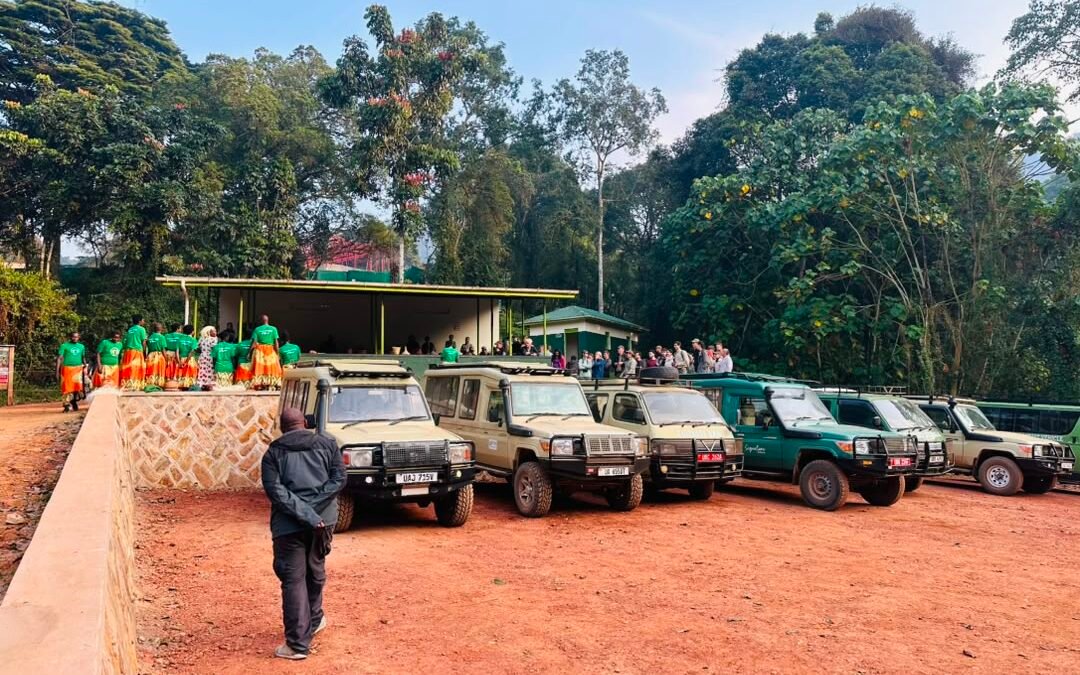
Short Uganda Gorilla Safaris from Kigali. Not every traveller who lands in Kigali has a week to spare, and not every gorilla trek needs one. Short Uganda gorilla safaris from Kigali — trips that run one, two, or three days — have quietly become the most-booked category for exactly this reason: they let you cross a genuine bucket-list encounter off your list without touching the rest of your itinerary, your annual leave, or your budget in the way a full week-long safari would.
The challenge is that “short Uganda gorilla safari” covers three genuinely different trips, each with its own park, border logistics, and realistic schedule, and choosing the wrong one for your timeline is the single most common planning mistake we see. This guide compares all three side by side — one-day, two-day, and three-day options — so you can pick the version that actually fits your dates, rather than the one an itinerary happened to advertise first. Our own short-safari lineup starts with the one-day Uganda gorilla safari from Kigali and runs through the 2-day Uganda gorilla tour from Kigali to the 3-day Uganda gorilla safari from Rwanda, and everything below explains how we decide which one to recommend to a given traveller.
Think of this guide as the decision layer that sits above those three product pages rather than a repeat of any single one of them. If you already know you want the two-day Bwindi route, for instance, our dedicated itinerary page covers that in full hour-by-hour detail elsewhere on this site. What follows here is aimed at the more common starting point: knowing you want to see mountain gorillas from Kigali on a short timeline, but not yet knowing which of the three shapes that trip should take.
We also assume nothing about your prior safari experience. Some readers arrive here having already researched Rwanda’s Volcanoes National Park in detail and are simply checking whether Uganda’s lower permit price justifies the extra travel; others are encountering the whole idea of a border-crossing gorilla trek for the first time. Either way, by the end of this guide you should be able to name the specific option, sector, and rough budget that fits your trip, rather than still weighing “Uganda or Rwanda” in the abstract.
What Actually Counts as a “Short” Uganda Gorilla Safari from Kigali?
In practical terms, a short Uganda gorilla safari from Kigali is any itinerary of three days or fewer that begins and ends in Rwanda’s capital, crosses into Uganda specifically for gorilla trekking, and returns you to Kigali (or an onward flight) without the extended game-drive and multi-park circuits that a longer Uganda safari would include. That definition matters because it is what separates this category from Uganda’s more common seven, ten, and fourteen-day wildlife itineraries — the short safaris exist purely to deliver one thing extremely well: the gorilla encounter itself.
Within that category, the three options differ mainly in how much driving they trade for how much rest, flexibility, and buffer time. A one-day trip asks the most of your body and schedule but needs only a single calendar day. A two-day trip is the most commonly booked, balancing a realistic pace with a still-tight window. A three-day trip removes almost all of the time pressure at the cost of one extra night away. None of the three is objectively “best” — the right choice depends entirely on your dates, fitness, and how much of the experience you want dedicated purely to travel versus rest.
Why Kigali Is the Smartest Launch Point for a Short Uganda Gorilla Safari
Kigali International Airport has become the preferred gateway for Uganda gorilla trekking even for travellers with no other plans in Rwanda, largely because of one geographic accident: the Cyanika border crossing sits roughly 115 kilometres from Kigali and connects directly to Uganda’s Mgahinga Gorilla National Park and the southern Bwindi sectors, Rushaga and Nkuringo. That proximity is what makes a genuinely short safari possible at all — the equivalent drive from Uganda’s own capital, Entebbe, to the same trailheads takes considerably longer.
For travellers already visiting Rwanda, or connecting through Kigali on a wider East Africa itinerary, this means a Uganda gorilla trek can be added with minimal extra travel time compared with flying separately into Entebbe. It is also why so many of our own itineraries, from the 2-day Uganda gorilla tour to the 5-day Uganda gorilla and chimps safari from Rwanda, are explicitly built around a Kigali start rather than an Entebbe one.
Option 1: The One-Day Uganda Gorilla Safari from Kigali
The one-day option is genuinely the most demanding of the three, and it exists for a specific kind of traveller: someone with only a single free day, who is fit, comfortable with a very early start, and determined not to add an overnight stay to their itinerary. It runs almost exclusively to Mgahinga Gorilla National Park, home to the single habituated Nyakagezi gorilla family, since Mgahinga sits just thirty minutes past the Cyanika border — close enough to make a same-day round trip from Kigali physically possible, which the more distant Bwindi sectors are not.
Expect a genuinely early departure, typically around 3:00–3:30 a.m., with return to Kigali in the early evening in time for dinner — a fourteen-to-sixteen-hour day door to door. It is not a relaxed experience, but for travellers with a single available day and a strong preference for Uganda’s lower permit price, it is the only way to make that combination work. Our one-day Uganda gorilla safari from Kigali is built specifically around this Mgahinga route, and Kenlink Tours’ Rwanda-to-Uganda gorilla trekking safari is a useful independent reference if you are weighing whether a single day is realistic for your own fitness level.
Option 2: The Two-Day Uganda Gorilla Safari from Kigali
The two-day option is the most popular of the three, and for most travellers it is the right default choice. It typically targets Bwindi’s Rushaga or Nkuringo sectors — reached via the same Cyanika border crossing but a further one-and-a-half to two-and-a-half hours beyond Mgahinga — with one overnight stay near the park, which removes the need for the punishing pre-dawn Kigali departure that the one-day option requires.
We have already covered this option in exhaustive hour-by-hour detail on our dedicated 2-day Uganda gorilla tour from Kigali page, including sector selection, permit costs, and border logistics, so we won’t repeat that timeline here — if this is the option you are leaning toward, that page is the right next stop. For a second independent view of the same itinerary shape, Kenlink Tours’ own 2-day Uganda gorilla safari from Kigali is worth comparing against ours before you book.
Option 3: The Three-Day Uganda Gorilla Safari from Kigali
The three-day option exists for travellers who want the lower stress of a genuinely paced trip, or who specifically want to trek in Bwindi’s more famous northern and central sectors — Buhoma and Ruhija — which are reached via the longer Katuna border crossing and simply do not fit inside a strict two-day window. Adding the third day removes the need to drive the same day as your trek, splitting the outbound and return journeys across separate days and leaving a genuinely restful evening on each end.
This option is also the natural choice for anyone wanting to pair their gorilla trek with a cultural village visit, a golden monkey tracking morning, or simply a slower pace after a long-haul flight. Our 3-day Uganda gorilla safari from Rwanda and 3-day Uganda gorilla safari (built specifically around Bwindi’s northern sectors) both fall into this category, and Kenlink Tours’ 3-day Bwindi gorilla safari from Kigali is a solid independent point of comparison for the same route.
Comparing the Three Options: Time, Cost, and Comfort Side by Side
Laid out plainly: the one-day trip costs the least in calendar time but the most in physical demand, running roughly fourteen to sixteen hours door to door with no overnight stay and access only to Mgahinga’s single gorilla family. The two-day trip adds one overnight near Bwindi’s southern sectors, unlocking a wider choice of habituated families in Rushaga or Nkuringo, at the cost of a still-long single trekking-and-driving day on Day 2. The three-day trip adds a second overnight, splitting the driving across three days instead of two and opening up Bwindi’s northern sectors, at the cost of one additional day away from the rest of your itinerary.
Permit price is identical across all three — Uganda’s gorilla permit runs approximately USD 800 per person regardless of which sector or itinerary length you choose, since the fee is set by the Uganda Wildlife Authority rather than by trip duration. The real cost differences between the three options come from an extra night of accommodation and a marginally longer vehicle hire on the three-day version, both of which are usually modest compared with the permit fee itself.
Sample Budget Breakdown for Each Short Safari Option
Because the permit price is fixed at roughly USD 800 per person no matter which option you choose, the real budget differences between the three come down to accommodation nights and vehicle time. A realistic all-inclusive one-day Mgahinga trip — permit, private 4×4 transport, fuel, packed meals, and government taxes, with no accommodation required — typically lands between USD 950 and USD 1,150 per person, making it the least expensive of the three in absolute terms despite being the most physically demanding.
The two-day Bwindi option adds one night of accommodation and a longer vehicle hire, typically bringing the all-inclusive total to somewhere between USD 1,300 and USD 2,000 per person depending on lodge category. The three-day option adds a second night and a small amount of extra vehicle time, usually landing between USD 1,700 and USD 2,500 per person — a modest premium over the two-day version in exchange for a noticeably more comfortable pace and access to Bwindi’s northern sectors. These ranges are indicative rather than fixed, since lodge category is the single biggest lever on the final number; our 2-day Uganda gorilla tour from Kigali and 3-day Uganda gorilla safari from Rwanda pages both list current lodge options across budget, mid-range, and luxury tiers, and Kenlink Tours’ 3-day best of Uganda gorilla safari is a useful external price comparison for the longer option.
Photography and Trekking Etiquette Across All Three Options
Whichever option you choose, the photography and etiquette rules are identical, since they are set by park authorities rather than by trip length. Flash photography is banned near the gorillas, since sudden bright light can startle a family that has otherwise grown comfortable with quiet human observers. A telephoto or mid-range zoom lens is worth the extra weight in your daypack, since the seven-metre minimum distance rule applies regardless of how close a curious juvenile might wander on its own.
Voices should stay low throughout the encounter, sudden movements should be avoided, and eating, drinking, or smoking near the gorillas is not permitted. On the shorter itineraries especially, tiredness from early starts or long drives can make travellers less careful about these details than they intend to be, so it is worth reminding yourself of the rules the night before rather than relying purely on your ranger guide’s in-the-moment reminders. Getting this right matters beyond etiquette — habituated gorilla families remain calm around visitors specifically because these rules are consistently followed on every single trek, short itinerary or long.
Which Bwindi Sector Fits Which Short Safari?
Sector choice is really the hidden variable behind all three options above. Mgahinga is the only realistic choice for a one-day trip, since it sits just thirty minutes past Cyanika. Rushaga and Nkuringo, roughly one-and-a-half to two-and-a-half hours further, are the only sectors that fit comfortably inside a two-day round trip. Buhoma and Ruhija, reached via the separate Katuna border crossing and typically nine to ten hours of driving from Kigali, require the third day to be workable at all.
If a specific gorilla family or sector matters more to you than trip length — for instance, if you are hoping for Rushaga’s gorilla habituation experience, a longer, up-to-four-hour encounter with a family still being acclimatised to humans — let your operator know before choosing your itinerary length, since sector and duration are genuinely linked on this route. Full detail on each sector is covered on our Bwindi Impenetrable Forest National Park destination page.
Mgahinga Gorilla National Park: The Overlooked Short-Safari Alternative
Mgahinga tends to get overshadowed by Bwindi in most gorilla trekking content, largely because it has only one habituated family compared with Bwindi’s many, but for a short safari from Kigali it is genuinely the more practical park for anyone on a one-day timeline, and a worthwhile add-on even on a two or three-day trip. Its proximity to the Cyanika border — just thirty minutes — also makes it the natural choice for golden monkey tracking, a lighter, shorter activity with no age restriction that pairs well either before or after your main gorilla trek.
Travellers extending into a longer trip sometimes combine a Mgahinga golden monkey morning with a Bwindi gorilla trek on the same journey, effectively getting two distinct primate experiences from one border crossing. Our Mgahinga Gorilla National Park destination page covers this pairing in more detail, and it is worth reading before you assume Bwindi is automatically the better choice.
Uganda vs Rwanda Gorilla Permits for Short Trips from Kigali
Because Kigali also sits close to Rwanda’s own Volcanoes National Park, many travellers researching short Uganda options end up comparing them against a Rwanda-based trek instead. The trade-off is consistent: Rwanda’s permit costs roughly USD 1,500 but the park is only two to two-and-a-half hours from Kigali with no border crossing required, while Uganda’s permit costs roughly USD 800 but requires the Cyanika crossing and considerably more drive time to reach any sector.
If your absolute priority is minimising travel time rather than cost, our 2-day Volcanoes gorilla trek from Kigali is worth reading in full before you commit to the Uganda route described here. Kenlink Tours’ Uganda and Rwanda gorilla safaris comparison covers the same decision from a Uganda-first operator’s perspective, and both are worth reading side by side before you fix your itinerary.
Best Time of Year to Book a Short Uganda Gorilla Safari from Kigali
Uganda’s two dry seasons — roughly June to September and December to February — offer the firmest trekking trails and the most predictable road conditions for the long drive from Kigali, both of which matter more on a short, tightly scheduled trip than on a longer, more flexible one. Because a short safari has so little slack built into its schedule, avoiding the heaviest rains (March–May and October–November) is a genuinely practical consideration rather than a preference.
That said, permits are capped daily by sector rather than by season, and a rainy-season trek is far from a poor experience — it simply demands more buffer time and better rain gear. Whichever season and option you choose, book your permit well ahead; both Mgahinga’s single family and Bwindi’s Rushaga and Nkuringo sectors have limited daily permit allocations, and peak-month slots can sell out six months or more in advance.
Age Limit, Fitness, and Health Requirements Across All Three Options
Uganda enforces the same strict minimum age of 15 for gorilla trekking across every sector and every itinerary length, with no exceptions and no maximum age provided you are reasonably fit. Health screening happens at the ranger post on the morning of your trek — anyone showing symptoms of a cold, flu, or other contagious illness will be asked to sit out that day, since mountain gorillas are highly susceptible to human disease.
Fitness matters more on the shorter options simply because there is less slack to recover if the trek runs long or the drive is delayed. The one-day Mgahinga option in particular should only be attempted by travellers in solid physical condition, comfortable with minimal sleep the night before. Groups remain capped at eight trekkers per gorilla family across every sector, a seven-metre distance is maintained at all times, and porters are available and genuinely worth hiring on all three options, both for carrying your bag and for physical support on steeper trails.
What to Pack for a Short Gorilla Safari from Kigali
Regardless of which option you choose, pack sturdy waterproof hiking boots with good ankle support, gaiters, gardening gloves for pushing through nettles, a lightweight rain jacket, and quick-dry rather than cotton layers, since Uganda’s forest sectors stay humid well into the dry season. A daypack for water, snacks, and your border-crossing documents is essential on every version of this trip, since you will need quick access to your passport and yellow fever certificate at Cyanika.
On the one-day option specifically, pack as though you will not return to a bed for sixteen hours: a travel pillow, extra snacks, and a change of clothes for the drive back genuinely improve the experience. On the two and three-day options, the same items matter but with more breathing room, since you will have at least one overnight to reorganise your bag before trekking day itself.
Visa and Border Crossing Essentials for Every Option
All three short-safari options cross into Uganda at Cyanika, which requires a valid passport with at least six months’ remaining validity, a yellow fever vaccination certificate, and a valid visa. Most travellers use the East Africa Tourist Visa, priced at roughly USD 100 for 90-day multi-entry access across Uganda, Rwanda, and Kenya, which is excellent value if your trip touches more than one of these countries. A single-entry Uganda visa, at roughly USD 50, suits travellers for whom Uganda is a one-time add-on to an otherwise Rwanda-based trip.
Apply online in advance rather than at the border on any of the three options — this matters even more on the one-day itinerary, where a delay at Cyanika eats directly into an already tight schedule. If you are self-driving rather than using a licensed operator, you will also need COMESA insurance and a temporary import permit; Kenlink Tours’ car hire page covers what self-drive travellers need to arrange separately.
Where to Stay When Your Itinerary Is Short on Notice
Accommodation only becomes relevant on the two and three-day options, since the one-day itinerary returns to Kigali the same night. For the two-day trip, choose a lodge based on proximity to the Rushaga or Nkuringo ranger post in drive time, not straight-line distance, since every extra ten minutes matters when your schedule is already tight. The three-day version gives you more freedom to choose a lodge for its views or amenities, since the extra day absorbs small differences in drive time more comfortably.
Whichever option you choose, book well ahead during the June–September and December–February dry seasons, when both permits and the best-located rooms near Bwindi’s southern sectors sell out first. Our team at Pick and Transfer Safaris matches your lodge to your confirmed sector and permit rather than booking a lodge before the sector is known.
Even on the shortest of the three options, resist the urge to treat accommodation as an afterthought. A lodge chosen purely on price, without checking its actual distance from the ranger post, can quietly add an hour of driving to an already demanding schedule — a detail that rarely shows up in a listing’s headline description but matters enormously once you are living the itinerary rather than reading about it.
What Actually Happens on Trekking Day, Whichever Option You Choose
Regardless of itinerary length, trekking day itself follows the same structure: an early breakfast, arrival at the relevant ranger post for registration and briefing, assignment into a group of no more than eight trekkers per habituated family, and a trek that can run anywhere from ninety minutes to several hours depending on where your family is that morning. Once located, the same rules apply everywhere — a seven-metre minimum distance, no flash photography, quiet voices, and a strictly enforced one-hour limit with the gorillas.
What differs between the options is what happens before and after that trek: the one-day itinerary bookends it with a punishing overnight drive on both sides, the two-day itinerary bookends it with one long drive and one overnight, and the three-day itinerary spreads the driving across two separate, more comfortable days. The encounter itself — the hour with the gorillas — is identical no matter which door-to-door schedule got you there.
Common Mistakes When Booking a Short Uganda Gorilla Safari
The most common mistake is choosing an itinerary length before checking which Bwindi sector it actually reaches — travellers occasionally book a “two-day” package assuming it includes Buhoma or Ruhija, only to discover those sectors require the longer Katuna route and a third day. A close second is underestimating how demanding the one-day Mgahinga option genuinely is; it is a fantastic option for the right traveller, but a poor fit for anyone hoping for a relaxed pace.
A third common error is booking a same-evening return flight after a two-day trip without allowing for how variable trek duration can be, which can turn a tight connection into a missed one. Finally, some travellers arrange Uganda and Rwanda visas separately without checking whether the East Africa Tourist Visa already covers both, wasting money and paperwork time. If you are unsure which option genuinely fits your dates, Kenlink Tours’ breakdown of driving hours from Kigali to Bwindi is a useful independent gut-check before you commit.
How Your Fitness Level Should Actually Shape Your Choice
Most comparison guides treat fitness as a footnote, but on a short safari it is arguably the deciding factor. The one-day Mgahinga option compresses roughly sixteen hours of driving, trekking, and waiting into a single stretch with no proper rest, which is genuinely fine for a fit traveller in their twenties or thirties but can be a poor experience for anyone managing joint pain, a bad back, or general travel fatigue. Being honest with yourself here matters more than being honest with your operator, since a miserable one-day trip cannot be undone once you are on the road at 3:00 a.m.
The two-day option is a reasonable middle ground for most reasonably fit adults, including many travellers in their fifties and sixties who pace themselves sensibly and use a porter on the steeper sections. The three-day option is the safest choice for anyone recovering from a long-haul flight, managing a chronic condition that benefits from rest between exertion, or simply travelling with a companion whose fitness level is noticeably different from their own — splitting the driving across three days rather than two gives everyone in the group room to recover at their own pace. If you are travelling as a mixed-fitness group, the three-day option is almost always the one that keeps everyone comfortable, even if one member of the group could technically manage the two-day version alone.
Is Last-Minute Booking Possible for a Short Uganda Gorilla Safari?
Because permits are allocated daily by the Uganda Wildlife Authority rather than sold on demand, true last-minute booking depends entirely on cancellations and unsold allocation for your travel dates. Mgahinga’s single family and the more popular Rushaga and Nkuringo sectors sell out furthest in advance during peak months, while shoulder-season dates occasionally have availability within a few weeks of travel.
If your Kigali trip is already booked and you are hoping to add a gorilla trek on short notice, contact an operator directly rather than searching generic booking platforms — a local team with direct relationships at park headquarters can often confirm availability faster than an online system that has not been updated in real time. Our contact page is the fastest route to a same-day availability check on our end.
Extending a Short Safari Into a Longer Uganda or Regional Trip
Many travellers who book a short Uganda gorilla safari from Kigali end up wishing they had built in an extra day or two, and the good news is that every option above can be extended without starting your planning over. A one-day Mgahinga trek pairs naturally with an added golden monkey morning; a two-day Bwindi trip extends easily into a 3-day chimpanzee tour in Uganda or a stop at Queen Elizabeth National Park; and a three-day trip can grow into our 5-day Uganda gorilla and chimpanzee safari or the more comprehensive 10-day Uganda primates and wildlife itinerary.
For travellers whose plans keep growing well beyond gorillas, our 7-day Uganda Rwanda safari adventure and 4-day wildlife and primate safari both show how naturally a short gorilla trek grows into a fuller regional circuit once you have seen how manageable the Kigali-to-Uganda route actually is.
Why Book Your Short Uganda Gorilla Safari with Pick and Transfer Safaris
Every one of these three options depends on getting a handful of details exactly right — the correct border crossing for your target sector, a permit confirmed in your passport name, and a driver-guide who treats the Cyanika crossing as routine rather than an afterthought. We built our entire short-safari lineup, from the one-day Uganda gorilla safari through the two-day option to the three-day option, around exactly this level of detail, with every document prepared before you leave Kigali.
We also believe travellers deserve an honest comparison across every reasonable route, which is why we regularly reference established Uganda-based operators such as Kenlink Tours and their Uganda safaris overview when a traveller’s dates or preferences genuinely suit a different shape of trip. Read more about how we operate on our About Us page, browse the wider region on our destinations page, or reach out through our contact page.
Your Short Safari Booking Checklist
Before you pay any deposit, confirm five things in writing: which sector your itinerary actually reaches (Mgahinga, Rushaga, Nkuringo, Buhoma, or Ruhija), the exact door-to-door schedule including drive times on both days, whether your visa choice (East Africa Tourist Visa or single-entry Uganda visa) is correctly matched to the rest of your itinerary, what happens if your trek runs longer than the average and threatens a return flight, and the operator’s rescheduling and refund policy in case of illness or a missed permit.
Getting these five details confirmed before booking flights is, in our experience, the single biggest predictor of whether a short Uganda gorilla safari from Kigali goes smoothly or turns into a stressful scramble. It is worth putting these questions to your operator in writing, over email rather than a phone call, so that the answers exist as a record you can refer back to if anything on the day differs from what was promised. For a broader look at how permit-first planning works across the region, Kenlink Tours’ travel news section and their group tours page both cover useful seasonal booking patterns worth understanding before you fix your dates.
Frequently Asked Questions About Short Uganda Gorilla Safaris from Kigali
Which short Uganda gorilla safari option is right for me?
If you have only one free day and are in strong physical condition, the one-day Mgahinga option works. If you have two days and want the widest choice of gorilla families, the two-day Bwindi option covering Rushaga or Nkuringo is the most popular choice. If you want a genuinely relaxed pace or specifically want Bwindi’s northern sectors, choose the three-day option.
Is the Uganda permit cheaper than Rwanda’s regardless of which short option I choose?
Yes. Uganda’s gorilla permit costs approximately USD 800 per person across all sectors and itinerary lengths, compared with Rwanda’s USD 1,500 permit for Volcanoes National Park.
Can I do a short Uganda gorilla safari without an overnight stay?
Yes, via the one-day Mgahinga option, though it involves a very early departure (around 3:00 a.m.) and a long day of roughly fourteen to sixteen hours door to door.
Do I need different visas for a one-day trip versus a two or three-day trip?
No — the same visa requirements apply regardless of itinerary length, since all three options cross at the same Cyanika border post. The East Africa Tourist Visa or a single-entry Uganda visa both work across every option described here.
What happens if I can’t decide between Uganda and Rwanda for my short trip?
Compare drive time against permit cost directly: Rwanda’s Volcanoes National Park is closer to Kigali but costs more, while Uganda’s options cost less but require more driving. Our 2-day Volcanoes gorilla trek from Kigali and the Uganda options in this guide cover both sides of that decision in full.
Ready to Book Your Short Uganda Gorilla Safari from Kigali
Whether your available time is one day, two, or three, a short Uganda gorilla safari from Kigali is a genuinely realistic way to have one of the world’s great wildlife encounters without reshaping your entire trip around it. The right choice comes down to being honest about your fitness, your schedule, and which sector you actually want to trek — not simply picking whichever itinerary length sounds most convenient on paper.
Compare our full range of options — the one-day Uganda gorilla safari, the two-day Uganda gorilla tour, and the three-day Uganda gorilla safari — or reach out through our contact page and our team will help you match the right itinerary to your actual dates before you book a single flight. There is no wrong answer among the three, only a better or worse fit for the days you actually have available, and the sooner you settle that question the sooner your permit, lodge, and border paperwork can fall into place behind it.
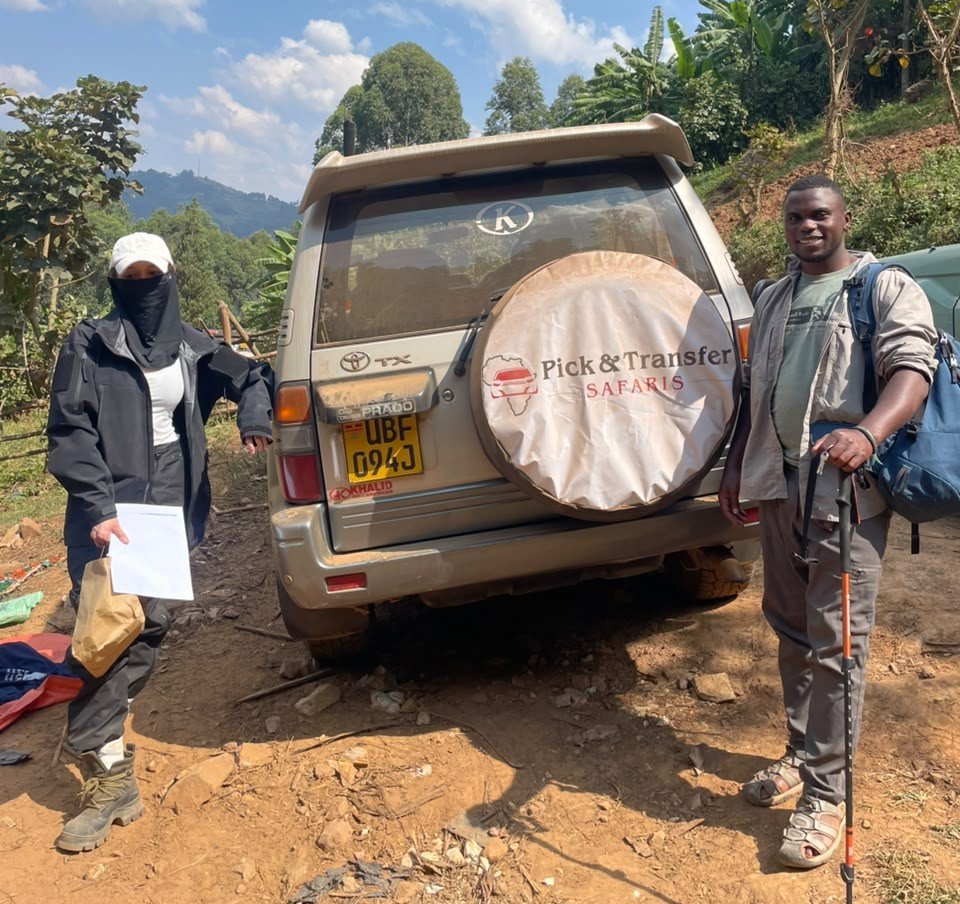
7 Days Uganda Safari – One week tour
This 7-day itinerary is the classic one-week introduction to Uganda, covering the country’s three most iconic wildlife experiences: chimpanzee tracking in Kibale Forest National Park, Big Five game drives and a boat cruise in Queen
Tour Details →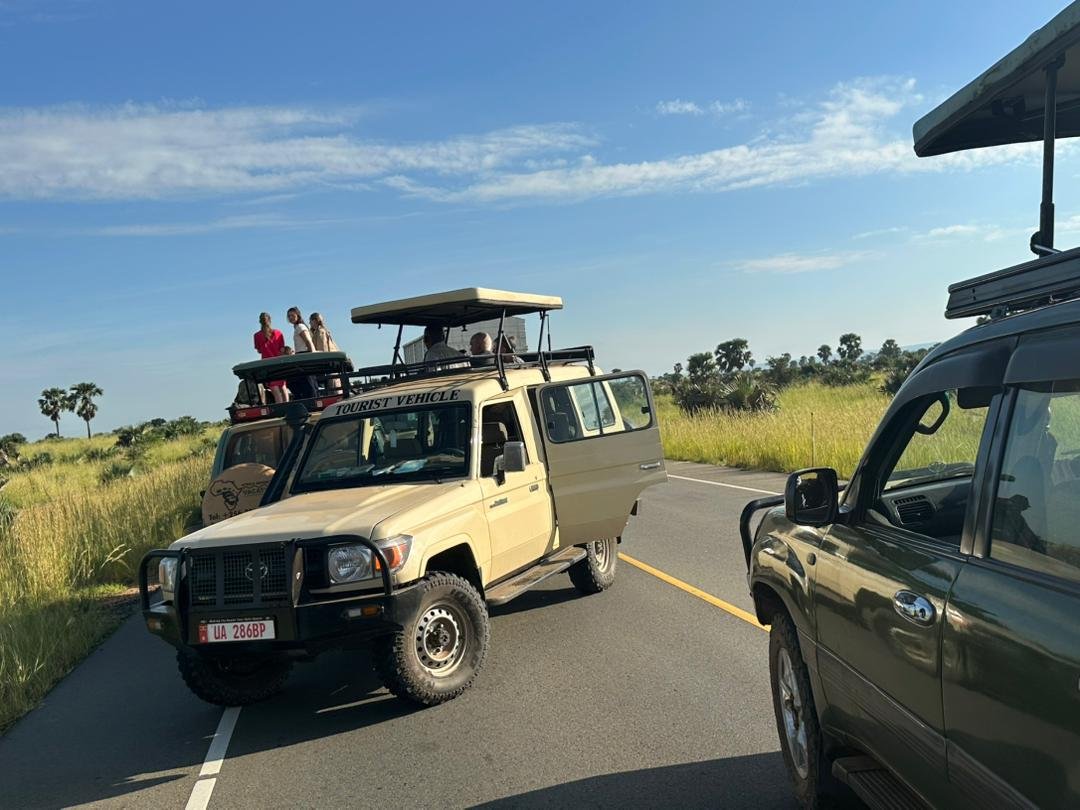
10 Days Uganda Primates and Wildlife
This 10-day Uganda Grand Safari is the most complete Uganda itinerary we offer at Pick and Transfer Safaris. It begins with a scenic northward drive from Entebbe to the vast open plains of Murchison
Tour Details →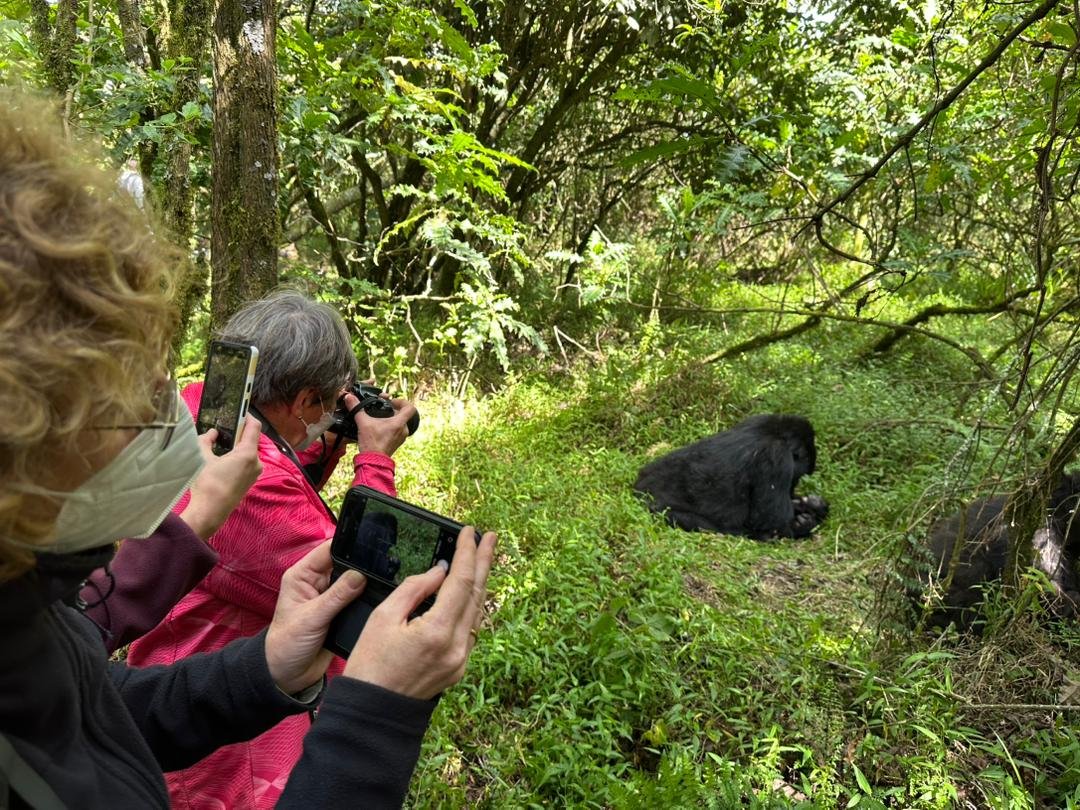
2 Days Uganda Gorilla Tour Starting from Kigali
This is the gentler cousin of our 1-Day Uganda Gorilla Safari Starting from Kigali — same idea, twice the breathing room. Instead of squeezing a 3,000-metre forest trek and two border crossings into a single very long day
Tour Details →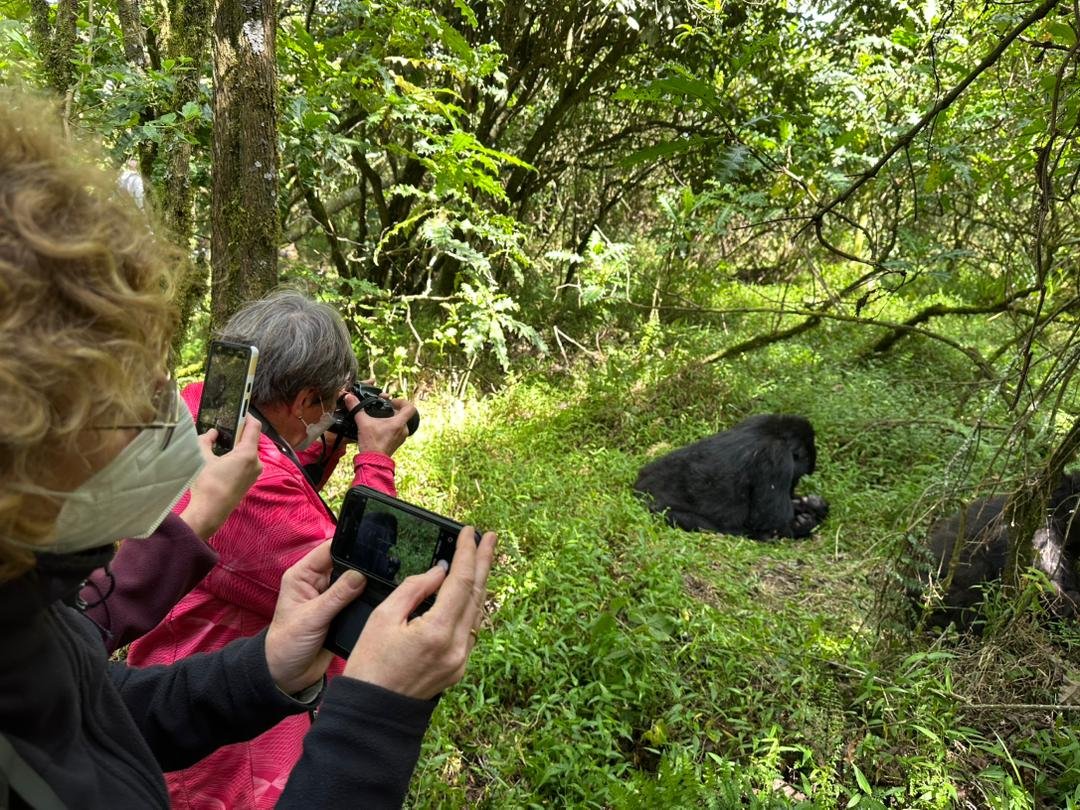
5-Day Uganda Gorilla and Chimpanzee Safari
This itinerary can be combined with a Rwanda extension or a wildlife-focused add-on through Queen Elizabeth National Park — browse our Uganda & Rwanda Safaris and Primate Safaris collections for ideas.
Tour Details →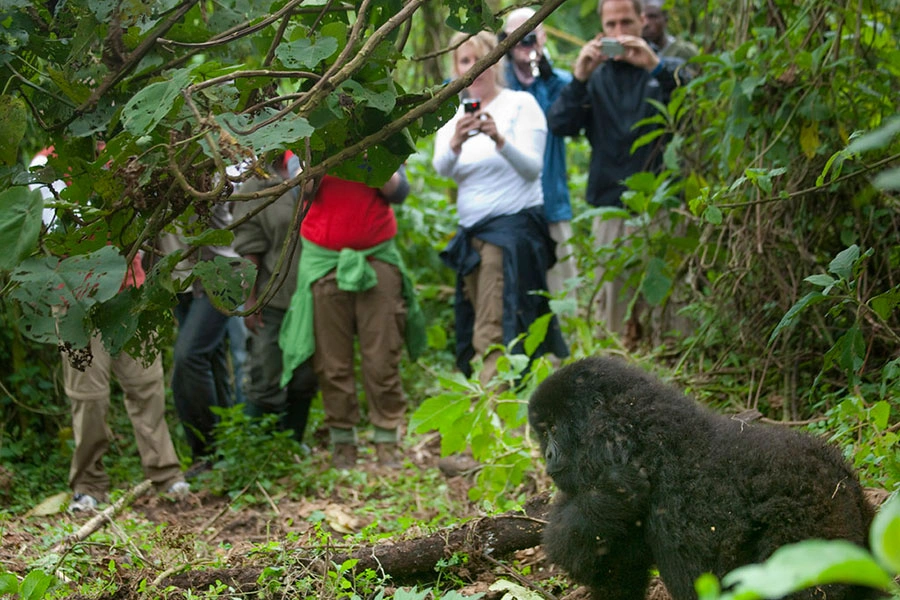
5 Days Rwanda Wildlife and Gorillas
This 5-day itinerary brings together Rwanda’s two flagship wildlife experiences: open savannah game drives and a boat safari in Akagera National Park, followed by a face-to-face encounters
Tour Details →
3 Days Uganda Gorilla Safari
For travelers who arrive in Entebbe with a tight schedule and a clear ambition, a 3-day gorilla safari to Bwindi Impenetrable Forest National Park is the most focused and rewarding short trip the country has to offer.
Tour Details →