- LET'S PLAN YOUR SAFARI
- +256 200 921 002
- +256 793 194 703
- info@pickandtransfersafaris.com

Starting a gorilla safari in Uganda from Rwanda
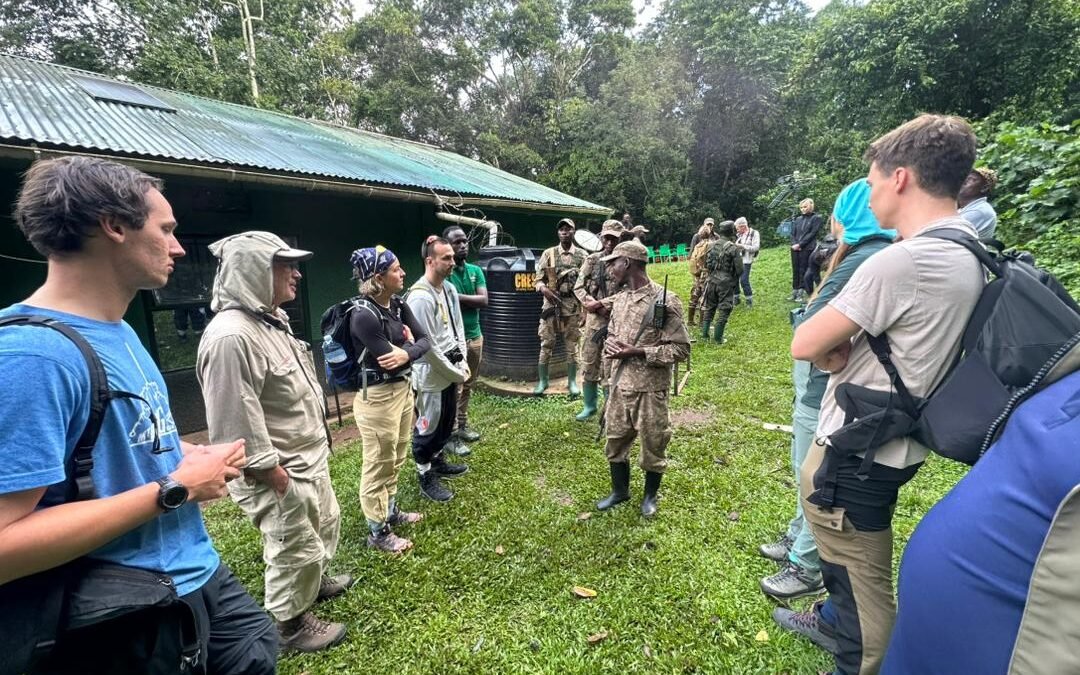
For a growing number of travellers, the most practical way into Uganda’s gorilla trekking parks isn’t through Uganda at all — it’s through Rwanda. Landing in Kigali, arranging a short cross-border transfer, and trekking in Bwindi Impenetrable Forest or Mgahinga Gorilla National Park has become such a common pattern that most of Uganda’s southwestern tourism infrastructure near the border is now built specifically around travellers starting a gorilla safari in Uganda from Rwanda rather than from Entebbe or Kampala.
This guide focuses specifically on the practical business of starting that safari — the decisions and arrangements that happen before you ever set foot in a Ugandan forest, from choosing your entry point and border crossing to sorting visas, currency, and your first night’s logistics. At Pick and Transfer Safaris, every one of our Uganda gorilla safaris is built around exactly this starting pattern, and this guide draws on the questions we field most often from travellers planning their first Rwanda-to-Uganda crossing.
Unlike the itinerary-specific guides elsewhere on this site, this one is deliberately focused on the “before the trek” phase — the visa applications, the currency planning, the border-crossing logistics, and the small decisions that, taken together, determine whether your first day in the region runs smoothly or turns into an avoidable scramble. Once you’ve worked through the steps below, our itinerary guides — from a single intensive day to a full week — pick up exactly where this one leaves off.
Why Rwanda Has Become the Default Starting Point
Uganda’s gorilla trekking parks — Bwindi Impenetrable Forest and Mgahinga Gorilla National Park — sit in the country’s extreme southwest, close enough to the Rwandan border that Kigali is, for most international travellers, genuinely closer and more convenient to reach than Uganda’s own capital, Kampala. The drive from Entebbe or Kampala to Bwindi runs 9–11 hours; the drive from Kigali to the nearest Ugandan trekking sectors runs as little as 3 to 4.5 hours.
Combined with Kigali International Airport’s strong connectivity to Europe, the Middle East, and major African hubs, this geography has made “start in Rwanda, trek in Uganda” the default plan for a large share of gorilla trekking travellers, regardless of where in the world they’re flying from. Understanding how to actually execute that starting sequence well — rather than treating it as an afterthought once the gorilla permit itself is booked — is what this guide is built to cover.
Starting a gorilla safari in Uganda from Rwanda can lead to unforgettable moments watching these incredible creatures in their natural habitat.
Step One: Deciding Which Ugandan Park You’re Starting Toward
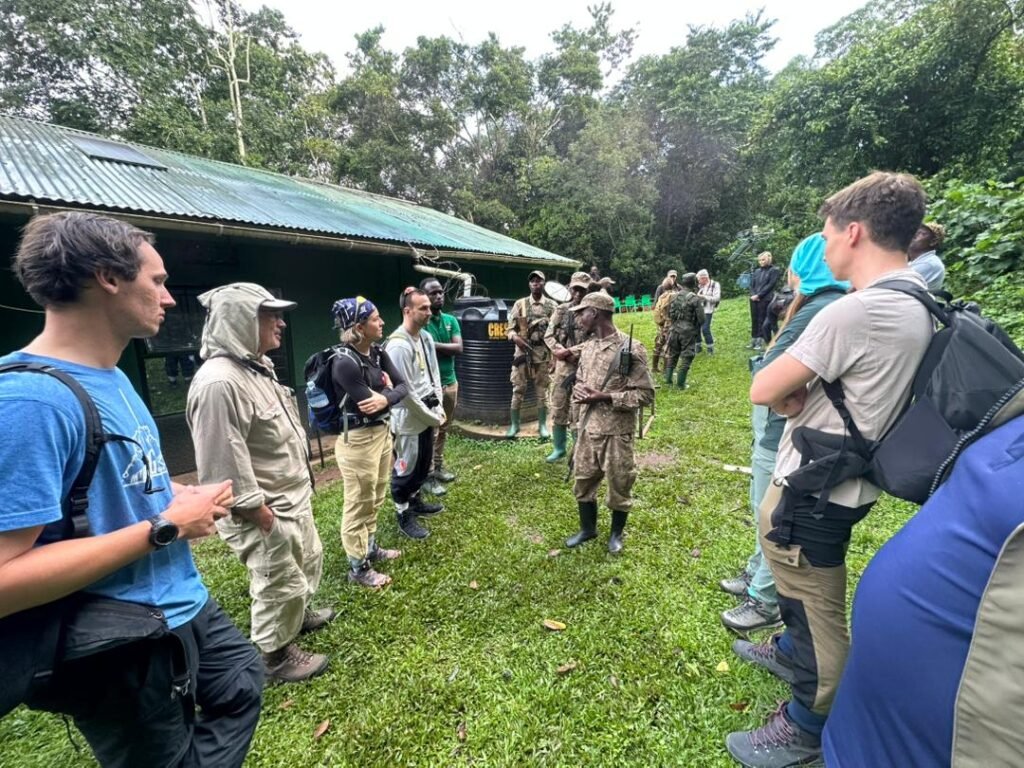
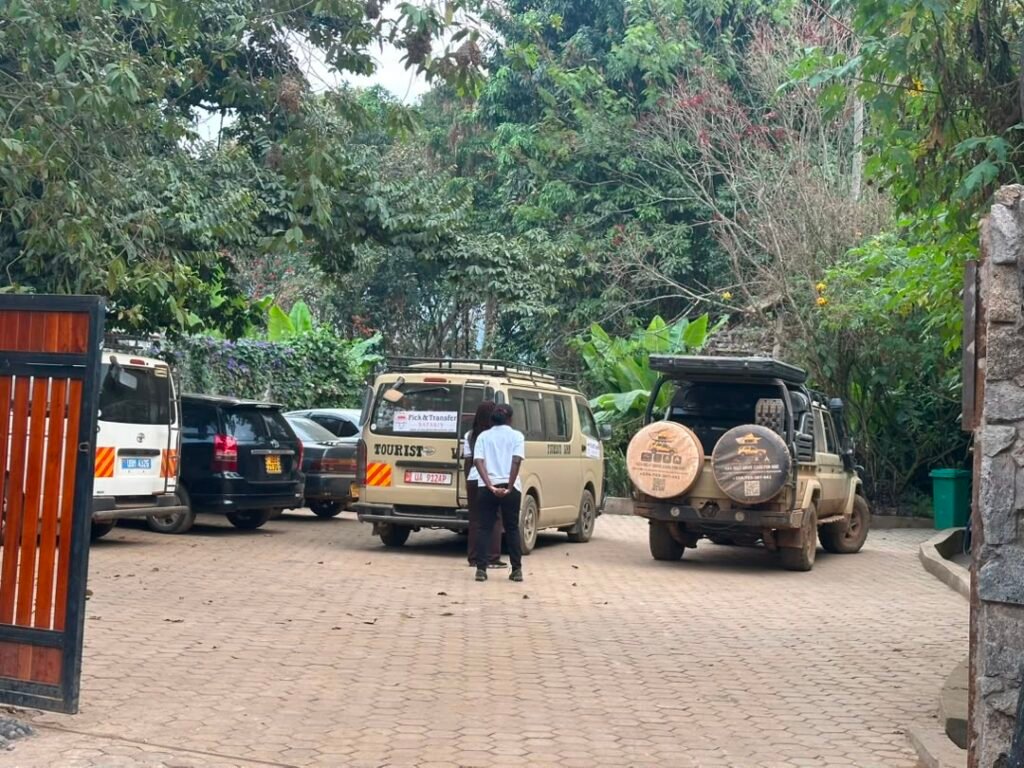
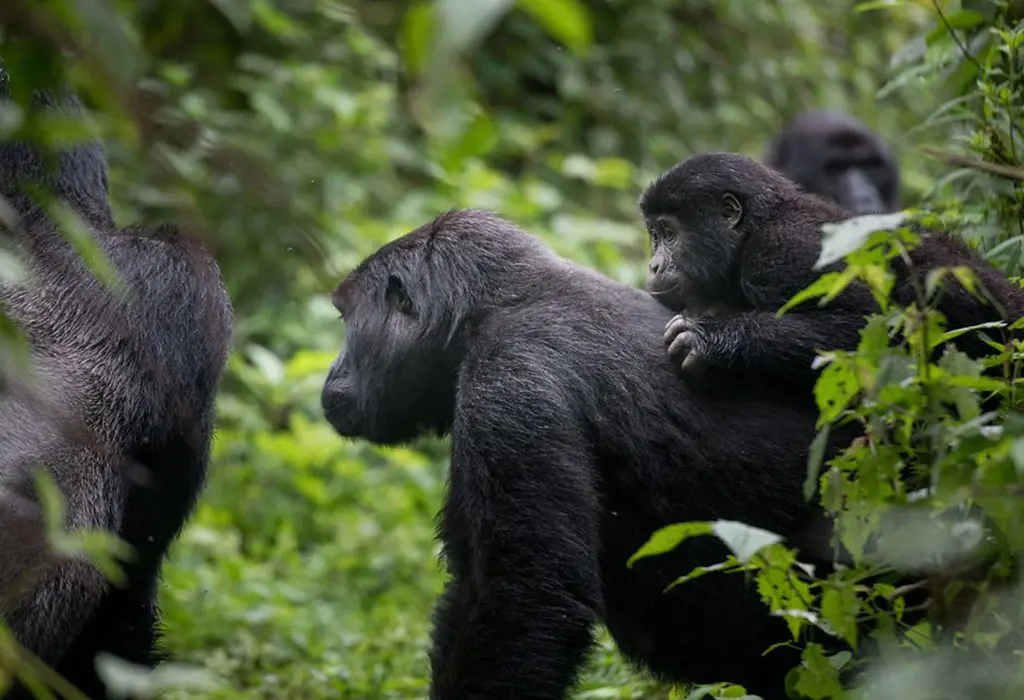
Before anything else, it’s worth locking in which Ugandan park your trip is actually aimed at, since this single decision determines your border crossing, your drive time, and much of your itinerary structure. Uganda offers two gorilla trekking areas: Bwindi Impenetrable Forest, with its four sectors, and the smaller Mgahinga Gorilla National Park.
For travellers starting from Rwanda, only Bwindi’s southern sectors — Rushaga and Nkuringo — and Mgahinga sit within convenient range; Bwindi’s northern sectors, Buhoma and Ruhija, require a considerably longer drive better suited to travellers starting from Uganda itself. Our guide to the best sector for gorilla trekking in Bwindi covers this decision in more depth, but as a starting-point rule: Rushaga offers the strongest permit availability of any option reachable from Rwanda, given its larger number of habituated gorilla families, while Mgahinga offers the shortest drive of all.
With the rising trend of starting a gorilla safari in Uganda from Rwanda, many visitors are discovering the benefits of this approach.
The best time for starting a gorilla safari in Uganda from Rwanda is during the dry season when trekking conditions are optimal and wildlife visibility is at its peak.
Choosing Your Border Crossing: Cyanika vs. Katuna/Gatuna
Once you know which park you’re heading to, your border crossing point follows naturally. Two crossings serve the vast majority of Rwanda-to-Uganda gorilla trekking traffic.
Cyanika, near Musanze on the Rwandan side and Kisoro on the Ugandan side, is the standard crossing for travellers heading to Mgahinga or Bwindi’s southern sectors — Rushaga and Nkuringo. It’s a smaller, quieter, distinctly tourist-familiar post, generally processing travellers efficiently, particularly in the early morning hours most gorilla trekking transfers use. Katuna/Gatuna, further north, connects toward Bwindi’s northern sectors and onward into Uganda’s interior, but is a considerably larger, busier commercial crossing less commonly used by travellers starting a Rwanda-based gorilla safari specifically.
For nearly every itinerary covered across this site — our one-day, two-day, and longer Rushaga-based trips — Cyanika is the crossing you’ll use, and it’s worth knowing this in advance simply so the border itself doesn’t come as an unfamiliar surprise partway through your trip.
When starting a gorilla safari in Uganda from Rwanda, don’t forget to pack essentials like sturdy hiking boots and appropriate clothing for the trek.
What to Arrange Before You Leave Rwanda — Or Before You Even Arrive
A surprising amount of what makes a Rwanda-to-Uganda gorilla safari run smoothly happens before you ever reach the border, and much of it is worth sorting out before you even land in Kigali.
Book your gorilla permit first as it’s non-transferable and requires advance planning, especially during peak seasons. Arrange your Uganda visa online ahead of time to avoid delays, and ensure your yellow fever vaccination certificate is up-to-date and accessible in both printed and digital formats. Confirm travel insurance that covers trekking at altitude and includes permit cancellation to protect your investment before you leave.
Many who opt for starting a gorilla safari in Uganda from Rwanda appreciate the opportunity to engage with local guides who enhance the trekking experience.
Visa Requirements for Crossing from Rwanda into Uganda
Travelers starting a gorilla safari in Uganda from Rwanda often share stories of their experiences, emphasizing the importance of preparation and the thrill of the trek.
Most nationalities have two realistic options for this crossing. The East Africa Tourist Visa permits multi-entry travel across Rwanda, Uganda, and Kenya on a single visa, applied for online before you travel, and is particularly well suited to any itinerary that crosses this specific border — including, for many travellers, crossing it twice within the same day on a one-day trekking trip. Alternatively, a single-entry Ugandan visa can be obtained online in advance, or in many cases on arrival at Cyanika itself.
Applying online before you land in Kigali is the safer, lower-stress choice regardless of which option you choose, particularly for time-sensitive itineraries where a delay at the border eats directly into an already tight schedule — this matters especially for our one-day itineraries, where a 3:30–4:00 am departure leaves little margin for unexpected paperwork delays.
Currency and Money Matters When Starting from Rwanda
It’s worth planning your cash needs specifically around the fact that your trip spans two currencies and, in practice, largely runs on a third. Rwandan francs are the local currency in Kigali and useful for small local purchases before you cross the border; Ugandan shillings serve the same function once you’re in Uganda. In practice, however, US dollars in cash — newer notes, ideally 2013 or later, in good condition — remain the most widely accepted and expected currency for gorilla permits, porter tips, lodge incidentals, and most tourism-related payments across both countries.
Card acceptance is reliable in central Kigali but drops off considerably once you’re travelling toward the border and into rural Uganda, so it’s worth withdrawing or bringing sufficient US dollar cash before you leave the city rather than assuming you’ll be able to access an ATM near Rushaga, Nkuringo, or Mgahinga. Budgeting roughly $50–100 in small denominations specifically for porter tips, incidental lodge costs, and any unexpected expenses along the route is a sensible practice for most itineraries.
What to Do in Kigali Before You Head to the Border
If your flight lands with any buffer before your trekking day, it’s worth using that time in Kigali deliberately rather than treating the city purely as a transit point. Confirming your gorilla permit and itinerary details with your operator, converting or withdrawing sufficient US dollar cash, picking up a local SIM card if you’ll want reliable data, and simply adjusting to the time zone after long-haul travel are all worth doing in the relative comfort of Kigali rather than trying to sort them out en route to the border.
Finally, starting a gorilla safari in Uganda from Rwanda allows you to appreciate the rich biodiversity and stunning landscapes unique to this region of Africa.
Many travellers also use this window to see a little of Kigali City itself — consistently rated among Africa’s cleanest, safest capitals, with the Kigali Genocide Memorial and a walkable, café-filled centre both worth a few hours if your schedule allows it. For itineraries with an early pre-dawn departure the following morning, though, an early night generally serves you better than an ambitious evening of sightseeing.
For an optimal experience, ensure your itinerary for starting a gorilla safari in Uganda from Rwanda allows for flexibility to adapt to changing conditions.
Many travellers also use this window to see a little of Kigali City itself — consistently rated among Africa’s cleanest, safest capitals, with the Kigali Genocide Memorial and a walkable, café-filled centre both worth a few hours if your schedule allows it. For itineraries with an early pre-dawn departure the following morning, though, an early night generally serves you better than an ambitious evening of sightseeing.
A Documents Checklist Before You Cross the Border
Because so much of a smooth border crossing comes down to having the right paperwork immediately accessible rather than buried in luggage, it’s worth treating this as its own discrete checklist rather than folding it into general packing. Before you leave Kigali, confirm you have: your passport, valid for at least six months beyond your travel dates; your Uganda visa confirmation, whether the East Africa Tourist Visa or a single-entry Ugandan visa; your yellow fever vaccination certificate, both printed and digital; your gorilla permit confirmation, ideally as a printed document your operator can present alongside your passport; and your travel insurance policy details, in case they’re needed at any point during the trip.
Keeping all of these in a single small document pouch or folder, rather than distributed across different bags, is a small habit that measurably speeds up border processing — guides who cross Cyanika regularly consistently report that document disorganisation, not paperwork itself, is the single most common source of delay among first-time cross-border trekkers.
Connectivity and Staying in Touch
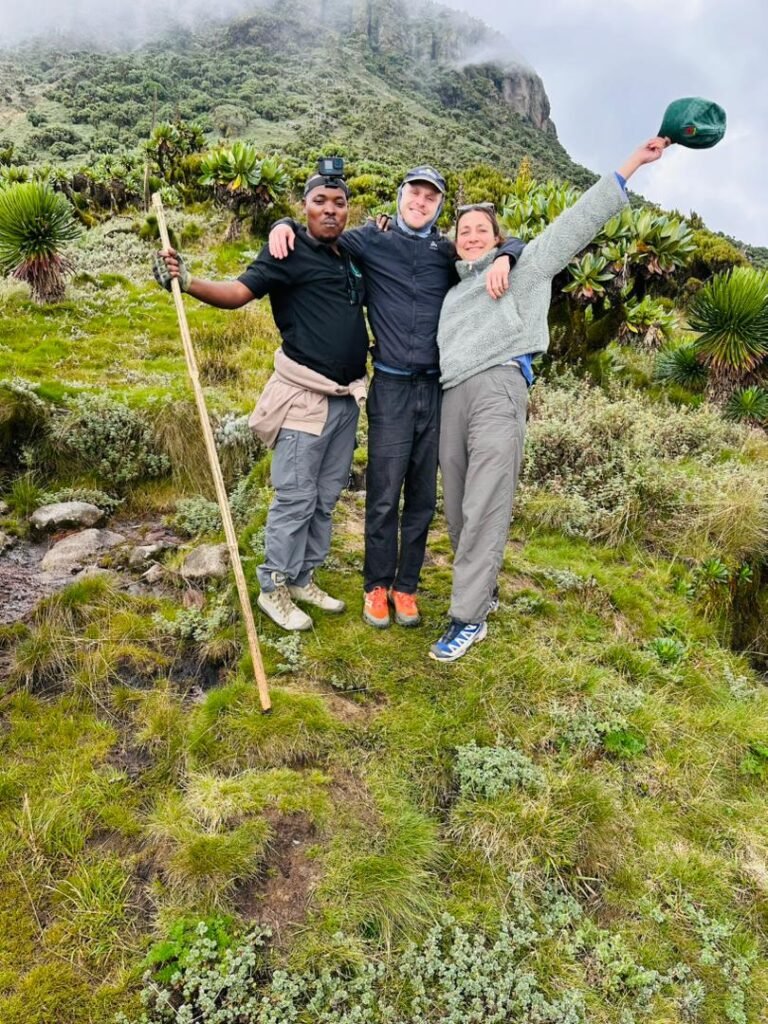
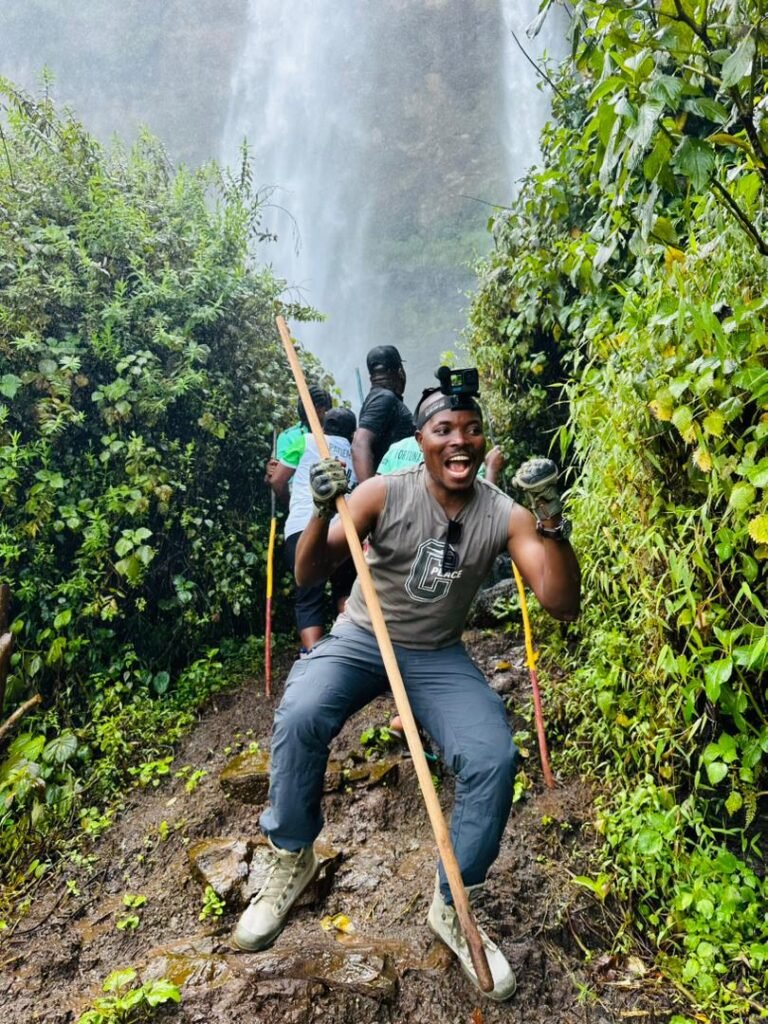
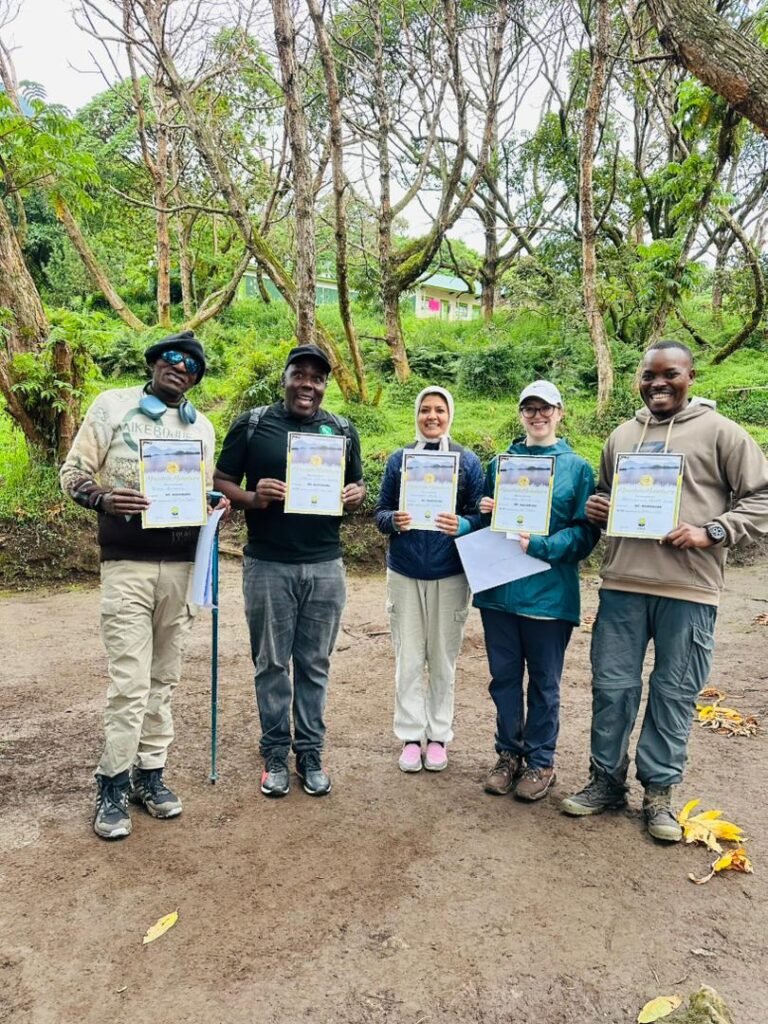
Mobile connectivity is worth planning for specifically on a trip that spans two countries’ networks within a single itinerary. A Rwandan SIM card, purchased in Kigali, provides reliable coverage within Rwanda but generally stops working — or incurs significant roaming charges — once you cross into Uganda; the reverse is true for a Ugandan SIM purchased after crossing. Many travellers on shorter itineraries simply rely on their lodge or hotel WiFi at either end of the trip, accepting limited connectivity during the drive and trek itself, which — given how remote and forested the trekking areas are — is often unavoidable regardless of which network you’re on.
For travellers who need reliable connectivity throughout, an international roaming plan or a portable WiFi device covering both countries is generally more practical than juggling two separate local SIM cards for a trip this short. Either way, it’s worth setting expectations with anyone back home that connectivity during the trekking day itself will likely be unreliable or entirely absent for several hours.
A Sample First 24 Hours: From Landing to the Border
To make the starting sequence concrete, here’s roughly how the first day of a typical two-day Rwanda-to-Uganda gorilla safari unfolds for many of our clients.
On arrival in Kigali — Airport pickup, transfer to your hotel, and a chance to rest after long-haul travel. If time allows, a short orientation walk or an early dinner in Kigali City itself.
The following morning — A mid-morning pickup (typically 7:00–8:00 am for a two-day itinerary, considerably earlier for a one-day version), followed by the scenic drive southwest through Rwanda’s terraced hills toward Cyanika.
At the border — Standard exit formalities on the Rwandan side, a short crossing, and entry formalities into Uganda, typically taking 20–45 minutes with a guide managing the paperwork.
Into Uganda — Continuing through Kisoro and into the hills toward your assigned trekking sector, arriving at your lodge near Rushaga, Nkuringo, or Mgahinga by early-to-mid afternoon, with the rest of the day free before the following morning’s trek.
This same basic sequence — Kigali, pickup, drive, border, arrival — underpins every itinerary length covered across our Gorilla Safaris pages, whether the trip spans one day or a full week.
Weather Considerations for Your Starting Journey
The drive itself, not just the trek, is worth planning around seasonal weather given how much of the route runs on roads sensitive to rainfall. The dry seasons — roughly June to September and December to February — offer the most predictable driving conditions on both the paved Rwandan stretch and the unpaved final approach into Rushaga or Nkuringo, and are worth prioritising if your schedule has any flexibility at all, particularly for time-sensitive one-day itineraries.
The wet seasons — roughly March to May and October to November — can meaningfully slow the final approach roads near Bwindi’s southern sectors, occasionally adding 30–45 minutes to what would otherwise be a straightforward final stretch. This doesn’t rule out wet-season travel — many travellers specifically choose these months for lower rates and quieter parks — but it’s worth building extra buffer into your schedule, particularly around the border crossing and the final approach to your lodge, if you’re travelling during these months.
Starting Logistics for Groups and Families
Travelling as part of a larger group adds a few extra considerations to the starting sequence covered above. Vehicle capacity is the first practical constraint — most standard 4×4 safari vehicles comfortably seat up to six or seven passengers with luggage, so groups larger than this typically need two vehicles, which is worth confirming with your operator well in advance rather than discovering on the morning of departure. Document management also becomes more involved with a larger group — collecting passports, visa confirmations, and vaccination certificates from every member the night before departure, rather than relying on each person to have theirs ready independently, meaningfully speeds up both hotel checkout and the eventual border crossing.
Gorilla permits themselves are capped at eight visitors per family per day, so a group larger than this will need to be split across two gorilla families regardless of park or sector — worth discussing with your operator whether the group can trek at the same time in separate families, or whether staggering across two mornings makes more sense given your overall schedule. Families travelling with older children (Uganda’s minimum trekking age is 15) should also plan a supervised activity for younger members during the trek itself, since they won’t be permitted to join.
Choosing How Many Days to Allocate
As you plan for starting a gorilla safari in Uganda from Rwanda, remember to set aside time for relaxation and enjoyment of the stunning landscapes in both countries.
Once your park, border crossing, and pre-departure logistics are settled, the remaining major decision is how many days to allocate to the trip itself. A one-day round trip compresses the entire experience into a single 17–21 hour day, with a pre-dawn departure and same-evening return to Kigali — realistic specifically because you’re starting from Rwanda rather than Uganda, but genuinely demanding. Our One Day Uganda Gorilla Safari Starting from Kigali is built around exactly this compressed version.
A two-day itinerary removes the pre-dawn start entirely, spreading the drive, the trek, and the return across two more comfortable days with an overnight near the park — our 2 Days Uganda Gorilla Tour Starting from Kigali covers this structure, and it’s the itinerary length most first-time trekkers starting from Rwanda ultimately choose. Three days or longer adds room for a cultural visit, a second primate encounter, or a broader wildlife circuit, without needing to rush any individual element — our 3 Days Uganda Gorilla Safari from Rwanda and 5 Days Uganda Gorilla and Chimps Safari starting from Rwanda both extend the same starting-from-Rwanda logistics into longer trips.
What Actually Happens at the Border
Understanding the border crossing itself in advance helps remove much of the uncertainty first-time cross-border trekkers feel. At Cyanika, the process typically involves standard exit formalities on the Rwandan side — a passport check and exit stamp — followed by a short walk or drive across the border zone, and entry formalities into Uganda, including a check of your visa or entry permit and your yellow fever vaccination certificate.
With a guide handling the paperwork on your behalf, the process usually takes between 20 and 45 minutes depending on how busy the post is that morning, with early mornings generally quieter than midday. It’s worth having your passport, visa confirmation, and vaccination certificate easily accessible — ideally in a small folder or document pouch rather than buried in checked luggage — since fumbling for documents is the most common source of unnecessary delay at any border crossing.
The Vehicle and Driver Matter as Much as the Route
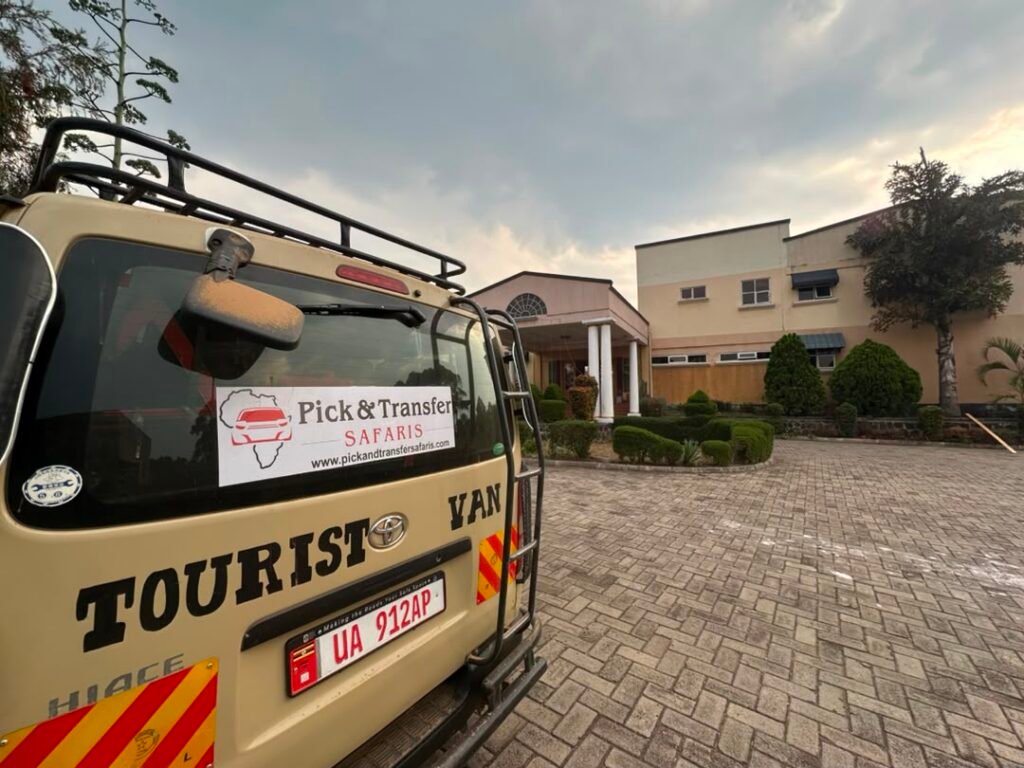
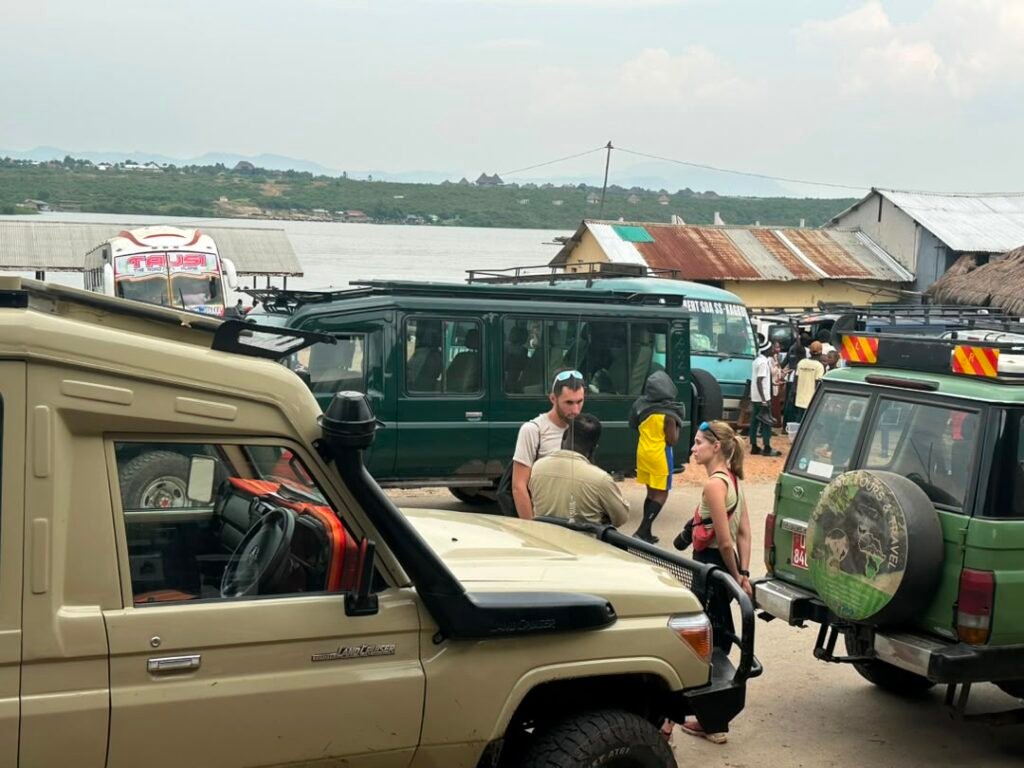
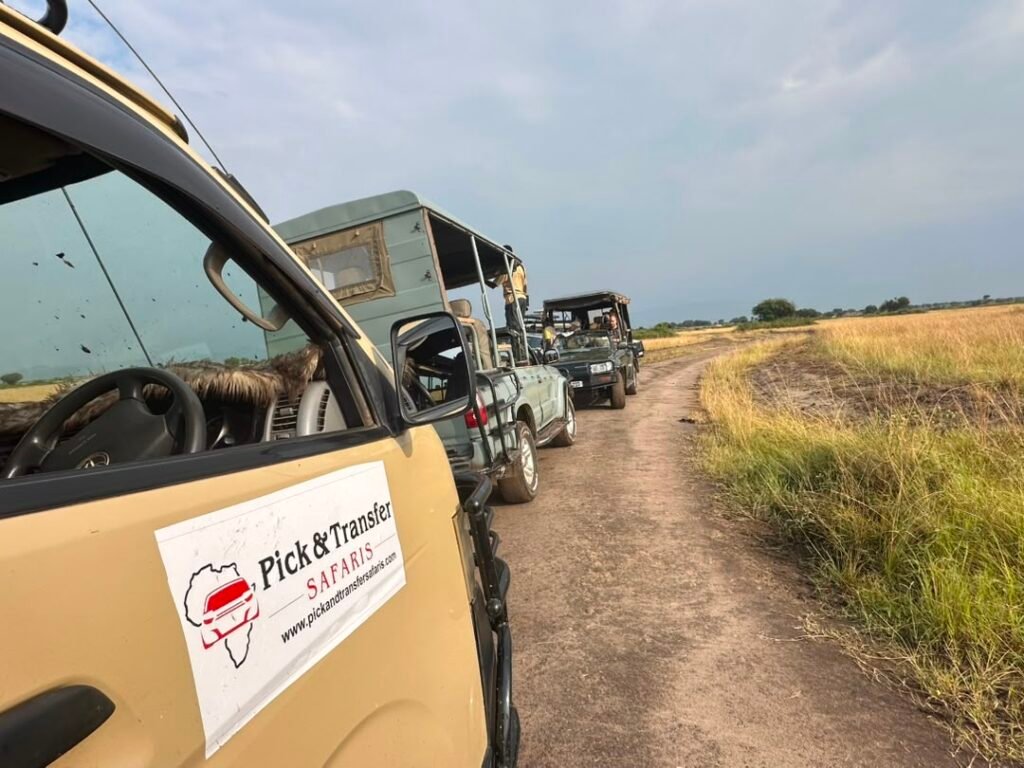
Because a meaningful portion of the route into Rushaga or Nkuringo runs on unpaved, occasionally steep roads, the vehicle you’re travelling in is worth confirming specifically when starting your safari from Rwanda. A proper 4×4 with good ground clearance is the standard and recommended choice; a standard sedan or minivan, while fine for the excellent paved roads within Rwanda itself, can genuinely struggle on the final approach to Bwindi’s southern sectors, particularly in wet weather.
An experienced local driver-guide, familiar with the specific border crossing and the roads beyond it, also makes a meaningful difference to how smoothly the day runs — someone who crosses Cyanika regularly will generally navigate both the paperwork and the timing considerably more efficiently than a driver unfamiliar with the specific route.
Many travelers find that starting a gorilla safari in Uganda from Rwanda results in lifelong memories, surrounded by breathtaking nature and wildlife.
Health Preparations Before You Start
Beyond the yellow fever certificate required for entry into both countries, it’s worth sorting broader health preparations before you begin your safari rather than after you’ve already crossed into Uganda. Malaria prophylaxis is commonly recommended for the region, and routine vaccinations — tetanus, hepatitis A and B, typhoid — are worth discussing with a travel clinic four to six weeks before departure, since some require lead time to become effective.
Because mountain gorillas are vulnerable to human respiratory illness, both countries strictly enforce a no-trekking-while-unwell policy, so it’s worth being honest with yourself and your operator if you develop any symptoms in the days before your trek — permits can sometimes be rebooked, though this isn’t guaranteed and depends on availability.
As you embark on starting a gorilla safari in Uganda from Rwanda, consider the environmental impact of your trip and choose eco-friendly options whenever possible.
Choosing an Operator Based in Rwanda vs. Uganda
One decision specific to starting a Uganda safari from Rwanda is whether to book through an operator based primarily in Rwanda, Uganda, or one experienced specifically in the cross-border route itself. A Rwanda-based operator often has stronger logistics for the Kigali portion of your trip — airport pickup, city accommodation, and the drive to the border — while a Uganda-based operator may have deeper relationships with lodges and rangers on the Ugandan side.
In practice, the strongest choice is usually an operator experienced specifically in running this exact cross-border itinerary regularly, rather than one based predominantly on one side of the border with only occasional experience crossing it. Worth confirming before booking: whether they book your Uganda gorilla permit directly with UWA and can show confirmation; whether their driver-guide crosses Cyanika regularly; and whether they can name the specific trekking sector — Rushaga, Nkuringo, or Mgahinga — your permit is likely to be assigned to.
At Pick and Transfer Safaris, the entire premise of our business is running exactly this Rwanda-to-Uganda starting sequence well — get in touch with our team if you’d like help planning your specific crossing and itinerary. For a second, independent perspective on operators running this same route, Kenlink Tours is worth comparing against as well.
Cost Overview for Starting Your Safari from Rwanda
The largest single cost of any Uganda gorilla safari started from Rwanda is the gorilla permit itself, currently around $700–800 per person for foreign non-residents, regardless of which sector or how many days your itinerary spans. Ground transport, covering the vehicle, driver-guide, and fuel for the Kigali-border-park route and back, typically adds $150–350 per person depending on trip length and whether the vehicle is shared or private. Accommodation, where a multi-day itinerary calls for it, ranges from $50–80 per night at a budget guesthouse near the park to several hundred dollars at a luxury eco-lodge.
As you finalize your plans for starting a gorilla safari in Uganda from Rwanda, remember to research your accommodations to ensure comfort and convenience.
For a standard two-day itinerary starting from Kigali, expect an all-in total in the region of $1,000–$1,400 per person; for a same-day one-day version, closer to $950–$1,300, reflecting the absence of a lodge night. Budget separately for porter tips (around $15–20), guide and driver gratuities, and any incidentals at the border or along the route — this is where the US dollar cash discussed earlier becomes genuinely important.
Common Mistakes When Starting a Uganda Safari from Rwanda
A handful of avoidable mistakes account for most of the friction travellers encounter specifically at the “starting” stage of this trip, before the trek itself even begins.
Booking the permit after everything else. The gorilla permit has the least flexibility of any element in this trip and should be secured first, with your flights, visa, and itinerary built around its confirmed date rather than the other way around.
Relying entirely on an on-arrival visa. While often possible, applying online in advance removes a genuine source of unpredictable delay at the border, particularly relevant on time-sensitive one-day itineraries.
Underestimating cash needs before leaving Kigali. ATM and card reliability drop considerably once you’re near the border and beyond — withdraw sufficient US dollars while still in the capital.
Choosing an operator unfamiliar with the specific crossing. An operator experienced generally in Uganda or Rwanda tourism isn’t automatically experienced in this specific cross-border route — ask directly about their familiarity with Cyanika and the roads beyond it.
Not confirming vehicle type in advance. A standard sedan or minivan is a poor match for the unpaved final stretch into Rushaga or Nkuringo — confirm a proper 4×4 before booking.
Skipping travel insurance covering permit cancellation. Given how much of the trip’s total cost sits in a single non-refundable permit, insurance covering this specific risk is worth the modest additional cost.
Frequently Asked Questions
Do I need a Rwandan visa if I’m only using Kigali as a starting point for a Uganda safari? Yes — entering Rwanda at all, even briefly before crossing into Uganda, requires meeting Rwanda’s own entry requirements, separate from whatever Uganda visa you also need for the gorilla trekking portion of your trip.
When starting a gorilla safari in Uganda from Rwanda, securing your gorilla permits early is crucial to avoid disappointment. This ensures that you can trek with the gorilla families you prefer.
Which border crossing should I use to start my Uganda gorilla safari from Rwanda? Cyanika, near Musanze and Kisoro, is the standard crossing for travellers heading to Mgahinga or Bwindi’s southern sectors — Rushaga and Nkuringo — which covers the large majority of Rwanda-departure itineraries.
For those starting a gorilla safari in Uganda from Rwanda, consider combining your trek with a visit to local communities to gain a deeper understanding of the region’s culture.
How early should I book my gorilla permit relative to my flights? Book the permit first, ideally two to three months ahead of travel, and build your flight dates around its confirmed date rather than booking flights first and hoping a permit is available to match.
Can I use the same visa for both Rwanda and Uganda? The East Africa Tourist Visa covers multi-entry travel across Rwanda, Uganda, and Kenya on a single visa, making it the most convenient option for a trip that crosses this specific border, potentially more than once.
Is it better to book with a Rwanda-based or Uganda-based tour operator? Neither location alone matters as much as the operator’s specific experience running the Rwanda-to-Uganda crossing regularly — ask directly about this rather than assuming based on where the company is headquartered.
Many travelers find that starting a gorilla safari in Uganda from Rwanda offers unique scenery and a variety of wildlife encounters, enhancing their overall experience.
What currency should I bring for a Rwanda-to-Uganda gorilla safari? US dollars in cash, in good condition and ideally from 2013 or later, remain the most widely accepted currency for permits, tips, and most tourism-related payments across both countries.
Do I need a different vehicle for the Ugandan portion of my trip compared with the Rwandan portion? Not necessarily a different vehicle, but confirm your vehicle is a proper 4×4 suited to unpaved roads before booking, since some Ugandan trekking sectors require this even if the Rwandan portion of the drive is entirely on paved roads.
What’s the biggest planning mistake travellers make when starting this trip from Rwanda? Treating the “starting” logistics — visa, cash, border crossing, vehicle type — as an afterthought once the permit is booked, rather than planning them with the same level of attention as the trek itself.
Can I start my Uganda gorilla safari from somewhere in Rwanda other than Kigali? In theory yes, if you’re already staying elsewhere in Rwanda near the border, but the overwhelming majority of itineraries are structured around Kigali specifically, given the airport’s connectivity and most travellers’ need to begin their trip there regardless.
Do I need travel insurance specifically because I’m crossing a border, or is standard travel insurance enough? Standard travel insurance is generally sufficient, but it’s worth confirming it covers trekking at altitude and, ideally, gorilla permit cancellation specifically, rather than assuming a generic policy covers these less common scenarios by default.
Is it cheaper to start my Uganda safari from Rwanda or from Entebbe? Cost is broadly similar once permit and standard fees are accounted for, but starting from Rwanda is dramatically more time-efficient given the shorter drive to Bwindi’s southern sectors compared with a 9–11 hour drive from Entebbe.
Can I combine my Uganda gorilla trek with a Rwanda-based gorilla trek in Volcanoes National Park on the same trip? Yes, though this requires a longer itinerary and two separate permits, since you’d be trekking in two different countries — worth discussing with your operator if comparing Uganda and Rwanda gorillas on the same trip interests you.
What happens if my flight into Kigali is delayed and affects my trekking start time? This is exactly why building in at least one buffer night in Kigali before a trekking day is recommended, particularly for one-day itineraries with a pre-dawn departure — a delayed arrival with no buffer risks missing the morning briefing cutoff entirely.
Final Thoughts
Starting a gorilla safari in Uganda from Rwanda is, for the large majority of international travellers, the most practical and efficient way to reach Bwindi or Mgahinga — but the trip’s success depends as much on the decisions made before you ever reach the border as on the trek itself. Booking your permit first, sorting your visa in advance, carrying sufficient US dollar cash, confirming a proper 4×4 vehicle, and working with an operator genuinely experienced in the Cyanika crossing are what turn this cross-border logistics chain into a smooth, well-run trip rather than a source of stress.
None of the individual steps covered in this guide are complicated on their own — a visa application, a document folder, a currency withdrawal, a conversation with your operator about vehicle type. What makes them worth treating seriously as a group is that they all happen in the days before the part of the trip everyone actually plans around: the hour spent with a wild gorilla family. Getting the starting logistics right doesn’t make for an exciting story afterward, but it’s precisely what allows the story that does get told — the trek itself — to unfold without complication.
If you’d like help planning every stage of this journey — from your first night in Kigali to the moment you’re standing in front of a wild gorilla family in Uganda — get in touch with our team and we’ll build the right itinerary around your travel dates.