- LET'S PLAN YOUR SAFARI
- +256 200 921 002
- +256 793 194 703
- info@pickandtransfersafaris.com

The Big Five in Akagera Where to See Them
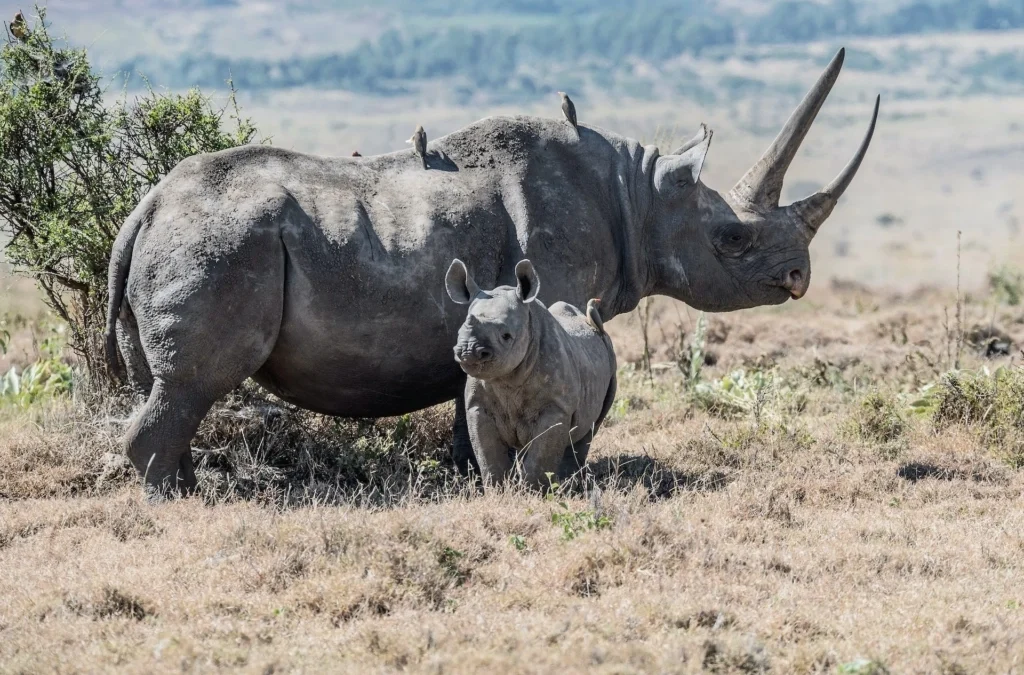
The Big Five in Akagera Where to See Them. Rwanda is famous the world over for mountain gorillas, but tucked into the country’s eastern savannah, along the Tanzanian border, lies a park that quietly delivers something no other destination in the country can: a genuine Big Five safari. Akagera National Park is Rwanda’s only Big Five park, and after decades of poaching, civil conflict and habitat loss, it has become one of Africa’s great conservation comeback stories. Lions roam its plains again. Black and white rhinos graze in the open grass. Elephants wade through papyrus swamps at the water’s edge. Leopards move like shadows through the acacia woodland, and buffalo herds numbering in the thousands dominate the wetlands. If you are planning a trip to East Africa and want to know exactly where to see the Big Five in Akagera, this guide walks you through every species, every zone of the park, the best times of day and year to go, where to stay, and how to combine it with the rest of Rwanda’s world-class wildlife circuit.
At Pick and Transfer Safaris, we build itineraries around Akagera every week, and the single question we get asked most often is simple: “where exactly will we see the animals?” This article answers that question in detail, drawing on current park data, ranger insight and firsthand safari planning experience, so you can go into your trip knowing precisely where to point your binoculars.
What Makes Akagera Rwanda’s Only Big Five Destination
The term “Big Five” originally referred to the five African animals big-game hunters considered the most dangerous to hunt on foot: lion, leopard, elephant, buffalo and rhinoceros. Today the phrase has been repurposed by the safari industry to describe the five most sought-after wildlife sightings on the continent, and Akagera is the only park in Rwanda where all five species live together in the wild. Rwanda’s other flagship parks, Volcanoes National Park and Nyungwe Forest National Park, are built around primates, gorillas in the former and chimpanzees and colobus monkeys in the latter, not savannah megafauna. That distinction is exactly why so many travellers pair a few days of gorilla trekking with a few days of Big Five game drives in the same trip, and why Akagera sits at the centre of almost every well-rounded Rwanda wildlife safari itinerary we design.
Covering roughly 1,122 square kilometres of savannah, woodland, wetland and lake, Akagera is also one of the largest protected wetlands in Central Africa. That mix of habitats is precisely why it can support all five species at once: open plains for grazers and the predators that follow them, dense acacia thickets for browsers and ambush hunters, and a chain of lakes and papyrus swamps that draws elephants, buffalo, hippos and more than 500 recorded bird species.
A Quick History: How Akagera Lost and Then Rebuilt Its Big Five
To appreciate what you are seeing on a game drive today, it helps to know what the park has been through. Akagera was gazetted in 1934 and once held a lion population estimated at around 300 animals, alongside black rhino and healthy numbers of elephant and buffalo. Following the 1994 genocide against the Tutsi, hundreds of thousands of returning refugees settled in and around the park, more than half of its land was degazetted for resettlement and agriculture, and uncontrolled hunting and snaring wiped out the last lions by around 2001. Rhinos, already rare, disappeared from sight by 2007.
The turnaround began in earnest in 2010, when African Parks took over management of Akagera in partnership with the Rwanda Development Board. A dedicated law-enforcement team, a 120-kilometre electrified boundary fence to reduce human-wildlife conflict, and a canine anti-poaching unit brought illegal hunting under control within a few years. With the threat contained, translocations followed: seven lions from South Africa in 2015, ten eastern black rhinos from South Africa in 2017, five more black rhinos flown in from Czech zoos in 2019 in what was, at the time, the longest rhino translocation in history, and thirty southern white rhinos from South Africa in 2021. The results speak for themselves. Lion numbers have climbed past 70, the rhino population continues to grow through natural breeding with several calves recorded in 2026 alone, elephants now number more than 150, buffalo have rebounded to well over 3,000, and Akagera’s resident leopards, always the hardest of the five to count, are estimated at around 60 individuals and were the subject of the park’s first dedicated leopard research project launched in 2026.
That history matters for your safari because it explains the park’s layout today. Akagera’s management deliberately concentrates predators and rhinos in the open north, where visibility is best and monitoring is easiest, while elephant, buffalo and leopard spread more widely across the woodland and wetland zones. Understanding that zoning is the single most useful piece of information for planning where to look.
Understanding Akagera’s Four Zones Before You Go
Akagera is not a uniform block of savannah. A low sandstone ridge splits the park roughly north to south, and around it four distinct ecosystems have formed, each with its own resident wildlife.
The open savannah of the north, centred on the Kilala Plains, is rolling grassland with scattered acacia and far-reaching sightlines. This is prime lion and rhino country, and it is also where the park’s newer, more remote lodges are positioned. The acacia woodland of the west, roughly a quarter of the park’s total area, is thicker cover and the terrain leopards favour, along with giraffe and a variety of antelope. The wetlands and papyrus swamps along the Kagera River in the east are the park’s most biodiverse zone, hosting the rare shoebill stork, sitatunga antelope, hippos and elephants that come to the swamp edges to drink and browse. Finally, the lake district in the south and centre of the park holds ten lakes, including Lake Ihema, Rwanda’s second-largest lake, which together account for more than a third of the park’s surface area and support boat safaris, buffalo, hippo pods and enormous Nile crocodiles.
Most first-time visitors enter through the south gate near Mutumba, roughly 110 kilometres and about two and a half hours by road from Kigali via Kayonza. A single day trip typically covers only the southern circuit around the lakes and woodland edge; reaching the Kilala Plains in the north, where lion and rhino sightings are most reliable, generally requires at least one overnight stay inside or near the park. We cover that trade-off in detail in the itinerary section below.
Lions in Akagera: Where and How to Find Them
Lions are, for most visitors, the number-one target species, and Akagera’s population is now healthy enough to make sightings realistic on a well-planned safari, though never guaranteed, as with any wild predator. The park’s prides favour the open ground of the Kilala Plains in the north, where prey is concentrated and there is enough visibility for both the lions and the guides tracking them to see each other coming. Sightings do occur further south as well, but the north consistently produces better odds.
Because lions are most active at dawn, dusk and after dark, a standard daytime game drive alone will often miss the best window. Akagera is one of the few parks in Rwanda that offers guided night game drives, departing from either the southern lodges or Karenge Bush Camp in the north, and these are widely considered the single best way to see lions actively hunting or moving between resting spots. Rangers use spotlights to pick out eyeshine in the grass, and a northern night drive from Karenge, run across the open Kilala Plains, tends to outperform the denser southern circuit for lion sightings specifically. If lions are your priority, we generally recommend building at least one night drive into your 3-day Akagera safari itinerary and staying at a northern camp for at least one night.
Leopards: Akagera’s Most Elusive Big Cat
If lions are the headline act, leopards are the animal even experienced safari guides get genuinely excited to spot. Solitary, largely nocturnal and superbly camouflaged with their rosette-marked coats, leopards favour the acacia woodland along the park’s western boundary, where dense cover and tree lines give them places to rest by day and stalk by night. Akagera’s leopard population, estimated at around 60 individuals, is proportionally healthy for a park this size, but low densities and their preference for thick vegetation mean sightings remain the rarest of the Big Five here, rarer even than rhino.
Your best chance is, again, a night drive, ideally one that tracks along the woodland edge rather than the open plains, combined with a guide who checks likely resting trees and knows current territory boundaries from recent ranger reports. Patience matters more with leopards than with any other member of the Big Five, so if this is a priority sighting for you, it is worth allocating an extra day and mentioning it specifically when booking, whether through our wildlife safari packages or a longer combined itinerary.
African Elephants: Giants of the Swamps and Lake Shores
Akagera’s elephants tell one of the park’s most remarkable recovery stories. From just 26 animals relocated into the park in 1975, the population has grown past 150 individuals, with new, previously unrecorded elephants still being added to the park’s monitoring database as recently as 2026. Unlike lions, leopards and rhino, elephants are relatively easy to see on almost any game drive, particularly around the swamp edges and lake shores in the eastern and southern parts of the park, where they come to drink, bathe and browse on reeds and acacia.
Bi-monthly aerial and ground surveys keep close track of family groups, and rangers generally know which herds have been active in which sector in the days before your visit, so ask your guide for the latest sightings when you arrive at the gate. A boat safari on Lake Ihema is one of the most reliable ways to see elephants at close range without disturbing them, since herds regularly come down to the water’s edge in the late afternoon.
Cape Buffalo: The Big Five’s Most Numerous Resident
Cape buffalo are, by a wide margin, the Big Five species you are most likely to see in Akagera, and often in large numbers. From a low of under 1,000 animals two decades ago, and around 882 recorded in 2010, the population has surged past 3,300, with the largest herds concentrated in the northern plains and along the wetland margins that fringe the lakes. Buffalo have a well-earned reputation as one of Africa’s more unpredictable and defensive animals when threatened, which is part of why they made the original Big Five hunting list, and guides give herds a respectful berth even on a photographic safari.
Because buffalo herds graze in open country and wetland edges rather than hiding in cover, they are visible on almost every circuit of the park, southern or northern, day or night, making them a near-certain sighting on any Akagera game drive.
Black and White Rhinos: Akagera’s Conservation Flagship
No sighting captures Akagera’s turnaround better than its rhinos. The species vanished from the park entirely by 2007. Reintroduction began in 2017 with ten eastern black rhinos flown in from South Africa, followed by five more from Czech zoos in 2019, a translocation that covered roughly 6,000 kilometres and remains one of the longest rhino relocations ever undertaken. In 2021, thirty southern white rhinos arrived from South Africa, re-establishing a second rhino species in the park for the first time in generations. The population is now growing through natural breeding, with multiple calves, both black and white, born in 2026 alone.
The two species occupy different ground, which is useful to know when planning your route. White rhinos are grazers and favour the open grassland of the northern Kilala Plains, the same general area as the lions, while black rhinos are browsers that prefer the denser acacia woodland and forested pockets further south. Daytime game drives generally offer the best rhino viewing, since both species tend to be out grazing or browsing in daylight rather than hidden away, in contrast to the nocturnal habits of the park’s big cats. Given their conservation value, rhino locations are closely monitored by rangers using GPS collars, and guides are usually well briefed on recent movements before heading out.
Best Time of Day to See the Big Five
Timing within a single day matters as much as the season you choose. Predators, meaning both lions and leopards, are most active in the hour after the park gates open at 6am and again in the final hour before dusk, so an early departure, around 6:30am, consistently outperforms a mid-morning start. Rhinos, elephants and buffalo are more visible through the middle of the day, particularly around water sources during the warmer hours. If your schedule allows only one game drive, splitting the difference with a late-afternoon drive that runs into a guided night drive tends to produce the broadest mix of sightings, since it covers both the daytime grazers and the dusk-to-dark activity window for the cats.
Best Time of Year to Visit Akagera
Akagera does not have the sharply defined high and low seasons you find in some East African savannah parks, and the park itself notes that a guide’s daily, on-the-ground knowledge of animal movements makes more difference to your sightings than the calendar month. That said, a few seasonal patterns are worth knowing. The drier months, broadly June through September and again in the shorter dry spell from December to February, keep the unpaved northern roads more reliably passable and concentrate wildlife around permanent water sources, which can make sightings a little more predictable. Heavy rains, most common from March to May and in November, can make parts of the northern circuit difficult even for a 4×4, though the southern lake circuit generally remains accessible year-round. June through September also coincides with peak international tourism season, so if you are combining Akagera with gorilla trekking at Volcanoes National Park, it is worth booking permits and lodges well in advance for those months.
Game Drive, Night Safari or Boat Safari: Choosing the Right Activity for Each Species
Akagera offers a genuinely varied activity menu, and matching the right activity to the species you most want to see is the single most effective way to improve your odds.
Standard day game drives, run in open 4×4 vehicles along both the northern and southern circuits, remain the backbone of any visit and are the best option for elephant, buffalo and rhino, all of which are comfortably active in daylight. Guided night drives, departing from either the southern lodges or Karenge Bush Camp in the north at around 5:30pm, are essential for lions and leopards, using spotlights to pick out nocturnal movement that a daytime visitor would simply never see. The boat safari on Lake Ihema, with four departures a day at 7:30am, 9am, 3pm and 4:30pm, is a completely different pace, a slow, roughly one-hour cruise that brings you close to hippo pods, enormous crocodiles, fish eagles and elephants drinking at the shoreline, and it is also one of the best short activities to combine with a single southern-circuit day trip if you are short on time.
For visitors who want to understand the conservation story behind what they are seeing, the park also runs a “Behind the Scenes” tour of the ranger headquarters, anti-poaching unit and confiscated-snare exhibit, along with a shorter guided walk along a section of the electrified boundary fence. Neither replaces a game drive, but both add valuable context, particularly for travellers interested in how a park rebuilds a Big Five population from zero.
Where to Stay for the Best Big Five Sightings
Where you sleep inside or near Akagera has a real effect on what you see, mainly because it determines how early you can be out on the plains and which zone of the park you wake up closest to.
In the south, Akagera Game Lodge and the smaller, more design-forward Ruzizi Tented Lodge both sit close to Lake Ihema, making them convenient for a first night, for the boat safari, and for the southern woodland and wetland circuit, though they put you roughly two hours from the Kilala Plains each morning. In the north, Karenge Bush Camp offers a simpler tented setup but a far shorter drive to the open plains where lions and rhinos are most reliably seen, while Magashi Wilderness Camp, the park’s most remote and upscale option, sits directly on the edge of the plains with some of the best access to predator activity in the park. Several more affordable options, including Akagera Transit Lodge, Rhino Lodge and Park Inn Hotel, sit just outside the park boundary and pair well with a shorter, budget-focused visit, particularly since a second day’s park entry is discounted by 50 percent for overnight guests.
For travellers prioritising lion and rhino sightings, we generally recommend at least one night in the north, whether at Karenge or Magashi, even if the rest of your Rwanda itinerary is based around Kigali or the primate parks further west.
How Many Days Do You Need to See All of the Big Five
This is the most practical question in planning an Akagera trip, and the honest answer depends on which zone of the park you can reach. A single day trip from Kigali, our most popular short option and the basis of many one-day Akagera excursions, comfortably covers the southern circuit: buffalo, elephant, the Lake Ihema boat safari, and a reasonable chance at leopard along the western woodland edge. What a one-day trip cannot reliably deliver is the northern Kilala Plains, which means lion and rhino sightings are noticeably less likely if you do not stay overnight.
A two- to three-night visit, the structure behind our own 3-Day Akagera National Park Safari from Kigali, is the sweet spot for most travellers. It allows for an early-morning departure into the north on day two, a guided night drive for lions and leopards, and a relaxed boat safari or southern circuit drive to close out the trip, giving you a realistic shot at all five species without needing a specialist safari schedule. Travellers who want maximum certainty, particularly photographers chasing leopard or newborn rhino calves, often extend to four or five nights split between a northern and a southern camp, which is the model we use in our longer 5-Day Rwanda Wildlife and Gorillas itinerary.
Combining Akagera with Gorilla Trekking and the Rest of Rwanda
Because Akagera is roughly two and a half hours from Kigali, and Rwanda’s gorilla trekking base in Volcanoes National Park is a similar distance in the opposite direction, most visitors treat the Big Five and the gorillas as two halves of a single, tightly packed Rwanda safari rather than separate trips. Our 5-Day Rwanda Wildlife and Gorillas itinerary and the longer 10-Day Rwanda Wildlife and Gorilla Tour are both built around exactly this pairing: two to three nights around Akagera for the Big Five, then a transfer west for gorilla permits at Volcanoes.
Travellers with more time regularly add Nyungwe Forest National Park for chimpanzee tracking and canopy walking, which our 2-Day Nyungwe Chimps Tracking Trip covers well as an add-on, or extend into a full circuit with our 7-Day Best of Rwanda or 15-Day Rwanda and Uganda Safari, the latter of which crosses the border to add Uganda’s own Big Five country in Queen Elizabeth National Park and the tree-climbing lions and boat-based elephant sightings of Murchison Falls National Park.
If your trip starts or continues on the Uganda side of the border, our long-time partner Kenlink Tours runs an equally well-regarded 3-Day Akagera Game Drive Safari and a combined 5-Day Volcanoes, Gorillas and Akagera Park Wildlife Safari, both worth a look if you are piecing together a multi-country route through their Rwanda safari and Uganda safari collections, or want to add their 3-Day Rwanda Gorilla Safari or 6-Day Rwanda Adventure covering great apes and Lake Kivu to your plans.
Practical Information: Fees, Getting There and What to Pack
As of 2026, park entrance fees for international visitors run around $100 per person per day, with East African Community residents paying roughly $25 and Rwandan and EAC citizens paying about RWF 15,000. Children between six and twelve receive a 50 percent discount, and children under five enter free. Overnight guests inside the park receive a 50 percent discount on entrance fees for their second and third nights, and any nights beyond the third are complimentary, a strong incentive to base yourself inside the park for a multi-day Big Five itinerary rather than commuting in and out.
All visitors enter through the south gate at Mutumba, roughly 110 kilometres and two and a half hours from Kigali via Kayonza, with the final stretch on unpaved road. Pre-registering online before arrival is recommended to skip queues at the gate. A 4×4 vehicle is strongly advised, particularly if you plan to reach the northern Kilala Plains or are visiting during the wetter months, and our own safari packages include appropriate vehicles and experienced driver-guides as standard.
For packing, bring neutral-coloured clothing, a hat and sunscreen for open-vehicle game drives, a light jacket for early-morning and night drives when temperatures drop noticeably, binoculars if you have them, since distances on the open plains can be considerable, and a camera with some reach, ideally 200mm or longer, for rhino, lion and elephant photography. Malaria prophylaxis is generally recommended for this part of Rwanda, and travellers should confirm current guidance with a travel health provider before departure.
Responsible Tourism and Why Your Visit Matters
Akagera’s recovery has been funded substantially by tourism itself. Visitor numbers have grown from around 15,000 in 2010 to more than 51,000 in 2025, generating roughly $5 million in park revenue that year, income that goes directly back into ranger patrols, the anti-poaching canine unit, GPS collar monitoring for lions, elephants and rhinos, and community programmes for the villages along the park boundary. Choosing a guided, park-registered safari, staying within posted speed limits on game drives, which are capped at 40 kilometres per hour, and keeping a respectful distance from all Big Five species are simple, practical ways to support that ongoing conservation work rather than undermine it.
Sample Itinerary: A Big Five-Focused Route Through Akagera
For travellers who want a concrete framework rather than a general outline, a well-paced three-night version looks roughly like this. Day one covers the drive from Kigali to the south gate, an afternoon game drive through the woodland and lake circuit, and a late boat safari on Lake Ihema, overnighting near Ruzizi Tented Lodge or Akagera Game Lodge. Day two moves north early, tracking toward the Kilala Plains for rhino and lion, with a guided night drive from Karenge Bush Camp after dinner. Day three continues exploring the northern plains at first light, when predators are most active, before a leisurely drive back south, stopping for leopard-favoured woodland edges along the way, with a final night either inside the park or at a lodge just outside the boundary to take advantage of the second-night entrance discount. Day four returns to Kigali or connects onward to Volcanoes National Park for gorilla trekking. This is broadly the structure we use in our own Akagera safari packages, adjusted to each traveller’s pace and priorities.
Photography Tips for Capturing Akagera’s Big Five
Akagera’s mix of open plains, water and woodland makes it a genuinely rewarding park for photography, but each species rewards a slightly different approach. For lions and rhinos on the Kilala Plains, the flat, wide-open terrain means you can often shoot from a good distance with a 300mm or longer lens without disturbing the animal, and the low, golden light of the first hour after the 6am gate opening is consistently the best light of the day. Elephants and buffalo at the lake shores and swamp edges photograph well against water reflections in the late afternoon, particularly from the Lake Ihema boat safari, which gets you low to the water and closer than a vehicle safely can on land. Leopards are the real photographic prize and the real photographic challenge: most sightings happen on night drives under spotlight, so a fast lens, a high ISO ceiling and realistic expectations matter more than reach. If a specific photographic sighting, a rhino calf, a hunting pride, a leopard in a tree, is the centrepiece of your trip, tell your operator when booking so your guide can prioritise the right zone and time of day rather than trying to cover all five species evenly.
How Akagera Compares to Other Big Five Parks in East Africa
Rwanda’s Akagera is smaller and considerably less crowded than the classic Big Five parks of Kenya and Tanzania, which is part of its appeal: you are far more likely to have a lion or rhino sighting to yourself, without a queue of vehicles. If your trip is ranging more widely across the region, it is worth knowing how Akagera stacks up. Uganda’s Queen Elizabeth National Park and Murchison Falls National Park both offer their own Big Five-adjacent experiences, including Queen Elizabeth’s famous tree-climbing lions, and pair naturally with Akagera on a two-country itinerary. Travellers extending further afield into Kenya, for the Maasai Mara’s dense predator populations and enormous herds, can review options through our Uganda-based partner Kenlink Tours’ Kenya safaris collection, while those wanting a self-drive element to a longer regional trip can look at Kenlink’s car hire services or their group tour departures for a lower-cost, shared-vehicle option. For most travellers with a week or less, though, Akagera’s combination of low visitor density, a full Big Five set, and its short two-and-a-half-hour drive from Kigali makes it hard to beat as a standalone Big Five destination.
Common Mistakes to Avoid When Planning an Akagera Big Five Trip
A few planning mistakes account for most of the disappointed Big Five reports we hear from travellers, and nearly all of them are avoidable. The most common is treating Akagera as a quick half-day add-on from Kigali without allowing time to reach the northern Kilala Plains, which understandably limits lion and rhino sightings to chance encounters on the southern circuit. The second is skipping the night drive entirely, which removes the single best opportunity to see both lions and leopards actively moving rather than resting in cover. The third is arriving without a 4×4 during the rainy season and finding the northern roads impassable. And the fourth is under-budgeting time for leopard specifically, since it is genuinely the rarest sighting of the five and unrealistic to expect on a single short drive. Building in an overnight stay, a night drive, a proper 4×4, and honest expectations around leopard sightings resolves nearly all of these issues before they happen, which is exactly why we structure our own Akagera itineraries around at least two nights as standard rather than a single rushed day.
Frequently Asked Questions About The Big Five in Akagera Where to See Them
Is Akagera the only place in Rwanda to see the Big Five? Yes. It is Rwanda’s only savannah park with resident lion, leopard, elephant, buffalo and rhino populations. Volcanoes and Nyungwe are primate-focused parks and do not have Big Five wildlife.
Can you see all five animals in one day? It is possible but not guaranteed, particularly for lion and leopard. A single day trip covers mainly the southern circuit; reaching the northern plains, where lion and rhino sightings are strongest, generally requires an overnight stay.
Which Big Five animal is hardest to see in Akagera? Leopard, by a wide margin, followed by rhino. Both benefit enormously from a guided night drive and, ideally, more than one day in the park.
Do I need a 4×4 vehicle for an Akagera safari? Yes, particularly for the northern circuit and during the wetter months from March to May and November. All of our wildlife safari packages include a suitable 4×4 vehicle and driver-guide.
Is Akagera safe to visit? Yes. The park is fenced along its boundary, closely patrolled, and has had no history of safety incidents connected to wildlife on guided drives. Ordinary game-drive safety guidance, staying inside the vehicle around predators and buffalo, and following your guide’s instructions, applies as it would in any Big Five park.
How much does a Big Five safari in Akagera cost? Costs vary with the length of stay, choice of lodge and vehicle type, but as a rough guide, a two- to three-night guided safari from Kigali, including park fees, a 4×4 vehicle with driver-guide, accommodation and at least one night drive, typically runs from a few hundred dollars per person for a budget camping-based trip up to well over a thousand dollars per person for a stay at a premium lodge like Magashi Wilderness Camp. Requesting a detailed quote against your specific dates and preferred lodge category is the most reliable way to budget accurately.
Can children see the Big Five in Akagera? Yes, Akagera is a family-friendly park with no minimum age restriction for game drives, unlike gorilla trekking, which has a minimum age of fifteen. Several lodges, including Akagera Game Lodge, welcome children, and entrance fees for children between six and twelve are discounted by half, with under-fives entering free.
Plan Your Big Five Safari in Akagera with Pick and Transfer Safaris
Seeing all five of Akagera’s flagship species in a single trip comes down to three things: enough time in the park, the right mix of day drives, night drives and a boat safari, and a guide who knows, day to day, where the prides, the rhino crash and the resident leopards have been moving. That is exactly what we build into every itinerary at Pick and Transfer Safaris, whether you are joining our focused 3-Day Akagera National Park Safari, combining it with gorillas and chimpanzees on our 5-Day Rwanda Wildlife and Gorillas trip, or designing a longer custom route across Rwanda and Uganda. Browse our full range of Rwanda and Uganda safari packages, explore more of our featured destinations, or get in touch through our contact page and let us build a Big Five itinerary around exactly what you want to see.
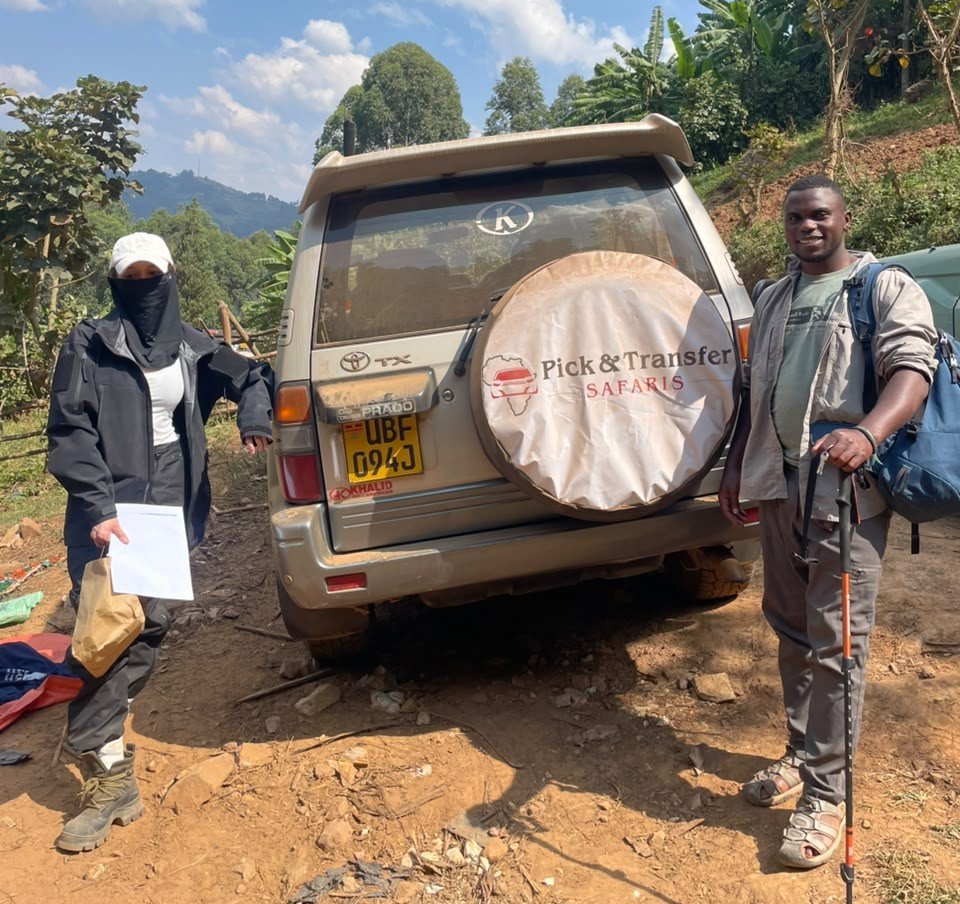
7 Days Uganda Safari – One week tour
This 7-day itinerary is the classic one-week introduction to Uganda, covering the country’s three most iconic wildlife experiences: chimpanzee tracking in Kibale Forest National Park, Big Five game drives and a boat cruise in Queen
Tour Details →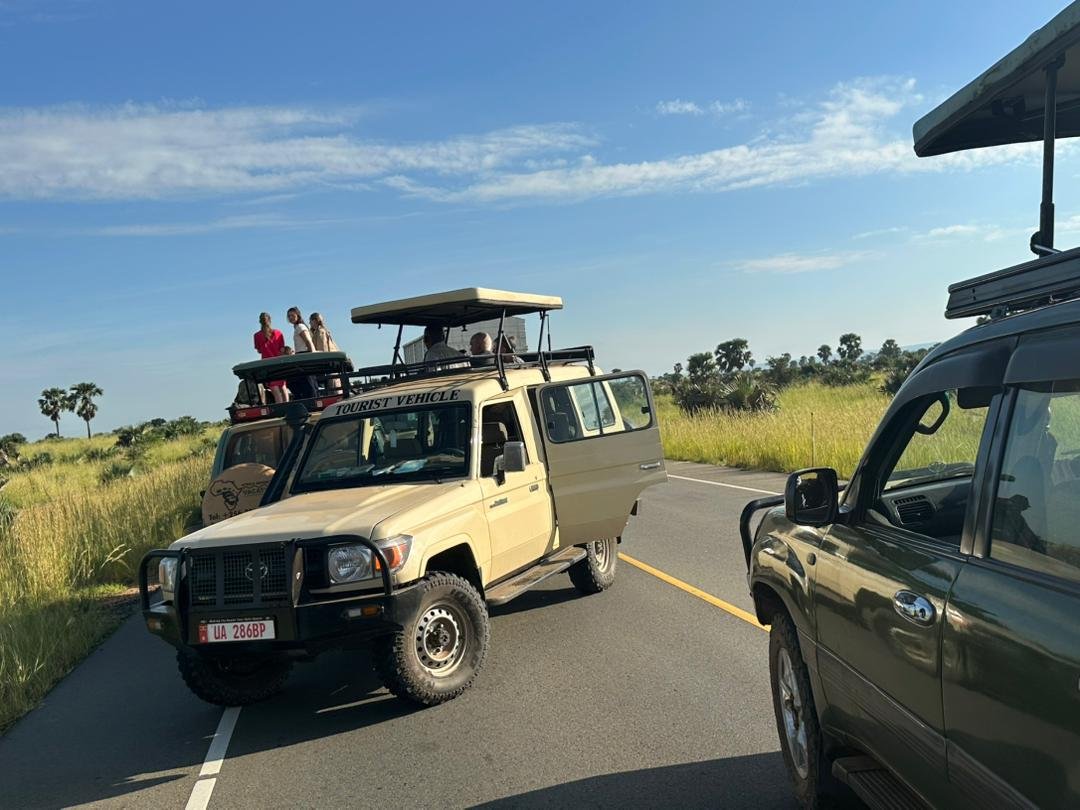
10 Days Uganda Primates and Wildlife
This 10-day Uganda Grand Safari is the most complete Uganda itinerary we offer at Pick and Transfer Safaris. It begins with a scenic northward drive from Entebbe to the vast open plains of Murchison
Tour Details →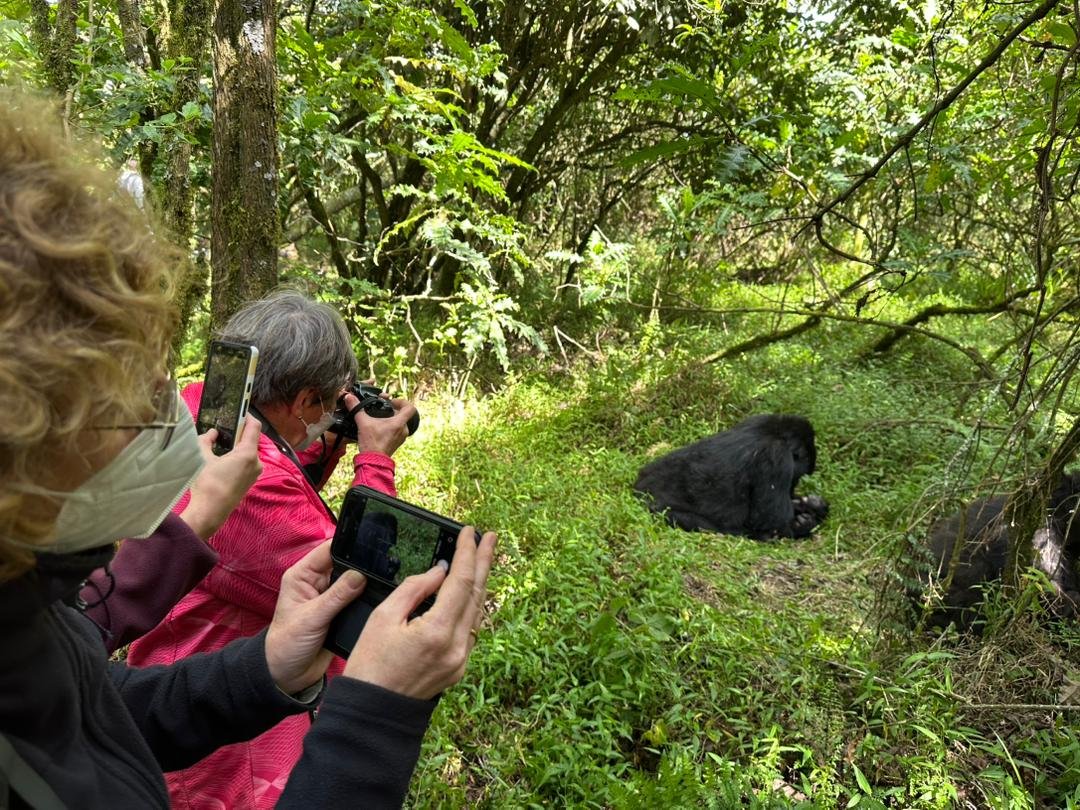
2 Days Uganda Gorilla Tour Starting from Kigali
This is the gentler cousin of our 1-Day Uganda Gorilla Safari Starting from Kigali — same idea, twice the breathing room. Instead of squeezing a 3,000-metre forest trek and two border crossings into a single very long day
Tour Details →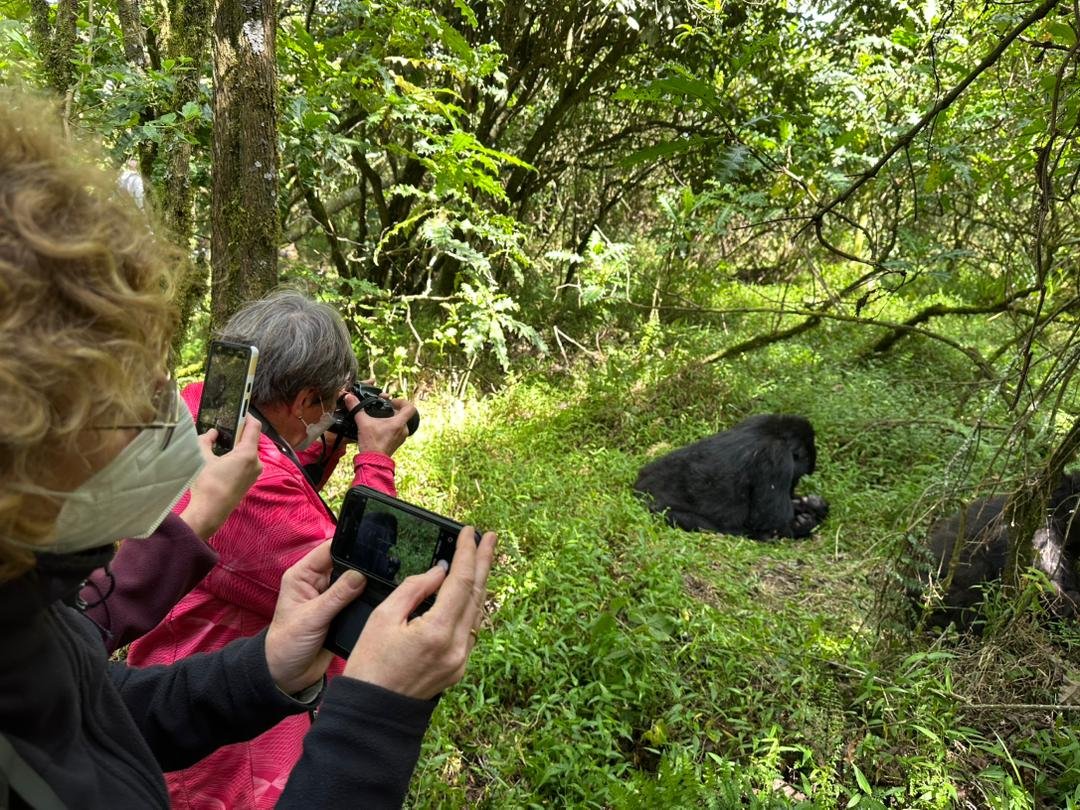
5-Day Uganda Gorilla and Chimpanzee Safari
This itinerary can be combined with a Rwanda extension or a wildlife-focused add-on through Queen Elizabeth National Park — browse our Uganda & Rwanda Safaris and Primate Safaris collections for ideas.
Tour Details →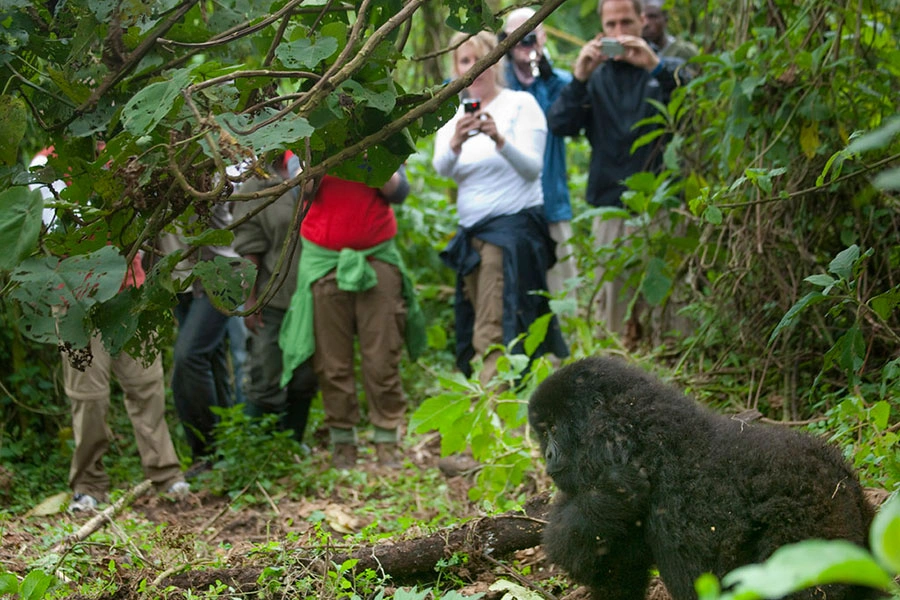
5 Days Rwanda Wildlife and Gorillas
This 5-day itinerary brings together Rwanda’s two flagship wildlife experiences: open savannah game drives and a boat safari in Akagera National Park, followed by a face-to-face encounters
Tour Details →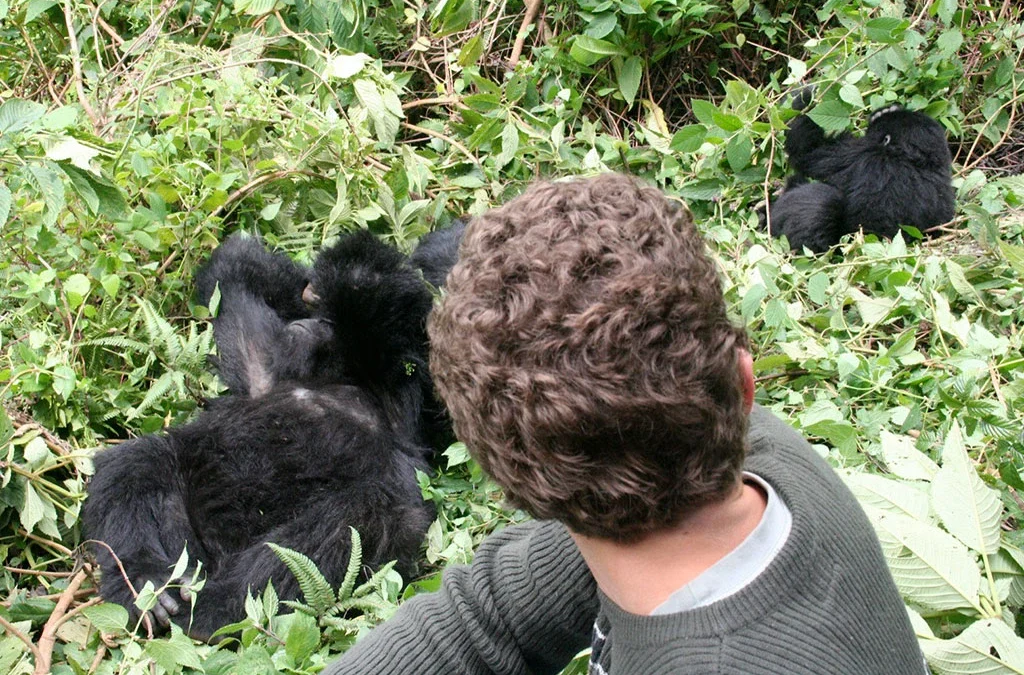
3 Days Uganda Gorilla Safari
For travelers who arrive in Entebbe with a tight schedule and a clear ambition, a 3-day gorilla safari to Bwindi Impenetrable Forest National Park is the most focused and rewarding short trip the country has to offer.
Tour Details →