- LET'S PLAN YOUR SAFARI
- +256 200 921 002
- +256 793 194 703
- info@pickandtransfersafaris.com

The Ultimate 2 Weeks Rwanda Itinerary
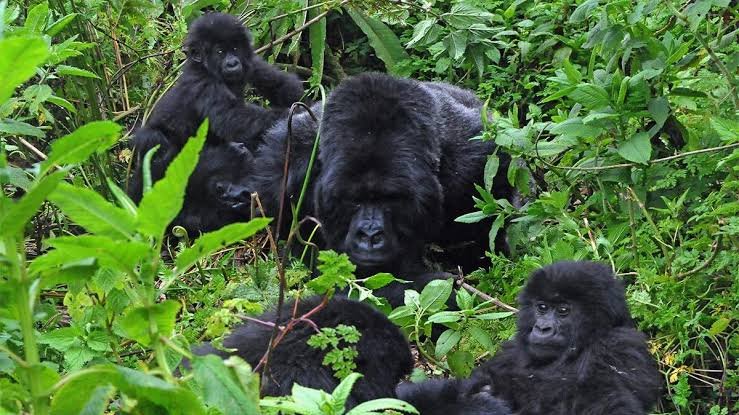
The Ultimate 2 Weeks Rwanda Itinerary. Rwanda is small enough to drive across in a single day, yet it packs in mountain gorillas, chimpanzees, a Big Five savannah park, one of Africa’s oldest rainforests, a sprawling volcanic lake, and a capital city that has become a genuine highlight in its own right. Two weeks is the sweet spot for seeing all of it properly, long enough to trek both gorillas and chimpanzees without rushing between parks, and short enough to keep the trip focused rather than sprawling. This guide lays out a complete, realistic 14-day Rwanda itinerary, day by day, covering exactly where to go, what to do, how long to spend in each place, and what it costs, built from the same routes and pacing we use every week at Pick and Transfer Safaris.
This itinerary is not theoretical. It follows Rwanda’s natural geography, a loop from Kigali up to the volcanoes in the northwest, along Lake Kivu’s western shore, down to Nyungwe Forest in the southwest, and back across to Akagera in the east before returning to Kigali, which keeps driving days reasonable and avoids backtracking. Every leg below includes realistic drive times, so you can trust the pacing rather than discovering on day six that you have three destinations and one day left to see them.
What follows is deliberately detailed rather than a bare list of place names, because the difference between a good Rwanda itinerary and a genuinely great one usually comes down to pacing: knowing which days need a rest day immediately afterward, which drives can be broken up with a worthwhile stop along the way, and which activities are worth adding even though they rarely make it onto a shorter one-week itinerary. Two weeks gives you the room to include all of that without any single day feeling rushed, which is the entire point of choosing this length of trip over a shorter alternative.
Why Two Weeks Is the Right Length for a Rwanda Trip
A shorter trip of five to seven days, the kind covered in our own 7-Day Best of Rwanda itinerary, comfortably covers gorilla trekking plus one additional park, but forces a choice between Akagera’s Big Five and Nyungwe’s chimpanzees, since fitting both into a week means uncomfortably long driving days. Two weeks removes that trade-off entirely. It allows a full, unhurried day in each major destination, a genuine rest day at Lake Kivu partway through, and enough slack in the schedule to absorb a delayed flight or a rained-out trekking morning without derailing everything that follows. For travellers who have made the long journey to East Africa once, two weeks is also simply the more efficient use of that flight time, seeing the country properly rather than returning home already planning a second trip to see what you missed the first time.
How This Itinerary Is Structured
The route below runs Kigali, Volcanoes National Park, Lake Kivu, Nyungwe Forest, Akagera National Park, back to Kigali, a clockwise loop that never doubles back on the same road twice. It assumes private vehicle transport throughout, which is how the overwhelming majority of Rwanda itineraries are run, since public transport does not serve the parks directly. Each day below includes a suggested pace, but every one of our itineraries is adjusted to match a traveller’s fitness level, interests and budget, so treat this as a strong, tested default rather than a fixed script.
Before You Go: Booking Order and Lead Time
Because this itinerary depends on two capped, government-issued permits, gorilla and chimpanzee, arranged around a full circuit of accommodation and transport, the order in which you book matters. Start with your travel dates and gorilla permit, since availability for popular June-to-September and December-to-February dates is the tightest constraint in the entire trip and everything else can flex around it. Once your gorilla trekking date is confirmed, your chimpanzee permit, flights, and the rest of your accommodation can be booked with far more certainty, ideally four to six months ahead of travel for peak season, or six to eight weeks ahead for the quieter shoulder months. Leaving permit booking until closer to your travel dates is the single most common reason travellers end up compromising on this itinerary, either accepting a less convenient trekking date that disrupts the pacing described below, or dropping a destination entirely to make the numbers work.
Day 1: Arrival in Kigali
Most international flights land in Kigali in the evening, so day one is intentionally light. After clearing immigration at Kigali International Airport, you will be transferred to your hotel for the night, with the rest of the evening free to rest and adjust after the flight. Travellers arriving earlier in the day can use the afternoon for a gentle first taste of the city, a walk around your neighbourhood, an early dinner at one of Kigali’s well-regarded restaurants, or simply time by the pool to recover before the busier days ahead. This is also the moment to confirm your gorilla trekking permit, packing list and the rest of your itinerary with your operator, exactly the kind of detail we finalise with clients on our Kigali-based welcome briefing.
Day 2: Kigali City Tour and Transfer to Volcanoes National Park
Day two starts with the single most important stop on any Rwanda itinerary, a guided visit to the Kigali Genocide Memorial in Gisozi, which honours more than 250,000 victims of the 1994 genocide against the Tutsi and provides essential context for understanding modern Rwanda. Budget roughly ninety minutes to two hours here, ideally with a guide, ideally in the morning when the site is quieter. From there, a walking tour through the Nyamirambo neighbourhood offers a completely different, livelier side of the city, local cooking demonstrations, a visit to a tailor for a custom Kitenge shirt, and a genuine slice of daily Kigali life, while Kimironko Market is the place for baskets, fabric and produce if souvenirs are on your list. By early afternoon, it is time for the roughly two-and-a-half to three-hour drive northwest to Musanze, the gateway town for Volcanoes National Park, arriving in time to settle in before an early night ahead of trekking.
Day 3: Gorilla Trekking in Volcanoes National Park
This is the day most travellers build the entire trip around. After an early breakfast, you will report to park headquarters for a briefing before being assigned to one of Volcanoes National Park’s habituated gorilla families and setting off with rangers and trackers into the forest. The climb itself can take anywhere from thirty minutes to six or seven hours depending on where the gorillas happen to be that morning, through steep, often muddy terrain on the lower slopes of the park’s volcanoes, before a strictly limited, unforgettable hour in the presence of a wild gorilla family. We cover exactly what this costs and what to expect in detail in our companion guides on how much gorilla trekking in Rwanda costs and how gorilla trekking compares to chimpanzee trekking. The afternoon is left free to rest, since the trek is genuinely tiring regardless of fitness level, with an optional cultural village visit for travellers who still have energy in reserve.
Day 4: Golden Monkeys, Dian Fossey and Transfer to Lake Kivu
Day four offers a lighter, complementary primate encounter before moving on. Golden monkey trekking follows small, extremely active troops through the park’s bamboo zone at a noticeably gentler pace and lower altitude than the previous day’s gorilla trek, and is a popular add-on for travellers who want a second wildlife encounter without another full-intensity climb. Alternatively, more adventurous travellers can opt for the steeper hike to the grave of primatologist Dian Fossey at the Karisoke Research Centre, a moving stop for anyone who has read “Gorillas in the Mist” or followed the history of Rwanda’s gorilla conservation movement. By early afternoon, it is a short, roughly one-hour drive to Rubavu on the northern shore of Lake Kivu, where colonial-era waterfront architecture, lakeside bars and a noticeably slower pace mark a deliberate change of gear after two intense trekking days.
Day 5: Lake Kivu Relaxation Day
Day five is built entirely around rest, and it earns its place on a two-week itinerary precisely because the preceding days are so physically demanding. Rwanda’s largest lake, and the sixth largest in Africa, Lake Kivu offers a genuinely different kind of day: a boat trip out to watch local fishermen at dawn or dusk, kayaking along the shoreline, a coffee tour through the terraced hillside plantations that surround the lake, or simply time on the beach with a book and a sundowner cocktail. Travellers who want more structure can combine gorilla trekking and Lake Kivu into a single themed leg, similar to the pairing our partner Kenlink Tours offers on their 6-Day Rwanda Adventure covering great apes and Lake Kivu, which is a useful reference point for how these two destinations naturally fit together.
Day 6: The Congo Nile Trail and Onward to the South
For travellers who want one more active day before the long drive south, the Congo Nile Trail, a 227-kilometre route running the length of Lake Kivu’s shoreline in six stages, offers excellent half-day hiking or mountain biking options directly from Rubavu or a stop further south at Karongi, formerly Kibuye, roughly halfway down the lake. Rolling hills, tea and coffee plantations, and lake views the entire way make this one of Rwanda’s most underrated outdoor activities. By afternoon, continue south along the lake road, with Karongi a natural overnight stop that breaks up what would otherwise be a very long single drive from Rubavu directly to Nyungwe Forest.
Day 7: Arrival in Nyungwe Forest and the Canopy Walkway
The remaining drive from Karongi to Nyungwe Forest National Park takes roughly three to four hours, winding through Rwanda’s tea country before climbing into one of Africa’s oldest montane rainforests. Arriving by early afternoon leaves time for Nyungwe’s signature activity beyond primates, its canopy walkway, East Africa’s only suspended forest bridge, strung roughly seventy metres above the forest floor with sweeping views across the treetops. It is a spectacular, comparatively gentle introduction to a forest that will occupy the following day’s more strenuous trekking.
Day 8: Chimpanzee Trekking in Nyungwe
An early departure gives you the best chance of catching Nyungwe’s habituated chimpanzee community while they are still active near their overnight nesting sites, before they range further into the canopy as the day warms up. Chimpanzee trekking here moves at a noticeably different pace than gorilla trekking, faster, louder, and more dynamic, as the community forages, calls to each other across the forest and occasionally moves quickly through the trees overhead. Permits cost a fraction of the gorilla permit price, one of the reasons Nyungwe pairs so naturally with Volcanoes National Park on a longer itinerary rather than being treated as an either-or choice, a comparison we cover fully in our gorilla versus chimpanzee trekking guide. The afternoon is free for a waterfall hike or simply resting before the next travel day.
Day 9: Colobus Monkeys, a Cultural Stop and the Road East
Nyungwe’s Angolan colobus monkey troops, some numbering several hundred individuals, are among the largest primate groups in Africa and offer an excellent, less strenuous morning activity before departing the forest. From Nyungwe, the drive toward Akagera in the east is long enough to justify a cultural stop en route, and Huye, formerly Butare, roughly ninety minutes from Nyungwe, is the natural choice, home to Rwanda’s National Museum and, a short drive further, the King’s Palace Museum at Nyanza, where traditional royal architecture and Rwanda’s famous long-horned Inyambo cattle offer a window into pre-colonial Rwandan culture entirely different from anything else on this itinerary. From Huye, continue on toward Kigali, with an overnight either in the capital or, for travellers keen to minimise driving the next morning, pushing on partway toward Akagera.
Day 10: Arrival in Akagera and First Game Drive
From Kigali, it is a further two-and-a-half hours to the south gate of Akagera National Park, Rwanda’s only Big Five destination and a complete change of scenery after a week of forest trekking. Arriving around midday leaves time for an afternoon game drive through the park’s southern circuit, covering woodland, wetland and the shores of Lake Ihema, where elephant, buffalo and a wide range of plains game are readily visible, followed by a late boat safari on Lake Ihema itself for close-range views of hippos, crocodiles and elephants drinking at the shoreline. We cover exactly where each of the Big Five species is best spotted in our dedicated guide to Akagera’s Big Five.
Day 11: Full Day Big Five Safari in Akagera
Day eleven is built around an early departure north to the Kilala Plains, the open grassland where Akagera’s lions and rhinos are most reliably seen, both species that favour the visibility and prey concentration of open terrain over the woodland further south. A guided night drive in the evening, essential for lion and leopard sightings given their largely nocturnal habits, rounds out the day, giving you a realistic shot at all five species within a single overnight stay in the park’s northern sector, whether based at Karenge Bush Camp or the more remote Magashi Wilderness Camp.
Day 12: Final Akagera Game Drive and Return to Kigali
A final early-morning game drive, when predators are most active in the hour after the park gates open, closes out your Akagera visit before the roughly two-and-a-half-hour drive back to Kigali. Arriving in the early afternoon leaves the rest of the day free, and after twelve days of early starts and long drives, most travellers use it simply to rest at their hotel, though a spa afternoon or a relaxed second look at Kigali’s restaurant scene are both popular choices at this point in the trip.
Day 13: Free Day in Kigali and Farewell
With the core itinerary complete, day thirteen is deliberately left open. Popular options include the Mount Kigali hike for panoramic city views, a visit to Nyandungu Eco-Park for urban birding, a return trip to Kimironko Market or Caplaki craft village for any last souvenirs, or simply a slower-paced day revisiting favourite spots from day two. This is also a sensible buffer day to have built into a fourteen-day trip, absorbing any schedule slippage from earlier in the itinerary without threatening your departure flight. A farewell dinner on your final evening, ideally somewhere with live traditional music or dance, is a fitting close to two weeks that will have covered volcanoes, rainforest, lakeshore and savannah.
Day 14: Departure
Depending on your flight time, day fourteen may allow for one final light activity, a coffee shop visit, a last walk through your neighbourhood, or simply a relaxed late breakfast, before your transfer to Kigali International Airport for departure. This is also a natural point to start planning a return trip, since two weeks, however thorough, still leaves plenty of Rwanda, and the wider region, unexplored.
Where to Stay: A Night-by-Night Accommodation Guide
Choosing where to sleep each night matters as much for pacing as for comfort on a route this long. In Kigali, base yourself centrally on nights one and two so the Genocide Memorial, Nyamirambo and your transfer north are all easily reached; most travellers return to the same or a similar Kigali property on nights twelve and thirteen as well, bookending the trip. Around Volcanoes National Park, Musanze town offers the widest range of budget and mid-range options, while travellers wanting a more immersive volcano-slope stay can look to the handful of premium lodges positioned directly on the park boundary for nights three and four. Lake Kivu’s Rubavu waterfront is the natural choice for night four’s arrival and night five’s rest day, with a range of lakeside hotels and guesthouses to suit most budgets. Karongi, roughly halfway down the lake, makes a sensible overnight stop on night six if you are driving the full lake road rather than flying or taking a direct route south. Around Nyungwe Forest, a small cluster of lodges sits close to the park entrance for nights seven and eight, and in Akagera, the choice between southern lodges near Lake Ihema and northern camps on the Kilala Plains, covered in detail in our Akagera Big Five guide, should be based on how much you prioritise lion and rhino sightings over ease of access.
Health, Safety and Travel Insurance for a Two-Week Trip
Rwanda is one of the safer countries in the region to travel through, with low crime rates in Kigali and well-regulated national parks, but a fourteen-day itinerary covering four distinct regions still calls for sensible preparation. Malaria prophylaxis is generally recommended for the lower-altitude stretches of this route, particularly around Akagera and Lake Kivu, and should be discussed with a travel health provider well before departure, alongside routine vaccinations and, for many nationalities, proof of yellow fever vaccination on arrival. Comprehensive travel insurance covering trip interruption, medical evacuation and, ideally, gorilla and chimpanzee permit cancellation is strongly recommended given the non-refundable cost of both permits and the physically demanding, sometimes remote nature of the trekking days. Altitude is a genuine consideration around Volcanoes National Park, where trekking happens between roughly 2,400 and 3,000 metres, so travellers with cardiovascular or respiratory conditions should discuss the climb with a doctor beforehand and build in an extra rest day nearby if needed.
What This Itinerary Costs
Cost varies considerably with accommodation tier, but as a rough planning figure, a fourteen-day itinerary following this route, including the $1,500 gorilla permit, a chimpanzee permit, Akagera park fees, private vehicle and driver-guide throughout, and mid-range accommodation, typically runs from $5,000 to $8,000 per person, rising well beyond that at premium lodges in Volcanoes National Park and Nyungwe, or falling toward $3,500 to $4,500 per person for travellers prioritising budget guesthouses and shared transport where available. The single largest cost, by a wide margin, remains the gorilla permit itself; we break down every other line item, from porter tips to lodge pricing by tier, in our detailed gorilla trekking cost guide, which applies directly to budgeting this longer itinerary as well.
How to Customize This Itinerary
This fourteen-day route is a strong, tested default, but it is not the only way to structure two weeks in Rwanda. Travellers less interested in Lake Kivu’s slower pace can compress days five and six into a single overnight, freeing up an extra day for a second gorilla trek or the gorilla habituation experience. Families travelling with children under fifteen, who cannot join gorilla or chimpanzee treks under Rwanda’s minimum age rule, often swap trekking days for additional Akagera game drives or Kigali cultural activities instead. Travellers with a strong interest in birding or photography sometimes extend the Nyungwe leg by a day, while those short on time can drop Lake Kivu entirely and use the saved days to add Gishwati-Mukura National Park, Rwanda’s newest and quietest park, as a low-traffic alternative for chimpanzee trekking. Every one of our packages, from the focused 5-Day Rwanda Gorilla and Chimpanzee Safari to the fuller 10-Day Rwanda Wildlife and Gorilla Tour, can be extended or adjusted into the full fourteen-day version described here.
Best Time of Year for This Itinerary
Rwanda’s two dry seasons, June through September and December through February, offer the most reliable trekking conditions and the easiest driving on Akagera’s northern roads, but they are also peak season for gorilla permits, so book at least three to six months ahead if your trip falls in these windows. The shoulder and low season months, particularly April, May, October and November, bring a real chance of rain and muddier trekking conditions, but also lower lodge rates, easier permit availability, and, from November to May specifically, a 30 percent discount on the gorilla permit for travellers who spend two or more nights at Akagera or Nyungwe, both of which this itinerary already includes by design.
What Makes This Itinerary Different From a Typical Gorilla-Only Trip
Most first-time Rwanda travellers, understandably, plan their trip around gorilla trekking alone, treating everything else as an afterthought if time and budget allow. This fourteen-day route deliberately inverts that thinking: gorilla trekking remains the centrepiece, but it is one strong day among many rather than the sole reason for the journey. The result is a trip that reflects why Rwanda has become such a compelling destination in its own right, not simply a gorilla-trekking add-on to a longer regional safari, but a genuinely complete country experience spanning volcanic highland scenery, one of the continent’s most biodiverse rainforests, a relaxed lakeside interlude, and a Big Five savannah park most visitors do not even know exists before they start researching the trip. Travellers who have done a shorter, gorilla-only visit to Rwanda in the past consistently describe this longer version as the trip they wish they had taken the first time.
A Note on Flexibility: Building in Buffer Days
Even a well-planned fourteen-day itinerary benefits from at least one true buffer day, and day thirteen’s free day in Kigali is deliberately positioned to serve that purpose. Rwanda’s roads are generally excellent by regional standards, but a delayed flight, an unexpectedly long trek to reach a gorilla or chimpanzee family, or simply a day where an activity runs longer than planned can otherwise cascade through a tightly packed schedule. Building the one flexible day near the end of the trip, rather than in the middle, means any disruption earlier in the itinerary has somewhere to be absorbed without threatening the departure flight on day fourteen. Travellers who prefer additional insurance against schedule slippage sometimes extend the trip to fifteen or sixteen days specifically to add a second buffer day around the Nyungwe-to-Akagera leg, the single longest and most logistically complex stretch of driving in the entire route.
Packing List for Two Weeks in Rwanda
Because this itinerary moves between volcanic highland, rainforest and savannah, your packing list needs to cover a wider range of conditions than a single-park trip. Sturdy, broken-in hiking boots and waterproof rain gear are essential for both trekking days, along with long sleeves, gardening gloves and gaiters for the stinging nettles and undergrowth around Volcanoes National Park. Neutral-coloured, lightweight clothing suits the warmer Akagera game drives, while a light jacket covers cooler early mornings and night drives throughout. A swimsuit for Lake Kivu, a good camera with reasonable zoom for both primate and savannah photography, binoculars, sunscreen, insect repellent and a basic first aid kit round out the essentials, along with a printed or digital copy of your gorilla and chimpanzee permits, which you will need to present at each park gate.
Booking Tips: Permits, Flights and Logistics
Gorilla permits should be secured first, since they are the fixed point every other booking decision revolves around, followed by international flights and then accommodation, ideally all coordinated through a single operator to avoid date mismatches between your permit, your lodge and your transport. A private vehicle and driver-guide for the full fourteen days, standard across our Rwanda and Uganda safari packages, remains the simplest way to manage this itinerary’s several long drives without the added complexity of self-driving on unfamiliar roads; travellers who prefer to self-drive part of the route can compare independent options through Kenlink Tours’ car hire service. Travelling in a small group of three or four also meaningfully reduces the per-person cost of private transport across a route this long, an option worth discussing with your operator, or reviewing through Kenlink Tours’ own group tour departures, if you are travelling solo or as a couple and open to joining others.
Why This Route Order Works Better Than the Alternatives
It is worth explaining why this itinerary runs clockwise from Kigali through the volcanoes first, rather than starting with Akagera or reversing the loop, since the order genuinely affects how the trip feels. Doing gorilla trekking early, on day three, means you tackle the single most physically demanding day of the trip while you are still fresh, rather than fatigued from a week and a half of travel, and it front-loads the itinerary’s single hardest permit to book, so any scheduling flexibility you need can be resolved before the rest of the trip is locked in around it. Placing Lake Kivu immediately afterward turns what would otherwise be a forgettable transit day into genuine, well-earned recovery time. Finishing at Akagera rather than starting there also means the trip builds toward its most visually dramatic contrast, closing two weeks of forest and volcano scenery with open savannah, rather than opening with it and then spending the rest of the trip in denser terrain. Some operators run this loop in reverse, starting with Akagera, which works perfectly well logistically but tends to front-load the least physically demanding days and leave gorilla trekking for when travellers are more fatigued from driving; both orders are valid, and we are happy to flip the route on request.
Extending Into Uganda or Kenya
Travellers with more than two weeks available sometimes extend this itinerary across the border into Uganda, adding a second country’s gorilla or chimpanzee trekking, Queen Elizabeth National Park’s tree-climbing lions, or Murchison Falls, all reachable from Kigali with an additional two to three travel days. Our long-time partner Kenlink Tours runs strong Uganda-side options for exactly this kind of extension, including their 3-Day Rwanda Gorilla Safari as a shorter standalone alternative, their 3-Day Chimpanzee Tracking Safari in Uganda, and their combined 5-Day Volcanoes, Gorillas and Akagera Park Wildlife Safari, all worth reviewing through their Rwanda safaris and Uganda safaris collections if a three-week, two-country trip is on the table.
Working with a Local Operator to Build This Itinerary
A route this long, spanning four regions, two great-ape treks and a Big Five safari, is genuinely difficult to assemble reliably as an independent traveller, mainly because permit dates, lodge availability and transport all need to line up correctly across fourteen consecutive days with very little room for error. Most travellers, even highly experienced independent ones, choose to have a local operator coordinate the full route rather than booking each leg separately. If you are still comparing operators or want a second quote to benchmark against, our partner Kenlink Tours can be reached through their contact page, and their track record is outlined on their about us page, both useful references alongside our own itinerary above when deciding who to book this trip through.
Frequently Asked Questions About a Two-Week Rwanda Itinerary
Is two weeks too long for Rwanda? Not for the itinerary described here. Rwanda is compact, but the combination of gorilla trekking, chimpanzee trekking, a Big Five safari and genuine rest time at Lake Kivu fills fourteen days comfortably without padding, and most travellers finish the trip wishing they had built in a few more days rather than feeling it dragged.
Can this itinerary be shortened to ten days? Yes, most commonly by dropping the Lake Kivu leg and compressing the Nyungwe stop to a single overnight, which brings the route down to roughly ten days while keeping gorilla trekking, chimpanzee trekking and Akagera intact, similar in structure to our 10-Day Rwanda Wildlife and Gorilla Tour.
How much driving does this itinerary involve? Roughly six to seven driving days out of fourteen, with the longest single legs running three to four hours. No single day exceeds about five hours behind the wheel, and several days involve no driving at all, which is a deliberate feature of this route rather than an accident.
Do I need to book everything before I arrive? Gorilla and chimpanzee permits, yes, without exception, since both are capped daily and routinely sell out for popular dates. Accommodation and in-country transport should also be arranged in advance for a trip this long, both to secure your preferred lodges and to avoid logistics gaps between destinations.
Is this itinerary suitable for a honeymoon or special occasion? Very much so. The built-in Lake Kivu rest day, the mix of adventure and relaxation, and the option to upgrade accommodation to Rwanda’s premium lodges at Volcanoes National Park and Akagera make this route a genuinely popular honeymoon and anniversary itinerary, adjustable to a more indulgent pace with a single conversation with your operator.
What if I only want to trek gorillas once and skip Nyungwe? That is a straightforward adjustment. Dropping the Nyungwe leg shortens the trip to roughly ten to eleven days and redirects the saved time toward a longer Lake Kivu stay or an additional night at Akagera, without affecting the rest of the route’s pacing or logic, and it remains one of the most common small adjustments we make to this itinerary when travellers ask for it.
Plan Your Ultimate Two-Week Rwanda Adventure
Every leg of this itinerary, gorilla and chimpanzee trekking, Lake Kivu, Nyungwe’s canopy walkway, and Akagera’s Big Five, is something we build into custom Rwanda itineraries every week at Pick and Transfer Safaris. Explore our gorilla safari packages, our full wildlife safari collection, or browse every destination covered in this route. Learn more about us, or get in touch through our contact page for a personalised fourteen-day quote built around your travel dates, budget and pace.
Whether you follow this route exactly as laid out, compress it into a ten-day version, or use it as a starting point for an even longer trip across Rwanda and Uganda, the underlying principle stays the same: give each destination enough time to be experienced properly rather than simply visited, and build in enough slack that the trip absorbs the inevitable small surprises of independent travel without ever feeling like a schedule you are chasing rather than a holiday you are enjoying. Two weeks, spent well, is more than enough time to come away from Rwanda with a genuine, well-rounded picture of the country, not just a single unforgettable hour with a gorilla family, however extraordinary that hour will be.
7 Days Uganda Safari – One week tour
This 7-day itinerary is the classic one-week introduction to Uganda, covering the country’s three most iconic wildlife experiences: chimpanzee tracking in Kibale Forest National Park, Big Five game drives and a boat cruise in Queen
Tour Details →
10 Days Uganda Primates and Wildlife
This 10-day Uganda Grand Safari is the most complete Uganda itinerary we offer at Pick and Transfer Safaris. It begins with a scenic northward drive from Entebbe to the vast open plains of Murchison
Tour Details →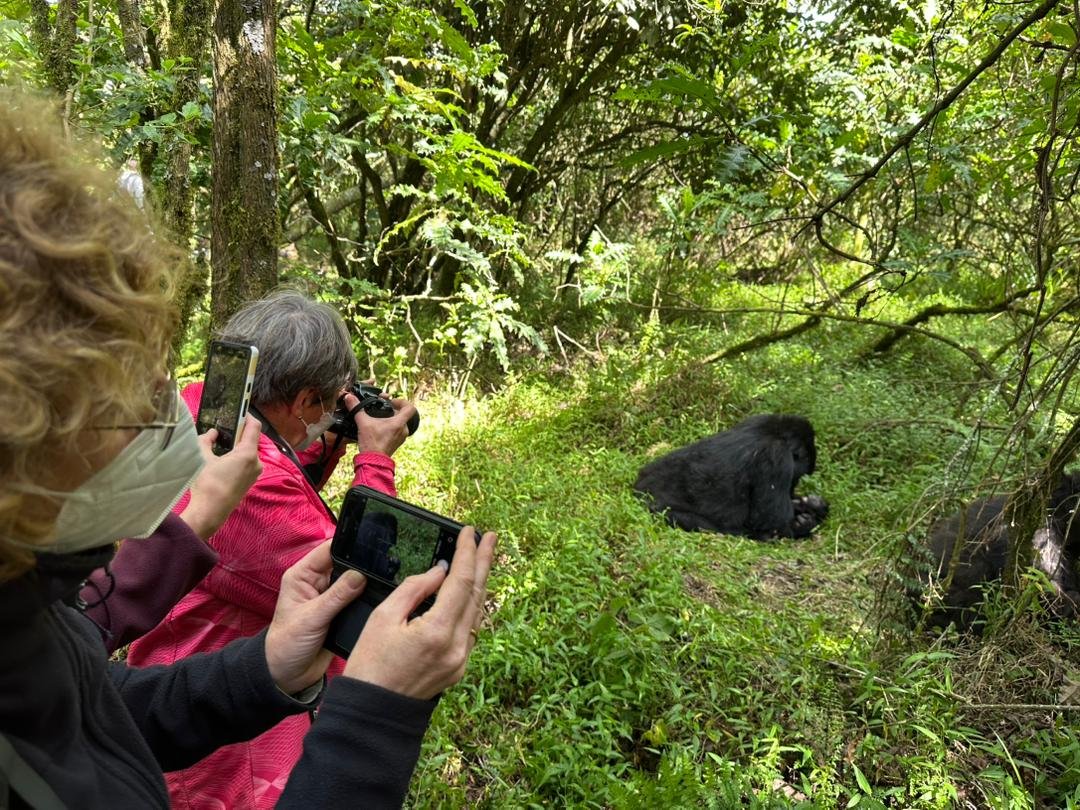
2 Days Uganda Gorilla Tour Starting from Kigali
This is the gentler cousin of our 1-Day Uganda Gorilla Safari Starting from Kigali — same idea, twice the breathing room. Instead of squeezing a 3,000-metre forest trek and two border crossings into a single very long day
Tour Details →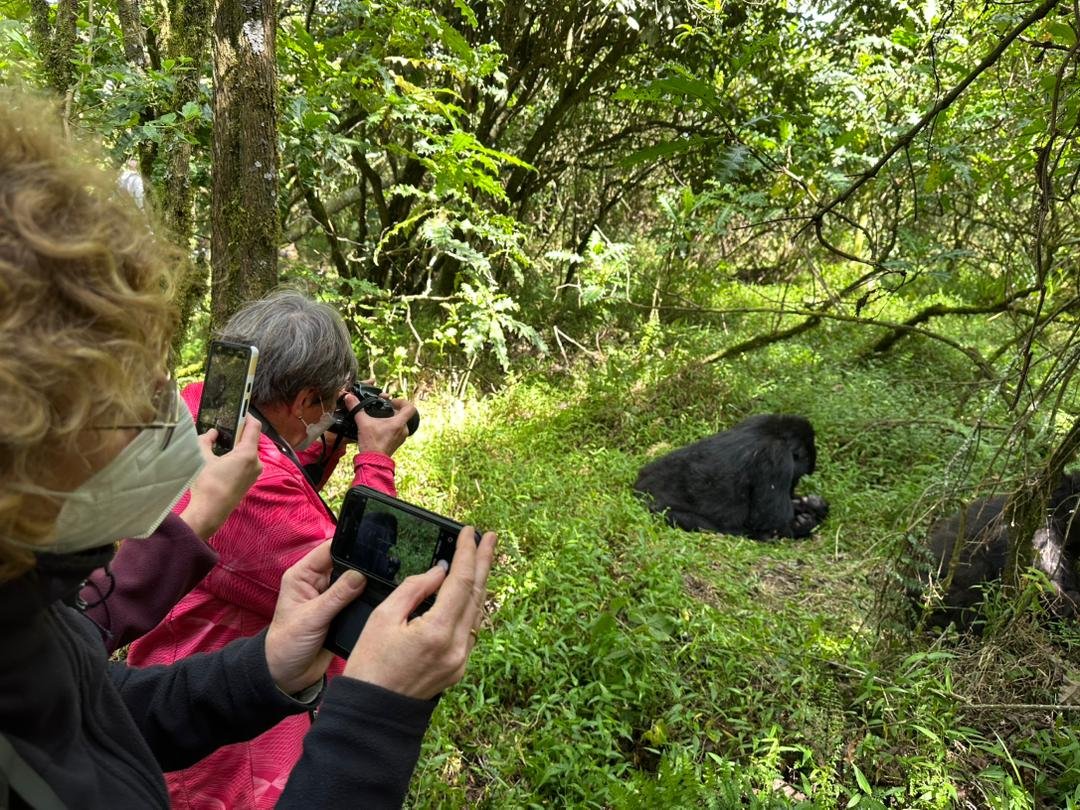
5-Day Uganda Gorilla and Chimpanzee Safari
This itinerary can be combined with a Rwanda extension or a wildlife-focused add-on through Queen Elizabeth National Park — browse our Uganda & Rwanda Safaris and Primate Safaris collections for ideas.
Tour Details →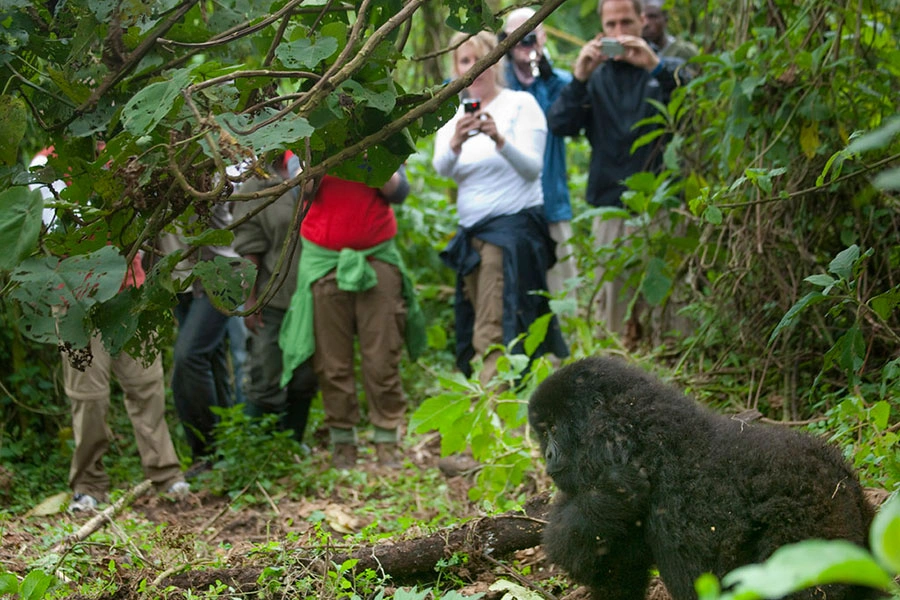
5 Days Rwanda Wildlife and Gorillas
This 5-day itinerary brings together Rwanda’s two flagship wildlife experiences: open savannah game drives and a boat safari in Akagera National Park, followed by a face-to-face encounters
Tour Details →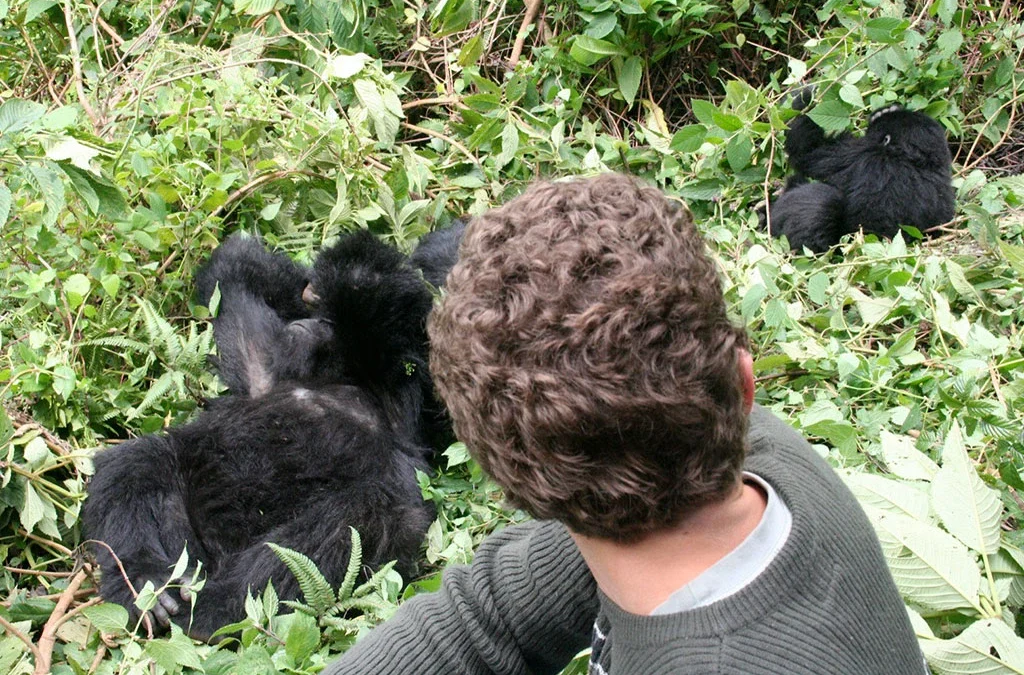
3 Days Uganda Gorilla Safari
For travelers who arrive in Entebbe with a tight schedule and a clear ambition, a 3-day gorilla safari to Bwindi Impenetrable Forest National Park is the most focused and rewarding short trip the country has to offer.
Tour Details →