- LET'S PLAN YOUR SAFARI
- +256 200 921 002
- +256 793 194 703
- info@pickandtransfersafaris.com

Things to do in Kisoro After Gorilla Trekking
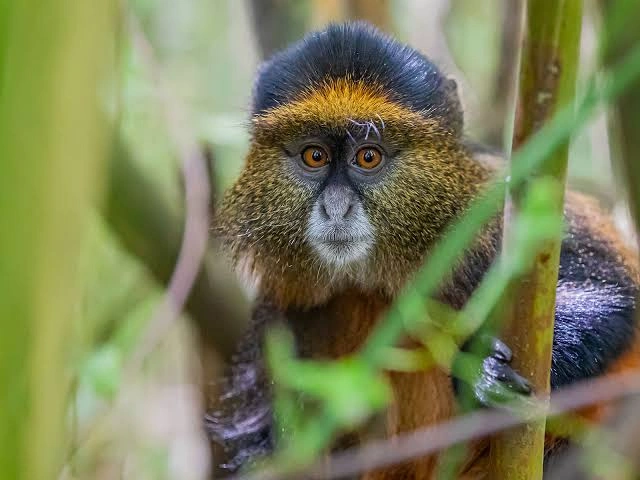
Things to do in Kisoro After Gorilla Trekking. Most travelers arrive in Kisoro thinking of it purely as a stopover — the small border town you pass through on the way to a gorilla trekking permit and little else. That assumption sells the place short. Tucked into Uganda’s far southwestern corner, framed by the Virunga volcanoes and sitting minutes from Lake Mutanda, Kisoro has enough genuinely worthwhile activities to fill several extra days, and most visitors only discover this after their gorilla trek is already behind them and they realize they budgeted no time to explore.
This guide covers everything worth doing in and around Kisoro once your trek is complete, from volcano hikes and golden monkey tracking to a quiet canoe ride across Lake Mutanda. At Pick and Transfer Safaris, we regularly build extra Kisoro time into our gorilla itineraries specifically because so many travelers wish, after the fact, that they had planned for more than a single overnight.
We have organized this guide the way we would actually plan it with a client — by activity type and physical intensity, so you can match what follows to how tired your legs actually are the morning after a trek, rather than a simple checklist with no sense of pacing.
A Brief History and Geography of Kisoro
Kisoro sits in Uganda’s far southwestern corner, in the Kigezi sub-region, at an elevation that gives it a noticeably cooler, greener climate than much of the rest of the country. The town itself grew up around its role as a gateway between Uganda, Rwanda, and the Democratic Republic of Congo, and that three-way border position still shapes daily life here — it is common to hear Kinyarwanda, Rukiga, and English spoken interchangeably around town, and the local Bufumbira and Bakiga communities have deep agricultural and cultural ties across all three borders.
Kenlink Tours’ About Uganda page is a useful independent reference for broader country context if this is your first visit to this part of the region, and it helps explain why Kisoro feels distinct from other parts of Uganda you may have already visited on the same trip.
Why Kisoro Is Worth More Than Just a Stopover
Kisoro’s location is what makes it unusually rich for a town of its size. It sits within easy reach of Mgahinga Gorilla National Park, Lake Mutanda, and the Cyanika border into Rwanda, all within a thirty-to-sixty-minute drive of town, while also functioning as the gateway to Bwindi Impenetrable National Park’s southern Rushaga and Nkuringo sectors. Few towns in the region pack this much genuine variety into such a small radius — volcanic peaks, a lake worth a full afternoon on its own, forest walks, and a living Batwa cultural history all within a short drive of your lodge.
Most gorilla trekking itineraries allocate Kisoro exactly one night, purely as a base for the trek itself. Extending that by even a day transforms the town from a logistics stop into a genuine destination, and it is one of the easiest, lowest-cost additions you can make to a Uganda gorilla safari.
Lake Mutanda: Uganda’s Most Underrated Lake
Just a few kilometers outside Kisoro town, Lake Mutanda is consistently described by those who visit as one of the most beautiful lakes in Uganda, and yet it remains far less visited than Lake Bunyonyi further north. Framed by the silhouettes of the Virunga volcanoes across the water, Mutanda offers exactly the kind of unhurried, scenic downtime most travelers need after a physically demanding gorilla trek.
A sunset boat cruise here is one of the simplest, most rewarding ways to spend a post-trek afternoon, and the lake is equally good for a quiet morning of birdwatching along its shoreline. Our Ikoro Hotel in Kisoro guide covers a well-located base for exploring this area, positioned close enough to Mutanda to make an easy half-day excursion here without disrupting the rest of your itinerary.
Dugout Canoe Rides and Python Island
The traditional way to experience Lake Mutanda is by dugout canoe, paddled by a local guide across calm water toward Python Island, one of several small islands dotting the lake. These canoe excursions are gentle, low-effort, and a welcome contrast to the exertion of gorilla trekking the day before, making them a genuinely restful activity rather than another physically demanding outing layered onto an already tiring itinerary.
Birdwatching opportunities along the way are excellent, and the slow pace of a dugout canoe means you notice details — fishing villages along the shore, local farming activity, the volcanoes reflected in still water — that a faster motorized boat would simply pass by.
Mgahinga Gorilla National Park: More Than Just Gorillas
Many travelers assume Mgahinga Gorilla National Park is purely an alternative gorilla trekking destination to Bwindi, but it offers a genuinely different range of activities worth exploring even if your gorilla permit was booked elsewhere. The park’s viewing point, roughly a one-kilometer, thirty-minute walk from park headquarters, delivers sweeping views across all three Virunga volcanoes, Lake Mutanda, Bwindi’s forest canopy, and the wider Western Rift Valley — arguably one of the best panoramic viewpoints in southwestern Uganda, and one most gorilla-only itineraries never build in time to visit.
Mgahinga is also home to the Nyakagezi family, the park’s single habituated gorilla group, so travelers with more flexible plans sometimes choose to trek here specifically for a quieter, less crowded alternative to Bwindi’s busier sectors. Explore our Mgahinga Gorilla National Park destination guide for more detail on the park as a whole.
Golden Monkey Trekking in Mgahinga
Beyond mountain gorillas, Mgahinga is one of only two places in Uganda where endangered golden monkeys can be tracked in the wild, alongside Rwanda’s Volcanoes National Park across the border. These striking primates, weighing between roughly ten and twenty-five kilograms with distinctive golden coloring and black limbs, move through the park’s bamboo forest in large, energetic troops, making for a livelier, faster-paced encounter than the more deliberate pace of a gorilla trek.
Golden monkey trekking generally takes less time and involves less strenuous hiking than gorilla trekking, making it an excellent lower-intensity activity to schedule the day after your main trek, when your legs may appreciate something gentler than another full mountain hike.
Volcano Hiking: Muhabura, Gahinga, and Sabyinyo
For travelers with the time and fitness for it, the three Virunga volcanoes rising above Mgahinga offer some of the most rewarding hiking in the region. Mount Gahinga, at roughly 3,474 meters, is the most approachable of the three, a six-hour round trip through bamboo forest with genuine chances of spotting golden monkeys and bushbucks along the way. Mount Sabyinyo, at 3,669 meters, is more demanding — a seven-hour hike across three distinct peaks, with the summit uniquely positioning hikers at the exact point where Uganda, Rwanda, and the Democratic Republic of Congo meet.
Mount Muhabura, the tallest of the three at 4,127 meters, is the most serious undertaking, typically a seven-to-nine-hour ascent rewarded with sweeping views across multiple national parks and mountain ranges on a clear day. None of these hikes are casual outings, and they are best attempted a day or two after gorilla trekking once your legs have had some recovery time, rather than immediately following an already demanding trek.
Choosing the Right Volcano for Your Fitness Level
With three distinct peaks on offer, it is worth matching your choice to your actual fitness and available time rather than defaulting to whichever sounds most impressive. Gahinga is the sensible starting point for most reasonably fit hikers, manageable in a single day without requiring technical climbing experience, and rewarding enough with its bamboo forest and wildlife sightings to feel like a complete experience on its own. Sabyinyo is a genuine step up, both in duration and in the scrambling required near its three peaks, and is best suited to hikers who are already comfortable with a full day of sustained, sometimes steep exertion.
Muhabura, as the tallest of the three, should really only be attempted by hikers in strong physical condition with a full, unhurried day available, ideally with at least one rest day already behind them since their gorilla trek. Guides at Mgahinga’s headquarters are generally very good at giving an honest, realistic assessment of which hike suits a given group’s fitness level, so it is worth discussing this openly with them rather than committing to the most ambitious option out of pride alone.
The Border Trail Hike: Three Countries in One Day
A quieter, less physically extreme alternative to summiting a full volcano is Mgahinga’s Border Trail, a roughly seven-hour, nine-kilometer hike that follows the boundary line where Uganda, Rwanda, and the Democratic Republic of Congo converge. The trail offers golden monkey viewing opportunities along the way and a genuinely unusual sense of place — walking a physical border between three countries through dense montane forest.
There is also a shorter gorge walk option on Mount Sabyinyo’s lower slopes, roughly four hours and six kilometers, passing through lush vegetation with a waterfall and strong birding opportunities, for travelers wanting a taste of this terrain without committing to a full-day hike.
Garama Cave: Batwa History Underground
One of Kisoro’s most distinctive attractions, Garama Cave is a 342-meter cavern within Mgahinga Gorilla National Park with genuine historical weight. Over a century ago, the Batwa people used this cave as a refuge during conflicts with neighboring Bantu communities, and today it is home to bat colonies rather than people, though guides share detailed accounts of its history and the life of the Batwa who once sheltered here.
Reaching the cave involves a guided trek of around four kilometers, typically taking about three hours round trip, and a torch is required for the underground section itself. It is a genuinely memorable half-day activity, blending light hiking, natural history, and cultural context in a way few other stops in the region manage.
Inside, the cavern’s cool, quiet interior and resident bat colonies add a genuinely different sensory experience from anything else on this list — a welcome contrast to the open volcano hikes and lakeside activities that dominate most of a Kisoro itinerary. Guides typically pace the visit so it never feels rushed, giving plenty of time to ask questions about Batwa history along the way rather than simply walking through in silence.
The Batwa Trail: Cultural Immersion in the Forest
The Batwa Trail offers one of the most meaningful cultural experiences available anywhere around Bwindi or Mgahinga. Indigenous Batwa guides, whose ancestors were historically evicted from the forest when it was gazetted as a protected national park, lead visitors through demonstrations of traditional fire-making, archery, hunting techniques, honey collection, and traditional medicine, alongside visits to sites they consider sacred.
This is not a staged tourist performance but a direct, guide-led account of a genuinely displaced community’s relationship with the forest that is now protected, in large part, for gorilla and golden monkey conservation. Many travelers describe it as one of the most affecting parts of their entire Uganda trip, and it pairs naturally with either a Garama Cave visit or a standalone half-day around Mgahinga.
Revenue from the Batwa Trail supports Batwa community projects directly, making this one of the more tangible ways a Kisoro extension can contribute back to the region rather than simply consuming its scenery. Many travelers find the conversations that arise naturally during the walk — about displacement, adaptation, and what conservation has meant for a community that once called this forest home — stay with them well after the trip itself is over.
Kisoro’s Local Markets
Kisoro town itself is worth a slow wander, particularly on market days, which fall on Mondays and Thursdays, when the town’s central marketplace comes alive with fresh produce, handcrafted goods, woven baskets, traditional fabrics, and locally made jewelry. It is an unpretentious, genuinely local market rather than one curated for tourists, and a good place to pick up a handmade souvenir while supporting local artisans directly rather than a mass-produced curio shop.
Even outside official market days, Kisoro’s town center offers a relaxed, walkable introduction to daily life in this part of Uganda — small shops, roadside food stalls, and a noticeably unhurried pace compared with the busier tourist infrastructure around some of Uganda’s better-known park gateways.
Village Walks Around Bufumbira
Guided village walks through the surrounding Bufumbira and Bakiga farmland offer a quieter, more intimate look at daily agricultural life than a market visit alone. These walks typically wind through terraced hillsides and small settlements, with guides explaining local farming practices, and often include the option of sharing a meal with a local family — a genuinely rewarding way to round out a Kisoro extension for travelers interested in more than wildlife alone.
These walks are gentle enough to schedule immediately after a physically demanding trek, requiring little more than a comfortable pace of walking rather than any real hiking exertion.
Kisoro Reptile Village
For a lighter, family-friendly activity, the Kisoro Reptile Village is a small community conservation project housing snakes, lizards, tortoises, and chameleons native to the region. Beyond simply being an enjoyable stop for children or reptile enthusiasts, the project has a genuine conservation purpose, educating visitors and local communities alike about the region’s reptile species and helping reduce human-wildlife conflict involving snakes in particular.
It makes an easy, low-effort addition to a half-day itinerary already built around the market or a village walk, requiring only a short stop rather than a dedicated half-day commitment.
Birdwatching Around Kisoro and Mgahinga
Southwestern Uganda’s mix of montane forest, bamboo, and lakeside habitat makes the area around Kisoro genuinely excellent for birding, and Mgahinga in particular runs dedicated evening birding sessions, typically between 4:30 and 6pm, when species including ibis, whydah, fire finch, and stonechat are regularly spotted. Lake Mutanda’s shoreline offers a complementary lakeside birding environment, best combined with a canoe excursion or a relaxed morning walk along the water.
Even travelers without a dedicated interest in birding often find themselves drawn in by the sheer variety on display here, particularly compared with the more open savannah birding found elsewhere in Uganda’s national parks.
A pair of binoculars is worth packing specifically for this part of the trip if birding interests you at all, since the dense bamboo and montane forest around Mgahinga rewards patient, close-range observation far more than the wide, open sightlines of a savannah game drive. Even a casual, unplanned half hour along Lake Mutanda’s shoreline in the early morning light often turns up more bird activity than travelers expect from what looks, at first glance, like a simple lakeside stop.
Local Cuisine and Where to Eat
Kisoro’s food scene reflects its position as a genuine local town rather than a purpose-built tourist stop, and that is very much part of its charm. Traditional dishes worth trying include matoke served with groundnut sauce, rolled chapati as a popular street food, and freshly caught, grilled tilapia, often sourced from nearby lakes. For a proper coffee and cake, the Kisoro Coffee Pot Café is a popular stop, while Kenlink Tours’ guide on where to eat near Mgahinga Gorilla National Park and Kisoro covers a fuller range of options, from Mount Gahinga Lodge’s fine dining restaurant to more casual spots like Supa’s Bistro along the Kabale-Kisoro road.
For travelers staying further from town, several lodges near Lake Mutanda, including Mutanda Lake Resort, offer their own restaurants, meaning a full day exploring the lake need not require a return trip into town just for a meal.
Recovering From Your Trek: Rest and Spa Options
Not every post-trek day needs to be filled with another activity, and Kisoro has genuinely good options for travelers who simply want to rest. Several lodges around town and near the lake offer massage and spa services well suited to easing the muscle fatigue that follows several hours of forest trekking, and a slow morning on a lodge veranda looking out toward the volcanoes is, for many travelers, exactly the right way to spend the day immediately after a trek.
Kenlink Tours’ Kisoro Homely Suites page profiles one comfortable, centrally located option for travelers wanting an easy, low-effort base for a rest day, while their Mountain Gorilla View Lodge offers a quieter, more scenic alternative closer to the park boundary for those who would rather rest with volcano views than in the middle of town.
Where to Stay in Kisoro
Accommodation in and around Kisoro ranges from simple budget guesthouses to genuinely upscale lodges built specifically around the volcano and lake views. Our own Ikoro Hotel in Kisoro sits directly opposite Kisoro Airstrip and close to the Cyanika border, making it a practical, well-located base for exploring the area or continuing on toward Rwanda. Kenlink Tours’ roundup of the best hotels in Kisoro covers a broader range, from the historic, colonial-era Traveler’s Rest Hotel in town to Mount Gahinga Lodge’s luxury bandas at the volcano’s base, and the community-operated Amajambere Iwacu Community Camp at Mgahinga’s entrance for travelers wanting their stay to directly support local conservation.
For a quieter, lakeside alternative, properties on the shores of Lake Mutanda and neighboring Lake Mulehe offer a genuinely different atmosphere from a town-center stay, worth considering if your extension is built primarily around the lake rather than the volcanoes.
Same-Day vs Multi-Day: How Much Time to Budget
A single extra day is enough to meaningfully change your Kisoro experience — typically enough time for either a half-day on Lake Mutanda plus a market or village walk, or a Garama Cave visit combined with the Mgahinga viewpoint walk. Travelers with two extra days can comfortably add golden monkey trekking or one of the shorter volcano hikes, such as the Gahinga day hike or the Sabyinyo gorge walk, without an overly rushed pace.
A full volcano summit — Sabyinyo or Muhabura in particular — genuinely deserves its own dedicated day given the physical demands involved, so travelers hoping to combine a major hike with gorilla trekking on the same short trip should plan for at least three extra days around Kisoro rather than trying to compress everything into one.
To put this in concrete terms: a one-day extension might look like a relaxed Lake Mutanda canoe excursion in the morning followed by the town market or a village walk in the afternoon. A two-day extension could add a Garama Cave and Mgahinga viewpoint morning on day one, followed by golden monkey trekking or the Sabyinyo gorge walk on day two. A three-day extension has room for all of the above plus a genuine attempt at either Gahinga or Sabyinyo’s full summit, with a rest afternoon built in somewhere along the way so the pace never tips over into exhausting rather than enjoyable.
However much time you have, resist the temptation to schedule a demanding activity for the morning immediately following your gorilla trek itself. Even fit, experienced hikers generally feel the cumulative effect of a multi-hour forest trek the next day, and a rushed, overly ambitious schedule is one of the more common reasons travelers report a Kisoro extension feeling like a chore rather than the highlight it should be.
Combining Kisoro With a Cross-Border Rwanda Extension
Because Kisoro sits so close to the Cyanika border, it is a natural jumping-off point for travelers wanting to extend their trip into Rwanda’s Volcanoes National Park, whether for a second gorilla trek, golden monkey tracking on the Rwandan side, or simply to visit Musanze. Kenlink Tours’ how far is Bwindi from Kigali guide and their broader visa and border crossing guide for Uganda and Rwanda are both useful references if you are considering this kind of extension from your Kisoro base.
This kind of cross-border add-on works especially well for travelers who have already built flexibility into their itinerary, since Kisoro’s proximity to the border means the additional travel time involved is genuinely minimal compared with most other parts of Uganda.
Porters and Guides: Who You’ll Meet Along the Way
Nearly every activity described in this guide — Garama Cave, the Batwa Trail, golden monkey trekking, and any of the volcano hikes — is accompanied by a licensed local guide, and several also offer the option of hiring a porter, much as you would for the gorilla trek itself. Kenlink Tours’ guide on hiring a porter during gorilla trekking explains the general etiquette and typical costs involved, and the same principles apply well to Mgahinga’s other guided activities.
Hiring local guides and porters for these additional activities is worth doing not only for the practical assistance on uneven terrain, but because it channels tourism income directly into the same communities whose historical and cultural context — particularly around the Batwa Trail and Garama Cave — is central to what makes these experiences meaningful in the first place.
Weather and Best Time to Explore Kisoro
Kisoro’s elevation means noticeably cooler temperatures than much of lowland Uganda, particularly in the early morning and evening, so a warm layer is worth packing regardless of when you visit. The two dry seasons — December to February and June to September — offer the most reliable conditions for volcano hiking and the Border Trail, since these routes can become considerably more strenuous underfoot after heavy rain.
The green seasons still work well for lower-intensity activities like a Lake Mutanda canoe excursion, a market visit, or a village walk, and bring the added benefit of lush, vivid scenery and noticeably thinner crowds around the more popular stops.
Practical Tips for Exploring Kisoro
A few practical notes make a Kisoro extension run more smoothly. Book any additional activities — golden monkey permits, Garama Cave treks, or Batwa Trail experiences — through your operator alongside your main gorilla permit where possible, since this avoids scrambling to arrange logistics on the ground once you have already arrived. Mgahinga’s activities in particular require advance coordination with park authorities, and permit numbers for golden monkey trekking, while less constrained than gorilla permits, are still limited.
Weather at this altitude can shift quickly, so pack a rain jacket regardless of season, and wear sturdy footwear for any of the forest or volcano-based activities, since trails here are rarely as flat or groomed as a casual lakeside walk.
Carry enough cash in small denominations for market purchases, porter tips, and entrance fees at smaller community-run stops like the Reptile Village, since card payment infrastructure remains inconsistent outside the larger lodges. A basic day pack with water, sun protection, and a light snack is worth having on hand for any of the half-day activities, even the gentler ones like the Lake Mutanda canoe excursion, since weather and appetite can both shift faster than expected at this altitude.
It is also worth confirming ahead of time whether your chosen activities require advance permit bookings — golden monkey trekking and the Batwa Trail in particular are best arranged before you arrive in Kisoro rather than on the day, especially during the busier June-to-September and December-to-February peak seasons when demand across the whole region is at its highest.
Sample Itineraries Around Kisoro
For a single extra day after your trek, a relaxed morning at Lake Mutanda followed by an afternoon market visit or village walk covers the essentials without overextending anyone still recovering from the previous day’s hike. A two-day extension might pair a Garama Cave and Mgahinga viewpoint morning with an afternoon golden monkey trek the following day, or swap in the Border Trail hike for travelers wanting a longer, more immersive day out.
For travelers building this into a longer Uganda itinerary, our 3 Days Uganda Gorilla Safari and 5-Day Uganda Gorilla and Chimpanzee Safari can both be extended with a Kisoro-focused day or two — just let us know when planning so we can build it into the route rather than treating it as an afterthought. For travelers arriving via Rwanda, our 2 Days Uganda Gorilla Tour Starting from Kigali can also be extended with Kisoro time before the drive back to Kigali, and our full our safaris listing shows the wider range of itineraries this region can be built into.
For travelers who would rather stay on the Bwindi side of things once their Kisoro extension is complete, our related guide on what to do after your gorilla tour in Bwindi covers a complementary set of post-trek options further north within the park itself.
Why Book Your Kisoro Extension With Pick and Transfer Safaris
Getting the most out of Kisoro depends on sequencing — pacing volcano hikes and golden monkey treks around your main gorilla trek’s physical demands, coordinating advance bookings for activities with limited daily numbers, and choosing accommodation genuinely suited to whichever mix of lake, forest, and volcano activities you want to prioritize. Our team at Pick and Transfer Safaris builds Kisoro extensions into gorilla itineraries regularly, and we tailor the pacing around your fitness level and available time rather than defaulting to a single fixed template.
Browse our gorilla safaris and wildlife safaris collections, read more about our approach on our about us page, or reach out through our contact page to add a Kisoro extension to your trek. Kenlink Tours’ listing of tour operators in Kisoro is also a useful independent reference as you research options in the area.
Frequently Asked Questions
How many extra days should I add to explore Kisoro properly? One extra day covers the essentials — Lake Mutanda plus a market or village walk. Two to three days allow for golden monkey trekking, Garama Cave, and a shorter volcano hike without an exhausting pace.
Is Lake Mutanda worth visiting if I have limited time? Yes — a half-day canoe excursion or sunset cruise here delivers strong scenic value for relatively little time investment, making it one of the best low-effort additions to a tight itinerary.
Do I need a separate permit for golden monkey trekking? Yes, golden monkey trekking in Mgahinga requires its own permit, separate from a gorilla trekking permit, though availability is generally less constrained than gorilla permits.
Can I do a volcano hike the same day as my gorilla trek? This is not recommended. Gorilla trekking itself can be physically demanding, and stacking a major volcano hike on the same or following day often leads to genuine exhaustion. Schedule volcano hikes with at least a day’s recovery in between where possible.
Is Kisoro safe to explore independently? Kisoro is generally a safe, welcoming town, but activities like Garama Cave, the Batwa Trail, and any Mgahinga-based hiking require a licensed guide by park regulation, so independent exploration is really only practical for the town center and market rather than the surrounding forest and volcano areas.
What is the best single activity to add if I only have half a day? A Lake Mutanda canoe excursion is our most consistent recommendation for a half-day slot, since it requires relatively little physical effort so soon after trekking while still delivering strong scenic value and a genuine change of pace from forest walking.
Can children join Kisoro activities, even if they are too young for gorilla trekking? Many of Kisoro’s activities suit a much wider age range than gorilla trekking itself, which has a strict minimum age of 15. Lake Mutanda canoe rides, the Kisoro Reptile Village, market visits, and village walks are all generally suitable for younger children, making Kisoro a good base for families with a mixed age range.
Things to do in Kisoro After Gorilla Trekking
Kisoro rewards travelers who treat it as a destination rather than a waypoint. Between Lake Mutanda’s quiet beauty, Mgahinga’s volcanoes and golden monkeys, Garama Cave’s history, and the Batwa Trail’s cultural depth, there is genuinely enough here to fill several unhurried days, and almost every traveler who extends their stay says afterward that they wish they had planned for even more time.
Reach out through our contact page and let us know you would like to extend your gorilla trek with time in Kisoro, and we will build the right mix of activities and pacing into your itinerary — or explore Kenlink Tours’ Uganda Rwanda Gorilla Safaris overview for additional ideas on combining this region with a wider trip.
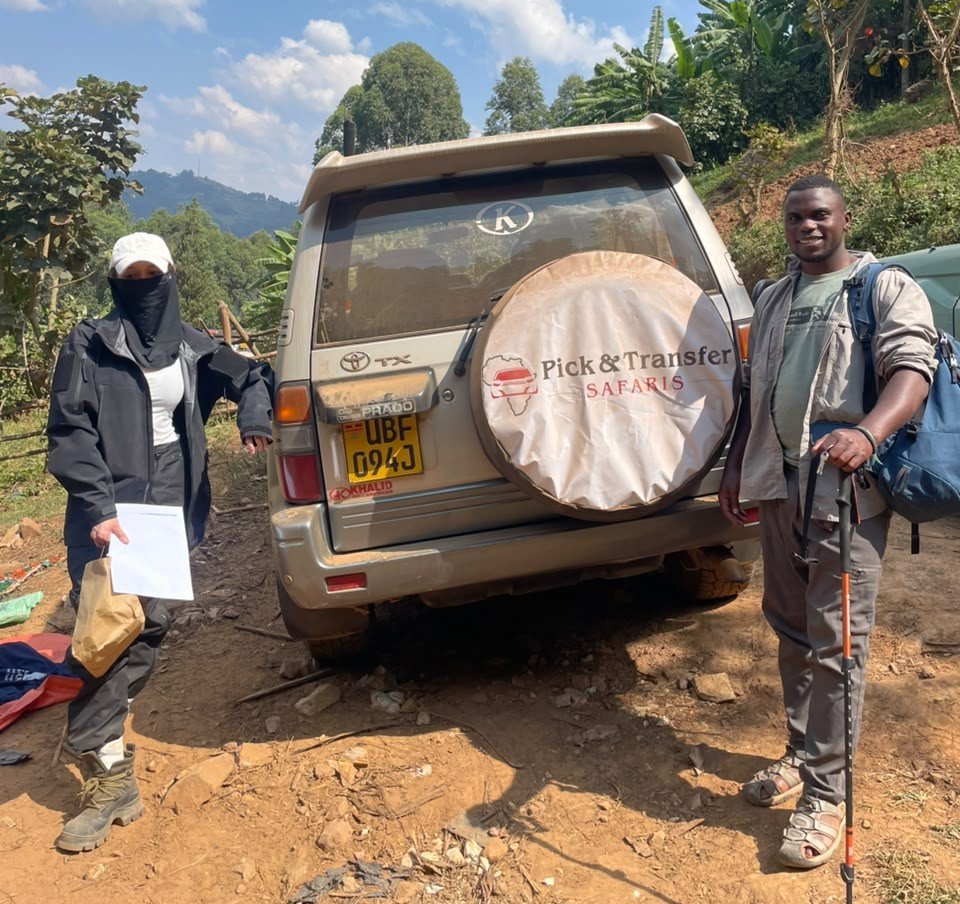
7 Days Uganda Safari – One week tour
This 7-day itinerary is the classic one-week introduction to Uganda, covering the country’s three most iconic wildlife experiences: chimpanzee tracking in Kibale Forest National Park, Big Five game drives and a boat cruise in Queen
Tour Details →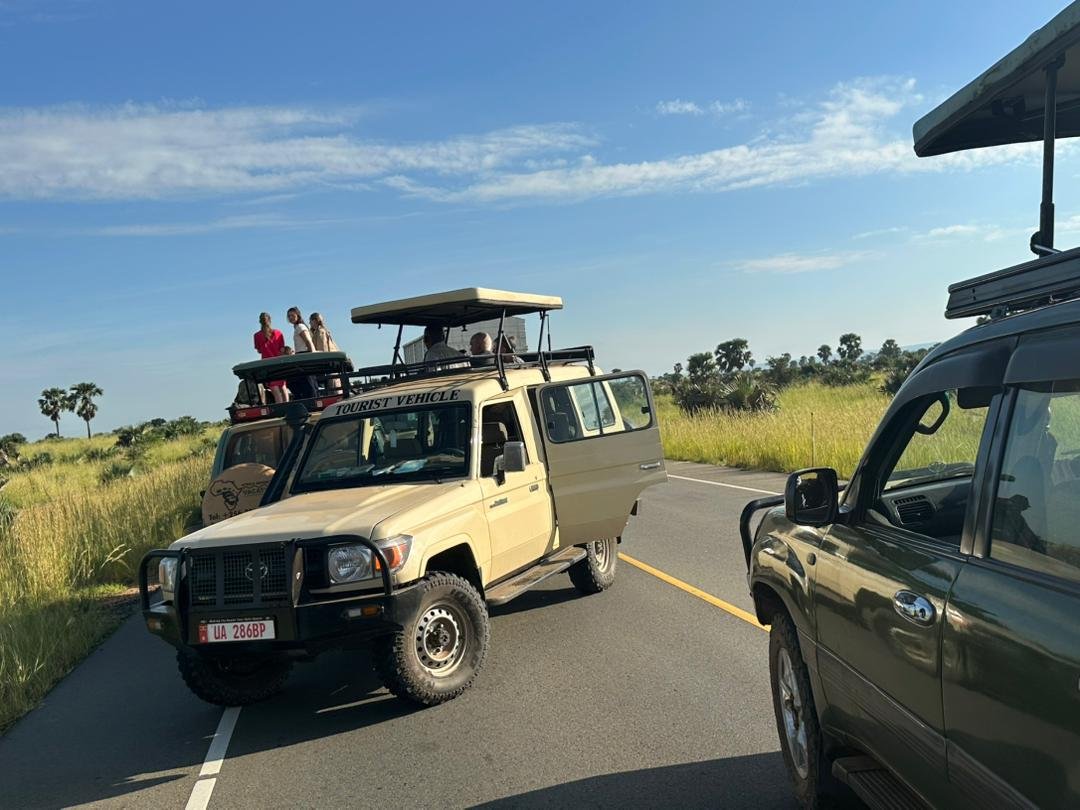
10 Days Uganda Primates and Wildlife
This 10-day Uganda Grand Safari is the most complete Uganda itinerary we offer at Pick and Transfer Safaris. It begins with a scenic northward drive from Entebbe to the vast open plains of Murchison
Tour Details →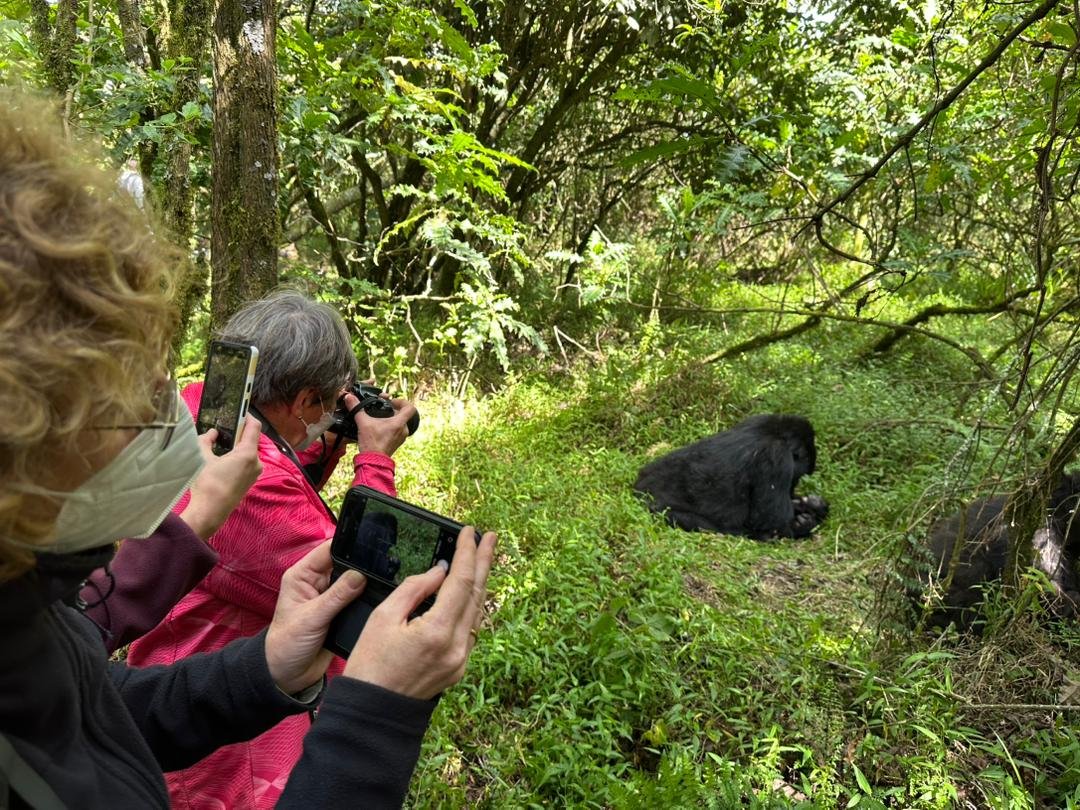
2 Days Uganda Gorilla Tour Starting from Kigali
This is the gentler cousin of our 1-Day Uganda Gorilla Safari Starting from Kigali — same idea, twice the breathing room. Instead of squeezing a 3,000-metre forest trek and two border crossings into a single very long day
Tour Details →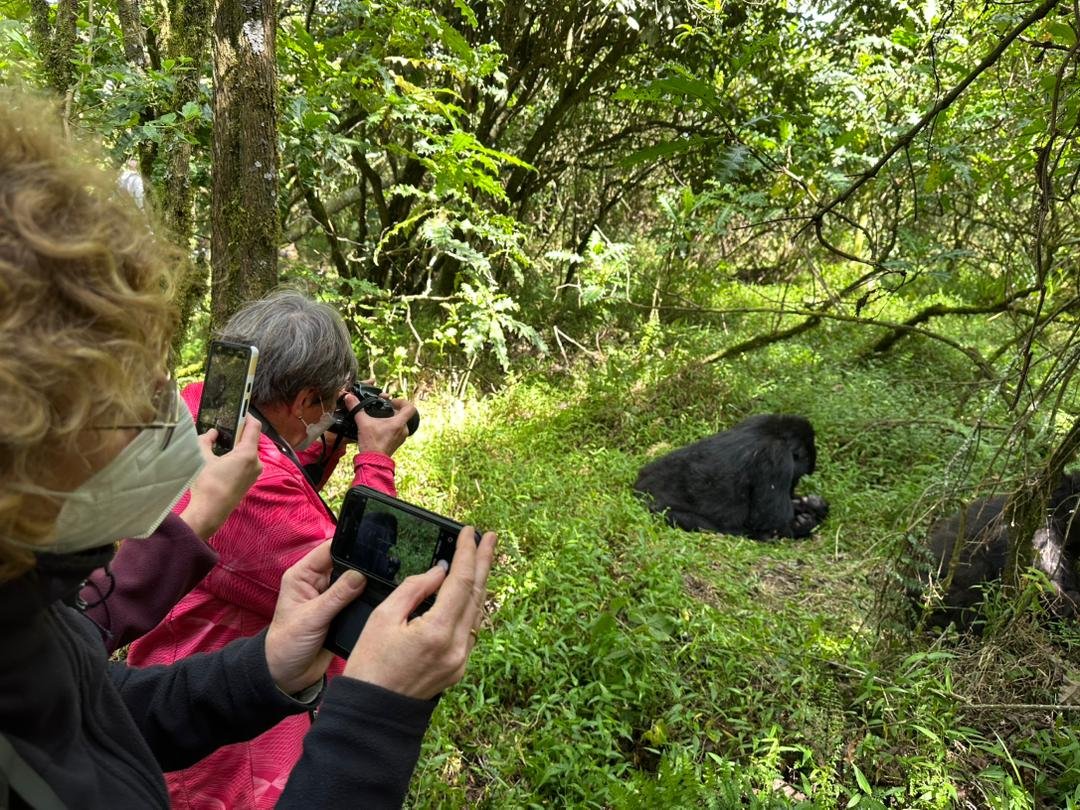
5-Day Uganda Gorilla and Chimpanzee Safari
This itinerary can be combined with a Rwanda extension or a wildlife-focused add-on through Queen Elizabeth National Park — browse our Uganda & Rwanda Safaris and Primate Safaris collections for ideas.
Tour Details →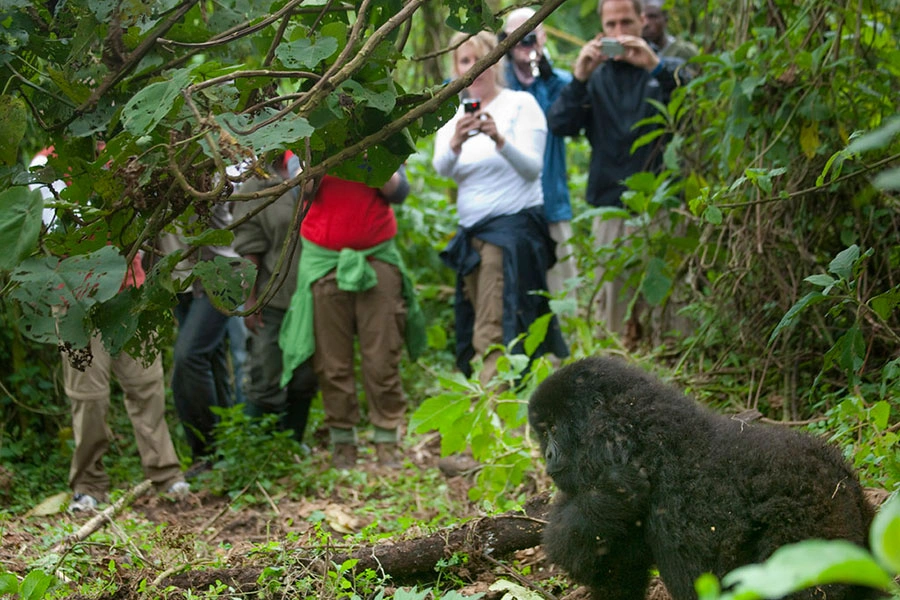
5 Days Rwanda Wildlife and Gorillas
This 5-day itinerary brings together Rwanda’s two flagship wildlife experiences: open savannah game drives and a boat safari in Akagera National Park, followed by a face-to-face encounters
Tour Details →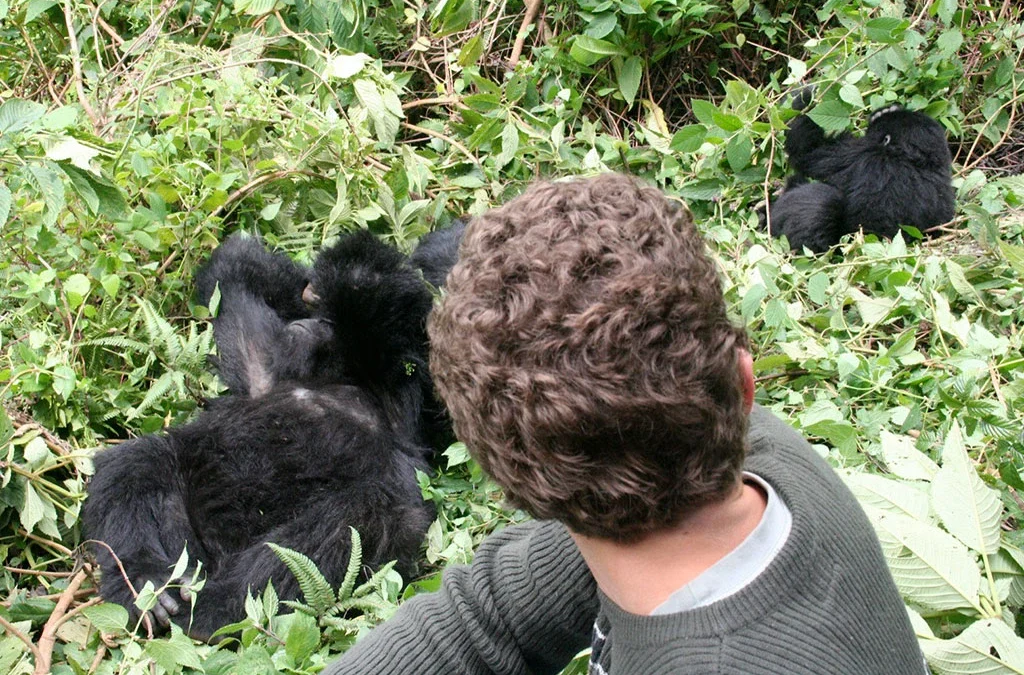
3 Days Uganda Gorilla Safari
For travelers who arrive in Entebbe with a tight schedule and a clear ambition, a 3-day gorilla safari to Bwindi Impenetrable Forest National Park is the most focused and rewarding short trip the country has to offer.
Tour Details →