- LET'S PLAN YOUR SAFARI
- +256 200 921 002
- +256 793 194 703
- info@pickandtransfersafaris.com

Top Selling Gorilla Tours in Uganda
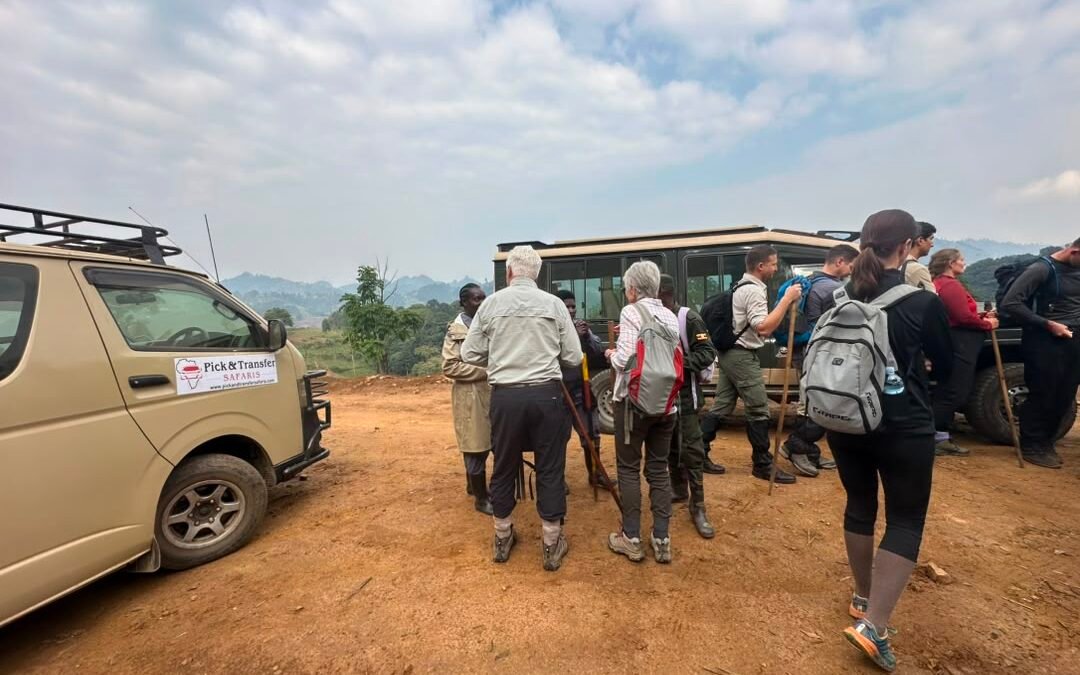
Top Selling Gorilla Tours in Uganda. Ask any tour operator on the Uganda-Rwanda border which itineraries actually fill up first, and you’ll get a fairly short, fairly consistent list. Out of everything in our catalog, a handful of gorilla trekking packages account for the overwhelming majority of the confirmations we process each season, ranging from a single rushed day-trip out of Kigali to a full two-week circuit that treats gorillas as just one stop among many. This isn’t a ranked-by-guesswork list. It reflects what actually gets booked, week after week, by travelers working with a real border crossing, a real permit date, and a real budget rather than an idealized version of a Uganda trip.
The full catalog sits on our gorilla safaris page if you want to browse everything at once, and throughout this guide we’ve linked out to comparable itineraries on Gorilla Tracking Tours so you can see how a second operator prices and structures the same routes.
Why These Particular Tours Sell and Others Don’t
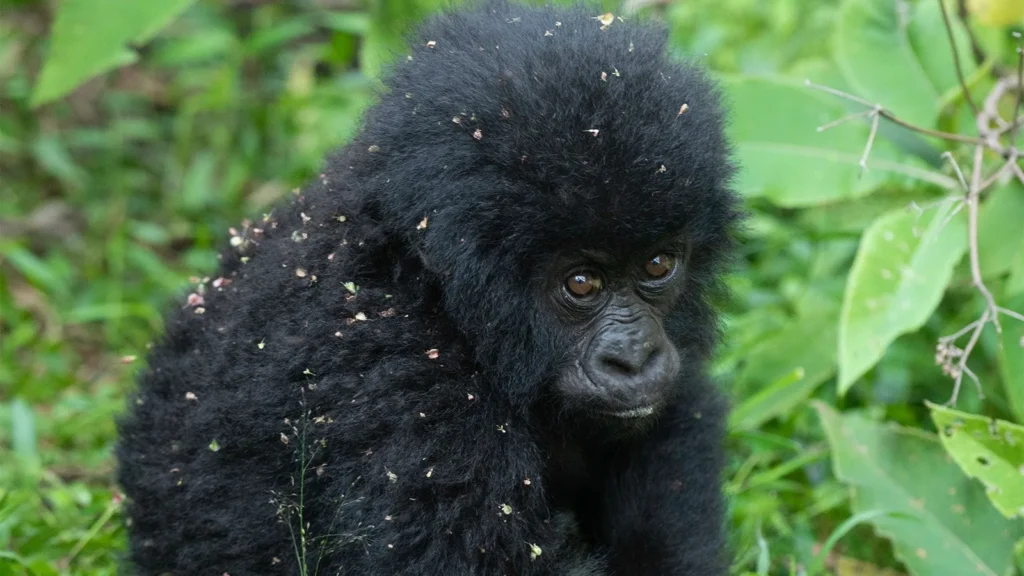
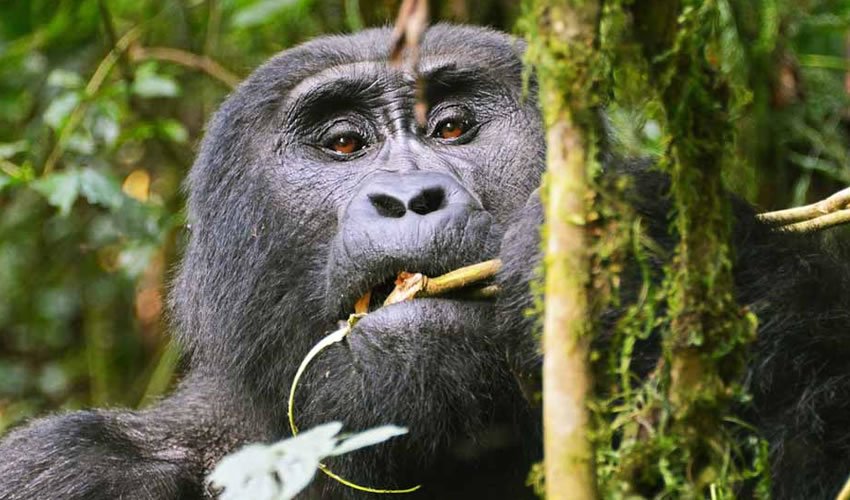
Exploring the Top Selling Gorilla Tours in Uganda
There’s a pattern behind every itinerary on this list, and it has less to do with marketing and more to do with how real travelers actually plan a trip. Most people flying into Entebbe or Kigali are working backward from a fixed number of vacation days and a gorilla permit date that can’t move, which means the tours that sell fastest are the ones that fit neatly into that constraint rather than fighting against it. Shorter, cleanly priced itineraries dominate the upper half of this list for exactly that reason — they’re simply easier for the widest range of travelers to say yes to. The longer, multi-park circuits further down still sell consistently, but to a narrower, often repeat-visitor audience who’ve already done a shorter trip and are back for something bigger.
Our Best Seller: The 3 Days Uganda Gorilla Safari
Nothing else in our catalog books faster than the 3 Days Uganda Gorilla Safari. The appeal is almost entirely about efficiency — you arrive, you get briefed, you trek the following morning in Bwindi Impenetrable National Park, and you’re heading home or onward by day three, with no wasted days and no unnecessary detours. For travelers whose main goal is simply standing in front of a wild mountain gorilla family without turning it into a two-week production, this is the itinerary that keeps coming up. If you’d like a point of comparison, Gorilla Tracking Tours runs a similarly structured 3 Days Uganda Gorilla Safari you can weigh against ours.
The 1 Day Uganda Gorilla Safari from Kigali, for Guests Who Truly Can’t Spare More
Some travelers land in Kigali with their whole itinerary already built around Rwanda and simply don’t have room for a multi-day Uganda detour. For them, the 1 Day Uganda Gorilla Safari Starting from Kigali is the answer — an early crossing at the Cyanika border, a trek in Mgahinga or a nearby Bwindi sector, and a return to Kigali the same night. It’s demanding by design, and it consistently sells to exactly the traveler it’s built for: someone bolting one intense day onto an otherwise Rwanda-centered trip rather than restructuring their whole schedule around Uganda.
A Calmer Alternative: The 2 Days Uganda Gorilla Tour from Kigali
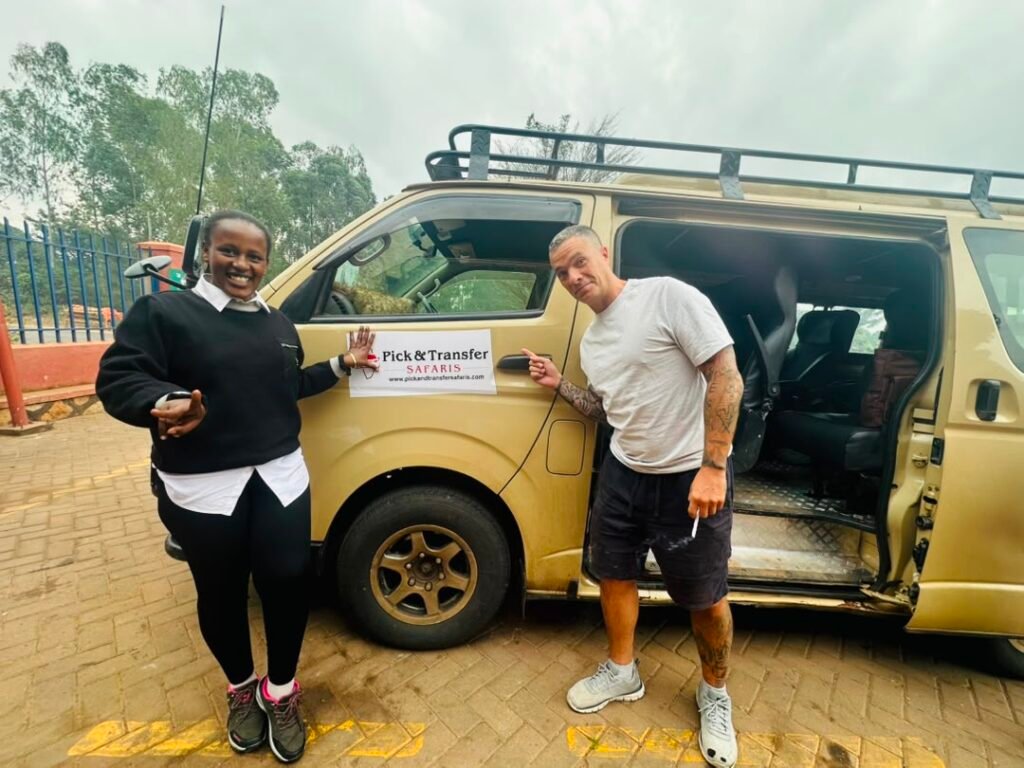
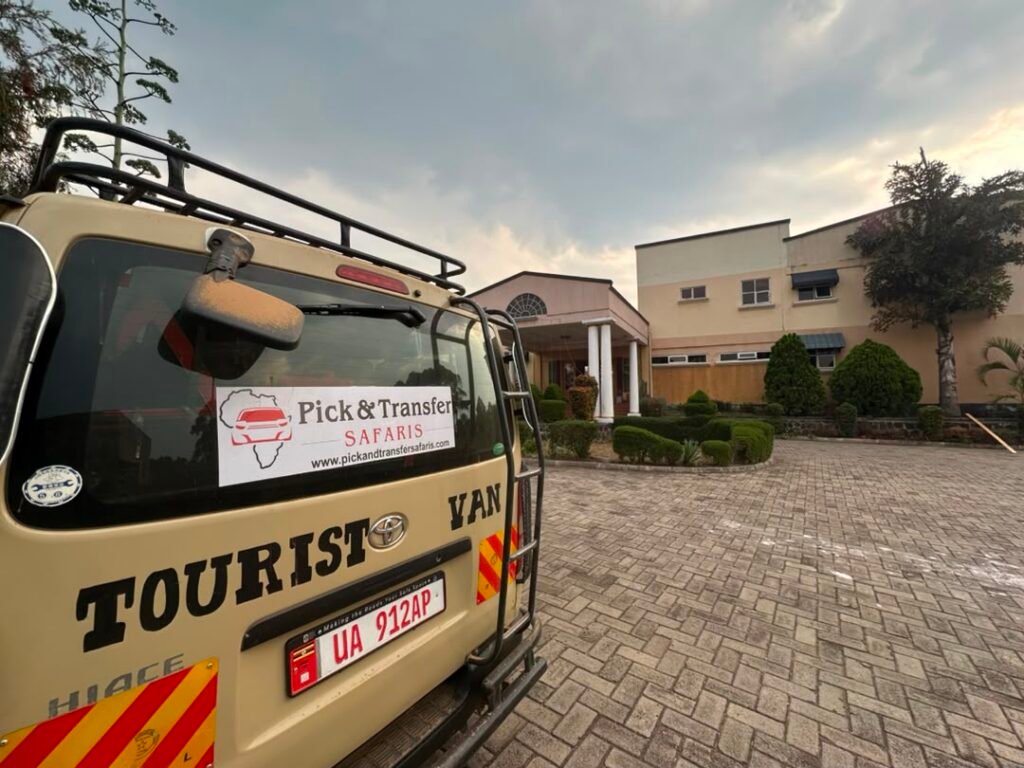
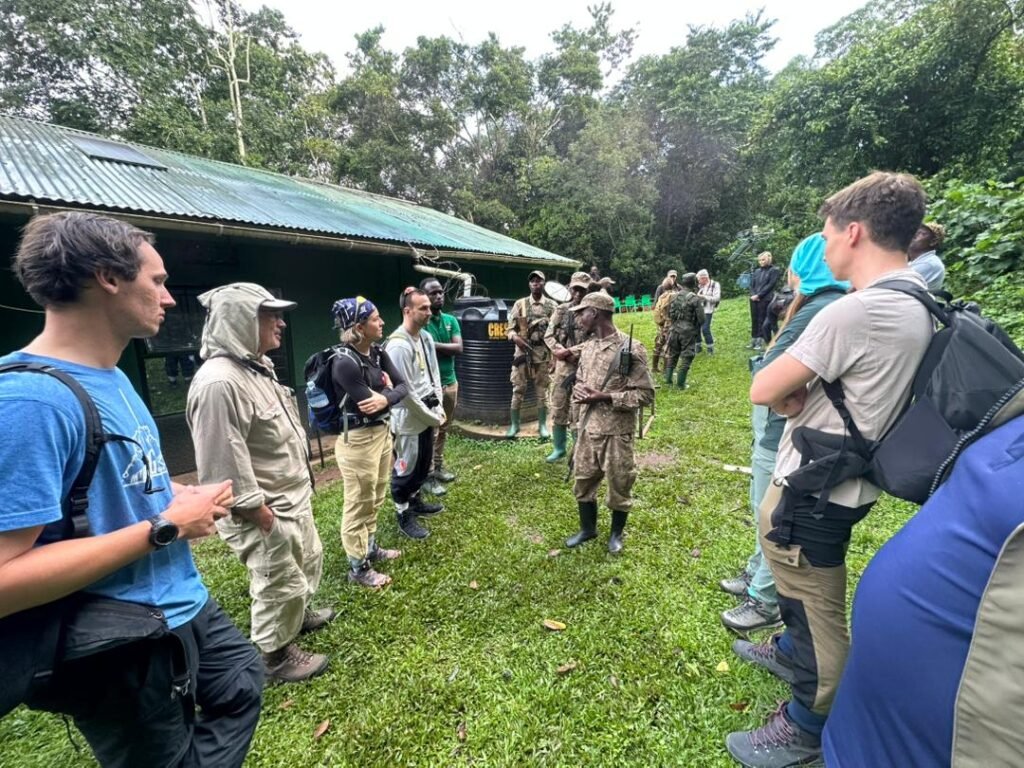
Not everyone wants to gamble an entire gorilla trek on a single same-day border dash, and that’s precisely the gap the 2 Days Uganda Gorilla Tour Starting from Kigali fills. Adding one overnight near the trekking sector removes the pressure of crossing, trekking, and crossing back in a single day, and it’s become a dependable seller among travelers who want the same short add-on structure as the one-day trip but with a bit more breathing room built in.
3 Days Uganda Gorilla Safari from Rwanda
For travelers based in Kigali or Musanze who want the fuller three-day structure but starting from Rwanda rather than deep inside Uganda, the 3 Days Uganda Gorilla Safari from Rwanda routes through Cyanika and typically lands trekkers in the Rushaga or Nkuringo sectors. It sits in an interesting middle spot on this list — longer and less rushed than the one or two-day Kigali options, but still built entirely around a Rwanda-side starting point rather than a Uganda arrival.
Two Primates, One Trip: The 5-Day Uganda Gorilla and Chimpanzee Safari
Once a traveler decides gorillas alone aren’t quite enough, the 5-Day Uganda Gorilla and Chimpanzee Safari is almost always the next itinerary they land on. Pairing a Bwindi gorilla trek with chimpanzee tracking in Kibale Forest gives the trip two genuinely distinct headline moments rather than one, without demanding the two-week commitment a fuller primate circuit would require. It’s a favorite among travelers who’ve already done a shorter gorilla-only trip and are ready to build something more ambitious. A near-identical version, the 5-Day Uganda Gorilla and Chimpanzee Safari listed by Gorilla Tracking Tours, is worth a look if you want to compare how another operator prices the same combination.
The Rwanda-Starting Version: 5 Days Uganda Gorilla and Chimps Safari Starting from Rwanda
The same gorilla-and-chimpanzee combination, but built for travelers landing in Kigali rather than Entebbe, is the 5 Days Uganda Gorilla and Chimps Safari Starting from Rwanda. It’s especially popular with guests booking through international travel agents who want one clean, self-contained Uganda add-on tacked onto a Kigali arrival rather than juggling a separate standalone Rwanda leg beforehand.
The 7 Days Uganda Safari, for a Full Week Dedicated to the Country
Travelers who’ve set aside a genuine week specifically for Uganda, rather than squeezing it in as a side trip, tend to land on the 7 Days Uganda Safari One Week Tour. It layers savannah game viewing alongside the gorilla trek instead of treating the primates as the sole event, which makes it a natural fit for first-time visitors who want a broader taste of what the country offers without stretching into a longer, more complicated circuit.
Going Deeper: The 10 Days Uganda Primates and Wildlife Safari
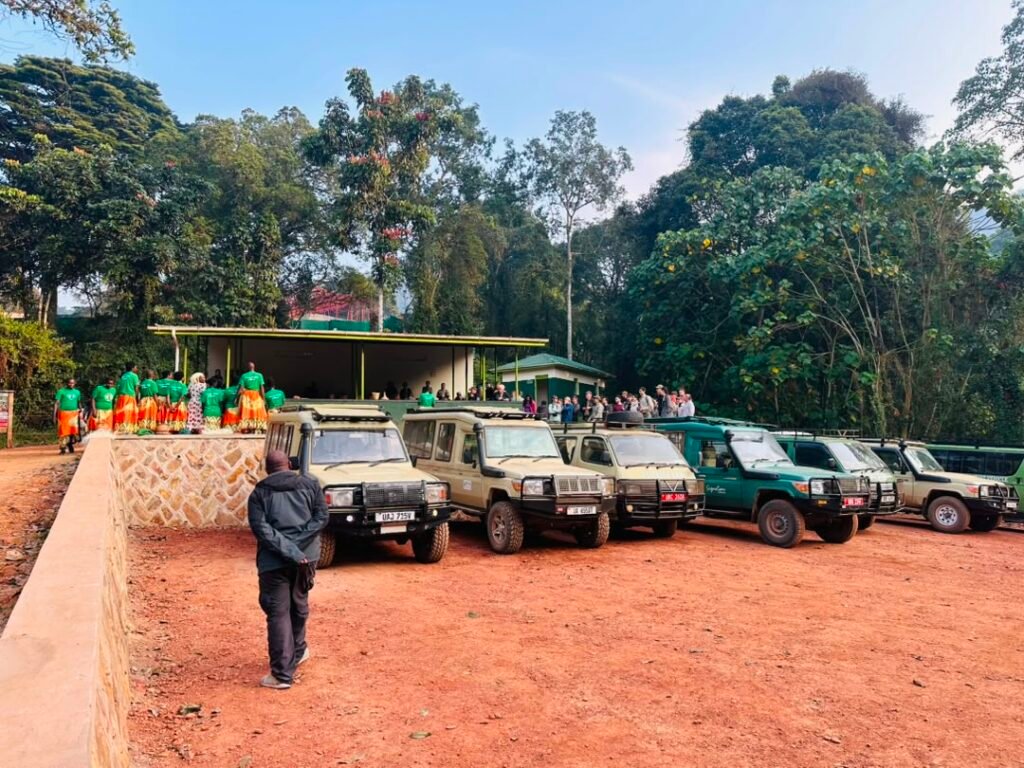
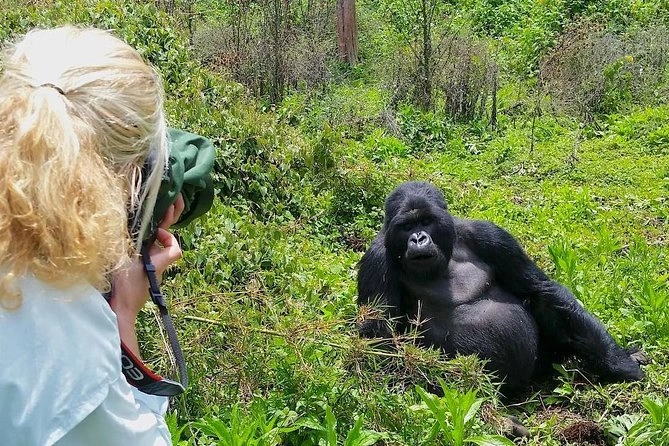
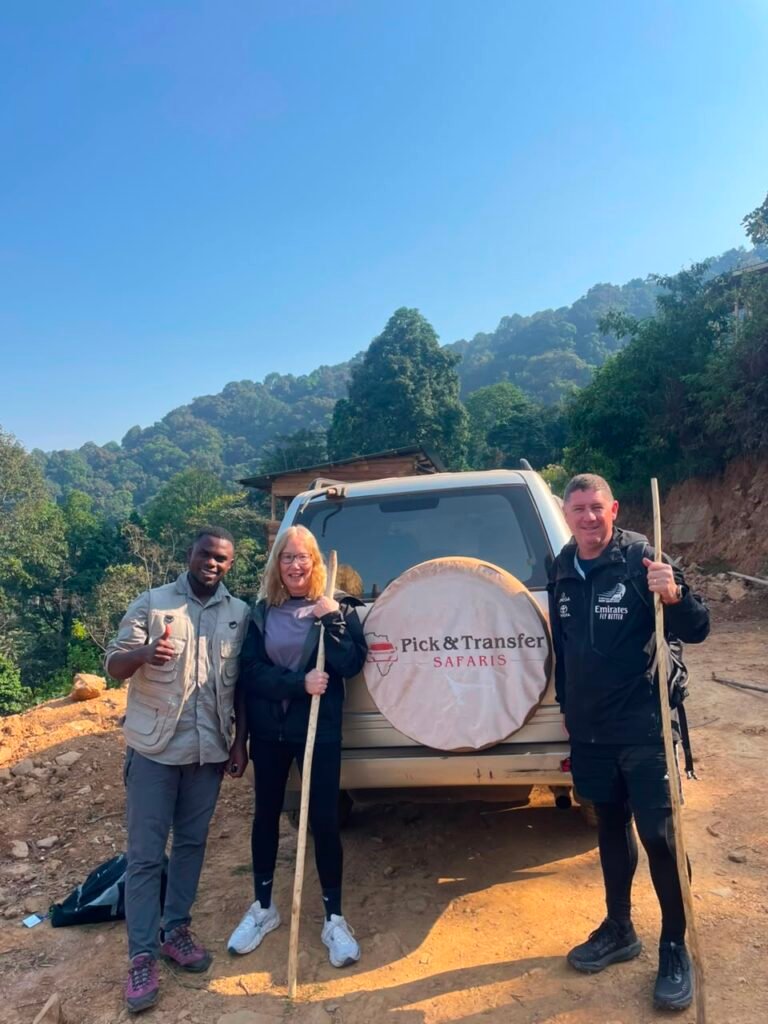
For travelers chasing the full primate lineup — gorillas, chimpanzees, and a string of monkey species — combined with classic savannah game drives, the 10 Days Uganda Primates and Wildlife safari is our top-performing ten-day itinerary. It draws a lot of repeat East Africa travelers and dedicated wildlife enthusiasts who’ve already trekked gorillas once elsewhere and are looking for something more complete this time around. Because it spans multiple parks, it typically folds in game drives at Queen Elizabeth or Murchison Falls National Park alongside the primate tracking, giving returning visitors a genuine reason to come back rather than simply repeating the same trek. Gorilla Tracking Tours lists a comparable 10 Days Uganda Primates and Wildlife route if you want a second version of this circuit to weigh against ours.
The Two-Week Option: 14 Days Uganda Wildlife and Primates
At the far end of trip length sits the 14 Days Uganda Wildlife and Primates Two Weeks Safari, a lower-volume but reliably steady seller booked almost exclusively by travelers treating Uganda as a complete, standalone destination rather than one stop on a wider regional itinerary. It touches nearly every major park and primate experience the country has to offer, and while it makes up a smaller slice of our overall bookings than the shorter tours, it carries one of the highest average trip values in the entire catalog. Guests who choose this one are usually planning a once-in-a-lifetime trip, and the pacing reflects that, spreading treks, game drives, and rest days across two full weeks instead of compressing everything into a tighter window.
Our Top Cross-Border Seller: The 7 Days Uganda Rwanda Safari Adventure
Among itineraries that span both countries, nothing outsells the 7 Days Uganda Rwanda Safari Adventure. It combines a Bwindi or Mgahinga trek in Uganda with a Volcanoes National Park trek in Rwanda, structured around a single Cyanika crossing, and it appeals strongly to travelers who’d rather experience gorilla trekking in both countries on one trip than pick a side. Gorilla Tracking Tours offers a similarly built 7 Days Uganda Rwanda Safari Adventure if you want to compare how the pacing differs between operators.
Bonus Pick: The 3 Days Chimpanzee Tour in Uganda
Not every strong seller on this list is a gorilla tour. The 3 Days Chimpanzee Tour in Uganda does steady business as both a standalone trip and an add-on for travelers who’ve already trekked gorillas on a prior visit and want a shorter, noticeably cheaper primate experience this time, since chimpanzee permits cost a fraction of what gorilla permits do. Gorilla Tracking Tours carries a comparable 3 Days Chimpanzee Tour in Uganda listing as well.
Our Top Sellers, Compared at a Glance
| Tour | Duration | Typical Border/Start | Best For |
|---|---|---|---|
| 3 Days Uganda Gorilla Safari | 3 days | Uganda-based start | First-timers who want gorillas only |
| 1 Day Uganda Gorilla Safari from Kigali | 1 day | Cyanika, same-day | Travelers with a single spare day in Rwanda |
| 2 Days Uganda Gorilla Tour from Kigali | 2 days | Cyanika | A less rushed short add-on from Kigali |
| 3 Days Uganda Gorilla Safari from Rwanda | 3 days | Cyanika | Kigali or Musanze-based travelers |
| 5-Day Gorilla and Chimpanzee Safari | 5 days | Uganda-based start | Two primate species on one trip |
| 5 Days Gorilla and Chimps from Rwanda | 5 days | Cyanika | Kigali arrivals wanting gorillas plus chimps |
| 7 Days Uganda Safari (One Week) | 7 days | Uganda-based start | A broader first visit to Uganda |
| 10 Days Uganda Primates and Wildlife | 10 days | Uganda-based start | Repeat visitors after the full lineup |
| 14 Days Uganda Wildlife and Primates | 14 days | Uganda-based start | A comprehensive standalone Uganda trip |
| 7 Days Uganda Rwanda Safari Adventure | 7 days | Cyanika, both ways | Gorillas in two countries, one trip |
What These Tours Actually Have in Common
Line them up and a few shared traits jump out immediately. Every tour near the top of this list matches a realistic chunk of vacation time — three days converts far more often than ten for a first-time trekker simply because far more people can genuinely clear three days than ten. Nearly all of them are priced around a single gorilla permit rather than several, which keeps the headline number manageable. And every one builds in a sensible buffer around the trek itself instead of scheduling arrival or departure too close to the 7 am briefing — a small planning detail that, in practice, is exactly what separates an itinerary people actually book from one that only looks good on paper.
How 2026 Gorilla Permit Prices Shape What These Tours Cost
The Uganda Wildlife Authority sets the gorilla trekking permit at 800 USD per person for foreign non-residents in high season, dropping to 600 USD during the low season months of April, May and November. Foreign residents pay 700 USD in high season and 500 USD in low season, and East African citizens pay a heavily subsidized rate of roughly 80 USD year-round. Because the permit is by far the largest single line item on any tour in this list, shifting your trekking date into a low-season month is the single biggest lever you have over the total cost, more than any change to accommodation or transport.
When These Tours Sell Fastest
Booking volume climbs sharply during the June-through-September and December-through-February dry stretches, when trekking conditions are easiest and road access into the parks is most reliable. April, May and November bring muddier trails and thinner crowds, but they also bring the discounted low-season permit price, which is exactly why budget-conscious travelers and those who’d rather avoid busy trailheads tend to target those months on purpose rather than by accident.
Which Trekking Sector Each Itinerary Tends to Use
The shorter Kigali-based tours on this list — the one-day, two-day, and three-day-from-Rwanda options — nearly all route through the Cyanika border and land trekkers in Rushaga, Nkuringo, or Mgahinga Gorilla National Park, simply because those sectors sit closest to that crossing point. The longer Uganda-based itineraries — the seven, ten and fourteen-day trips — more often work through Bwindi Impenetrable National Park’s Buhoma sector and other parks deeper in the country, since these trips were never designed around a quick return to the Rwanda border in the first place.
Standalone Uganda Trips vs Combined Uganda-Rwanda Tours
By sheer volume, standalone Uganda tours still outsell the combined Uganda-Rwanda itineraries, mostly because they suit travelers whose whole trip is centered on Uganda from the outset. But the combined tours, led by the 7 Days Uganda Rwanda Safari Adventure, carry a noticeably higher average booking value and appeal to a specific and growing group of travelers: people who want gorilla trekking in both countries on one trip rather than picking a side, often drawn in by how easily the East Africa Tourist Visa covers both destinations under a single application.
Visas: What Each Type of Tour Requires
Any tour on this list that stays entirely inside Uganda calls for a standard Uganda visa or an East Africa Tourist Visa for most non-East African nationalities, and both should be applied for online well ahead of arrival, since Uganda doesn’t offer visa-on-arrival at its land borders for nationalities that need one. Combined itineraries like the 7 Days Uganda Rwanda Safari Adventure are almost always better paired with the East Africa Tourist Visa specifically, since one 100 USD application covers both countries instead of requiring two separate visa processes.
What’s Bundled Into the Price, and What Isn’t
Across nearly every tour we run, the quoted price covers ground transport in a 4×4 safari vehicle with a driver-guide, park entry fees, accommodation for the length of the trip, the gorilla or chimpanzee permit itself, and most meals depending on the lodge tier selected. International flights, visa fees, gratuities, and personal travel insurance sit outside that bundle on virtually every operator’s listings in the region, ours included, so it’s always worth double-checking exactly what’s included before comparing two quotes side by side.
How Early You Should Actually Book
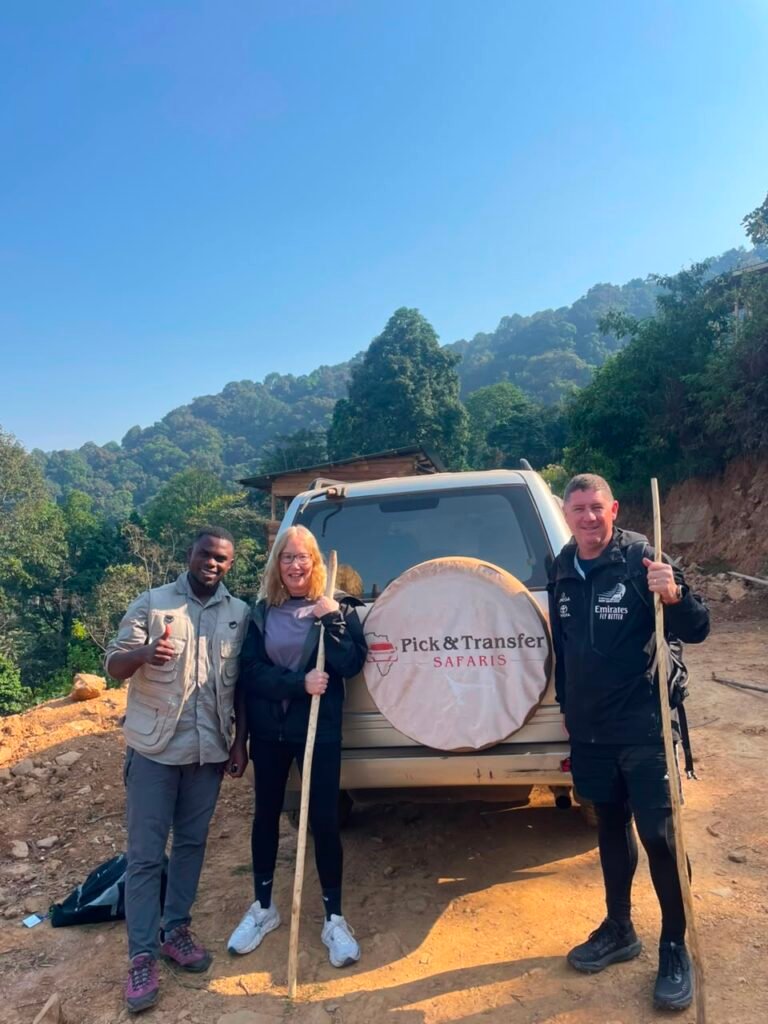
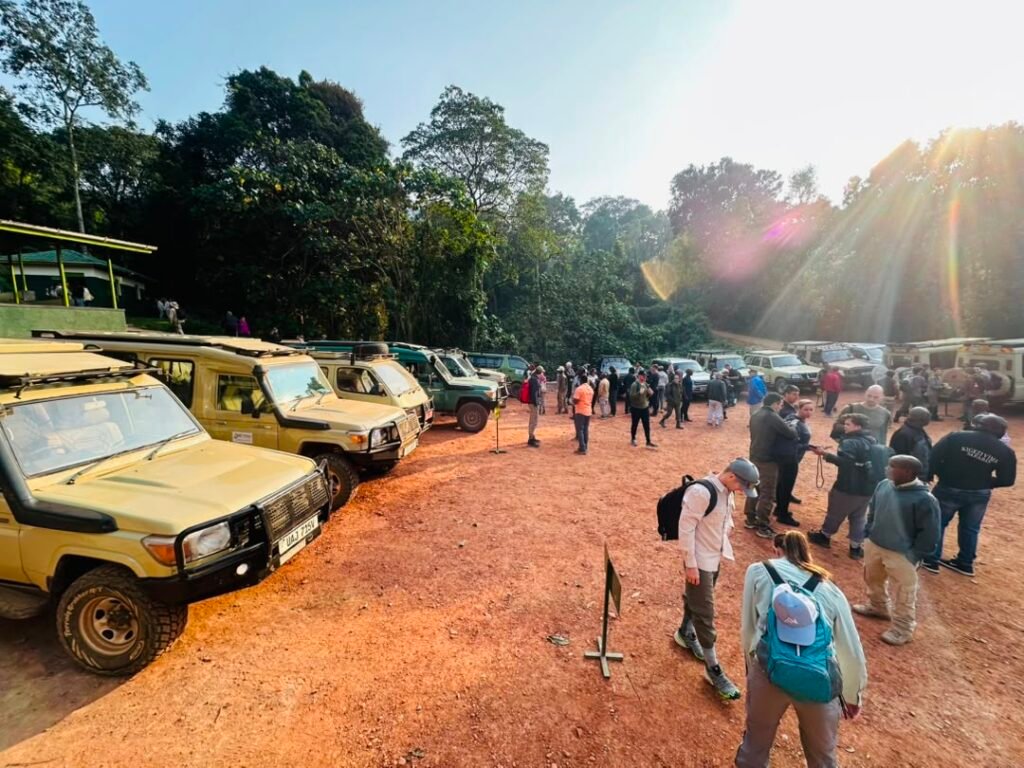
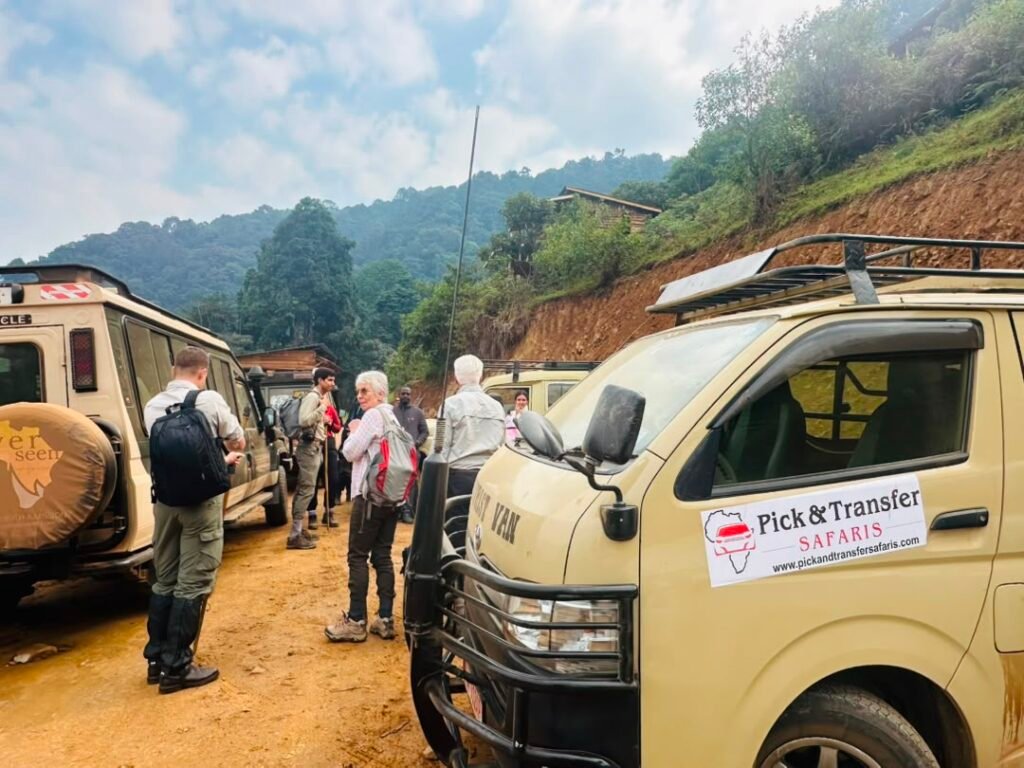
It’s the gorilla permit, not the hotel room, that creates the real bottleneck on every tour in this list, especially for July, August, and the December holiday stretch, when permits for the more popular sectors can sell out months in advance. As a general rule, we recommend locking in any of these tours at least three to six months ahead of your intended trekking date, and pushing that even earlier for the 7 Days Uganda Rwanda Safari Adventure or any other combined itinerary that needs permits confirmed in two countries simultaneously.
Private Trips, Joining Groups, and How Trekking Groups Actually Work
Every itinerary above can be run as a fully private trip for a solo traveler, a couple, or a family, and most can also accommodate a small joining group to bring down the per-person vehicle cost. The trek itself, though, always happens in a fixed group of up to eight visitors per gorilla family, a limit set by park regulations rather than by any tour operator, which means your trekking group and your travel group won’t necessarily be the same set of people once you’re at the trailhead.
Planning tip: Start from the number of vacation days you actually have, not from a tour name you liked the sound of. A five-day gorilla-and-chimp itinerary and a three-day gorilla-only trip both sell extremely well, and picking between them comes down entirely to how much time is realistically on the table. Our contact us page is the fastest way to get a recommendation matched to your specific dates.
Planning tip: Start from the number of vacation days you actually have, not from a tour name you liked the sound of. A five-day gorilla-and-chimp itinerary and a three-day gorilla-only trip both sell extremely well, and picking between them comes down entirely to how much time is realistically on the table. Our contact us page is the fastest way to get a recommendation matched to your specific dates.
Planning tip: Start from the number of vacation days you actually have, not from a tour name you liked the sound of. A five-day gorilla-and-chimp itinerary and a three-day gorilla-only trip both sell extremely well, and picking between them comes down entirely to how much time is realistically on the table. Our contact us page is the fastest way to get a recommendation matched to your specific dates.
A Typical Trekking Day, Regardless of Which Tour You Choose
Strip away the surrounding itinerary and every tour on this list builds the trek itself around the same basic structure: a briefing at the park headquarters around 7:00 or 7:30 am, assignment to a specific gorilla family and its guide team, then a hike that can last anywhere from thirty minutes to several hours each way, depending entirely on where that family happens to be ranging that morning. Once you reach them, you get a strict one-hour viewing window before heading back — a rule set by the Uganda Wildlife Authority to protect the animals, not something any operator can stretch regardless of what package you’ve booked.
How Fit Do You Actually Need to Be?
None of these tours demand technical climbing ability, but gorilla trekking is genuinely a hike over uneven, sometimes steep and muddy forest terrain, and your fitness level affects how comfortable that hike feels far more than it affects whether you’re permitted to go at all. Porters are available at every sector for a modest fee and are worth hiring regardless of how fit you are, both to ease the climb and to support the local community that relies on that income. Travelers with mobility concerns should flag this at the time of booking, since guides can request a gorilla family known to be ranging closer to the trailhead that day — though that can never be promised in advance.
Practical Ways to Cut Costs on Any of These Tours
The single biggest cost lever across this entire list is timing your trek during April, May or November, when the permit drops from 800 to 600 USD per person. Traveling as part of a small joining group instead of fully private spreads the vehicle and driver cost across more people, and dropping from a luxury lodge tier to a solid mid-range option can meaningfully cut the accommodation portion of any package here without touching the trekking experience itself, which stays identical no matter where you sleep at night.
The Same Itinerary at Different Budget Levels
Every tour on this list can be built at more than one accommodation tier without altering the core route — the 3 Days Uganda Gorilla Safari, for example, can run through a simple guesthouse, a comfortable mid-range lodge, or a high-end forest property, depending entirely on budget. What stays fixed across all three tiers is the permit cost and the trekking experience; what changes is accommodation, some meal inclusions, and vehicle comfort. That’s worth remembering before assuming a lower quote must mean a lesser gorilla trek — more often it simply means a different lodge category on an otherwise identical route.
Turning Any Uganda Tour Into a Rwanda Extension
Even tours that aren’t explicitly marketed as combined itineraries can usually be extended into Rwanda with enough advance notice, since most of the Uganda-based options here already pass through or near the Cyanika border anyway. A traveler on the 3 Days Uganda Gorilla Safari, for instance, can often bolt on a Volcanoes National Park trek in Rwanda with a few extra days and the right visa in hand, effectively assembling their own version of the 7 Days Uganda Rwanda Safari Adventure around a tour they’d already picked for entirely different reasons.
What to Pack, No Matter Which Tour You Book
The packing list barely changes from one tour on this page to the next: sturdy waterproof hiking boots, gardening-style gloves for gripping vegetation on the trail, a rain jacket regardless of season, and long trousers and sleeves tucked into boots and gloves as protection against nettles and safari ants, plus a daypack for water and snacks during the trek itself. A valid passport, your visa or East Africa Tourist Visa approval, and a yellow fever certificate round out the essentials, alongside your gorilla permit confirmation, which guides typically check at the trailhead before the trek gets underway.
Which of These Tours Work Best for Families
Because both Uganda and Rwanda set the minimum gorilla trekking age at fifteen, families traveling with younger children tend to gravitate toward the longer, wildlife-heavy itineraries on this list — the 7 Days Uganda Safari or the 10 Days Uganda Primates and Wildlife safari in particular — where savannah game drives and cultural visits give younger travelers plenty to do while the rest of the family treks. Families with teenagers old enough to trek generally pick from the same core itineraries as solo travelers and couples, since the age minimum is really the only meaningful restriction rather than any difference in how the trip itself is structured.
Adding a Birding Walk or Cultural Visit to Any of These Tours
Several of the areas these itineraries pass through — Bwindi’s Ruhija sector especially, and the forests around Nyungwe on a Rwanda extension — rank among East Africa’s strongest birding destinations, and a half-day birding walk can be tacked onto most of the tours here with a bit of advance notice. Cultural visits to local Batwa or Bakiga communities near Bwindi are just as easy to add, and give non-trekking travel companions, or anyone with a rest day between treks, something genuinely worthwhile to do beyond simply waiting back at the lodge.
Breaking Down Where the Money in a Quote Actually Goes
Every quote for the tours above breaks into the same core pieces: the gorilla or chimpanzee permit fee, ground transport and driver-guide costs, accommodation for however many nights the trip runs, park entry fees for any additional parks on the route, and most meals. Because the permit fee is fixed by the Uganda Wildlife Authority no matter who you book with, the real price gap between operators on an identical itinerary almost always comes down to vehicle condition, lodge tier, and how experienced the driver-guide is — not the underlying trekking experience, which is the same regardless of operator.
A Rough Booking Timeline by Trip Type
| Trip Type | Recommended Booking Window |
|---|---|
| Short 1-3 day Uganda-only tours | 3-4 months ahead, longer for July-August or December |
| 5-day gorilla and chimpanzee combos | 4-6 months ahead |
| 7-14 day wildlife and primate circuits | 5-8 months ahead |
| 7-day combined Uganda-Rwanda tours | 6+ months ahead, permits needed in both countries |
What Separates a Properly Planned Tour from a Generic Listing
A tour name and a number of days only tell part of the story. The itineraries on this list sell as consistently as they do because the sector, the lodge, and the border crossing behind each one have actually been matched to the trip length rather than bolted together generically. A three-day trip routed through the wrong border, or a combined Uganda-Rwanda tour that ignores permit lead times in both countries, can look identical on paper to a properly planned one — but the two play out very differently once you’re actually on the road. That layer of planning sits behind every tour here, handled by a team based directly on the route rather than someone coordinating it remotely.
Traveling Solo on Any of These Tours
Solo travelers book every tour on this list without exception, and gorilla trekking is inherently solo-friendly since you join a fixed group of up to eight people at the trailhead regardless of how you got there. The main cost consideration for a solo traveler is vehicle and driver expense, which isn’t shared across multiple people the way it would be for a couple or a family — worth keeping in mind when comparing a private-tour rate against a joining-group price on the same route.
The Repeat-Visitor Pattern Behind This List
A meaningful share of the bookings that make up this list come from returning guests, most often moving from a shorter first-time trip like the 3 Days Uganda Gorilla Safari toward a longer, more complete itinerary on their second or third visit — the 10 and 14-day wildlife and primate circuits in particular pull in a disproportionate number of repeat travelers. It’s a useful pattern to know about if you’re deciding how much to cram into a first trip: there’s no obligation to see everything Uganda offers in one go, since a shorter, well-run first tour is often exactly what brings people back for more.
Frequently Asked Questions About Uganda’s Top-Selling Gorilla Tours
Which tour genuinely sells the most?
The 3 Days Uganda Gorilla Safari, by a clear margin. It hits the balance of trip length, cost, and simplicity that most first-time gorilla trekkers are actually looking for.
Does a shorter tour actually cost less, or is it just quicker?
Generally both — a shorter tour means fewer accommodation nights and less ground transport, though the gorilla permit itself costs exactly the same no matter how many days surround the trek.
Can any of these top-selling itineraries be customized?
Yes. These are our most-booked starting points, not fixed templates. Sectors, lodge tiers, and add-on days can all be adjusted around your specific dates and budget.
Do the combined Uganda-Rwanda tours cost more than a single-country trip?
Per day, they’re roughly comparable to single-country tours, though the overall trip cost is higher simply because it spans two countries and typically two gorilla permits instead of one.
Which tour suits someone who has already trekked gorillas before?
The 3 Days Chimpanzee Tour, the 5-Day Gorilla and Chimpanzee Safari, or the 10 Days Uganda Primates and Wildlife safari all suit returning visitors looking to add a species or go deeper rather than repeat a first-timer’s trip.
How many gorilla treks come included in these packages?
Most of the tours above include a single trek. The longer itineraries, particularly the 10 and 14-day options, can be arranged with two separate treks in different sectors if requested.
Can any of these tours swap the standard trek for the gorilla habituation experience?
Yes, on request. The habituation experience, priced separately at roughly 1,500 USD per person and offered only in Bwindi’s Rushaga sector, can be substituted into most of these itineraries, though it isn’t the default inclusion.
Do these tours run year-round, or only during dry season?
All of them run year-round. Gorilla trekking continues through the rainy months and the itinerary structure doesn’t change, though the low-season permit discount in April, May and November makes those months especially popular with budget-focused travelers.
Do the longer tours automatically include more than one gorilla trek?
No, not by default. A second trek in a different sector or country can be added to any of the longer itineraries on request, but it comes with its own permit fee, so it’s worth deciding upfront whether one trek or two fits your budget better.
How can I tell if a quoted price for one of these tours is fair?
Confirm the gorilla permit fee (800 USD in high season, 600 USD in low season, per person, set by the Uganda Wildlife Authority) is included and correctly priced, then compare what’s left against similar lodge tiers from other operators — that remainder covers transport, accommodation, and guiding, which is where real price differences between operators show up.
Matching Yourself to the Right Tour on This List
Start with how many days you genuinely have free, then decide whether gorillas alone are the goal or whether chimpanzees, savannah wildlife, or a second country deserve a spot on the itinerary too. Travelers with three days and a single clear goal do best with the 3 Days Uganda Gorilla Safari. Anyone wanting two primate species on one trip should look closely at the 5-Day Gorilla and Chimpanzee Safari. And travelers torn between Uganda and Rwanda rather than choosing one should look hardest at the 7 Days Uganda Rwanda Safari Adventure, which sidesteps that decision entirely by covering both.
How to Compare Quotes From Different Operators Fairly
Since the gorilla permit fee is fixed by the Uganda Wildlife Authority regardless of who you book with, comparing quotes for the same tour across different operators is more straightforward than it might seem at first. Strip out the permit cost, and what remains is transport, accommodation, and guiding — exactly where operators genuinely differentiate themselves. A noticeably cheaper quote for an otherwise identical itinerary usually points to a lower lodge tier, an older or shared vehicle, or a less experienced guide, rather than any hidden discount on the permit, since that figure simply doesn’t move based on who you book through.
Why It Matters That an Operator Is Actually Based on This Route
Operators genuinely based along this route — on the Kabale-Kisoro Road, a short drive from the Cyanika border, rather than running everything remotely from Kampala or overseas — tend to have a far more current, ground-level read on which sectors are running smoothly, which lodges are worth the extra cost, and how conditions at the border are shifting from one week to the next. That local proximity matters more for gorilla trekking logistics than for most other kinds of travel booking, simply because so much of what makes one of these tours run well comes down to small, current details a remote booking agent has no way of verifying firsthand.
Insurance: The One Thing None of These Tours Include
None of the tours on this list include travel insurance as standard, and given that gorilla trekking happens in remote forest terrain, comprehensive coverage with medical evacuation is worth arranging separately before any of these trips, regardless of length or budget tier. Some gorilla permit providers also offer optional trip-cancellation-style protection tied specifically to the permit fee, worth asking about given how costly re-booking a missed or forfeited permit can turn out to be.
Ready to Book One of Uganda’s Top-Selling Gorilla Tours?
Every tour on this list is run by a team based directly on the Kabale-Kisoro Road, minutes from the Cyanika border, with hands-on experience matching permits, sectors, and transfer timing to whichever itinerary fits your trip best.
Browse our full gorilla safaris lineup, explore our destinations page, or contact us directly to start booking one of these top-selling gorilla tours today.