- LET'S PLAN YOUR SAFARI
- +256 200 921 002
- +256 793 194 703
- info@pickandtransfersafaris.com

Top Tourist Attractions in Uganda You should Visit in 2027
Top Tourist Attractions in Uganda You should Visit in 2027. Uganda is know as the pearl of Africa because of its incredible natural beauty, divorce landscapes, rich wildlife and unique cultural heritage. The name was given by the famous British prime minister Winston Church Hill after he was amazed by Uganda’s Beautiful scenery, fertile lands and verity of wildlife during his visit in the early 90’s
Located in East Africa, The Pearl offers something for every traveller. Adventure seekers can explore national parks and mountains while those looking for relaxation can enjoy peaceful Destinations surrounded by nature. Uganda’s combination of wildlife , landscapes, culture and hospitality makes it one of Africa’s most attractive tourism destinations.
Why should tourists visit Bwindi Impenetrable National Park?
Bwindi Impenetrable N.P is one of Ugandas most famous tourist attractions and one of the best places in the world to experience mountain Gorilla Trekking. Located in South Western Uganda, the park is covered by enceint rain forest that provides a national home for Endangered Mountain Gorillas
A visit to Bwindi gives the tourists the rare opportunity to walk through the forest and spend time observing gorillas in thier natural environment. The experience is unique because visitors are able to see how Gorillas live, Interact, and care for their families.
Gorilla trekking is not only an adventure but also a conservation experience. The money generated from tourism helps support the protection of gorillas and the sorrounding communities.Visitors also get opportunities to interact with local people and learn about thier traditions and way of life.
What Should Tourists Expect During Gorilla Trekking in Bwindi?
Tourist should expect an exciting journey through the rainforest guided by experienced trakkors. The trekk can take saveral hours depending on where the Gorilla families are located. Along the way, visitors enjoy the beuty of the forest,different plant species, birds, and other wildlifes.
Meeting a mountain gorilla face to face is often described as one the most memorable wildlife experiences in Africa. It creates a strong connection between humans and nature and leaves visitors with unforgettable memories.
Why is Murchison Falls National Park one of the Ugandas top Attractions?
Murchison Falls National Park is one of Ugandas largest and most popular National parks. Its famous foe the powerful murchison falls,where the river nile forces iits way through a narrow gorge before continuing its journey downstrem.
The park offers visitors a combination of adventure, wildlife, and beautiful scenery. It is a perfect destination for travellers who want to experience aunthentic African Safaris.
What activities can tourists do in murchison falls?
Visitors can enjoy game drives where they have a chance to see wild animals such as; elephants, giraffes, Lions Buffaloes Anteleopes and Nile, where tourists can observe hippos, crocodiles and other wildlife along the riverbanks.
The view of murchison falls itself is a highlight of the visit. Watching millions of litres of water rushing through the narrow rocks creates a powerful and unforgetable experience.
why should tourists visit Queen elizabeth.
Queen Elizabeth NP is one of the Ugandas mos popular and most visited tourism destinations loacted in Western Uganda, the park is famous for its standing landscapes, diverse wildlife and unique experiences that combine adventure with relaxation. It covers a large area filled with Savannah plains, forest , wetlands, lakes and beautiful views of Rwenzori mountains.
The park is names after queen elizabeth the second and has become a symbol of Ugandas natural heritage. Its a pefect desination for travellers who want to experience an authentic Afican safari while enjoying the beauty of nature.
What makes queen elizabeth national park unique?
One of the things that make Queen Elizabeth National Park special is its incredible verity of wildlife. The park is home to over 90 mammal species and hundreds of bird species making it a favorate destination for wildlife lovers and photographers.
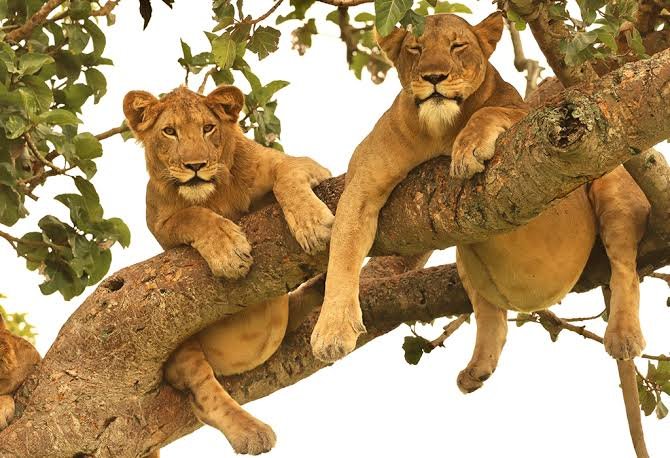
Visitors have the opportunities to see animals such as elephants, lions, buffalos, leopards Hippos and antelopes and many others. The park is also famous for the tree climbing lions of Ishasha where visitors can see lions resting on large fig trees while enjoying the beautiful sceneries around them.
What activities can toursits do in Queen Elizabeth N.P
Queen Elizabeth N.P offers a complete African adventure because it combines wildlife, Scenery, culture and relaxation in one destination. Tourists can enjoy thrilling Safari experiences during the day and relax while watching beautiful sunsets over the African landscape.
7 Days Uganda Safari – One week tour
This 7-day itinerary is the classic one-week introduction to Uganda, covering the country’s three most iconic wildlife experiences: chimpanzee tracking in Kibale Forest National Park, Big Five game drives and a boat cruise in Queen
Tour Details →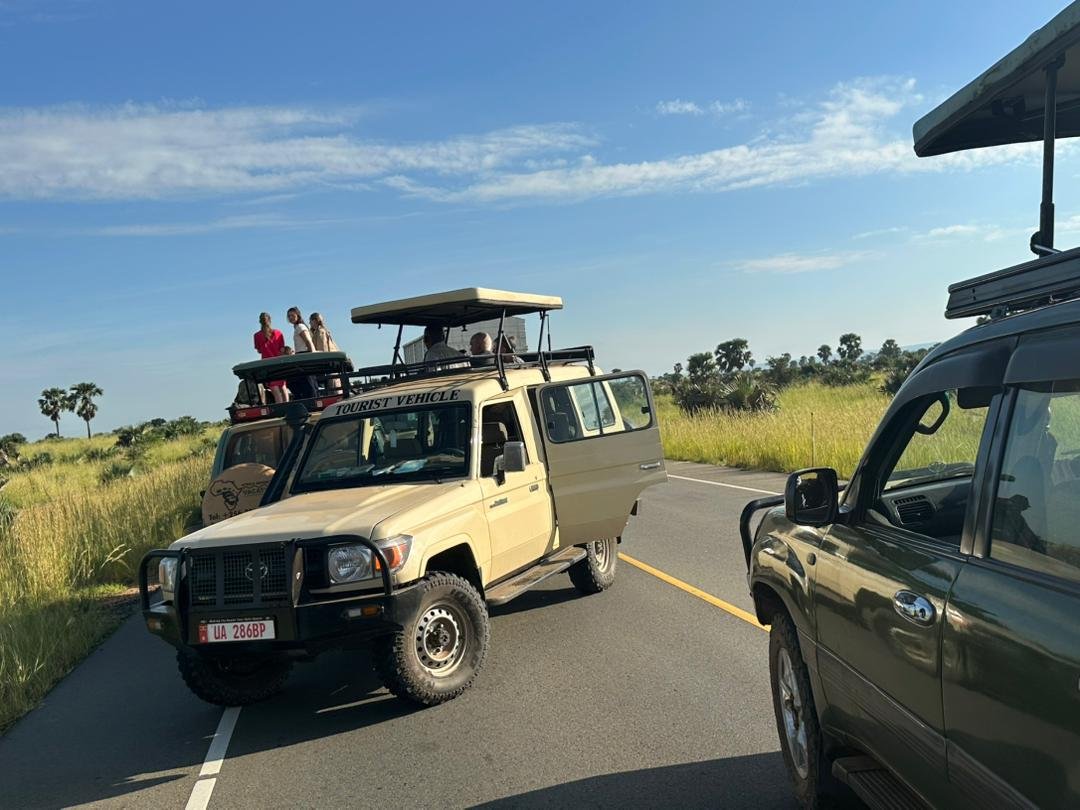
10 Days Uganda Primates and Wildlife
This 10-day Uganda Grand Safari is the most complete Uganda itinerary we offer at Pick and Transfer Safaris. It begins with a scenic northward drive from Entebbe to the vast open plains of Murchison
Tour Details →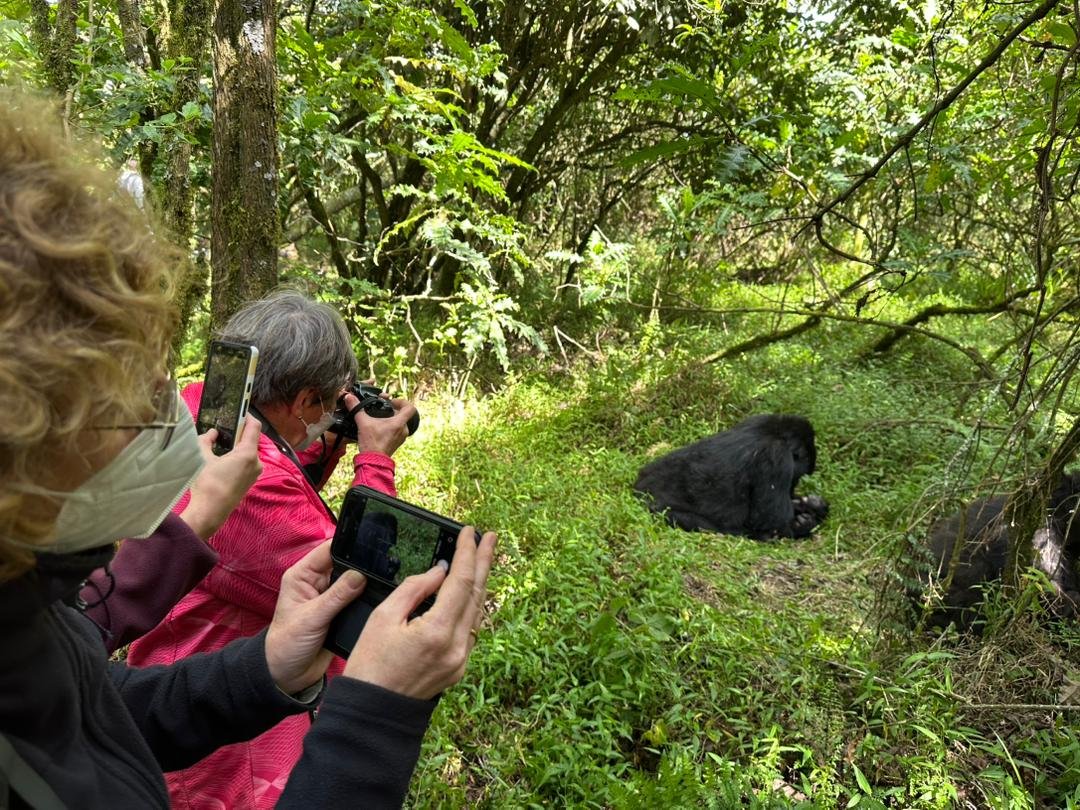
2 Days Uganda Gorilla Tour Starting from Kigali
This is the gentler cousin of our 1-Day Uganda Gorilla Safari Starting from Kigali — same idea, twice the breathing room. Instead of squeezing a 3,000-metre forest trek and two border crossings into a single very long day
Tour Details →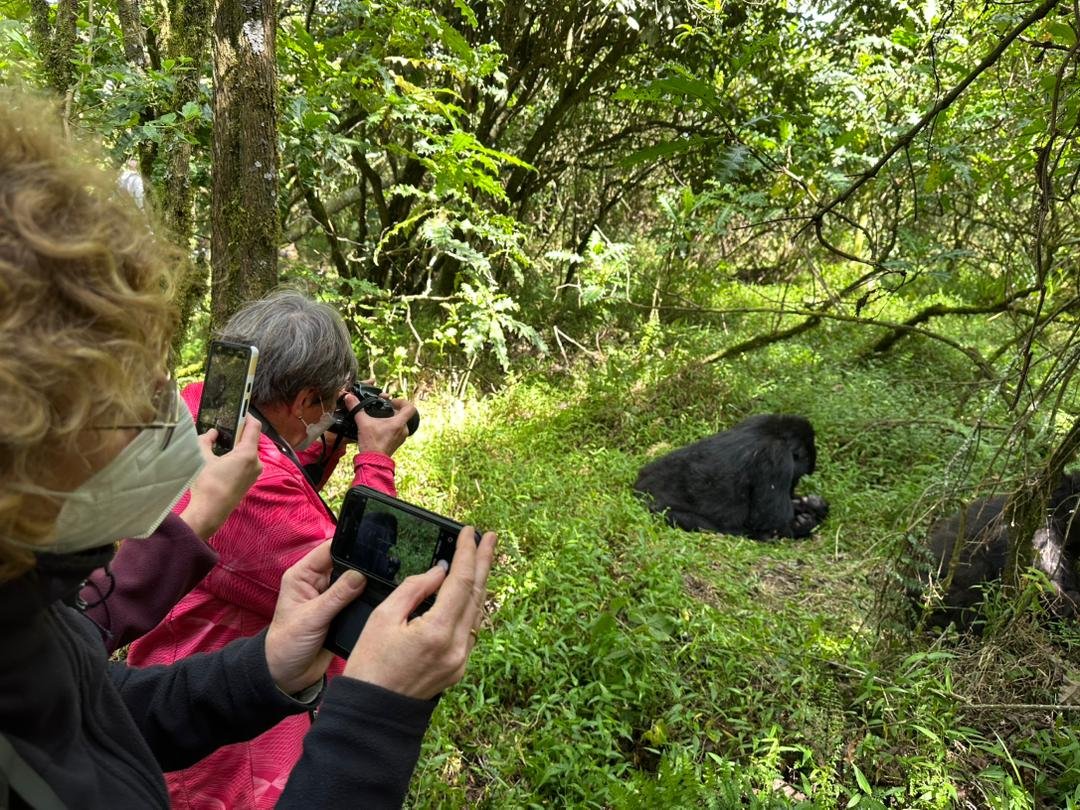
5-Day Uganda Gorilla and Chimpanzee Safari
This itinerary can be combined with a Rwanda extension or a wildlife-focused add-on through Queen Elizabeth National Park — browse our Uganda & Rwanda Safaris and Primate Safaris collections for ideas.
Tour Details →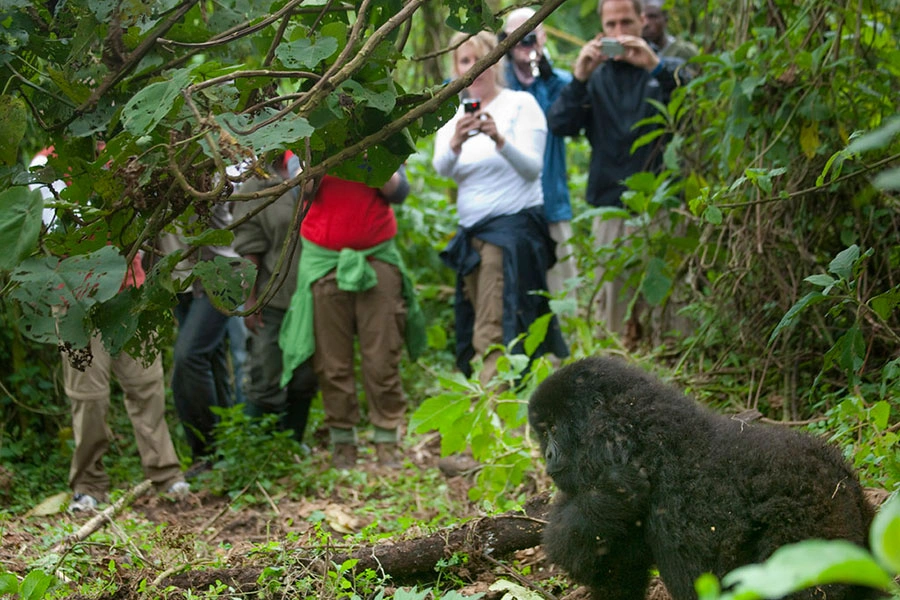
5 Days Rwanda Wildlife and Gorillas
This 5-day itinerary brings together Rwanda’s two flagship wildlife experiences: open savannah game drives and a boat safari in Akagera National Park, followed by a face-to-face encounters
Tour Details →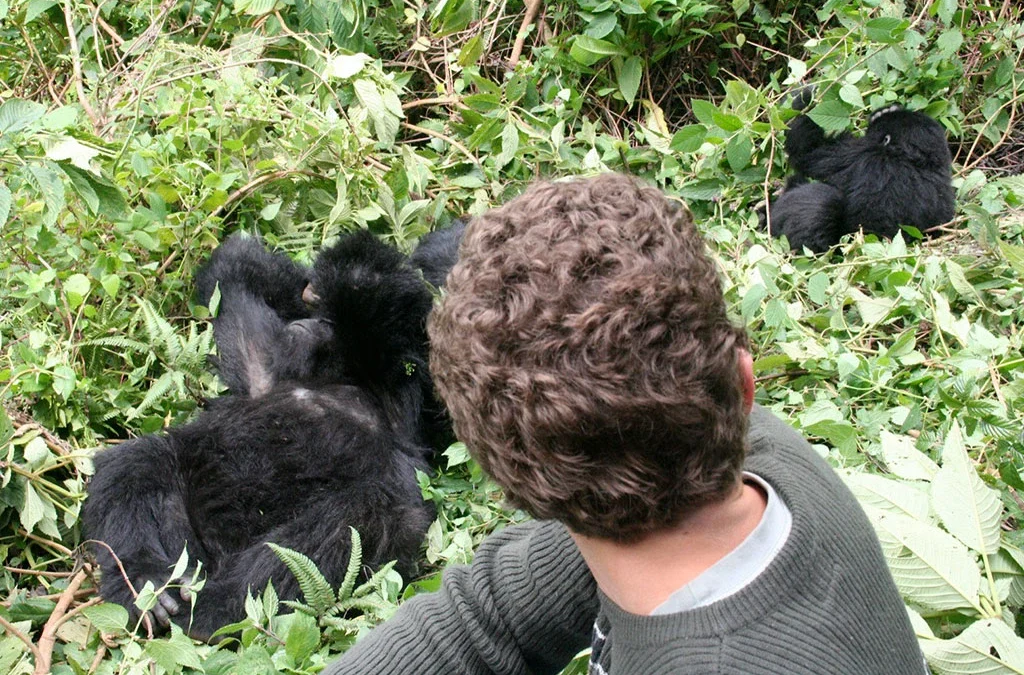
3 Days Uganda Gorilla Safari
For travelers who arrive in Entebbe with a tight schedule and a clear ambition, a 3-day gorilla safari to Bwindi Impenetrable Forest National Park is the most focused and rewarding short trip the country has to offer.
Tour Details →1. Embark on Thrilling Savanna Game Drives
Game drives are the heart of any visit to Queen Elizabeth National Park. The park’s vast grasslands, particularly in the Kasenyi Plains, are prime spots for spotting classic African wildlife. Guided early morning or late afternoon game drives give you the best chance to see:
- Predators: Lions, leopards, and hyenas on the hunt.
- Large Herbivores: African bush elephants, cape buffaloes, Uganda kobs, and giant forest hogs.
2. Spot Tree-Climbing Lions in the Ishasha Sector
One of the park’s most famous and rare attractions is located in the southern Ishasha Sector. Here, lions have developed a unique cultural behavior of climbing large fig trees to rest during the heat of the day. Observing these majestic big cats lounging lazily in the branches with panoramic views of the plains is a bucket-list experience for safari travelers and wildlife photographers alike.
3. Take a Boat Cruise Along the Kazinga Channel
A boat safari along the Kazinga Channel—a 32-kilometer natural waterway connecting Lake Edward and Lake George—is widely considered a highlight of visiting the park. The 2-hour cruise offers close-up views of:
- Massive pods of hippos submerged in the water.
- Nile crocodiles basking along the banks.
- Elephants and buffaloes coming down to cool off and drink.
- A spectacular variety of waterbirds, including kingfishers, African fish eagles, and pelicans.
4. Go Chimpanzee Tracking in Kyambura Gorge
Known as the “Valley of Apes,” Kyambura Gorge is a sunken tropical forest embedded within the savanna landscape. Taking a guided trek down into the gorge offers a rare chance to track wild chimpanzees in their natural habitat. As you navigate the lush riverine forest, you can also spot black-and-white colobus monkeys, red-tailed monkeys, and vibrant woodland birds.
5. Explore the Katwe Explosion Craters
For travelers interested in geography and culture, a drive through the Katwe Explosion Craters offers sweeping vistas of extinct volcanic craters and crater lakes. Visit Lake Katwe to see traditional salt mining practices that have been carried out by local communities for centuries, or enjoy sunset views across the Great Rift Valley backdrop.
6. Experience Bird Watching
With over 600 recorded bird species, Queen Elizabeth National Park boasts one of the highest bird counts of any national park in Africa. The park’s varied ecosystems—ranging from wetlands and savanna to tropical forests—make it a paradise for birders looking to spot species like the Shoebill stork, African skimmer, Papyrus gonolek, and various migratory birds.
Why should Queen Elizabeth N.P be on every travellers list?
Queen Elizabeth National Park deserves a spot on every traveler’s itinerary because it offers one of the most diverse, accessible, and thrilling safari experiences in East Africa. Set against the dramatic backdrop of the Rwenzori Mountains, it blends classic savanna game viewing with dense tropical forests and vibrant freshwater ecosystems.
1. Rare Tree-Climbing Lions
In the park’s southern Ishasha Sector, lions have developed a rare cultural habit of climbing large fig trees to escape the heat and insect bites during the day. Watching these apex predators lounge in tree branches against sweeping savanna views is an iconic, bucket-list wildlife experience found in only a couple of places on Earth.
2. Up-Close Boat Safaris on the Kazinga Channel
The Kazinga Channel is a 32-kilometer natural waterway linking Lake Edward and Lake George. A boat safari here brings you exceptionally close to one of Africa’s highest concentrations of hippos, alongside Nile crocodiles, bathing elephant herds, and hundreds of waterbird species lining the shores.
3. “Valley of Apes” Primate Treks
In the eastern side of the park lies Kyambura Gorge, a sunken tropical rainforest cutting through the savanna. Descending into this lush “underground forest” allows you to track habituated wild chimpanzees and spot colobus monkeys beneath a dense green canopy.
4. Over 600 Bird Species
With more than 600 recorded bird species, Queen Elizabeth NP holds one of the highest bird counts of any national park in Africa. From the rare Shoebill stork and African skimmers to colorful forest and migratory birds, it is a world-class birdwatching paradise.
5. Specialized Lion Tracking Experiences
Unlike typical game drives, Queen Elizabeth National Park allows visitors to join researchers from the Uganda Carnivore Program on off-road lion tracking drives. Using radio telemetry, this offers a unique behind-the-scenes look at predator conservation while ensuring an up-close sighting.
6. Volcanic Landscapes and Cultural Heritage
The park features the dramatic Katwe Explosion Craters, a scenic route of extinct volcanic craters and crater lakes. At Lake Katwe, travelers can observe traditional salt mining techniques that local communities have practiced for centuries.
Why should Tourist visit Kampala City?
Kampala, the vibrant capital city of Uganda, offers a rich blend of history, culture, nightlife, and urban adventure. Built across seven iconic hills, Kampala is not just a transit hub for national park safaris—it is a lively destination where visitors can experience the authentic heartbeat of modern Ugandan life.
Here are the top reasons Kampala belongs on every traveler’s itinerary:
1. Rich Cultural and Royal History
Kampala is deeply rooted in the traditions of the Buganda Kingdom, one of East Africa’s oldest monarchies. Visitors can explore fascinating historical sites, including:
- The Kasubi Tombs: A UNESCO World Heritage site and burial ground for Buganda kings (Kabakas).
- Mengo Palace (Luuwero): The historic official residence of the King of Buganda, featuring intriguing underground torture chambers from former regimes.
- The Kabaka’s Lake: One of Africa’s largest man-made lakes, dug by hand under King Mwanga II in the late 19th century.
2. Diverse Religious Landmarks and Architecture
Kampala’s skyline is dotted with remarkable places of worship, each offering impressive architecture and panoramic views of the city:
- Gaddafi National Mosque (Uganda National Mosque): Located on Old Kampala Hill, offering 360-degree views of the entire city from its minaret.
- Namirembe and Rubaga Cathedrals: Twin iconic cathedrals perched on adjacent hills representing Uganda’s Anglican and Catholic heritage.
- The Baha’i House of Worship: The only Baha’i temple on the African continent, set within peaceful, beautifully landscaped gardens.
3. Vibrant Local Markets and Street Food
No visit to Kampala is complete without sampling its famous food scene or navigating its bustling open-air markets:
- Owino Market (St. Balikuddembe): One of East Africa’s largest markets, famous for clothes, spices, crafts, and non-stop energy.
- Nakasero Market: A colorful farm-fresh market filled with tropical fruits, vegetables, and spices.
- Street Food Culture: Try Uganda’s iconic street meal, the “Rolex” (a warm rolled chapati filled with an egg omelet and fresh vegetables).
4. Legendary Nightlife and Entertainment
Kampala is widely recognized as one of the nightlife capitals of East Africa. From relaxed jazz bars and rooftop lounges in Kololo and Kabalagala to energetic live music venues featuring Afrobeat and local rhythms, the city truly comes alive after dark.
5. Warm Hospitality and Gateway Location
Known as one of the friendliest cities in Africa, Kampala welcomes travelers with open arms and smiling faces. Situated just an hour from Entebbe International Airport and Lake Victoria, it serves as the perfect starting or ending point for any Ugandan safari adventure.
Where can visitors taste Authentic Ugandan Food in Kampala?
1. 2K Restaurant (Bakuli & Acacia Mall)
- What to expect: Widely regarded as one of the most famous destinations for authentic Ugandan dishes. They specialize in traditional Central/Buganda cuisine served in generous portions with high hygienic standards.
- Must-try items: Luwombo (steamed meat or chicken seasoned in groundnut paste and wrapped in banana leaves), matooke (steamed mash plantains), kalo (millet bread), and fresh tilapia with peanut sauce.
2. Kisasian Traditional Restaurant (Bukoto / Ntinda Area)
- What to expect: A beloved local favorite offering a warm, home-cooked meal experience. It’s ideal for tourists wanting an unpretentious, genuine local lunch buffet.
- Must-try items: Fish in groundnut paste (Ebinyebwa), smoked beef, fresh cassava, sweet potatoes, and local greens (nakati).
3. Ekitoobero Restaurant
- What to expect: Named after the Luganda word for “delicacy,” this restaurant specifically focuses on preserving and showcasing traditional Buganda and Ugandan recipes in a comfortable dining setting.
- Must-try items: Beef or goat Luwombo, eshabwe (a rich, savory ghee sauce from Western Uganda), and steamed matooke.
4. Owino & Nakasero Market Food Stalls (For the Adventurous)
- What to expect: Located right in the heart of the bustling city center markets, these food stalls serve fast, fresh, and cheap local lunches to thousands of workers daily.
- Must-try items: A hot plate of local food with beans or offal (Ekyenyi), or a freshly made “Rolex” (chapati rolled with fried eggs, tomatoes, and cabbage) from a neighborhood street vendor.
5. St. Anthony Restaurant (Kiyembe / Town Center)
- What to expect: A long-standing staple in downtown Kampala known for serving traditional Ugandan buffets packed with rich, slow-cooked local flavors.
- Must-try items: Smoked tilapia in groundnut sauce, steamed pumpkin, and kalo.
Key Local Dishes to Include in Your Post:
- Matooke: Steamed and mashed green bananas, the staple starch of Central Uganda.
- Luwombo: A rich stew of chicken, beef, or fish cooked with peanut sauce inside sealed banana leaves.
- Eshabwe: A traditional creamy condiment made from clarified butter/ghee, popular in Western Uganda.
- The Ugandan Rolex: Uganda’s world-famous street food made of a rolled chapati with an omelet inside.
How long does it take to hike Mountain Rwenzori?
The time it takes to hike the Rwenzori Mountains (Mountains of the Moon) depends heavily on the specific route and peak you choose to conquer. Here is a breakdown of the standard trekking durations:
1. Margherita Peak Trek (The Summit – Mount Stanley)
- Duration: 7 to 9 Days
- Details: Reaching Margherita Peak ($5,109\text{ meters}$ / $16,762\text{ feet}$)—the third-highest peak in Africa typically takes 7 to 8 days via the Central Circuit Trail (managed by RMS) or 8 to 9 days via the Kilembe Trail (managed by Rwenzori Trekking Services). These longer durations are recommended to allow proper altitude acclimatization and to navigate the technical glaciers near the summit.
2. Intermediate Peak Treks (Mount Speke or Mount Baker)
- Duration: 5 to 6 Days
- Details: If you want to summit a major peak without climbing Margherita Glacier, routes to Mount Speke ($4,890\text{ meters}$) or Mount Baker ($4,843\text{ meters}$) take around 5 to 6 days.
3. Lower Elevation & Nature Walks (Non-Summit Trails)
- Duration: 1 to 4 Days
- Details: For casual hikers, families, or those short on time, short treks through the lower mountain slopes, giant heather forests, and river valleys range from 1 to 3 days. Popular options include the Mahoma Trail (3 days) or 1-day forest nature walks.
Is Mountain Rwenzori Snow Caped?
Yes, the Rwenzori Mountains are snow-capped.
Despite being located just north of the equator, the highest peaks of the Rwenzori Range—most notably Mount Stanley (Margherita Peak at $5,109\text{ meters}$ / $16,762\text{ feet}$), Mount Speke, and Mount Baker—are covered in permanent tropical glaciers, ice fields, and snow caps year-round.
How high is Mountain Rwenzori?
The highest point of the Rwenzori Mountains (Mountains of the Moon) is Margherita Peak on Mount Stanley, which stands at 5,109 meters (16,762 feet) above sea level.
This makes Mount Stanley the third-highest mountain in Africa, trailing only Mount Kilimanjaro in Tanzania ($5,895\text{ m}$) and Mount Kenya in Kenya ($5,199\text{ m}$).
What makes Rwenzori different from other hiking destinations?
The Rwenzori Mountains (Mountains of the Moon) stand out from almost every other trekking destination in Africa and across the globe due to several distinct features:
1. Permanent Equatorial Glaciers
Unlike standard non-volcanic mountain ranges near the equator, the Rwenzori range features permanent glaciers, ice fields, and snow peaks despite sitting just 28 kilometers north of the equator. Trekking through tropical rainforests and ascending into alpine ice conditions within the same expedition is an experience matched by very few places on Earth.
2. A Non-Volcanic Alpine Block
While Africa’s other iconic high peaks—such as Mount Kilimanjaro and Mount Kenya—are single free-standing volcanic cones, the Rwenzori is an entire block mountain range formed by tectonic faulting within the Great Rift Valley. This creates a rugged landscape featuring six distinct mountain masses separated by deep, dramatic gorges and V-shaped valleys.
3. Alien-Like Botanical Wonders and Giant Vegetation
Due to high rainfall, constant cloud cover, and unique soil conditions, the Rwenzori Mountains host extraordinary, oversized vegetation in their higher altitude zones. Hikers trek through surreal landscapes filled with:
- Giant Lobelias growing several meters high.
- Giant Groundsels (Dendrosenecio) with rosette foliage.
- Massive Heather Trees shrouded in thick, hanging moss and colorful lichen.
4. Extreme Biodiversity and Endemic Wildlife
Protected within a UNESCO World Heritage Site, the range spans diverse climate zones—from dense Afro-montane forest and bamboo zones to alpine moorland and glaciers. It is home to rare and endemic species like the Rwenzori Three-horned Chameleon, the Rwenzori Turaco, and over 200 species of birds, along with forest elephants, chimpanzees, and L’Hoest’s monkeys.
5. Remote and Uncrowded Wilderness Experience
Compared to the heavily trodden routes of Kilimanjaro, the Rwenzori offers a true, pristine wilderness trek. Lower foot-traffic means quieter trails, undisturbed nature, and an immersive alpine adventure free from large tourist crowds.
What does a tourist need to know before climbing Mountain Rwenzori?
Climbing the Rwenzori Mountains (Mountains of the Moon) is widely considered one of the most rewarding yet challenging trekking experiences in Africa. Unlike standard volcanic treks like Mount Kilimanjaro, the Rwenzori range features steep ridges, muddy trails, and glacier crossings that demand preparation.
Here are the crucial things every traveler must know before taking on the climb:
1. Physical Fitness and Preparation Are Essential
While you do not need previous mountaineering experience for lower-altitude treks, summiting Margherita Peak ($5,109\text{ m}$) requires a high level of physical fitness, stamina, and mental endurance.
- Expect 6 to 8 hours of daily hiking over rugged, uneven terrain.
- You will encounter steep inclines, wooden ladder climbs, boulder hopping, and thick mud trails.
- Training with cardio, leg strength exercises, and hiking with a weighted backpack weeks before your trip is highly recommended.
2. Prepare for Mud, Rain, and Bogs
The Rwenzoris are famous for their unique Afro-alpine climate, which brings high humidity, rain, and extensive bog zones at mid-to-high altitudes.
- Muck boots (gumboots): Essential for navigating deep mud in lower and middle sections (such as the Bigo Bog).
- High-quality waterproof gear: Waterproof jacket, rain pants, and dry bags for your electronics and gear are non-negotiable.
3. Technical Gear is Required for Margherita Peak
To reach the actual summit of Margherita Peak, trekkers must cross the Margherita Glacier.
- Required Technical Equipment: Crampons, ice axes, harnesses, helmets, and ropes (usually provided by certified local trekking agencies).
- Briefing and safety instruction on using crampons and ropes are provided by your guides before glacier crossings.
4. Altitude Sickness (AMS) Is a Real Factor
At elevations above $3,000\text{ meters}$, altitude sickness can affect anyone regardless of fitness level.
- Acclimatization: Choose 7- to 9-day itineraries that allow your body time to adjust to changing oxygen levels.
- Hydration: Drink plenty of water throughout the trek.
- Medication: Consider carrying preventive medication like Diamox (Acetazolamide) after consulting with a doctor.
5. You Must Trek with Authorized Guides and Porters
Independent, unguided trekking is strictly prohibited in Rwenzori Mountains National Park.
- Professional Guides: Expeditions are led by certified local guides who know the routes, weather patterns, and safety protocols.
- Porters: Porters carry primary luggage (up to $15\text{ kg}$ per hiker), set up camp, and assist on tricky trail sections. Hiring porters directly supports the local communities around the park.
6. Best Time of Year to Climb
While the mountains can be climbed year-round, the dryer months offer clearer views and easier trail conditions:
- Best Dry Months: June to August and December to February.
- Wet Seasons: March to May and September to November experience heavier rainfall, making trails slicker and bogs deeper.
7. Accommodation on the Mountain
Depending on the route you select, accommodation consists of simple mountain huts or designated camping sites equipped with bunk beds, basic mattresses, and shared dry-latrine toilets. Warm, heavy-duty sleeping bags rated for freezing temperatures ($0^\circ\text{C}$ to $-10^\circ\text{C}$) are mandatory.
Why is Mountain Rwenzori called Mountain of the Moon?
The name “Mountains of the Moon” for the Rwenzori Mountains dates back nearly two millennia to ancient Greek geography and trade:
1. Claudius Ptolemy’s Ancient Maps
Around 150 AD, the famous Alexandrian geographer and mathematician Claudius Ptolemy produced maps of Africa based on accounts from ancient traders (notably Diogenes). Ptolemy documented a snow-capped mountain range in the interior of East Africa called Lunae Montes (“Mountains of the Moon”), describing it as the primary source feeding the waters of the White Nile.
2. Ethereal, Snow-Capped Appearance
From a distance across the surrounding hot equatorial plains, the mist-shrouded, glistening white glaciers and snow-capped peaks against the dark sky presented a ghostly, moon-like appearance. Local traders and early explorers associated this ethereal landscape with celestial phenomena.
3. Verification by Modern Explorers
For centuries, European geographers debated whether snow-capped mountains could exist directly along the equator. It wasn’t until 1888, when the explorer Henry Morton Stanley sighted the snow-covered peaks, that Western geographers confirmed Ptolemy’s ancient “Mountains of the Moon” were indeed the Rwenzori range.
Is hiking Mountain Rwenzori difficulty?
Yes, hiking the Rwenzori Mountains is widely considered difficult and physically demanding.
In fact, many experienced trekkers and mountaineers rate the Rwenzori climb as more challenging than scaling Mount Kilimanjaro or Mount Kenya due to the combination of terrain, weather conditions, and technical requirements.
Here is a breakdown of why hiking the Rwenzori Mountains is considered difficult:
1. Extremely Rugged and Varied Terrain
Unlike standard volcanic peaks with well-graded footpaths, the Rwenzori trails feature steep, rocky ridges, boulder scrambles, vertical ladder climbs, and thick forest roots. Navigating these uneven surfaces for 6 to 8 hours daily requires constant balance, agility, and joint stability.
2. Deep Bogs and Mud
The Rwenzori range is notorious for its extensive bog zones (such as the Bigo Bog). Hikers frequently have to wade through knee-deep mud and water using rubber boots (gumboots). Trudging through deep mud while carrying a daypack adds significant physical fatigue over a multi-day trek.
3. Unpredictable Weather and High Humidity
Located near the equator, the mountain range receives high levels of rainfall year-round. Hikers must cope with sudden downpours, thick cold fog, freezing temperatures at higher altitudes, and persistently damp gear.
4. Technical Glacier Crossing (For Margherita Peak)
Summitting Margherita Peak ($5,109\text{ meters}$) requires crossing active, crevassed tropical glaciers. Climbers must use technical mountaineering equipment—including crampons, ice axes, harnesses, helmets, and ropes. While local guides provide safety briefings, navigating steep ice walls and glaciers demands stamina and focus.
5. High Altitude and Acclimatization
At elevations above $3,000\text{ meters}$, reduced oxygen levels can cause Altitude Sickness (Acute Mountain Sickness – AMS). Reaching the higher peaks over a 7- to 9-day trek requires pace management, deep hydration, and proper rest stops to allow your body to adjust.
What is Jinja mostly known for?
Jinja is universally known as the “Adventure Capital of East Africa” and the home of the Source of the River Nile—the world’s longest river.
Key features and activities that make Jinja famous include:
1. The Source of the Nile
Jinja is where the River Nile flows out of Lake Victoria to begin its journey across Africa to the Mediterranean Sea. Visitors can take boat cruises out to the historic spot where John Hanning Speke first mapped the Nile’s source in 1858.
2. World-Class White-Water Rafting & Kayaking
The rapids along the Nile near Jinja offer some of the top white-water rafting and kayaking experiences in the world, with adrenaline-filled Grade 3 to Grade 5 rapids like those found at Itanda Falls.
3. Extreme & Outdoor Adventure Sports
Beyond rafting, Jinja is the center for high-energy outdoor activities in Uganda, including:
- Bungee Jumping: Jumping from a 44-meter tower over the Nile.
- Quad Biking & Horseback Riding: Trail rides along the riverbanks, through local villages, and past sugarcane plantations.
- Tubing and Jet Boating: High-speed or relaxing water experiences on the Nile.
4. Rich Industrial and Colonial History
Jinja was historically Uganda’s primary industrial hub during the 20th century. It features unique Asian-Colonial architecture, historical Hindu temples, and a memorial site where a portion of Mahatma Gandhi’s ashes were scattered at the Nile.
What are the most tourist attractions in Jinja?
1. The Source of the River Nile
The most famous attraction in Jinja is the official point where the River Nile flows out of Lake Victoria. Visitors can take a scenic boat cruise to the monument marking the exact source mapped by John Hanning Speke in 1858.
2. Itanda Falls
Located about 27 kilometers outside Jinja city center, Itanda Falls replaced Bujagali Falls as the region’s main white-water hotspot. It is renowned for its roaring Grade 5 rapids, attracting spectators as well as world-class white-water rafters and kayakers.
3. Source of the Nile Bungee Tower
For adrenaline seekers, Jinja features a 44-meter bungee tower positioned over the Nile, allowing jumpers to plunge toward the waters of the river.
4. Jinja Main Street & Central Market
The heart of Jinja City features colorful Asian-Colonial architecture dating back to its mid-20th-century industrial era. Visiting Jinja Central Market offers a vibrant local experience with fresh fruits, crafts, fabrics, and authentic Ugandan street food like the famous “Rolex”.
5. Kyabazinga Royal Palace (Igenge Hill)
Located in nearby Bugembe, this is the official palace of the Kyabazinga (King) of Busoga. It offers tourists a rich cultural insight into the traditions, history, and royal heritage of the Basoga people.
6. The Source of the Nile Bridge (New Jinja Bridge)
A modern architectural landmark, this cable-stayed bridge spans the Nile River and provides stunning views over the water, especially when illuminated at night.
what economic activities is Jinja known for?
Historically considered Uganda’s primary industrial heartland, Jinja is supported by a diverse economy driven by several key sectors:
1. Tourism & Hospitality
Tourism is one of Jinja’s fastest-growing economic drivers. Renowned as the “Adventure Capital of East Africa,” the city generates significant revenue from:
- Water Sports & Adventures: White-water rafting, kayaking, boat cruises to the Source of the Nile, bungee jumping, and tubing.
- Hospitality Services: Hotels, safari lodges, tour operators, restaurants, and entertainment venues servicing local and international visitors.
2. Manufacturing & Heavy Industry
Jinja’s initial industrial growth was powered by the construction of the Nalubaale (Owen Falls) Hydroelectric Power Station. Key manufacturing sectors include:
- Agro-Processing & Sugar Milling: Home to Kakira Sugar Works, one of East Africa’s largest sugar producers and a major employer in the region.
- Brewing: Hosting Nile Breweries Limited, which utilizes water from the Nile for beverage production.
- Steel & Metal Fabrication: Plants such as MM Integrated Steel manufacturing steel products.
- Edible Oils & Consumer Goods: Processing plants like Bidco refining palm oil into cooking oil and soap products.
- Automobile Assembly: Kiira Motors Corporation established its main electric vehicle manufacturing plant in Jinja’s industrial zone.
3. Hydroelectric Power Generation
Jinja serves as a core hub for Uganda’s clean energy grid. Power stations along the Nile River—such as the Nalubaale and Kiira Hydroelectric Power Stations—generate electricity that supplies both domestic industries and regional export markets.
4. Commercial Agriculture & Farming
The surrounding region relies heavily on rich agricultural lands. Primary activities include:
- Sugarcane Plantation Farming: Outgrower networks and large estates supplying sugar factories.
- Food & Cash Crops: Farming of maize, coffee, bananas, sweet potatoes, and cassava.
5. Trade, Commerce & Fishing
- Retail & Local Markets: The central business district and facilities like the Jinja Central Market support thousands of vendors, traders, and small-scale entrepreneurs.
- Fisheries: Lake Victoria and the River Nile support commercial freshwater fishing, fish processing, and aquaculture.
Published by: Peace, Lucas and Sandra