- LET'S PLAN YOUR SAFARI
- +256 200 921 002
- +256 793 194 703
- info@pickandtransfersafaris.com

Tour Booking in Uganda directly
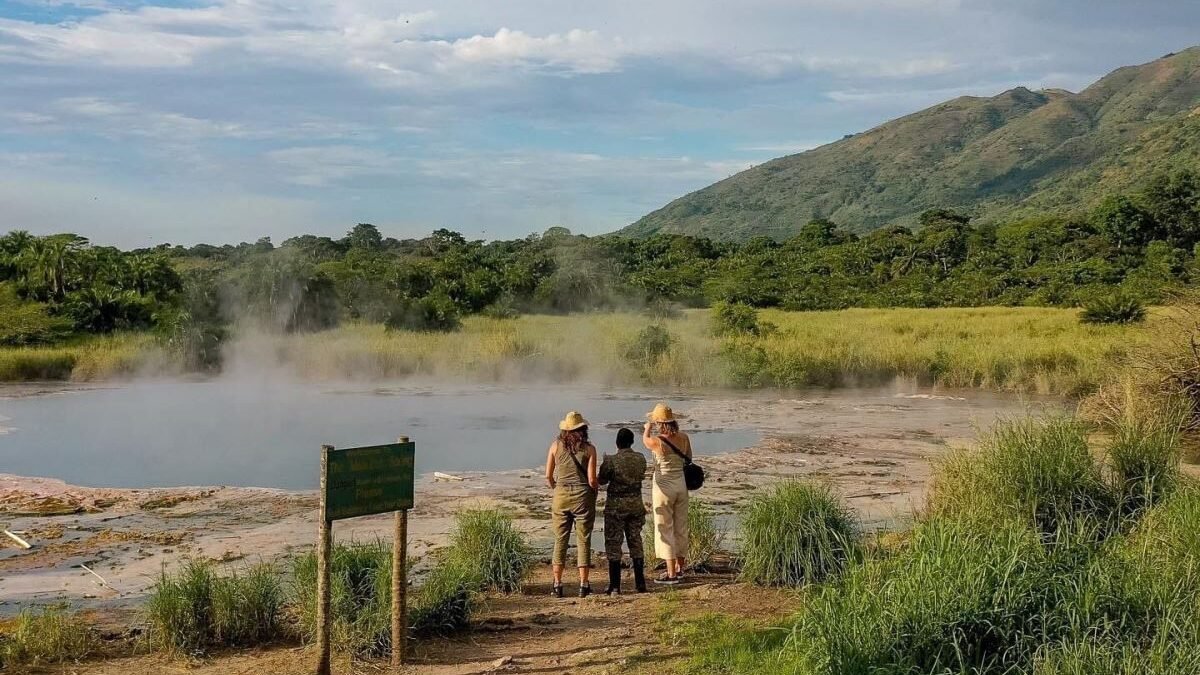
Tour Booking in Uganda directly. Tour booking in Uganda works best when you secure your gorilla or chimpanzee permits first, then build your lodges, vehicle and guide around those fixed dates. That one habit prevents most of the problems travelers run into. It also matters more now, because the Uganda Wildlife Authority (UWA) has changed how permits are paid for and priced.
Uganda is one of the most rewarding safari countries in Africa. In a single trip you can sit with mountain gorillas in Bwindi, follow chimpanzees through Kibale, watch lions on the plains of Queen Elizabeth and feel the River Nile explode through the rock at Murchison Falls. Making all of that run smoothly takes some planning, and that is where most first-time visitors have questions.
How far ahead should you book? How much does a tour really cost? Should you fly into Entebbe or Kigali? How do you know a tour company is genuine? This guide answers each of those questions in plain language. At Pick and Transfer Safaris, our base is in Kisoro, right in Uganda’s gorilla country, and these are the same questions we help travelers with every week.
Quick Answers: Booking a Tour in Uganda
If you only have a minute, these are the essentials:
- When to book: 4 to 8 months ahead for June to September and December to February. Shorter notice can work in quieter months.
- What to book first: your gorilla permit, because daily numbers are limited and your whole route depends on it.
- Gorilla permit price: US$800 for foreign non-residents, or US$600 in April, May and November.
- Who books permits: foreign visitors normally book through a licensed tour operator.
- Payment: permits now need full payment before they are confirmed. Unpaid holds are no longer allowed.
- Where to start: Entebbe suits wider Uganda tours. Kigali is often the quicker gateway for a short gorilla trip.
Why Book a Tour in Uganda?
Uganda earned the name “the Pearl of Africa” because it packs a remarkable range of landscapes into a fairly small country. Rainforest, savannah, crater lakes, snow-capped mountains and the upper Nile all sit within reach of one road trip. You can read a wider overview of the country in this guide to Uganda from Kenlink Tours.
Three things make Uganda stand out for travelers comparing African destinations:
- Primates and big game on one trip. Few countries let you trek gorillas and chimpanzees and also enjoy classic game drives without crossing a border.
- Strong value for gorilla trekking. A standard Uganda permit costs US$800, while a Rwanda permit costs about US$1,500. That gap can pay for several extra safari days.
- Options for every budget. Lodging runs from simple bandas and guesthouses to high-end forest lodges, so a trip can match what you want to spend.
Our company was founded on one simple question: why should exploring Uganda and Rwanda be out of reach for so many people? You can read more about that mission on our About Us page. Our packages are designed with budget and mid-range travelers in mind, without cutting the experiences that make the trip worthwhile.
Booking Directly vs Using a Booking Website
You can book a Uganda tour in three main ways. Each has clear strengths, so the right choice depends on how much control and support you want.
| Booking route | Best for | Main advantage | Main drawback |
|---|---|---|---|
| Local tour operator | Most travelers, especially first-timers | Permits, vehicle, guide and lodges handled in one place, with on-the-ground support | Quality varies, so you need to check the company |
| International agent or online marketplace | Travelers who prefer booking from home with a familiar brand | Easy comparison of many trips | Often a higher price, and less direct contact with the people running your trip |
| Independent or self-drive booking | Confident road travelers | Full freedom over pace and route | You carry more planning, driving and problem-solving yourself |
For most visitors, a local operator offers the best balance. A good one knows which lodges are open, which roads have become difficult after rain and which gorilla sector best suits your route. That local knowledge is hard to replace from a booking website.
If you already know the kind of trip you want, you can browse all our safaris and use one as the starting point for your own plan.
Which Type of Uganda Tour Should You Book?
The best Uganda tour is the one built around your main reason for coming. Decide on that first, and the length, route and budget become much easier to settle.
Gorilla trekking tours are the top reason most people visit. A short trip focuses on one trek and works well as an add-on to a business trip or another safari. Our gorilla safaris range from very short Kigali departures to longer primate journeys. The 3 Days Uganda Gorilla Safari is the most focused option for travelers arriving in Entebbe.
Primate combination tours pair gorillas with chimpanzees, which behave very differently and offer a far more energetic encounter. Our 5-Day Uganda Gorilla and Chimpanzee Safari is a popular choice. Kenlink Tours also runs a similar 5 days gorilla and chimpanzee tour if you want to compare how the days can be arranged.
Wildlife safaris focus on game drives and boat cruises in the savannah parks. See our full range of wildlife safaris, including the 3 Days Safari to Murchison Falls for a short break from Kampala or Entebbe.
Long, complete safaris suit travelers with one week or more who want primates and big game together. Our long trips cover Uganda alone and Uganda with Rwanda, Kenya and beyond. For a useful benchmark, compare Kenlink’s 8-day gorilla, chimpanzee and wildlife safari.
Birding tours are a specialist favorite, since Uganda’s mix of forest, wetland and savannah supports an outstanding range of species. Our 18 Days Uganda Birding and Wildlife Safari is an in-depth option, and a 7-day birdwatching safari offers a shorter introduction.
Group departures can reduce costs for solo travelers and couples, because you share the vehicle and guide. Kenlink Tours lists group tours along with its scheduled departure safaris, which show how fixed-date trips usually work.
Self-drive tours give you complete freedom over pace and stops. You still need a suitable vehicle and well-planned permits. We provide 4×4 rentals and route support for this style of travel, and Kenlink’s car hire page gives another view of what a safari fleet looks like.
Top Uganda Destinations to Include in Your Booking
Five parks form the core of most Uganda tours. Your choice between them shapes the driving time, and therefore the number of days you need. You can explore them all on our destinations page.
- Bwindi Impenetrable National Park: home to nearly half of the world’s remaining mountain gorillas, and Uganda’s main trekking destination.
- Mgahinga Gorilla National Park: a smaller, quieter park in the Virunga volcanoes, where you can also track rare golden monkeys.
- Kibale Forest National Park: Uganda’s leading chimpanzee tracking destination, with one of Africa’s highest concentrations of primates.
- Queen Elizabeth National Park: known for tree-climbing lions, crater lakes and boat trips on the wildlife-rich Kazinga Channel.
- Murchison Falls National Park: Uganda’s largest national park, with Nile boat safaris, big game and the famous falls.
Choosing the Right Bwindi Sector When You Book
Gorilla permits are issued for a specific location, not simply for “Bwindi”. This surprises many travelers, and it can cause real problems when a lodge is booked in the wrong area. Bwindi has four trekking sectors, and Mgahinga is a separate fifth option.
| Trekking location | Part of the region | Good to know |
|---|---|---|
| Buhoma | Northern Bwindi | Convenient for travelers coming from Queen Elizabeth National Park |
| Ruhija | Eastern Bwindi | Higher altitude and cooler, and also a respected birding area |
| Rushaga | Southern Bwindi | Easy access from Kigali and Kisoro, and the base for gorilla habituation |
| Nkuringo | Southern Bwindi | Dramatic views, often with steep trekking |
| Mgahinga | Virunga volcanoes | Quiet, close to Kisoro, and pairs well with golden monkey tracking |
Always book your lodge after you know your permit location. Driving between sectors can take hours on mountain roads, and treks start early in the morning. Sleeping close to your assigned trailhead is one of the simplest ways to protect your trip.
For travelers staying in the south, Ikoro Hotel is our own property in Kisoro. It sits opposite Nyakabande Airstrip, around 15 km from Mgahinga and 36 km from Bwindi.
Entebbe or Kigali: Where Should Your Tour Start?
Your arrival airport can change the shape and cost of your whole trip. Choosing it should be part of your booking decision, so settle it before you buy flights.
Fly into Entebbe if you plan to visit several Uganda parks. It is the natural start for northern routes to Murchison Falls and for longer circuits through Kibale and Queen Elizabeth. The drawback is distance: reaching Bwindi or Mgahinga by road often takes 9 to 11 hours.
Fly into Kigali if gorillas are your main goal and your time is short. The drive from Kigali to southern Bwindi or Mgahinga is much shorter, typically about four to five hours depending on the border and sector. You get the lower Uganda permit price with less time on the road.
We built several itineraries around this route. The 2 Days Uganda Gorilla Tour Starting from Kigali offers a comfortable overnight stay, while the One Day Uganda Gorilla Safari Starting from Kigali suits travelers who have almost no spare time. Kenlink’s 5-day gorilla trekking safari from Kigali to Uganda shows how the same gateway works over a longer trip.
If you want to enjoy both countries, the 10 Days Uganda Rwanda Safari combines them into one journey.
How to Book a Tour in Uganda: 8 Simple Steps
Booking a Uganda tour follows a clear order, and following it keeps you from paying for anything you later have to change.
- Choose your priorities and dates. Decide what matters most, such as gorillas, chimpanzees or big game. Then choose two or three possible date ranges, because flexibility improves your chance of finding permits.
- Set a realistic budget. Include permits, lodging level and transport, along with flights and visas. Tell your operator the real figure, since it helps them design the right trip the first time.
- Shortlist two or three operators. Check their licensing, reviews and communication. A later section of this guide covers exactly what to look for.
- Request a written itinerary and quote. It should show each night’s lodge, the park activities, the vehicle and exactly what is excluded.
- Ask for permit availability on your dates. Gorilla permits are limited, so availability should be checked before any flights or lodges are paid for.
- Pay for permits and confirm your route. Permits now require full payment, so expect this cost early. Lodges are then matched to your confirmed permit location.
- Book flights, then apply for your visa. Once permits are secured, buy your flights and apply for your e-visa online. Make sure your yellow fever certificate is ready.
- Confirm final details. Reconfirm pickup times, your driver-guide’s contact details and any special needs. Pay your remaining balance according to the agreed terms.
That is really all there is to it. When you are ready to begin, simply contact our team with your dates, group size and main interests.
Uganda Gorilla and Chimpanzee Permit Prices for 2026 and 2027
The standard gorilla permit stays at US$800 for foreign non-residents in 2027, while several other primate activities rise on 1 January 2027. UWA confirmed these changes in early 2026. Earlier reports of a US$1,000 gorilla permit were overtaken by that later announcement.
All prices below are for foreign non-residents, per person. Rates differ for foreign residents, East African citizens and other African passport holders.
| Activity | Until 31 December 2026 | From 1 January 2027 |
|---|---|---|
| Gorilla trekking, standard months | US$800 | US$800 |
| Gorilla trekking, April, May and November | US$600 | US$600 |
| Gorilla habituation, Bwindi | US$1,500 | US$1,800 |
| Chimpanzee tracking, Kibale, standard months | US$250 | US$300 |
| Chimpanzee tracking, Kibale, April, May and November | US$200 | US$200 |
| Chimpanzee habituation, Kibale | US$300 | US$400 |
| Chimpanzee tracking, Kyambura Gorge | US$100 | US$200 |
If your 2027 plans include Kibale chimpanzees or a habituation experience, it is worth acting before the change. Published reports differ on whether the new rate follows the purchase date or the trek date, so ask your operator to confirm this in writing before you pay.
For other visitor categories, gorilla trekking costs US$700 for foreign residents, US$500 for other African passport holders and UGX 300,000 for East African citizens. The foreign resident low-season rate is US$500.
UWA can revise its fees, so always ask for the current tariff when you receive your quote.
What Your Gorilla Permit Includes
A standard gorilla permit gives you one hour with a habituated gorilla family, after a guided trek with ranger guides and trackers. It also covers your park entry for that day. It does not include your transport, lodging, meals, tips or the optional porter.
Keep these standard rules in mind when booking:
- Minimum age: trekkers must be at least 15 years old.
- Group size: a maximum of eight trekkers visits each gorilla family per day.
- Health: you may not be allowed to trek if you are visibly ill, because gorillas can catch human diseases.
- No sighting guarantee: these are wild animals, although encounter rates are very high with experienced trackers.
The gorilla habituation experience is a different product. It allows up to four hours with a family still getting used to people, alongside researchers and trackers. It is offered in the Rushaga sector, and places are very limited.
New Permit Booking Rules Every Traveler Should Know
Three recent changes affect how you should book, and each one rewards travelers who plan early and choose dates carefully.
Full payment now secures your permit. From 1 March 2026, operators can no longer hold permits for up to seven days without payment. Your place is secured only once payment is made. Ask your operator for a receipt and the confirmation details as soon as the permit is bought.
Low-season permits cannot be rescheduled. The US$600 gorilla permit and US$200 chimpanzee permit are available for April, May and November in 2026 and 2027. They offer real savings, but they come with a firm condition. If your flights change, you may lose the value of that permit, so allow a buffer day and consider travel insurance.
Standard permit changes may also cost you. Late rescheduling has been reported to attract a fee of about 25%, and UWA has signaled a tighter approach to changes. Ask about the current rule before you pay. Your tour contract should also explain what happens if plans change, as these Kenlink Tours terms and conditions illustrate.
These rules make your choice of dates more important than ever. Get your flights and leave approved in principle before you pay for permits, then move quickly once everything lines up.
How Much Does a Uganda Tour Cost?
A Uganda safari typically costs from about US$1,500 to more than US$8,000 per person, depending on trip length, lodge level and how many people share the vehicle. A short gorilla trip usually sits near the lower end, while long private journeys in luxury lodges reach the top. Treat these as planning figures, since your final quote depends on your exact dates and route.
These are the main costs to expect in a quote:
- Permits and park fees: often the largest fixed cost, especially for gorilla trekking.
- Accommodation: the biggest variable. Budget, mid-range and luxury lodges can differ dramatically in price.
- Vehicle, fuel and driver-guide: usually a 4×4 safari vehicle shared by your group.
- Meals and activities: game drives, boat cruises and nature walks, some of which may be listed separately.
- Extras: international flights, visas, insurance, drinks, tips and porter fees are often excluded.
How to Reduce the Cost Without Ruining the Trip
The easiest savings come from timing and logistics, not from removing the experiences you came for. A few careful choices can free up a meaningful part of your budget.
- Travel in a low-season month. Choosing April, May or November saves US$200 per gorilla permit, and some lodges also reduce their rates.
- Share the vehicle. Costs per person generally fall as your group grows, up to the vehicle’s comfortable capacity.
- Start from Kigali for a short trek. A shorter route can remove days of driving and extra nights.
- Mix your lodge levels. Stay somewhere simple on transit nights and spend more where you will really enjoy it.
- Avoid too many parks. Fewer stops mean less fuel, less time in the car and more time watching wildlife.
The Best Time to Book and Travel
The dry months from June to September and December to February are the most popular for trekking and game viewing. Trails tend to be firmer, roads are easier and animals gather around water sources in the savannah parks. These are also the months when permits and good lodges fill up first, so aim to book 4 to 8 months ahead.
April, May and November are wetter, but they have clear attractions. The landscape turns lush and green, there are fewer visitors and the discounted permits make them excellent value. Trails can be muddier, so good boots and a porter become more useful. Rain often falls in bursts instead of lasting all day, although this varies from year to year.
Gorilla trekking takes place all year, so there is no truly wrong month. Your choice comes down to a trade-off between easier conditions and lower prices.
How to Choose a Trustworthy Tour Operator in Uganda
Check licensing, reviews and communication before you send any money. A little research protects you far better than a low price does, especially because permit payments are large and made upfront.
Use this checklist when comparing companies:
- Registration and licensing: ask whether the company is licensed by the Uganda Tourism Board and a member of a recognized association, such as the Association of Uganda Tour Operators.
- A traceable business: look for a physical address, working phone numbers and a company email address.
- Independent reviews: read recent reviews on platforms such as Tripadvisor and Google, and pay attention to how problems were handled.
- A detailed quote: every lodge, activity and exclusion should be named in writing.
- Clear terms: cancellation, refund and rescheduling rules should be easy to find and understand.
- Fast, honest answers: a company that replies clearly before you pay is more likely to support you well during your trip.
It also helps to look at how other established operators present their tours. Kenlink Tours’ Uganda safaris page is a useful comparison when you are learning what a clear itinerary should include.
Booking Mistakes and Scams to Avoid
Most booking problems are avoidable, and they usually come from rushing a payment or skipping one check. Watch out for these warning signs and common mistakes:
- Permit prices far below the official rate. The permit cost is fixed by UWA, so an unusually cheap offer deserves careful questions.
- Payment to an unverified personal account. Confirm the payment details directly with the company through its official website or phone number.
- No proof of permit purchase. Ask for written confirmation of your date, location and number of permits.
- Booking flights first. Non-refundable tickets can become a costly problem if permits are unavailable on your dates.
- Too much driving in too few days. A route that looks fine on a map can mean very long days on Uganda’s roads.
- Choosing a lodge before the permit. You can easily end up hours from your assigned gorilla sector.
Visas, Vaccinations and Travel Documents
Most visitors need to apply for a Uganda e-visa online before they travel, so do this after your permits and flights are confirmed. Requirements vary by nationality, so always check the official immigration portal for your passport.
- Single-entry tourist visa: US$50 for most visitors.
- East Africa Tourist Visa: US$100, valid for Uganda, Kenya and Rwanda for up to 90 days with multiple entries. It is often a good fit if you are starting from Kigali.
- Yellow fever certificate: you should carry proof of vaccination, as it is commonly requested for the visa and on arrival.
- Passport: check that it has at least six months’ validity and blank pages.
Speak with a doctor or travel clinic several weeks before you leave about malaria prevention and other recommended vaccines. It is also sensible to check your government’s latest travel advice for Uganda and any neighboring country on your route.
Travel insurance should cover medical care, emergency evacuation and trip cancellation. Hiking at altitude in remote areas is exactly the kind of activity you want clearly covered.
What to Pack for a Uganda Tour
Pack for mud, sun and chilly mornings, and keep your bags fairly soft and light for safari vehicles and small flights. The right footwear matters most, especially for gorilla trekking.
- Sturdy, broken-in hiking boots and thick socks
- Long-sleeved shirts and long trousers in neutral colors
- A light rain jacket and a warm layer for mountain evenings
- Gardening-style gloves for grabbing vegetation on steep trails
- Gaiters, or socks you can tuck your trousers into, to keep out ants and mud
- A small waterproof daypack, drinking water and snacks
- Insect repellent, sunscreen, a hat and any personal medication
- A camera with spare batteries, plus binoculars for birds and game
Flash photography is not allowed with gorillas, so check your camera settings before the trek. Consider hiring a porter too. It makes a steep trek easier and gives local families a valuable source of income.
Traveling Responsibly in Uganda
A well-chosen tour can do real good for wildlife and for the communities living beside the parks. Permit fees help fund rangers, veterinary care, anti-poaching work and habitat protection. Local guides, porters, lodges and craft sellers also benefit directly from every visit.
You can add to that benefit by following your ranger’s distance rules, buying from local artisans and asking before photographing people. We share this commitment, and part of our profits supports orphans through the Kigezi Foundation. Ask any operator how your booking helps the local area, as their answer can tell you a lot about the company.
What to Expect on Your Gorilla Trekking Day
Your trekking day starts early and can last from a few hours to most of the day, depending on where the gorillas moved overnight. Knowing the routine makes it much easier to choose the right lodge and pack the right gear.
Most travelers leave their lodge after an early breakfast and reach the park office for a morning briefing. Rangers explain the rules, then divide visitors into small groups and assign each one a gorilla family. Your fitness and age can be considered at this stage, so speak up if you would prefer a gentler trek.
Trackers go ahead of you to find the family, and they stay in contact with your ranger guide. The walk can pass through thick vegetation, steep slopes and muddy paths. Some groups meet their gorillas quickly, while others hike for several hours. Take your time, drink water and accept help from your guide or porter whenever you need it.
When you reach the family, you leave your bags and walking sticks behind and move in quietly with your camera. Your one hour then begins. You might watch a silverback feeding, youngsters tumbling through branches or mothers caring for their babies. Keep your distance, stay calm and follow your ranger’s instructions at all times.
After the walk back, many parks present a certificate to trekkers. It is a nice souvenir of a very special day, and most travelers arrive back at their lodge tired, muddy and delighted. Try to keep that afternoon free, so you can rest and enjoy the memory instead of rushing to your next stop.
How Many Days Should You Book?
Three days is enough for one gorilla trek, but seven to ten days gives you the full Uganda experience. Long drives between parks are the main reason to allow more time. Use this table to match your available days to a realistic trip.
| Time available | What you can realistically do | Example itinerary |
|---|---|---|
| 1 to 2 days | A fast gorilla trek starting from Kigali | 2 Days Uganda Gorilla Tour |
| 3 days | One focused experience: gorillas, chimpanzees or big game | 3 Days Chimpanzee Tour in Uganda |
| 4 to 5 days | Two highlights, such as gorillas and chimpanzees | 4 Days Wildlife and Primate Safari |
| 7 days | The classic introduction to Uganda’s primates and wildlife | 7 Days Uganda Safari |
| 10 days | The main parks at a more comfortable pace | 10 Days Uganda Primates and Wildlife |
| 14 days or more | An in-depth journey, with time for extra parks | 14-Day Uganda Primates and Safari Adventure |
For a wildlife-only short break, the 3 Days Safari to Queen Elizabeth National Park is a strong choice. It pairs game drives with a boat trip on the Kazinga Channel.
Comparing a few itineraries side by side will quickly show you what each extra day adds. Kenlink Tours’ 3 days gorilla trekking safari, 5-day wildlife and gorilla safari and 10 days Uganda adventure safari are helpful examples of how trips expand with time.
Questions to Ask Before You Pay
The right questions reveal how well a trip has been planned, and a good operator will welcome them. Send these with your inquiry and compare the answers you receive:
- Which gorilla sector is my permit for, and how far is my lodge from the trailhead?
- Has my permit been purchased, and what written proof will I receive?
- What exactly happens if I need to change my dates?
- Is my tour private or shared, and what vehicle will we use?
- How many hours will we drive each day?
- Is my driver-guide experienced on this route?
- Which meals, activities, fees and taxes are excluded from the price?
- How much is the deposit, when is the balance due and how can I pay safely?
- Who do I call if something goes wrong during the trip?
Frequently Asked Questions About Tour Booking in Uganda
How far in advance should I book a Uganda tour?
Book 4 to 8 months ahead for travel from June to September and December to February, especially if your trip includes gorillas. For other months, a few weeks to a few months may be enough. Short-notice trips are sometimes possible, but your choice of sector and lodge may be limited.
Can I book a gorilla permit myself?
Foreign non-resident permits are normally arranged through a licensed tour operator, in the company’s name. So the easiest route is to ask your operator to check availability and buy the permit for you. You will then pay the full permit cost before it is confirmed.
How much deposit do I need to pay?
Deposits vary by company and season, so your contract should state the exact amount. Remember that permits are paid in full upfront. As a result, your first payment may be larger if your trip includes gorilla trekking.
Is it cheaper to book gorilla trekking in Uganda or Rwanda?
Uganda is cheaper on the permit itself, at US$800 or US$600 in low-season months, compared with about US$1,500 in Rwanda. Your total cost also depends on your route, lodge level and number of days. Starting in Kigali and trekking in Uganda is often a good compromise for short trips.
Is Uganda good for first-time safari travelers?
Yes. Uganda is a rewarding first safari, particularly with a driver-guide who handles the roads, park rules and timing. If it is your first visit, we suggest allowing at least seven days and avoiding an overly packed route.
Can a tour be customized?
Yes, and private tours are usually very flexible. You can change the lodge level, the pace or the parks, or add experiences such as cultural visits and birding. The sooner you share your wishes, the easier they are to fit around permit availability.
What happens if I am too unwell to trek on the day?
Rangers can stop visibly sick visitors from trekking, because human illnesses can pass to gorillas. Refund terms depend on the current UWA rules and your operator’s policy, so check them before you pay. Good travel insurance is your best protection against this kind of loss.
Is it safe to travel in Uganda on a tour?
Many visitors travel through Uganda’s national parks each year with organized tours. However, conditions can change, so review your government’s latest advice before booking and again before you leave. A local operator can also give you current information about your specific route.
Why Book Your Uganda Tour With Pick and Transfer Safaris?
We plan affordable, custom-made trips from our base in Kisoro, right on the doorstep of Uganda’s gorilla parks. That location gives us day-to-day knowledge of the area where permit, lodge and road details matter most.
- Fair pricing: our safaris are designed for budget and mid-range travelers.
- Tailor-made planning: we shape each trip around your interests, schedule and budget.
- Kigali route expertise: our short gorilla safaris save long drives from Entebbe.
- Flexible travel styles: choose a guided safari or a self-drive trip with a reliable 4×4.
- Our own hotel: Ikoro Hotel gives guests a comfortable base between Mgahinga and Bwindi.
- Community support: part of our profits helps support orphans in the local community.
Tour Booking in Uganda directly
The simplest way to start is to send us your travel month, your group size and the one experience you most want to have. With permits now needing full payment and some primate fees rising on 1 January 2027, it pays to start the conversation early. Even if your dates are not final yet, we can check what is possible and suggest a route that fits.
Contact Pick and Transfer Safaris to plan your trip, email info@pickandtransfersafaris.com or call +256 793 194 703. Tell us what you dream of seeing, and we will do the planning. You simply come and explore.
7 Days Uganda Safari – One week tour
This 7-day itinerary is the classic one-week introduction to Uganda, covering the country’s three most iconic wildlife experiences: chimpanzee tracking in Kibale Forest National Park, Big Five game drives and a boat cruise in Queen
Tour Details →
10 Days Uganda Primates and Wildlife
This 10-day Uganda Grand Safari is the most complete Uganda itinerary we offer at Pick and Transfer Safaris. It begins with a scenic northward drive from Entebbe to the vast open plains of Murchison
Tour Details →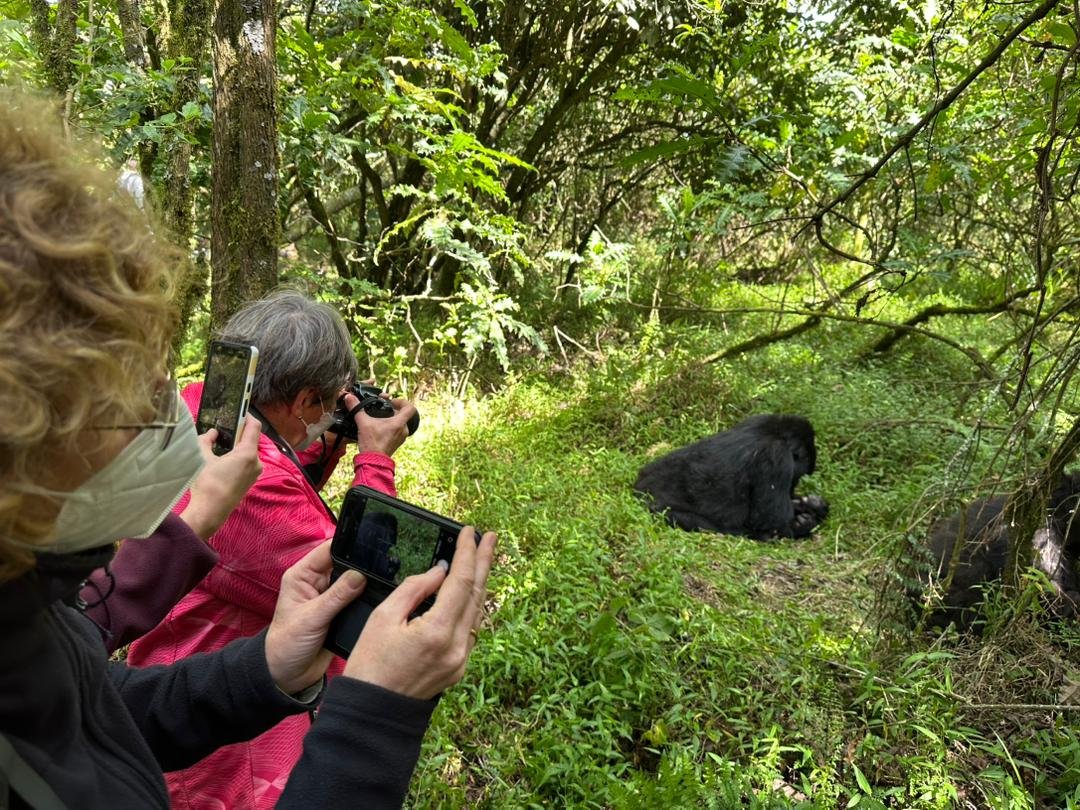
2 Days Uganda Gorilla Tour Starting from Kigali
This is the gentler cousin of our 1-Day Uganda Gorilla Safari Starting from Kigali — same idea, twice the breathing room. Instead of squeezing a 3,000-metre forest trek and two border crossings into a single very long day
Tour Details →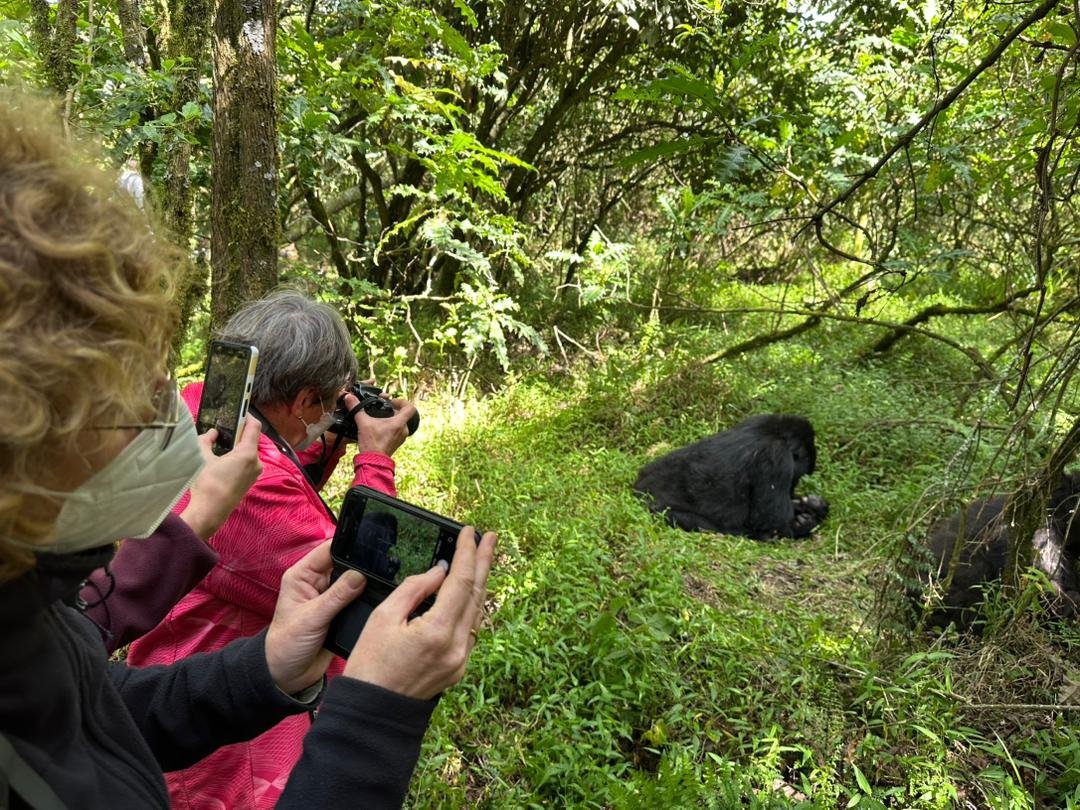
5-Day Uganda Gorilla and Chimpanzee Safari
This itinerary can be combined with a Rwanda extension or a wildlife-focused add-on through Queen Elizabeth National Park — browse our Uganda & Rwanda Safaris and Primate Safaris collections for ideas.
Tour Details →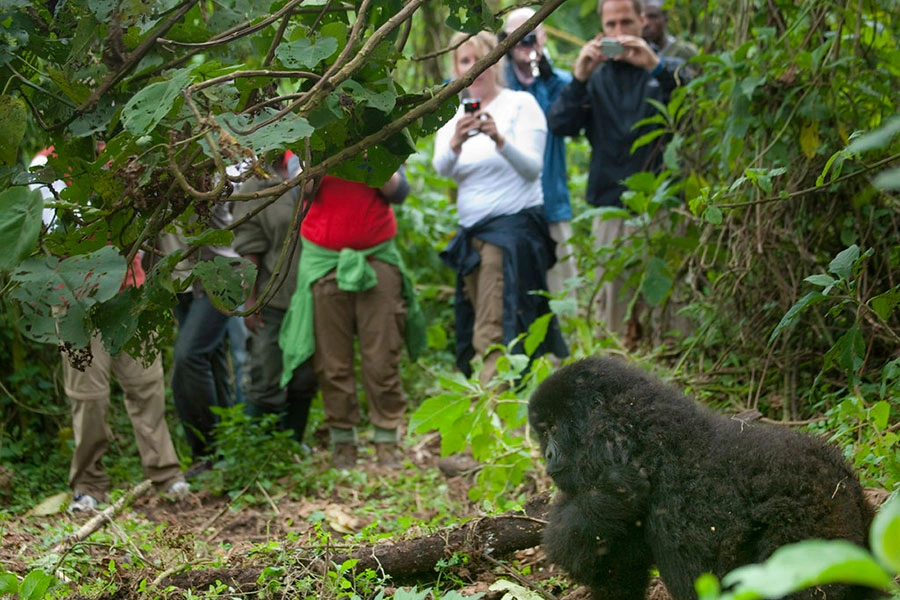
5 Days Rwanda Wildlife and Gorillas
This 5-day itinerary brings together Rwanda’s two flagship wildlife experiences: open savannah game drives and a boat safari in Akagera National Park, followed by a face-to-face encounters
Tour Details →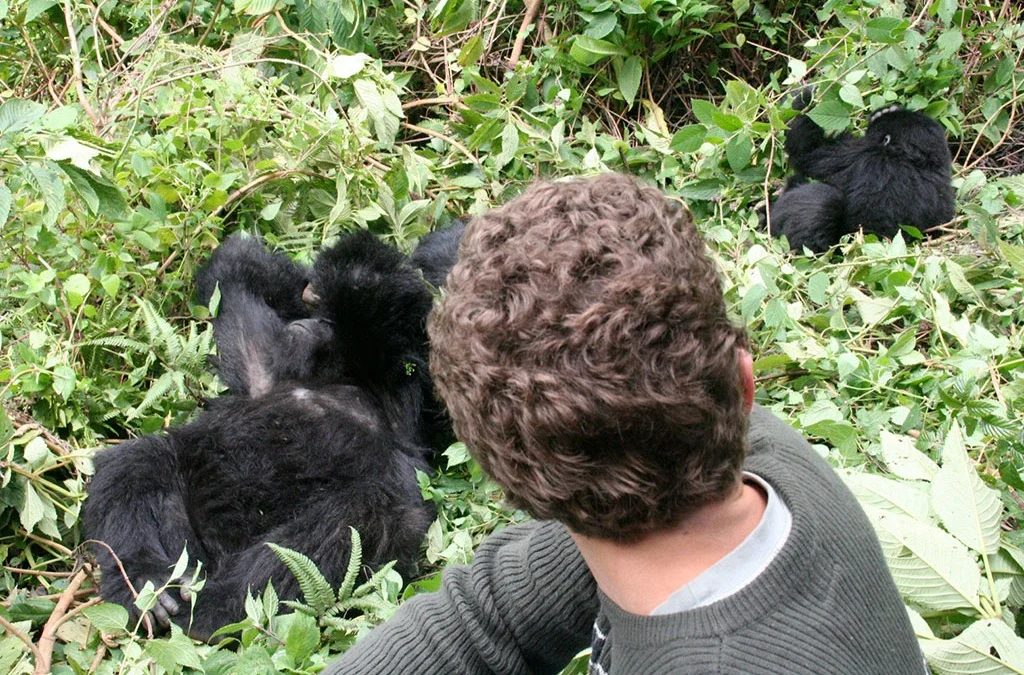
3 Days Uganda Gorilla Safari
For travelers who arrive in Entebbe with a tight schedule and a clear ambition, a 3-day gorilla safari to Bwindi Impenetrable Forest National Park is the most focused and rewarding short trip the country has to offer.
Tour Details →