- LET'S PLAN YOUR SAFARI
- +256 200 921 002
- +256 793 194 703
- info@pickandtransfersafaris.com

Tour to Murchison Falls and Kibale National Park
Tour to Murchison Falls and Kibale National Park. Few journeys in Africa pack as much raw drama and quiet wonder into one itinerary as a tour to Murchison Falls and Kibale National Park. On one side of this classic Uganda safari route, the Victoria Nile explodes through a seven-meter rock gorge and thunders 43 meters down into the Albertine Rift, creating what many consider the most powerful natural stretch of white water on Earth. On the other side, the emerald rainforest canopy of Kibale hides more than 1,500 wild chimpanzees along with a dozen other primate species, making it the undisputed primate capital of East Africa. Together, these two parks form one of the most rewarding, photogenic and biologically rich circuits anywhere on the continent.
At Pick and Transfer Safaris, this is one of our most requested itineraries, and for good reason: it delivers big game, big water and big primates in a single, well-paced trip. This guide walks you through everything you need to know before you book, from the drive up from Kampala to the moment a wild chimpanzee looks you in the eye in the Kibale undergrowth.
Why Combine Murchison Falls and Kibale National Park in One Safari
Murchison Falls National Park and Kibale National Park sit on opposite ends of Uganda’s savannah-to-rainforest spectrum, and that contrast is exactly what makes pairing them so rewarding. Murchison Falls is Uganda’s largest protected area, a sweeping savannah wilderness split by the Nile, where lions doze in acacia shade, giraffes browse along golden grassland, and hippos crowd the riverbanks by the hundred. Kibale, by contrast, is dense, humid, ancient rainforest where the soundtrack is birdsong and chimpanzee calls rather than lion roars.
Travelling between the two also means crossing some of the most scenic countryside in western Uganda, including the Rift Valley escarpment above Lake Albert and the rolling tea estates around Fort Portal. Many guests who explore our full Uganda wildlife safaris collection choose to extend a Murchison Falls trip southward into Kibale precisely because the two parks are complementary rather than repetitive — you leave with completely different photographs, memories and stories from each stop.
Getting to Murchison Falls National Park
Murchison Falls National Park lies roughly 305 kilometres northwest of Kampala, about a five-to-six-hour drive on tarmac and murram roads through Masindi town. Most self-drive and guided itineraries route through Ziwa Rhino Sanctuary, the only place in Uganda to see southern white rhinos in the wild, which makes an excellent stopover on the way north. Travellers short on time can also fly from Entebbe or Kajjansi to airstrips at Pakuba or Bugungu in around 45 minutes, landing close to the heart of the park.
If you are combining Murchison Falls with a longer circuit, our 3 Days Safari to Murchison Falls package is a popular standalone option, while travellers wanting to add primates onto the same trip often prefer our 4 Days Wildlife and Primate Safari, which threads game drives with chimpanzee tracking in a single, efficient loop.
A Brief History and Geography of Murchison Falls National Park
The falls take their name from the explorer Samuel Baker, who reached the site in 1864 and named it after Sir Roderick Murchison, then president of the Royal Geographical Society. Locally, the same dramatic point on the Nile is also known as Kabalega Falls, after the nineteenth-century Bunyoro king Kabalega, who resisted colonial incursion into the region for years. Today the park covers roughly 3,893 square kilometres within the Albertine Rift Valley, one of Africa’s most biologically diverse landscapes, spanning the districts of Nwoya, Buliisa, Kiryandongo and Masindi in northwestern Uganda.
Geologically, the falls mark the point where the Victoria Nile, having already tumbled over the smaller Karuma Falls upstream, is forced through a narrow basalt gorge before plunging into the western arm of the Albertine Rift. This violent compression, from a river more than fifty metres wide to a gap of just seven metres, is what gives Murchison Falls its exceptional force. Below the falls, the river slows dramatically, spreading into the wide, hippo-filled channel that boat cruises travel today, before eventually emptying into Lake Albert at the park’s western edge. For readers who want more background on the country’s geography before travelling, Kenlink Tours’ Uganda travel overview is a useful primer.
Ziwa Rhino Sanctuary: The Perfect Stopover En Route
Uganda lost its wild rhino population to poaching and civil conflict by the late 1980s, but Ziwa Rhino Sanctuary, roughly halfway between Kampala and Murchison Falls, has spent two decades rebuilding a breeding population of southern white rhinos from a handful of founder animals. A short, ranger-led rhino tracking walk here, usually lasting one to two hours, brings you on foot within a safe, guided distance of these enormous animals grazing in open grassland, an experience unavailable anywhere else in Uganda.
Because Ziwa sits directly on the main Kampala-to-Masindi road, it fits naturally into a Murchison Falls itinerary without adding significant extra driving distance, making it one of the easiest wildlife bonuses to add to any northern Uganda trip. Guests booking our 3 Days Safari to Murchison Falls can request this stop built directly into the drive north, and travellers arranging their own vehicle can compare self-drive rental options, such as Kenlink Tours’ Uganda car hire service, when budgeting for the trip.
Top Wildlife Experiences in Murchison Falls National Park
Murchison Falls National Park protects roughly 3,900 square kilometres of savannah, woodland and riverine habitat, and the wildlife density reflects that scale. Expect to see elephants moving in loose family herds, Rothschild’s giraffes stretching for acacia leaves, Uganda kob performing their mating displays on open plains, and healthy numbers of lions, leopards, buffalo and hartebeest. The Nile itself is a wildlife corridor in its own right, lined with basking crocodiles and some of the highest hippo densities in East Africa.
The park is conventionally divided by the Nile into a northern sector, known for game drives along the Buligi circuit, and a southern sector, home to the falls themselves and the departure point for boat cruises. Serious birders should budget extra time here too; Murchison Falls hosts over 450 recorded bird species, including the much sought-after shoebill stork in the papyrus swamps of the delta.
Patient visitors who spend two full days rather than a rushed single afternoon consistently report better sightings, since predators in particular move unpredictably across such a large landscape. Rangers stationed at the park’s entry gates share recent sighting logs each morning, and a good guide will use these to plan the day’s route rather than driving a fixed circuit regardless of where the animals actually are.
The Iconic Nile Boat Cruise to the Base of the Falls
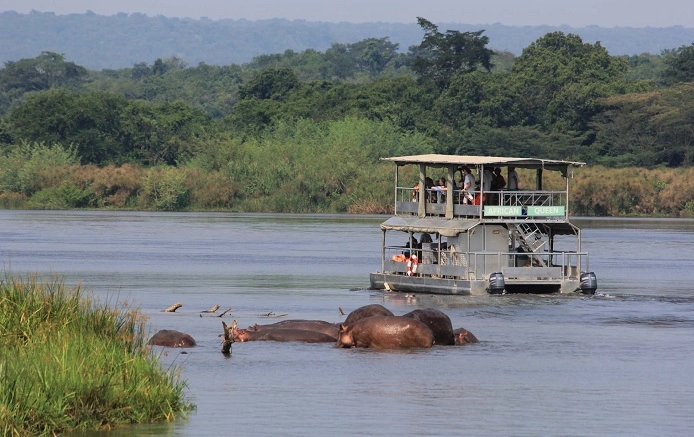
No visit to Murchison Falls is complete without the launch cruise along the Victoria Nile from Paraa Jetty toward the base of the waterfall. The cruise typically covers around 17 kilometres and lasts two to three hours, with morning departures around 8:00–9:00 a.m. and afternoon departures around 2:00–3:00 p.m. As the boat noses closer to the falls, the roar becomes deafening and the mist rises high enough to catch rainbows in the afternoon light.
Along the way you will typically pass hundreds of hippos, pods of Nile crocodiles sunning on sandbanks, elephants and buffalo drinking at the water’s edge, and prolific birdlife including African fish eagles and Goliath herons. Travellers who want a quieter, more birding-focused alternative often add the separate Nile Delta cruise toward Lake Albert, which is famous for shoebill sightings. If you would like this experience built into a longer route, have a look at our 7 Days Uganda Safari, which allows a relaxed two nights at Murchison Falls before continuing the circuit.
Hiking to the Top of Murchison Falls
For a different, equally spectacular perspective, hike or drive up to the top of the falls, where the entire volume of the Victoria Nile is compressed through a gap barely seven metres wide before dropping into the gorge below. Standing at the viewing platforms here, with spray drifting up from the rocks and the thunder vibrating underfoot, is one of the most visceral natural experiences in Uganda. Many visitors combine the two perspectives in a single day: cruise to Baker’s Point at the base of the falls, disembark, and hike up through riverine forest to the top, before being collected by vehicle.
Game Drives Across the Buligi Circuit
The Buligi Peninsula, wedged between the Victoria Nile and Lake Albert, is Murchison Falls National Park’s premier game-viewing zone. Early morning and late afternoon drives along its network of tracks offer the best odds of spotting lions and leopards, alongside near-guaranteed sightings of elephant, buffalo, giraffe, Uganda kob and Jackson’s hartebeest. A night game drive, available with special permission and a park ranger, adds the chance of spotting side-striped jackals, genets and even elusive leopards on the hunt. For travellers who want to pair this with the classic Uganda gorilla circuit, our gorilla safaris collection shows how Murchison Falls slots neatly into a broader primates-and-predators itinerary.
Birding and the Nile Delta Towards Lake Albert
Where the Victoria Nile widens and slows before spilling into Lake Albert, the Nile Delta forms one of Uganda’s finest birding zones. Papyrus-lined channels shelter the prehistoric-looking shoebill stork, while open water and mudflats attract African skimmers, pink-backed pelicans, saddle-billed storks and a long list of migratory waders during the northern winter. A dedicated delta cruise, separate from the standard falls cruise, is the best way to search for shoebills, and serious birders should allow a full morning for the outing.
Chimpanzee Tracking in Budongo and Kaniyo Pabidi Forests
Murchison Falls is not only about open savannah. On the southern approach to the park, the Budongo Forest Reserve and its Kaniyo Pabidi enclave hold one of Uganda’s largest mahogany forests and a habituated chimpanzee community. Tracking here is generally less strenuous than in Kibale, making it a good warm-up for travellers heading south, or a satisfying primate fix for those with limited time. The forest is also rich in butterflies, forest birds and several other primate species, including black-and-white colobus monkeys.
Where to Stay in Murchison Falls National Park
Accommodation around Murchison Falls ranges from luxury lodges overlooking the Nile to comfortable mid-range options and rustic tented camps for budget travellers. Paraa Safari Lodge and Baker’s Lodge sit close to the river with front-row views of passing hippos and elephants, while Chobe Safari Lodge on the eastern bank offers dramatic Nile gorge scenery. Whichever category you prefer, booking early is worthwhile, particularly in the June-to-September and December-to-February peak seasons. Our team can match accommodation to your budget when you enquire through our contact page.
The Scenic Drive from Murchison Falls to Kibale National Park
The overland route from Murchison Falls south to Kibale National Park covers roughly 230 to 280 kilometres, depending on which gate you exit from, and takes around five to six hours including stops. The classic road runs via Hoima and the shores of Lake Albert before climbing into the cooler, greener highlands around Fort Portal, Uganda’s self-styled tourism city and gateway to the Rwenzori Mountains. Many itineraries break the journey with a stop at a crater lake viewpoint or a coffee farm tour, turning a transfer day into an experience in its own right rather than dead travel time.
If you would rather fly this leg, scheduled light-aircraft services connect Pakuba airstrip near Murchison Falls with Kasese or Fort Portal in under an hour, saving significant time for travellers on a tighter schedule. Guests booking one of our longer circuits, such as the 10 Days Uganda Primates and Wildlife safari, typically take the scenic road option since the drive itself passes through some of Uganda’s most photogenic rural landscapes.
Kibale National Park: Africa’s Primate Capital
Kibale National Park protects around 795 square kilometres of moist, mid-altitude tropical rainforest in western Uganda, and it holds one of the highest primate densities and diversities of any forest in Africa. Thirteen primate species live within its boundaries, including an estimated 1,500 chimpanzees, along with red colobus, black-and-white colobus, grey-cheeked mangabeys, L’Hoest’s monkeys, blue monkeys, red-tailed monkeys and olive baboons. The forest canopy alone is worth the visit, towering over 55 metres in places and sheltering more than 350 recorded bird species.
The park sits conveniently close to Fort Portal and is easily paired with Queen Elizabeth National Park further south, which is why so many of our guests build it into a broader western Uganda loop. You can browse the full range of ready-made itineraries, including our 3 Days Chimpanzee Tour in Uganda, on the Kibale Forest National Park destination page.
Chimpanzee Tracking in Kibale Forest
Chimpanzee tracking is Kibale’s headline activity, and the park’s habituated communities give it one of the highest sighting success rates in Africa, generally quoted above 90 percent. Treks depart twice daily, at 8:00 a.m. and 2:00 p.m., following a mandatory briefing at the Kanyanchu Visitor Centre. Once a community is located, walking through the forest listening to chimpanzees calling from tree to tree, you are permitted one hour in their presence, watching them feed, groom, rest or move as a family group.
Treks can last anywhere from 45 minutes to several hours depending on where the chimpanzees are ranging that day, so a reasonable level of fitness and sturdy closed shoes are recommended. Because permits are limited and demand is high, especially in the June-to-August and December-to-February peak months, booking three to six months ahead is strongly advised. This is one of the primary reasons travellers choose a fixed-departure package such as our 5-Day Gorilla and Chimpanzee Safari, which locks in permits well in advance.
The Chimpanzee Habituation Experience (CHEX)
For travellers who want more than the standard one-hour encounter, Kibale offers the Chimpanzee Habituation Experience, an immersive full-day activity that follows researchers and rangers as they work to habituate a still-wild chimpanzee community to human presence. Group sizes are capped at just four guests, and participants can spend up to four hours observing natural chimpanzee behaviour, from the earliest morning nest departures to midday feeding and social interactions. It is a significantly deeper, quieter and more research-oriented experience than standard tracking, and a favourite among photographers, primatologists and repeat visitors to Uganda.
Bigodi Wetland Sanctuary Community Walk
Just outside the park’s southern boundary, the community-run Bigodi Wetland Sanctuary offers an excellent complement to forest tracking. A guided three-to-four-hour walk along raised boardwalks through papyrus swamp and forest fringe turns up eight primate species, including the striking black-and-white colobus, plus more than 200 bird species such as the great blue turaco. Proceeds from entrance fees support local schools and conservation projects, making it a rewarding way to spend a half-day while directly benefiting the communities living alongside the park.
Other Primates, Birds and Forest Life in Kibale
Beyond chimpanzees, Kibale’s forest interior rewards patient walkers with sightings of red colobus troops moving noisily through the canopy, shy L’Hoest’s monkeys foraging on the forest floor, and grey-cheeked mangabeys announcing their presence with loud, resonant calls. Forest elephants and bushpigs occasionally cross trails at dawn or dusk, while butterflies in extraordinary variety flutter through sunlit clearings after rain. Birders regularly tick African pittas, blue-breasted kingfishers and green-breasted pittas here, species rarely found elsewhere in Uganda.
Best Time to Visit Murchison Falls and Kibale National Park
Both parks can be visited year-round, but timing affects comfort and wildlife visibility. The two main dry seasons, December to February and June to September, offer the easiest game drives in Murchison Falls, with wildlife concentrated around remaining water sources and roads less likely to be muddy. These same months are the busiest and most popular for chimpanzee tracking permits in Kibale, so early booking matters most during these windows.
The wetter months, March to May and October to November, bring lush scenery, fewer crowds and lower rates at many lodges, though forest trails in Kibale can be slippery and some Murchison Falls roads more challenging after heavy rain. Birdwatchers actually prefer the wetter season in places, since migratory species swell numbers considerably. Whichever season you choose, our destinations guide outlines seasonal highlights across all our featured Uganda and Rwanda parks.
Temperatures at Murchison Falls typically range from a cool 18°C at dawn to a warm 30-33°C by early afternoon, so mornings on the Buligi circuit can feel surprisingly chilly in an open safari vehicle. Kibale, sitting at higher altitude around 1,500 metres, stays noticeably cooler and damper year-round, with daytime highs closer to 23-26°C and regular light showers even in the “dry” months, since it is rainforest rather than savannah. Packing for both climates within a single week is one of the small planning details first-time visitors often overlook.
Uganda Wildlife Authority Fees and Permits You Should Know
Budgeting accurately matters for this itinerary, since both parks charge separate entrance and activity fees set by the Uganda Wildlife Authority. As of current published rates, Murchison Falls National Park entrance costs around USD 45 per foreign non-resident adult for 24 hours, with reduced rates for foreign residents and East African citizens, and discounted fees for children aged five to fifteen. The Nile launch cruise to the base of the falls is typically priced around USD 30 to 35 per person, while the dedicated Nile Delta cruise costs more, reflecting its longer duration and shoebill-focused route.
In Kibale, a standard chimpanzee tracking permit for foreign non-residents currently costs around USD 250 per person, inclusive of park entrance, while the more exclusive Chimpanzee Habituation Experience is priced higher, reflecting its smaller group size and extended duration. Because rates are revised periodically, always confirm current pricing at the time of booking; our reservations team keeps this updated for every quote we send through our enquiry page.
Conservation and Responsible Tourism in Both Parks
Every dollar spent on park entrance fees and tracking permits at Murchison Falls and Kibale feeds directly back into conservation. Uganda Wildlife Authority revenue funds ranger salaries, anti-poaching patrols, road maintenance and community revenue-sharing schemes that give neighbouring villages a direct financial stake in keeping wildlife alive rather than hunting it. The rebuilding of Uganda’s rhino population at Ziwa, discussed above, and the recovery of chimpanzee numbers in Kibale after decades of habitat pressure are both, in part, a result of sustained tourism revenue.
Travellers can support this further by choosing lodges and operators who employ local staff, by tipping guides and porters fairly, by sticking to marked trails during forest treks, and by keeping a respectful distance from chimpanzees, since they share close to 98 percent of human DNA and can catch human respiratory illnesses. Responsible tourism is not just an ethical add-on here; it is the mechanism that has kept both parks thriving for future visitors.
Comparing a Wildlife-Focused and a Primate-Focused Uganda Itinerary
Not every traveller wants to split time evenly between savannah and forest, and it is worth thinking honestly about which experience matters more to you before finalising an itinerary. A wildlife-heavy trip weighted toward Murchison Falls and Queen Elizabeth National Park favours travellers who want classic big-game viewing, dramatic scenery and boat cruises; you can see how operators structure this style of trip in options such as Kenlink Tours’ 7 Days Gorilla and Wildlife Safari.
A primate-focused trip, by contrast, weights more time toward Kibale, Bwindi and Kyambura Gorge, prioritising forest walks and tracking permits over game drives. For comparison, Kenlink Tours’ 5 Days Chimps and Gorilla Safari illustrates how a compact primate-led route can be structured. Most of our guests land somewhere in between, which is exactly what a combined Murchison Falls and Kibale tour is designed to deliver: enough savannah for classic safari photography, and enough forest time for a genuine primate encounter.
Group Travel and Custom Private Departures
Both parks work well for solo travellers, couples, families and larger groups, though the logistics differ slightly. Families with children under twelve should note that chimpanzee tracking has a minimum age requirement in most Uganda parks, so Ziwa Rhino Sanctuary and Murchison Falls game drives are often better fits for younger travellers, while teenagers and adults track chimpanzees in Kibale. Groups of friends or colleagues travelling together typically prefer a fully private vehicle and guide rather than joining scheduled departures, which we arrange as standard on every Pick and Transfer Safaris itinerary.
Travellers who prefer fixed-date group departures with other like-minded visitors can also compare scheduled options such as Kenlink Tours’ group tours programme, which runs set departure dates across several Uganda parks throughout the year.
Sample 6-Day Murchison Falls and Kibale Itinerary
A well-paced way to experience both parks without feeling rushed looks roughly like this. Day one covers the drive north from Kampala or Entebbe to Murchison Falls, with an optional rhino tracking stop at Ziwa Rhino Sanctuary en route. Day two is dedicated to a morning game drive across the Buligi circuit followed by the afternoon Nile boat cruise to the base of the falls. Day three allows an early hike to the top of the falls before the long, scenic drive south toward Fort Portal and the Kibale area.
Day four is reserved for chimpanzee tracking in Kibale Forest, followed by an afternoon community walk at Bigodi Wetland Sanctuary. Travellers with extra time often use day five to add the Chimpanzee Habituation Experience or a short extension into Queen Elizabeth National Park for game drives and a Kazinga Channel boat cruise, before day six’s return drive or flight back to Kampala or Entebbe. This structure forms the backbone of several of our packaged trips, including the 14-Day Primates and Wildlife Safari for travellers wanting to extend even further into Rwanda.
Photography Tips for Murchison Falls and Kibale
The two parks demand almost opposite camera settings. On the open Buligi circuit, a telephoto lens in the 100-400mm range and fast shutter speeds handle distant lions, giraffes and birds in flight, while the low, golden light of early morning and late afternoon game drives produces the richest colours on the savannah grass. At the falls themselves, a wide-angle lens captures the full scale of the gorge, though a lens cloth is essential, since rising spray coats equipment quickly, particularly on the boat approach.
Kibale’s forest interior is a different challenge entirely: low light beneath a dense canopy calls for a wide aperture, a higher ISO, and realistic expectations about shutter speed when chimpanzees are moving through branches overhead. A rain cover or dry bag for camera gear is worth carrying on every forest walk, since sudden downpours are common even outside the official wet season. Guests wanting a dedicated photography-paced itinerary can ask our team to build extra time into any of our Uganda safari packages for unhurried shooting at both locations.
Cultural Experiences Around Fort Portal and the Rift Valley
The drive between Murchison Falls and Kibale passes through the heartland of the Bunyoro and Tooro kingdoms, and travellers with an extra hour or two can weave in genuine cultural stops. Fort Portal itself, often called Uganda’s tourism city, is home to the Tooro Kingdom’s royal palace, open to visitors on most days, while the nearby Amabere Caves and the region’s volcanic crater lakes offer short, scenic detours framed by tea plantations. Community-guided village walks near Kibale introduce local farming methods, traditional healing practices and, in some villages, drumming and dance performances that support household incomes directly.
These stops rarely need a dedicated day; most fit naturally into the transfer between parks or an easy afternoon around Bigodi. For a broader sense of Uganda’s cultural landscape ahead of your trip, Kenlink Tours’ country overview is another useful reference alongside our own destinations pages.
What to Pack for This Safari
Layered, neutral-coloured clothing works best across both parks, since Murchison Falls mornings and evenings can be cool while midday savannah heat is intense, and Kibale’s forest interior stays humid and occasionally damp. Sturdy, broken-in hiking shoes or boots are essential for both the top-of-the-falls hike and forest chimpanzee tracking, along with a light rain jacket regardless of season, since equatorial forest weather is unpredictable. A good pair of binoculars pays dividends in both parks, whether spotting distant lions on the savannah or following a red colobus troop high in the canopy, and a printed or downloaded checklist from our wildlife safaris page can help first-time visitors know what to expect from each stop.
Beyond clothing, pack a wide-brimmed hat and high-SPF sunscreen for exposed game drives, insect repellent containing DEET for both dusk mosquitoes near the Nile and forest insects in Kibale, and a basic malaria prophylaxis course discussed with your doctor before departure. Gardening-style gloves are a small but appreciated extra for the top-of-the-falls hike, where volcanic rock can be sharp, and a lightweight daypack keeps water, snacks and a rain shell within reach during longer forest treks.
Extending Your Trip: Queen Elizabeth, Bwindi and Beyond
Because Kibale sits so close to Queen Elizabeth National Park, many travellers extend their Murchison Falls and Kibale tour southward rather than heading straight back to Kampala. Queen Elizabeth offers tree-climbing lions in the Ishasha sector, a boat cruise along the wildlife-rich Kazinga Channel, and chimpanzee tracking of its own in Kyambura Gorge. From there, Uganda’s mountain gorillas in Bwindi Impenetrable Forest are a further scenic drive south, turning a six-day trip into a fuller two-week exploration of Uganda’s headline wildlife experiences. Our full safaris collection outlines every combination we offer, from short add-ons to full three-week circuits through Uganda and Rwanda.
Why Travel with Pick and Transfer Safaris
Planning a multi-park Uganda itinerary involves a lot of moving parts: permit bookings, road conditions, lodge availability and realistic daily driving distances. Our team at Pick and Transfer Safaris handles all of it, from securing chimpanzee permits well ahead of peak season to matching accommodation and vehicles to your budget and travel style. We also draw on the wider regional expertise of trusted partners; for travellers researching additional Uganda itinerary ideas, resources like Kenlink Tours’ Uganda safaris overview and their 3 Days Chimp Tracking Safari to Kibale National Park offer useful comparison points when mapping out primate-focused routes.
Whether you want a lean, fast-paced trip or a fully immersive two-week circuit, we tailor every itinerary rather than pushing fixed templates. Reach out through our contact page and our reservations team will build a day-by-day plan matched to your dates, budget and fitness level, with transparent pricing on permits, park fees and accommodation from the outset. Every trip includes an experienced English-speaking driver-guide, a comfortable 4×4 safari vehicle with a pop-up roof for game viewing and photography, bottled water throughout, and round-the-clock support for the full duration of your safari, so the only decisions left for you to make are which lodges and which pace suit you best. For travellers also comparing multi-country options, Kenlink Tours’ 10-Day Uganda Primate, Wildlife and Cultural Tour offers another reference point for how a longer, culture-inclusive route can be structured.
Frequently Asked Questions About Murchison Falls and Kibale Safaris
How many days do I need for Murchison Falls and Kibale National Park?
A minimum of five days allows a comfortable pace, with two full days in Murchison Falls and two in Kibale, plus travel time between them. Travellers with more flexibility often extend to seven or ten days to add Queen Elizabeth or Bwindi.
Is chimpanzee tracking guaranteed in Kibale?
Sighting success rates in Kibale generally exceed 90 percent thanks to well-habituated communities, though wild animal movement means it is never a strict guarantee. For readers comparing options, Kenlink Tours’ 3-Day Chimpanzee Tracking Safari and Kaniyo Pabidi’s forest in Murchison Falls both offer strong alternative or backup tracking options.
Can I do a Murchison Falls and Kibale tour without a guide?
Self-drive is possible for confident, experienced drivers, but most visitors choose a guided package for easier permit logistics, local knowledge and comfortable transfers between remote park sectors, which is why guided itineraries remain the most popular option among first-time visitors to Uganda.
What wildlife will I realistically see in Murchison Falls?
Expect elephants, giraffes, buffalo, Uganda kob, hippos and Nile crocodiles on nearly every visit, with strong chances of lions and leopards, particularly on early morning Buligi circuit drives.
Should I book Murchison Falls and Kibale permits in advance?
Yes, particularly for Kibale chimpanzee permits and the Chimpanzee Habituation Experience, both of which sell out during the June-to-August and December-to-February peak seasons. Booking three to six months ahead through our contact page is the safest approach.
Can I add gorilla trekking in Bwindi to a Murchison Falls and Kibale trip?
Yes, and many travellers do. Bwindi is a further drive south of Kibale, so a Murchison Falls, Kibale and Bwindi combination typically needs eight to ten days. Comparable full combinations, such as Kenlink Tours’ 8-Day Uganda Gorilla Chimpanzee and Wildlife Safari, give a useful sense of realistic pacing for this style of extended trip.
Is Murchison Falls or Kibale better for a first-time visitor with limited time?
If you can only choose one, Murchison Falls offers broader classic safari scenery and easier logistics, while Kibale delivers a more specialized, unforgettable primate encounter; short comparison itineraries like Kenlink Tours’ 3-Day Uganda Gorillas Safari or a dedicated 7-Day Birdwatching Safari can help you decide which single-park focus suits your interests best. Where time allows, however, combining both remains the most complete way to experience Uganda’s wildlife diversity.
Tour to Murchison Falls and Kibale National Park
A tour combining Murchison Falls National Park and Kibale National Park captures both the wide-open drama of Uganda’s savannah and the intimate wonder of tracking wild chimpanzees through ancient rainforest. From the thunder of the Nile at the falls to a quiet hour spent watching a chimpanzee family in Kibale, this is a circuit that consistently ranks among our guests’ most memorable Uganda experiences. Explore our full range of Uganda wildlife safaris, or get in touch with our Pick and Transfer Safaris team today to start building your personalized Murchison Falls and Kibale itinerary.
7 Days Uganda Safari – One week tour
This 7-day itinerary is the classic one-week introduction to Uganda, covering the country’s three most iconic wildlife experiences: chimpanzee tracking in Kibale Forest National Park, Big Five game drives and a boat cruise in Queen
Tour Details →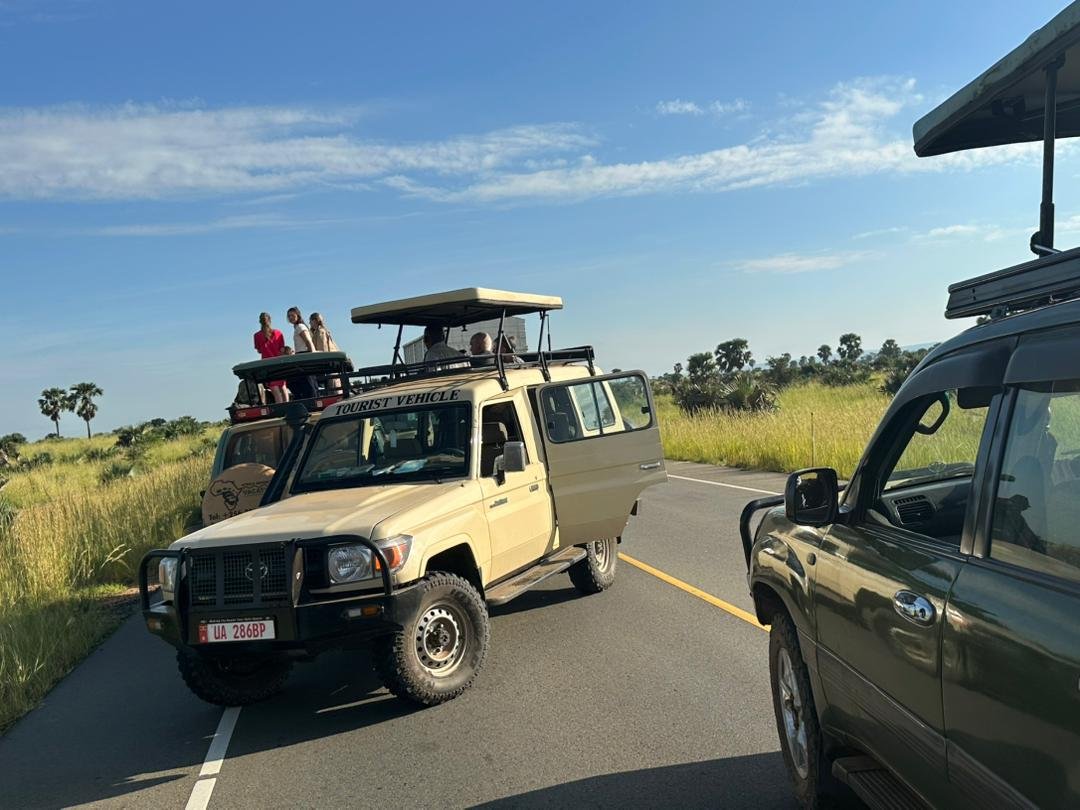
10 Days Uganda Primates and Wildlife
This 10-day Uganda Grand Safari is the most complete Uganda itinerary we offer at Pick and Transfer Safaris. It begins with a scenic northward drive from Entebbe to the vast open plains of Murchison
Tour Details →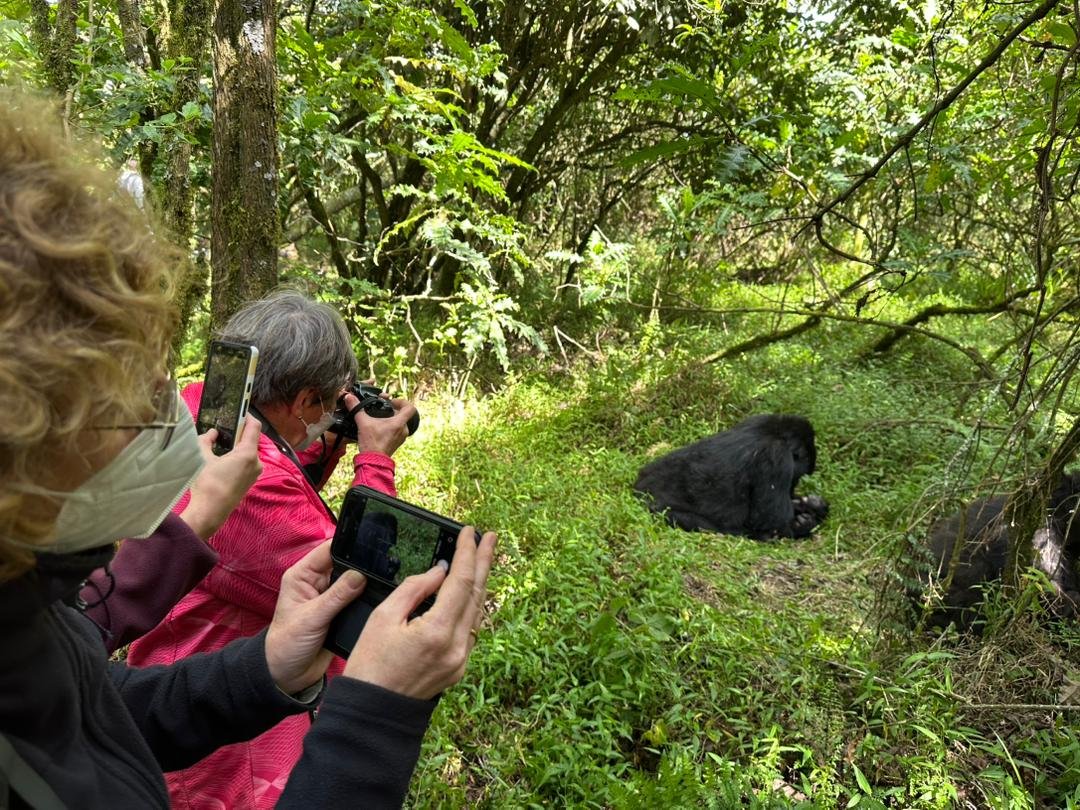
2 Days Uganda Gorilla Tour Starting from Kigali
This is the gentler cousin of our 1-Day Uganda Gorilla Safari Starting from Kigali — same idea, twice the breathing room. Instead of squeezing a 3,000-metre forest trek and two border crossings into a single very long day
Tour Details →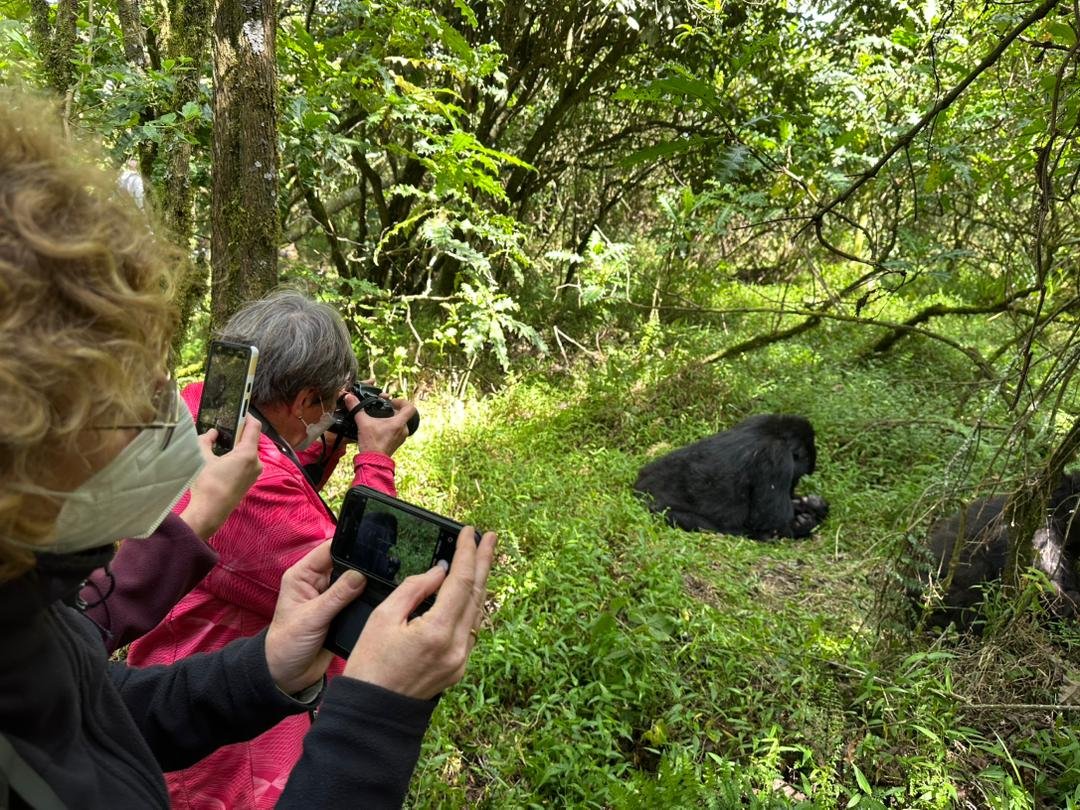
5-Day Uganda Gorilla and Chimpanzee Safari
This itinerary can be combined with a Rwanda extension or a wildlife-focused add-on through Queen Elizabeth National Park — browse our Uganda & Rwanda Safaris and Primate Safaris collections for ideas.
Tour Details →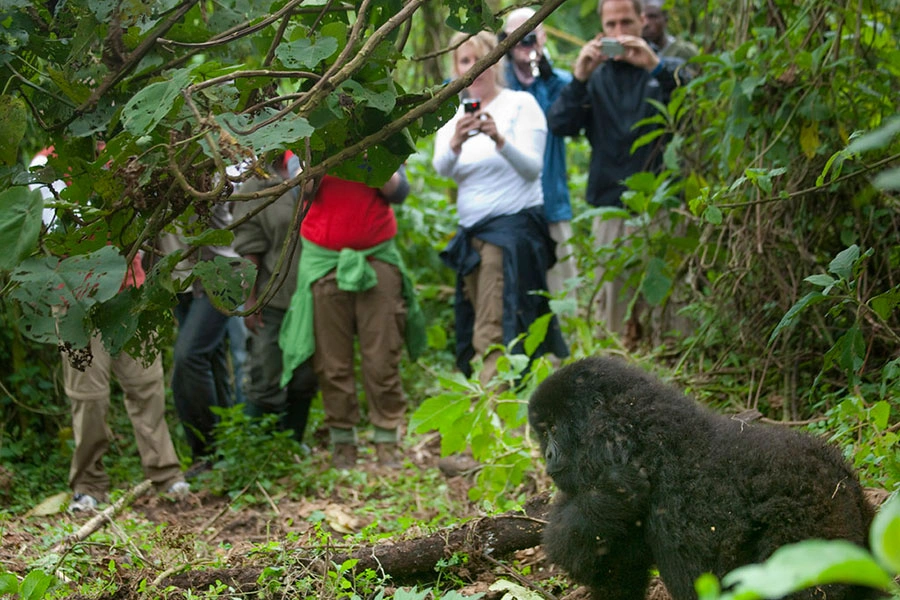
5 Days Rwanda Wildlife and Gorillas
This 5-day itinerary brings together Rwanda’s two flagship wildlife experiences: open savannah game drives and a boat safari in Akagera National Park, followed by a face-to-face encounters
Tour Details →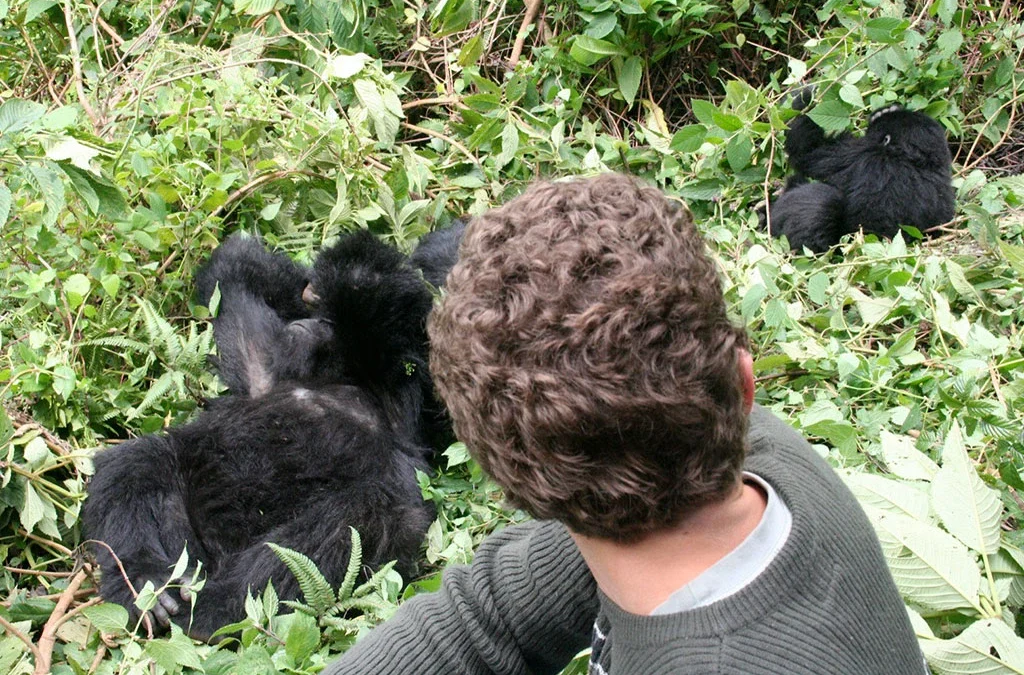
3 Days Uganda Gorilla Safari
For travelers who arrive in Entebbe with a tight schedule and a clear ambition, a 3-day gorilla safari to Bwindi Impenetrable Forest National Park is the most focused and rewarding short trip the country has to offer.
Tour Details →