- LET'S PLAN YOUR SAFARI
- +256 200 921 002
- +256 793 194 703
- info@pickandtransfersafaris.com

Transfer from Kigali to Buhoma Sector Bwindi
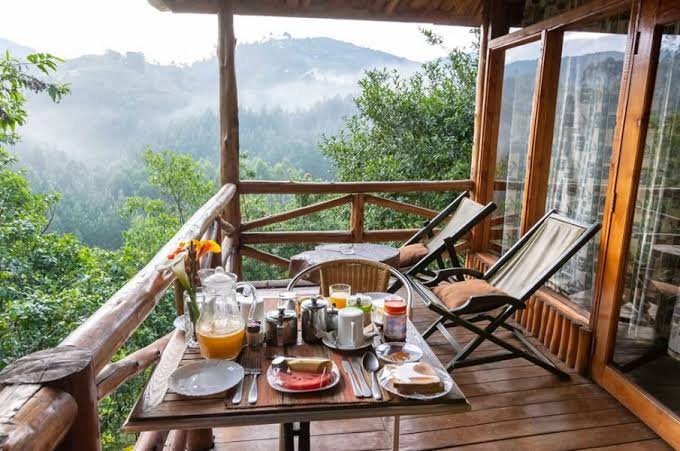
Transfer from Kigali to Buhoma Sector Bwindi. A transfer from Kigali to Buhoma Sector Bwindi is the quickest overland route into Uganda’s most famous gorilla trekking area. Buhoma, on the northern edge of Bwindi Impenetrable National Park, is where gorilla tourism in Uganda began, and it remains the sector many first-time trekkers choose for its gentler trails, established lodges and lively community atmosphere. From Kigali, the journey usually takes five to six hours by road, compared with nine or ten hours from Entebbe. This guide covers everything you need to plan the trip: routes and border crossings, drive times, visas, vehicles, costs, gorilla permits, lodges, and how to build Buhoma into a longer Uganda and Rwanda safari.
At Pick and Transfer Safaris, we run cross-border transfers between Kigali and Bwindi every week. The advice below comes from the roads our driver-guides know best.
Why Choose Buhoma for Gorilla Trekking
Buhoma is the oldest and best-known of Bwindi’s four trekking sectors. It hosts the park headquarters and was the starting point for Uganda’s gorilla tourism in 1993, when the Mubare family became the first group opened to visitors. Decades of experience mean well-organized briefings, knowledgeable rangers and a wide choice of accommodation within walking distance of the starting point.
Many travelers also find Buhoma’s trails slightly easier than those in the southern sectors. The terrain is still steep in places, but treks here often involve less climbing than in Rushaga or Nkuringo. Kenlink Tours describes Buhoma as a strong choice for first-time and less experienced hikers in its guide to which part of Bwindi is easy for gorilla trekking.
Buhoma also has the most developed tourism village in Bwindi. Beyond gorillas, you can join a community walk, hike to waterfalls in the forest, meet Batwa guides, or visit local craft and conservation projects. It is a natural base for travelers who want more than a single trek.
Why Start Your Buhoma Trip in Kigali Instead of Entebbe
Bwindi lies in the far southwest of Uganda, much closer to Kigali than to Entebbe. The drive from Entebbe to Buhoma is usually around nine to ten hours, the last stretch on gravel roads. From Kigali, Buhoma is typically reached in five to six hours, including the border crossing.
That saved time adds up. You arrive with daylight to spare, rest properly before the early briefing, and can often fit the whole gorilla trip into two or three days. Kenlink Tours compares both gateways in its article on landing in Kigali or Entebbe for a gorilla safari, and its guide to how far Bwindi Impenetrable National Park is from Kigali gives drive times for each sector.
Starting in Kigali also gives you routing freedom. You can return to Kigali after your trek, continue north through Uganda and fly home from Entebbe, or combine Uganda with a trek in Rwanda. Our guide on whether you can begin your tour from Kigali Airport and end in Entebbe Airport explains how that open-jaw route works.
Permit prices make the trip even more attractive. A Uganda gorilla permit costs US$800 for foreign non-residents, compared with US$1,500 in Rwanda. Flying into Kigali and trekking in Buhoma gives you Rwanda’s easy airport access with Uganda’s lower permit price.
Kigali to Buhoma Distance and Driving Time at a Glance
Buhoma is farther from Kigali than the southern sectors, but the drive is still far shorter than from Entebbe. There are three practical road routes.
| Route | Border post | Approx. distance | Approx. drive time | Best for |
|---|---|---|---|---|
| Kigali – Gatuna – Kabale – Ruhija – Buhoma | Gatuna (Katuna) | 200–230 km | 5–6 hours | The most direct route; scenic forest drive past Ruhija |
| Kigali – Gatuna – Kabale – Kanungu – Buhoma | Gatuna (Katuna) | 230–250 km | 6–7 hours | Rainy season, when the Ruhija road can be slippery |
| Kigali – Musanze – Cyanika – Kisoro – Buhoma | Cyanika | 230–260 km | 6–7 hours | Combining with Volcanoes, Mgahinga or Rushaga |
These times include a normal border crossing of 30 to 60 minutes. Rain, roadworks or a busy border can add an hour, so we plan departures to arrive well before dark.
Route Option 1: Kigali to Buhoma via Gatuna, Kabale and Ruhija
This is the route we use most often for a transfer from Kigali to Buhoma Sector Bwindi. It begins on Rwanda’s smooth highway north from Kigali to the Gatuna border, a drive of about two hours through green, terraced hills. Gatuna, called Katuna on the Ugandan side, is a busy commercial crossing, but tourist processing is generally efficient.
After crossing, you pass through Kabale town, a good stop for fuel, cash and snacks. From Kabale, the road heads northwest and climbs onto a gravel road towards Ruhija, Bwindi’s highest sector. This stretch is one of the most beautiful drives in Uganda, with sweeping views over ridges and valleys and sections that run along the forest edge, where you may spot monkeys and forest birds.
From Ruhija, the road descends towards Buhoma. The gravel section from the Kabale area to Buhoma takes roughly three to four hours, depending on road conditions. It is rough in places, so a 4×4 vehicle is essential, but the scenery makes the time pass quickly.
Route Option 2: Kigali to Buhoma via Gatuna, Kabale and Kanungu
The second route also crosses at Gatuna and passes through Kabale, but instead of heading over the hills through Ruhija, it continues north via Kanungu town and the trading centers of Kanyantorogo and Butogota before reaching Buhoma.
This route is a little longer in distance and often an hour longer in time, but it avoids the steepest forest sections of the Ruhija road. In the wetter months, our driver-guides often prefer it because the road surface tends to hold up better after heavy rain. It also passes through busy rural towns, giving you a glimpse of everyday life in Kigezi and Kanungu.
Route Option 3: Kigali to Buhoma via Cyanika and Kisoro
The Cyanika route heads northwest from Kigali to Musanze, the gateway to Volcanoes National Park, then crosses into Uganda at Cyanika and continues to Kisoro town. From Kisoro, the road skirts the southern edge of Bwindi before turning north towards Buhoma, often via Ruhija.
For a straight transfer to Buhoma, this is the longest option. It makes sense when your trip already includes Rwanda’s Volcanoes National Park, Mgahinga, or a first trek in Rushaga. In that case, Buhoma becomes the second stop in a southern-to-northern loop through Bwindi. Travelers who spend a night in Kisoro along the way often stay at places like Ikoro Hotel in Kisoro.
Which Border Crossing Is Best for Buhoma?
For most travelers heading straight from Kigali to Buhoma, Gatuna is the best border crossing. It sits on the main highway, leads directly to Kabale, and gives the shortest overall drive to the northern sector.
Choose Cyanika only if your itinerary already passes through Musanze or Kisoro. Whichever route you take, our driver-guides check road conditions before departure and choose the safest, fastest option on the day.
Crossing the Gatuna (Katuna) Border: Step by Step
The Rwanda–Uganda crossing at Gatuna is straightforward when you know what to expect. Here is how it normally works on a transfer from Kigali to Buhoma.
- Rwanda exit. Your driver stops at the Rwandan immigration building. You step out, queue at the departures counter, and have your passport stamped out of Rwanda.
- No man’s land. You walk or drive a short distance to the Ugandan facilities. Your driver separately clears the vehicle’s documents with customs.
- Uganda entry. At the Ugandan arrivals counter, an officer checks your visa or e-visa approval, takes your fingerprints and photo, and stamps you in. Have your yellow fever certificate ready, as it may be requested.
- Back on the road. Once the vehicle is cleared, you rejoin your driver and continue to Kabale.
The whole process usually takes 30 to 60 minutes. Mornings tend to be quieter than mid-afternoon, which is one reason we like early departures from Kigali. Keep your documents in a small bag, carry a pen, and don’t photograph the border buildings or officials, which is not allowed.
If you need Ugandan shillings, change only a small amount at the border. Kabale has banks and ATMs with better rates, and most lodges in Buhoma accept US dollars or cards. Bring US dollar notes printed in 2013 or later, as older notes are often refused.
Visas and Documents for the Kigali to Buhoma Transfer
Crossing from Rwanda into Uganda means you need permission to enter both countries. Before anything else, check that your passport is valid for at least six months after your trip and has two or more blank pages.
Your visa choice depends on your itinerary:
- East Africa Tourist Visa (US$100). This single visa covers Rwanda, Uganda and Kenya for 90 days, with multiple entries between them. It is the easiest option for most transfers from Kigali to Buhoma, especially if you will return to Rwanda. Apply online through the immigration system of the country you enter first, which is Rwanda when you fly into Kigali.
- Separate visas. You can instead get a Rwandan visa (available on arrival or online for many nationalities) and apply for a Ugandan e-visa through Uganda’s official immigration portal before you travel.
Other documents to carry include your printed visa approval, a yellow fever vaccination certificate, your gorilla permit or booking confirmation, and travel insurance details. Visa rules and fees change from time to time, so confirm current requirements on the official government websites a few weeks before you fly.
The Right Vehicle for the Road to Buhoma
The tarmac ends soon after Kabale, and the rest of the journey to Buhoma runs on gravel. The Ruhija road climbs steep hillsides and passes through forest, and in wet weather it can be muddy and slippery. A reliable four-wheel-drive vehicle is essential for both safety and comfort.
For couples and small groups, a Toyota Land Cruiser Prado is ideal: comfortable on tarmac, agile on hill roads, and with plenty of ground clearance. Larger groups travel in an extended Land Cruiser safari vehicle with a pop-up roof, which is also perfect if you continue to Queen Elizabeth National Park for game drives. Regular saloon cars and two-wheel-drive vans are not suitable for this route.
When comparing operators, ask whether the vehicle has air conditioning, a charging point, a spare tire and basic tools, a first-aid kit, and valid insurance for both Rwanda and Uganda. A vehicle registered in Rwanda needs cross-border documents to enter Uganda, so make sure your operator includes these in the price.
Getting There: Private Transfer, Self-Drive or Public Transport
How you travel from Kigali to Buhoma shapes your whole trip. Here is how the three options compare.
Private transfer with a driver-guide. The most popular choice by far. Your driver-guide picks you up at Kigali International Airport or your hotel, handles border procedures and vehicle papers, knows which route is in the best condition, and takes you straight to your lodge door. Many guides also stay with you for the trek and drive you onwards, so your transport is covered for the whole trip. For a two- or three-day gorilla safari, this is almost always the best value.
Self-drive. If you are an experienced driver comfortable on gravel hill roads, renting a 4×4 in Kigali is possible. You will need a rental company that permits cross-border travel and supplies all the documents for Uganda. Allow extra time, download offline maps, and avoid driving after dark on the Ruhija or Kanungu roads.
Public transport. Buses run from Kigali to Kabale, and minibuses serve Kanungu and Butogota, but connections are slow and unpredictable, and the last stretch to Buhoma usually means a private hire or motorbike taxi. With a gorilla permit that is non-refundable, this option is too risky for most travelers.
How Much Does a Transfer from Kigali to Buhoma Cost?
Transfers from Kigali to Buhoma Sector Bwindi are normally priced per vehicle, not per person, so sharing the vehicle lowers your cost per head. Your final price depends on:
- Vehicle size: a Prado for up to four people versus a larger Land Cruiser for up to six or seven.
- One-way, return or multi-day hire: keeping the same vehicle and driver for your whole trip is usually cheaper than booking separate transfers.
- Route: the longer Kanungu or Cyanika routes use more fuel and time.
- Cross-border costs: insurance and permits for taking a vehicle between Rwanda and Uganda.
- Fuel prices and season: these vary through the year in both countries.
A complete quote should cover the 4×4 vehicle, fuel, an English-speaking driver-guide, the guide’s meals and lodging, cross-border vehicle documents, drinking water and airport or hotel pick-up. Gorilla permits, visas, your accommodation and meals, and tips are usually extra. To get an exact price for your dates, contact our team and we will send a clear, itemized quote.
Booking a Buhoma Gorilla Permit
A gorilla permit is the most important booking of your trip, and it needs to match your transfer plans exactly. Uganda Wildlife Authority (UWA) issues permits for a specific sector and date, so make sure yours is for Buhoma. A permit for Rushaga or Nkuringo would mean a long extra drive on trekking morning.
A standard gorilla trekking permit costs US$800 for foreign non-residents and includes park entry, the ranger-guided trek and up to one hour with a habituated gorilla family. Trekkers must be at least 15 years old. Unlike Rushaga, Buhoma does not offer the Gorilla Habituation Experience, so if you want the longer four-hour encounter, you will need to combine Buhoma with a southern sector.
Buhoma is popular, so permits can sell out months ahead for June to September and the Christmas holidays. We recommend booking three to six months in advance for peak dates. Booking your permit, transfer and lodge together with one operator keeps every date aligned. For more on prices and the trekking experience, Kenlink Tours’ overview of gorilla trekking in Uganda is a helpful read.
Buhoma Gorilla Families
Buhoma is home to several habituated gorilla families. The best known is Mubare, the first family habituated for tourism in Uganda. Others visited from the Buhoma area include Habinyanja and Rushegura, along with newer groups that have been added over the years. Family sizes and the number of groups open to visitors change as gorillas are born, transfer between groups or form new families.
Rangers assign groups on the morning of the trek, after the briefing at the park headquarters. They consider each visitor’s fitness and the latest reports from trackers, who head out at dawn to locate the gorillas. If you have mobility concerns, tell the rangers at the briefing; they will try to place you with a family that is expected to be closer.
Once you reach the gorillas, you spend one hour watching them feed, play and rest. It is a quiet, often emotional experience. Afterwards, many travelers stay on for a forest walk or village visit. Our guide on what to do after a gorilla tour in Bwindi has ideas for the rest of your day and beyond.
What a Kigali to Buhoma Transfer Day Looks Like
Here is a typical timeline for a transfer from Kigali to Buhoma via Gatuna and Ruhija with Pick and Transfer Safaris.
- 7:00 am – Pick-up in Kigali. Your driver-guide collects you from your hotel or Kigali International Airport and briefs you on the day ahead.
- 7:15–9:15 am – Kigali to Gatuna. A smooth highway drive north through Rwanda’s countryside.
- 9:15–10:15 am – Border formalities. Exit Rwanda, enter Uganda, and clear the vehicle.
- 10:15–10:45 am – Katuna to Kabale. A short drive into town for fuel, cash and a coffee or snack.
- 11:00 am–2:30 pm – Kabale to Buhoma via Ruhija. The scenic gravel section over the hills and along the forest edge, with a picnic or lunch stop on the way.
- Mid-afternoon – Arrival in Buhoma. Check in, relax, and perhaps take a short walk through the village before dinner.
Arriving by mid-afternoon gives you time to unwind and prepare your gear for the next morning’s briefing. If your flight lands in Kigali late in the day, we recommend spending the first night in Kigali and setting off early the next morning instead of driving the gravel roads at night.
Flying Instead of Driving: Is There an Air Option?
There are currently no regular scheduled flights between Kigali and the airstrips near Bwindi. Domestic flights to Kihihi airstrip, the closest to Buhoma at about 44 km or roughly an hour’s drive, depart mainly from Entebbe. Private charters from Kigali can sometimes be arranged, but they are expensive and need immigration clearance planned in advance.
For almost every traveler starting in Kigali, the road transfer is faster, simpler and far more affordable than any combination of flights. It also lets you enjoy some of the finest scenery in East Africa along the way.
Where to Stay in Buhoma
Buhoma has the widest choice of lodges in Bwindi, many within walking distance of the park headquarters where trekking begins. Options range from simple community-run camps to luxury lodges overlooking the forest canopy.
Well-known places to stay in Buhoma include Buhoma Community Rest Camp, Buhoma Lodge, Mahogany Springs, Bwindi Lodge, Engagi Lodge and Haven Lodge, alongside high-end options at the forest edge. Staying in Buhoma itself means no early-morning drive to the briefing, which is a real advantage on trekking day. Kenlink Tours reviews several of these properties in its guide to accommodations in Bwindi Impenetrable National Park.
When choosing, think about your budget, how many nights you will stay, and whether you want extras such as a spa, forest views or community experiences arranged by the lodge. Book early for peak months, as the best-located lodges fill up quickly.
Best Time to Travel from Kigali to Buhoma
Gorilla trekking in Buhoma happens throughout the year. However, the dry seasons from June to September and from December to February offer the easiest conditions. Gravel roads are firmer, the Ruhija route is more reliable, and forest trails are less slippery.
The wetter months, roughly March to May and October to November, bring heavier rain. Transfers still run, but your driver may choose the Kanungu route instead of Ruhija, and journeys can take longer. In return, you get lush green scenery, fewer visitors and easier permit availability. For a month-by-month breakdown, see Kenlink Tours’ guide to the best time to see gorillas in Uganda and Rwanda.
Packing List for the Journey and the Trek
A few smart packing choices make both the long drive and the trek far more comfortable.
For the transfer:
- Passport, printed visa approvals and yellow fever card in an easy-to-reach bag
- A copy of your gorilla permit
- US dollar notes printed in 2013 or later, plus small change for snacks
- Water, snacks, sunglasses and travel-sickness tablets for the hill roads
- A warm layer, since the highlands around Ruhija can be cool
For trekking day: waterproof hiking boots, long trousers tucked into socks, a long-sleeved shirt, a light rain jacket, gardening gloves, insect repellent, a hat, a small daypack, a packed lunch and plenty of water. A walking stick is usually provided at the start. Hiring a porter at the trailhead is a great idea; it makes the hike easier and provides valuable income for local families.
Rules to Follow When You Meet the Gorillas
Uganda’s gorilla trekking rules protect a critically important species. Each habituated family can be visited by a maximum of eight people per day, and visits last one hour. Keep at least seven meters from the gorillas, stay with your group, speak quietly, and never use flash photography.
Don’t eat, drink or smoke near the gorillas, and if you need to cough or sneeze, turn away and cover your mouth. Anyone who is unwell should tell the rangers, because gorillas can catch human illnesses. Kenlink Tours sets out the full code of conduct in its guide to gorilla trekking rules and regulations in Uganda, and its article on what it’s like to trek gorillas in Uganda and Rwanda captures what the hour with the gorillas really feels like.
Extending Your Trip Beyond Buhoma
Buhoma’s location in northern Bwindi makes it the perfect link between Rwanda and the rest of Uganda. One of the most popular extensions is a drive north through the Ishasha sector of Queen Elizabeth National Park, famous for its tree-climbing lions, followed by game drives and a boat cruise on the Kazinga Channel. Kenlink Tours explains the roads in its guide to the best route to Bwindi from Queen Elizabeth National Park.
Primate lovers can continue to Kibale Forest for chimpanzee tracking. Kenlink Tours’ overview of Uganda primate tracking safaris shows how gorillas and chimpanzees fit into one trip.
If you return to Rwanda, you can add chimpanzees and the canopy walk in Nyungwe Forest National Park, or Big Five game drives on a 3 Days Akagera National Park Safari from Kigali.
Popular Kigali to Bwindi Itineraries
A transfer from Kigali to Buhoma Sector Bwindi fits neatly into many trip lengths. Browse all our short gorilla safaris starting from Kigali, or start with one of these:
- 1 Day Uganda Gorilla Safari Starting from Kigali: a very early start and same-day return. Usually better suited to the southern sectors, since Buhoma is farther away.
- 2 Days Uganda Gorilla Tour Starting from Kigali: transfer on day one, trek on day two, and return to Kigali.
- 3 Days Uganda Gorilla Safari from Rwanda: a more relaxed pace with time for a community walk in Buhoma or a night at Lake Bunyonyi.
- 5 Days Uganda Gorilla and Chimps Safari starting from Rwanda: gorillas in Bwindi plus chimpanzees, ideal from Buhoma’s northern location.
- 10 Days Uganda Rwanda Safari: the full two-country circuit with gorillas, chimps, savannah game and culture.
To add a trek on the Rwandan side, pair Buhoma with our 2 Days Volcanoes Gorilla Trek from Kigali or the 3 Days Rwanda Gorilla Tracking and Cultural Tour. If you would rather start from Entebbe, see our 3 Days Uganda Gorilla Safari.
Staying Safe on the Road to Buhoma
The route from Kigali to Buhoma is well traveled by tourists and considered safe. Sensible habits make it even safer. Travel in daylight, particularly on the gravel sections beyond Kabale. Keep cameras and phones out of sight when stopping in towns. Wear your seatbelt, and let your driver set the pace on hill roads.
Above all, choose an operator with well-maintained 4×4 vehicles and experienced local driver-guides. A driver who knows every bend between Kabale and Buhoma, and when to switch routes after rain, is the best safety measure you can have.
Frequently Asked Questions About the Kigali to Buhoma Transfer
How long does it take to drive from Kigali to Buhoma? Usually five to six hours via Gatuna and Ruhija, including the border. The Kanungu or Cyanika routes take about six to seven hours.
Which border should I use for Buhoma? Gatuna (Katuna) is the best choice for a direct transfer. Use Cyanika only if your trip already passes through Musanze or Kisoro.
Is Buhoma or Rushaga closer to Kigali? Rushaga is closer, at about four to five hours. Buhoma takes roughly an hour longer but offers easier trails and more lodge choices.
Can I trek gorillas in Buhoma on a day trip from Kigali? It is possible but very demanding, with a departure around 2:00 to 3:00 am. We recommend arriving the day before your trek.
Do I need a 4×4? Yes. The last three to four hours to Buhoma are on gravel hill roads that become slippery after rain.
Is the Gorilla Habituation Experience available in Buhoma? No. In Uganda it is offered only in the Rushaga area of southern Bwindi.
Can I combine Buhoma with Queen Elizabeth National Park? Yes. Buhoma is the natural link, with the Ishasha sector about two hours north.
Book Your Transfer from Kigali to Buhoma with Pick and Transfer Safaris
A transfer from Kigali to Buhoma Sector Bwindi combines Rwanda’s easy airport access with Uganda’s best-known gorilla trekking sector, all on one of East Africa’s most scenic road journeys. With the right route, a dependable 4×4, the correct visa and a permit booked in good time, your gorilla adventure starts smoothly from the moment you land.
Pick and Transfer Safaris specializes in Kigali–Uganda transfers. Our driver-guides cross the border every week, and we arrange vehicles, gorilla permits and lodges as one coordinated package, with support available around the clock. Get in touch today with your travel dates and group size, and we will plan your transfer or full safari to Buhoma.
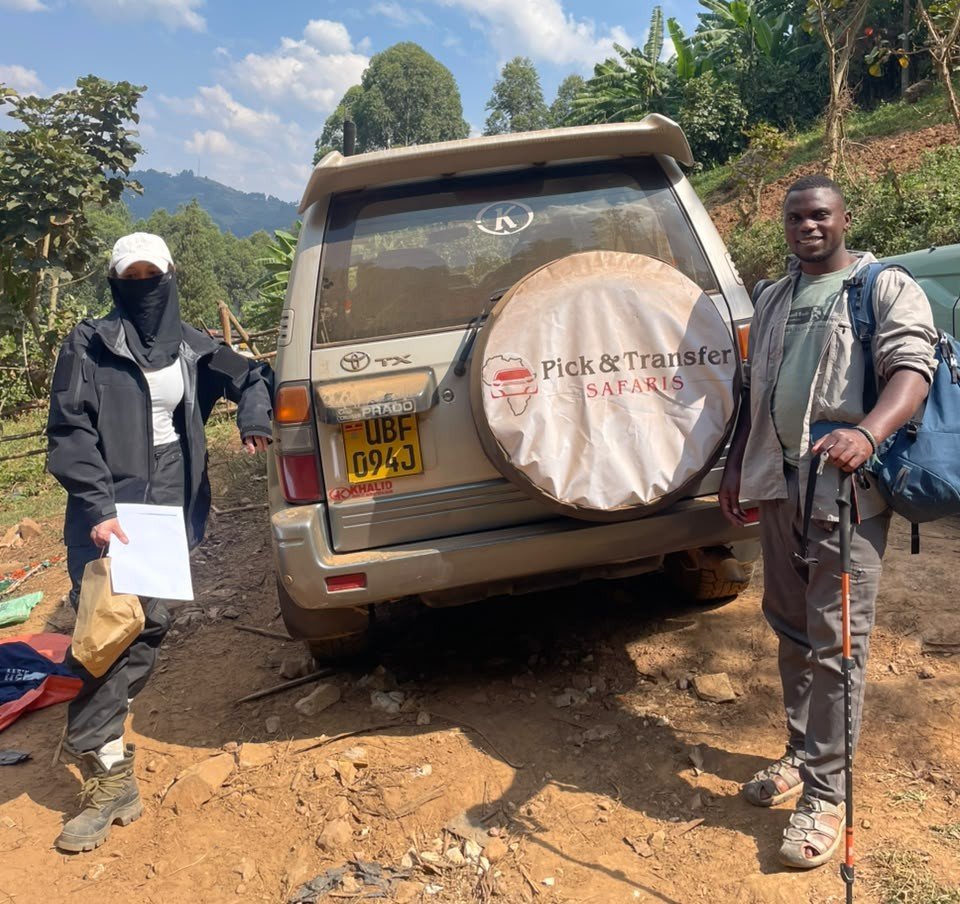
7 Days Uganda Safari – One week tour
This 7-day itinerary is the classic one-week introduction to Uganda, covering the country’s three most iconic wildlife experiences: chimpanzee tracking in Kibale Forest National Park, Big Five game drives and a boat cruise in Queen
Tour Details →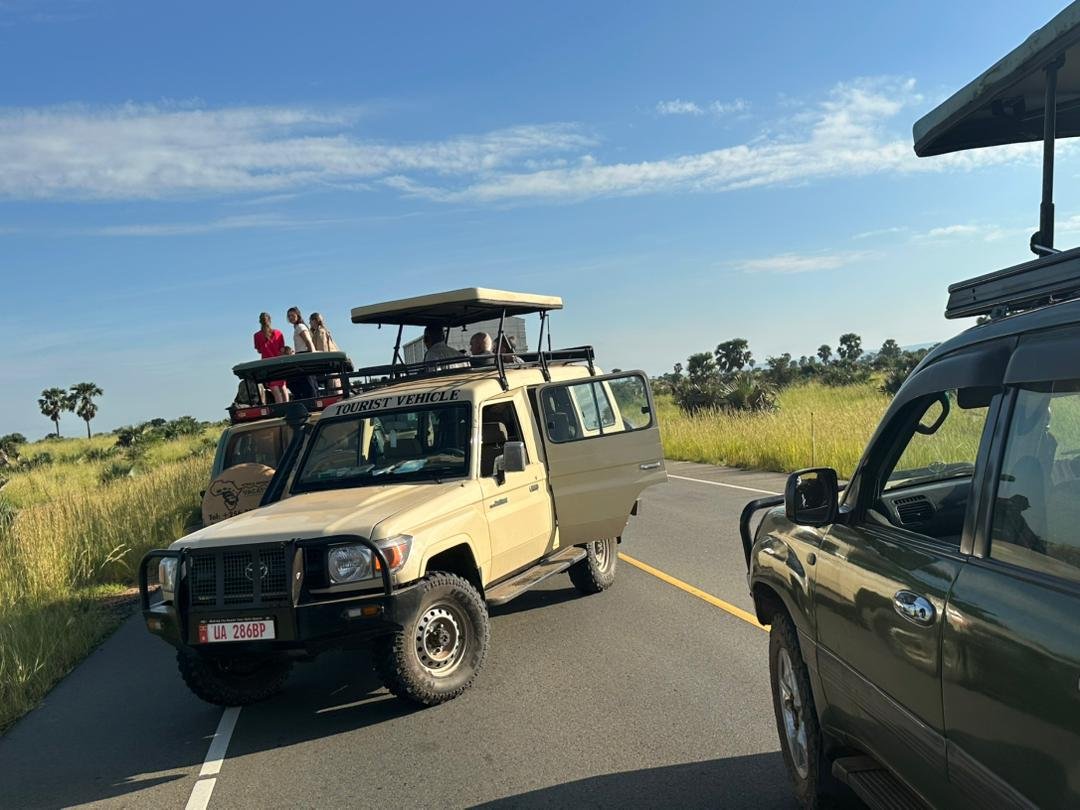
10 Days Uganda Primates and Wildlife
This 10-day Uganda Grand Safari is the most complete Uganda itinerary we offer at Pick and Transfer Safaris. It begins with a scenic northward drive from Entebbe to the vast open plains of Murchison
Tour Details →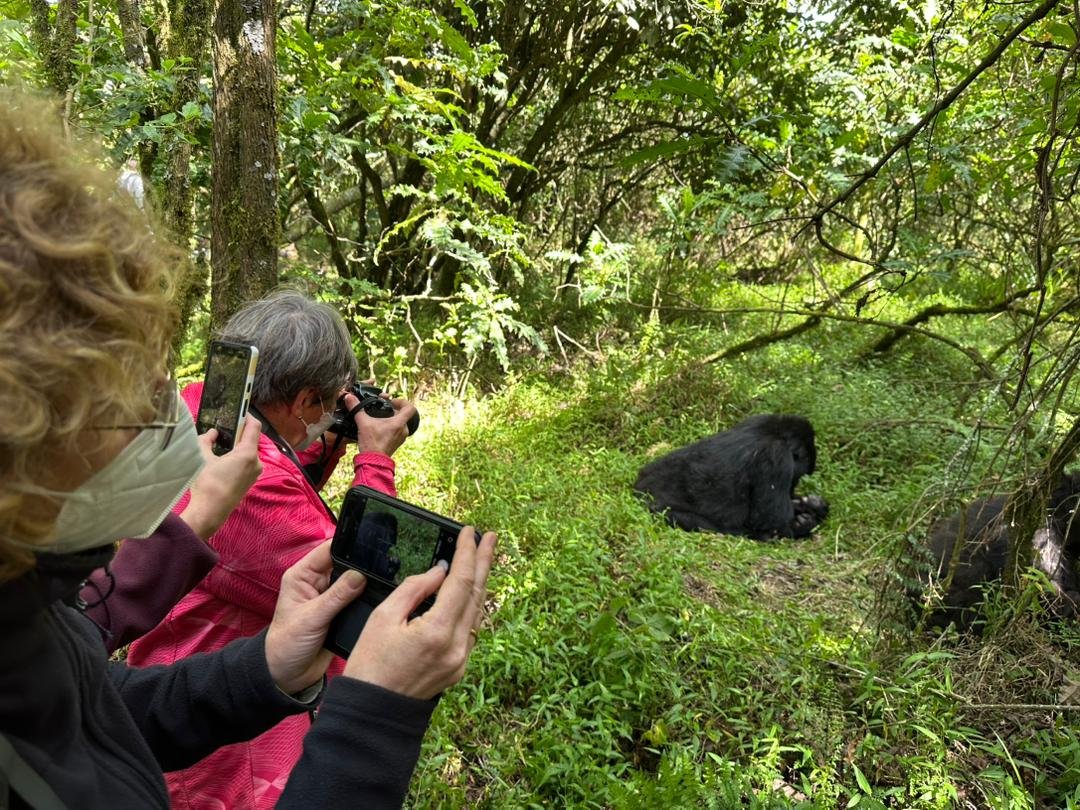
2 Days Uganda Gorilla Tour Starting from Kigali
This is the gentler cousin of our 1-Day Uganda Gorilla Safari Starting from Kigali — same idea, twice the breathing room. Instead of squeezing a 3,000-metre forest trek and two border crossings into a single very long day
Tour Details →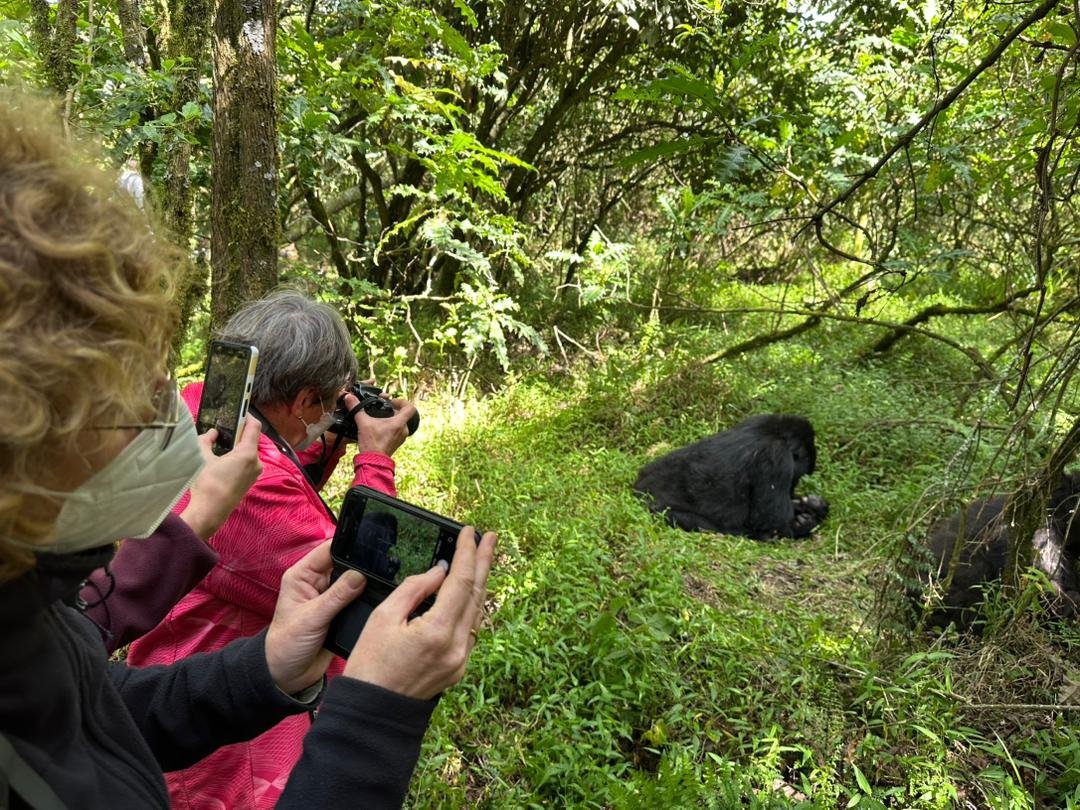
5-Day Uganda Gorilla and Chimpanzee Safari
This itinerary can be combined with a Rwanda extension or a wildlife-focused add-on through Queen Elizabeth National Park — browse our Uganda & Rwanda Safaris and Primate Safaris collections for ideas.
Tour Details →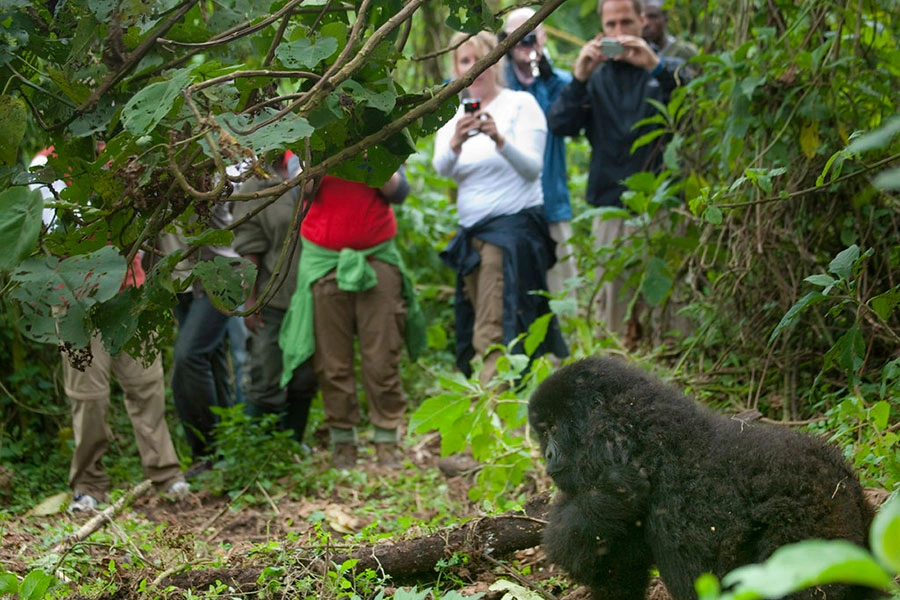
5 Days Rwanda Wildlife and Gorillas
This 5-day itinerary brings together Rwanda’s two flagship wildlife experiences: open savannah game drives and a boat safari in Akagera National Park, followed by a face-to-face encounters
Tour Details →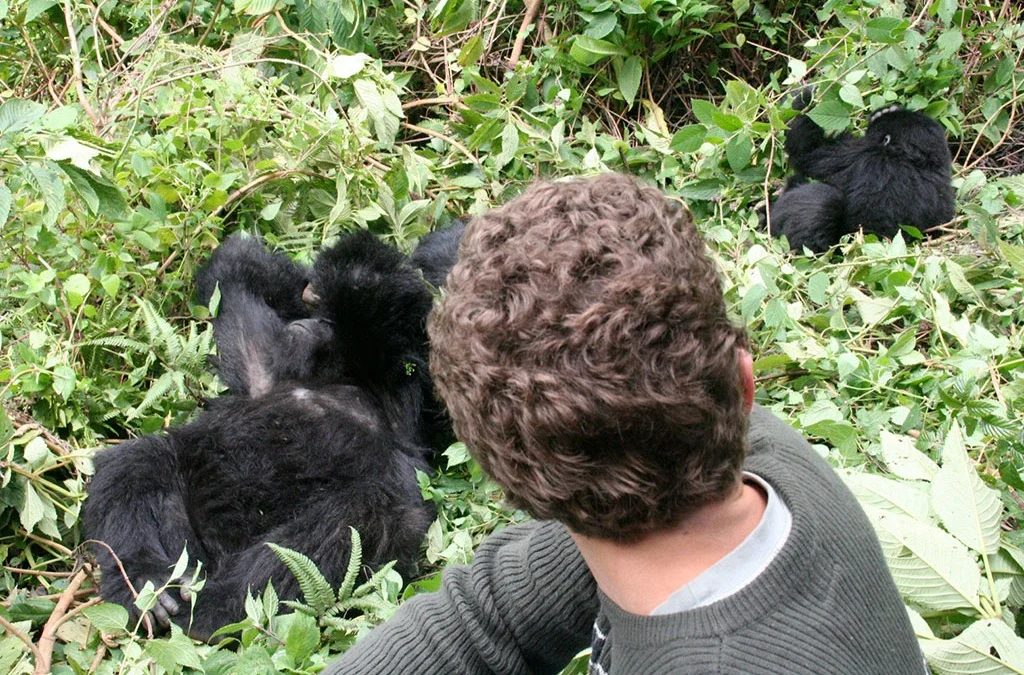
3 Days Uganda Gorilla Safari
For travelers who arrive in Entebbe with a tight schedule and a clear ambition, a 3-day gorilla safari to Bwindi Impenetrable Forest National Park is the most focused and rewarding short trip the country has to offer.
Tour Details →