- LET'S PLAN YOUR SAFARI
- +256 200 921 002
- +256 793 194 703
- info@pickandtransfersafaris.com

Transfer from Kigali to Rushaga Bwindi
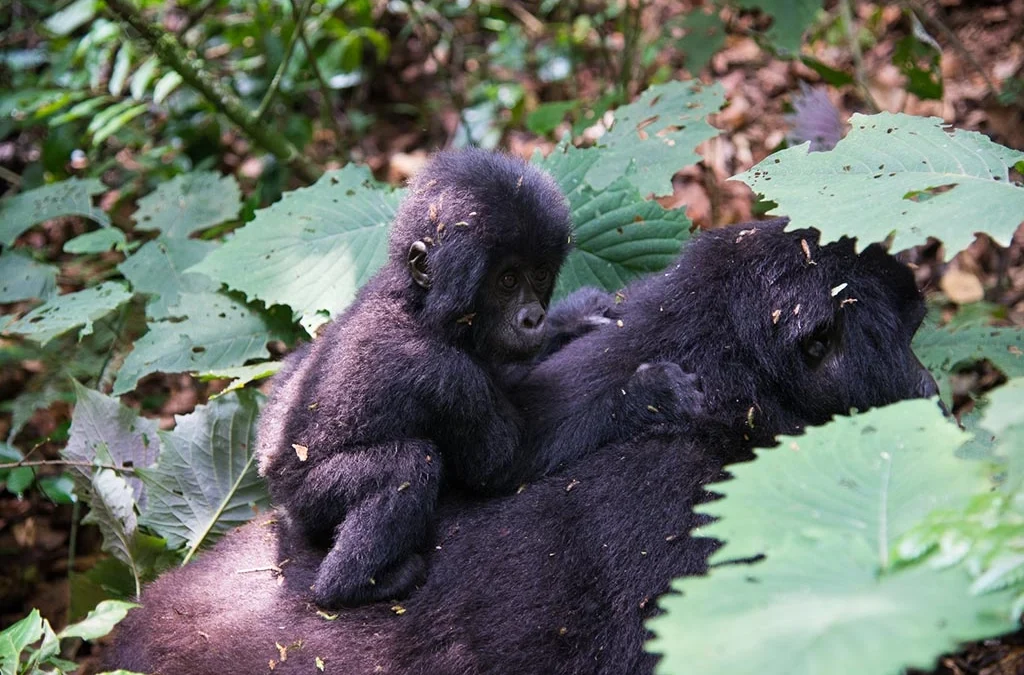
Transfer from Kigali to Rushaga Bwindi. A transfer from Kigali to Rushaga Bwindi is the fastest, most scenic way to reach Uganda’s southern gorilla trekking sector. Instead of spending nine or ten hours on the road from Entebbe, travelers who land at Kigali International Airport can be in Rushaga in roughly four to five hours, rested and ready for an early trekking briefing the next morning. This guide explains every part of that journey: the two border routes, drive times, visas, vehicles, costs, gorilla permits, where to stay, and how to turn a simple transfer into a complete Uganda and Rwanda safari.
At Pick and Transfer Safaris, cross-border transfers between Kigali and Uganda’s gorilla parks are our daily work. Everything below draws on the routes our driver-guides use every week.
Why Travel from Kigali to Rushaga Instead of Entebbe
Most visitors assume a Uganda gorilla trek must start in Entebbe. In reality, Bwindi’s southern sectors sit far closer to Rwanda’s capital than to Uganda’s main airport. Rushaga lies in Kisoro District, only a short drive from the Rwandan border, while the road from Entebbe crosses almost the entire width of southwestern Uganda.
The time difference is significant. From Entebbe, the drive to Rushaga usually takes eight to ten hours. From Kigali, it is typically four to five hours, including border formalities. Kenlink Tours makes the same point in its comparison of landing in Kigali or Entebbe for a gorilla safari, noting that Rushaga and Nkuringo are the sectors best suited to travelers entering through Rwanda.
Starting in Kigali also opens up flexible routing. You can fly into Kigali and out of Entebbe, combine a Rwandan and a Ugandan gorilla trek, or return to Kigali for an easy departure. If you are weighing those options, our guide on whether you can begin your tour from Kigali Airport and end in Entebbe Airport walks through how each direction works.
Cost matters too. A gorilla permit in Uganda costs US$800 for foreign non-residents, compared with US$1,500 in Rwanda. Many travelers fly into Kigali for convenience, then drive across to Rushaga to trek on a Ugandan permit, saving US$700 per person on the permit alone.
Where Exactly Is Rushaga in Bwindi Impenetrable National Park
Bwindi Impenetrable National Park is divided into four gorilla trekking sectors: Buhoma and Ruhija in the north, and Rushaga and Nkuringo in the south. Rushaga sits on the southern edge of the forest in Kisoro District, close to the town of Kisoro and the Virunga volcanoes.
Rushaga is widely known as the sector with the highest number of habituated gorilla families in Bwindi. That means more daily permits and better availability, even in busy months. It is also the only place in Uganda that offers the Gorilla Habituation Experience, a longer four-hour encounter with a family still being habituated. Kenlink Tours explains the differences between sectors well in its guide to which part of Bwindi is easy for gorilla trekking.
The landscape around Rushaga is steep and green, with terraced hillsides, small farming villages and views across to the cones of Mount Muhabura, Mount Gahinga and Mount Sabyinyo. The final approach climbs on unpaved roads, which is why the right vehicle matters (more on that below).
Kigali to Rushaga Distance and Driving Time at a Glance
There are two main ways to drive from Kigali to Rushaga. Both are practical, and the best choice depends on your itinerary, the season and where you plan to sleep.
| Route | Border post | Approx. distance | Approx. drive time | Best for |
|---|---|---|---|---|
| Kigali – Musanze – Cyanika – Kisoro – Rushaga | Cyanika | 160–180 km | 4–5 hours | Combining with Volcanoes National Park or Mgahinga; staying near Kisoro |
| Kigali – Gatuna – Kabale – Rushaga | Gatuna (Katuna) | 180–200 km | 4.5–5.5 hours | Including Lake Bunyonyi; travelers coming from Kabale |
Drive times include a normal border crossing of 30 to 60 minutes. Heavy rain, roadworks or a slow border queue can add an hour, so we always plan a margin before nightfall.
Route Option 1: Kigali to Rushaga via the Cyanika Border and Kisoro
The Cyanika route is the most popular choice for a transfer from Kigali to Rushaga Bwindi. It follows Rwanda’s excellent tarmac road northwest from Kigali to Musanze, the gateway town for Volcanoes National Park. The drive to Musanze takes about two to two and a half hours and winds through the terraced hills that give Rwanda its name, “the land of a thousand hills.”
From Musanze, the road continues roughly 25 km to the Cyanika border post. On the Ugandan side, a paved road leads to Kisoro town in about 20 to 30 minutes. Kisoro is the last real town before the park, with fuel stations, ATMs, small supermarkets and pharmacies, so it is a good place for a quick stop.
From Kisoro, the final stretch to Rushaga runs on a murram (gravel) road through farmland and over ridges with sweeping views. This section usually takes about one and a half to two hours, depending on the condition of the road and the exact location of your lodge.
This route suits travelers who are also trekking in Rwanda, visiting Mgahinga Gorilla National Park, or spending a night in Kisoro. Hotels such as Ikoro Hotel in Kisoro make a convenient overnight stop if you arrive late in Kigali and want to break the journey.
Route Option 2: Kigali to Rushaga via the Gatuna (Katuna) Border and Kabale
The second route heads north from Kigali on the main highway to the Gatuna border post, known as Katuna on the Ugandan side. This leg takes about two hours on good tarmac. Gatuna is a major commercial crossing, so expect trucks, but the tourist lanes usually move steadily.
After the border, the road reaches Kabale town in around 30 minutes. From Kabale, you continue west on the Kabale–Kisoro road, one of the most dramatic drives in Uganda, with hairpin bends and views over the hills of Kigezi, often called the “Switzerland of Africa.” The turn-off towards Rushaga leads onto a gravel road for the last section into the park.
The Gatuna route is slightly longer for most Rushaga lodges, but it is a natural choice if you want to include Lake Bunyonyi, one of Africa’s deepest lakes, before or after your trek. It is also the more direct option if your itinerary continues north to Queen Elizabeth National Park or Kibale Forest.
Which Border Crossing Should You Choose?
For a straightforward transfer from Kigali to Rushaga, Cyanika is usually the better option. It is quieter, more scenic around the volcanoes, and generally shorter for Rushaga and Nkuringo lodges. It also lets you pair your trip with a Rwandan trek or golden monkey tracking around Musanze.
Choose Gatuna if you plan to stop at Lake Bunyonyi, if you are continuing north into Uganda, or if your driver advises that roads on the Kisoro side are in poor condition after heavy rain. Our driver-guides check road conditions before every departure and will recommend the faster, safer option on the day.
What to Expect at the Rwanda–Uganda Border
Crossing from Rwanda into Uganda by road is routine, and both Cyanika and Gatuna handle tourists every day. The process has two stages. First, you exit Rwanda at the Rwandan immigration office, where your passport is stamped out. Then you walk or drive a short distance to the Ugandan side, where immigration officers check your visa, take fingerprints and stamp you in.
Most crossings take 30 to 60 minutes. You will usually need to step out of the vehicle and move between windows, so keep your passport, printed visa approval and yellow fever certificate in a small bag rather than packed in your luggage. Your driver handles the vehicle paperwork separately, including temporary import permits and cross-border insurance.
A few practical tips make the crossing smoother. Carry some small US dollar notes printed after 2013, since older notes are often refused. Change only a small amount of money at the border, because rates are better in Kisoro or Kabale. Avoid photographing border buildings or officials, which is prohibited. And keep the yellow fever card handy, as Ugandan officials can ask for it.
Visa Requirements for the Kigali to Rushaga Transfer
Because your transfer from Kigali to Rushaga Bwindi crosses an international border, you need valid entry permission for both countries. Your passport should be valid for at least six months beyond your travel dates, with at least two blank pages.
You have two main options. The first is to get a Rwandan visa (many nationalities can obtain one on arrival or online) and a separate Ugandan visa, applied for through Uganda’s official e-visa portal before you travel. The second, and often the simplest, is the East Africa Tourist Visa. It costs US$100, is valid for 90 days, and allows multiple entries between Rwanda, Uganda and Kenya, as long as you don’t leave the three-country bloc.
The East Africa Tourist Visa is ideal if you are flying into Kigali, trekking in Rushaga, and either returning to Kigali or continuing through Uganda to Entebbe. Apply online through the country you will enter first. In this case that is Rwanda, so you apply through Rwanda’s immigration system. Print your approval letter and carry it with you. Visa rules and fees change from time to time, so check the official government portals a few weeks before departure.
Choosing the Right Vehicle for the Transfer
The roads in Rwanda are smooth tarmac, but the final approach to Rushaga is a different story. The murram roads from Kisoro or the Kabale–Kisoro highway into the park are steep, narrow and often slippery in the rainy season. A proper four-wheel-drive vehicle is not a luxury here; it is essential.
For most groups, we use a Toyota Land Cruiser Prado for two to four travelers, or an extended Land Cruiser safari vehicle with a pop-up roof for larger groups. These vehicles have high ground clearance, low-range four-wheel drive, and the stability needed on rutted hillside tracks. Standard saloon cars and two-wheel-drive minivans regularly get stuck on the Rushaga approach after rain.
Comfort matters too. The transfer is several hours long, so look for air conditioning, reclining seats, charging ports and enough luggage space for trekking gear. Every vehicle used for cross-border trips also needs valid Rwandan and Ugandan insurance and the correct permits, something an experienced operator arranges in advance.
Private Transfer vs Self-Drive vs Public Transport
There are three ways to make the journey, and each suits a different traveler.
Private transfer with a driver-guide. This is the most popular and stress-free option. A driver-guide meets you at Kigali International Airport or your hotel, handles border procedures and the vehicle documents, knows the road conditions, and delivers you directly to your lodge. Your guide can also stay with you for the trek and drive you back to Kigali or onwards. For most visitors, especially first-timers, this is the best value once you account for time saved and peace of mind.
Self-drive. Experienced drivers can rent a 4×4 in Kigali and drive themselves. You will need a rental company that allows cross-border travel, all the vehicle papers for Uganda, and confidence on steep gravel roads. Kenlink Tours offers a useful overview of what to consider on a Uganda gorilla safari on self-drive, including permits and route planning.
Public transport. It is technically possible to take a bus from Kigali to the Katuna border or to Kabale, then a shared taxi towards Kisoro. However, there is no reliable public service to Rushaga itself, and the last leg usually means hiring a local car or motorbike taxi. Timing is unpredictable, and arriving late can put your trekking slot at risk. We don’t recommend this option if you hold a gorilla permit for the next morning.
How Much Does a Transfer from Kigali to Rushaga Cost?
The cost of a transfer from Kigali to Rushaga Bwindi depends on several factors, so it is normally quoted per vehicle rather than per person. That means the price per traveler falls as your group grows.
The main factors are:
- Vehicle type: a Prado for two to four people costs less than a large safari Land Cruiser for six.
- One-way or return: a return transfer, with the driver staying while you trek, is usually better value than two separate one-way trips.
- Number of days: if your driver-guide stays with you for several days, daily rates apply, covering fuel, the guide’s accommodation and meals.
- Cross-border fees: a Rwandan vehicle entering Uganda, or the reverse, needs insurance and permits that are built into the price.
- Season and fuel prices: fuel costs in both countries affect the final quote.
What a good quote should include: the 4×4 vehicle, fuel, an English-speaking driver-guide, the guide’s meals and accommodation, cross-border vehicle documents, bottled water and pick-up from the airport or your hotel. What it usually excludes: gorilla permits, visas, your accommodation and meals, and tips.
For a clear, all-inclusive price for your dates and group size, contact our team and we will send a detailed quote, usually within a few hours.
Booking Your Gorilla Permit for Rushaga
Your transfer only makes sense if you have a permit waiting at the end of it. Gorilla permits in Uganda are issued by the Uganda Wildlife Authority (UWA) and are allocated to a specific sector and date. When you book, make sure the permit says Rushaga, not just Bwindi, because the drive between sectors can take hours.
A standard gorilla trekking permit in Uganda costs US$800 for foreign non-residents and gives you one hour with a habituated gorilla family. East African citizens pay a much lower local rate, and discounted rates apply for foreign residents. The minimum trekking age is 15 years.
Permits sell out, especially from June to September and over Christmas and New Year. We advise booking three to six months ahead for peak dates. You can buy permits directly from UWA, but most travelers let their operator book the permit together with the transfer and lodge, so all the dates line up. Kenlink Tours’ detailed guide to gorilla trekking in Uganda covers permit costs, trek difficulty and the gorilla groups in each sector.
Rushaga Gorilla Families and the Habituation Experience
Rushaga hosts more habituated gorilla families than any other sector in Bwindi. Families visited from Rushaga have included Bikingi, Mishaya, Busingye, Kahungye, Rwigi, Bweza, Nshongi and Mucunguzi. Group sizes and assignments change over time as families split, merge or move, and rangers decide on the morning of your trek which family your group will visit, based on fitness and where the gorillas were last seen.
The standout reason many travelers choose Rushaga is the Gorilla Habituation Experience. This permit costs US$1,500 and allows a maximum of four visitors to spend up to four hours with researchers and trackers following a family that is still getting used to humans. It is slower, more immersive and more educational than a standard one-hour trek, and it is only offered in the Rushaga area within Uganda.
If you are deciding between a standard trek and habituation, or whether to do both, our guide on what to do after a gorilla tour in Bwindi explains how many travelers add the habituation experience as a second, very different encounter.
A Typical Transfer Day: Hour by Hour
To help you picture the journey, here is how a typical transfer from Kigali to Rushaga runs with Pick and Transfer Safaris, using the Cyanika route.
- 7:30 am – Pick-up in Kigali. Your driver-guide meets you at your hotel or at Kigali International Airport, loads the luggage and gives a short briefing on the day.
- 7:45–10:00 am – Kigali to Musanze. A smooth drive through Rwanda’s terraced hills, with an optional coffee stop along the way.
- 10:00–10:30 am – Musanze to Cyanika. Views of the Virunga volcanoes open up as you approach the border.
- 10:30–11:30 am – Border crossing. Exit Rwanda, enter Uganda, and change a little money if needed.
- 11:30 am–12:00 pm – Cyanika to Kisoro. A short paved stretch into town for fuel, snacks or an early lunch.
- 12:30–2:30 pm – Kisoro to Rushaga. The scenic gravel climb towards the forest edge.
- Afternoon – Arrival and rest. Check in at your lodge, take an optional village walk, and prepare your gear for the next day.
Arriving by mid-afternoon gives you time to relax and sleep well before the 7:30 am briefing. If your flight lands late in Kigali, we recommend one night in Kigali or Musanze and an early start the next morning, rather than driving the gravel section in the dark.
Where to Stay in Rushaga After Your Transfer
Staying close to the Rushaga trailhead makes trekking morning far easier. The sector has lodges for every budget, from simple community camps to comfortable mid-range lodges with forest views. Well-known options in and around Rushaga include Rushaga Gorilla Camp, Bweza Gorilla Lodge, Four Gorillas Lodge, Gorilla Valley Lodge and Ichumbi Gorilla Lodge. Several upmarket lodges around Nkuringo, about 45 minutes away, also work well for Rushaga permits.
If you prefer more town facilities, Kisoro offers hotels and guesthouses about an hour to an hour and a half from the trailhead. This is a practical option if you are combining Rushaga with Mgahinga or a Rwanda trek. Lake Mutanda and Lake Bunyonyi offer beautiful lakeside lodges for a night of rest before or after your trek.
For travelers who want to compare a Ugandan lodge with Rwanda’s volcano-side stays, Kenlink Tours’ review of Mountain Gorilla View Lodge near Volcanoes National Park is a helpful reference for a two-country trip.
Best Time of Year for the Kigali to Rushaga Journey
Gorilla trekking in Rushaga runs all year, but road and trail conditions vary with the seasons. The two dry seasons, from June to September and from December to February, are the most popular. Roads are firmer, the gravel approach is easier, and forest trails are less muddy.
The main rainy seasons fall around March to May and October to November. Transfers still run, but the final gravel stretch can be slippery, so travel times may stretch by an hour or more. The upside is greener scenery, fewer visitors and better permit availability. Kenlink Tours breaks down the climate month by month in its guide to the best time to see gorillas in Uganda and Rwanda.
Whatever the season, Rushaga sits at altitude, so mornings and evenings are cool. Pack layers, even in the dry months.
What to Pack for the Road and the Trek
Packing well makes both the transfer and the trek more comfortable. For the journey itself, keep these within reach:
- Passport, printed visa approvals and yellow fever certificate
- Printed or digital copy of your gorilla permit
- Small US dollar notes (printed 2013 or later) and some local currency
- Water, snacks, sunscreen and any travel-sickness tablets for the winding roads
- A light jacket for the cooler highlands near the border
For trekking day, bring waterproof hiking boots, long trousers, a long-sleeved shirt, a rain jacket, garden gloves for gripping vegetation, insect repellent, a small daypack, a packed lunch and at least two liters of water. Hiring a local porter at the trailhead is highly recommended. It helps on steep sections and supports families living around the park.
Gorilla Trekking Rules to Know Before You Arrive
Gorilla trekking follows strict rules designed to protect the gorillas and keep visitors safe. A maximum of eight visitors can see a habituated family each day, and the time with the gorillas is limited to one hour. Visitors should keep a distance of at least seven meters, speak quietly, avoid flash photography, and never eat or drink near the gorillas.
If you have a cold, flu or any contagious illness, you should tell the rangers, because gorillas are highly vulnerable to human diseases. Briefings start early, usually around 7:30 to 8:00 am, and trekking begins soon after. Kenlink Tours lists the full code of conduct in its guide to gorilla trekking rules and regulations in Uganda. For a sense of what the encounter actually feels like, its piece on what it’s like to trek gorillas in Uganda and Rwanda is well worth reading before you go.
Extending Your Trip: What to Do After Rushaga
Many travelers use the transfer from Kigali to Rushaga as the backbone of a longer journey. After your trek, popular additions include a Batwa cultural experience, a canoe trip on Lake Mutanda, golden monkey tracking in Mgahinga, or a relaxing night at Lake Bunyonyi.
Others return to Rwanda to see more of the country. You can track golden monkeys or a second gorilla family in Volcanoes National Park, visit the research legacy of Dian Fossey (Kenlink Tours explains the work of the Dian Fossey Gorilla Fund), or head south to Nyungwe Forest National Park for chimpanzee tracking and the famous canopy walk. For classic savannah game drives, a 3 Days Akagera National Park Safari from Kigali adds the Big Five to your trip.
If you want more primates on the Ugandan side, Kibale Forest is the chimpanzee capital of East Africa. Kenlink Tours’ overview of Uganda primate tracking safaris shows how gorillas and chimpanzees can be combined in one itinerary.
Sample Itineraries Starting from Kigali
Your transfer from Kigali to Rushaga Bwindi can fit into almost any trip length. These are the packages travelers book most often with us, all designed around the short Kigali route. You can browse all our short gorilla safaris starting from Kigali or pick one below.
- 1 Day Uganda Gorilla Safari Starting from Kigali: an early-morning departure, a gorilla trek in southern Bwindi, and a return to Kigali the same night. Best for travelers with very little time.
- 2 Days Uganda Gorilla Tour Starting from Kigali: transfer to Rushaga on day one, trek on day two, and drive back to Kigali. Our most popular short option.
- 3 Days Uganda Gorilla Safari from Rwanda: adds a relaxed extra night, often at Lake Bunyonyi or Lake Mutanda, with a cultural visit.
- 5 Days Uganda Gorilla and Chimps Safari starting from Rwanda: gorillas in Bwindi plus chimpanzees, ideal for primate lovers.
- 10 Days Uganda Rwanda Safari: the complete two-country circuit, with gorillas, chimps, savannah wildlife and culture.
If you also want to trek in Rwanda, combine your Rushaga trip with our 2 Days Volcanoes Gorilla Trek from Kigali or the 3 Days Rwanda Gorilla Tracking and Cultural Tour. Travelers starting in Entebbe instead can look at our 3 Days Uganda Gorilla Safari.
Safety Tips for the Kigali–Rushaga Road
The route between Kigali and Rushaga is used by tourists every day and is considered safe. Still, a few simple habits help. Travel during daylight, especially on the gravel section into the park. Keep valuables out of sight when stopping in towns. Use an operator whose vehicles are serviced regularly and carry spare tires, a first-aid kit and a working phone with roaming on both networks.
Road conditions change quickly after heavy rain, so trust your driver’s judgment on route and speed. An experienced local driver-guide who knows every bend of the Kisoro road is the single best safety investment you can make.
Frequently Asked Questions About the Transfer from Kigali to Rushaga
How long is the drive from Kigali to Rushaga? Most transfers take four to five hours, including a border crossing of 30 to 60 minutes. Rainy weather or a slow border can add about an hour.
Which border is best for Rushaga, Cyanika or Gatuna? Cyanika is usually shorter and more scenic for Rushaga. Gatuna is better if you are visiting Lake Bunyonyi or continuing north into Uganda.
Can I do the transfer and gorilla trek on the same day? Yes, on a one-day trip, but it means leaving Kigali very early, around 3:00 to 4:00 am, to reach the 7:30 am briefing. Most travelers prefer to arrive the day before.
Do I need a 4×4 vehicle? Yes. The final road into Rushaga is steep gravel that becomes slippery in the rain. A 4×4 such as a Land Cruiser or Prado is strongly recommended.
Do I need a visa for Uganda if I already have a Rwandan visa? Yes, unless you hold the East Africa Tourist Visa, which covers Rwanda, Uganda and Kenya for 90 days.
Can I fly from Kigali to Rushaga? There are no regular scheduled flights from Kigali to the Kisoro airstrip. Scheduled domestic flights to Kisoro mainly leave from Entebbe. From Kigali, road transfer is the fastest practical option.
Is it cheaper to trek gorillas in Uganda from Kigali than in Rwanda? On permits, yes. A Uganda gorilla permit costs US$800, while a Rwanda permit costs US$1,500. Your transport costs will be a little higher because of the longer drive and border crossing.
Book Your Transfer from Kigali to Rushaga Bwindi with Pick and Transfer Safaris
A well-planned transfer from Kigali to Rushaga Bwindi turns a long, complicated journey into one of the most scenic drives in East Africa. With the right route, a reliable 4×4, the correct visa and a permit booked well in advance, you arrive relaxed and ready for one of the world’s great wildlife encounters.
Pick and Transfer Safaris specializes in exactly this route. Our driver-guides cross the Rwanda–Uganda border every week, we coordinate gorilla permits, lodges and transport as one package, and our team is available around the clock while you travel. Contact us today with your dates and group size, and we will build a transfer, or a full gorilla safari, around you.
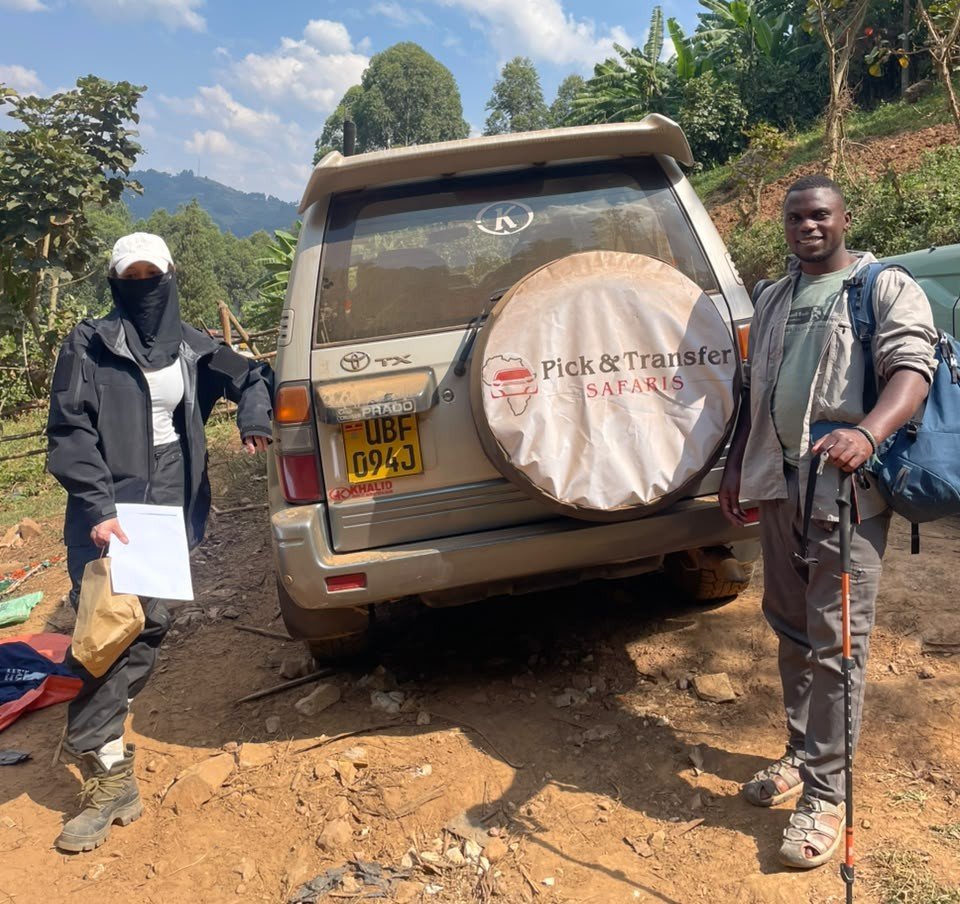
7 Days Uganda Safari – One week tour
This 7-day itinerary is the classic one-week introduction to Uganda, covering the country’s three most iconic wildlife experiences: chimpanzee tracking in Kibale Forest National Park, Big Five game drives and a boat cruise in Queen
Tour Details →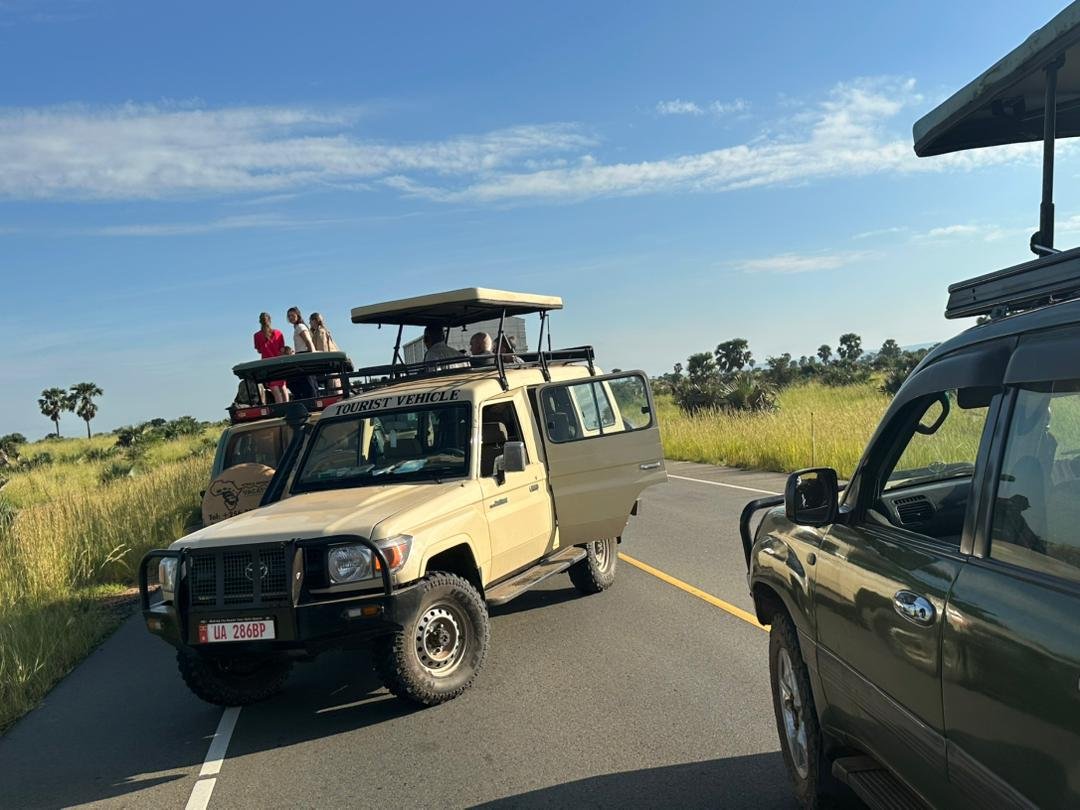
10 Days Uganda Primates and Wildlife
This 10-day Uganda Grand Safari is the most complete Uganda itinerary we offer at Pick and Transfer Safaris. It begins with a scenic northward drive from Entebbe to the vast open plains of Murchison
Tour Details →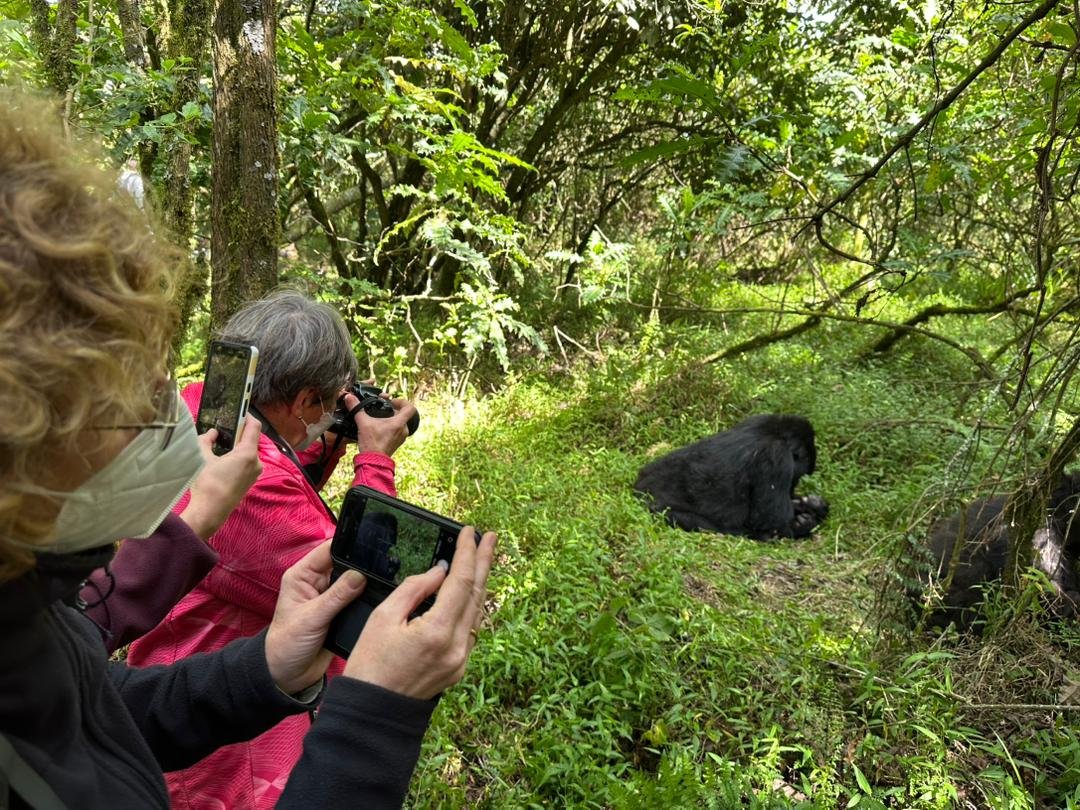
2 Days Uganda Gorilla Tour Starting from Kigali
This is the gentler cousin of our 1-Day Uganda Gorilla Safari Starting from Kigali — same idea, twice the breathing room. Instead of squeezing a 3,000-metre forest trek and two border crossings into a single very long day
Tour Details →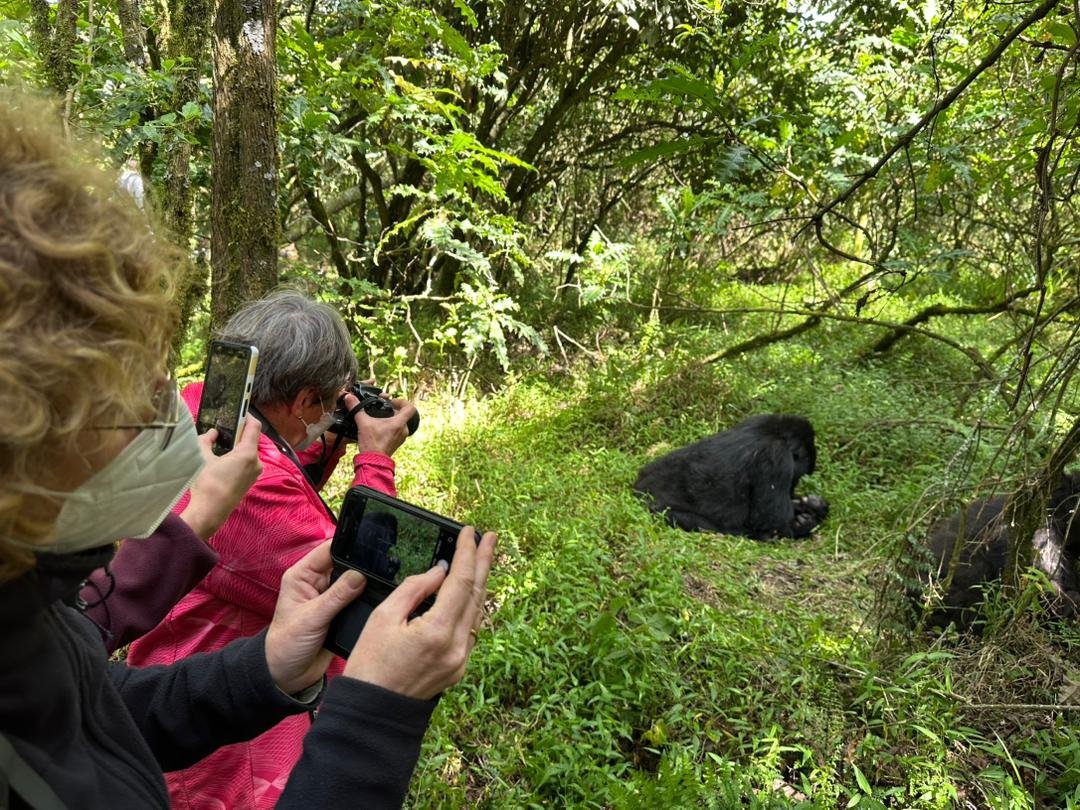
5-Day Uganda Gorilla and Chimpanzee Safari
This itinerary can be combined with a Rwanda extension or a wildlife-focused add-on through Queen Elizabeth National Park — browse our Uganda & Rwanda Safaris and Primate Safaris collections for ideas.
Tour Details →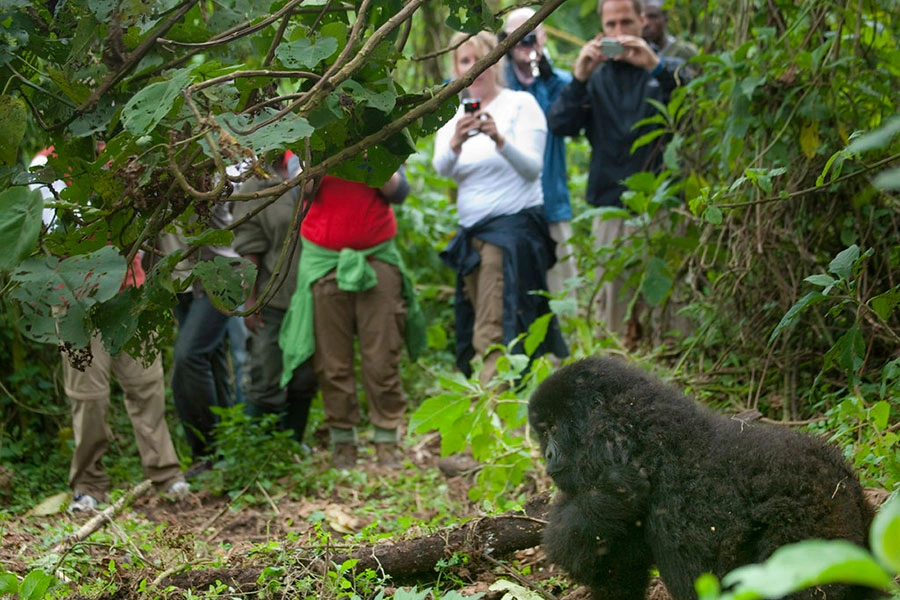
5 Days Rwanda Wildlife and Gorillas
This 5-day itinerary brings together Rwanda’s two flagship wildlife experiences: open savannah game drives and a boat safari in Akagera National Park, followed by a face-to-face encounters
Tour Details →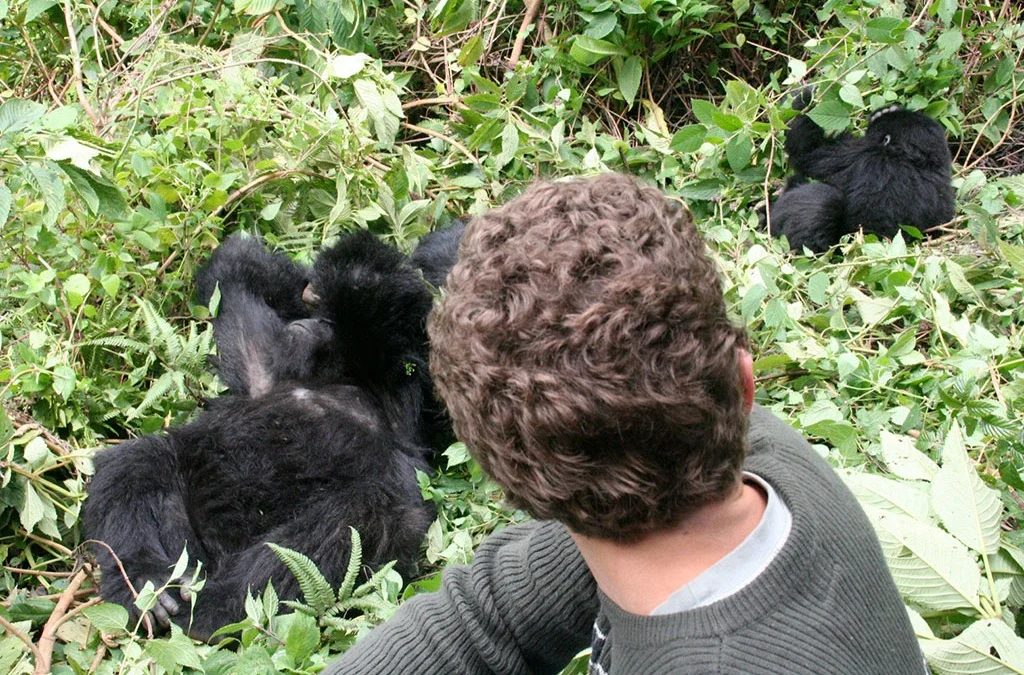
3 Days Uganda Gorilla Safari
For travelers who arrive in Entebbe with a tight schedule and a clear ambition, a 3-day gorilla safari to Bwindi Impenetrable Forest National Park is the most focused and rewarding short trip the country has to offer.
Tour Details →