- LET'S PLAN YOUR SAFARI
- +256 200 921 002
- +256 793 194 703
- info@pickandtransfersafaris.com

Transport Companies near Bwindi National Park
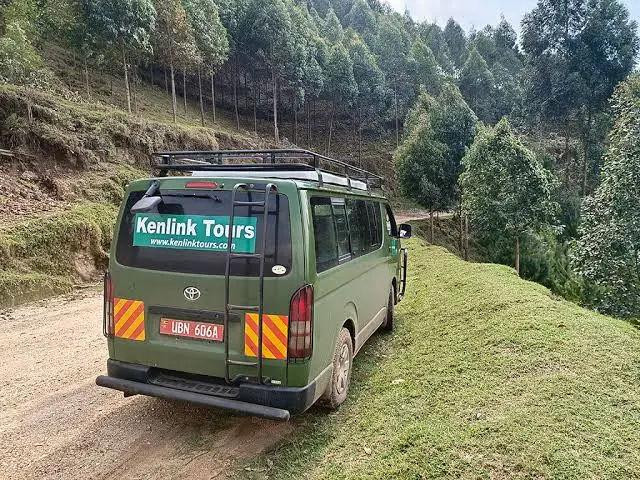
Transport Companies near Bwindi National Park. Bwindi Impenetrable National Park is one of the most rewarding places on Earth to visit, and one of the most remote. Its four gorilla trekking sectors sit among steep hills and winding gravel roads in the far southwest of Uganda, hours from the nearest international airport. However wonderful your lodge and however lucky your gorilla permit, the success of your trip depends on one practical thing: reliable transport.
This guide explains how transport works around Bwindi Impenetrable National Park in 2026: the types of transport companies you will find, the services they offer, the main routes and gateway towns, typical prices, and how to choose a company you can trust. Pick and Transfer Safaris is itself a transport and safari company based on the Kabale–Kisoro road in Kisoro, close to Bwindi’s southern sectors, so this is the advice we give our own guests every day.
Transport near Bwindi: The Quick Answer
The most reliable way to get around Bwindi is with a local safari transport company that provides a private 4×4 vehicle and an experienced driver-guide. These companies handle airport pickups from Kigali and Entebbe, airstrip transfers from Kisoro and Kihihi, transfers between Bwindi’s sectors, cross-border trips to Rwanda, and full safaris to other parks. A private one-way transfer from Kigali to the southern sectors typically costs about US$300 to US$450 per vehicle, and a full day’s 4×4 hire with driver usually costs US$150 to US$250 per vehicle, depending on distance and vehicle type.
Budget travelers can also use buses and shared taxis to the gateway towns of Kisoro, Kabale and Kanungu, then a special hire car or boda boda (motorcycle taxi) for the last stretch. These options are cheap but slower and less predictable, and they are not ideal if you have a gorilla permit with a fixed start time.
Types of Transport Companies near Bwindi
| Type of provider | What they offer | Best for |
|---|---|---|
| Local safari and transfer companies | Private 4×4 with driver-guide, airport and airstrip transfers, cross-border trips, full safaris | Most visitors, especially with gorilla permits |
| Car hire companies | Self-drive or chauffeur-driven 4×4 rental | Independent travelers and residents |
| Domestic airlines | Scheduled and charter flights from Entebbe to Kisoro and Kihihi airstrips | Travelers short on time |
| Bus and coach operators | Scheduled services from Kampala to Kabale and Kisoro | Backpackers and budget travelers |
| Special hire taxis | Local cars hired by the trip in towns near Bwindi | Short local trips |
| Boda bodas | Motorcycle taxis | Short hops in town, light luggage only |
Why Transport Matters So Much at Bwindi
Gorilla trekking starts with a briefing at the ranger station early in the morning, usually around 7:30 to 8:00 am. If you arrive late, you can lose your trek and your US$800 permit. The roads to the trailheads are often steep, muddy and narrow, especially in the rainy season, and some lodges are an hour or more from the briefing point. A trustworthy driver who knows the roads, the timings and the rangers is not a luxury here. It is part of making sure your once-in-a-lifetime experience actually happens.
Transport also matters for safety and comfort. Long drives on rural roads are much easier in a well-maintained 4×4 with a careful driver than in an overloaded minibus or an unfamiliar rental car.
Transport Services Offered near Bwindi
Airport transfers from Kigali. Kigali International Airport is the closest major airport to Bwindi’s southern sectors. A good transport company collects you at arrivals, helps you through the Cyanika border, and drops you at your lodge in Rushaga, Nkuringo or near Mgahinga, about four and a half to five and a half hours away.
Airport transfers from Entebbe. The drive from Entebbe International Airport to Bwindi takes eight to eleven hours, usually via Masaka and Mbarara. Most companies break the journey with stops at the equator and for lunch.
Airstrip pickups from Kisoro and Kihihi. Domestic flights from Entebbe land at Kisoro airstrip (for the southern sectors and Mgahinga) and Kihihi airstrip (for Buhoma and Ishasha). Transport companies meet the flight and drive you to your lodge, usually in one to one and a half hours.
Lodge-to-trailhead transfers. If your lodge does not include transport to the briefing point, a local company can take you there and back on trek day.
Transfers between Bwindi sectors. Travelers sometimes have permits in different sectors, or want to move from one sector to another. These drives can take one to five hours depending on the sectors.
Cross-border transfers to Rwanda. Return trips to Kigali, Musanze or Volcanoes National Park are among the most requested services. See our guide How Much Is a Transfer from Bwindi to Kigali, Rwanda? for detailed prices.
Park-to-park transfers. Drives from Bwindi to Queen Elizabeth National Park, Kibale Forest National Park, Lake Bunyonyi, Mgahinga Gorilla National Park or Lake Mburo.
Full safari packages. Many transport companies also run complete safaris that include permits, lodges and meals, such as our gorilla safaris and wildlife safaris.
Car hire. Self-drive or chauffeur-driven 4×4 rentals for independent travelers.
Gateway Towns near Bwindi and Their Transport Links
Kisoro: The main town for Bwindi’s southern sectors (Rushaga and Nkuringo) and Mgahinga. It has an airstrip, banks, fuel stations, markets and plenty of transport providers. It is about 12 km from the Cyanika border with Rwanda. Our office and our Ikoro Hotel are here.
Kabale: A larger town on the main highway from Kampala, close to the Katuna (Gatuna) border with Rwanda. It is the usual gateway to Ruhija and Lake Bunyonyi, and a stop for buses heading to Kisoro.
Kanungu, Butogota and Kihihi: Small towns serving the Buhoma sector in the north. Kihihi has an airstrip, and the road from Buhoma continues north to the Ishasha sector of Queen Elizabeth National Park.
Kigali and Entebbe: The two international gateways, where most visitors arrive before meeting their transport company.
Common Transfer Routes and Indicative Prices (2026)
| Route | Approx. driving time | Private 4×4 (one way, per vehicle) |
|---|---|---|
| Kigali – Rushaga / Nkuringo | 4.5 – 6 hours | US$300 – US$480 |
| Kigali – Buhoma | 7 – 9 hours | US$500 – US$700 |
| Entebbe – Bwindi (any sector) | 8 – 11 hours | US$450 – US$700 |
| Kisoro airstrip – Rushaga | 1 – 1.5 hours | US$60 – US$120 |
| Kihihi airstrip – Buhoma | 1 – 1.5 hours | US$60 – US$120 |
| Kisoro town – Mgahinga | 30 – 45 minutes | US$30 – US$60 |
| Rushaga – Buhoma | 4 – 5 hours | US$200 – US$350 |
| Ruhija – Buhoma | 2 – 3 hours | US$120 – US$200 |
| Bwindi (Buhoma) – Queen Elizabeth (Ishasha) | 2 – 3 hours | US$150 – US$250 |
| Bwindi – Lake Bunyonyi | 2 – 3 hours | US$120 – US$200 |
Prices are indicative, vary with season, fuel prices and vehicle type, and should be confirmed when you book. Prices are per vehicle, not per person.
Budget Transport: Buses, Taxis and Boda Bodas
Scheduled buses run daily from Kampala to Kabale and Kisoro, taking roughly eight to ten hours. From Kigali, minibuses and coaches run to Musanze, where you can continue to the Cyanika border and on to Kisoro. Fares are low, usually a small fraction of a private transfer.
From the towns, you will need a special hire car or a boda boda to reach the lodges and trailheads. Special hire prices should be agreed before you set off. Boda bodas are cheap and useful for short trips in town, but they are not suitable for long, steep, muddy roads with luggage, and safety standards vary. Always wear a helmet if you use one.
Public transport works for flexible backpackers, but if you have a gorilla permit with a fixed time, a private transfer is far safer.
Vehicles Used by Transport Companies near Bwindi
Toyota Land Cruiser (safari version): The classic East African safari vehicle, with high ground clearance, a strong 4×4 system and a pop-up roof for game viewing. Ideal for families, groups and trips that combine Bwindi with Queen Elizabeth or other parks.
Toyota RAV4 or similar compact 4×4: Comfortable and economical for one to three travelers on simple transfers. Popular for self-drive rentals.
Extended Land Cruiser or safari minibus: For larger groups travelling together, with more seats and luggage space.
Saloon cars: Fine on tarmac between towns but not suitable for the gravel roads to most Bwindi trailheads, especially in the rainy season.
For almost every visitor, a 4×4 is the right choice. The roads to Rushaga, Nkuringo, Ruhija and parts of the Buhoma route include steep, rough and sometimes muddy sections.
Car Hire near Bwindi: Self-Drive or With a Driver?
Renting a 4×4 gives you freedom to explore at your own pace. Experienced drivers who are comfortable on rural African roads can enjoy a self-drive trip through southwestern Uganda. Our partner site arranges self-drive safaris in Uganda, and Kenlink Tours offers 4×4 car hire with or without a driver.
That said, most first-time visitors choose a driver-guide. Road signs can be sparse, some routes are confusing, Rwanda drives on the right while Uganda drives on the left, and cross-border trips need extra vehicle documents. A local driver also knows the rangers, the lodges, the best photo stops, and how long each road really takes in the rain.
How to Choose a Reliable Transport Company near Bwindi
Use this checklist before you book:
- Licensing and registration. Ask whether the company is registered with the Uganda Tourism Board and whether its drivers are trained guides. Reputable operators are often members of national tourism associations.
- Vehicle condition. Ask for photos of the actual vehicles, and check that they are 4x4s with good tyres and working seatbelts.
- Local knowledge. A company based near Bwindi, in Kisoro, Kabale or Kanungu, knows the roads and conditions far better than one based only in Kampala.
- Clear pricing. Get a written quote showing what is included: fuel, driver allowances, border documents, waiting time and drop-off.
- Cross-border capability. If you are coming from or going to Rwanda, check that the company’s vehicles have the documents and insurance needed to cross.
- Reviews. Read recent reviews on Google, TripAdvisor and safari booking platforms.
- Communication. A good company replies quickly and gives you a named driver and phone number before the trip.
- Backup plan. Ask what happens if a vehicle breaks down. Established companies have spare vehicles or partners nearby.
Red Flags to Avoid
- Prices far below everyone else’s. Very cheap quotes often mean old vehicles, unlicensed drivers or hidden extra charges.
- No written confirmation. Always get your booking, price and inclusions in writing.
- Saloon cars for Bwindi roads. A company offering a regular car for a rainy-season trip to Rushaga is not thinking about your safety.
- Requests for full payment to personal accounts with no business details. Use companies with clear business identities and secure payment options.
- No physical address or local presence. Be cautious of operators you cannot verify.
Why Choose a Local Transport Company Based near Bwindi?
Faster response. A company based near the park can reach you quickly if plans change, a road is blocked, or a vehicle has a problem.
Better local knowledge. Local drivers know which roads flood in the rains, which trailhead your gorilla family is likely to leave from, and how early you really need to leave your lodge.
Lower costs. Local companies avoid the long empty drives from Kampala, which keeps prices down for short transfers.
Community benefit. Hiring locally keeps tourism income in the communities around the park, which in turn supports gorilla conservation.
Pick and Transfer Safaris is based on the Kabale–Kisoro road in Kisoro. Our fleet of well-maintained 4x4s and our experienced driver-guides cover Bwindi’s southern sectors, Mgahinga, Kigali, Entebbe and every major park in Uganda and Rwanda. Learn more about us.
Road Conditions Around Bwindi
The main highways from Kampala to Kabale and from Kabale to Kisoro are tarmac and generally in good condition. So is the road from Kigali to the Cyanika border. The challenge comes on the final stretches to the trailheads and lodges.
Rushaga and Nkuringo: Gravel roads with steep climbs and sharp bends. The ridge road to Nkuringo has spectacular views but can be slippery after rain.
Ruhija: A high, winding gravel road from Kabale, often misty in the mornings.
Buhoma: Long gravel sections through Kanungu and Butogota, which can be slow in the wet season.
Ishasha connection: The road between Buhoma and the Ishasha sector of Queen Elizabeth is rough in places and needs a 4×4, especially after rain.
Travel times can stretch significantly in the rainy seasons of March to May and October to November. A local transport company will plan departure times with these conditions in mind.
Is Road Travel near Bwindi Safe?
Yes. The Bwindi region is a well-established tourism area, and the roads are used daily by tourists, tour operators and local people. The main risks are ordinary road risks: narrow roads, livestock, pedestrians, rain and occasional landslides in very wet weather. Travelling with a reputable company, in a well-maintained 4×4, during daylight hours, keeps the journey safe. Always wear a seatbelt, and check your government’s latest travel advice before you go.
Best Time to Travel to Bwindi by Road
The dry seasons, December to February and June to September, offer the easiest driving conditions and the most predictable travel times. The wet seasons bring greener scenery and fewer visitors but slower, muddier roads. Gorilla trekking and transport run all year, so any month works with good planning.
Tips for Booking Transport near Bwindi
- Book your gorilla permit first, then arrange transport around your trekking date and sector.
- Stay in the same sector as your permit to avoid very early, long drives on trek day.
- Choose a 4×4, especially in the rainy season.
- Fly into Kigali for the southern sectors to save several hours of driving compared with Entebbe.
- Ask what is included in the price: fuel, driver allowances, border documents, waiting time.
- Book round trips or packages to avoid paying for the vehicle’s empty return.
- Travel during daylight, and allow extra time in the rainy season.
- Share the vehicle with friends or family to lower the cost per person.
- Save your driver’s number and share your lodge details with them before the trip.
- Tip fairly. Around US$10 to US$20 per day per group is common for driver-guides on safari.
Transport Included in Gorilla Safari Packages
Often the simplest and best-value option is to book a gorilla package that already includes transport, so one company handles your permit, vehicle, driver, lodge and meals. Popular options from Pick and Transfer Safaris include:
- 1 Day Uganda Gorilla Safari Starting from Kigali
- 2 Days Uganda Gorilla Tour Starting from Kigali
- 3 Days Uganda Gorilla Safari from Rwanda
- 3 Days Uganda Gorilla Safari from Entebbe
- 4 Days Wildlife and Primate Safari
Kenlink Tours runs similar packages with transport included, such as the 2 Days Uganda Gorilla Safari Starting from Kigali, the 3 Days Bwindi Gorilla Safari Starting from Kigali, the 2 Days Rwanda to Uganda Gorilla Trekking Safari, the 5-Day Gorilla Trekking Safari from Kigali to Uganda, the 3-Day Uganda Gorillas Safari and the 3 Days Queen Elizabeth National Park trip. For longer journeys, see Kenlink’s 7 Days Gorilla and Wildlife Safari and 4-Day Rwanda–Uganda Golden Monkey and Gorilla Trekking. Solo travelers who want to share transport can look at Kenlink’s group tours.
How to Book Transport with Pick and Transfer Safaris
- Send your details through our contact page: pickup point, destination, dates, number of travelers and any flights.
- Receive a clear quote with vehicle type, inclusions and timings.
- Confirm your booking and receive your driver’s name and phone number.
- Meet your driver at the airport, airstrip, hotel or lodge, and enjoy the ride.
We cover Kigali, Entebbe, Kampala, Kisoro and Kihihi airstrips, all Bwindi sectors, Mgahinga, Lake Bunyonyi, Queen Elizabeth, Kibale and Volcanoes National Park in Rwanda. Explore all our destinations, or read Kenlink’s overview about Uganda.
Frequently Asked Questions About Transport near Bwindi
What is the best transport company near Bwindi National Park?
The best choice is a licensed local safari and transfer company with well-maintained 4×4 vehicles, experienced driver-guides, clear pricing and strong reviews. Companies based near the park, in towns like Kisoro, Kabale or Kanungu, usually offer the best local knowledge and response times.
How much does transport from Kigali to Bwindi cost?
A private one-way 4×4 transfer from Kigali to Bwindi’s southern sectors typically costs about US$300 to US$480 per vehicle. Transfers to Buhoma in the north cost more because the drive is longer.
Can I get public transport to Bwindi?
Buses and minibuses run to Kisoro, Kabale and Kanungu, but not directly to the trailheads. You will need a special hire car or boda boda for the last stretch. Public transport is cheap but slow and not ideal if you have a fixed gorilla trekking time.
Do I need a 4×4 to reach Bwindi?
Yes, a 4×4 is strongly recommended. The roads to the trailheads include steep gravel sections that can become muddy and slippery, especially from March to May and October to November.
Can I fly close to Bwindi?
Yes. Domestic flights from Entebbe land at Kisoro airstrip for the southern sectors and Kihihi airstrip for Buhoma. A transport company can meet your flight and drive you to your lodge.
Does my lodge provide transport to the gorilla trek?
Some lodges do, especially when they are close to the trailhead, but many do not. If you are on a safari package, your driver-guide takes you to the briefing point. If not, book a local transfer in advance.
Can transport companies near Bwindi take me to Rwanda?
Yes. Many local companies, including Pick and Transfer Safaris, run cross-border transfers to Kigali, Musanze and Volcanoes National Park, with the documents needed for the vehicle to cross.
Is it safe to use boda bodas near Bwindi?
Boda bodas are common for short trips in town, but they are not recommended for long, steep or muddy roads with luggage. If you use one, always wear a helmet and agree the price first.
Transport Companies near Bwindi National Park
Bwindi’s remoteness is part of its magic, but it also means transport can make or break your visit. Choosing a reliable local transport company, with a proper 4×4 and a driver-guide who knows every bend in the road, takes the stress out of the journey and makes sure you arrive at the briefing point on time and ready to meet the gorillas. Whether you need a Kigali airport pickup, an airstrip transfer, a cross-border trip or a full safari, booking with an experienced team on the ground is the smartest investment you can make in your trip.
When you are ready, contact Pick and Transfer Safaris for a free transport quote, explore our short gorilla safaris from Kigali, or browse all our trips on our homepage.
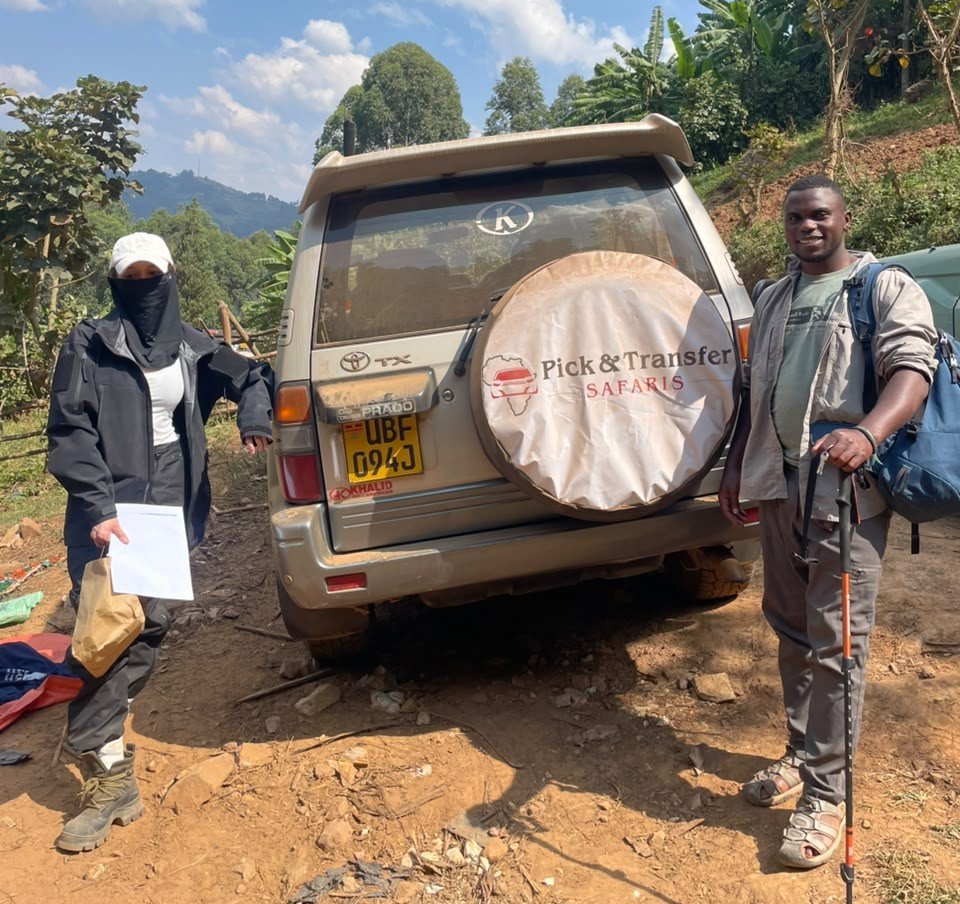
7 Days Uganda Safari – One week tour
This 7-day itinerary is the classic one-week introduction to Uganda, covering the country’s three most iconic wildlife experiences: chimpanzee tracking in Kibale Forest National Park, Big Five game drives and a boat cruise in Queen
Tour Details →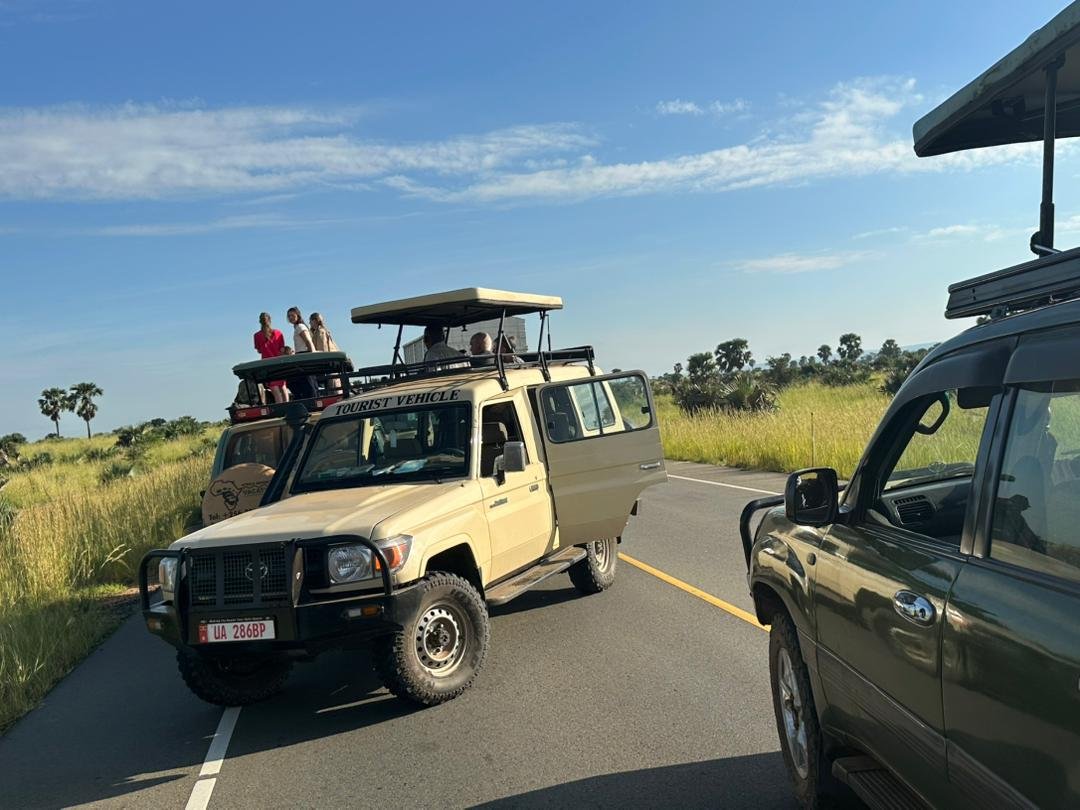
10 Days Uganda Primates and Wildlife
This 10-day Uganda Grand Safari is the most complete Uganda itinerary we offer at Pick and Transfer Safaris. It begins with a scenic northward drive from Entebbe to the vast open plains of Murchison
Tour Details →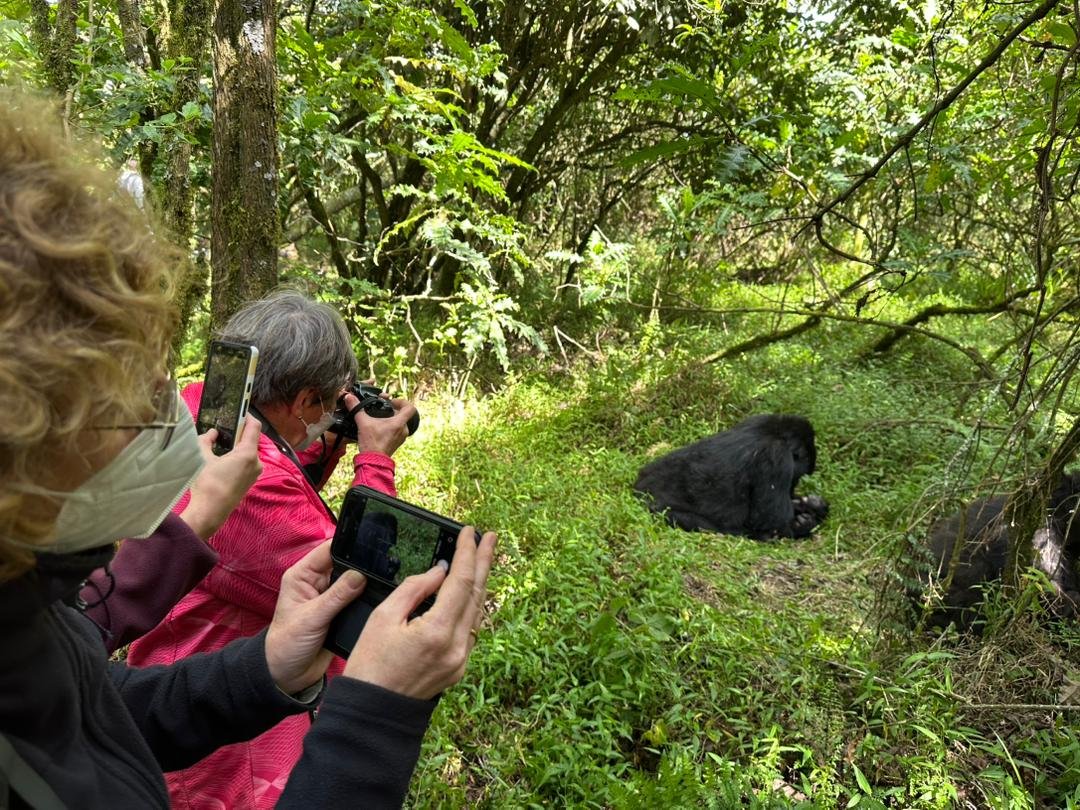
2 Days Uganda Gorilla Tour Starting from Kigali
This is the gentler cousin of our 1-Day Uganda Gorilla Safari Starting from Kigali — same idea, twice the breathing room. Instead of squeezing a 3,000-metre forest trek and two border crossings into a single very long day
Tour Details →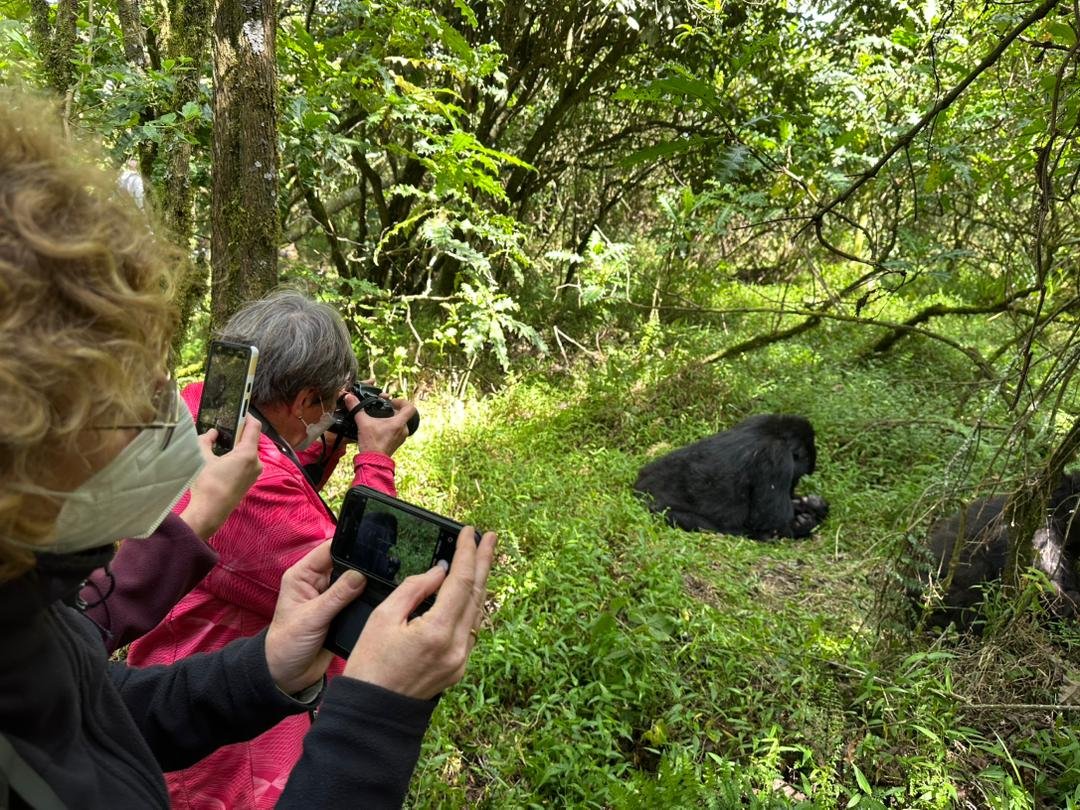
5-Day Uganda Gorilla and Chimpanzee Safari
This itinerary can be combined with a Rwanda extension or a wildlife-focused add-on through Queen Elizabeth National Park — browse our Uganda & Rwanda Safaris and Primate Safaris collections for ideas.
Tour Details →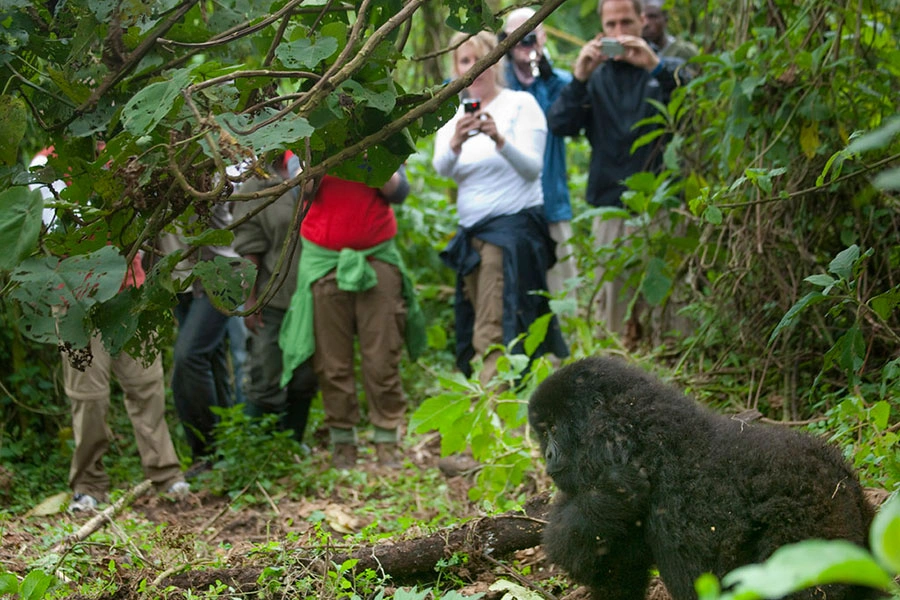
5 Days Rwanda Wildlife and Gorillas
This 5-day itinerary brings together Rwanda’s two flagship wildlife experiences: open savannah game drives and a boat safari in Akagera National Park, followed by a face-to-face encounters
Tour Details →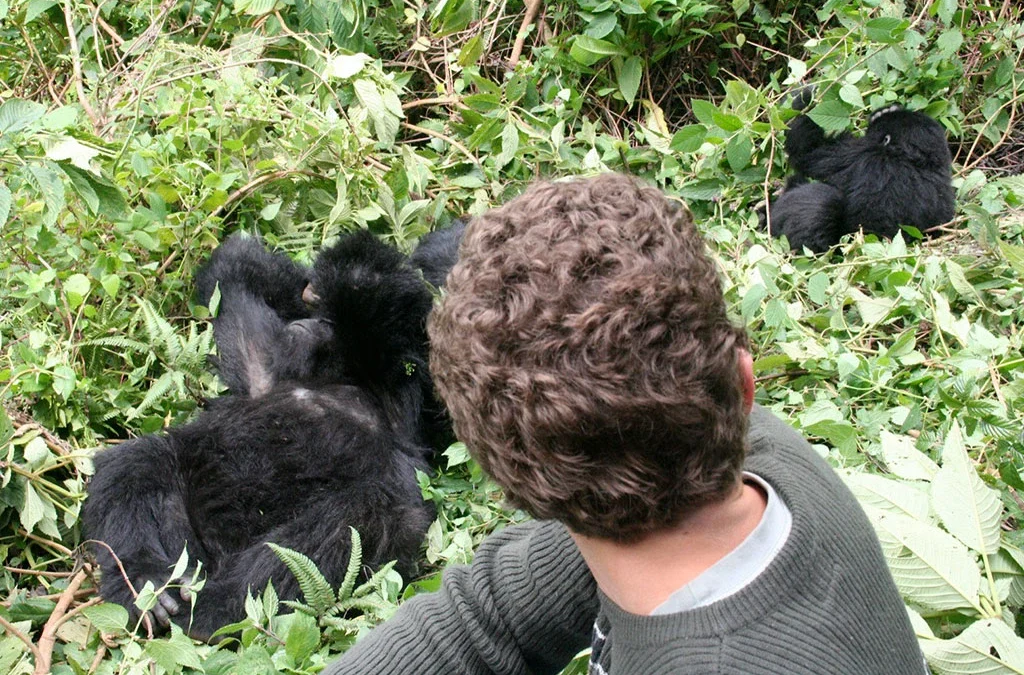
3 Days Uganda Gorilla Safari
For travelers who arrive in Entebbe with a tight schedule and a clear ambition, a 3-day gorilla safari to Bwindi Impenetrable Forest National Park is the most focused and rewarding short trip the country has to offer.
Tour Details →