- LET'S PLAN YOUR SAFARI
- +256 200 921 002
- +256 793 194 703
- info@pickandtransfersafaris.com

Two days Tour to Lake Mburo National Park
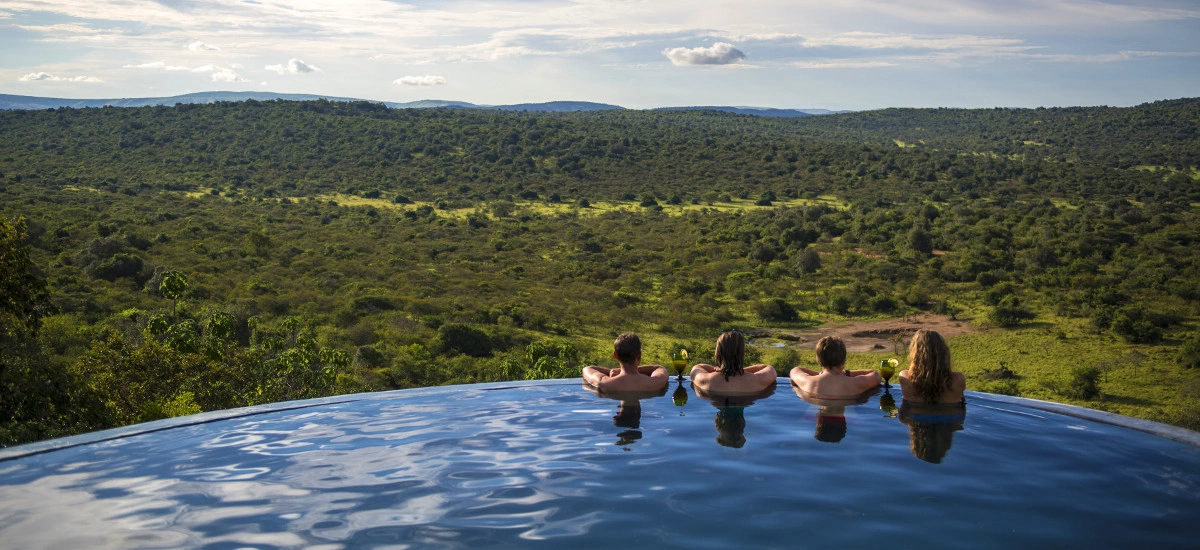
Two days Tour to Lake Mburo National Park. If Uganda’s bigger parks feel like too much of a commitment for the time you have, a two days tour to Lake Mburo National Park is the answer. Tucked along the Kampala–Mbarara highway, Lake Mburo is Uganda’s most accessible savannah park, and it packs zebra-dotted plains, a peaceful lake cruise, and the country’s only horseback safari into a trip that starts and ends in Kampala within 48 hours. At Pick and Transfer Safaris, we send more first-time visitors here than almost anywhere else, precisely because it proves you don’t need a week off work to have a genuine African safari.
This guide covers everything you need to plan your two-day Lake Mburo escape: where the park is, when to go, a full day-by-day itinerary, the wildlife and activities that make this small park punch so far above its weight, what it costs, what to pack, and how to combine it with a longer Uganda trip if you decide two days simply isn’t enough. By the time you finish reading, you should have a clear enough picture of what to expect that booking becomes an easy decision rather than a research project.
Why a 2-Day Lake Mburo National Park Safari Is Uganda’s Best Quick Getaway
Lake Mburo is the closest savannah national park to Kampala, which is exactly why it works so well as a two-day trip. Where Uganda’s larger parks like Queen Elizabeth National Park or Murchison Falls require a full day of driving each way, Lake Mburo is reachable in under four hours, leaving you with a genuinely full first afternoon of game viewing rather than a wasted travel day.
It’s also simply a different kind of park. Because Lake Mburo has historically had no resident lions, walking and horseback safaris are possible here in a way they aren’t in most of Uganda’s other reserves, giving you a far more intimate, on-foot connection with zebra, impala, and eland than a vehicle window ever allows. Pair that with a five-lake wetland system, over 350 bird species, and genuinely excellent-value lodges, and you have one of the best short safari options anywhere in East Africa. Browse our full range of Uganda wildlife safaris if you want to see how this trip compares with our other short itineraries.
Where Is Lake Mburo National Park Located?
Lake Mburo National Park sits in western Uganda, in the districts of Kiruhura and Isingiro, roughly 240 kilometers southwest of Kampala along the Kampala–Mbarara highway — the same road that continues onward toward Bwindi, Queen Elizabeth National Park, and the Rwanda border. At just 260 square kilometers, it is the smallest of Uganda’s savannah national parks, but its compact size is deceptive: within its boundaries sit five distinct lakes connected by a 50-kilometer wetland system, along with rolling acacia woodland, papyrus swamp, and open grassland.
Its position directly on the main southwestern route is what makes Lake Mburo so useful strategically — it is not a detour, but a natural stopover for anyone already heading toward gorilla trekking in Bwindi Impenetrable Forest or the tree-climbing lions of Queen Elizabeth. You can browse our complete list of Uganda and Rwanda safari destinations to see exactly where Lake Mburo fits into a wider itinerary, and if your travels extend across the border, Kenlink Tours’ Rwanda safaris are worth a look for combining Uganda and Rwanda into one trip.
The Five Lakes of Lake Mburo National Park
What sets Lake Mburo apart geographically from Uganda’s other savannah parks is its water. Within the park’s modest 260 square kilometers sit five distinct lakes — Mburo, Kachera, Kigambira, Mburo’s smaller neighbor Kizigo, and Mburo, all linked together by swamps and channels that form a roughly 50-kilometer wetland system stretching well beyond the park’s official boundary. This dense network of lakes and papyrus swamp is what supports Lake Mburo’s outsized bird list relative to its size, and it’s also what makes the park’s boat cruise possible at all, unlike most Ugandan savannah reserves.
The lakes also shape where wildlife concentrates, particularly in the dry season, when zebra, buffalo, and antelope herds gather along the shorelines to drink, often within easy view of the main game-drive tracks. For a wider sense of how Lake Mburo’s landscape compares with Uganda’s other ten national parks, Kenlink Tours’ overview of national parks in Uganda is a useful reference.
A Brief History and Overview of Lake Mburo National Park
Lake Mburo was first gazetted as a game reserve in 1933 and upgraded to full national park status in 1983, though its boundaries have shifted more than most Ugandan parks over the decades as the reserve was partially degazetted and later reinstated following community and government negotiations. Today it is managed by the Uganda Wildlife Authority as a fully protected area, and unlike many of Uganda’s parks, community ranches and cattle corridors still border much of its perimeter, creating a genuinely working landscape where conservation and pastoral life coexist.
The park is named after Lake Mburo itself, the largest of the five lakes within its boundaries, and Bahima folklore in the region holds that the lake was formed after two brothers, Mburo and Kigarama, argued over a granary; when the lake mysteriously swallowed Mburo’s home, it took his name. Whether or not you find the legend convincing, it’s a nice piece of local color to share around the campfire on night one.
Best Time to Visit Lake Mburo National Park
Lake Mburo is a genuine year-round destination, but the two dry seasons — December to February and June to September — bring the best overall experience for a short trip: firmer game-drive tracks, thinner grass cover that makes zebra and eland easier to spot, and calmer conditions for the boat cruise. Wildlife also tends to concentrate more predictably around the five lakes during these drier months, which works in your favor when you only have one game drive and one walk to work with.
The wetter months of March to May and October to November bring lush green scenery, fewer visitors, and lower lodge rates, along with excellent birding as migratory species pass through the wetland system. If birdwatching is a genuine priority for your trip rather than a bonus, it’s worth reading Kenlink Tours’ guide to the best places for nature walks in Uganda, which covers Lake Mburo’s walking trails in more depth alongside other parks.
How to Get to Lake Mburo National Park from Kampala
The vast majority of visitors reach Lake Mburo by road via the Kampala–Mbarara highway, a well-paved route that takes roughly three and a half to four hours depending on traffic through Masaka. The park’s entrance gates sit just off the highway itself, which is part of why it works so well as either a standalone two-day trip or a stopover on a longer journey southwest.
Our team can arrange a private vehicle with an English-speaking driver-guide for the full round trip — get in touch through our contact page and we’ll build the pickup and route around your schedule. Self-drive travelers will find this one of the easiest parks in Uganda to navigate independently thanks to the tarmac access road, and vehicle rental can be arranged through Kenlink Tours’ car hire service if you’d rather compare options before booking.
Day 1 Itinerary: Kampala to Lake Mburo and Afternoon Game Drive
Your two-day Lake Mburo safari begins with an early-to-mid-morning pickup from your Kampala hotel, typically between 7:00 and 8:00 AM. The drive southwest is smooth and scenic, passing through Masaka and the rolling hills of Uganda’s Ankole cattle country before reaching the park gates in the early afternoon, usually with a stop for lunch en route or at your lodge on arrival.
By mid-afternoon, once you’ve checked into your lodge, you’ll head straight into your first game drive across the park’s open grassland and acacia woodland. This is prime time to spot the herds Lake Mburo is famous for: plains zebra grazing in numbers found nowhere else in Uganda, elegant eland (Africa’s largest antelope), impala, defassa waterbuck, topi, buffalo, and, if you’re fortunate, the occasional shy leopard or spotted hyena at dusk. As the light drops, some lodges offer an optional night game drive — a rare opportunity in Uganda, where few parks permit after-dark viewing, and one of the best chances anywhere in the country to spot nocturnal species like genets, civets, and bushbabies. You’ll return to your lodge for dinner and a relaxed evening under some of the clearest night skies in western Uganda.
Day 2 Itinerary: Nature Walk or Horseback Safari and the Lake Mburo Boat Cruise
Day two starts early with breakfast and a choice that makes Lake Mburo genuinely unique among Uganda’s parks: a guided walking safari or a horseback safari across the savannah. Both let you get far closer to zebra, impala, and eland than any vehicle allows, moving quietly on foot or horseback alongside an experienced guide (and, for walks, an armed ranger) who will point out tracks, dung, birdlife, and smaller details a game drive vehicle simply drives past.
By late morning, you’ll head to the jetty for the second signature activity of the trip: a leisurely boat cruise on Lake Mburo itself. Over roughly ninety minutes to two hours, you’ll drift past hippo pods, baking crocodiles, and some of the park’s best birdlife, including African fish eagles, pied kingfishers, and, with real luck, the elusive African finfoot. After lunch back at the lodge, it’s time to begin the drive back toward Kampala, arriving in the city by early evening — or, if your trip continues, onward toward Bwindi or Queen Elizabeth National Park, since Lake Mburo sits directly on that route.
Two-Day Lake Mburo Itinerary at a Glance
If you want the short version before reading on, here is how the two days typically unfold:
- Day 1 morning: Pickup from Kampala; scenic drive southwest via Masaka along the Mbarara highway.
- Day 1 afternoon: Lodge check-in followed by a game drive across the savannah in search of zebra, eland, impala, and buffalo.
- Day 1 evening: Dinner at your lodge, with an optional night game drive for nocturnal wildlife.
- Day 2 early morning: Guided nature walk or horseback safari through the open grassland.
- Day 2 late morning: Boat cruise on Lake Mburo for hippos, crocodiles, and birdlife.
- Day 2 afternoon: Lunch, then the drive back to Kampala or onward toward your next destination.
The Wildlife You’ll See at Lake Mburo National Park
Lake Mburo is home to roughly 69 mammal species, and while it lacks the elephants and (traditionally) lions of Uganda’s bigger parks, it more than makes up for it with sheer density of plains game. This is the best place in Uganda to see zebra in large numbers, and one of the only parks in the country where impala are found at all — a quirk of geography that makes Lake Mburo genuinely distinctive rather than simply a smaller version of Murchison Falls or Queen Elizabeth.
Alongside zebra and impala, expect eland, buffalo, defassa waterbuck, topi, bushbuck, warthog, and healthy numbers of hippo in and around the five lakes. Leopards and spotted hyena are present but elusive, more often heard than seen, and the park’s more than 350 recorded bird species make it a serious destination in its own right for birders, alongside larger, more famous parks like Murchison Falls National Park, which we cover in detail in our companion guide to a two days tour to Murchison Falls National Park.
What tends to surprise first-time visitors most is not any single species but the sheer density of sightings relative to time spent looking — because the park is so compact, a single ninety-minute game drive can easily produce multiple herds of zebra, several family groups of eland, and dozens of impala without ever needing to drive far between them, a pace of wildlife viewing that larger parks with more spread-out terrain simply can’t match on a tight two-day schedule.
Horseback Safaris: Lake Mburo’s Signature Activity
Lake Mburo is the only national park in Uganda where horseback safaris are offered, and it’s an experience worth building your whole itinerary around. Because horses don’t spook wildlife the way vehicles or walking groups sometimes do, animals tend to allow a much closer approach, and riders regularly find themselves within meters of grazing zebra and eland without the animals so much as lifting their heads.
Rides typically range from one-hour introductory outings to half-day expeditions, and both experienced riders and complete beginners are catered for, with gentle, safari-trained horses and an experienced local guide leading every trip. Most operators set a minimum age of around eight to twelve years old for horseback safaris, so if you’re traveling with younger children, a shorter pony-led option or the walking safari instead is usually the better fit.
If this sounds like the highlight of your visit, mention it when booking so we can build enough time into your two-day schedule — it pairs beautifully with a shorter walking safari on the same morning rather than replacing it entirely, and many guests tell us afterward that the hour on horseback among grazing zebra was the single moment of the whole Uganda trip they remember most vividly.
Guided Walking Safaris and Nature Walks
Where most Ugandan parks restrict visitors to vehicles for safety reasons, Lake Mburo’s low predator density makes on-foot exploration both possible and genuinely rewarding. Guided walks range from gentle one-hour strolls near the lodges to longer hikes up to viewpoints like Rubanga Hill, which reward the climb with sweeping views across the park’s patchwork of lakes and woodland.
These walks are consistently rated among the best in the country for a relaxed, family-friendly pace, a point covered well in Kenlink Tours’ roundup of Uganda’s best nature-walk destinations, which places Lake Mburo alongside far more strenuous options like Rwenzori Mountains and Bwindi as one of the country’s most varied walking-safari parks.
The Lake Mburo Boat Cruise Experience
The boat cruise on Lake Mburo is a calmer, quieter cousin of the Nile launch cruises further north, and that’s precisely its charm. Small boats carrying a handful of guests glide across the lake’s still water past hippo pods, basking crocodiles, and dense fringes of papyrus and euphorbia trees along the shoreline, with your guide pointing out fish eagles, herons, and kingfishers along the way.
Cruises typically run in the late morning and again in the late afternoon, lasting between one and two hours, and because Lake Mburo is so much smaller and quieter than the Nile, this is one of the most peaceful, unhurried activities anywhere on a Uganda safari — a nice contrast if you’ve just come from, or are heading toward, the bigger, louder wildlife encounters of Queen Elizabeth or Murchison Falls.
Birdwatching at Lake Mburo National Park
With more than 350 recorded species packed into a relatively small area, Lake Mburo punches well above its weight for birders. The five-lake wetland system and surrounding acacia woodland create ideal conditions for species such as the African fish eagle, brown-chested plover, Bare-faced go-away bird, and the shy, much sought-after African finfoot, most often spotted from the boat cruise gliding along the lake’s reedy edges.
If birding turns into more than a passing interest during your visit, it’s worth exploring a longer, dedicated itinerary — Kenlink Tours’ broader look at Uganda safari experiences is a useful place to start comparing options once you’re back from your two-day trip.
Cycling and Other Optional Activities at Lake Mburo
Beyond the core game drive, walk, and boat cruise, Lake Mburo also offers mountain biking through parts of the park where cycling is permitted, giving yet another low-impact, close-to-nature way to cover ground and spot wildlife without the noise of a vehicle engine. Guided rides typically follow quieter tracks away from the densest game areas for safety, but still regularly turn up zebra, impala, and a wide range of birdlife along the way.
Sport fishing is also available on parts of the lake system for anglers hoping to land tilapia or lungfish, generally arranged as a half-day add-on rather than a standard feature of the two-day format. None of these extras are essential to a first visit, but they’re worth knowing about if you fall for the park and want a reason to build a slightly longer stay into a future trip.
Why Lake Mburo Is Uganda’s Best Family-Friendly Safari Park
Lake Mburo’s combination of short travel time, low predator density, and gentle, varied activities makes it consistently one of the best choices for family safaris in Uganda, particularly for parents traveling with children too young for the stricter age limits on gorilla trekking or longer game drives elsewhere. Kids tend to love the horseback rides and the close-up zebra sightings on the walking safari far more than a long day bouncing around in a safari vehicle.
This reputation is echoed clearly in Kenlink Tours’ guide to family safaris in Uganda with kids, which singles out Lake Mburo specifically for its relaxed pace and accessible wildlife. If you’re planning a family trip, our team can also tailor the two-day itinerary around nap schedules and shorter activity blocks — just let us know when you enquire through our contact page.
Where to Stay: Best Lodges and Camps at Lake Mburo
Lake Mburo offers accommodation across every budget, and because the park is so compact, even budget lodges tend to be well positioned for early-morning activities. Mid-range and luxury properties such as Mihinga Lodge and Rwakobo Rock offer comfortable en-suite rooms, several with views over the surrounding hills and grassland, typically ranging from $150 to $350 per night. Budget travelers will find simple bandas and campsites both inside and just outside the park boundary from around $30 to $80 per night, several with their own small on-site restaurants.
Because your two-day itinerary only involves a single overnight stay, we recommend choosing a lodge close to the park’s main entrance to minimize time lost to internal transfers, leaving you with the maximum possible time for the game drive, walk, and boat cruise. Reach out through our contact page and we’ll match you to the right property for your budget and travel style.
What to Pack for Your Lake Mburo Safari
Pack light, neutral-colored clothing for game drives and walking safaris, along with sturdy closed shoes for the guided walks and hilltop trail if you plan to hike up to Rubanga Hill. A warm layer is worth carrying for the cooler early mornings and, if you book the optional night game drive, for the noticeably chillier evening air once the sun drops.
Sun protection is essential given the amount of time spent outdoors on foot, horseback, and boat, so bring a wide-brimmed hat, sunglasses, and high-SPF sunscreen. Binoculars are especially worthwhile here given the density of both plains game and birdlife, and if you plan to ride, comfortable trousers and closed shoes suitable for the stirrups will make the horseback safari far more enjoyable.
Photography Tips for Your Lake Mburo Safari
Lake Mburo’s open grassland and generally close wildlife sightings make it a rewarding park for photography, even with modest equipment. On the walking or horseback safari, a mid-range zoom lens (70-200mm equivalent) is usually more useful than a long telephoto, since animals here tend to allow closer approaches than in bigger, more skittish herds elsewhere in Uganda. Early morning and late afternoon light remain the most flattering, as they do throughout East Africa, so plan your game drive and walk around those windows wherever your schedule allows.
On the boat cruise, keep a polarizing filter handy to cut glare off the lake’s surface and bring out the color in the papyrus reeds along the shoreline, and watch the water’s edge closely for herons and kingfishers, which tend to sit motionless just long enough for a well-framed shot if you’re patient. A dry bag or simple plastic sleeve for your camera is a sensible precaution on the water, even on a calm day.
2-Day Lake Mburo Tour Cost, Inclusions and Exclusions
Because Lake Mburo is one of Uganda’s most affordable savannah parks, a two-day tour here is typically less expensive than an equivalent trip to Murchison Falls or Queen Elizabeth once you factor in the shorter drive and lower park fees. Exact pricing depends on your choice of accommodation, group size, and whether you’re self-driving or booking a fully guided package — our contact page is the fastest way to get a current, accurate quote for your specific dates.
Most packages, including ours, include private transport with an English-speaking driver-guide, one night’s accommodation, meals as specified, park entry fees, and the boat cruise. Typically excluded are international flights, visa fees, travel insurance, guide and driver tips, and optional add-ons such as the horseback safari or a night game drive. Travelers comparing operators before booking may also want to look at Kenlink Tours’ group tour packages, which can offer better per-person value for larger travel parties.
As a rough guide, foreign non-resident park entry at Lake Mburo runs lower than at Uganda’s larger flagship parks, with activity fees for the boat cruise, guided walk, and horseback safari charged separately and typically payable in US dollars or Ugandan shillings at the park gate or lodge. Because these rates are periodically revised by the Uganda Wildlife Authority, always confirm the current figures with your operator at the time of booking rather than relying on older published prices.
Combining Lake Mburo with Other Uganda Safari Adventures
Because Lake Mburo sits directly on the main road southwest from Kampala, it is one of the easiest parks in Uganda to combine with a longer trip rather than visiting in isolation. Many of our guests use it as a first-night stopover on the way to gorilla trekking in Bwindi Impenetrable Forest via our 3-Day Uganda Gorilla Safari, or as a first stop before continuing to the tree-climbing lions of Queen Elizabeth National Park.
For travelers with more time, our extended safari itineraries — including the 7-Day Uganda Safari and the 10-Day Uganda Primates and Wildlife safari — can weave Lake Mburo together with gorilla trekking, chimpanzee tracking in Kibale Forest National Park, and the bigger savannah parks into one seamless route, and our 4-Day Wildlife and Primate Safari is a great middle-ground option. If you’re comparing full-country itineraries, Kenlink Tours’ 18-Day Adventure to Africa shows how a small park like Lake Mburo can fit into a much longer tailored journey, and their overview of the 10 beautiful Uganda national parks is a useful reference if you’re still deciding which other parks to add.
Supporting Conservation at Lake Mburo National Park
Every park entry fee and activity payment at Lake Mburo goes directly toward the Uganda Wildlife Authority’s conservation work and toward the surrounding communities who share the park’s borders with their cattle ranches. This is a park where conservation and pastoral life visibly coexist, and responsible tourism revenue plays a real role in keeping that balance sustainable rather than adversarial.
At Pick and Transfer Safaris, we favor community-linked lodges and local guiding teams wherever possible, so your two days at Lake Mburo contribute meaningfully to the park’s future rather than simply passing through it. It’s a small gesture, but across thousands of visitors a year, it adds up.
Practical Tips and Safety for a Smooth Lake Mburo Experience
Book your walking safari, horseback ride, and boat cruise slots in advance where possible, since all three are run on a schedule and popular time slots can fill during peak dry-season weekends. Start day two as early as your lodge allows — wildlife is most active and the light most flattering for photography in the first two hours after sunrise, and the boat cruise is calmest before the midday heat picks up.
On walking safaris and horseback rides, always follow your ranger’s instructions regarding distance from wildlife, particularly around buffalo and hippo, both of which are far more dangerous on foot than their calm appearance suggests. Uganda is a malaria zone, so pack repellent and discuss antimalarial medication with your doctor before traveling, and carry drinking water on every activity, since the savannah heat builds quickly even on a short two-day trip.
Responsible Wildlife Viewing Etiquette at Lake Mburo
Because so much of a Lake Mburo visit happens on foot, on horseback, or from a small boat rather than behind a vehicle window, good etiquette matters more here than at almost any other Ugandan park. Always keep a minimum safe distance from buffalo and hippo in particular — both are responsible for more visitor injuries across Africa than any predator, precisely because their calm, grazing demeanor lulls people into underestimating them at close range on foot.
Keep voices low on walking safaris and horseback rides so as not to startle grazing herds unnecessarily, follow your ranger’s lead on approach distance and direction at all times, and resist the temptation to dismount, wander off a marked trail, or approach animals for a closer photograph. These same principles apply on the boat cruise around hippos and crocodiles, where staying seated and keeping hands inside the boat is a simple rule that keeps the experience both safe and enjoyable for everyone aboard.
Frequently Asked Questions About the 2-Day Lake Mburo Tour
Is two days enough time at Lake Mburo National Park?
Yes. Because the park is small and only three to four hours from Kampala, two days is enough to comfortably fit in a game drive, a walking or horseback safari, and the boat cruise — the three activities most visitors come for. Longer stays mainly add extra game drives or a second walking route rather than entirely new experiences.
Can I see lions at Lake Mburo National Park?
Historically, Lake Mburo has had no resident lion population, which is exactly what makes its walking and horseback safaris possible. Occasional unconfirmed sightings have been reported in recent years, but the park should not be visited with lions as an expectation — its appeal lies in zebra, eland, impala, and its uniquely close-up, on-foot activities instead.
Is Lake Mburo good for families with young children?
Very much so. Its short drive time, gentle walking pace, and low predator density make it one of the most practical parks in Uganda for families traveling with children too young for gorilla trekking permits or longer, more intense game drives elsewhere.
How much does a 2-day Lake Mburo safari cost?
Costs vary with accommodation choice and group size, but Lake Mburo is generally one of Uganda’s more affordable savannah-park itineraries thanks to its shorter drive and lower park fees. Contact our team via the Pick and Transfer Safaris contact page for a current quote tailored to your dates.
Can I combine Lake Mburo with gorilla trekking in the same trip?
Yes, easily. Lake Mburo sits directly on the route toward Bwindi Impenetrable Forest, and many travelers use it as a one-night stopover before or after gorilla trekking. Our 3-Day Uganda Gorilla Safari and longer 10-Day Uganda Primates and Wildlife safari can both be adapted to include a Lake Mburo stop.
What is the best activity to prioritize if I can only choose one?
Most repeat visitors say the horseback safari is the single most memorable Lake Mburo experience, simply because it’s not possible anywhere else in Uganda. If you’re not confident on a horse, the guided walking safari offers a very similar sense of close, on-foot wildlife encounters.
Why Book Your Lake Mburo Tour with Pick and Transfer Safaris
Lake Mburo may be small, but planning it well still makes a real difference to how much you get out of two days — knowing which lodge sits closest to the walking trailheads, which boat cruise slot avoids the midday heat, and how to time the drive to avoid Masaka’s market-day traffic are all things a good local operator handles for you. That local knowledge, paired with transparent pricing and well-maintained vehicles, is what we aim for on every trip we run.
We also handle every logistical detail behind the scenes — lodge bookings, activity scheduling for the walk, ride, and boat cruise, and route planning around Masaka’s traffic patterns — so your two days are spent enjoying the park rather than managing arrangements. Learn more about our approach on our About Us page, and feel free to compare us against other established Uganda operators, including Kenlink Tours’ About Us page and their broader Uganda safaris listings — we’re confident our attention to detail and local expertise will stand out.
Two days Tour to Lake Mburo National Park
A two-day tour to Lake Mburo National Park proves that a short safari doesn’t have to mean a small experience. Zebra-covered plains, a horseback ride unlike anything else in Uganda, a peaceful lake cruise, and a genuinely easy drive from Kampala combine into one of the most efficient, rewarding wildlife trips anywhere in East Africa — whether you take it as a standalone weekend escape or the opening stop on a longer Uganda adventure. Few destinations in the region offer this much variety, this much accessibility, and this little required planning, all within a single weekend away from Kampala.
Ready to book, or still deciding how Lake Mburo fits into your travel plans? Learn more about our team on our About Us page, browse our full range of Uganda safari destinations, or reach out directly through our contact page and let Pick and Transfer Safaris design your perfect Lake Mburo getaway.
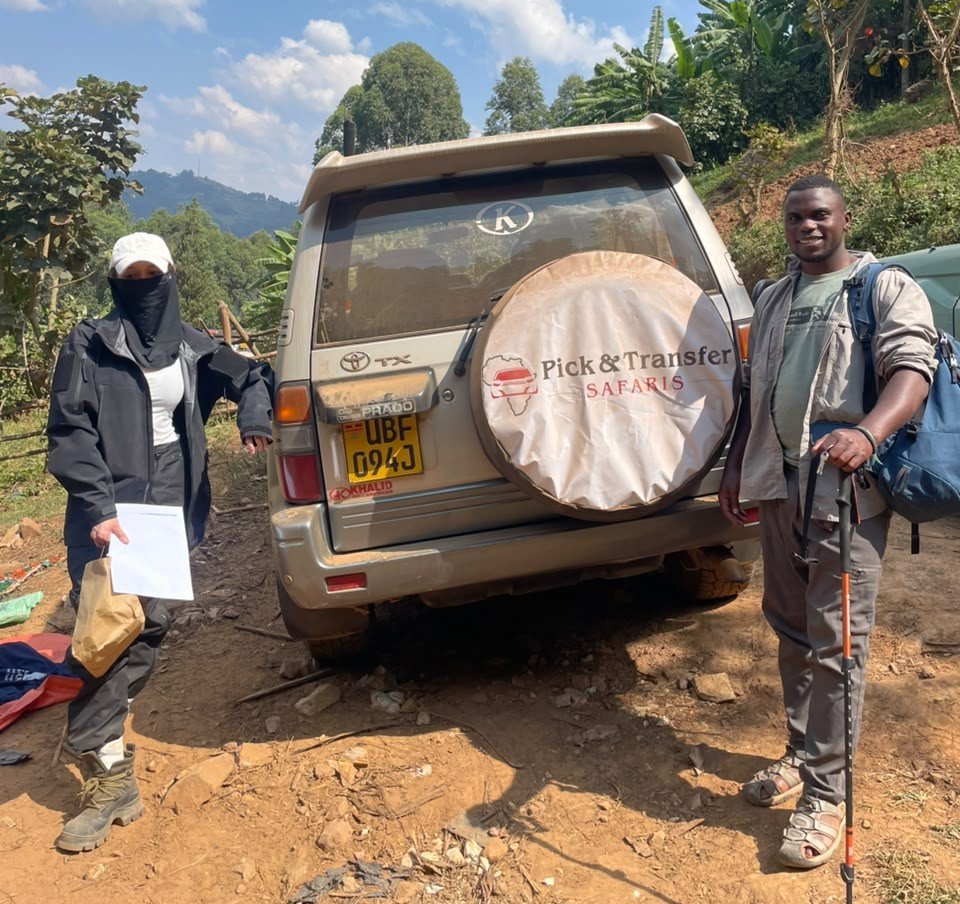
7 Days Uganda Safari – One week tour
This 7-day itinerary is the classic one-week introduction to Uganda, covering the country’s three most iconic wildlife experiences: chimpanzee tracking in Kibale Forest National Park, Big Five game drives and a boat cruise in Queen
Tour Details →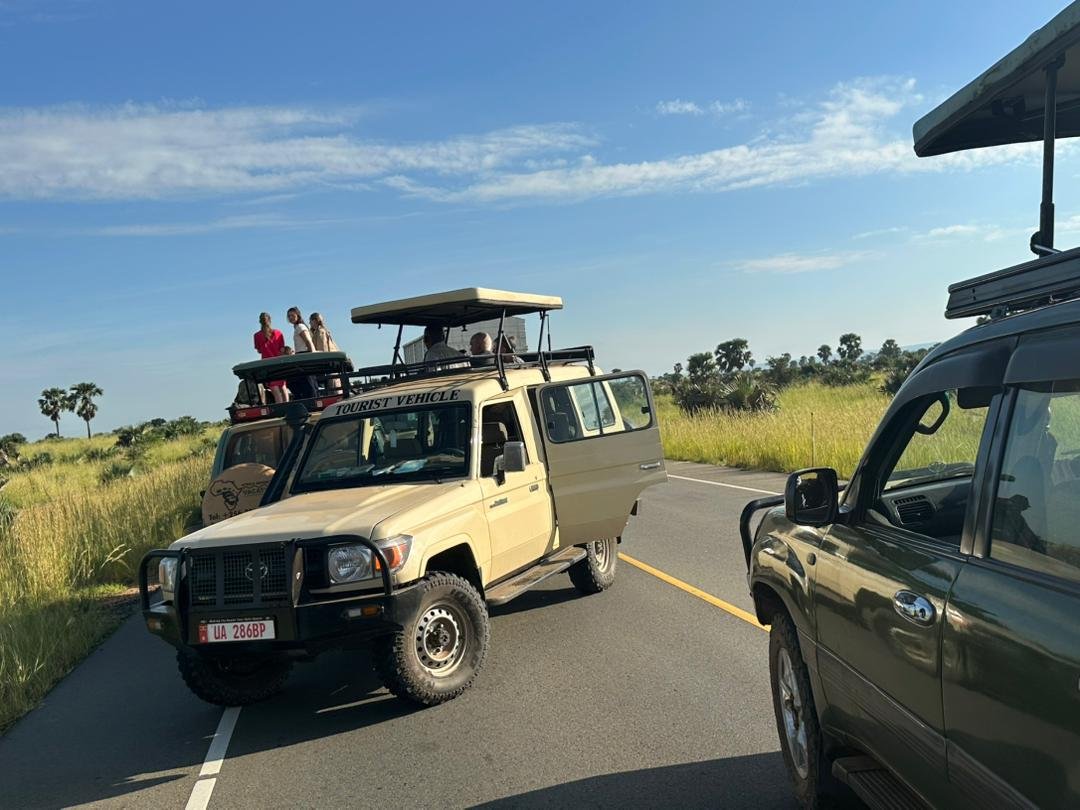
10 Days Uganda Primates and Wildlife
This 10-day Uganda Grand Safari is the most complete Uganda itinerary we offer at Pick and Transfer Safaris. It begins with a scenic northward drive from Entebbe to the vast open plains of Murchison
Tour Details →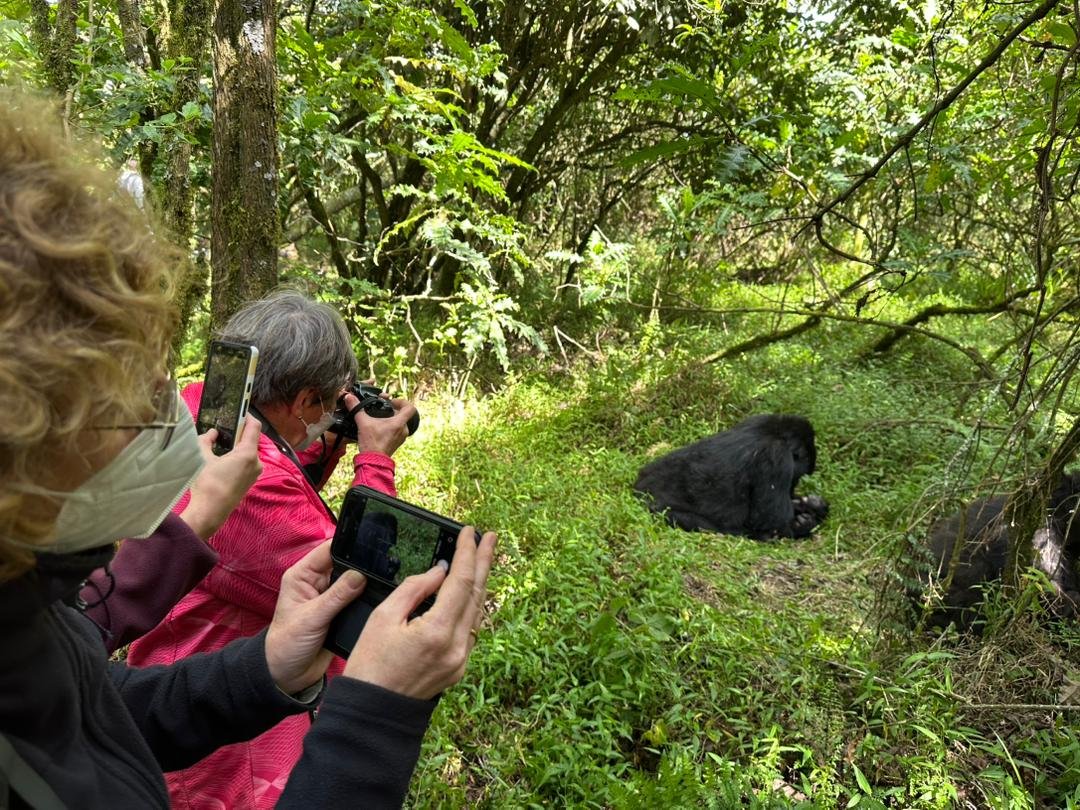
2 Days Uganda Gorilla Tour Starting from Kigali
This is the gentler cousin of our 1-Day Uganda Gorilla Safari Starting from Kigali — same idea, twice the breathing room. Instead of squeezing a 3,000-metre forest trek and two border crossings into a single very long day
Tour Details →
5-Day Uganda Gorilla and Chimpanzee Safari
This itinerary can be combined with a Rwanda extension or a wildlife-focused add-on through Queen Elizabeth National Park — browse our Uganda & Rwanda Safaris and Primate Safaris collections for ideas.
Tour Details →
5 Days Rwanda Wildlife and Gorillas
This 5-day itinerary brings together Rwanda’s two flagship wildlife experiences: open savannah game drives and a boat safari in Akagera National Park, followed by a face-to-face encounters
Tour Details →
3 Days Uganda Gorilla Safari
For travelers who arrive in Entebbe with a tight schedule and a clear ambition, a 3-day gorilla safari to Bwindi Impenetrable Forest National Park is the most focused and rewarding short trip the country has to offer.
Tour Details →