- LET'S PLAN YOUR SAFARI
- +256 200 921 002
- +256 793 194 703
- info@pickandtransfersafaris.com

Uganda Gorilla Safaris Crossing from Rwanda
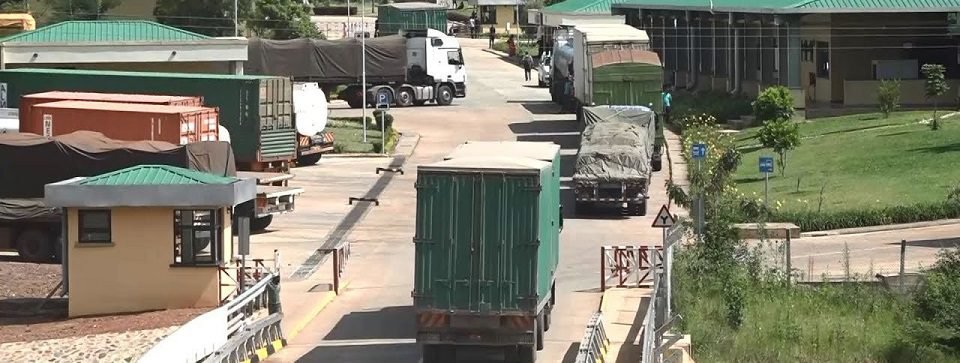
Uganda Gorilla Safaris Crossing from Rwanda. Every year, thousands of travellers land in Kigali dreaming of mountain gorillas – and an increasing number of them are discovering a clever secret. Instead of trekking gorillas in Rwanda, they cross the border into Uganda, where the gorillas are just as magnificent, the forests are just as wild, and the permit costs about half the price. Welcome to the world of Uganda gorilla safaris crossing from Rwanda.
Kigali International Airport is closer to Uganda’s southern gorilla parks than Entebbe is. From the Rwandan capital, you can reach Bwindi Impenetrable National Park or Mgahinga Gorilla National Park in around four to five hours. From Entebbe, the same journey can take nine to eleven hours. That simple geographic fact has transformed how people plan gorilla safaris in East Africa.
At Pick and Transfer Safaris, cross-border gorilla trips from Kigali are our speciality. We are based in Kisoro, just minutes from the Cyanika border, and we run these routes every week. In this complete guide we explain exactly how a Rwanda-to-Uganda gorilla safari works: the border crossings, visas, routes, permits, costs, itineraries, and the insider tips that make the journey smooth and stress-free.
Why Cross from Rwanda to Uganda for Gorilla Trekking?
Rwanda’s Volcanoes National Park is a superb gorilla destination, so why would travellers who are already in Rwanda choose to cross into Uganda? There are several compelling reasons.
1. Save Around US$700 Per Person on Permits
This is the biggest reason. A gorilla trekking permit in Rwanda costs US$1,500 for foreign non-residents. In Uganda, the same one-hour encounter with a habituated gorilla family costs around US$800, according to the current Uganda Wildlife Authority tariff. For a couple, that is a saving of roughly US$1,400 – enough to pay for several extra days of safari, a luxury lodge upgrade, or a whole additional adventure.
2. Shorter Transfers Than Starting in Entebbe
Bwindi and Mgahinga are in the far south-western corner of Uganda, right on the Rwandan border. Flying into Kigali and crossing over saves you a full day of driving each way compared with flying into Entebbe. On a short trip, that difference is everything.
3. Better Permit Availability
Bwindi has more habituated gorilla families than any other park in Africa, spread across four trekking sectors. When Volcanoes National Park is fully booked during peak season, permits in Bwindi’s southern Rushaga and Nkuringo sectors are often still available.
4. Unique Experiences Not Found in Rwanda
Uganda offers the Gorilla Habituation Experience in Bwindi, which lets you spend up to four hours with a gorilla family that is still being introduced to humans – an experience not offered in Rwanda. Uganda’s forests are also wilder and more remote, giving the trek a true sense of expedition.
5. Two Countries in One Trip
Crossing the border means you get to experience both Rwanda and Uganda. Spend a day exploring Kigali City – one of Africa’s cleanest and safest capitals – then enjoy Uganda’s lakes, volcanoes and rainforests. It is like getting two holidays for the price of one.
Understanding the Geography: Kigali, the Borders and the Gorilla Parks
To plan your trip, it helps to understand the layout. Mountain gorillas live in two areas: the Virunga Massif, shared by Rwanda, Uganda and the Democratic Republic of Congo, and Bwindi Impenetrable Forest in Uganda.
- Volcanoes National Park (Rwanda) – Rwanda’s side of the Virunga Massif, about two to two and a half hours north-west of Kigali.
- Mgahinga Gorilla National Park (Uganda) – Uganda’s side of the Virungas, just across the border from Volcanoes, near the town of Kisoro.
- Bwindi Impenetrable National Park (Uganda) – A separate ancient rainforest north of Kisoro and Kabale, home to almost half of the world’s mountain gorillas.
Bwindi has four trekking sectors. The two southern sectors, Rushaga and Nkuringo, are closest to Rwanda and are the most popular choices for cross-border safaris. Ruhija in the east is reachable via Kabale, while Buhoma in the north is the furthest from Rwanda and better suited to longer trips.
Rwanda–Uganda Border Crossings for Gorilla Safaris
Two main border posts serve gorilla travellers crossing from Rwanda into south-western Uganda. Choosing the right one depends on which park and sector you are trekking in.
Cyanika Border (Rwanda) / Cyanika–Kisoro (Uganda)
The Cyanika border is the best crossing for Mgahinga and Bwindi’s Rushaga and Nkuringo sectors. The route from Kigali runs north through the hills to Musanze (Ruhengeri), the gateway town for Volcanoes National Park, before continuing to the border.
- Kigali to Musanze: about 2 hours
- Musanze to Cyanika border: about 30 minutes
- Cyanika to Kisoro town: about 20 minutes
- Kisoro to Mgahinga: about 30 minutes
- Kisoro to Rushaga: about 1 to 1.5 hours
- Kisoro to Nkuringo: about 1 to 1.5 hours
This is the route we use most often, and it passes right by our own Ikoro Hotel in Kisoro, opposite Nyakabande Airstrip at the foot of the Virunga volcanoes. It is one of the most scenic drives in East Africa, with views of the volcano chain and the patchwork terraced farms of the region.
Gatuna (Rwanda) / Katuna (Uganda) Border
The Gatuna–Katuna crossing is the main highway border between Rwanda and Uganda, linking Kigali with Kabale. It reopened fully in 2022 after a period of closure and is now a busy One Stop Border Post. It is the better choice for Bwindi’s Ruhija and Buhoma sectors and for itineraries that include Lake Bunyonyi.
- Kigali to Gatuna border: about 1.5 to 2 hours
- Katuna to Kabale town: about 30 minutes
- Kabale to Rushaga: about 2 hours
- Kabale to Ruhija: about 2 to 2.5 hours
- Kabale to Buhoma: about 4 hours
Which Border Should You Use?
- Trekking in Mgahinga, Rushaga or Nkuringo: Cross at Cyanika.
- Trekking in Ruhija or Buhoma: Cross at Gatuna/Katuna.
- Visiting Lake Bunyonyi: Cross at Gatuna/Katuna.
- Combining Volcanoes National Park with Uganda: Cross at Cyanika – it is only 30 minutes from Musanze.
Our team will always recommend the best crossing based on your permit, lodge and flight times – it is one of the details we take care of so you do not have to.
What Happens at the Border?
Crossing the border is usually straightforward and takes between 30 minutes and an hour, depending on queues. Here is what to expect:
- Exit Rwanda: Present your passport at the Rwandan immigration desk to be stamped out.
- Walk across: You walk a short distance across the border area.
- Enter Uganda: Present your passport, visa (or e-visa approval) and yellow fever certificate at the Ugandan desk.
- Meet your vehicle: Your driver clears the safari vehicle through customs, or a Ugandan vehicle and guide meet you on the other side.
Your driver-guide will help you through every step. We recommend crossing during daylight hours and always checking the latest border opening times before travel.
A Small Detail That Matters: The Time Difference
Here is a tip many travellers miss: Uganda is one hour ahead of Rwanda. Rwanda runs on Central Africa Time (UTC+2), while Uganda uses East Africa Time (UTC+3). Gorilla trekking briefings in Uganda start at around 7:30 to 8:00 a.m. Ugandan time – which is 6:30 to 7:00 a.m. in Rwanda. If you are doing a same-day crossing and trek, this hour makes a real difference to your departure time. We build it into every itinerary automatically.
Another Detail: Left-Hand vs Right-Hand Driving
Rwanda drives on the right, while Uganda drives on the left. If you are on a self-drive safari, take extra care immediately after the border crossing. Your guided safari driver is, of course, used to switching sides.
Visa Requirements for Crossing from Rwanda to Uganda
Getting the right visa is essential. There are two main options for most international travellers.
East Africa Tourist Visa (Recommended)
The East Africa Tourist Visa covers Rwanda, Uganda and Kenya. It costs US$100, is valid for 90 days, and allows multiple entries between the three countries for tourism. If your trip starts in Kigali, apply through Rwanda’s official online system, as the first country you enter should be the issuing country. This is the simplest and most cost-effective choice for cross-border gorilla safaris, especially if you will return to Rwanda for your flight home.
Separate Rwanda and Uganda Visas
Alternatively, you can obtain individual visas: a Rwanda visa (many nationalities can obtain one on arrival or online) and a Uganda e-visa applied for in advance through the official Uganda immigration portal. A single-entry Uganda tourist visa typically costs US$50. Because you will usually re-enter Rwanda to fly home, make sure your Rwanda visa allows re-entry – or simply choose the East Africa Tourist Visa.
East African Citizens and Residents
Citizens of East African Community countries can cross freely without a visa. Expatriates living in the region should check the rules for their nationality, and should carry their residence permit to qualify for discounted foreign-resident permit rates.
Health Documents
A yellow fever vaccination certificate is required to enter both Rwanda and Uganda. Keep it with your passport at all times. Malaria prophylaxis is recommended, although the high-altitude areas around Kisoro and Bwindi have a lower risk than lowland areas.
Gorilla Permit Costs: Uganda vs Rwanda
Permits are the single biggest cost of any gorilla safari, and the price difference is the main reason travellers cross the border. Here is how the two countries compare for a standard one-hour gorilla trek:
- Foreign non-residents: Uganda around US$800 – Rwanda US$1,500
- Foreign residents: Uganda around US$700 – Rwanda around US$500
- Rest of Africa: Uganda around US$500 – Rwanda around US$500
- East African citizens: Uganda UGX 300,000 – Rwanda around US$200
For international travellers, Uganda is clearly the better value. The Gorilla Habituation Experience in Bwindi costs more (around US$1,500 for foreign non-residents under the published tariff) but offers up to four hours with the gorillas – still the same price as a one-hour permit in Rwanda.
Important notes on permits:
- Only eight visitors may visit each habituated gorilla family per day, so permits are limited.
- Book three to six months in advance for June to September and December to February.
- Foreign non-resident permits must be booked through a licensed Ugandan tour operator. We secure your permit as soon as you confirm your booking.
- Your permit is for a specific sector, so your lodge and border crossing are planned around it.
- Permit prices are set by the Uganda Wildlife Authority and can change, so always confirm the current rate with us.
Best Uganda Gorilla Safaris Crossing from Rwanda
We have designed a range of cross-border itineraries to suit every schedule, from a single-day dash to a two-week adventure through both countries.
1 Day Uganda Gorilla Safari Starting from Kigali
For travellers with almost no time to spare, our 1 Day Uganda Gorilla Safari Starting from Kigali makes the impossible possible. You leave Kigali very early (around 3:00 a.m.), cross at Cyanika as the border opens, and arrive in Mgahinga or Rushaga in time for the morning briefing. After your trek and an hour with the gorillas, you drive back to Kigali, arriving in the evening.
It is a long, intense day, but perfect for business travellers, conference delegates in Kigali, or anyone on a tight schedule. Good fitness is recommended, because a long trek can make the day very demanding.
2 Days Uganda Gorilla Tour Starting from Kigali
The most popular choice for short trips. Our 2 Days Uganda Gorilla Tour Starting from Kigali gives you a relaxed transfer on day one, with time to enjoy the scenery and rest at your lodge near the park. On day two, you trek the gorillas and return to Kigali in the evening.
Kenlink Tours offers similar options, including a 2-day Uganda gorilla safari starting from Kigali and a 2-day Rwanda to Uganda gorilla trekking safari to Bwindi.
3 Days Uganda Gorilla Safari from Rwanda
Three days is our recommended minimum for a comfortable experience. Our 3 Days Uganda Gorilla Safari from Rwanda includes the transfer from Kigali, a full day of gorilla trekking, and time for an extra activity – a Batwa cultural experience, a canoe trip on Lake Mutanda, a visit to Lake Bunyonyi, or a community walk. You return to Kigali relaxed rather than rushed.
For a Bwindi-focused version, see Kenlink Tours’ 3-day Bwindi gorilla safari starting from Kigali.
4 Days Golden Monkeys and Gorillas
Mgahinga Gorilla National Park is famous as the place “where silver meets gold” – home to both silverback gorillas and the rare golden monkey. A four-day trip lets you track both, and possibly add a hike up one of the Virunga volcanoes: Muhabura, Gahinga or Sabyinyo, where you can stand in three countries at once. Kenlink Tours’ 4-day Rwanda–Uganda golden monkey and gorilla trekking trip follows this route.
5 Days Uganda Gorilla and Chimps Safari Starting from Rwanda
Add chimpanzees and wildlife to your gorilla trek. Our 5 Days Uganda Gorilla and Chimps Safari starting from Rwanda combines gorilla trekking in Bwindi with chimpanzee tracking in Kyambura Gorge and game drives and a boat cruise in Queen Elizabeth National Park, home to the famous tree-climbing lions of Ishasha. Kenlink Tours offers a comparable 5-day gorilla trekking safari from Kigali to Uganda.
5 Days Double Gorilla Safari: Uganda and Rwanda
For true gorilla lovers, why not trek in both countries? A double gorilla safari lets you meet one gorilla family in Uganda and another in Rwanda’s Volcanoes National Park – two completely different forest environments and two unforgettable encounters. Kenlink Tours runs a 5-day Uganda–Rwanda double gorilla safari, and we can tailor a similar trip around your dates.
Longer Uganda and Rwanda Combination Safaris
If you have a week or more, combine gorillas with Uganda’s savannah parks and Rwanda’s highlights. Our 7 Days Uganda Rwanda Safari Adventure, 10 Days Uganda Rwanda Safari and 15 Days Rwanda Uganda Safari cover gorillas, chimpanzees, the Big Five, Lake Kivu and Kigali. Kenlink Tours’ 10-day Uganda Rwanda combining safari is another great example of what is possible.
Sample 3-Day Itinerary: Kigali to Rushaga and Back
To show how smoothly a cross-border gorilla safari flows, here is a typical three-day plan using the Cyanika border.
Day 1 – Kigali to Kisoro. Your driver-guide meets you at Kigali International Airport or your hotel in the morning. You drive north through the green hills of Rwanda to Musanze, stopping for photos of the Twin Lakes Burera and Ruhondo. After lunch you cross into Uganda at Cyanika, set your watch one hour forward, and continue to Kisoro. In the late afternoon you can relax at Ikoro Hotel with views of the Virunga volcanoes, or take a short walk around Lake Mutanda.
Day 2 – Gorilla trekking in Rushaga. After an early breakfast, you drive to the Rushaga sector headquarters for the 7:30 a.m. briefing. You set off into the forest with your rangers and porters, and after the trek you spend an unforgettable hour with your gorilla family. In the afternoon, return to your lodge to rest, or join a community walk to meet local farmers and craftspeople.
Day 3 – Batwa experience and return to Kigali. In the morning, you can join a Batwa cultural experience or a canoe trip on Lake Mutanda. After lunch you drive back to the Cyanika border, cross into Rwanda, set your watch back one hour, and continue to Kigali for your onward flight or an evening in the city.
The Gorilla Habituation Experience: Four Hours with the Gorillas
For travellers who want more than one hour, Bwindi’s southern sectors offer the Gorilla Habituation Experience. You join researchers and trackers as they spend time with a gorilla family that is still being introduced to human presence. The day begins earlier than standard trekking, groups are limited to just four visitors, and you can stay with the gorillas for up to four hours.
You learn how trackers read signs such as broken branches, feeding remains and night nests, and you see gorilla behaviour that standard trekkers rarely witness. Because permits are very limited, book as early as possible. For many visitors who cross from Rwanda, the habituation experience costs about the same as a single one-hour permit in Volcanoes National Park – making it exceptional value.
Adding Rwanda’s Highlights to Your Trip
Since your journey begins and ends in Kigali, it is easy to add a few days in Rwanda. You could track chimpanzees and walk the canopy in Nyungwe, enjoy a Big Five safari in Akagera National Park, or combine culture with gorillas on our 3 Days Rwanda Gorilla Tracking and Cultural Tour. Primate lovers will enjoy the 5 Days Best of Rwanda Primate Safari, and Kenlink Tours’ 7-day Uganda Rwanda tour shows how both countries fit together in a single week.
Bwindi or Mgahinga: Which Park Should You Choose?
Both parks are easily reached from Rwanda, and both offer world-class gorilla trekking. Here is how they compare.
Bwindi Impenetrable National Park
Bwindi is a UNESCO World Heritage Site and one of the oldest rainforests in Africa, with steep, densely vegetated hills and deep valleys. It is home to almost half of the world’s remaining mountain gorillas and has the largest number of habituated families available for trekking. The southern Rushaga sector has the most families of any sector and is the only place to do the Gorilla Habituation Experience, along with Nkuringo.
Choose Bwindi if: You want the greatest choice of permits, the habituation experience, or a classic “impenetrable” rainforest trek. It is also excellent for birding, with many Albertine Rift endemics.
Mgahinga Gorilla National Park
Mgahinga is Uganda’s smallest national park and part of the Virunga Conservation Area. Its landscapes are dominated by three dormant volcanoes and bamboo forests. It has one habituated gorilla family, so permits are fewer, but the setting is spectacular. Mgahinga also offers golden monkey tracking, volcano hikes, and the Batwa Trail, led by members of the Batwa community who once lived in these forests.
Choose Mgahinga if: You want the shortest transfer from Rwanda (it is only about 30 minutes from Kisoro), want to combine gorillas with golden monkeys, or love volcanic scenery.
What About Volcanoes National Park in Rwanda?
Volcanoes National Park remains a wonderful option, especially for travellers who prefer shorter treks and luxury lodges and who are happy to pay the higher permit price. Many guests on longer trips choose to trek in both Uganda and Rwanda. If you would like to explore Rwanda’s options, see our 2 Days Volcanoes Gorilla Trek from Kigali or Kenlink Tours’ 3-day gorilla trekking in Volcanoes National Park.
What to Expect on Your Gorilla Trekking Day
Gorilla trekking day is the highlight of your trip. Here is what usually happens.
Early Start and Briefing
After an early breakfast, your guide drives you to the sector headquarters, arriving by around 7:30 a.m. (Ugandan time). Uganda Wildlife Authority rangers give a briefing on the gorilla families, trekking rules and safety. Visitors are then grouped – a maximum of eight per gorilla family – and assigned to a family based on fitness and preference.
The Trek
Advance trackers set out early to locate the gorillas from where they nested the previous night, then radio their position to your rangers. The trek can take anywhere from 30 minutes to six hours or more, through steep, muddy and densely vegetated terrain. Rangers set a steady pace and stop regularly for rest. Porters are available at the start of the trail and are highly recommended – they carry your bag, help you on steep sections, and earn valuable income for their families.
One Hour with the Gorillas
When you reach the gorillas, you leave your bags and walking sticks behind and approach quietly. For one magical hour, you watch the family go about their day – the silverback feeding calmly, mothers cradling infants, and young gorillas tumbling and playing. Looking into the eyes of a mountain gorilla is an experience that stays with people forever.
Certificate and Celebration
After the trek, you return to the headquarters to receive a gorilla trekking certificate. Then it is back to your lodge to rest, celebrate and share stories – or, on a one-day trip, to begin the drive back to Rwanda.
Gorilla Trekking Rules and Requirements
- Minimum age for gorilla trekking is 15 years.
- Keep a distance of at least seven metres from the gorillas.
- Do not trek if you have a cold, flu or other contagious illness – gorillas are vulnerable to human diseases.
- No eating, drinking or smoking near the gorillas.
- No flash photography.
- Keep your voice low and avoid sudden movements.
- If a gorilla approaches you, stay still and follow your ranger’s instructions.
- Viewing time is limited to one hour.
Where to Stay on a Cross-Border Gorilla Safari
Where you sleep depends on your permit sector and budget. Lodges range from simple community-run guesthouses to luxury eco-lodges overlooking the forest.
- Kisoro town: A convenient and affordable base for Mgahinga, Rushaga and Nkuringo, with easy access to the Cyanika border. Our own Ikoro Hotel is located here, just 15 km from Mgahinga and around 36 km from Bwindi, offering comfortable rooms, local hospitality and views of the Virunga volcanoes.
- Rushaga and Nkuringo: Lodges right at the edge of the forest, ideal for an early start on trekking day.
- Lake Mutanda: Beautiful lakeside lodges with views of the volcanoes, between Kisoro and Rushaga.
- Lake Bunyonyi: One of Africa’s most beautiful lakes, near Kabale – perfect for relaxing after your trek.
Things to Do Before or After Your Gorilla Trek
A cross-border safari is a chance to see much more than gorillas. Popular add-ons include:
- Kigali city tour: Visit the Kigali Genocide Memorial, Kimironko Market, art galleries and cafes.
- Twin Lakes Burera and Ruhondo: Stunning lakes near Musanze, on the way to the Cyanika border.
- Golden monkey tracking: Available in both Mgahinga and Volcanoes National Park.
- Batwa cultural experience: Learn about the forest people’s traditional way of life.
- Canoeing on Lake Mutanda or Lake Bunyonyi: Peaceful paddling with volcano views.
- Volcano hiking: Climb Mount Muhabura, Gahinga or Sabyinyo in Mgahinga.
- Chimpanzee tracking: In Rwanda’s Nyungwe Forest National Park or Uganda’s Kibale Forest and Kyambura Gorge.
- Lake Kivu: Relax on the beaches of Gisenyi or Kibuye – see Kenlink Tours’ 6-day Rwanda great apes and Lake Kivu adventure for ideas.
Best Time for a Uganda Gorilla Safari from Rwanda
Gorilla trekking is possible all year round. The gorillas stay in their home ranges regardless of season.
- June to September (long dry season): The most popular time. Trails are drier and easier, and the weather is pleasant. Book permits well in advance.
- December to February (short dry season): Another excellent time to trek, popular over the holiday period.
- March to May and October to November (rainy seasons): Trails can be muddy and slippery, but the forest is lush and green, there are fewer visitors, and some lodges offer discounts. Some sources report discounted low-season gorilla permits in certain months, so ask us about current offers.
Remember that Bwindi and Mgahinga are rainforests – rain can fall at any time of year, so always pack a rain jacket.
What to Pack for Your Cross-Border Gorilla Safari
- Waterproof hiking boots with good grip, broken in before the trip
- Long trousers and long-sleeved shirts in neutral colours
- A waterproof rain jacket
- Gardening gloves for gripping vegetation
- Gaiters or long socks to keep out ants
- A warm fleece – mornings and evenings are cool at altitude
- A small daypack with water, snacks and a waterproof cover
- Insect repellent, sunscreen and a hat
- Camera with spare batteries (no flash)
- Passport, visa, yellow fever certificate and permit confirmation
- US dollars (2013 series or newer), plus some Rwandan francs and Uganda shillings
Note: Rwanda has a strict ban on plastic bags, which may be confiscated at the border or airport. Pack with reusable or fabric bags.
How Much Does a Uganda Gorilla Safari from Rwanda Cost?
The total cost depends on the length of your trip, the number of travellers, and your choice of accommodation. A typical cross-border gorilla safari includes:
- Uganda gorilla permit (around US$800 per foreign non-resident)
- Pick-up and drop-off in Kigali
- Private 4×4 safari vehicle with fuel and an experienced driver-guide
- Accommodation and meals as per itinerary
- Bottled drinking water
- Assistance at the border
Not usually included are visas, international flights, travel insurance, porter fees, tips and personal expenses. Because vehicle and guide costs are shared, travelling as a group of three or four can significantly reduce the price per person.
At Pick and Transfer Safaris, our mission is to make gorilla trekking affordable. We focus on budget and mid-range travellers, and owning Ikoro Hotel near the parks helps us offer excellent value. Learn more about Pick and Transfer Safaris and our approach to travel.
Self-Drive Gorilla Safaris from Rwanda to Uganda
Independent travellers can also self-drive from Kigali to Uganda’s gorilla parks. You will need a reliable 4×4, cross-border documents for the vehicle, valid insurance for both countries (such as a COMESA Yellow Card) and permission from the rental company to cross the border. Remember the switch from right-hand to left-hand driving at the border.
We offer 4×4 self-drive packages with route guidance and support, and Kenlink Tours also provides 4×4 car hire in Uganda for travellers who prefer to explore on their own. However, roads to Rushaga and Nkuringo are steep and rough in places, so many travellers prefer an experienced driver-guide.
Insider Tips for a Smooth Rwanda-to-Uganda Gorilla Safari
- Book your permit first. Your permit date and sector determine everything else – lodge, border and flights.
- Get the East Africa Tourist Visa. It is the easiest way to move between Rwanda and Uganda and back again.
- Allow for the time difference. Uganda is one hour ahead of Rwanda – vital for early morning briefings.
- Spend the night before near the park. Unless you are on a one-day trip, staying close to your sector makes trekking day far more relaxed.
- Hire a porter. It makes the trek easier and supports the local community.
- Carry small notes. Useful for tips, porters and souvenirs on both sides of the border.
- Keep documents handy. Passport, visa, yellow fever card and permit should be easy to reach at the border.
- Book flights with buffer time. Leave at least a few hours between your expected return to Kigali and your flight departure.
Is It Safe to Cross from Rwanda to Uganda for Gorilla Trekking?
Yes. Both Rwanda and Uganda are welcoming destinations, and the border crossings at Cyanika and Gatuna/Katuna are used daily by tourists, traders and locals. The gorilla parks are well protected by park rangers, and every trek is accompanied by armed escorts. As with any travel, follow your guide’s advice, keep valuables secure, and check current travel advisories before you go. Travelling with an experienced local operator who knows the route and the border procedures adds peace of mind.
Why Book with Pick and Transfer Safaris?
We were founded on a simple question: why should gorilla trekking be expensive and out of reach for so many travellers? Here is why guests choose us for their cross-border safaris:
- Cross-border specialists. Uganda gorilla safaris starting from Kigali are our core business.
- Based near the border. Our team and our Ikoro Hotel are in Kisoro, minutes from the Cyanika crossing.
- Affordable and transparent. Honest pricing designed for budget and mid-range travellers.
- Permits handled. We secure your gorilla permit and plan the route around it.
- Airport pick-up. We meet you at Kigali International Airport or your Kigali hotel.
- Flexible itineraries. From one day to two weeks, every trip can be customised.
- Community support. Part of our profits supports orphans and community projects in the region.
Browse all our Uganda gorilla safaris starting from Rwanda, or view our complete list of safari packages. For a broader look at Rwanda’s attractions, Kenlink Tours has an excellent guide to Rwanda safaris and destinations.
Frequently Asked Questions About Uganda Gorilla Safaris Crossing from Rwanda
How far is Bwindi from Kigali?
The southern sectors of Bwindi (Rushaga and Nkuringo) are about four to five hours’ drive from Kigali via the Cyanika border. Mgahinga is slightly closer, at around three and a half to four hours.
Can I do a Uganda gorilla trek in one day from Kigali?
Yes. Our one-day safari leaves Kigali very early, crosses at Cyanika, and returns the same evening. It is a long day, so a two- or three-day trip is more comfortable for most travellers.
Which border is best for gorilla trekking in Uganda from Rwanda?
Cyanika is best for Mgahinga, Rushaga and Nkuringo. Gatuna/Katuna is best for Ruhija, Buhoma and Lake Bunyonyi.
Do I need a visa to cross from Rwanda to Uganda?
Most international travellers need a visa. The East Africa Tourist Visa (US$100) covers Rwanda, Uganda and Kenya with multiple entries, making it ideal for cross-border gorilla safaris.
How much do I save by trekking gorillas in Uganda instead of Rwanda?
Foreign non-residents save around US$700 per person, since a Uganda permit costs around US$800 compared with US$1,500 in Rwanda.
Is there a time difference between Rwanda and Uganda?
Yes. Uganda is one hour ahead of Rwanda, which is important when planning early morning gorilla trekking briefings.
Can I trek gorillas in both Uganda and Rwanda on the same trip?
Absolutely. A double gorilla safari lets you trek in Uganda and in Rwanda’s Volcanoes National Park, experiencing two different gorilla families and habitats.
Start Planning Your Uganda Gorilla Safari from Rwanda
Crossing from Rwanda to Uganda is the smartest way to experience mountain gorillas in East Africa. You enjoy Kigali’s convenient international airport, short and scenic transfers, Uganda’s more affordable permits, and the wild beauty of Bwindi and Mgahinga – all in a trip that can be as short as one day or as long as two weeks.
Tell us your travel dates, the number of travellers, and how long you have, and we will design the perfect cross-border gorilla safari for you. Contact Pick and Transfer Safaris today on +256 200 921 002, +256 793 194 703 or info@pickandtransfersafaris.com. We plan, you explore.
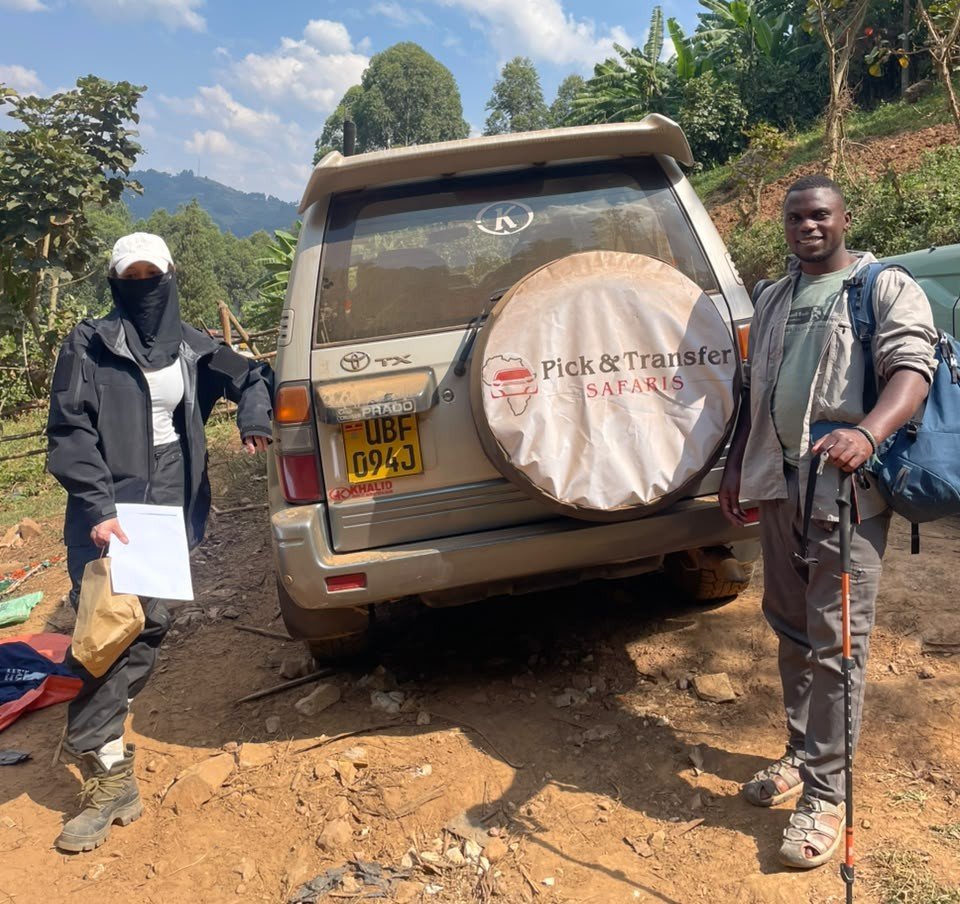
7 Days Uganda Safari – One week tour
This 7-day itinerary is the classic one-week introduction to Uganda, covering the country’s three most iconic wildlife experiences: chimpanzee tracking in Kibale Forest National Park, Big Five game drives and a boat cruise in Queen
Tour Details →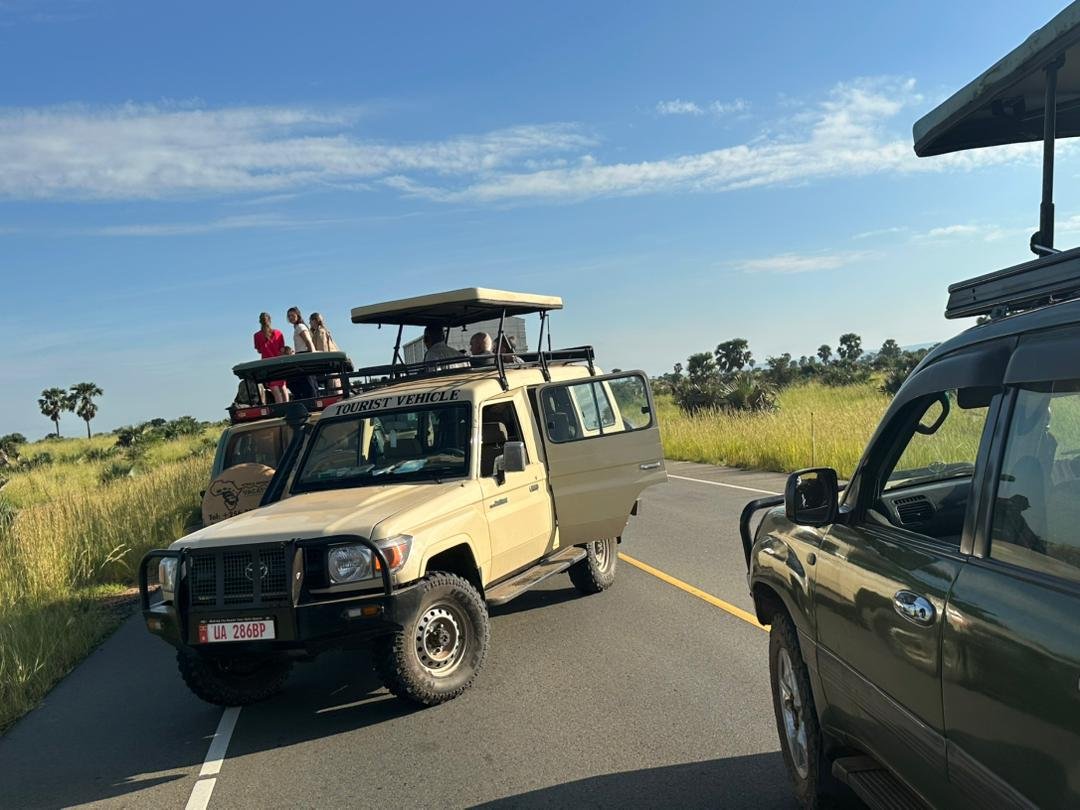
10 Days Uganda Primates and Wildlife
This 10-day Uganda Grand Safari is the most complete Uganda itinerary we offer at Pick and Transfer Safaris. It begins with a scenic northward drive from Entebbe to the vast open plains of Murchison
Tour Details →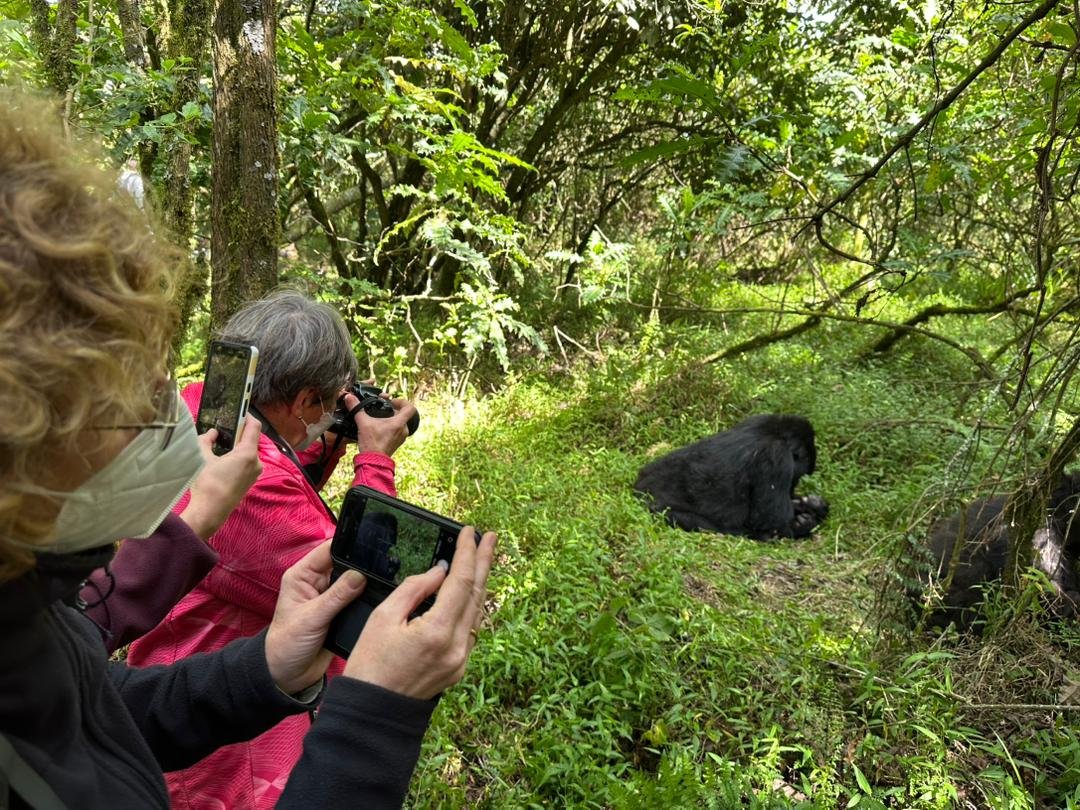
2 Days Uganda Gorilla Tour Starting from Kigali
This is the gentler cousin of our 1-Day Uganda Gorilla Safari Starting from Kigali — same idea, twice the breathing room. Instead of squeezing a 3,000-metre forest trek and two border crossings into a single very long day
Tour Details →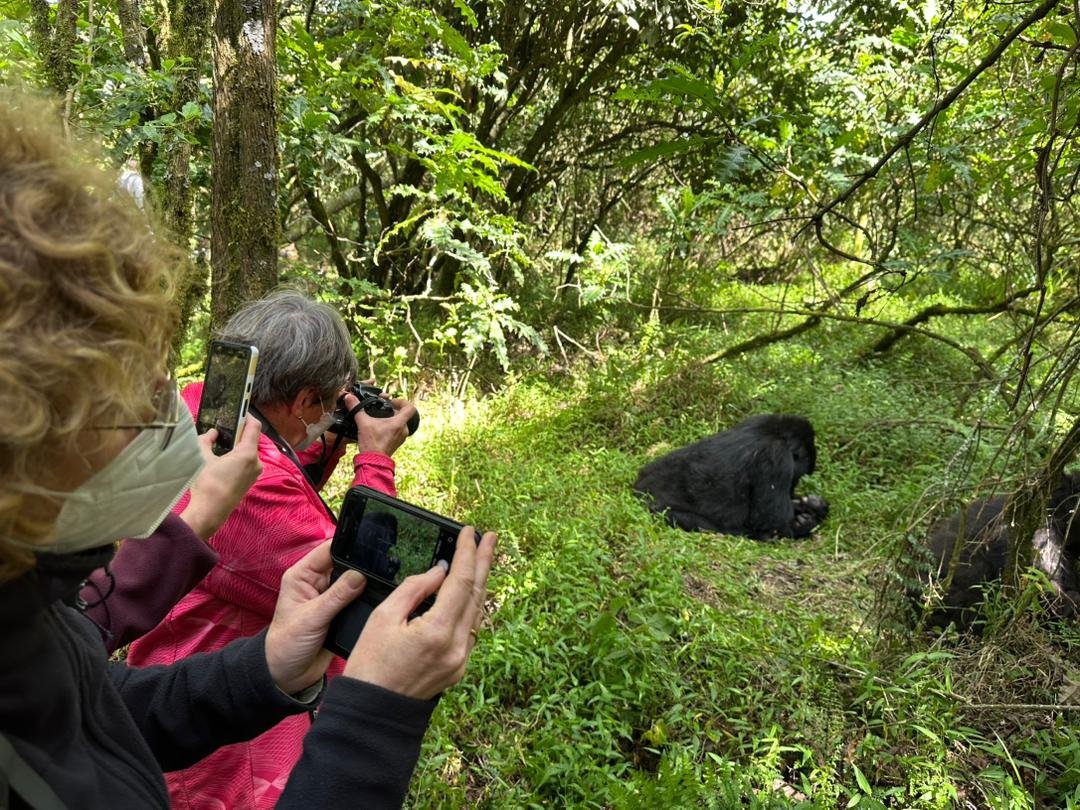
5-Day Uganda Gorilla and Chimpanzee Safari
This itinerary can be combined with a Rwanda extension or a wildlife-focused add-on through Queen Elizabeth National Park — browse our Uganda & Rwanda Safaris and Primate Safaris collections for ideas.
Tour Details →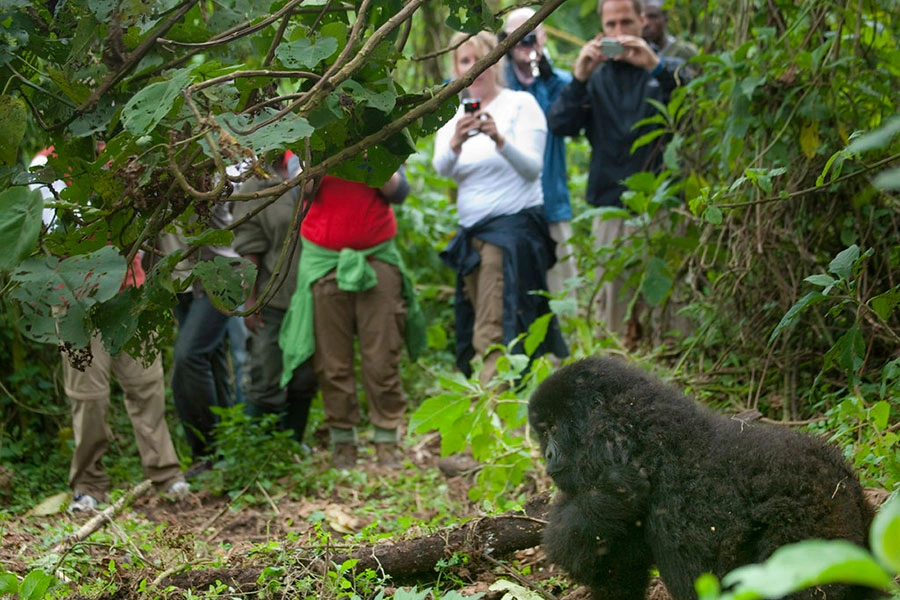
5 Days Rwanda Wildlife and Gorillas
This 5-day itinerary brings together Rwanda’s two flagship wildlife experiences: open savannah game drives and a boat safari in Akagera National Park, followed by a face-to-face encounters
Tour Details →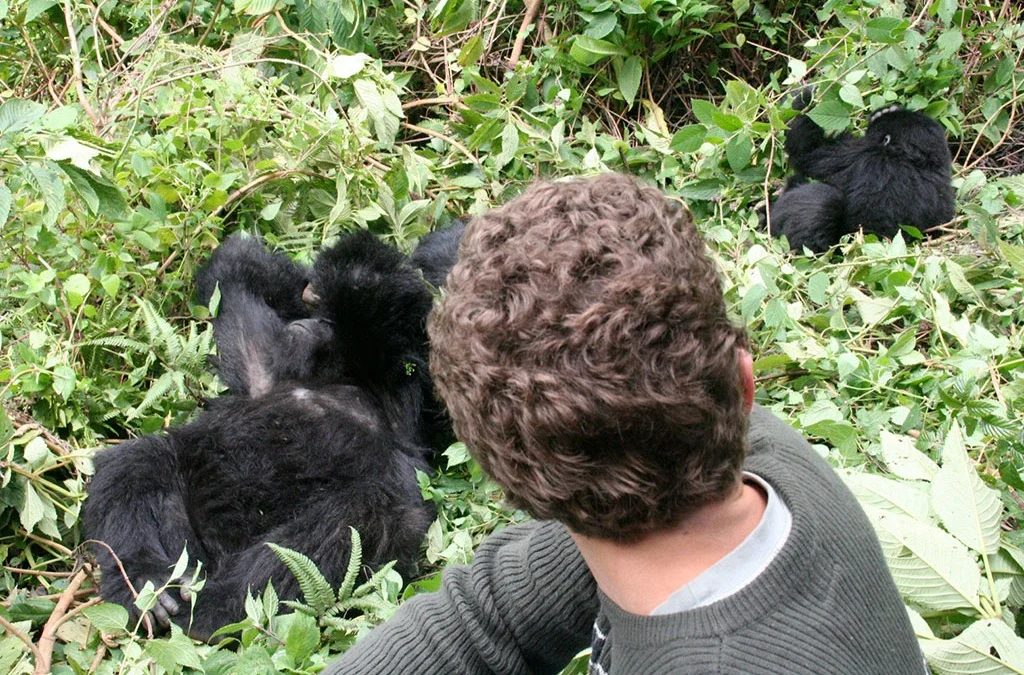
3 Days Uganda Gorilla Safari
For travelers who arrive in Entebbe with a tight schedule and a clear ambition, a 3-day gorilla safari to Bwindi Impenetrable Forest National Park is the most focused and rewarding short trip the country has to offer.
Tour Details →