- LET'S PLAN YOUR SAFARI
- +256 200 921 002
- +256 793 194 703
- info@pickandtransfersafaris.com

Uganda Gorilla Trekking Safaris from Kigali
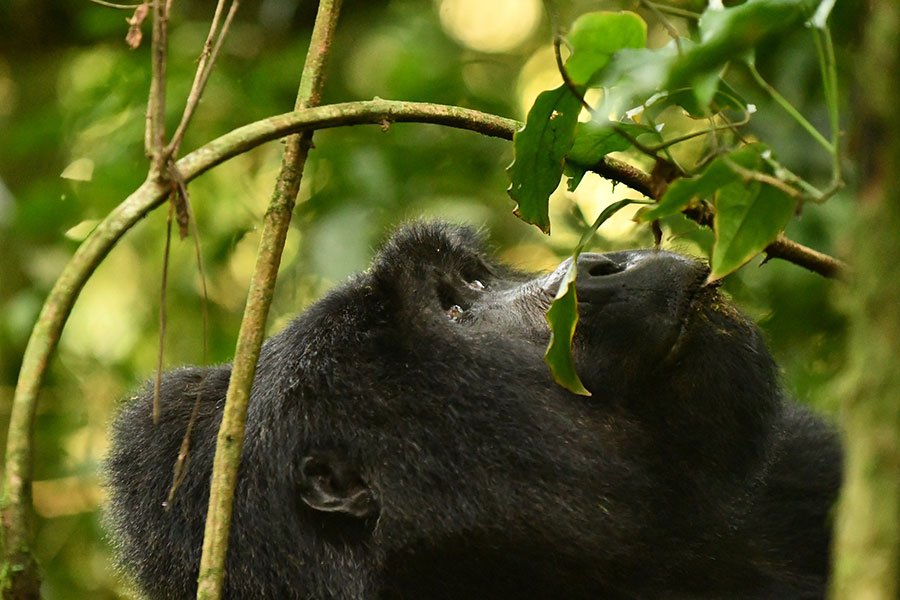
Uganda Gorilla Trekking Safaris from Kigali. Standing a few feet from a 200-kilogram silverback as he strips a stem of wild celery and glances at you with almost human curiosity is the kind of moment that rearranges your sense of what travel can give you. For most visitors flying into East Africa, that moment now begins not in Entebbe, but in Kigali. Rwanda’s capital has quietly become the smartest, fastest, and most comfortable launchpad for Uganda gorilla trekking safaris, and this guide explains exactly why, how, and where to start planning.
Uganda Gorilla Trekking Safaris from Kigali offer an unforgettable experience among the majestic mountain gorillas. These safaris have become increasingly popular for travelers seeking adventure and a unique connection with nature.
The routes for Uganda Gorilla Trekking Safaris from Kigali are well-established, making it an efficient way to see these incredible creatures.
Whether you have one free day between meetings, a long weekend, or two weeks to spare, this guide walks through everything you need: the routes from Kigali to Uganda’s gorilla parks, permit costs, the best time of year to trek, sample itineraries, packing lists, fitness requirements, lodging options, and the practical border-crossing details that most blog posts skip. We also link out to detailed itineraries and trusted regional resources along the way, so you can go from reading to booking without hunting around.
Why So Many Travelers Now Start Their Uganda Gorilla Safari From Kigali
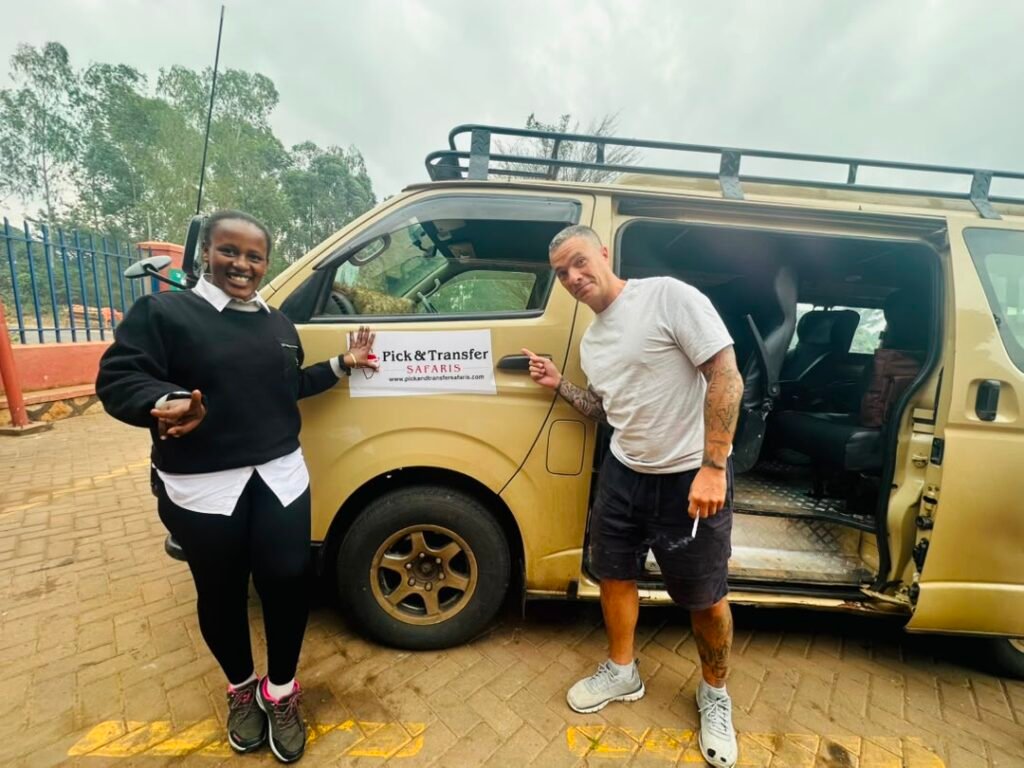
The rising trend of Uganda Gorilla Trekking Safaris from Kigali is attributed to the ease of access and cost-effectiveness, providing an appealing option for many travelers.
Many travelers are now choosing Uganda Gorilla Trekking Safaris from Kigali for their gorilla encounters, as the journey is shorter and more convenient.
For those interested in wildlife experiences, Uganda Gorilla Trekking Safaris from Kigali offer an accessible way to witness these magnificent animals in their natural habitat.
With Uganda Gorilla Trekking Safaris from Kigali, travelers can expect efficient itineraries that maximize their time with the gorillas.
Why Choose Uganda Gorilla Trekking Safaris from Kigali?
A decade ago, almost every Uganda gorilla trek began in Entebbe. Today, an increasing share of trekkers land at Kigali International Airport instead, and the reasoning is entirely logistical rather than a passing trend.
These Uganda Gorilla Trekking Safaris from Kigali are designed for both novice and experienced trekkers, ensuring a memorable adventure.
Choosing Uganda Gorilla Trekking Safaris from Kigali not only enhances travel efficiency but also provides a richer experience with nature.
Travelers have found that Uganda Gorilla Trekking Safaris from Kigali lead to unforgettable memories and encounters with wildlife.
Bwindi Impenetrable National Park and Mgahinga Gorilla National Park, Uganda’s two gorilla trekking destinations, both sit in the extreme southwest corner of the country, hugging the borders of Rwanda and the Democratic Republic of Congo. Entebbe, by contrast, sits on the shores of Lake Victoria in central Uganda. The drive from Entebbe to Bwindi is a genuine 9 to 11-hour undertaking on roads that, while improving, still wind through hills, market towns, and unpredictable traffic around Kampala and Mbarara.
Kigali flips that equation. From Kigali, the Cyanika or Katuna/Gatuna border posts are roughly 2.5 to 4 hours away by road, depending on which sector of Bwindi or which park you’re heading to. That means a trekker can fly into Kigali in the morning, cross into Uganda by early afternoon, settle into a lodge near the park boundary, and be standing in front of gorillas the very next morning. No overnight in Kampala, no second internal flight, no wasted vacation day spent purely in transit.
This single geographic fact is the reason an entire category of short, efficient itineraries now exists — one-day gorilla excursions, two-day gorilla tours, and three-day combination trips that would be physically impossible to run from Entebbe. If your holiday time is limited, or if you’re already touring Rwanda and want to add Uganda’s gorillas without restructuring your whole trip, starting from Kigali is, in practical terms, the only itinerary shape that makes sense.
If you’d like the full breakdown of why this route works so well, our team has laid it out in detail on our page about Uganda safaris starting from Rwanda, where we compare travel times, costs, and border logistics side by side.
Bwindi Impenetrable Forest vs. Mgahinga: Which Park to Choose From Kigali
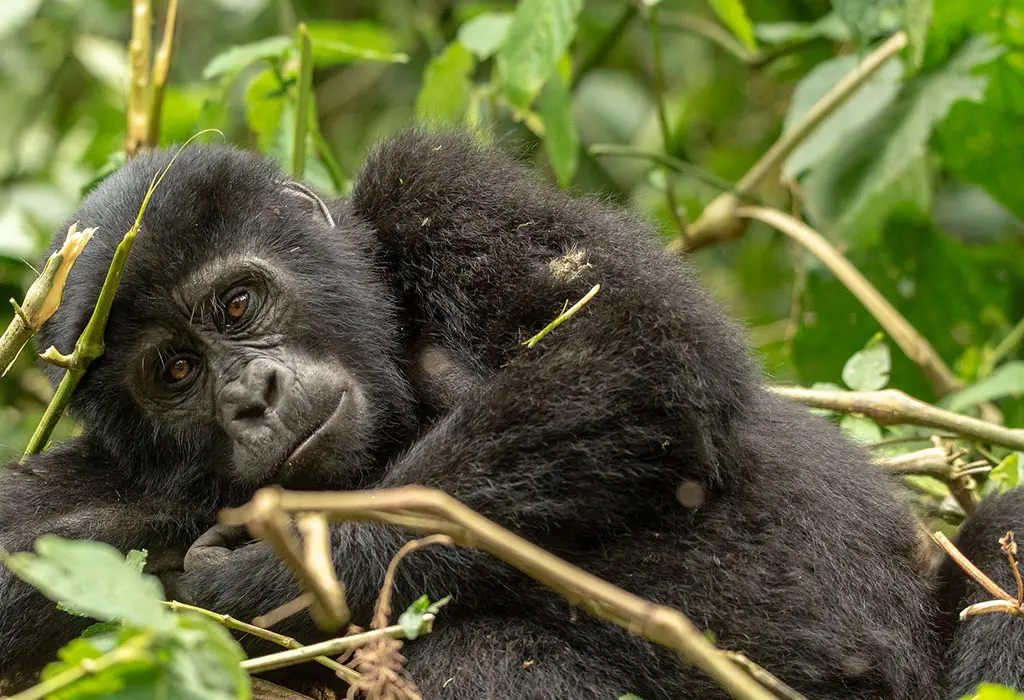
Incorporating Uganda Gorilla Trekking Safaris from Kigali into your travel plans will ensure you have an efficient and enjoyable journey.
Two gorilla destinations are realistically reachable from Kigali, and each has a distinct personality.
Many itineraries include Uganda Gorilla Trekking Safaris from Kigali, making them a popular choice among travelers seeking adventure.
Bwindi Impenetrable National Park is home to roughly half of the world’s remaining mountain gorilla population, spread across four trekking sectors: Buhoma, Ruhija, Rushaga, and Nkuringo. Rushaga and Nkuringo, the two southern sectors, sit closest to the Rwandan border and are the sectors most short Kigali-based itineraries use. Bwindi’s forest is genuinely ancient rainforest — dense, tangled, and steep — which gives the park its name and its reputation as one of the most atmospheric trekking environments in Africa. Because Bwindi has more habituated gorilla families than any other park in the region, it also issues more daily permits, which in practice means slightly better availability during peak months.
Discover the elegance of Uganda Gorilla Trekking Safaris from Kigali, where nature and adventure blend seamlessly.
Mgahinga Gorilla National Park is smaller, quieter, and sits inside the Virunga volcanic range, the same chain of extinct and dormant volcanoes that stretches into Rwanda’s Volcanoes National Park and the DRC’s Virunga National Park. Mgahinga currently has one habituated gorilla family available for trekking (availability shifts periodically as gorilla groups migrate across the porous Virunga border), along with golden monkey trekking as a popular add-on. Because it’s the closest Ugandan gorilla park to the Cyanika border post, Mgahinga is the park most one-day and two-day Kigali itineraries are built around.
Embark on Uganda Gorilla Trekking Safaris from Kigali, where each moment brings you closer to nature’s wonders.
With Uganda Gorilla Trekking Safaris from Kigali, you can enhance your travel experience while exploring East Africa’s natural beauty.
Neither park is objectively “better” — the decision usually comes down to how many days you have and whether you also want golden monkeys and volcanic scenery (Mgahinga) or the deeper forest experience with more family options (Bwindi). Our Gorilla Safaris collection groups itineraries by both parks so you can compare directly.
Join the ever-growing number of adventurers choosing Uganda Gorilla Trekking Safaris from Kigali for their next journey.
The Road From Kigali: Routes, Border Posts, and Travel Times
There are two main overland routes between Kigali and Uganda’s gorilla sector, and which one your driver takes depends entirely on which park and sector you’re trekking.
Route 1: Kigali to Cyanika border to Mgahinga / Kisoro. This is the shorter route and the one used for one-day and two-day Mgahinga-based trips. The drive from Kigali to the Cyanika border crossing takes roughly 2.5 to 3 hours through Musanze (the Rwandan town at the foot of the Virunga volcanoes), followed by a short 30 to 45-minute hop across the border into Kisoro, Uganda, where Mgahinga’s park headquarters sits.
Route 2: Kigali to Katuna (Gatuna) border to Bwindi’s southern sectors. This route serves Rushaga and Nkuringo, Bwindi’s sectors closest to Rwanda. Expect roughly 3.5 to 4.5 hours of driving from Kigali to the lodges near these trailheads, including the border crossing itself.
Both border posts are well-established, used daily by tourist vehicles, and staffed year-round. Crossing typically takes 30 to 60 minutes depending on how busy the post is and how quickly paperwork is processed — arriving with your documents already organized speeds this up considerably (more on that in the visa section below).
One detail worth knowing: East African road distances don’t always translate directly into Western driving-time expectations. Roads through the Virunga foothills are mountainous, and while they’re mostly paved and well-maintained on the Rwandan side, the final stretch into Kisoro or the Bwindi sectors can include unpaved sections. A private 4×4 transfer with an experienced driver-guide — which is what we provide on every Kigali-departure itinerary — makes this a comfortable, scenic drive rather than an endurance test.
When planning your adventure, consider Uganda Gorilla Trekking Safaris from Kigali for an incredible wildlife experience.
Sample Itineraries: How Many Days Do You Actually Need?
One of the most common questions we get is simply, “how many days do I need?” The honest answer depends on your schedule, but here’s how the main itinerary lengths break down.
One day. Yes, it’s genuinely possible to trek gorillas in Uganda and return to Kigali the same night, or the next morning, depending on pickup time. This is an intense but rewarding option for travelers with very tight schedules — business travelers extending a Kigali trip, or Rwanda-based tourists who only have a single free day. It involves an early departure, the border crossing, the trek itself, and the return drive, all within roughly 16 to 18 hours. Full details are on our 1 Day Uganda Gorilla Safari Starting from Kigali page. Kenlink Tours’ Uganda team also runs comparable short-format options if you want to see how the route is structured from a second operator’s perspective on their Uganda safaris page.
Two days, one night. This is, in our experience, the sweet spot for travelers who want the gorilla encounter without the single-day rush. You cross the border the afternoon before, sleep at a lodge near the trailhead, trek fresh the next morning, and return to Kigali that evening. It removes the pre-dawn wake-up and post-trek exhaustion that the one-day version involves. See our 2 Days Uganda Gorilla Tour Starting from Kigali and the closely comparable 2 Days Volcanoes Gorilla Trek from Kigali if you’d rather trek in Rwanda’s Volcanoes National Park instead of crossing into Uganda. For an outside comparison, Kenlink Tours offers a similarly structured 2 Days Uganda Gorilla Safari Starting from Kigali.
Three days. A three-day itinerary adds breathing room — an extra night, a more relaxed pace through the Virunga foothills, and often the option to add a cultural visit to a Batwa community or a walk around Lake Bunyonyi. Our 3 Days Uganda Gorilla Safari from Rwanda is built exactly around this pacing. Kenlink Tours’ 3 Days Bwindi Gorilla Safari Starting from Kigali follows a similar three-day structure focused specifically on Bwindi’s southern sectors.
Five days or more. Once you’re past three days, it becomes worth combining gorilla trekking with a second primate or wildlife experience. Our 5 Days Uganda Gorilla and Chimps Safari Starting from Rwanda pairs Bwindi’s gorillas with chimpanzee tracking, while the 5-Day Uganda Gorilla and Chimpanzee Safari offers an alternate routing through the same two experiences. If you’d like even more variety, our 10 Days Uganda Primates and Wildlife itinerary extends into Queen Elizabeth National Park and Murchison Falls for Big Five game drives and a Nile boat cruise. Kenlink Tours’ 5-Day Gorilla Trekking Safari from Kigali to Uganda offers a similarly paced five-day option worth comparing against ours if you’re shopping between operators.
Gorilla Permits: Uganda vs. Rwanda, and Why the Difference Matters
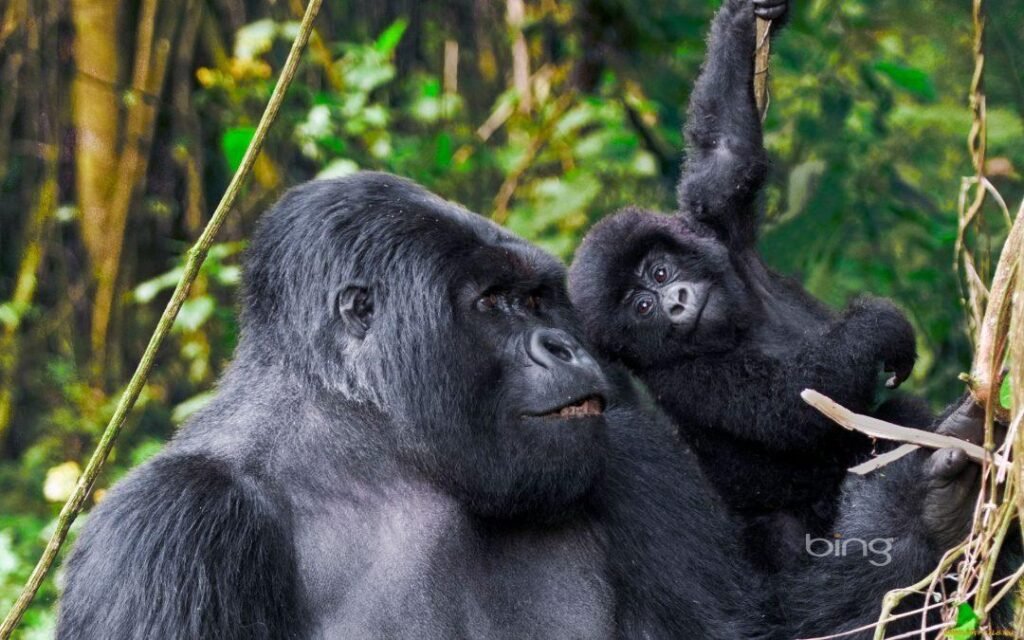
Permit pricing is usually the single biggest line item on a gorilla trekking budget, and it’s also where the Kigali-departure strategy pays off most obviously.
A Rwanda gorilla trekking permit currently costs USD 1,500 per person, purchased directly from the Rwanda Development Board. A Uganda gorilla trekking permit, issued by the Uganda Wildlife Authority, costs USD 800 per person for foreign non-residents (with lower rates for East African residents and citizens). That gap — roughly USD 700 per person — is the core financial argument for basing a trip out of Kigali but trekking across the border in Uganda: you get the convenience of flying into Rwanda’s well-connected international airport while paying Uganda’s substantially lower permit fee.
Both countries cap trekking groups at eight visitors per habituated gorilla family per day, and both allow a maximum of one hour with the gorillas once you locate them (this rule exists to protect the gorillas from stress and disease transmission, since they share roughly 98% of human DNA and can catch human illnesses). Permits should be booked well in advance — ideally three to six months ahead for travel during July, August, and December, the busiest trekking months — because daily permit numbers are strictly limited by park authorities and sell out early in peak season.
We handle permit booking directly as part of every itinerary, so you don’t need to navigate UWA’s booking system yourself; just confirm your preferred trekking date and park sector when you get in touch with our team.
Best Time of Year for Gorilla Trekking From Kigali
Uganda and Rwanda’s gorilla parks are trekkable year-round, since the gorillas don’t migrate out of their forest ranges and permits are issued every day of the year. That said, the calendar does affect trail conditions and crowd levels.
The two dry seasons — June to September and December to February — are the most popular months. Trails through Bwindi’s steep, muddy terrain are noticeably easier to navigate when rainfall is lower, and clearer skies make for better photography and mountain views around the Virunga volcanoes. These months also align with Northern Hemisphere summer and winter holidays, so permits and lodges book out fastest during this window.
The rainy seasons — March to May and October to November — are the quieter, often more affordable alternative. Rain in Bwindi tends to fall in short, heavy afternoon bursts rather than as an all-day washout, so mornings are frequently trekkable. Vegetation is lush and green, birdlife is at its most active, and because tourist numbers drop, lodges often reduce rates and permits are easier to secure on shorter notice. Trekkers who don’t mind muddy boots and the occasional poncho are often rewarded with a genuinely quieter, more intimate forest experience.
Whichever season you choose, come prepared for rain regardless — Bwindi’s name literally translates to “impenetrable,” and its climate lives up to that reputation even in the dry months.
What Gorilla Trekking Actually Involves: Fitness, Terrain, and Duration
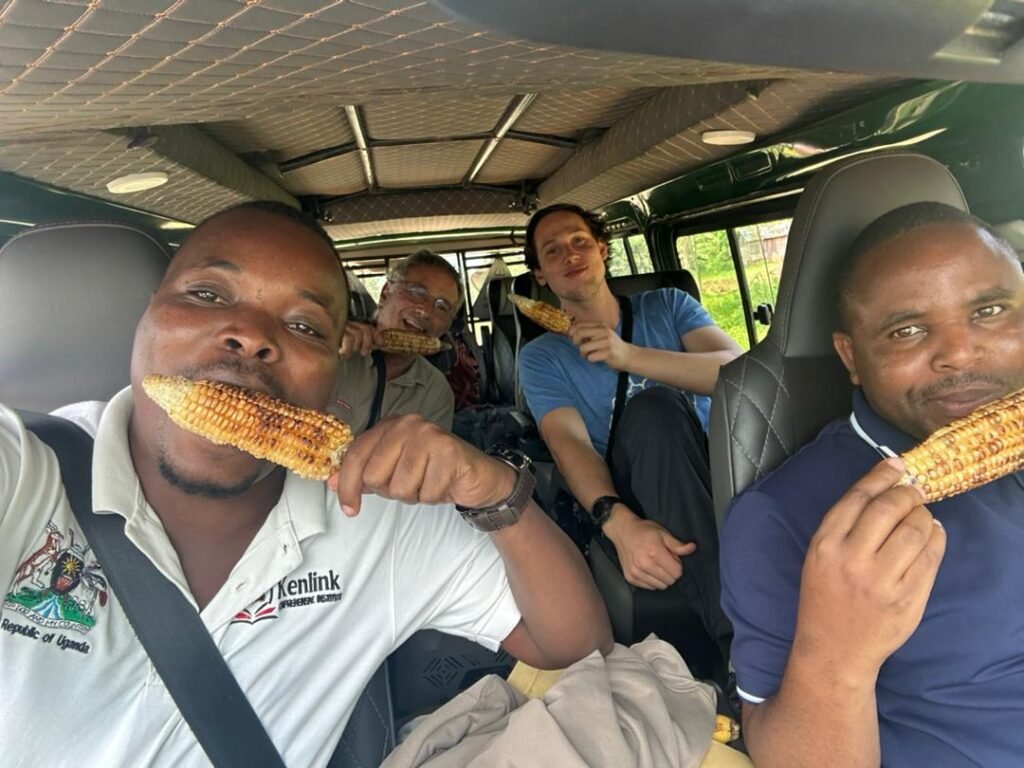
It’s easy to see why Uganda Gorilla Trekking Safaris from Kigali are becoming the preferred choice for many travelers.
Gorilla trekking is not a stroll, and it’s worth being honest about that before you book. Bwindi and Mgahinga sit at elevations between roughly 1,160 and 2,700 meters above sea level, and the terrain inside the forest is steep, often muddy, and threaded with vines, roots, and dense undergrowth.
The trek itself has no fixed distance or duration, because gorilla families move through the forest daily and rangers track their location that same morning before guests set out. Some groups reach their gorilla family within 45 minutes of a relatively gentle walk; others trek for four to six hours through genuinely demanding terrain before finding them. Once located, you get a strict maximum of one hour with the gorillas, then retrace your steps back out.
Trekkers don’t need to be athletes, but a reasonable baseline of fitness — the ability to walk briskly uphill for an hour or more without stopping — makes the experience considerably more enjoyable. Porters are available to hire at the trailhead (a small daily fee, and one of the best-value tips of the whole trip, since they also double as a steadying hand on steep or slippery sections) and we strongly recommend hiring one regardless of your fitness level. For travelers with mobility concerns, some sectors also offer sedan-chair transport carried by a team of porters, arranged in advance through the park office.
What to Pack for Uganda Gorilla Trekking
A short, focused packing list makes a genuine difference in comfort:
- Waterproof hiking boots with good ankle support and aggressive tread — this is the single most important item on the list.
- Long trousers and a long-sleeved shirt, ideally in neutral colors, tucked into boots and gloves to guard against stinging nettles and safari ants along the trail.
- Gardening gloves for gripping vines and branches on steep sections.
- A lightweight rain jacket, even in the dry season.
- Gaiters, which keep mud and biting insects out of your boots.
- A daypack for water, snacks, and camera gear, ideally one your porter can help carry.
- A hat and high-SPF sunscreen for the more open sections of trail.
- Binoculars and a camera with a zoom lens — flash photography is prohibited around the gorillas, so a lens that performs in low forest light is worth packing.
- Cash in small denominations (USD or Ugandan shillings) for porter tips and souvenir purchases at the trailhead craft stalls.
- Your passport, yellow fever certificate, and printed permit confirmation, which rangers check before every trek.
Visas, Border Documents, and Crossing Tips
Because a Kigali-departure gorilla safari involves an international border crossing, paperwork deserves its own section.
Most nationalities can obtain a Uganda visa on arrival at land border posts including Cyanika and Katuna, though we recommend applying in advance through Uganda’s e-visa portal to avoid any delay at the crossing, especially during peak trekking season when border traffic is heavier. A yellow fever vaccination certificate is a mandatory entry requirement for both Uganda and Rwanda and is checked at the border, so make sure this is current before you travel.
If your trip includes multiple crossings between Rwanda, Uganda, and potentially Kenya, the East Africa Tourist Visa — a single visa valid across all three countries — is often the most cost-effective and convenient option, and it’s worth applying for well ahead of your trip rather than trying to arrange it at the border.
Our driver-guides handle the practical side of every crossing: parking, paperwork submission, and coordinating with border officials, so travelers on our tours simply step out, get stamped through, and continue the drive. If you’re planning a self-guided trip instead, budget extra time at the border during July, August, and December, when crossing volumes are highest.
Where to Stay: Lodges Near Bwindi and Mgahinga
Accommodation near Uganda’s gorilla parks ranges from simple, comfortable guesthouses to high-end luxury lodges perched on the forest edge, and the right choice depends on budget and how much you want the lodge itself to be part of the experience.
Budget and mid-range lodges near Rushaga, Nkuringo, and Kisoro typically offer clean ensuite rooms, hearty meals, and staff experienced in early gorilla-trek wake-up calls — perfectly comfortable for a one or two-night stay. Mid-range properties often add private cottages with forest or volcano views, hot showers, and on-site bars where trekkers swap stories over a Nile Special beer after the day’s trek.
At the top end, several lodges around Bwindi and the Virunga foothills rank among the best safari lodges in Africa, with glass-walled rooms facing the forest canopy, plunge pools, and personalized guiding. Because our itineraries are built to fit a range of budgets, we match accommodation to what you tell us matters most — proximity to the trailhead, luxury finishes, or value for money — when you enquire through our contact page.
Seize the opportunity to explore nature with Uganda Gorilla Trekking Safaris from Kigali and create lasting memories.
Combining Gorillas With Uganda’s Other Primates and Wildlife
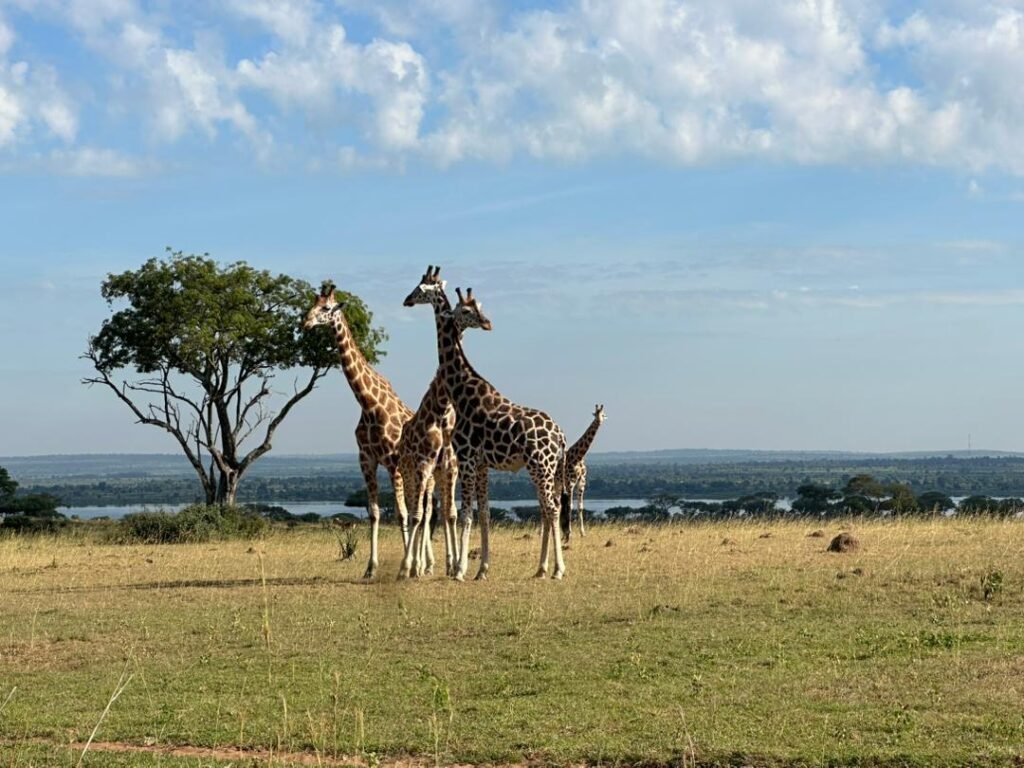
Gorilla trekking is very often just the headline act of a longer Ugandan story, and Kigali-departure itineraries make it easy to add more without much extra driving.
Chimpanzee tracking is the most natural pairing. Uganda is sometimes called the primate capital of the world, and Kibale Forest National Park — reachable on longer combination itineraries — hosts one of Africa’s highest concentrations of primates, including large, well-habituated chimpanzee communities. Shorter chimp add-ons closer to the gorilla parks are also possible in Bwindi’s own forest fringe on some routes. Our 3 Days Chimpanzee Tour in Uganda can be combined with a gorilla itinerary for travelers who want both great apes on one trip, and Kenlink Tours’ 3-Day Chimpanzee Tracking Safari offers a comparable standalone option if chimps alone are the priority.
Golden monkey trekking in Mgahinga is a popular half-day add-on for travelers already in the Virunga foothills — these smaller, endangered primates are considerably more energetic and easier to photograph in motion than gorillas, and the trek to find them is gentler and shorter.
Big Five game drives in Queen Elizabeth National Park — famous for its tree-climbing lions and the wildlife-dense Kazinga Channel — pair naturally with a gorilla trip on itineraries of five days or longer. Our 3 Days Safari to Queen Elizabeth National Park shows how this park works as either a standalone trip or an extension.
For travelers who’d rather build their extension around Rwanda instead of deeper into Uganda, Akagera National Park, just outside Kigali, offers savannah game drives and boat safaris and is often combined with a gorilla trek on our 5 Days Rwanda Wildlife and Gorillas itinerary.
Gorilla Trekking in Rwanda Itself: An Alternative Worth Knowing
With Uganda Gorilla Trekking Safaris from Kigali, your dream of seeing gorillas can become a reality.
Because this guide is aimed at travelers based in Kigali, it’s worth briefly addressing the obvious alternative: trekking gorillas in Rwanda’s own Volcanoes National Park instead of crossing into Uganda.
Volcanoes National Park sits only about two to three hours from Kigali — even closer than Uganda’s parks — and offers a genuinely excellent trekking experience against the dramatic backdrop of the Virunga volcanoes, plus easy access to golden monkey trekking and the Dian Fossey grave hike for travelers interested in gorilla conservation history. The tradeoff, as covered above, is the higher USD 1,500 permit fee compared with Uganda’s USD 800.
Many of our clients choose to trek in Uganda specifically to take advantage of the lower permit cost while still enjoying the shorter overall travel time that Kigali provides, but Rwanda remains an excellent choice for travelers who prioritize minimizing total travel time above minimizing cost, or who want to stay within a single country for the whole trip. Either way, our 2 Days Volcanoes Gorilla Trek from Kigali and 3 Days Rwanda Gorilla Tracking and Cultural Tour cover the Rwanda-only route in full, and Kenlink Tours’ 3 Days Rwanda Gorilla Safari offers a useful outside comparison for that same routing.
Responsible Tourism: Protecting the Gorillas You’ve Come to See
Mountain gorillas were once projected toward extinction; conservation-driven tourism is a major reason their numbers have instead slowly climbed over the past two decades. Trekking responsibly matters as much as trekking safely.
The one-hour visit limit, the eight-person group cap, and the mandatory seven-meter distance rule from the gorillas all exist for the same reason: gorillas are genetically close enough to humans that a common cold, passed from a trekker to a silverback, can become life-threatening for the whole family group. Guides will ask you to turn back if you’re visibly unwell before a trek, and it’s worth taking that seriously rather than pushing to go anyway.
Beyond the trek itself, permit revenue directly funds park ranger salaries, anti-poaching patrols, and — through Uganda and Rwanda’s revenue-sharing schemes — schools, clinics, and infrastructure in communities bordering the parks. At Pick and Transfer Safaris, part of our profits also goes toward supporting local orphans through our community foundation, and we favor guides, porters, and lodges drawn from villages around Bwindi and Mgahinga wherever possible, so your trekking fees do double duty as both an unforgettable experience and a direct investment in the region’s future.
A Typical Gorilla Trekking Day, Hour by Hour
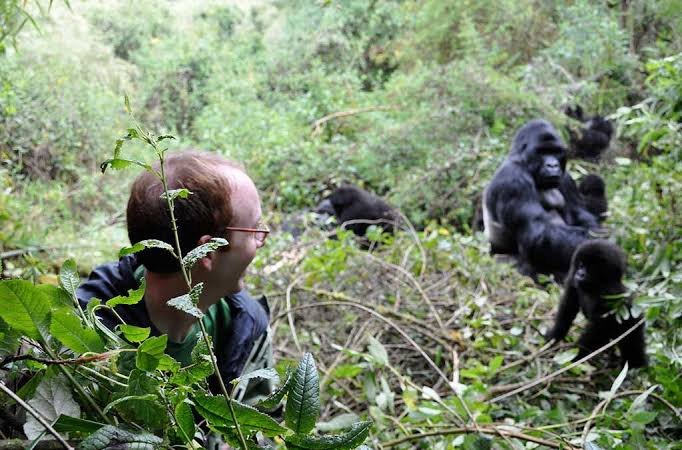
Knowing what an actual trekking day looks like helps you plan everything from bedtime to breakfast. While exact timings vary slightly by sector, most Kigali-departure gorilla days follow a similar rhythm.
5:30–6:30 AM — Early wake-up and breakfast. Lodges near the trailheads serve breakfast well before dawn, since trekkers need to reach the park headquarters for a briefing that typically starts around 7:30 or 8:00 AM. Coffee is strong, plates are hearty, and packed lunches are usually prepared for you to carry into the forest.
7:30–8:00 AM — Park briefing. At the ranger station, you’ll be split into groups of up to eight, assigned to a specific habituated gorilla family, and given a short safety briefing covering distance rules, noise levels, and what to do if a gorilla approaches you (stay still, look down, and let the guide manage the interaction). This is also when you can hire a porter for the day — genuinely worth it even if you consider yourself fit.
8:00 AM onward — The trek begins. Armed rangers (present for protection against wild animals, not the gorillas themselves) lead the way, using radio updates from trackers who entered the forest at dawn to follow the gorilla family’s overnight trail. The pace is set by the group’s slowest member, with regular water breaks.
Gorilla contact — usually late morning. Once trackers signal the family has been located, bags and walking sticks are left behind and the final approach is made quietly, in single file. Guides manage the exact distance and positioning so every member of the group gets a clear, safe view. Your one-hour clock starts the moment you’re in the gorillas’ presence.
Early-to-mid afternoon — Return hike and certificate. After the hour ends, the group retraces its steps back to the trailhead, where a certificate confirming your trek is issued — a nice keepsake, and useful proof for anyone tracking how many gorilla families they’ve visited across multiple trips.
Afternoon — Onward travel. Depending on your itinerary length, this is either the start of the drive back to Kigali, a transfer toward a second park, or simply a free afternoon to relax at the lodge before the next day’s activity.
Budgeting Your Trip: A Realistic Cost Breakdown
Costs for a Kigali-departure Uganda gorilla safari fall into a few clear categories, and understanding them upfront helps you compare quotes accurately between operators.
Gorilla permit. The single largest fixed cost — USD 800 per person in Uganda versus USD 1,500 in Rwanda, as covered earlier. This fee is set by the wildlife authorities and doesn’t vary between tour operators.
Ground transport. Private 4×4 transfer from Kigali, including the driver-guide’s time, fuel, and border-crossing assistance, is typically quoted per vehicle rather than per person, which makes group travel meaningfully more cost-effective per head.
Accommodation. This is where budgets flex the most. A simple guesthouse near Kisoro might run under USD 100 per night, mid-range lodges with ensuite comfort and forest views typically fall in the USD 150–350 range, and top-tier luxury lodges can exceed USD 500–1,000 per night. Because lodging is usually the most negotiable line item, telling us your target nightly budget helps us shortlist the right properties immediately.
Park entrance and activity fees. Beyond the gorilla permit itself, add-on activities like golden monkey trekking, Batwa cultural walks, or a second day of chimpanzee tracking carry their own separate fees, generally far lower than the primary gorilla permit.
Tips. Porters, guides, and rangers all work on a tipping culture that forms a meaningful part of local income. Budgeting roughly USD 10–20 per day for your porter and a similar range split between guide and rangers is standard practice.
Because permit costs are fixed and non-negotiable, the real cost differences between operators usually come down to vehicle quality, driver-guide experience, and how honestly the accommodation options are priced — worth comparing carefully rather than choosing on price alone.
Make your next trip unforgettable with Uganda Gorilla Trekking Safaris from Kigali, where memories are made.
Photography Tips for Your Gorilla Encounter
The single hour you spend with a gorilla family goes by fast, and forest light is dim, so a little preparation goes a long way toward coming home with images you’ll actually want to print.
Flash photography is banned around the gorillas — it can startle them and is strictly enforced by rangers — so a lens that performs well in low light matters more than raw zoom power. A mid-range zoom in the 24–105mm or 70–200mm range, paired with a body that handles higher ISO settings cleanly, generally outperforms a longer but slower lens in Bwindi’s shaded canopy. If you’re shooting on a phone, keep it steady, avoid pinch-zooming (which degrades image quality fast), and let the guide position you rather than chasing your own angle.
Because the trek itself can involve mud, rain, and dense undergrowth, a rain cover for your camera bag and a microfiber cloth for lens spatter are worth packing alongside your camera gear. And perhaps the most-repeated advice from returning trekkers: put the camera down for at least a few minutes during your hour with the gorillas. Photos matter, but so does simply watching.
Cultural Encounters Near Bwindi and Mgahinga
Gorilla trekking sits inside a much richer regional story, and several cultural experiences pair naturally with a Kigali-departure itinerary, particularly on two-day-plus trips with a little extra time built in.
Batwa community visits offer a direct encounter with the Indigenous forest people who lived in Bwindi and the Virunga forests for generations before the parks were gazetted for conservation. Guided walks led by Batwa community members typically include traditional song and dance, demonstrations of forest survival skills like fire-starting and honey-gathering, and an honest conversation about the community’s history and present-day life outside the forest.
Lake Bunyonyi, a short drive from several Bwindi sectors, is one of the most scenic spots in southwestern Uganda — a deep, island-studded crater lake safe for swimming (unusually, given the absence of bilharzia and crocodiles), and a relaxing stop for travelers extending a gorilla trip by a day.
Local markets and craft cooperatives around Kisoro and the Bwindi trailheads sell woven baskets, wood carvings, and gorilla-themed art, often produced by cooperatives that funnel profits back into the same communities supported by park revenue-sharing schemes — a good place to spend a bit of your trip’s discretionary budget.
Health, Safety, and Travel Insurance
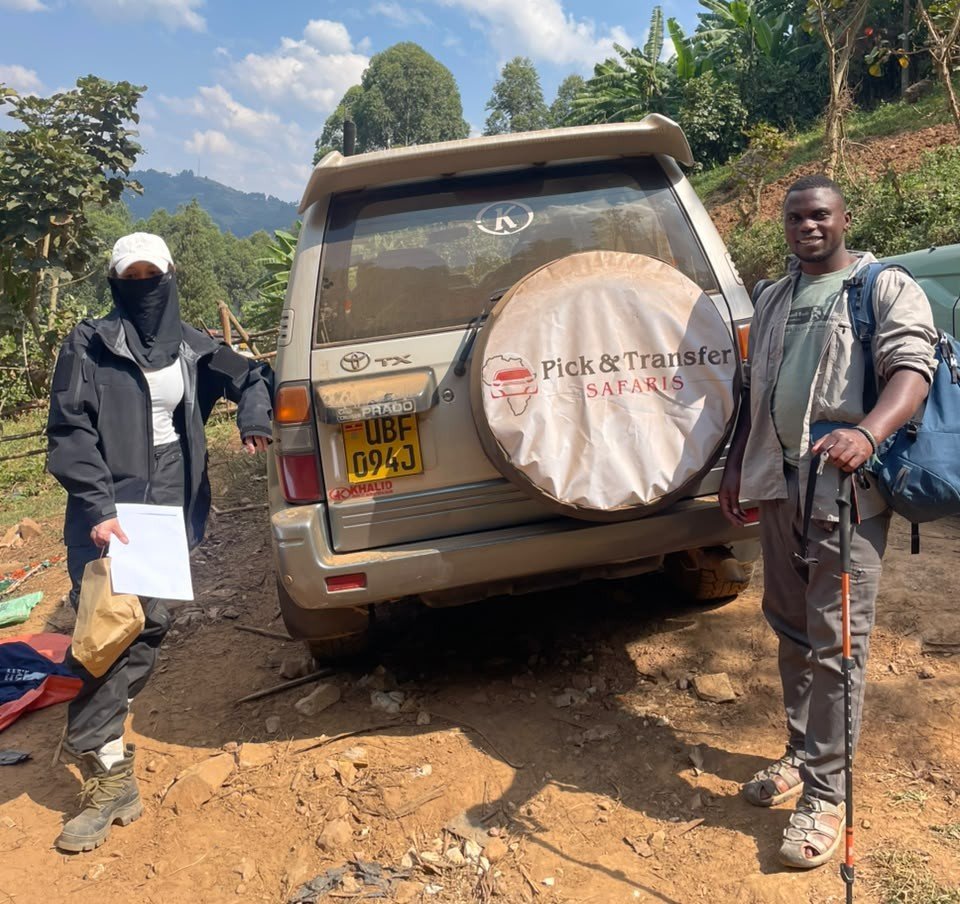
A little practical health preparation rounds out a smooth trip. Malaria is present in both Uganda and Rwanda’s lower-elevation regions, so antimalarial medication, insect repellent containing DEET, and long sleeves in the evenings are all sensible precautions, even though the higher-elevation gorilla parks themselves carry comparatively lower mosquito density than lakeside or lowland areas.
Altitude is a minor factor worth knowing about — Bwindi and Mgahinga’s trailheads sit between roughly 1,400 and 2,200 meters, high enough that travelers arriving directly from sea level may notice mild breathlessness on steep sections, though true altitude sickness is rare at these elevations.
Uganda Gorilla Trekking Safaris from Kigali ensure a unique cultural interaction with local communities and wildlife.
Comprehensive travel insurance that explicitly covers trekking activities and emergency medical evacuation is strongly recommended rather than optional — Bwindi’s remoteness means a twisted ankle deep in the forest is a logistical event, not just an inconvenience, and evacuation coverage gives real peace of mind. We’re happy to point returning and first-time trekkers toward insurers with strong East Africa trekking coverage if you don’t already have a policy in place.
Experience the thrill of Uganda Gorilla Trekking Safaris from Kigali and witness the beauty of these majestic creatures.
Self-Drive Option: Crossing From Kigali on Your Own Terms
Not every traveler wants a driver-guide handling the wheel, and Uganda’s road network has matured to the point where a well-planned self-drive gorilla trip from Kigali is genuinely feasible for confident travelers. A rented 4×4 gives you full control over pace — stopping for photos along the Virunga foothills, lingering in Kisoro’s market, or adjusting your border-crossing time to avoid queues.
That said, self-driving across an international border adds real complexity: temporary vehicle import permits, cross-border insurance, and unfamiliar signage on mountain roads are all part of the package, and the Cyanika and Katuna routes include stretches that reward local road knowledge. For travelers who want the independence of self-drive without navigating those details alone, our sister platform handles reliable 4×4 rentals, route guidance, and support throughout the journey — details are available through our self-drive safari booking page, which pairs naturally with any of the gorilla itineraries described above.
Private Tours vs. Joining a Group: Which Suits a Kigali Departure Better?
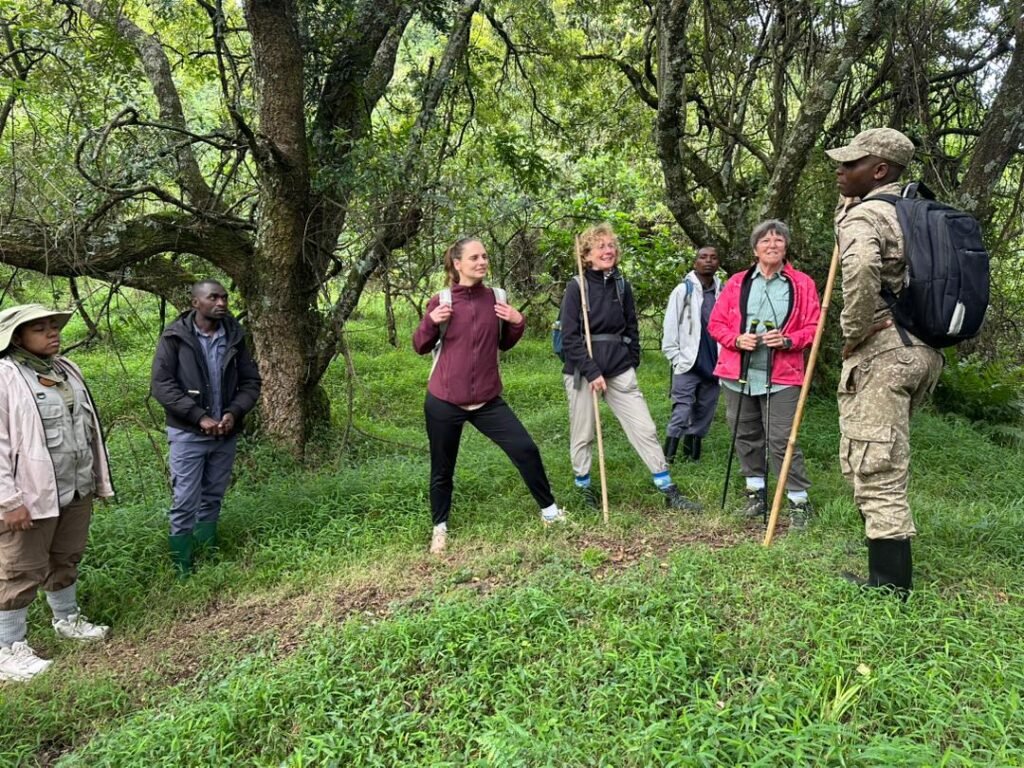
Because gorilla permits themselves are allocated per person rather than per vehicle, both private and group-based trips end up standing with the same gorilla family for the same one-hour visit — the difference lies entirely in the transport and pacing around that encounter.
Private tours, which is how we run every Kigali-departure itinerary by default, mean your vehicle, schedule, and driver-guide are dedicated to your party alone. This matters more than it might sound: it lets you adjust departure times around your flight schedule, stop wherever you like along the route, and avoid waiting on other travelers at the border or at meal breaks. For couples, families, and small groups of friends, private touring on a Kigali route is rarely much more expensive than joining a scheduled group once the numbers are split across a vehicle, and the flexibility gain is substantial given how tightly a one or two-day gorilla itinerary is timed.
For an adventure of a lifetime, choose Uganda Gorilla Trekking Safaris from Kigali, where wildlife and travel intertwine beautifully.
Scheduled group departures exist as a lower-cost option for solo travelers who don’t want to absorb a full vehicle’s transport cost alone, and several operators, including Kenlink Tours’ scheduled departure safaris, run fixed-date group trips that solo trekkers can join to split costs. The tradeoff is a fixed itinerary with less room to adjust timing around your personal preferences.
Whichever structure suits your trip, the permit booking, park logistics, and one-hour gorilla encounter itself stay identical — the choice really comes down to budget flexibility versus scheduling flexibility.
Frequently Asked Questions About Uganda Gorilla Trekking From Kigali
Do I need a Uganda visa if I’m only crossing the border for a day trip? Yes — even a single-day gorilla trek requires a valid Uganda visa, since you’re formally entering the country. Apply online in advance where possible.
Can I trek gorillas with young children? Uganda Wildlife Authority sets a minimum age of 15 for gorilla trekking, largely for the gorillas’ safety as much as the child’s, given the physical demands of the trail.
How far in advance should I book my permit? Three to six months ahead is safest for June–September and December travel; two to three months is usually workable for the shoulder and rainy seasons.
What happens if it rains on trekking day? Treks proceed regardless of rain — permits are non-refundable for weather — which is exactly why proper rain gear belongs at the top of your packing list.
Is it safe to cross the Uganda-Rwanda border for tourism? Yes; these are established, frequently used tourist crossings, and our drivers cross them routinely as part of scheduled itineraries.
Can I see gorillas twice on one trip, in both Uganda and Rwanda? Absolutely — some of our longer itineraries, and comparable options from operators like Kenlink Tours, are built specifically around a double-gorilla-trek structure for travelers who want to compare the two experiences.
Common Mistakes First-Time Kigali-Departure Trekkers Make
A few avoidable missteps come up repeatedly among first-time gorilla trekkers, and knowing them in advance saves real frustration on the ground.
Booking permits too late. Because Uganda and Rwanda both cap daily permits per gorilla family, popular sectors and peak-season dates sell out months ahead. Waiting until a month before travel to lock in your date is the single most common regret we hear from trekkers who had to shift their trip or settle for a less convenient sector.
Underestimating the terrain. Bwindi’s name is not marketing — the forest is genuinely steep, tangled, and slippery, and travelers who assume a “walk in the woods” pace often find the trek far more physically demanding than expected. Being honest about your fitness level when booking helps your operator match you to a more accessible gorilla family where possible.
Joining Uganda Gorilla Trekking Safaris from Kigali allows travelers to connect with the wilderness and experience gorilla conservation efforts firsthand.
Packing cotton instead of quick-dry layers. Cotton clothing soaks through with sweat and rain and stays wet for hours in humid forest conditions. Quick-dry synthetic or merino layers make a noticeable difference in comfort.
Let Uganda Gorilla Trekking Safaris from Kigali be the highlight of your East African adventure.
Forgetting the yellow fever certificate. This single document, mandatory for both Uganda and Rwanda entry, is the most common reason travelers get delayed at the border. Keep a physical copy with your passport, not just a photo on your phone.
Skipping travel insurance with evacuation coverage. Given the remoteness of the trekking sectors, this is not the place to cut corners, and it’s one of the cheapest forms of peace of mind available for a trip of this cost.
Treating the one-hour gorilla visit as a photography assignment rather than an experience. It’s an easy trap in the moment — put the phone or camera down for at least a few minutes and simply watch.
Planning Your Trip: Why Book With Pick and Transfer Safaris
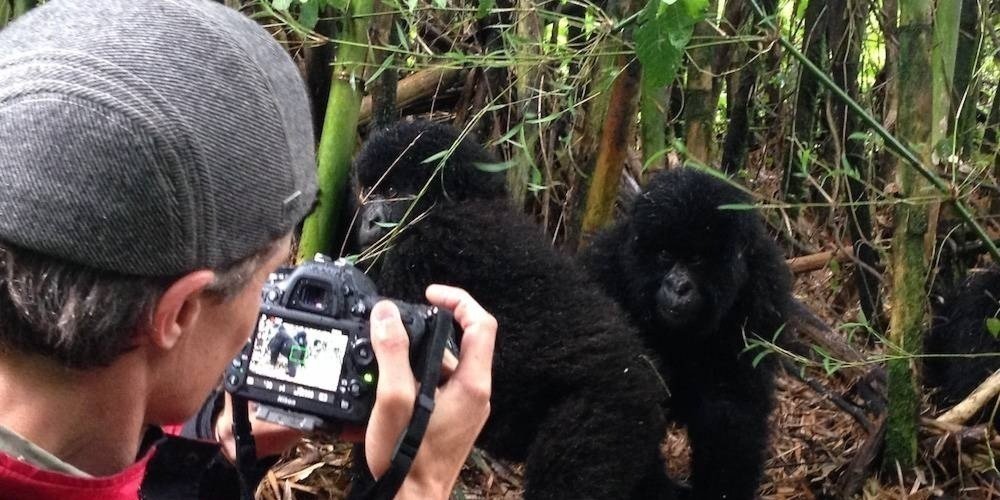
Everything above reflects how we design every Kigali-departure gorilla itinerary at Pick and Transfer Safaris: routes chosen for genuine efficiency, permits secured well ahead of your travel dates, and accommodation matched to your budget rather than upsold beyond it. We were founded on the idea that exploring Uganda and Rwanda shouldn’t be reserved for the highest-budget travelers, and our Kigali-based gorilla itineraries are a direct expression of that — the same unforgettable encounter, without the extra days and dollars that an Entebbe-based route often demands.
Our team handles every practical layer of the trip: airport pickup in Kigali, the border crossing paperwork, permit booking with Uganda Wildlife Authority, private 4×4 transport with an experienced driver-guide, and lodge bookings suited to your budget. Beyond gorillas, we can extend your trip into chimpanzee tracking, Big Five game drives, Nile boat cruises, or a self-drive adventure across East Africa, and we work with travelers planning anywhere from a single overnight to a full multi-country expedition.
If you’re ready to start planning, browse our full range of Gorilla Safaris, explore Uganda and Rwanda’s national parks in more depth, or reach out directly through our contact page and tell us your travel dates, group size, and budget. We’ll build a Kigali-departure gorilla itinerary around exactly what you’re looking for — and handle every logistical detail in between, so all that’s left for you to do is stand quietly in the forest and watch a silverback watch you back.