- LET'S PLAN YOUR SAFARI
- +256 200 921 002
- +256 793 194 703
- info@pickandtransfersafaris.com

Uganda wildlife and gorilla safari starting from Kigali
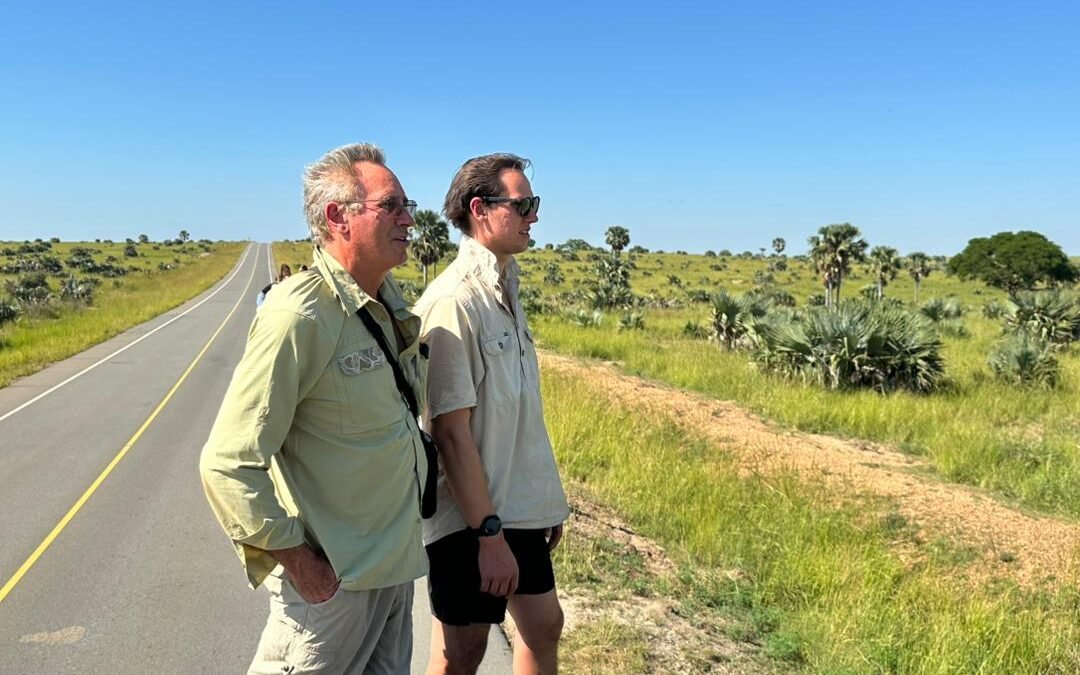
Most people planning a Uganda safari picture Entebbe as the only way in. Fewer realize that Kigali, Rwanda’s clean and orderly capital, works just as well, often better, as a starting point for a Uganda wildlife and gorilla safari. The road distances are shorter, the border crossings are routine, and the parks on the Ugandan side sit close enough to Rwanda that starting in Kigali can save an entire day of travel compared with flying into Entebbe first.
This route guide focuses on the practical side of a Kigali-launched Uganda safari: how the journey unfolds, which parks fit naturally into the route, and how wildlife viewing and gorilla trekking come together into one trip.
The Case for Starting in Kigali Instead of Entebbe
Entebbe International Airport remains Uganda’s main international gateway, but for travelers whose flights, budgets, or existing Rwanda plans point toward Kigali, the overland route into southwestern Uganda is genuinely competitive. The drive from Kigali to the Bwindi and Mgahinga gorilla parks generally takes 4 to 5 hours, compared with a much longer haul from Entebbe. For a trip built around one or two gorilla treks plus some wildlife viewing, that time difference can be the deciding factor in how much of the safari actually happens versus how much is spent on the road.
Mapping the Route: Kigali to Uganda’s Gorilla Parks
A typical Kigali-based Uganda safari follows a fairly consistent path, even though the exact stops shift depending on the itinerary length.
From the Airport to the Border
After arriving in Kigali, most itineraries begin with either an overnight stay in the city or a same-day transfer straight toward the border, depending on flight arrival times. Our Kigali City destination page is worth a look if you are deciding whether to spend a night in the capital before heading onward.
Choosing Between Cyanika and Katuna
Two border posts serve almost all Kigali-to-Uganda gorilla safaris. Cyanika connects directly into Kisoro and Mgahinga Gorilla National Park, while Katuna leads toward Kabale and Bwindi’s Ruhija and Rushaga trekking sectors. Picking the right one depends entirely on which park your gorilla permit is booked for, so this is worth confirming with your operator well before travel day. Visa requirements for crossing should be checked ahead of time through Rwanda’s Directorate General of Immigration and Emigration, since many nationalities can use the East Africa Tourist Visa to move between Rwanda and Uganda on a single document.
Gorilla Trekking Along the Route
Gorilla trekking is the centerpiece of nearly every Kigali-launched Uganda itinerary, and the parks along this route offer two distinct options.
Mgahinga Gorilla National Park
Sitting closest to the Cyanika crossing, Mgahinga Gorilla National Park is home to one habituated gorilla family and offers golden monkey tracking in the same forest, making it a strong choice for travelers who want gorillas and a lighter second activity without adding extra driving days.
Bwindi Impenetrable Forest National Park
For travelers entering via Katuna, Bwindi Impenetrable Forest National Park holds close to half the world’s mountain gorilla population across four sectors, with Ruhija and Rushaga being the most direct from this route.
All permits for both parks are issued through the Uganda Wildlife Authority, the government body responsible for managing Uganda’s protected areas, and daily permit numbers per gorilla family are strictly limited, so booking ahead matters more than most first-time travelers expect.
Wildlife Beyond the Gorilla Trek
A Kigali-based route does not have to stop at gorillas. Several of Uganda’s best wildlife areas sit within reach once the trek is complete.
Queen Elizabeth National Park
A few hours beyond Bwindi, Queen Elizabeth National Park adds tree-climbing lions in the Ishasha sector, dense elephant populations, and boat-based wildlife viewing along the Kazinga Channel, rounding out a gorilla trip with classic savannah game viewing.
Chimpanzee Tracking as a Second Primate Encounter
Travelers who want more than one primate species on their trip often add a chimpanzee tracking day, which our 5 Days Uganda Gorilla and Chimps Safari Starting from Rwanda itinerary is specifically built around, pairing a gorilla trek with dedicated time in chimp forest habitat.
Fitting Wildlife Around Trekking Days
The key to combining wildlife viewing with gorilla trekking is sequencing: trekking days are physically demanding and best followed by lighter activities like a boat cruise, rather than another long hike, which is why well-paced itineraries usually alternate between intense and relaxed days rather than stacking similar activities back to back.
Choosing Your Itinerary Length
Different trip lengths suit different travel schedules, and the Kigali route accommodates a wide range of them.
- A single tight day: The 1 Day Uganda Gorilla Safari Starting from Kigali fits a full trek into one long day for travelers with very limited time.
- A more comfortable short trip: The 2 Days Uganda Gorilla Tour Starting from Kigali spreads the same experience across two days with an overnight near the park.
- A relaxed single-trek trip: The 3 Days Uganda Gorilla Safari Starting from Rwanda allows more breathing room before and after the trek.
- Gorillas, chimps, and wildlife together: The 10 Days Uganda Rwanda Safari blends primate trekking with savannah game drives across both countries.
- A full regional circuit: The 15 Days Rwanda Uganda Safari covers the most ground for travelers with three weeks or more to spare.
The complete range of options sits under our Gorilla Safaris and Wildlife Safaris collections, where itineraries can be compared side by side before booking.
Best Time to Travel This Route
Uganda’s dry seasons, June to September and December to February, provide the firmest trekking trails and the most predictable wildlife sightings in the savannah parks, since animals cluster more reliably around remaining water sources. The wetter months bring quieter parks and often better last-minute permit availability, a trade-off worth considering if your travel dates are flexible.
Planning Notes for a Smooth Trip
- Book gorilla permits several months ahead, particularly for June to September and December to February travel, directly through channels connected to the Uganda Wildlife Authority.
- Match your border crossing to your permit location rather than choosing the more convenient-sounding route, since Cyanika and Katuna lead to different parks entirely.
- Confirm visa requirements before booking flights, using Rwanda’s Directorate General of Immigration and Emigration as your primary reference.
- Sequence trekking and wildlife days deliberately so that physically demanding treks are followed by lighter activities rather than another long hike.
- Use a local operator familiar with both countries. Cross-border logistics, permit timing, and multi-park routing are easier to manage with a team that runs this specific route regularly. You can view our full Uganda and Rwanda safari range or get in touch via our Contact Us page to start building your itinerary.
A Uganda wildlife and gorilla safari starting from Kigali is less of a workaround and more of a genuinely efficient route, cutting travel time while still delivering the full range of experiences Uganda is known for, from mountain gorillas and golden monkeys to tree-climbing lions and chimpanzee forests. With the right sequencing of border crossings, trekking days, and wildlife stops, it is possible to see far more of the region in far less time than the traditional Entebbe-first route allows.
To map out a Kigali-based itinerary around your own travel dates, visit Pick and Transfer Safaris and our team will help you plan the route from start to finish.