- LET'S PLAN YOUR SAFARI
- +256 200 921 002
- +256 793 194 703
- info@pickandtransfersafaris.com

Visiting Lake Bunyonyi from Kigali
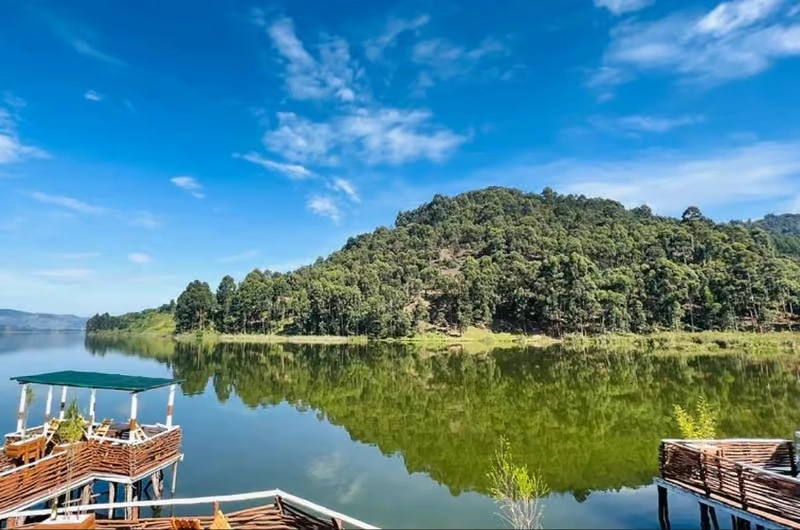
Visiting Lake Bunyonyi from Kigali. Lake Bunyonyi is one of the most rewarding side trips a traveler based in Kigali can add to an East African itinerary, yet it remains far less crowded than the gorilla trekking and wildlife circuits that usually draw people across the border into Uganda. Ringed by terraced hillsides and dotted with 29 islands, the lake sits only a short drive from the Uganda–Rwanda border, which makes it an easy and logical stop for anyone already planning a gorilla safari from Kigali. This guide walks through exactly how to get there, what the border crossing involves, the best things to do once you arrive, and how to fit Lake Bunyonyi into a wider Uganda or Rwanda itinerary.
Because so much of the practical value in this trip comes from getting the logistics right — the border crossing, the timing around gorilla trekking permits, and the choice between the many lodges scattered around the lake’s islands and shoreline — this guide leans heavily on the specific, verifiable details that make the difference between a smooth two-country trip and a stressful one.
Why Visit Lake Bunyonyi from Kigali?
Most travelers who search for information on visiting Lake Bunyonyi from Kigali are already planning to cross into Uganda for gorilla trekking in Bwindi Impenetrable National Park or Mgahinga Gorilla National Park, and Lake Bunyonyi happens to sit almost directly on the route between Kigali and both parks. Rather than treating the lake as a separate trip, most itineraries fold it in as a rest day — a calm, scenic counterpoint to the early mornings and physically demanding hikes that gorilla trekking involves.
Beyond convenience, the lake is genuinely worth visiting on its own merits. Unlike many of East Africa’s large lakes, Bunyonyi is free of bilharzia and crocodiles, which means swimming is safe and actively encouraged by local lodges. The combination of calm water, terraced hillsides, and a slower pace makes it one of the more photogenic and relaxing stops on a Kigali-based safari circuit, and it’s increasingly popular with honeymooners and travelers looking to decompress after several intense days of wildlife viewing.
There is also a practical financial argument for including Lake Bunyonyi on a Kigali-based trip. Because the lake sits directly along the road corridor most travelers already use to reach Bwindi or Mgahinga, adding a night or two costs little beyond the accommodation itself — there’s no separate flight, no significant extra driving distance, and no additional border crossing beyond the one you’d be making anyway. For travelers weighing whether a side trip is “worth it,” Lake Bunyonyi is about as low-friction an addition as exists anywhere along Uganda and Rwanda’s shared gorilla trekking corridor.
Where Is Lake Bunyonyi and How Far Is It from Kigali?
Lake Bunyonyi lies in southwestern Uganda’s Kigezi region, close to the town of Kabale and roughly 25 kilometers from Kisoro, near the base of the Virunga volcanic range. From Kigali, the total driving distance is approximately 220 to 250 kilometers depending on the exact route and border crossing used, which typically translates into a four-to-five-hour drive including the time spent at immigration.
Because the lake sits almost equidistant between Kigali and Bwindi, it works naturally as a midpoint stop rather than a detour. Travelers heading toward Volcanoes National Park in Rwanda for gorilla trekking on that side of the border can also reach Lake Bunyonyi with a relatively short onward drive once they cross into Uganda, making it a flexible add-on regardless of which country’s gorilla permits you’ve booked.
It’s worth noting that road distance in this part of East Africa doesn’t translate directly into drive time the way it might elsewhere — mountainous terrain, unpaved sections closer to the lake, and occasional livestock or market-day traffic through small towns along the route mean that the last 20 to 30 kilometers before reaching the lakeshore often take longer than the highway distance would suggest. Building extra time into the schedule for this final stretch, rather than assuming a constant average speed for the whole journey, is one of the more common planning mistakes independent travelers make on this route.
Border Crossing: Getting from Rwanda into Uganda
The most common land border crossing for this route is the Gatuna–Katuna border post, roughly two-and-a-half hours from Kigali by road. The crossing itself is generally straightforward for tourists holding a valid passport and, where required, an East Africa Tourist Visa or single-entry Uganda visa arranged in advance. Processing typically takes thirty minutes to an hour depending on traffic and time of day, and it’s worth carrying printed or digital copies of your visa approval, yellow fever vaccination certificate, and any safari booking confirmation in case immigration officers ask for them.
Because border wait times can vary unpredictably, most experienced operators build a buffer into the schedule rather than cutting the crossing close to a same-day gorilla trekking permit. A company that has run this specific border route many times will also know which side of the crossing has better facilities for a quick bathroom break or snack stop, a small detail that matters more than it sounds like after several hours on the road.
It’s also worth keeping a small amount of Rwandan francs and Ugandan shillings on hand for this leg of the trip, since informal money changers operate around most East African land borders and official currency exchange facilities are not always available on either side. Mobile money transfer between the two countries is improving but still inconsistent enough that carrying a modest amount of physical cash for snacks, tips, or incidental purchases at the border remains the more reliable approach.
Best Ways to Travel from Kigali to Lake Bunyonyi
There are three realistic ways to make this trip: a private guided transfer, self-drive car hire, or a scheduled shared shuttle. A private transfer with an experienced driver-guide is by far the most popular option among travelers who are also booking gorilla safari packages, since the same vehicle and driver typically continue on to Bwindi or Mgahinga afterward, removing the need to coordinate separate transport at the border.
Independent travelers who prefer more flexibility often opt for self-drive car hire, such as the option offered through Kenlink Tours’ car hire service, which allows for a more relaxed pace and impromptu stops along the scenic route through Uganda’s southwestern highlands. Whichever option you choose, a 4×4 vehicle is strongly recommended, since some of the roads leading down to the lake’s edge and individual lodges are unpaved and steep.
Scheduled shared shuttles running between Kigali and Kabale exist but are far less common and far less flexible than either of the above, and they typically don’t include stops at scenic viewpoints along the way. For most travelers combining Lake Bunyonyi with a broader wildlife safari or gorilla trekking itinerary, a private vehicle booked through the same operator handling the rest of the trip remains the simplest and most reliable choice.
Road conditions on the Ugandan side of the border improve significantly once you reach the main tarmac roads leading toward Kabale, though the final descent down to individual lodges around the lake can still involve steep, occasionally rough dirt tracks. A driver-guide who has made this specific descent before — rather than one navigating it for the first time using GPS alone — genuinely makes a difference here, particularly if you’re arriving after dark or during the rainy season.
What Makes Lake Bunyonyi Special: The “Switzerland of Africa”
Lake Bunyonyi has earned the nickname “the Switzerland of Africa” for its landscape of steep, densely terraced hillsides rising directly from the water’s edge, dotted with small farming plots and scattered homesteads. At an altitude of roughly 1,950 meters, the climate is noticeably cooler than the savannah plains most travelers associate with East African safaris, which makes it a pleasant place to spend a day or two after time spent in hotter, lower-altitude parks.
The lake’s 29 islands each carry their own local folklore, and a few — most notably Punishment Island, historically used to banish unmarried pregnant women — are frequently included in guided canoe tours as a way of learning about the region’s Bakiga and Batwa cultural history rather than simply admiring the scenery. Kenlink Tours’ overview of Kigezi attractions covers several of these cultural sites in more depth for travelers who want to plan their island visits in advance.
Top Things to Do at Lake Bunyonyi
The lake’s appeal lies mostly in its slower-paced, nature-focused activities, which is exactly what makes it such an effective counterbalance to a physically demanding gorilla trekking itinerary. Popular activities include:
- Dugout canoeing. Traditional wooden canoes are the classic way to explore the lake’s islands and inlets, either self-paddled or with a local guide.
- Swimming. Since the lake is free of bilharzia and crocodiles, it’s one of the few East African lakes where swimming directly from a lodge dock is both safe and common.
- Island hopping. Short boat or canoe trips to islands such as Punishment Island, Bushara Island, and Akampene offer a mix of scenery, birdwatching, and local history.
- Birdwatching. The lake’s wetland fringes and terraced hills support a wide range of species, making it a worthwhile stop for keen birders extending their trip beyond the primates.
- Nature walks and hiking. Trails along the surrounding hills offer sweeping viewpoints over the lake and its islands, particularly rewarding at sunrise or sunset.
- Private boat cruises. For a more relaxed alternative to canoeing, several lodges offer motorboat cruises — Kenlink Tours’ guide to private boat cruises in Uganda covers what to expect from this option.
Extending Your Trip: Kabale Town and Beyond
Many travelers treat Lake Bunyonyi as a self-contained stop, but the nearby town of Kabale offers a worthwhile half-day extension for anyone with extra time. Kabale serves as the main commercial hub for the wider Kigezi region and gives a more grounded look at everyday Ugandan highland life than the lakeside lodges alone provide — markets, small eateries, and a genuine sense of the agricultural economy that shapes the terraced hillsides visible from the water. Kenlink Tours’ guide to tourist activities in Kabale outlines several of these options in more detail, including local craft markets and short hikes around the town’s surrounding hills.
For travelers with a full extra day to spare, combining a Kabale town visit with a lake-based activity such as canoeing or an island tour makes for a well-rounded, unhurried day that breaks up the otherwise wildlife-and-driving-heavy rhythm of a typical gorilla trekking itinerary. This kind of flexible day is exactly the sort of detail worth requesting directly from your operator when building a custom itinerary rather than assuming it isn’t possible within a fixed package.
A Brief History and Culture of the Communities Around Lake Bunyonyi
The hills surrounding Lake Bunyonyi have been farmed by the Bakiga people for generations, and the elaborate terracing visible from almost anywhere on the water is a direct product of that long agricultural history, developed as a way to farm steep hillsides that would otherwise be unsuitable for cultivation. The lake’s Batwa communities, historically forest-dwelling people displaced from nearby forest reserves, also maintain a cultural presence in the area, and several community-based tourism initiatives around the lake now offer visitors the chance to learn about Batwa history and traditions directly rather than through secondhand accounts.
The story of Punishment Island, one of the lake’s most visited small islands, offers a sobering counterpoint to the area’s otherwise tranquil reputation: unmarried pregnant women were historically abandoned there as a form of social punishment, a practice that ended generations ago but remains an important part of understanding the region’s cultural history. Guides leading canoe trips to the island typically frame the visit around this history rather than treating it as a purely scenic stop, and travelers are encouraged to approach it in that spirit.
Combining Lake Bunyonyi with Gorilla Trekking in Bwindi
The single most common way travelers experience Lake Bunyonyi is as a stopover before or after gorilla trekking in Bwindi, since the lake sits close enough to several of the park’s trekking sectors — particularly Nkuringo and Rushaga — to serve as a comfortable overnight base. Packages such as the 3 Days Uganda Gorilla Safari or the 5 Days Uganda Gorilla and Chimps Safari starting from Rwanda can often be adjusted to include a night at Lake Bunyonyi either immediately before the trek, as a way to rest after the long drive from Kigali, or immediately after, as a reward once the trekking itself is done.
Travelers on a tighter schedule sometimes worry that adding Lake Bunyonyi will compromise their gorilla trekking permit timing, but because the lake sits so close to the southern Bwindi trailheads, a well-planned itinerary can usually include both without adding a significant amount of extra driving. This is one of the clearest examples of where booking through an operator experienced in this specific corridor — rather than piecing together transport and permits independently — genuinely pays off.
Combining Lake Bunyonyi with Mgahinga and Rwanda’s Volcanoes National Park
Travelers trekking gorillas on the Rwandan side of the border at Volcanoes National Park, or golden monkey tracking at Mgahinga Gorilla National Park, can also work Lake Bunyonyi into their route with minimal extra driving, since both parks sit within a few hours of the lake. A popular combination pairs a 2 Days Volcanoes Gorilla Trek from Kigali with an extended stay at Lake Bunyonyi afterward, giving travelers a full volcano-and-lake experience without needing to return all the way to Kigali in between.
For travelers who want a single itinerary that includes cultural elements from both countries, a package like the 3 Days Rwanda Gorilla Tracking and Cultural Tour can be extended with an additional night or two at the lake, turning a purely Rwanda-based trip into a fuller regional experience that touches both sides of the Virunga range.
How Lake Bunyonyi Compares to Uganda’s Other Popular Lakes
Uganda is home to several notable lakes, from Lake Victoria’s vast shoreline to Lake Mburo’s wildlife-rich waters, but Bunyonyi occupies a distinct niche among them. Where Lake Victoria and Lake Albert are valued mainly for fishing communities, boat transport, and birdlife along open water, Bunyonyi’s appeal is almost entirely about scenery, tranquility, and safe swimming in a highland setting — closer in feel to an alpine lake than a typical tropical one. This is part of why Kenlink Tours’ broader piece on why Uganda is called the Pearl of Africa repeatedly points to the country’s landscape diversity as its defining tourism strength, with Bunyonyi’s terraced hills standing in deliberate contrast to the savannah plains most visitors expect.
For travelers deciding how to allocate limited time, this contrast is worth keeping in mind: a lake stop built around Queen Elizabeth’s Kazinga Channel boat cruise delivers big-game wildlife viewing, while a stop at Bunyonyi delivers rest, cultural depth, and quiet scenery. Many well-rounded itineraries include both, using Bunyonyi specifically as the calmer bookend to a trip that’s otherwise built around wildlife and primate tracking.
Sample Itineraries: Kigali to Lake Bunyonyi Routes
A few common itinerary structures illustrate how flexible this route can be depending on how much time you have:
- Short 3-day loop: Depart Kigali, cross the border, spend one night at Lake Bunyonyi, then continue to Bwindi for a 3 Days Uganda Gorilla Safari from Rwanda before returning.
- 5-day combined primate and lake trip: Combine gorilla and chimpanzee tracking with a rest stop at the lake using an itinerary similar to the 5-Day Uganda Gorilla and Chimpanzee Safari, adjusted to include a Bunyonyi overnight.
- Extended multi-park circuit: Travelers with more time can fold Lake Bunyonyi into a longer wildlife circuit such as the 10 Days Uganda Primates and Wildlife package, spreading the lake stop between primate tracking and savannah game drives.
- Full regional loop: For the most complete version of this route, Kenlink Tours’ own 8-day tour from Kigali covering Bwindi, Queen Elizabeth, Kibale, and Bunyonyi demonstrates how the lake fits naturally as a closing, restorative stop after a longer wildlife-focused circuit.
More Safaris
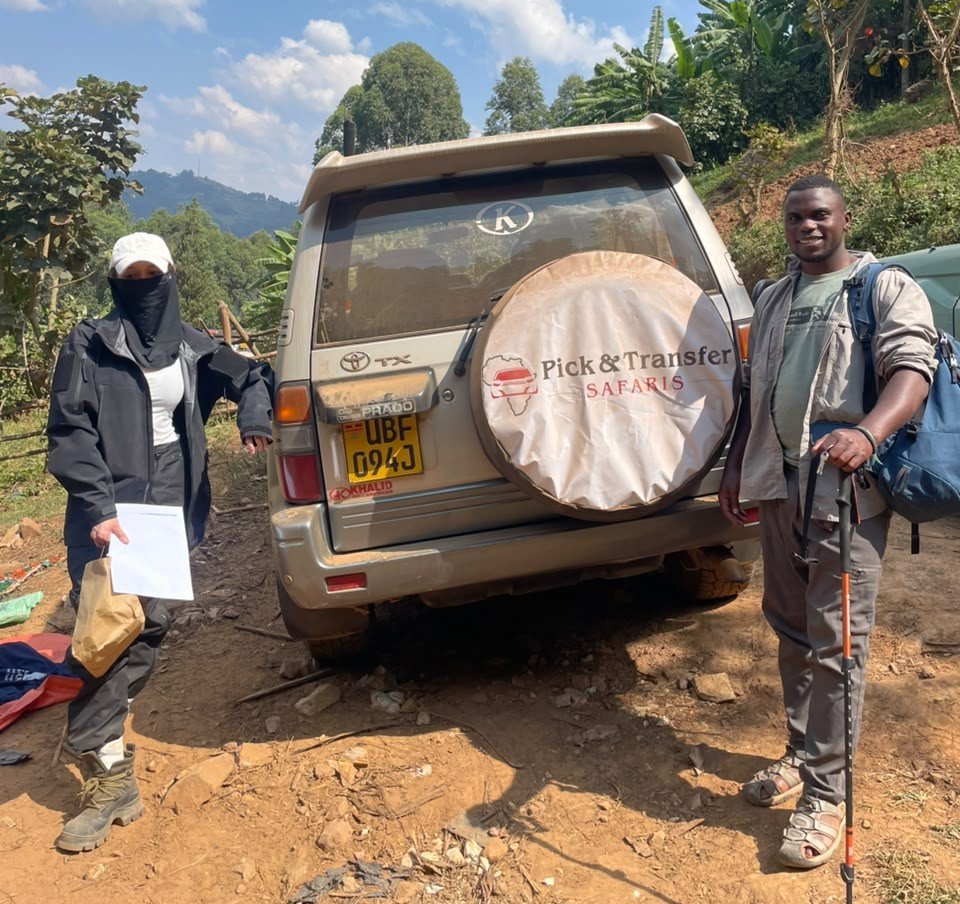
7 Days Uganda Safari – One week tour
This 7-day itinerary is the classic one-week introduction to Uganda, covering the country’s three most iconic wildlife experiences: chimpanzee tracking in Kibale Forest National Park, Big Five game drives and a boat cruise in Queen
Tour Details →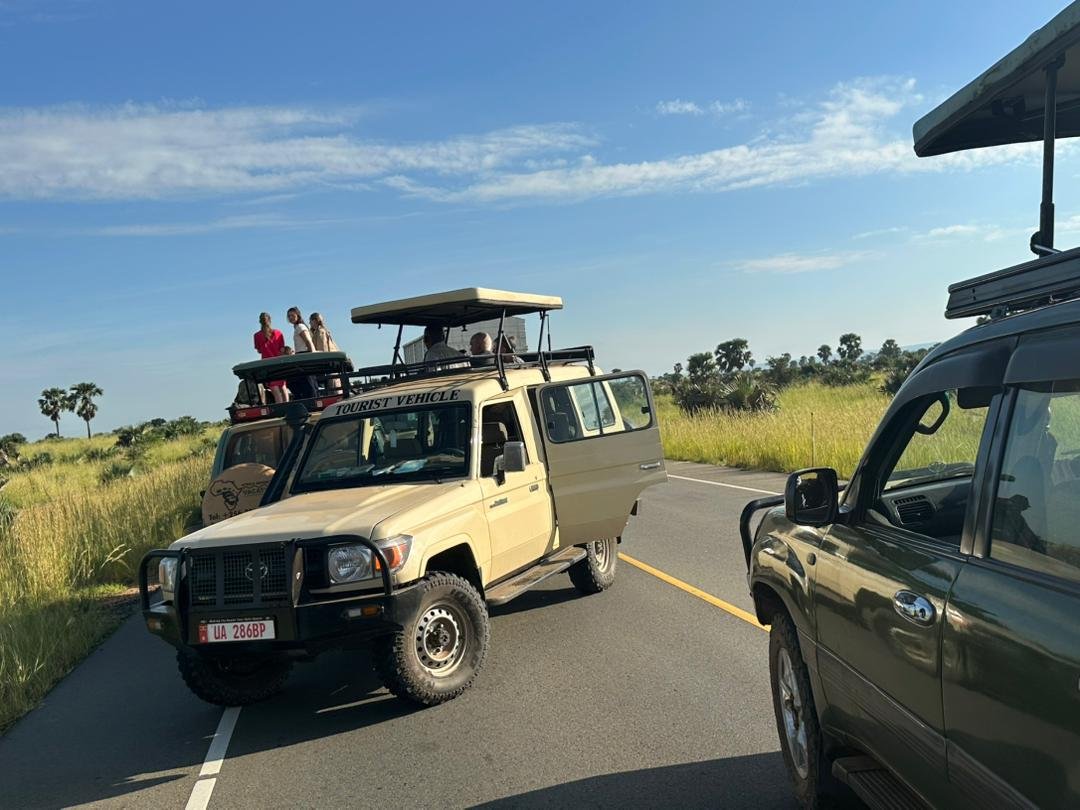
10 Days Uganda Primates and Wildlife
This 10-day Uganda Grand Safari is the most complete Uganda itinerary we offer at Pick and Transfer Safaris. It begins with a scenic northward drive from Entebbe to the vast open plains of Murchison
Tour Details →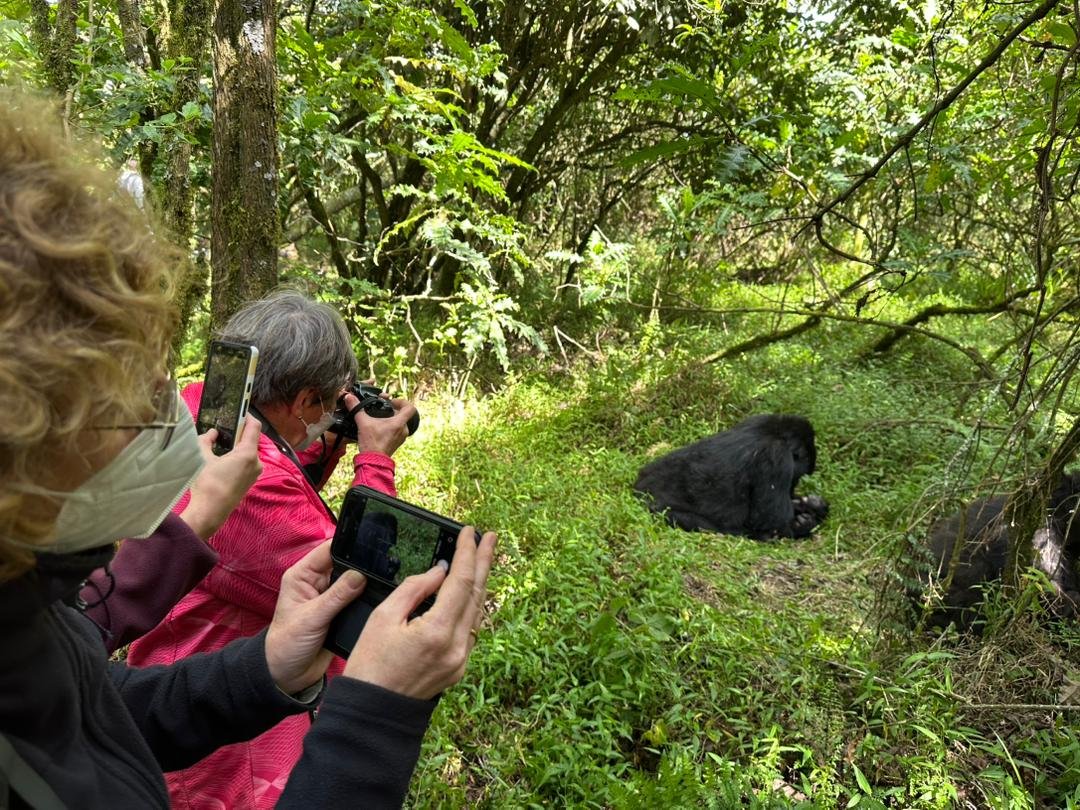
2 Days Uganda Gorilla Tour Starting from Kigali
This is the gentler cousin of our 1-Day Uganda Gorilla Safari Starting from Kigali — same idea, twice the breathing room. Instead of squeezing a 3,000-metre forest trek and two border crossings into a single very long day
Tour Details →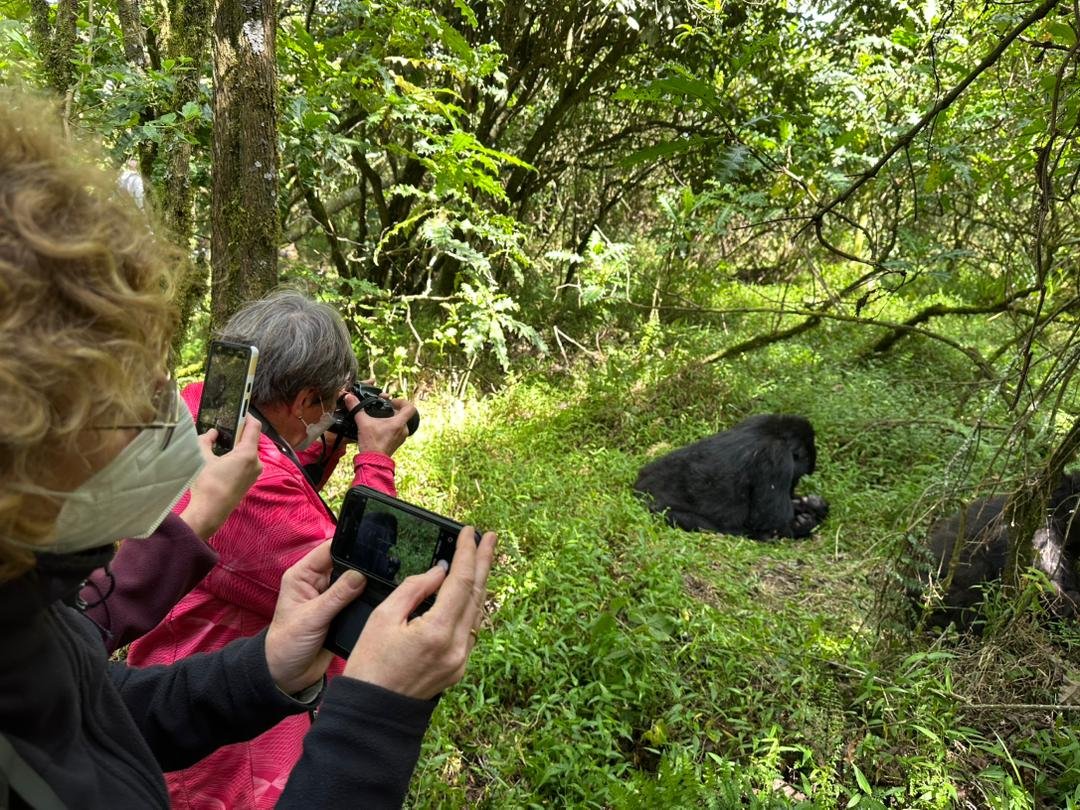
5-Day Uganda Gorilla and Chimpanzee Safari
This itinerary can be combined with a Rwanda extension or a wildlife-focused add-on through Queen Elizabeth National Park — browse our Uganda & Rwanda Safaris and Primate Safaris collections for ideas.
Tour Details →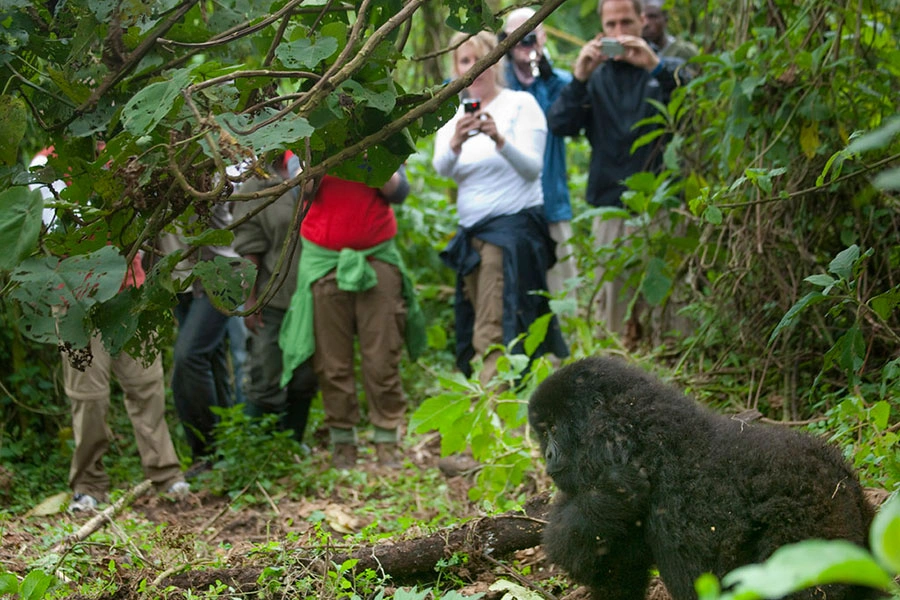
5 Days Rwanda Wildlife and Gorillas
This 5-day itinerary brings together Rwanda’s two flagship wildlife experiences: open savannah game drives and a boat safari in Akagera National Park, followed by a face-to-face encounters
Tour Details →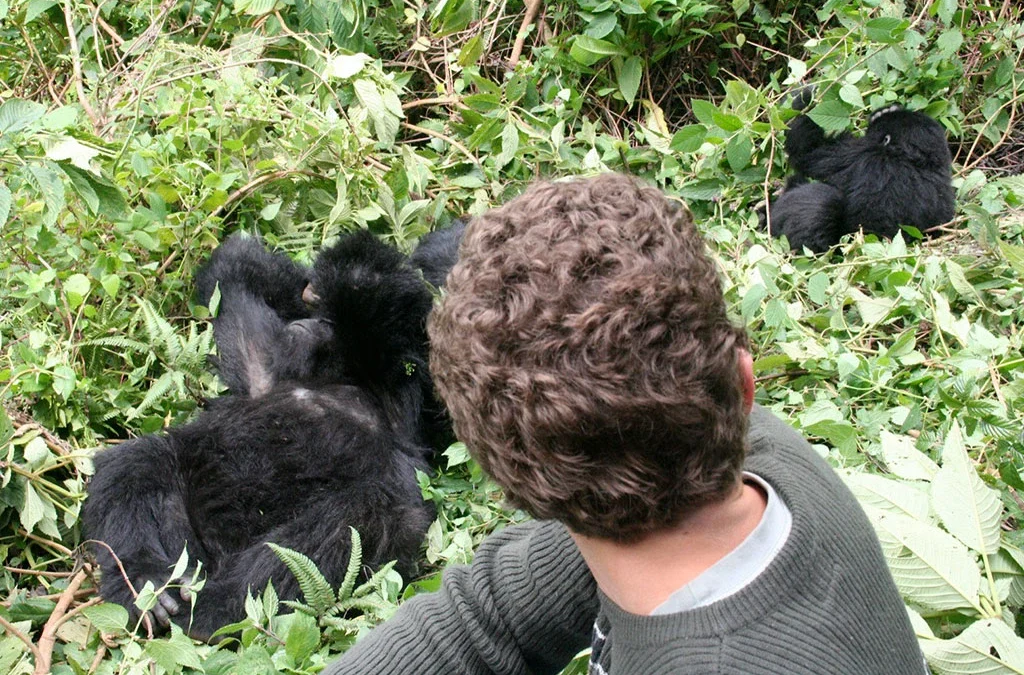
3 Days Uganda Gorilla Safari
For travelers who arrive in Entebbe with a tight schedule and a clear ambition, a 3-day gorilla safari to Bwindi Impenetrable Forest National Park is the most focused and rewarding short trip the country has to offer.
Tour Details →Whichever structure you choose, the key planning principle is the same: decide on your gorilla or golden monkey trekking dates first, since permits are the least flexible part of the trip, and then slot the Lake Bunyonyi stop in around them rather than the other way around.
Where to Stay Around Lake Bunyonyi
Accommodation around the lake spans a wide range, from simple backpacker-style island camps accessible only by canoe to more comfortable lakeside lodges with private decks and hot showers. Because several properties sit on their own small islands, it’s worth confirming in advance whether your chosen lodge includes canoe or boat transfers from the mainland jetty, since this affects both cost and how easily you can head out for meals or activities elsewhere on the lake.
Travelers combining the lake with gorilla trekking often prefer accommodation on the mainland shore closer to the road leading toward Bwindi, which shaves meaningful time off an already long travel day, while those treating Lake Bunyonyi as a dedicated relaxation stop tend to prefer the quieter, more secluded island properties. A knowledgeable operator will typically ask which of these two priorities matters more to you before recommending a specific lodge.
Booking directly with individual lodges is possible, but most travelers combining the lake with a gorilla trekking transfer find it simpler to let their tour operator handle lodge selection and payment as part of the overall itinerary. This avoids the coordination hassle of separately confirming boat transfers to an island property, which can otherwise become a logistical headache if arrival timing shifts due to border delays or a longer-than-expected gorilla trek earlier that day.
Best Time of Year to Visit Lake Bunyonyi
Lake Bunyonyi can be visited comfortably at any time of year, since its appeal doesn’t depend on trekking conditions the way gorilla safaris do. That said, most travelers still align their visit with Uganda’s two dry seasons — June to September and December to February — simply because these are also the peak months for gorilla trekking, and most Lake Bunyonyi visits happen as part of a combined itinerary rather than a standalone trip.
The wetter months of March to May and October to November bring lush, vividly green terraced hillsides and fewer visitors, which can make for particularly striking photography, though canoe trips and island walks are best planned around the heavier afternoon downpours typical of this period. Because the lake sits at a cooler, higher altitude than much of Uganda’s savannah country, evenings can feel chilly year-round, so packing a warm layer is worth doing regardless of season.
Travelers planning around a specific gorilla trekking date should treat that permit date as fixed and build the Lake Bunyonyi stop around it, since permits are booked well in advance and rarely rescheduled at short notice, whereas lodge availability at the lake tends to be far more flexible even during peak months. In practice, this means the “best” time to visit Lake Bunyonyi for most travelers is simply whichever window aligns with their already-confirmed gorilla trekking dates.
What to Pack for a Lake Bunyonyi Trip
Packing for Lake Bunyonyi is considerably lighter than packing for gorilla trekking, but a few items make a noticeable difference to comfort, especially since this leg of the trip is usually sandwiched between a border crossing and a physically demanding gorilla trek rather than experienced as a fully separate holiday:
- A warm fleece or light jacket for cool evenings at altitude, even during the dry season.
- Swimwear, since the lake is safe for swimming directly from most lodge docks.
- Comfortable walking shoes for hillside nature walks and viewpoints.
- A reusable water bottle and basic sun protection for canoeing and boat trips.
- A dry bag or waterproof phone case if you plan to canoe between islands.
- Binoculars, if birdwatching along the lake’s wetland fringes is a priority.
- A small first-aid kit and any personal medication, since pharmacies near the lake are limited compared to Kigali or Kampala.
Travelers coming straight from gorilla trekking should also plan to air out and, where possible, wash trekking clothes and boots before repacking them, since a day or two spent relaxing at Bunyonyi is a natural opportunity to sort gear before continuing onward, whether that means heading back to Kigali or on to another park.
Choosing a Safari Company for Your Kigali–Bunyonyi Trip
Because this route crosses an international border and typically connects directly into a gorilla trekking itinerary, the same criteria that matter for choosing a gorilla safari company apply here: verifiable local experience, transparent pricing that clearly separates transport, accommodation, and any park or activity fees, and a driver-guide familiar with both the Gatuna–Katuna crossing and the specific roads leading down to the lake’s various lodges.
Operators such as Pick and Transfer Safaris are well positioned for this exact route, since their business is built specifically around Kigali-based transfers into southwestern Uganda, and their contact page allows travelers to request a custom itinerary that folds a Lake Bunyonyi stop into an existing gorilla trekking booking rather than treating it as an unrelated add-on. Their about page outlines the same border-corridor expertise that makes this specific route work smoothly, since the same logistical know-how used for cross-border gorilla trekking transfers applies directly to a Kigali–Bunyonyi trip.
For travelers researching broader regional options, Kenlink Tours’ Uganda safari experiences overview and its article on the most popular places to visit in Uganda are useful references for seeing how Lake Bunyonyi compares against the country’s other leading attractions when planning a longer trip. Its about page and Uganda safaris hub are also worth a look for travelers comparing multiple operators before booking, since both give a sense of the company’s overall route depth beyond this single itinerary.
How Much Does a Trip from Kigali to Lake Bunyonyi Cost?
Costs for this route vary mainly with three factors: the vehicle and driver-guide arrangement, the accommodation tier chosen at the lake, and whether the trip is booked as a standalone transfer or bundled into a larger gorilla trekking package. A private transfer with an experienced driver typically costs more per day than a shared shuttle but saves considerable time and hassle at the border, which most travelers on a tight gorilla trekking schedule consider well worth the difference.
Accommodation at Lake Bunyonyi itself ranges from budget-friendly island camps to considerably pricier lakeside lodges, and because the lake is usually visited as part of a longer itinerary, most operators will quote it as one line item within a broader package rather than as an isolated cost. As with any multi-day safari, requesting an itemized breakdown — transport, accommodation, meals, and any activity fees such as canoe hire or a guided island tour — makes it far easier to compare quotes from different companies fairly.
Travelers looking to reduce costs without cutting the trip short can look at a handful of practical levers: choosing a mainland lodge over a pricier island property, opting for a shared canoe excursion rather than a private motorboat cruise, and timing the visit to overlap with an already-planned gorilla trekking transfer rather than booking a separate dedicated trip to the lake. Because the marginal cost of adding a night at Bunyonyi onto an existing Kigali-to-Bwindi transfer is usually far lower than booking it as a standalone excursion, most travelers find it more economical to fold it into a broader itinerary than to treat it as an isolated add-on.
Responsible Tourism Around Lake Bunyonyi
The terraced hillsides surrounding Lake Bunyonyi are farmed by local Bakiga communities, and much of the area’s tourism economy is built around small, locally owned lodges, canoe operators, and guides rather than large international chains. Choosing locally owned accommodation and hiring local canoe guides for island visits channels tourism revenue directly into the surrounding community, which is a meaningful way to support the region beyond simply enjoying its scenery.
Given the lake’s ecological sensitivity, travelers are also encouraged to avoid disturbing wetland bird habitats along the shoreline, use reef-safe or biodegradable toiletries where possible since the lake is a swimming destination, and be mindful when visiting sites like Punishment Island, which carries real historical weight for local communities and is best approached as a place for reflection rather than casual photography.
Supporting the lake’s terracing farmers directly — by buying produce or crafts at local markets in Kabale, or choosing lodges that source food from nearby smallholder farms rather than trucking in supplies from Kampala — is another small but meaningful way visitors can contribute to the local economy rather than having tourism revenue flow entirely to outside operators. Many of the lake’s community-based tourism initiatives were established specifically to keep a larger share of visitor spending within the surrounding villages, and choosing to engage with them is a straightforward way to travel more responsibly without any extra cost or effort.
Frequently Asked Questions About Visiting Lake Bunyonyi from Kigali
How long does it take to travel from Kigali to Lake Bunyonyi?
The drive typically takes four to five hours including the border crossing, depending on traffic, road conditions, and how long immigration processing takes at Gatuna–Katuna.
Do I need a visa to cross from Rwanda into Uganda for this trip?
Most travelers need either a East Africa Tourist Visa (if planning to also visit Kenya) or a single-entry Uganda visa. Requirements vary by nationality, so confirm current visa rules well before your trip.
Is it safe to swim in Lake Bunyonyi?
Yes. Unlike most major East African lakes, Bunyonyi has no bilharzia or crocodiles, and swimming directly from lodge docks is a common, safe activity.
Can I visit Lake Bunyonyi without also doing gorilla trekking?
Yes, though most travelers combine the two since the lake sits so close to Bwindi and Mgahinga. A standalone visit is entirely possible if gorilla trekking isn’t part of your plans.
How many days should I spend at Lake Bunyonyi?
One full day is usually enough to canoe, visit an island or two, and relax, though two nights allow for a more unhurried pace, particularly if combined with a nature walk or birdwatching outing.
Is Lake Bunyonyi accessible year-round?
Yes, the lake is accessible in all seasons, though some access roads to individual lodges can become slippery during the heavier rains of March to May and October to November.
Can I book a Kigali-to-Bunyonyi transfer separately from a gorilla trekking package?
Yes, a standalone transfer is possible, though most operators offer better value and smoother logistics when the trip is booked as part of a wider gorilla trekking or wildlife itinerary rather than as an isolated one-way transfer.
Is Lake Bunyonyi suitable for families with children?
Yes, the calm, safe swimming water and gentle canoe activities make it one of the more family-friendly stops on a Uganda or Rwanda itinerary, particularly compared to the more physically demanding gorilla trekking hikes.
Final Thoughts: Planning Your Lake Bunyonyi Trip from Kigali
Visiting Lake Bunyonyi from Kigali is one of the easiest and most rewarding additions to an East African itinerary, whether you’re using it as a restorative stop before or after gorilla trekking, or as a scenic destination in its own right. The trip requires only a straightforward border crossing, a comfortable four-to-five-hour drive, and a little advance planning around accommodation and, if relevant, your gorilla trekking permit dates. Get those two or three details right — border timing, lodge selection, and how the lake fits around your trekking permit — and Lake Bunyonyi delivers an outsized amount of scenery and relaxation for a relatively small amount of extra planning effort.
Ready to add Lake Bunyonyi to your trip? Explore gorilla safari packages that can be customized to include a lakeside stop, browse Uganda and Rwanda destinations, or get in touch for a personalized Kigali-to-Bunyonyi itinerary.