- LET'S PLAN YOUR SAFARI
- +256 200 921 002
- +256 793 194 703
- info@pickandtransfersafaris.com

Weekend Uganda Gorilla Trek from Kigali
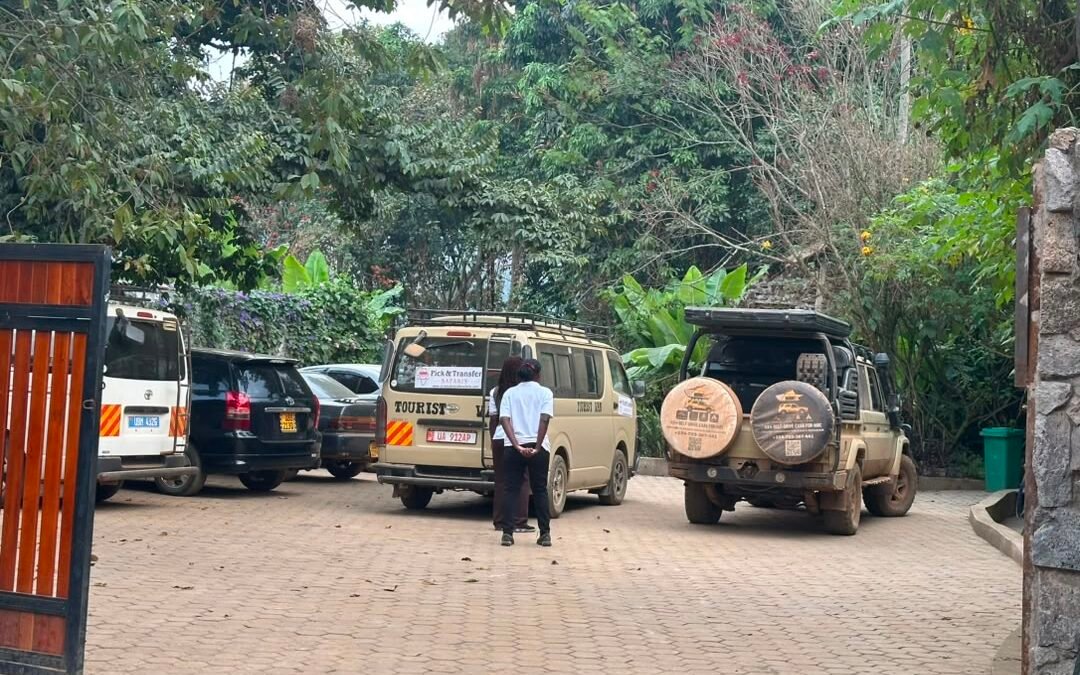
Weekend Uganda Gorilla Trek from Kigali. You don’t need two weeks off work to stand in front of a wild mountain gorilla. For residents of Kigali, expats posted in Rwanda, and international travelers who can only spare a Saturday and Sunday, a weekend Uganda gorilla trek from Kigali has become one of the most popular short breaks in East Africa. It sounds ambitious — a border crossing, a rainforest hike, and a return trip, all inside 48 to 72 hours — but with the right route and a tightly planned schedule, it is genuinely doable, and thousands of travelers do exactly this every year.
This guide breaks down how to make a weekend gorilla trek from Kigali actually work: which route to take, how tight the timing really is, what a realistic Friday-to-Sunday (or Thursday-to-Monday) schedule looks like, and how to avoid the common mistakes that turn a relaxing short break into a stressful scramble. Pick and Transfer Safaris runs this exact trip regularly for Kigali-based clients, and this article distills that operational experience into a practical planning resource you can use before you book.
We’ll cover the two realistic route options in detail, walk through exactly how much of your Saturday and Sunday gets eaten up by driving versus trekking, and lay out a full cost picture so there are no surprises once you’re already on the road. If you’ve been putting off a gorilla trek because you assumed it required a full week of leave, this is the itinerary format built specifically to prove that assumption wrong.
Is a Weekend Uganda Gorilla Trek from Kigali Actually Possible?
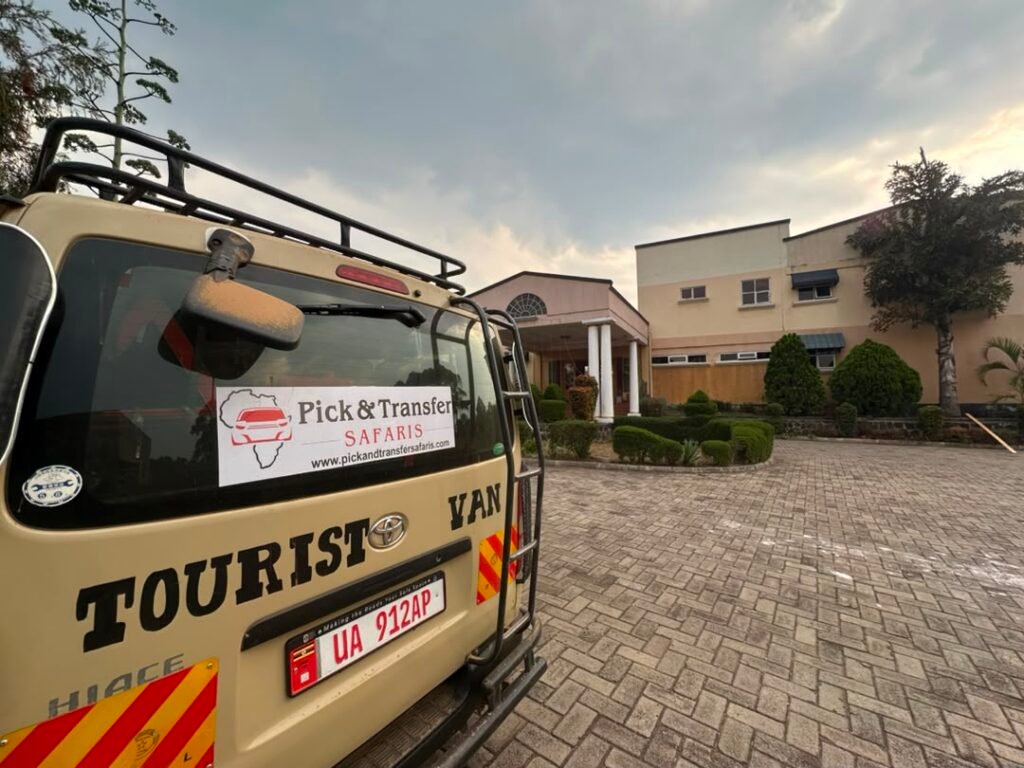
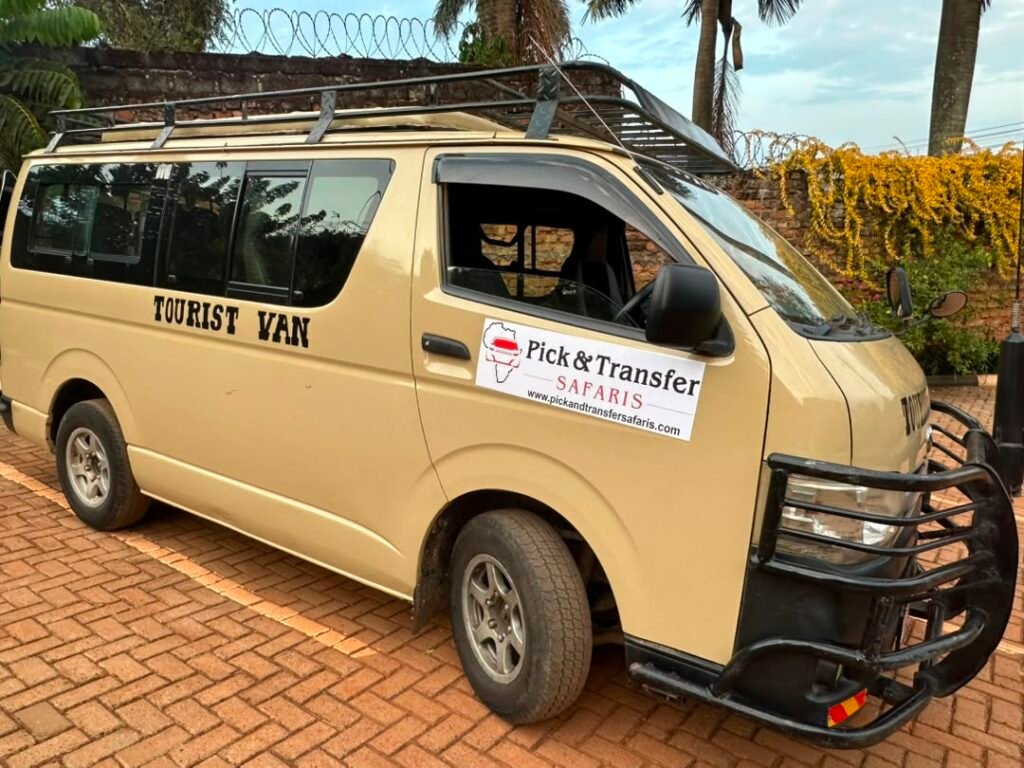
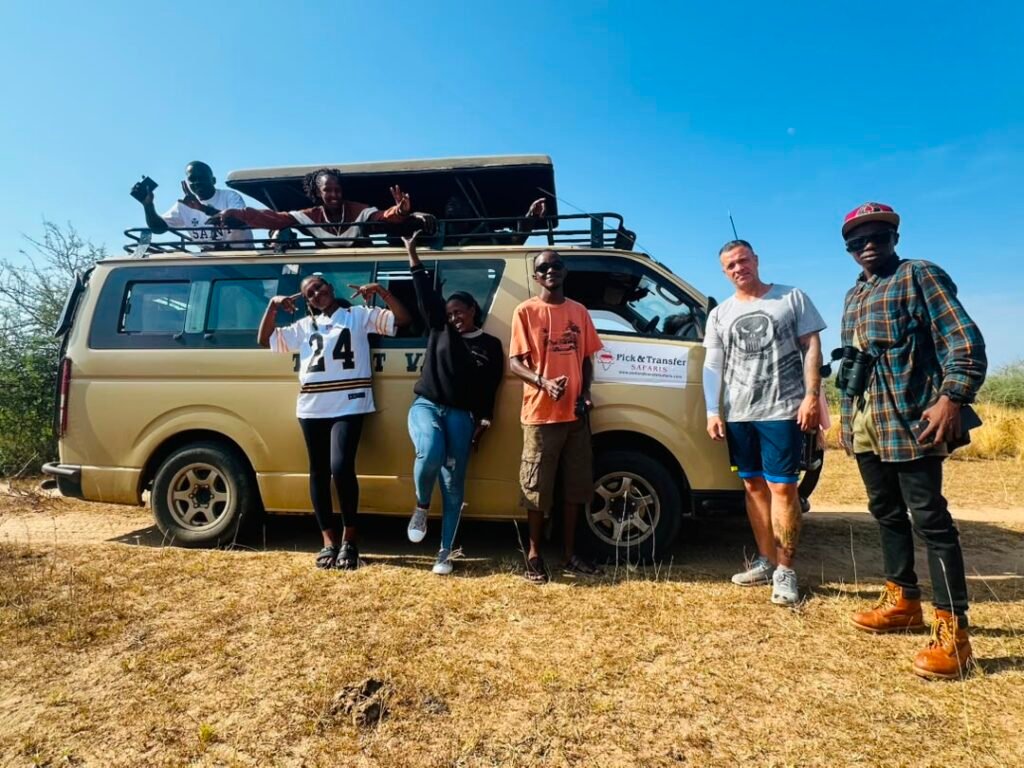
The honest answer is yes, but it depends entirely on which route and which Bwindi sector you choose. Uganda’s Bwindi Impenetrable Forest National Park has four trekking sectors, and they are not equally close to Kigali. The northern Buhoma sector, reached via the Katuna/Gatuna border, sits six to seven hours from Kigali by road — comfortable for a three- or four-day trip, but tight for a strict two-day weekend. The southern sectors, Rushaga and Nkuringo, reached via the faster Cyanika border near Kisoro, sit only four to five hours from Kigali, making them the far more realistic choice when your entire trip has to fit between a Friday evening and a Sunday night.
The key to a successful weekend trek is accepting this trade-off upfront rather than discovering it the hard way mid-trip. If your absolute priority is minimizing travel time, the southern sectors near Kisoro should be your default choice. If Buhoma specifically is non-negotiable — because of its gorilla families, its lodges, or simply because it’s the sector everyone talks about — plan for a long weekend with an extra day rather than a strict Saturday-Sunday trip.
There’s a second factor that shapes feasibility just as much as distance: your gorilla permit date has to be fixed and confirmed before you can lock in flights, time off, or a driver. Because permits are allocated per sector per day by the Uganda Wildlife Authority, the sector you can get a permit for on your specific weekend may end up dictating your route more than personal preference does. Building flexibility into which sector you’re willing to trek, rather than fixating on one from the start, meaningfully increases the odds of finding an available Saturday permit close to your preferred dates.
Why Kigali Is the Perfect Weekend Gorilla Trek Base
Kigali’s appeal as a weekend base comes down to logistics most travelers underestimate until they compare it directly to flying via Entebbe. Kigali International Airport has strong regional and international connections, the city itself is compact, clean, and easy to move through quickly, and — critically for a weekend trip — it sits noticeably closer to Bwindi’s trailheads than Uganda’s own capital does. A traveler flying into Entebbe faces a longer overland journey to reach Bwindi than one flying into Kigali, which is precisely why so many short-break itineraries are now built around a Rwandan entry point even though the trek itself happens in Uganda.
For Kigali-based expats and regional business travelers, the advantage is even more direct: no flight required at all, just a Friday afternoon pickup and a drive that starts the adventure the moment the workweek ends. This is the single biggest reason a gorilla safari built around a Kigali start has become the default weekend escape for the international community living in Rwanda.
Choosing Your Sector: Southern Bwindi via Cyanika vs. Buhoma via Katuna
Every weekend itinerary starts with this decision, so it’s worth understanding both options clearly. The Cyanika border route runs from Kigali through Musanze to Cyanika, then on to Kisoro town, a journey of roughly 170 to 200 kilometers and four to five hours. This route delivers you to the Rushaga and Nkuringo trailheads, both known for excellent gorilla family diversity, dramatic Virunga-adjacent scenery, and — for Nkuringo in particular — some of the most physically rewarding views in the entire park.
The Katuna/Gatuna border route covers 230 to 250 kilometers and takes six to seven hours, delivering you to Buhoma, the park’s original and most established trekking sector. Buhoma has gentler terrain, the widest range of accommodation, and the richest trekking history, including Mubare, the first gorilla family ever habituated for tourism. For a true weekend, the extra two hours each way is the difference between a relaxed Saturday trek and a genuinely rushed one, so most operators steer time-constrained travelers toward the southern sectors and save Buhoma for a trip with an extra day built in.
The Fast Route: Kigali to Southern Bwindi via Cyanika for a True Weekend
If your dates are fixed to a Saturday and Sunday with no flexibility, the Cyanika route is the one to build your trip around. Leaving Kigali by early Friday afternoon, you can reach Kisoro or the lodges around Rushaga and Nkuringo by early evening, in time for dinner and an early night before Saturday’s trek. The border itself typically processes travelers in fifteen minutes to an hour, and the road is a mix of well-maintained tarmac and good gravel, passing spectacular views of the Virunga volcano chain along the way.
This route also opens the door to a bonus stop many weekend travelers overlook: Mgahinga Gorilla National Park, Uganda’s smallest park, sits directly along this corridor and offers golden monkey trekking as a shorter, less strenuous add-on if you have even an hour or two of flexibility on either end of your trip.
The Buhoma Option: When a Long Weekend Beats a Tight One
If Buhoma is where you want to trek — and there are good reasons to want that, from its gentler terrain to its more developed lodge scene — the honest recommendation is to extend your weekend by a single day rather than force the Katuna route into a strict 48-hour window. Leaving Kigali Thursday evening or very early Friday morning gives you a comfortable, unhurried drive to Buhoma, a full Saturday for trekking, and a relaxed Sunday return, without the rushed feeling that comes from driving six to seven hours immediately before or after a demanding forest hike.
Itineraries like the 2 Days Uganda Gorilla Tour Starting from Kigali and the slightly longer 3 Days Uganda Gorilla Safari from Rwanda are built precisely around this trade-off, giving travelers the option to choose the pace that matches how much of their weekend — or long weekend — they’re willing to spend on the road.
Sample Weekend Itinerary: Friday Evening to Sunday Night
Here is what a tightly run, Cyanika-route weekend actually looks like in practice. Friday: an early afternoon pickup in Kigali, the drive to the border and on to your lodge near Kisoro, arriving in time for dinner and a briefing on the next day’s trek. Saturday: an early wake-up, the park headquarters briefing around 7:30 a.m., the forest trek itself — typically two to five hours depending on where your assigned gorilla family is nesting — the unforgettable hour with the gorillas, and a return to the lodge by mid-afternoon for a well-earned rest. Sunday: an unhurried morning, the drive back across the border to Kigali, arriving with enough daylight left for dinner in the city or a direct connection to an evening flight home.
This schedule is genuinely tight, and it leaves almost no buffer for delays, so travelers running it should build in realistic expectations rather than a packed sightseeing agenda around the trek itself. For anyone who can shift their departure to Thursday evening instead, the same route becomes considerably more relaxed, with a full extra day to recover, explore Kisoro town, or add the Mgahinga golden monkey trek mentioned earlier.
It’s worth noting where the real risk sits in this schedule: not the trek itself, but the Friday departure time. Leaving Kigali even ninety minutes later than planned — a delayed flight connection, a slow office afternoon, traffic leaving the city — can push your border crossing past sunset and your arrival at the lodge uncomfortably late before an early trekking start. Building a firm, protected Friday departure window into your plans, and communicating it clearly to your driver in advance, is the single most effective thing you can do to keep this itinerary on track.
Border Crossing and Visa Essentials for a Quick Trip
A weekend trip leaves no room for visa surprises, so this is the one area worth double-checking well before your departure date. Both the Cyanika and Katuna border posts operate daily from roughly 6:00 a.m. to 6:00 p.m., and you will need a passport valid for at least six months, a valid Uganda visa or East African Tourist Visa, and a yellow fever vaccination certificate, checked at the crossing.
The East African Tourist Visa, priced around US$100, is the clear choice for a weekend trip specifically because it allows multiple entries between Uganda, Rwanda, and Kenya within its 90-day validity — meaning you can cross into Uganda for your trek and back into Rwanda on the same visa without any additional paperwork or fees. Apply for this visa in advance online; arriving at a land border without it, expecting an on-the-spot alternative, is the single most common way a weekend trip gets derailed before it even starts. Confirm the latest requirements with your operator through Contact Us when you book.
2026 Gorilla Permit Prices and Last-Minute Booking Tips
Permit pricing works the same for a weekend trip as it does for any other Bwindi visit: US$800 per person for foreign non-residents trekking in Uganda in 2026, compared to US$1,500 for a Rwandan permit in Volcanoes National Park. This price gap is a major reason weekend travelers based in Kigali choose to cross into Uganda for their trek rather than trek on the Rwandan side despite the shorter distance to Volcanoes National Park itself.
The catch with a weekend trip is timing: permits must be booked and paid for in advance through the Uganda Wildlife Authority, and popular sectors sell out weeks or months ahead during peak season, so “last-minute” for gorilla trekking rarely means the same week. If your weekend dates are flexible, checking scheduled group departures that already hold confirmed permits on fixed dates is often the fastest way to secure a spot without a long lead time, since these join-in departures are pre-booked and simply need travelers to fill the remaining seats.
During the June–September and December–February dry seasons, aim to lock in a weekend permit at least two months ahead if you have a specific date in mind. During the quieter shoulder months, a few weeks’ notice is often enough, and permit availability across both Buhoma and the southern sectors tends to be noticeably more forgiving.
What to Pack for a Fast-Paced Weekend Trek
Packing light matters more on a weekend trip than a longer safari, since you’ll likely be living out of a single overnight bag for the whole journey. The non-negotiables stay the same as any Bwindi trek: sturdy waterproof hiking boots, long trousers and a long-sleeved shirt to guard against nettles and safari ants, a compact rain jacket, and gardening-style gloves for gripping vegetation on steep sections.
Because a weekend schedule leaves no time to shop for forgotten items once you’re on the road, build a simple checklist the week before: passport and visa documents, permit confirmation, yellow fever certificate, a daypack with at least two liters of water and energy snacks, insect repellent, a basic first-aid kit, and a camera or phone with a good zoom lens — flash photography is not permitted near the gorillas. Porters are available to hire at the trailhead for a modest fee and are especially worth it on a weekend trip, since they let you conserve energy for the return drive rather than arriving back in Kigali completely spent.
Weekend Trekking Day: Making Every Hour Count
On a compressed schedule, trekking day is the one part of the trip you cannot rush, even though everything around it is tightly timed. The morning briefing at park headquarters assigns your group to a gorilla family based on overnight tracker reports, and the hike itself can run anywhere from a gentle 45 minutes to a strenuous five or six hours depending on where the family is nesting — a variable that is genuinely outside anyone’s control, including your operator’s.
This is worth internalizing before you commit to a weekend schedule: an unusually long trek can compress your afternoon return time, so build a small buffer into your Saturday evening and Sunday morning plans rather than scheduling anything else immediately afterward. Once you find the family, you get a strict one-hour viewing window, which consistently ranks among travelers’ most powerful wildlife memories regardless of how efficiently the rest of the weekend was run.
Where to Stay for a One- or Two-Night Weekend Trip
Accommodation choice matters more on a weekend trip because you’re optimizing for proximity and a quick turnaround rather than a leisurely multi-night stay. Lodges close to the Rushaga and Nkuringo trailheads, or close to Buhoma park headquarters if you’ve opted for the longer route, cut valuable minutes off your Saturday morning departure and your Sunday start time. A short walk or five-minute drive to the briefing point can be the difference between a calm morning and a stressful one.
Mid-range and community-run lodges tend to suit the weekend pace best, since they’re generally positioned closer to the park gates than some of the more remote luxury properties. When booking through Pick and Transfer Safaris, accommodation is matched to your exact schedule so that drive times to the trailhead are minimized on both trekking morning and departure day.
Who a Weekend Gorilla Trek Is Perfect For
This trip format has a specific, enthusiastic audience. Kigali-based expats and diplomatic staff with limited annual leave use it as a recurring weekend escape, often repeating the trip to visit a different sector or gorilla family. Business travelers passing through Kigali for a conference or work trip frequently tack on a Friday-to-Sunday extension rather than let a rare trip to the region pass without a gorilla encounter. International travelers on a short regional stopover — between longer trips elsewhere in Africa, or connecting through Kigali’s growing flight network — also find the weekend format ideal for fitting gorilla trekking into an otherwise packed schedule.
NGO and aid workers based across the region, university researchers on short placements, and even honeymooners extending a Kigali stopover before a longer trip elsewhere have all become regular weekend trekkers in recent years. What they tend to have in common is a comfort with efficient, well-organized travel — people who are happy to trade a slower pace for maximizing what a short, fixed window of free time can deliver.
What unites all three groups is a willingness to trade a slower, more exploratory pace for a tightly optimized, high-impact trip. If that trade-off doesn’t appeal to you, a longer itinerary with more breathing room is probably the better fit — but for the traveler who genuinely only has a weekend, this format delivers the full gorilla trekking experience without requiring a week of annual leave.
First-time visitors to the region occasionally worry that a rushed schedule means a lesser experience, but that hasn’t been the pattern operators actually see. The hour with the gorillas is identical whether you arrived after a two-hour flight and a four-hour drive or after a leisurely week of overland travel — the forest, the family, and the encounter itself don’t change based on how efficiently you got there. You can read more about the team’s approach and experience running trips across both countries on the About Us page.
How a Weekend Trek Compares to a Full Week-Long Safari
It’s worth being clear-eyed about what a weekend format gives up compared to a longer trip, so you can decide with full information rather than discover the trade-offs mid-journey. A full week-long safari allows time to combine gorilla trekking with savannah wildlife viewing at Queen Elizabeth National Park, chimpanzee tracking, boat cruises, and multiple nights at each stop without the constant pressure of a return deadline. Itineraries like the 5-Day Gorilla and Chimpanzee Safari showcase how much more ground — literally and figuratively — you can cover once the two-day time constraint is lifted.
What the weekend format gives you in return is frequency and flexibility. Rather than saving all your annual leave for one big trip, a weekend trek lets you fit a world-class wildlife experience into an ordinary month, repeat it for a different gorilla family or sector later in the year, and treat it the way someone might treat a weekend hiking trip rather than a once-in-a-lifetime pilgrimage. For many Kigali-based travelers, the real answer isn’t choosing one format over the other — it’s doing a weekend trek now and planning a longer, more exploratory safari for a future holiday.
Exploring Kisoro and Lake Mutanda if You Have an Extra Hour
If your weekend schedule has even a sliver of flexibility, the area around Kisoro rewards a short detour. Lake Mutanda, a short drive from town, offers calm water views framed by the Virunga volcanoes and is a popular spot for a quiet coffee or a short canoe outing before or after your trek — a low-effort way to decompress that doesn’t eat meaningfully into your schedule. Kisoro town itself has a handful of good local restaurants ideal for a relaxed dinner the night before trekking day, when you want a solid meal without a long wait.
None of this is essential, and a strict two-day weekend may not have room for it at all, but travelers who build in even a single extra hour — by leaving Kigali slightly earlier on Friday, for instance — consistently say it made the trip feel less like a sprint and more like a genuine short holiday. It’s a small planning decision worth weighing against your actual Friday afternoon availability.
Combining Your Weekend Trek with a Quick Rwanda Add-On
If your weekend has even a little flexibility, pairing the Uganda trek with a short Rwanda experience before or after makes efficient use of the Kigali base. A half-day at Kigali City’s genocide memorial, craft markets, and restaurant scene fits naturally into a Friday morning before your afternoon departure, or a Sunday evening before a late flight out. Travelers with a slightly longer window sometimes swap the Uganda leg for the 2 Days Volcanoes Gorilla Trek from Kigali instead, trading Uganda’s lower permit price for Rwanda’s shorter drive time and comparing the two experiences on separate weekends.
For travelers who want to sample both countries without committing to a full week, independent itineraries such as Kenlink Tours’ 2-Day Uganda Gorilla Safari Starting from Kigali and their 2-Day Rwanda to Uganda Gorilla Trekking Safari are useful references for how tightly a cross-border weekend can realistically be scheduled.
Budgeting for a Weekend Uganda Gorilla Trek
A weekend trip concentrates the same core costs as a longer trek into a shorter timeframe, which actually makes budgeting simpler. The gorilla permit remains the largest expense at US$800 per person. Ground transport for the Kigali round trip is typically quoted as a package rate for the vehicle, driver, and fuel rather than a daily fee, since the itinerary is short and fixed. One or two nights of accommodation, generally in the US$60 to US$150 per person per night range for comfortable mid-range lodges near the trailhead, rounds out the bulk of the cost.
Add the East African Tourist Visa if needed, a porter tip of roughly US$15 to US$20, and meals, and a realistic per-person budget for a weekend trek — permit included — typically lands somewhere between US$1,000 and US$1,300 depending on lodge choice and group size. Traveling with a group of friends or colleagues brings this down meaningfully, since transport costs are shared; group tour pricing illustrates how quickly the per-person cost drops as group size increases. For a tailored quote against your specific weekend dates, request a breakdown through the Our Safaris page.
It’s worth budgeting slightly above your initial estimate rather than exactly to it, since weekend trips have less room to absorb small surprises — a slightly higher fuel surcharge, a lodge’s weekend rate, or an unplanned meal stop — that a longer trip’s larger overall budget would simply absorb without notice. A ten to fifteen percent buffer above your core estimate is a sensible rule of thumb specifically for this shorter, more schedule-sensitive trip format.
Tips to Avoid Weekend Trip Stress
A handful of small planning decisions separate a smooth weekend trek from a stressful one. Book your permit and transport at least four to six weeks ahead even for a “spontaneous” weekend, since the trip’s tight schedule leaves zero room for a permit shortage to force a date change. Choose the southern sector via Cyanika unless you have a strong reason to prefer Buhoma, and if Buhoma is essential, extend to a long weekend rather than fighting the extra drive time.
Pack the night before rather than the morning of departure, confirm your visa status a week ahead rather than at the border, and resist the temptation to add extra sightseeing stops on the way there — save any extra activities, like the Mgahinga golden monkey trek or a Kigali city tour, for the return leg once the physically demanding part of the trip is behind you. Finally, build a small time buffer into your Sunday return in case your Saturday trek runs long; arriving back in Kigali later than planned is far more common than arriving early.
It also pays to communicate clearly with your workplace or hosts before you leave. Weekend gorilla treks occasionally run slightly over schedule for reasons entirely outside anyone’s control — a longer trek, brief border delays, or unpredictable weather on the return drive — so setting expectations that you might arrive back Sunday evening rather than Sunday afternoon, and keeping Monday morning relatively light if possible, removes a significant source of unnecessary stress from what should be an exciting short break rather than a race against the clock.
Health and Fitness Considerations for a Rushed Trip
A compressed schedule adds a layer of physical demand on top of the trek itself, since you’re combining long drives with a strenuous hike and less recovery time than a longer trip would allow. Travelers with any underlying health conditions should factor this into their decision, and everyone should prioritize sleep on the Thursday or Friday night before departure rather than treating the drive as an opportunity to catch up on rest.
As with any Bwindi trek, anyone showing symptoms of a cold, flu, or other contagious illness on trekking day will be asked to sit out, since gorillas are highly susceptible to human respiratory illnesses — a real risk to plan around on a schedule with no spare day to reschedule. Children under 15 are not permitted to trek. Travel insurance covering emergency medical evacuation is essential for any Bwindi trip, and doubly so for a weekend format where there is little slack to absorb an unexpected delay.
It also helps to arrive at the trailhead already hydrated and well-fed rather than relying on the drive itself for rest, since the combination of altitude, humidity, and physical exertion catches out even fit travelers who treat the trek as an afterthought to the driving. A short, easy walk on the Friday evening you arrive — even just around the lodge grounds — can help you acclimatize slightly and sleep better before the more demanding Saturday ahead.
Sample 2-Day vs. 3-Day Weekend Options Compared
For travelers weighing exactly how much time to commit, it helps to see the two most common weekend formats side by side. A strict two-day trip, departing Friday afternoon and returning Sunday night, works best via the Cyanika route to Rushaga or Nkuringo, delivers one trek and minimal buffer time, and suits travelers who genuinely cannot take a weekday off. A three-day version, departing Thursday evening or early Friday and returning Sunday, comfortably accommodates the longer Katuna route to Buhoma, allows time for an additional activity like a waterfall walk or Batwa cultural visit, and leaves a realistic buffer if the trek itself runs long.
Both formats are represented in ready-made itineraries: the tighter 1 Day Uganda Gorilla Safari Starting from Kigali pushes the concept to its absolute limit for travelers with almost no spare time, while the 2 Days Uganda Gorilla Tour Starting from Kigali and 3 Days Uganda Gorilla Safari from Rwanda offer the more comfortable middle ground most weekend travelers end up choosing. Reviewing Kenlink Tours’ 3-Day Uganda Gorillas Safari and their 3-Day Bwindi Gorilla Safari Starting from Kigali alongside your own options is a useful way to sanity-check pacing before you commit to dates.
Frequently Asked Questions About the Weekend Gorilla Trek from Kigali
Can I really trek gorillas in a single weekend from Kigali? Yes, provided you choose the southern Bwindi sectors (Rushaga or Nkuringo) via the Cyanika border, which cuts total drive time to around four to five hours each way. Buhoma is reachable too, but comfortably fits a long weekend better than a strict two-day trip.
Which border should I use for the fastest weekend route? Cyanika, near Kisoro, is faster than Katuna/Gatuna by roughly two hours each way, making it the default choice for southern-sector weekend trips.
Do I need to book my permit far in advance for a weekend trip? Yes — gorilla permits must be secured through the Uganda Wildlife Authority in advance, and popular dates sell out weeks or months ahead, so “last minute” realistically means four to six weeks out, not the week of travel, unless you can join a pre-booked scheduled departure.
How much should I budget for a weekend gorilla trek from Kigali? Expect roughly US$1,000 to US$1,300 per person including the US$800 permit, transport, one or two nights of accommodation, and incidentals, with meaningful savings available when traveling as a group.
Is a weekend trek too rushed to be enjoyable? Most travelers who complete it describe it as intense but entirely worthwhile — the trade-off is a tightly scheduled trip in exchange for not needing to use a full week of vacation time for one of Africa’s most memorable wildlife experiences.
Can I do a weekend trek without a private vehicle and driver? It’s technically possible using public transport and shared shuttles between Kigali, the border, and Kisoro, but this adds significant unpredictability to an already tight schedule. Most weekend travelers use a private driver-guide specifically because it removes the risk of missed connections derailing a trip with zero spare days.
What happens if my Saturday trek runs long and I miss my Sunday departure window? This is rare but not impossible, which is exactly why building a buffer into your Sunday plans matters. Operators experienced with weekend itineraries will factor typical trek-length variability into your return timing so a longer-than-average trek doesn’t automatically threaten your flight or Monday morning commitments.
Why Book Your Weekend Gorilla Trek With Pick and Transfer Safaris
A weekend format leaves essentially no room for planning mistakes, which is exactly why working with an operator who runs this specific trip regularly matters more here than on a longer, more forgiving itinerary. Pick and Transfer Safaris coordinates permits, border logistics, and accommodation timed precisely around a Friday-to-Sunday or Thursday-to-Sunday schedule, with drivers who know both the Cyanika and Katuna routes well enough to keep a tight itinerary genuinely relaxed rather than rushed.
Whether you want the fast southern-sector route, the slightly longer Buhoma option with an extra day built in, or a custom schedule built around your specific flight times and workweek, the team can put together a complete weekend plan from a single message. Explore the full range of gorilla safaris and wildlife safaris available from Kigali, browse Destinations to compare sectors and parks, or reach out directly through Contact Us to lock in your weekend gorilla trek before the next batch of permits sells out.
A weekend is a small window of time, but it’s enough. Enough to leave the routine of a normal Friday behind, enough to stand a few meters from a wild mountain gorilla family in the mist of an ancient forest, and enough to be back at your desk Monday morning with a story that most people spend years planning to tell. That’s the real appeal of this itinerary format — not that it’s the easiest way to see the gorillas, but that it’s the way that actually fits into the life most travelers are already living.