- LET'S PLAN YOUR SAFARI
- +256 200 921 002
- +256 793 194 703
- info@pickandtransfersafaris.com

What a Uganda gorilla trekking trip costs in 2026/2027
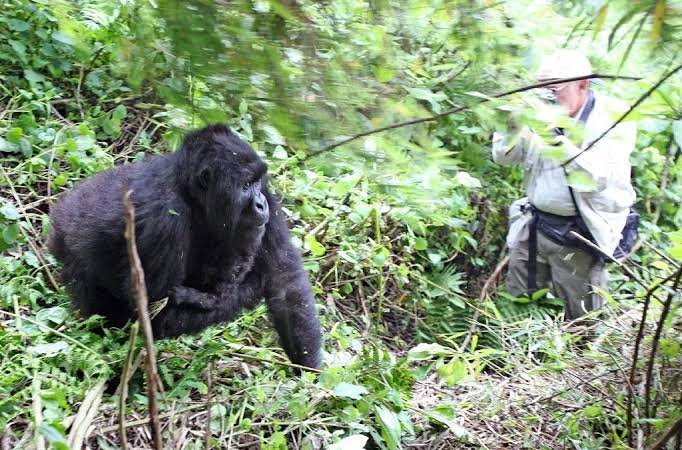
What a Uganda gorilla trekking trip costs in 2026/2027. A Uganda gorilla trekking trip in 2026/2027 typically costs about USD 1,200 to 1,650 per person for a short budget trip, USD 1,400 to 2,150 for mid-range, and USD 2,000 to 4,500 or more for luxury, with the USD 800 gorilla permit as the largest single cost. In the April, May and November low season, the permit drops to USD 600, which can bring a short budget trip down to around USD 1,000 to 1,250.
Those figures are for a typical 2 to 3 day trip with two people sharing a private vehicle. Your own total depends on where you start, how long you stay, the lodges you choose, your group size and the time of year.
Uganda remains the best-value place on Earth to meet mountain gorillas. Its permit costs roughly half of Rwanda’s, and Bwindi Impenetrable National Park holds more habituated gorilla families than any other park. In 2026, the Uganda Wildlife Authority (UWA) also introduced low-season discounts and announced new rates for some activities from 1 January 2027.
In this guide, the team at Pick and Transfer Safaris breaks down every cost: permits, other park fees, transport, lodges, visas, flights, tips, sample budgets, a Uganda versus Rwanda comparison and practical ways to save.
Uganda Gorilla Permit Prices for 2026 and 2027
The standard Uganda gorilla trekking permit stays at USD 800 for foreign non-residents through 2026 and 2027, with a discounted USD 600 permit for treks in April, May and November. The same price applies in both Bwindi and Mgahinga.
Gorilla Trekking Permit Rates
| Visitor category | Standard rate (2026 and 2027) | Low season (April, May, November) |
|---|---|---|
| Foreign non-residents (international visitors) | USD 800 | USD 600 |
| Foreign residents (expatriates in East Africa) | USD 700 | USD 500 |
| Rest of Africa | USD 500 | — |
| East African citizens | UGX 300,000 | — |
In February 2026, UWA confirmed that the gorilla trekking permit price would not change in its revised tariff taking effect on 1 January 2027. You may see older articles claiming the permit would rise to USD 1,000 in 2027; that is not what UWA’s latest announcement says.
What the Permit Includes
- Park entry for your trekking day.
- Ranger guides and gorilla trackers.
- Up to one hour with a habituated gorilla family.
- A contribution to conservation and to communities around the parks.
The permit does not cover transport, accommodation, meals, porters or tips.
Low-Season Permits: The Fine Print
The USD 600 low-season permit is a real saving, especially for couples and families. But low-season permits cannot be rescheduled, so only book them once your travel dates are firm. April, May and November are wetter months, with muddier trails but fewer visitors and very green forests.
Permit Rules That Affect Your Budget
- Trekkers must be at least 15 years old.
- Foreign visitors book permits through licensed tour operators.
- Permits are generally non-refundable, so travel insurance is wise.
- Permits are sector-specific in Bwindi, which affects where you stay and how far you drive.
- Only eight visitors join each gorilla family per day, so book 3 to 6 months ahead for peak months.
Other Permits and Park Fees to Budget For
Beyond the standard trekking permit, the biggest fee changes in 2027 hit the gorilla habituation experience and chimpanzee activities, so book before 1 January 2027 if you want to lock in today’s rates.
Gorilla Habituation Experience
The habituation experience lets you spend up to four hours with a gorilla family that researchers are still getting used to people. It is offered in the Rushaga sector of Bwindi.
| Visitor category | Until 31 December 2026 | From 1 January 2027 |
|---|---|---|
| Foreign non-residents | USD 1,500 | USD 1,800 |
| Foreign residents | — | USD 1,600 |
| Rest of Africa | — | USD 1,000 |
| East African citizens | — | UGX 750,000 |
Chimpanzee Tracking (If You Add Kibale or Kyambura)
Many travellers pair gorillas with chimpanzees in Kibale Forest National Park.
| Activity (foreign non-residents) | 2026 standard | Low season (Apr, May, Nov) | From 1 January 2027 |
|---|---|---|---|
| Kibale chimpanzee tracking | USD 250 | USD 200 | USD 300 |
| Kibale chimpanzee habituation | USD 300 | — | USD 400 |
| Kyambura Gorge chimp tracking | USD 100 | — | USD 200 |
Golden Monkeys and Other Activities
In Mgahinga Gorilla National Park, golden monkey tracking costs far less than a gorilla permit and makes an excellent add-on. Batwa cultural experiences, community walks and canoeing on Lake Bunyonyi are also modestly priced. Confirm current rates when booking.
Park Entry and Vehicle Fees
Your gorilla permit covers park entry on the trekking day. If you add savannah parks, budget for daily park entry. For example, Queen Elizabeth National Park entry is USD 40 per day for foreign non-residents. Privately rented vehicles may also pay vehicle entry fees.
Porters
Porters carry your daypack and help on steep slopes. Expect to pay around USD 15 to 20 per porter for the trek, paid directly at the trailhead. It is money well spent, and it supports local families.
Transport Costs: Getting to the Gorillas
Transport is usually the second-largest cost after the permit, and it depends mostly on where you start: from Kigali, the gorilla parks are 4 to 5 hours away; from Entebbe, they are 9 to 11 hours away, which adds days and fuel.
Private 4×4 with a Driver-Guide
This is the most popular option. A private 4×4 with fuel and a driver-guide is priced per vehicle per day, so sharing it with your travel companions lowers the cost per person. Typical market rates are roughly USD 150 to 250 per vehicle per day, depending on the vehicle and season. Our private trips include this as standard.
Self-Drive Car Rental
Self-drive 4×4 rental is cheaper per day, often around USD 50 to 120 depending on the model, but you pay for fuel and handle the driving yourself. Our sister company Self Drive Safaris Uganda rents well-maintained 4x4s, and Kenlink Tours lists its fleet on its car hire page.
Starting from Kigali vs Entebbe
| Starting point | Drive to southern Bwindi | Minimum trip length | Transport cost impact |
|---|---|---|---|
| Kigali, Rwanda | 4–5 hours | 1–2 days | Lower: fewer driving days |
| Entebbe, Uganda | 9–11 hours | 3 days | Higher: extra days of vehicle hire and fuel |
This is why we specialise in Uganda gorilla safaris starting from Kigali. Fewer driving days mean lower transport costs and less time lost on the road. If you start in Kigali, budget for your visa and a cross-border vehicle fee.
Domestic Flights
Scheduled light aircraft fly from Entebbe to Kihihi and Kisoro airstrips near Bwindi. A flight saves a long drive but costs significantly more than road transport, usually several hundred US dollars per person each way. You still need a vehicle and driver from the airstrip to your lodge.
Shared and Group Options
Joining a scheduled group departure can lower transport costs further, because the vehicle is shared with other travellers. Kenlink Tours, for example, runs group tours. Private trips cost more but give you full flexibility.
Accommodation Costs by Budget Level
Accommodation near Bwindi and Mgahinga ranges from about USD 40 to 120 per person per night for budget options to well over USD 800 at the top luxury lodges, and it is the cost you have the most control over.
| Level | Typical price per person per night (sharing) | What you get |
|---|---|---|
| Budget | USD 40–120 | Simple rooms or bandas, shared or basic en-suite, hearty meals |
| Mid-range | USD 150–350 | Comfortable cottages, en-suite hot showers, good food, views |
| Upper mid-range | USD 350–600 | Stylish lodges, fireplaces, excellent dining |
| Luxury | USD 600–2,000+ | Exclusive eco-lodges, spas, forest-view suites, all-inclusive |
These are typical market ranges, usually on a full-board basis (all meals). Prices vary by lodge, sector and season.
Budget Accommodation
Community-run guesthouses and campsites near Rushaga, Nkuringo and Buhoma offer good value. Many share profits with local schools and conservation projects. They are a smart choice if the gorillas, not the lodge, are your priority.
Mid-Range Lodges
This is where most of our guests stay. Mid-range lodges offer private cottages, hot showers, warm bedding and views across the forest or the Virunga volcanoes. They balance comfort and cost well.
Luxury Lodges
At the top end, exclusive lodges offer suites with fireplaces, spa treatments, gourmet meals and personal service. Prices are high, but so is the experience.
Staying in Kisoro
For Mgahinga, Nkuringo and Rushaga, Kisoro town is a practical, good-value base. Our own Ikoro Hotel stands opposite Nyakabande Airstrip at the foot of the Virunga Mountains, about 15 km from Mgahinga and 36 km from Bwindi.
Match the Lodge to Your Permit
Always stay near the sector on your permit. A cheap lodge in the wrong sector can cost you more in early-morning driving, and risk missing the 7:30 am briefing.
Visas, Vaccinations, Flights and Insurance
Outside the safari itself, budget for your visa, yellow fever vaccination, international flights and travel insurance; these vary by nationality and home country, but they add up and are easy to forget.
Visas
| Visa | Typical cost | Covers |
|---|---|---|
| Uganda tourist e-visa (single entry) | USD 50 | Uganda only |
| East Africa Tourist Visa | USD 100 | Uganda, Rwanda and Kenya, multiple entries for 90 days |
If you start in Kigali, the East Africa Tourist Visa usually works out cheapest and simplest. Uganda visas must be obtained online before travel. Visa fees can change and some nationalities are exempt, so check the official immigration portals before you apply.
Yellow Fever Vaccination
Uganda requires proof of yellow fever vaccination for most visitors. The cost of the vaccine varies widely by country, so check with a travel clinic early. Ask about other recommended vaccines and malaria tablets at the same time.
International Flights
Flights are often the largest cost outside the safari. Compare fares into both Entebbe (EBB) and Kigali (KGL). Flying into Kigali can save money twice: sometimes on the ticket, and almost always on transport and time to the gorilla parks.
Travel Insurance
Gorilla permits are generally non-refundable, and low-season permits cannot be rescheduled. Travel insurance that covers trip cancellation, medical care and emergency evacuation protects your investment. It typically costs a small percentage of your total trip cost.
Hotel Nights at the Start and End
Do not forget a night in Kigali or Entebbe before or after your safari, especially if your flight arrives late or leaves early. A good city hotel adds roughly USD 60 to 200 per room per night. Our page on Kigali City has ideas if you have time to explore.
Tips, Extras and Hidden Costs
Set aside roughly USD 50 to 150 per person for tips, porters, drinks and small extras on a short gorilla trip; they are rarely included in package prices but make a real difference to the people who look after you.
Suggested Tipping Guide
Tipping is voluntary, but appreciated. These are common guidelines, not rules.
| Who | Typical tip |
|---|---|
| Driver-guide | USD 10–20 per day, per group |
| Ranger guide and trackers | USD 10–20 per person, often shared |
| Porter | Fee of about USD 15–20, plus a small tip if they helped a lot |
| Lodge staff | A few dollars per night, often via a staff tip box |
Other Extras to Budget For
- Drinks: soft drinks, beer and wine are usually extra at lodges.
- Laundry at lodges.
- Souvenirs and crafts, which support local artisans.
- Optional activities such as Batwa cultural visits or community walks.
- Gorilla trekking certificates are free, but guidebooks and maps cost extra.
- Walking sticks are usually provided free at the trailhead.
Gear You May Need to Buy
If you do not already own them, you may need waterproof hiking boots, a rain jacket, gaiters and gardening gloves. Buying at home is usually cheaper than buying locally, and you will want boots that are already worn in.
Watch for Hidden Costs in Quotes
When comparing tour quotes, check whether these are included:
- Gorilla permit (and whether it is the standard or low-season rate).
- Park entry fees for any extra parks.
- Fuel and the driver’s accommodation and meals.
- All meals, or only some.
- Drinking water in the vehicle.
- Airport pickup and drop-off.
- Cross-border fees if you start in Kigali.
A reputable operator gives you an itemised quote. Kenlink Tours’ published terms and conditions are a good example of setting inclusions and booking rules out in writing.
Sample Uganda Gorilla Trekking Budgets for 2026/2027
For two people sharing a private 4×4 on a 2-day trip from Kigali, expect roughly USD 1,200 to 1,450 per person on a budget, USD 1,400 to 1,750 mid-range, and USD 2,050 or more for luxury, before flights, visas and tips. The tables below are indicative estimates to help you plan; your exact quote depends on dates and choices.
2 Days from Kigali (per person, 2 sharing, standard permit)
| Cost item | Budget | Mid-range | Luxury |
|---|---|---|---|
| Gorilla permit | USD 800 | USD 800 | USD 800 |
| Private 4×4, fuel and driver-guide (shared) | USD 250–350 | USD 300–400 | USD 350–500 |
| 1 night lodge, full board | USD 60–120 | USD 200–350 | USD 800–1,500+ |
| Cross-border vehicle fees and extras | USD 50–100 | USD 50–100 | USD 50–100 |
| Porter and tips | USD 40–60 | USD 50–80 | USD 60–100 |
| Approximate total | USD 1,200–1,450 | USD 1,400–1,750 | USD 2,050–3,000+ |
In the April, May and November low season, subtract USD 200 per person for the cheaper permit. Our 2 days Uganda gorilla tour starting from Kigali is built on this model.
3 Days from Entebbe (per person, 2 sharing, standard permit)
| Cost item | Budget | Mid-range | Luxury |
|---|---|---|---|
| Gorilla permit | USD 800 | USD 800 | USD 800 |
| Private 4×4, fuel and driver-guide, 3 days (shared) | USD 350–500 | USD 400–550 | USD 450–650 |
| 2 nights lodge, full board | USD 120–240 | USD 400–700 | USD 1,600–3,000+ |
| Porter and tips | USD 50–80 | USD 60–100 | USD 80–120 |
| Approximate total | USD 1,320–1,620 | USD 1,660–2,150 | USD 2,930–4,570+ |
See our 3 days Uganda gorilla safari for an example.
Longer Trips: Gorillas, Chimps and Wildlife
A 5 to 7 day trip adding chimpanzees in Kibale and game drives in Queen Elizabeth typically costs about USD 2,500 to 4,500 per person mid-range, depending on lodges and group size. Examples include our 5-day Uganda gorilla and chimpanzee safari and 7 days Uganda safari – one week tour, and Kenlink Tours’ 5-day wildlife and gorilla safari and 8-day Uganda gorilla, chimpanzee and wildlife safari.
Solo Travellers
If you travel alone, you carry the full vehicle and driver cost, and many lodges charge a single supplement. Expect to pay noticeably more per person than the two-sharing figures above.
Uganda vs Rwanda: Which Gorilla Trek Costs Less?
Uganda is clearly cheaper for gorilla trekking: its USD 800 permit (USD 600 in low season) costs roughly half of Rwanda’s USD 1,500 permit, and for most travellers that saving outweighs Rwanda’s shorter drive.
| Factor | Uganda (Bwindi / Mgahinga) | Rwanda (Volcanoes National Park) |
|---|---|---|
| Standard gorilla permit (foreign non-residents) | USD 800 | USD 1,500 |
| Low-season permit | USD 600 (Apr, May, Nov) | Check current Rwanda Development Board offers |
| Habituated families | Many, most in Bwindi | Fewer |
| Drive from Kigali | 4–5 hours to southern Bwindi | About 2.5 hours to Musanze |
| Typical 2-day trip from Kigali (mid-range) | Lower overall | Higher overall |
Why Uganda Usually Wins on Price
A couple trekking in Uganda instead of Rwanda saves USD 1,400 on permits at standard rates, or USD 1,800 in the low season. That is usually more than the extra cost of the longer drive and border crossing.
When Rwanda Might Suit You Better
Rwanda’s Volcanoes National Park is only a short drive from Kigali, so it suits travellers with almost no time, or those who prefer not to cross a border. Rwanda’s tourism is also more upmarket, with fewer budget lodges.
The Best of Both
Many travellers fly into Kigali, explore Rwanda, then cross into Uganda to trek at the lower price. Some trek in both countries for two very different encounters. Options include our 2 days Volcanoes gorilla trek from Kigali, Kenlink Tours’ 5 days Uganda Rwanda double gorilla safari, and its Rwanda safaris guide.
How Group Size and Season Change the Price
Group size and travel month are the two easiest levers on your budget: sharing a vehicle with three or four people can cut your transport cost per person by half or more, and trekking in April, May or November saves USD 200 per permit.
Group Size
The permit price is fixed per person, but the vehicle, fuel and driver-guide cost the same whether one or four people travel. Here is how transport cost per person typically falls on a 2-day trip from Kigali:
| Travellers sharing one vehicle | Transport cost per person (indicative) |
|---|---|
| 1 | Full vehicle cost |
| 2 | About half |
| 3 | About one third |
| 4 | About one quarter |
Groups of five or more may need a larger vehicle, such as an extended Land Cruiser, which costs a little more per day but still works out cheaper per person.
Season
| Months | Permit (foreign non-residents) | Lodges | Crowds |
|---|---|---|---|
| January – March | USD 800 | Standard rates | Moderate |
| April – May | USD 600 (low season) | Some lodges offer green-season discounts | Quietest |
| June – October | USD 800 | Peak rates at popular lodges | Busiest (June–September) |
| November | USD 600 (low season) | Some discounts | Quiet |
| December | USD 800 | Holiday rates | Busy around Christmas |
Remember that low-season permits cannot be rescheduled. If your dates might change, a standard permit gives you more flexibility.
Booking Timing for 2027
The standard gorilla permit does not change in 2027, but the habituation experience and chimpanzee permits do rise on 1 January 2027. If you plan to add habituation or Kibale chimps, booking before that date may lock in the lower 2026 rates. Confirm with your operator how UWA applies the new tariff to existing bookings.
10 Ways to Save Money on Your Uganda Gorilla Trek
The biggest savings come from starting in Kigali, travelling in the low season, sharing your vehicle and choosing practical lodges; together, these can cut hundreds of dollars per person from your trip.
- Start in Kigali. Bwindi’s southern sectors are 4 to 5 hours from Kigali, so you need fewer driving days. Our 1-day Uganda gorilla safari starting from Kigali is the most time-efficient option of all.
- Trek in April, May or November. Low-season permits save USD 200 per person, as long as your dates are fixed.
- Travel with others. Sharing the vehicle and driver with family or friends cuts transport costs per person dramatically.
- Choose budget or mid-range lodges. You spend most of your time in the forest or on the road; a comfortable, simple lodge is often enough.
- Stay in the right sector. Booking a lodge near your permit sector avoids costly early-morning drives.
- Keep the trip focused. A 2 or 3 day gorilla trip costs far less than a long safari. Try our 3 days Uganda gorilla safari from Rwanda, or Kenlink Tours’ 2 days Uganda gorilla safari starting from Kigali and 3 days Bwindi gorilla safari starting from Kigali.
- Book with a local operator. Booking directly with a Uganda-based company avoids the extra margin many overseas agents add.
- Get the East Africa Tourist Visa. If you visit Rwanda and Uganda, one USD 100 visa is often cheaper than separate visas.
- Book habituation or chimps before 2027. If you want these add-ons, booking ahead of the 1 January 2027 increases may save money.
- Compare itemised quotes. Make sure every quote includes the same items, so you compare like with like.
Do Not Cut Corners on These
Some savings are false economies. Do not skip travel insurance, do not choose an unlicensed operator because it is cheapest, and do not book a vehicle that is not a proper 4×4. Kenlink Tours’ about Uganda guide and our destinations pages can help you plan the rest of your route.
Frequently Asked Questions About Uganda Gorilla Trekking Costs
How much is a gorilla permit in Uganda in 2026?
USD 800 for foreign non-residents, USD 700 for foreign residents, USD 500 for other African passport holders and UGX 300,000 for East African citizens. In April, May and November, low-season permits cost USD 600 for foreign non-residents and USD 500 for foreign residents.
Will the gorilla permit price go up in 2027?
According to UWA’s February 2026 announcement, no. The standard gorilla trekking permit stays at USD 800 under the revised tariff from 1 January 2027. The gorilla habituation experience and chimpanzee permits do increase.
What is the cheapest way to see gorillas in Uganda?
Trek in the low season, start from Kigali, share a vehicle with others and stay in budget lodges. A short trip on these terms can cost roughly USD 1,000 to 1,250 per person, excluding flights and visas.
Is the gorilla habituation experience worth the extra cost?
For keen wildlife photographers and primate lovers, many say yes: you get around four hours with a gorilla family instead of one. It costs USD 1,500 until the end of 2026 and USD 1,800 from 1 January 2027 for foreign non-residents.
Do children pay for gorilla permits?
Children under 15 cannot go gorilla trekking, so no child permits are sold. Families with younger children can enjoy other activities, such as community walks or Lake Bunyonyi, while adults trek.
Are porters included in the price?
Usually not. Porters are hired at the trailhead for about USD 15 to 20, plus an optional tip.
Can I pay for permits in Uganda shillings?
Foreign visitors’ permits are priced in US dollars and are booked through licensed tour operators. East African citizens pay in Uganda shillings.
Does a cheap package mean a bad trip?
Not always, but be careful. Since the permit alone costs USD 800 (or USD 600 in low season), a package priced barely above the permit cannot properly cover a private vehicle, fuel, a guide and a lodge. Always ask for an itemised quote and proof of your permit.
How far ahead should I book?
For June to September and December to February, book 3 to 6 months ahead. Low-season permits may be available closer to the date, especially in Rushaga.
Why Book Your Gorilla Trek with Pick and Transfer Safaris?
We built Pick and Transfer Safaris to make Uganda’s gorillas affordable for more travellers, with clear prices and no hidden extras.
- Based in Kisoro: Close to Bwindi, Mgahinga and the Rwanda border, with our own Ikoro Hotel nearby.
- Kigali specialists: Shorter routes mean lower transport costs and less time on the road.
- Honest, itemised quotes: Designed for budget and mid-range travellers. Learn more about us.
- Permit expertise: We check standard and low-season availability across Bwindi and Mgahinga and secure your permit in your name.
- Flexible trips: From a 1-day trek to multi-week journeys through our wildlife safaris.
- Community impact: Part of our profits supports orphans through the Kigezi Foundation.
For another reference point on short trips from Rwanda, see Kenlink Tours’ 2 days Rwanda to Uganda gorilla trekking safari.
What a Uganda gorilla trekking trip costs in 2026/2027
In 2026/2027, Uganda remains the best-value destination for mountain gorilla trekking. The standard permit holds at USD 800, the new low-season permit drops to USD 600, and a short, well-planned trip from Kigali can cost well under the price of a Rwandan permit alone. Your total depends mainly on four choices: where you start, when you travel, how many people share the vehicle, and which lodges you pick.
Book your permit early, compare itemised quotes, and choose a licensed local operator. Then you can focus on what really matters: that unforgettable hour with a gorilla family in the forest.
Get Your Personalised Quote
Tell us your travel dates, group size and preferred comfort level, and we will reply within 24 hours with a clear, itemised quote. Contact Pick and Transfer Safaris, call +256 200 921 002 or +256 793 194 703, or email info@pickandtransfersafaris.com. You can also browse all our safaris.
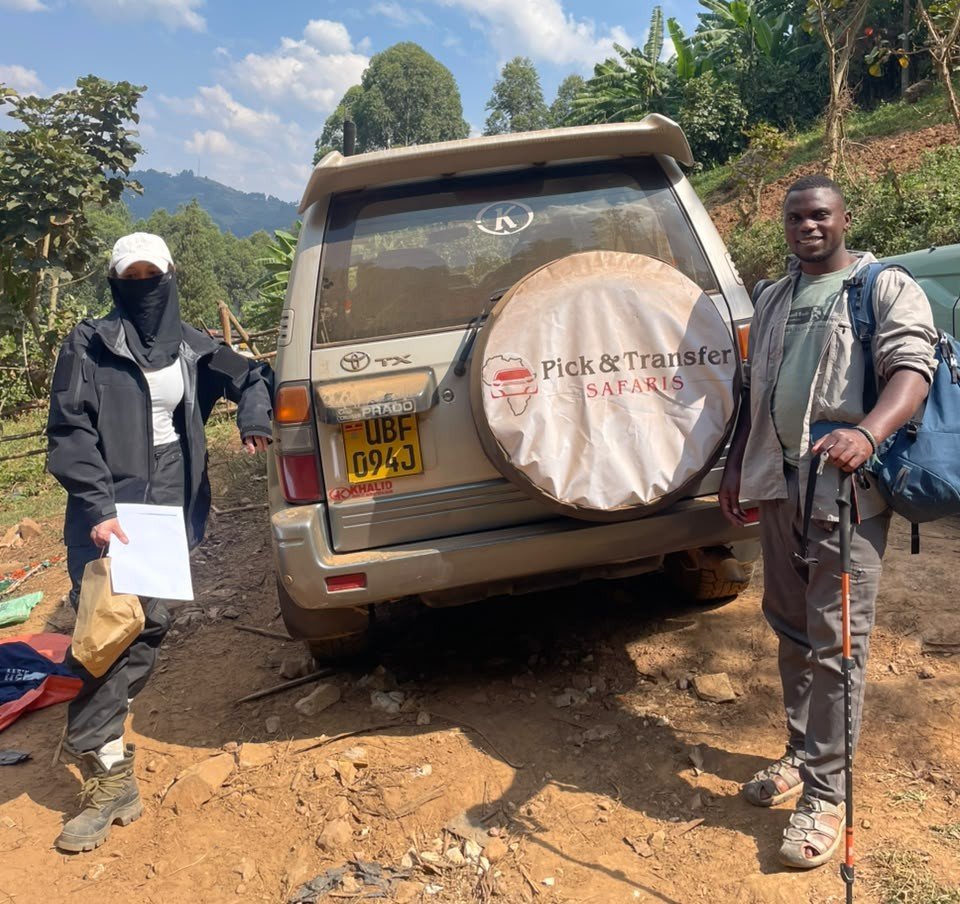
7 Days Uganda Safari – One week tour
This 7-day itinerary is the classic one-week introduction to Uganda, covering the country’s three most iconic wildlife experiences: chimpanzee tracking in Kibale Forest National Park, Big Five game drives and a boat cruise in Queen
Tour Details →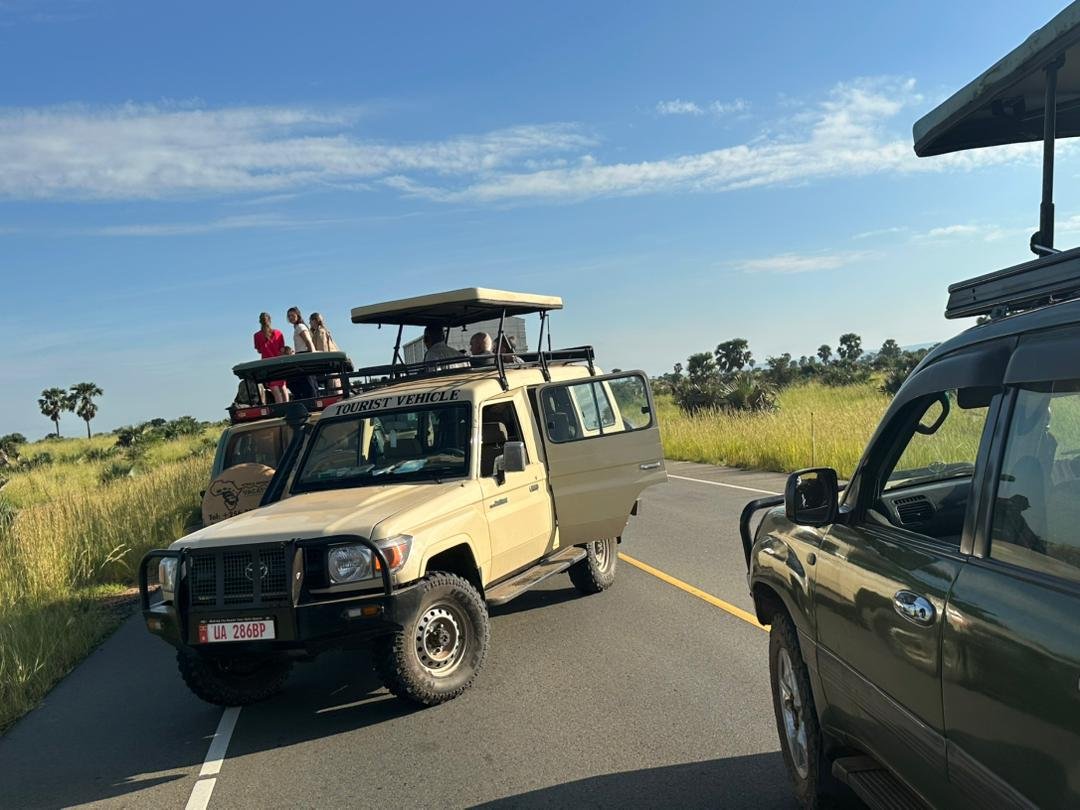
10 Days Uganda Primates and Wildlife
This 10-day Uganda Grand Safari is the most complete Uganda itinerary we offer at Pick and Transfer Safaris. It begins with a scenic northward drive from Entebbe to the vast open plains of Murchison
Tour Details →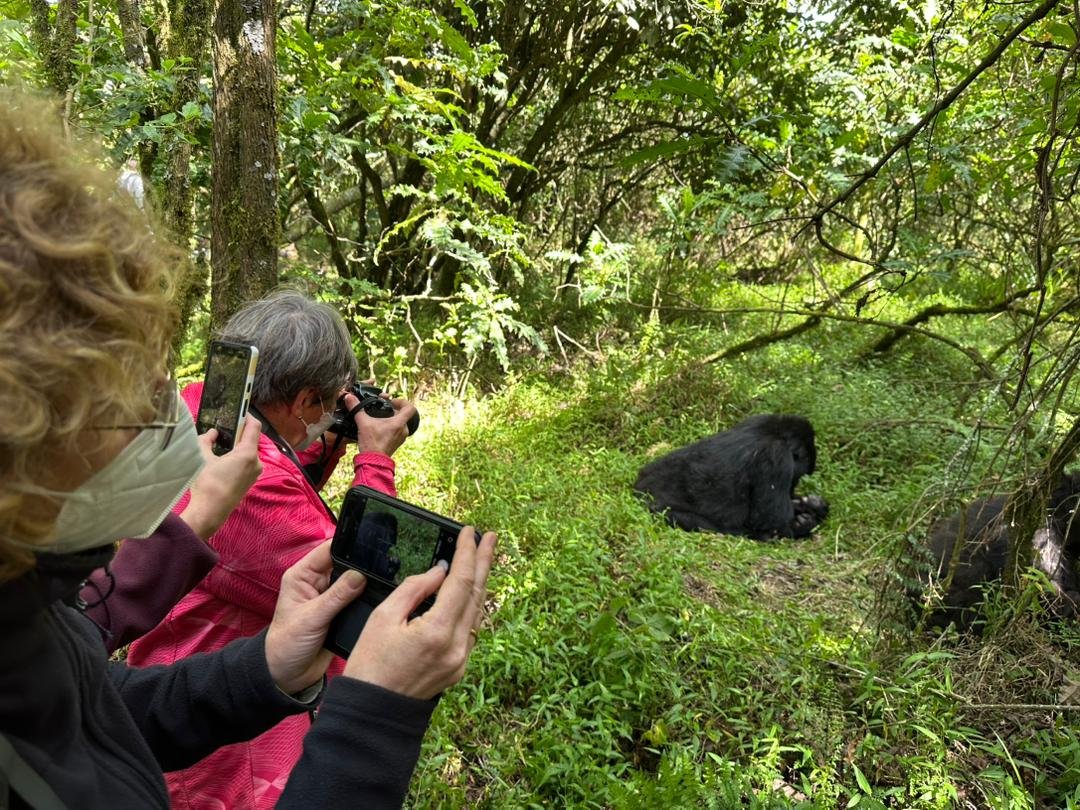
2 Days Uganda Gorilla Tour Starting from Kigali
This is the gentler cousin of our 1-Day Uganda Gorilla Safari Starting from Kigali — same idea, twice the breathing room. Instead of squeezing a 3,000-metre forest trek and two border crossings into a single very long day
Tour Details →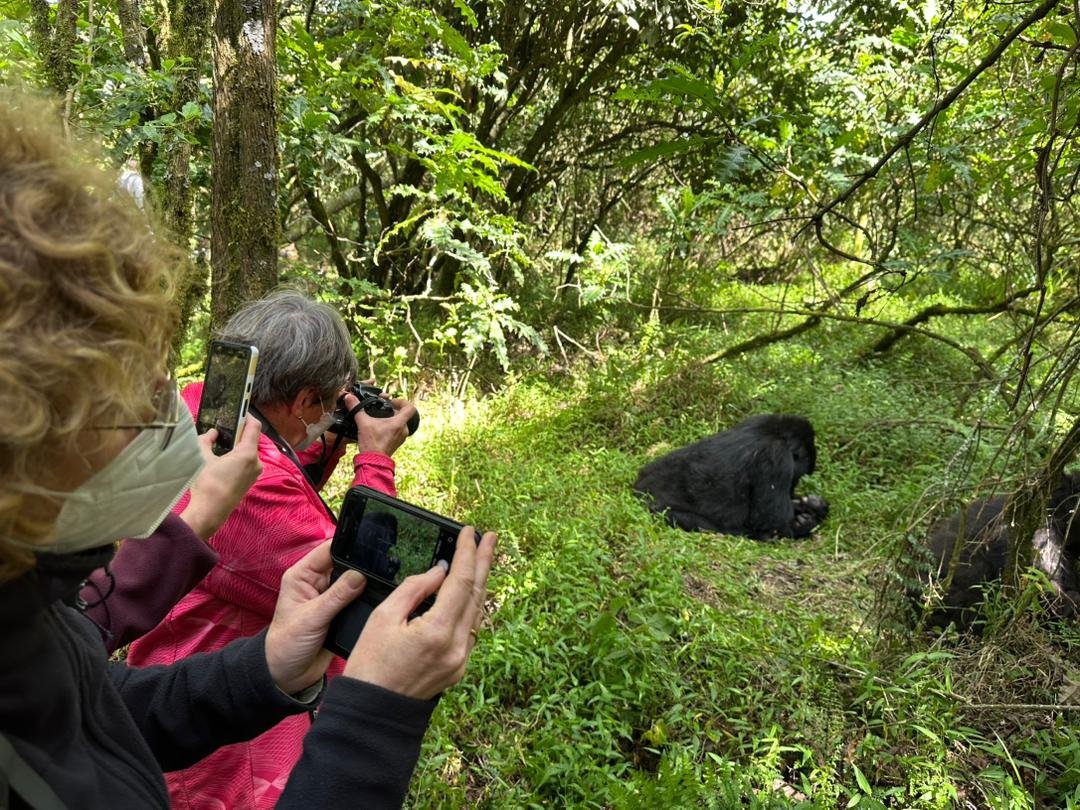
5-Day Uganda Gorilla and Chimpanzee Safari
This itinerary can be combined with a Rwanda extension or a wildlife-focused add-on through Queen Elizabeth National Park — browse our Uganda & Rwanda Safaris and Primate Safaris collections for ideas.
Tour Details →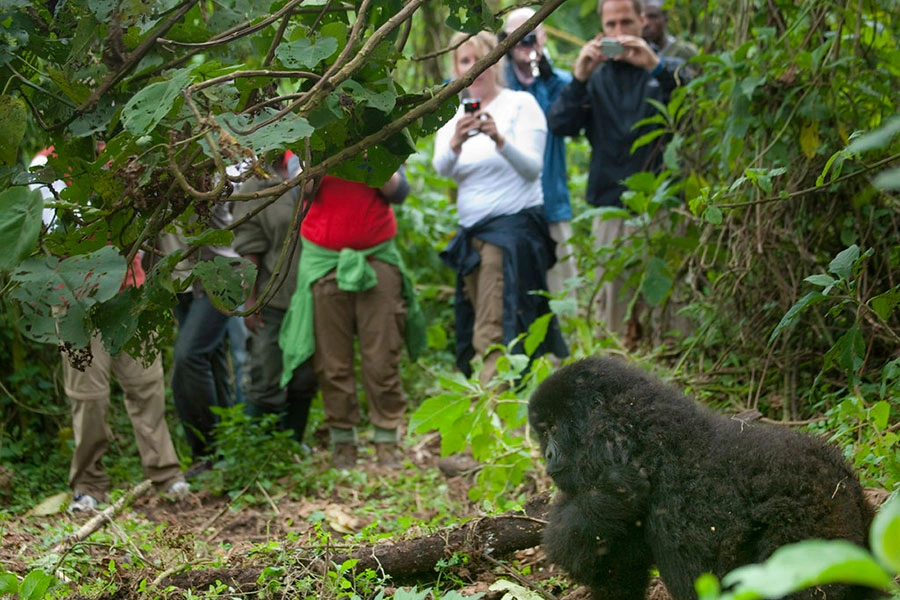
5 Days Rwanda Wildlife and Gorillas
This 5-day itinerary brings together Rwanda’s two flagship wildlife experiences: open savannah game drives and a boat safari in Akagera National Park, followed by a face-to-face encounters
Tour Details →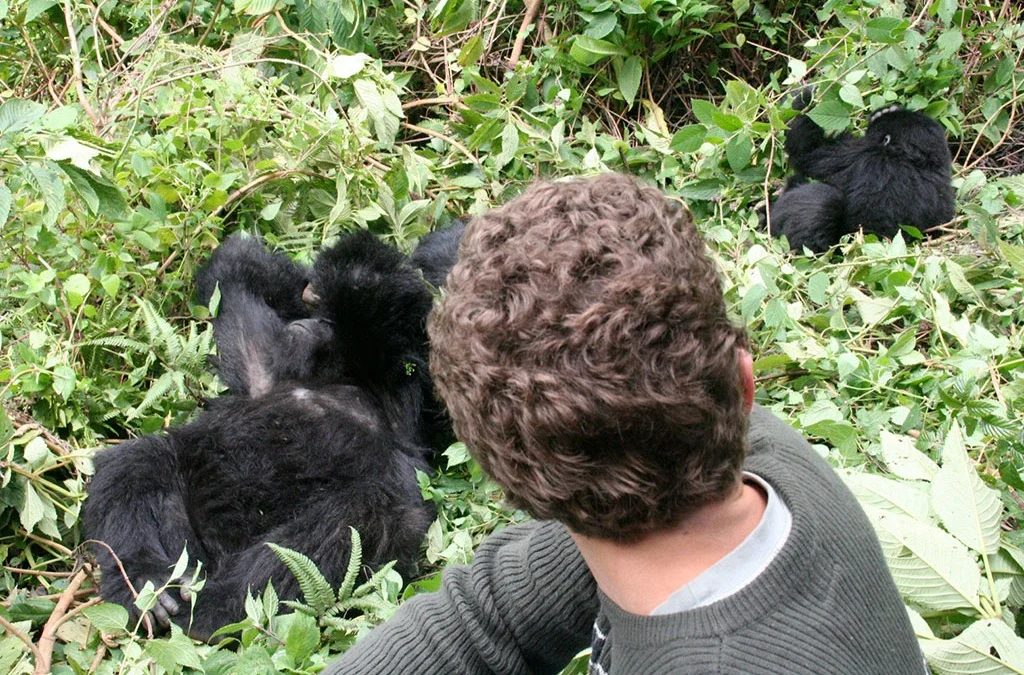
3 Days Uganda Gorilla Safari
For travelers who arrive in Entebbe with a tight schedule and a clear ambition, a 3-day gorilla safari to Bwindi Impenetrable Forest National Park is the most focused and rewarding short trip the country has to offer.
Tour Details →