- LET'S PLAN YOUR SAFARI
- +256 200 921 002
- +256 793 194 703
- info@pickandtransfersafaris.com

What are the chances to see Tree Climbing Lions in Uganda
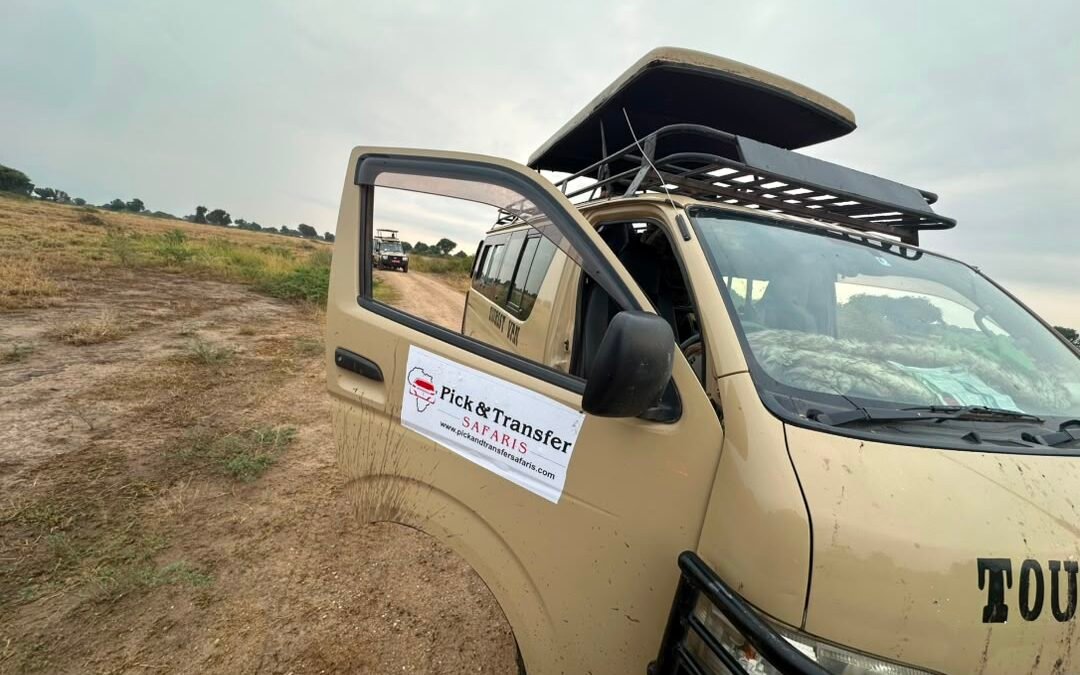
Few wildlife sightings in Africa spark as much excitement as spotting a lion draped across a tree branch, paws dangling, completely unbothered by gravity. Uganda is one of only two places on the continent where this happens regularly, and for travelers planning a Uganda safari, the tree climbing lions of the Ishasha sector are often at the very top of the wish list. But how realistic is it to actually see one? This guide breaks down where they live, why they climb, when your odds are best, and how to plan a trip that gives you the strongest possible chance of witnessing this rare behavior for yourself.
Where Tree Climbing Lions Live in Uganda
What are the chances to see Tree Climbing Lions in Uganda?
Uganda’s tree climbing lions are found almost exclusively in the Ishasha sector, the remote southern section of Queen Elizabeth National Park. Unlike the busier northern part of the park around Mweya and Kasenyi, Ishasha sits close to the Democratic Republic of Congo border and sees far fewer vehicles, which makes the whole experience feel wilder and more personal. The lions here have made a habit of lounging in the wide, low branches of sycamore fig and candelabra trees scattered across the plains, often for hours at a stretch during the heat of the day.
Queen Elizabeth National Park itself is one of Uganda’s most complete safari destinations, combining this rare lion behavior with the Kazinga Channel boat cruise, crater lakes, and chimpanzee tracking in Kyambura Gorge. Travelers exploring our Wildlife Safaris collection will notice Queen Elizabeth features in almost every itinerary that touches western Uganda, precisely because Ishasha is such a distinctive drawcard.
Why Are These Lions So Rare?
Globally, only two lion populations are consistently known to climb trees: the Ishasha lions in Uganda and a smaller, less predictable population in Lake Manyara National Park in Tanzania. Most lions elsewhere in Africa rest on the ground and only climb as a last resort, for example to escape floodwater or reach prey. In Ishasha, however, tree climbing has become an everyday habit passed down through generations, with cubs learning the skill from their mothers.
Researchers have offered several theories for why this happens here. Some believe it helps the lions escape biting tsetse flies and the heat rising off the open grassland. Others suggest that elevated branches give them a better vantage point to scan for Uganda kob, topi, and buffalo moving across the plains below. Whatever the exact reason, the behavior is well documented, and organizations such as the Wildlife Conservation Society have monitored the Ishasha pride for close to two decades to better understand and protect it.
So, What Are the Actual Chances of Seeing Them?
This is the question every traveler wants answered honestly, and the truth is that sightings are good but never guaranteed, because these are wild, free-roaming animals. That said, Ishasha has built its global reputation precisely because the odds here are unusually favorable compared to almost anywhere else on the continent. Rangers and guides who work the sector daily know the specific stretches of road and fig trees the prides favor, which significantly improves your chances when you travel with an experienced local operator rather than attempting to self-navigate a single quick pass through the area.
Visitors who dedicate a full game drive, ideally both a morning and a late afternoon session in Ishasha, tend to have considerably better luck than those who pass through for just an hour. Because the lion population in the sector is estimated at only around 20 to 35 individuals spread across a handful of prides, patience and a knowledgeable guide make a real difference.
Best Time of Year to Maximize Your Odds
Timing your trip well is one of the simplest ways to improve your chances. The dry season, roughly June to early October, is widely considered the best window, since the grass is shorter, tracks are more accessible, and lions are easier to spot both on the ground and up in the branches. The short dry spell in January and February also offers good visibility.
During the wetter months of March to May and October to November, the park is lusher and quieter in terms of tourist traffic, and sightings still happen regularly, but thicker vegetation can occasionally make lions harder to spot at a distance. If a tree climbing lion sighting is the main goal of your trip, our team can help you time your itinerary around the driest, highest-visibility months. Feel free to reach out through our Contact Us page to discuss the best travel dates for your safari.
How Long Should You Spend in Ishasha?
Because Ishasha is remote and the wildlife is spread across a wide area, rushing through is the single biggest mistake travelers make. Spending at least one full day, or better still an overnight stay near the sector, gives guides the time needed to check known favorite trees, follow fresh tracks, and return to promising spots later in the day when lions tend to move.
Several of our itineraries build in dedicated time for Ishasha rather than treating it as a quick stopover. Our 3 Days Safari to Queen Elizabeth National Park is designed specifically around this, allowing enough time in the park to properly explore the Ishasha plains alongside the Kazinga Channel. Travelers with more time available often prefer our 7 Days Uganda Safari – One Week Tour, which pairs Queen Elizabeth with chimpanzee tracking in Kibale Forest for a fuller wildlife experience.
Combining Tree Climbing Lions With Other Uganda Highlights
Most travelers do not visit Ishasha in isolation. Because Queen Elizabeth National Park sits conveniently between Bwindi Impenetrable Forest and Kibale Forest, it is easy to combine a search for tree climbing lions with gorilla trekking or chimpanzee tracking on the same trip. Our 10 Days Uganda Primates and Wildlife itinerary is a popular choice for travelers who want to experience Uganda’s full range of primates and predators in a single, well-paced journey, while shorter travelers on a tighter schedule often browse our full Destinations page to build a custom route.
Who Protects Uganda’s Tree Climbing Lions?
Queen Elizabeth National Park, including the Ishasha sector, is managed and protected by the Uganda Wildlife Authority (UWA), the government body responsible for conserving wildlife across the country’s national parks. UWA rangers patrol the area, monitor lion movements, and work with conservation partners to remove poachers’ snares that threaten the population, since snaring by communities living around the park remains one of the biggest ongoing risks to these lions.
Tourism itself plays a direct role in this protection effort. Park entry fees collected by UWA fund ranger patrols, community outreach, and anti-poaching work, which means that every visitor who travels responsibly to see the tree climbing lions is contributing to the survival of one of Africa’s rarest wildlife spectacles. For official park regulations, entry fees, and conservation updates, UWA’s website remains the most reliable source. Uganda’s national tourism promotion and destination marketing, meanwhile, is coordinated by the Uganda Tourism Board (UTB), the statutory agency mandated with showcasing attractions such as Ishasha to the world.
Tips to Improve Your Sighting Chances
A few practical habits go a long way toward turning a hopeful search into an actual sighting. Traveling with an experienced local guide who drives Ishasha regularly is by far the most important factor, since local knowledge of favored trees and recent pride movements cannot be replicated by chance alone. Visiting during the cooler hours of early morning or late afternoon, when lions are more likely to be active or repositioning themselves in the shade, also helps. Bringing binoculars is genuinely useful here, since a resting lion draped along a high branch can blend into the foliage from a distance.
Booking a safari with enough flexibility built into the schedule, rather than a single rushed pass through the sector, gives your guide room to adjust the plan based on where sightings have been reported that same day.
Planning Your Own Search for Uganda’s Tree Climbing Lions
Seeing a lion resting in the branches of a fig tree is one of those safari moments that photographs simply cannot fully capture, and Uganda offers travelers a genuinely strong chance of experiencing it firsthand in the Ishasha sector of Queen Elizabeth National Park. With the right timing, enough time on the ground, and an experienced guide who knows the terrain, this rare behavior becomes a realistic highlight of your trip rather than a long shot.
At Pick and Transfer Safaris, we build our Queen Elizabeth itineraries with this exact goal in mind. Browse our Wildlife Safaris collection to find a package that fits your schedule, or get in touch through our Contact Us page and let us help you plan a safari built around your best possible chance of meeting Uganda’s tree climbing lions.