- LET'S PLAN YOUR SAFARI
- +256 200 921 002
- +256 793 194 703
- info@pickandtransfersafaris.com

Where to relax from in Mgahinga after Gorilla Trekking
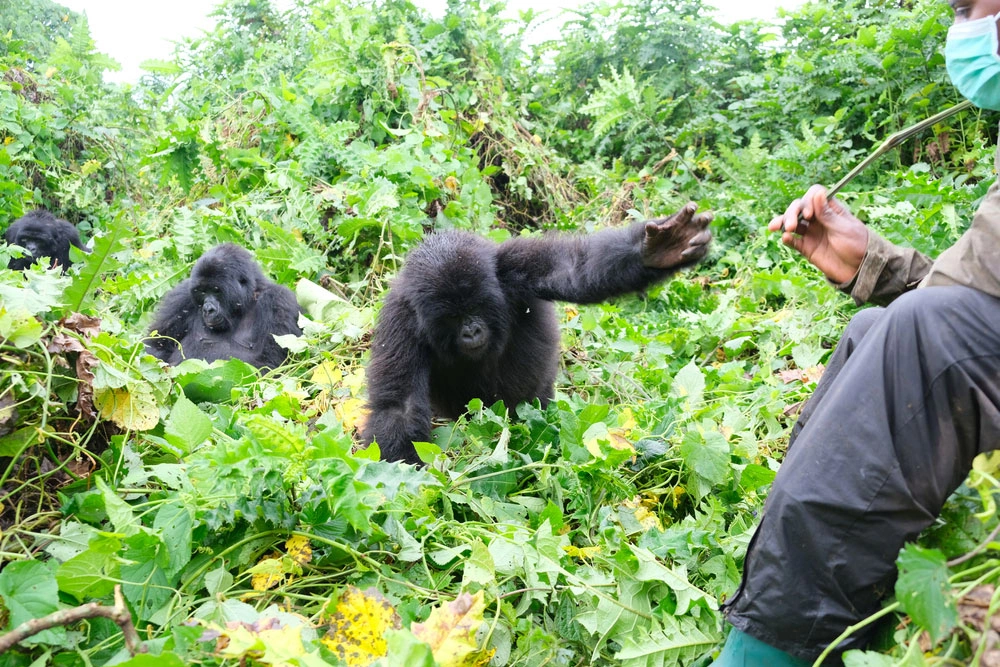
Where to relax from in Mgahinga after Gorilla Trekking. Gorilla trekking in Mgahinga is exhilarating, but it is also physically demanding. Steep volcanic slopes, thin air, and hours of hiking through dense vegetation leave most trekkers pleasantly exhausted by the time they return to the trailhead. The good news is that Mgahinga sits in one of Uganda’s most scenic corners, and the area around it offers exactly the kind of unhurried, beautiful places you want after a big trek. This guide walks through where to relax in and around Mgahinga once your gorilla permit hour is over, from lakeside lodges to volcanic viewpoints and quiet cultural stops.
Why Rest Matters After a Mgahinga Gorilla Trek
Mgahinga Gorilla National Park sits at the base of three volcanoes, Muhabura, Gahinga, and Sabinyo, at altitudes that make trekking noticeably more strenuous than lower-lying forest walks. Depending on where the gorilla family is found on a given day, treks can last anywhere from one to several hours each way. Add the altitude, and it is easy to underestimate how tired your body will be afterward.
Building a genuine rest period into your itinerary, rather than rushing straight to the next activity, makes a real difference in how much you enjoy the rest of your trip. Our Mgahinga Gorilla National Park destination page covers what to expect on trek day itself, which makes it easier to plan how much downtime to build in afterward.
Lakeside Relaxation: Lake Mutanda
If there is one place near Mgahinga built for post-trek recovery, it is Lake Mutanda. Roughly a 30 to 45-minute drive from Kisoro town, this freshwater lake is framed by terraced hillsides and views of the Virunga volcanoes, and it moves at a pace that feels worlds away from the trekking trails.
Canoeing and Boat Rides
Traditional dugout canoe rides across Lake Mutanda are a favorite low-effort activity for trekkers who want to stay active without exerting themselves. Paddling past small fishing villages and forested islands offers a gentle, scenic way to unwind while still soaking in the landscape that made the trip worthwhile in the first place.
Lakeside Lodges Around Mutanda
Several lodges sit directly on Lake Mutanda’s shoreline, many with open decks, fireplaces, and unobstructed volcano views that make simply sitting still feel like the main event. These lodges are a popular overnight choice for travelers who trekked in Mgahinga in the morning and want a genuinely restful evening rather than another packed activity.
Golden Monkey Tracking: Gentle Adventure, Not Another Trek
For travelers who want something lighter than a second full trek, golden monkey tracking inside Mgahinga is a good middle ground. It typically takes less time and covers gentler terrain than gorilla trekking, while still delivering an engaging wildlife encounter. Watching golden monkeys move through the bamboo forest is a considerably less strenuous experience, making it a reasonable half-day activity rather than a repeat of trek-day exhaustion.
Cultural and Historical Stops Near Mgahinga
Not every form of relaxation has to mean sitting still. Several cultural sites near Mgahinga offer a slower, more reflective pace that pairs well with recovery days.
Garama Cave and the Batwa Trail
The Garama Cave, once a hiding place used by the Batwa people during conflict, is a short, easy walk from the park’s main trailhead and offers a low-intensity way to learn about the forest’s original inhabitants without another demanding hike. Guided Batwa cultural walks nearby cover traditional forest skills, storytelling, and music, and are paced deliberately slower than a gorilla trek.
Kisoro Town
Kisoro, the closest town to Mgahinga, is a relaxed base with local markets, craft shops, and simple restaurants serving Ugandan and international dishes. It is a good option for travelers who prefer a quieter evening in town over a remote lodge setting, particularly if you are combining your Mgahinga trek with a border crossing back toward Kigali.
Volcano Views Without the Climb
You do not need to summit Muhabura, Gahinga, or Sabinyo to enjoy them. Many lodges and viewpoints around Mgahinga and Kisoro are positioned specifically to showcase the three volcanoes without requiring another physically demanding hike, making sunset and sunrise viewing from a lodge veranda one of the simplest, most rewarding post-trek activities available.
Hot Meals and Fireside Evenings
After a cold, early trekking start and hours on volcanic slopes, a hot meal and an evening fire at your lodge go a long way. Most lodges around Mgahinga and Kisoro build their evening experience around exactly this, communal dining, open fireplaces, and quiet evenings under clear mountain skies.
Extending Your Rest: Combine Mgahinga with Bwindi or Kigali
Depending on your itinerary, there are two natural directions to extend your recovery time after a Mgahinga trek.
Heading Toward Bwindi
Travelers continuing their gorilla safari often move from Mgahinga toward Bwindi Impenetrable Forest National Park, where a rest day between treks is common practice, particularly for travelers doing two gorilla treks in one trip. Our 5 Days Uganda Gorilla and Chimps Safari Starting from Rwanda is built with this kind of pacing in mind, spacing out primate encounters rather than stacking them back to back.
Heading Back Toward Kigali
For travelers whose trip is centered on Rwanda, Mgahinga’s proximity to the Cyanika border makes it easy to relax in Kisoro for a night before heading back toward Kigali City, which offers its own calmer pace, good coffee, and comfortable hotels for a final night before flying home. Shorter itineraries like our 1 Day Uganda Gorilla Safari Starting from Kigali and 2 Days Uganda Gorilla Tour Starting from Kigali are structured with this return route in mind.
Best Time to Plan a Relaxed Mgahinga Trip
Uganda’s dry seasons, June to September and December to February, offer firmer trekking trails and clearer mountain views, making lodge terraces and lake viewpoints especially rewarding during these months. The wetter months bring lush, green scenery and quieter lodges, which some travelers actually prefer for a more secluded, restful atmosphere, even if trekking conditions are slightly muddier.
Practical Tips for Balancing Trekking and Rest
- Build a buffer day into your itinerary. Avoid scheduling a long drive or a second activity immediately after your gorilla trek.
- Choose accommodation based on your energy level. A lakeside lodge on Mutanda suits travelers wanting total stillness, while a Kisoro town stay suits those wanting some activity and local life nearby.
- Hydrate and rest before sightseeing. Altitude and physical exertion combine to make dehydration more likely than trekkers expect.
- Keep gentler activities gentle. Golden monkey tracking and cultural walks are good post-trek options precisely because they are shorter and less strenuous than the gorilla trek itself.
- Confirm your permit and border details in advance. All gorilla and golden monkey permits are issued by the Uganda Wildlife Authority, the government body responsible for managing Uganda’s national parks, so book ahead of your preferred trekking date to avoid last-minute schedule changes.
- Check current tourism guidelines. The Uganda Tourism Board is the official agency responsible for promoting and regulating tourism activities across the country, including standards for lodges and guided experiences around Mgahinga.
Final Thoughts
A Mgahinga gorilla trek is one of the most physically rewarding experiences in Uganda, but it is only half the story. The area around the park, from Lake Mutanda’s calm waters to Kisoro’s relaxed streets and the volcano views from a lodge veranda, is built for slowing down afterward. Planning genuine rest time into your itinerary, rather than treating it as an afterthought, is what turns a good gorilla trek into a genuinely restorative trip.
If you would like help building an itinerary that balances trekking days with proper recovery time, explore our full range of Gorilla Safaris or reach out through our Contact Us page, and our team at Pick and Transfer Safaris will help you plan a trip that gives Mgahinga’s slower side the time it deserves.