- LET'S PLAN YOUR SAFARI
- +256 200 921 002
- +256 793 194 703
- info@pickandtransfersafaris.com

Which Gorilla Park in Uganda is Near From Kigali
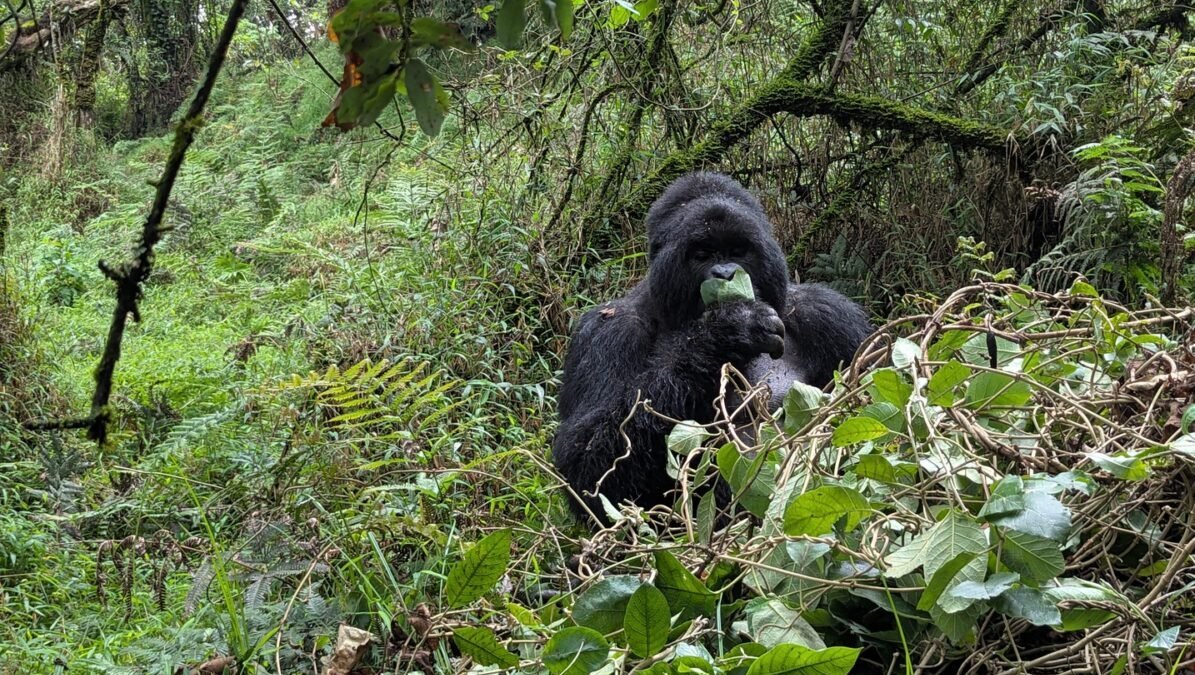
Which Gorilla Park in Uganda is Near From Kigali. If you are based in Kigali, Rwanda, or flying into Kigali International Airport for a short East African getaway, one question comes up again and again: which gorilla park in Uganda is near from Kigali? The good news is that Uganda’s gorilla trekking destinations are far closer to Kigali than most travelers assume, and with the right planning you can be sitting a few metres from a wild mountain gorilla family within a single morning of leaving Rwanda’s capital. This guide breaks down exactly which Uganda gorilla parks sit closest to Kigali, how long the drive really takes, what a permit costs in 2026, and how to turn that information into a stress-free gorilla safari booking.
We will compare Uganda’s two gorilla trekking parks — Mgahinga Gorilla National Park and Bwindi Impenetrable Forest National Park — side by side, look at border crossings, permit pricing, trekking difficulty, and the best itineraries for travelers starting in Kigali. By the end, you will know exactly which park suits your timeline, budget, and sense of adventure.
This is a long, detailed guide on purpose. Choosing between two national parks separated by a mountain range, an international border, and a few hundred kilometres of hillside road is not a decision to make on a whim, and the travelers who plan this route most successfully are the ones who understand the small details in advance: which border post to use, which season to travel in, how much cash to carry, and how to structure a two- or three-day window around a single hour with the gorillas. Treat this page as a reference you can return to while you finalize your dates, and use the linked itineraries throughout as a starting point for your own custom safari.
Why Travelers From Kigali Ask This Question
Rwanda has its own mountain gorillas in Volcanoes National Park, but Rwandan gorilla permits now cost $1,500 per person, more than double Uganda’s rate. Because Kigali sits so close to the Uganda border, thousands of travelers each year choose to base themselves in Kigali, fly in and out of Rwanda’s well-connected international airport, and then cross overland into Uganda for a more affordable gorilla trekking experience. Understanding which Uganda park is nearest to Kigali is the first step in planning that kind of cross-border Kigali to Uganda gorilla adventure.
Kigali International Airport (Kigali International, formerly Kanombe) is also simply easier for many international travelers to reach than Uganda’s Entebbe Airport, with more direct connections from Europe and the Gulf. That single fact drives a large share of this demand: a visitor flies into Rwanda, spends a night or two enjoying Kigali’s cafes and genocide memorial sites, and then treats Uganda’s gorilla parks as a short side trip rather than a separate destination requiring its own international flight. Once you frame the trip that way, the question of “which park is nearest” becomes central to how many days you need to set aside.
Uganda’s Gorilla Parks at a Glance
Uganda is home to roughly half of the world’s remaining mountain gorillas, spread across two protected areas: Bwindi Impenetrable Forest National Park in the southwest, and the much smaller Mgahinga Gorilla National Park tucked into the Virunga Volcanoes on the Rwanda-Uganda-DRC border. Both parks fall under the Uganda Wildlife Authority and both issue the same standard trekking permit, but they differ enormously in size, number of habituated gorilla families, and — most importantly for this guide — distance from Kigali.
Mgahinga Gorilla National Park: The Closest Uganda Gorilla Park to Kigali
If proximity to Kigali is your deciding factor, Mgahinga Gorilla National Park is the answer. Covering just 33.7 square kilometres in Kisoro District, Mgahinga is Uganda’s smallest national park, but it sits directly beside the Rwandan border in the shadow of the Virunga Volcanoes — Mount Muhabura, Mount Gahinga, and Mount Sabinyo. This location makes it the single closest Uganda gorilla trekking destination to Kigali by a comfortable margin.
How Far Is Mgahinga From Kigali? (Distance and Drive Time)
The driving distance from Kigali to Mgahinga Gorilla National Park is approximately 134 kilometres, and the journey takes around 3 to 4 hours including the border formalities. In practice, that means roughly two hours of driving through Rwanda’s terraced hills to the border, followed by another 30 to 45 minutes on the Uganda side to reach the park headquarters at Ntebeko. This is dramatically shorter than driving to Mgahinga from Entebbe or Kampala, which can take 9 to 11 hours, which is exactly why so many operators, including Kenlink Tours’ 2-day gorilla safari from Kigali, route travelers through Rwanda instead.
The Cyanika Border Crossing Route Explained
Travel between Kigali and Mgahinga uses the Cyanika border post (sometimes spelled Kyanika), a small and generally efficient crossing point between Musanze in Rwanda and Kisoro District in Uganda. The route runs Kigali → Musanze → Cyanika border → Mgahinga. Because the crossing is dedicated mainly to tourist and local traffic rather than heavy freight, queues are usually short, and travelers with a Uganda visa (or an East Africa Tourist Visa covering Rwanda, Uganda, and Kenya) can typically clear immigration within 20 to 30 minutes. For a smooth border experience, book your transfer through an experienced operator such as Pick and Transfer Safaris, who handle the paperwork and logistics daily.
Bwindi Impenetrable Forest: Uganda’s Premier Gorilla Destination
While Mgahinga is the closest park to Kigali, Bwindi Impenetrable Forest National Park is Uganda’s flagship gorilla destination and home to the vast majority of the country’s habituated gorilla families. Spanning 321 square kilometres of ancient, biodiverse rainforest, Bwindi is divided into four trekking sectors — Buhoma, Ruhija, Rushaga, and Nkuringo — each with its own habituated families and its own access route.
A Short History of Gorilla Conservation Along the Rwanda-Uganda Border
Mgahinga and Bwindi both sit within the wider Virunga-Bwindi ecosystem, one of only two regions on earth where mountain gorillas survive in the wild (the other being the Virunga Massif spanning Rwanda, Uganda, and the DRC more broadly). Mountain gorillas were once projected to go extinct by the end of the twentieth century, with population counts dipping below 300 individuals in the 1980s. Decades of cross-border conservation work by Uganda Wildlife Authority, the Rwanda Development Board, and international partners have since pushed the population past 1,000, making mountain gorillas one of the only great ape species with a growing wild population. Every trekking permit you buy, whether at Mgahinga or Bwindi, funds ranger patrols, anti-poaching units, and veterinary monitoring that keep this recovery on track.
How Far Is Bwindi From Kigali?
Bwindi is farther from Kigali than Mgahinga, but still very much reachable in a single day. Depending on which sector you are trekking in, the distance from Kigali ranges from roughly 160 to 200 kilometres, with a drive time of 4 to 6 hours including the border crossing. The southern sectors — Rushaga and Nkuringo — are the fastest to reach from Kigali, typically around 4 hours via the Cyanika border, while the northern Buhoma sector is reached via the Katuna border crossing near Kabale and can take 5 to 6 hours. Kenlink Tours has published a detailed breakdown of how far Bwindi is from Kigali if you want route-by-route specifics.
Cyanika vs Katuna: Which Border Crossing Should You Use for Bwindi?
Choosing the right border crossing can save you an hour or more of driving. If your permit is for the Rushaga or Nkuringo sectors in southern Bwindi, use the Cyanika border — it is the most direct route and the one recommended for most Kigali-based itineraries, including our own 3-day Uganda gorilla safari from Rwanda. If your permit happens to be for the Buhoma sector, the Katuna border near Kabale is the more sensible option, even though it adds extra driving time. A good tour operator will always match your border crossing to your specific permit and sector before finalizing your itinerary.
Mgahinga vs Bwindi: A Side-by-Side Comparison for Kigali Travelers
| Factor | Mgahinga Gorilla NP | Bwindi Impenetrable Forest NP |
|---|---|---|
| Distance from Kigali | ~134 km | ~160-200 km |
| Drive time from Kigali | 3-4 hours | 4-6 hours |
| Border crossing | Cyanika | Cyanika (south) or Katuna (north) |
| Habituated gorilla families | 1 (Nyakagezi group) | 20+ across 4 sectors |
| Other activities | Golden monkey trekking, volcano hiking | Nature walks, birding, Batwa cultural visits |
| Standard permit price | $800 (high season) | $800 (high season) |
As the table shows, Mgahinga wins on pure proximity, while Bwindi wins on choice — more gorilla families, more sectors, and more lodges. Neither answer is universally “better”; it depends on how much time you have and what kind of trip you want.
Gorilla Families and Habituated Groups: Mgahinga vs Bwindi
Mgahinga currently has a single habituated gorilla family available for trekking, the Nyakagezi group, which is famous for occasionally wandering across the border into Rwanda or DRC (though this happens far less often than travelers fear). Because there is only one family, Mgahinga issues a limited number of permits per day. Bwindi, by contrast, has over twenty habituated families spread across its four sectors, which means significantly more permit availability — an important factor if you are booking on short notice through a service like Pick and Transfer Safaris’ gorilla safari desk.
Gorilla Trekking Permit Prices in Uganda (2026/2027)
As of 2026, a standard Uganda gorilla trekking permit costs $800 per person during high season, with a reduced rate of around $600 per person during the low-season months of April, May, and November. This price applies equally whether you trek in Mgahinga or in Bwindi, since both parks are managed under the same Uganda Wildlife Authority fee structure. Foreign residents and East African citizens pay a heavily discounted local rate. Bwindi additionally offers a Gorilla Habituation Experience permit priced at around $1,500, which allows four hours with a gorilla family instead of the standard one hour — this option is exclusive to Bwindi and is not available at Mgahinga.
A Sample Budget: What a Kigali-to-Mgahinga Gorilla Trip Really Costs
| Item | Approximate Cost (per person, high season) |
|---|---|
| Gorilla trekking permit (Uganda) | $800 |
| Ground transport from Kigali (shared 4×4, 2-day trip) | $150-250 |
| Mid-range lodge, 1 night near Kisoro | $80-150 |
| Meals | $30-50 |
| Porter fee (optional but recommended) | $15-20 |
| Uganda visa or East Africa Tourist Visa | $50-100 |
These figures are approximate and will vary by season, group size, and lodge category, but they illustrate why Mgahinga’s short drive from Kigali also tends to reduce your total transport and lodging bill compared with a longer trip to Bwindi. A tailored quote from Pick and Transfer Safaris will always reflect your exact dates, group size, and chosen sector.
Why Uganda Permits Cost Less Than Rwanda’s $1,500 Fee
This price gap is the single biggest reason Kigali-based travelers cross into Uganda for gorilla trekking. Rwanda’s Volcanoes National Park permit costs $1,500 per person, nearly double Uganda’s high-season rate, and almost triple Uganda’s low-season rate. For a family of four, that difference alone can cover an entire extra night of accommodation or a second activity such as golden monkey trekking. Combined with the short 3 to 4 hour drive to Mgahinga, it is easy to see why so many Kigali travelers, and operators like Kenlink Tours’ Uganda-Rwanda gorilla safaris, actively promote the Uganda route as the smarter budget choice.
One-Day Gorilla Trekking From Kigali: Is It Possible?
Technically, a one-day round trip from Kigali to Mgahinga and back is possible, but it is an extremely long and tiring day. You would need to leave Kigali around 4:00 or 5:00 a.m. to reach the park in time for the 7:30 a.m. briefing, trek for several hours, and then drive back the same evening. Our one-day Uganda gorilla safari starting from Kigali is built specifically around Mgahinga’s shorter drive time, since a one-day Bwindi trip from Kigali is not realistically feasible given the extra distance. If you can spare even one additional night, a 2-day itinerary is far more comfortable.
Two-Day and Three-Day Options From Kigali
Most travelers find that a 2-day trip strikes the best balance of time and comfort. Our 2-day Uganda gorilla tour from Kigali allows you to drive in relaxed fashion on day one, sleep near the park, trek fresh the next morning, and return to Kigali the same evening. For travelers who want to combine Uganda gorillas with Rwanda’s own primates, our 2-day Volcanoes gorilla trek from Kigali covers the Rwanda side, while a 3-day version extends into Bwindi for those chasing more sector choice, as outlined in our 3-day Uganda gorilla safari from Rwanda itinerary. Kenlink Tours offers a comparable route with their 3-day Bwindi gorilla safari from Kigali package.
What Else You Can Do at Mgahinga Besides Gorilla Trekking
Mgahinga’s small size is actually one of its charms — because it sees fewer visitors than Bwindi, the experience often feels more exclusive. Beyond the Nyakagezi gorilla family, the park offers two other headline activities: golden monkey trekking and volcano hiking, both of which can be added to a Kigali-based itinerary without much extra driving.
Golden Monkey Trekking at Mgahinga
Golden monkeys are an endangered primate species found only in the Virunga Massif, and Mgahinga is one of just a handful of places on earth where you can track them on foot. A golden monkey permit costs a fraction of a gorilla permit and can easily be combined with gorilla trekking in the same trip. Several of our itineraries, including the 5-day gorilla and chimps safari starting from Rwanda, can be adapted to include a golden monkey add-on, and Kenlink Tours runs a dedicated 4-day golden monkey and gorilla trekking package worth comparing.
Volcano Hiking: Mount Muhabura, Mount Gahinga, and Mount Sabinyo
For travelers who want more than wildlife viewing, Mgahinga’s three volcanoes offer some of the best hiking in the region. Mount Sabinyo’s summit hike is famous for its three-country viewpoint, where a single ridge marks the meeting point of Uganda, Rwanda, and the Democratic Republic of Congo. Mount Muhabura is a longer, steeper day hike rewarded with a crater lake at the summit, while Mount Gahinga offers a gentler half-day option through bamboo forest. These hikes pair naturally with a gorilla trekking day if you have a spare 24 hours in the Kisoro area.
What to Pack for Gorilla Trekking Near Kigali
Whether you trek at Mgahinga or Bwindi, packing correctly makes a real difference to your comfort. Essentials include waterproof hiking boots with good ankle support, a rain jacket (the forest is wet year-round), long trousers and long sleeves tucked into boots and gloves to protect against stinging nettles, gardening-style gloves, a daypack, drinking water, and a reasonably fit pair of legs — trekking can last anywhere from 30 minutes to 6 hours depending on where the gorillas are that day. Porters are available at both parks for a small fee and are well worth hiring, both for the practical help and because it supports the local community.
Photography Tips for Gorilla Trekking
The forest canopy at both Mgahinga and Bwindi filters out most direct sunlight, so bring a camera or phone that performs reasonably well in low light, and consider a lens in the 24-105mm range if you shoot with interchangeable lenses — you rarely have room to back up for a wider shot. Flash photography is strictly prohibited, since sudden bright light can startle a wild gorilla, so raising your ISO or using a wider aperture is the better approach. Keep your camera accessible rather than packed away, because your hour with the gorillas moves quickly and you will not get a second chance to fumble with a zipped bag. A dry bag or rain cover is worth carrying regardless of the forecast, since Bwindi in particular earns its “impenetrable” name with sudden downpours.
Best Time of Year to Trek Gorillas From Kigali
Uganda’s gorilla trekking is possible year-round, but the two dry seasons — roughly December to February and June to September — offer the easiest trekking conditions with drier trails. The rainy seasons (March to May and October to November) bring lower visitor numbers, lush green scenery, and, notably, the discounted $600 low-season permit price in April, May, and November. If budget matters more to you than dry trails, targeting those low-season months while trekking from Kigali can meaningfully reduce your overall trip cost.
It is worth noting that even during the “dry” months, both Mgahinga and Bwindi sit in genuine rainforest and afromontane forest ecosystems, so a short shower is possible on almost any day of the year. Locals often describe the weather less in terms of “dry” versus “wet” and more in terms of how many hours of rain to expect, and how early in the day it tends to fall. Mornings are generally the clearest time of day near the border area, which is one more reason trekking briefings start early, typically by 7:30 a.m., before afternoon cloud cover builds up over the volcanoes.
Physical Fitness and Trekking Difficulty
Neither park requires elite fitness, but both involve walking on uneven, often muddy forest terrain at altitudes between 1,800 and 2,500 metres. Mgahinga’s single gorilla family tends to stay at higher, steeper elevations near the volcano slopes, which some guides consider slightly more physically demanding than an average Bwindi trek, although this varies daily depending on where the gorillas have moved. A moderate level of fitness, trekking poles (rentable at the park), and a realistic expectation of a multi-hour hike will set you up for success at either location.
Rules and Etiquette During Gorilla Trekking
Uganda Wildlife Authority enforces strict rules to protect both gorillas and visitors: a maximum of 8 visitors per gorilla family per day, a minimum age of 15 for trekkers, a 7-metre distance rule from the gorillas, no flash photography, and a requirement to stay home if you have any symptoms of a cold or flu, since gorillas are highly susceptible to human respiratory illnesses. These rules are identical at Mgahinga and Bwindi, and your guide will brief you thoroughly before the trek begins.
Combining Mgahinga With Other Uganda Parks
Because Mgahinga sits in Uganda’s far southwest, it connects naturally overland to Queen Elizabeth National Park for game drives and boat cruises, and onward to Kibale Forest National Park for chimpanzee tracking. Travelers with a week or more can extend a Kigali-based gorilla trip into a full Uganda circuit, such as our 7-day Uganda-Rwanda safari adventure or the more comprehensive 10-day Uganda-Rwanda safari, both of which are designed to start and end near Kigali.
Combining Your Trip With Rwanda’s Volcanoes National Park
Some travelers prefer to do both countries’ gorillas in one trip, especially researchers, photographers, or repeat visitors who have already trekked in Rwanda. Pairing a Mgahinga trek with Rwanda’s Volcanoes National Park is logistically simple, since both parks share the same Virunga mountain range and are separated only by the Cyanika border post. Our 3-day Rwanda gorilla tracking and cultural tour can be extended by a day to cross into Uganda for a second trek at a fraction of Rwanda’s permit price.
Responsible and Sustainable Gorilla Tourism
Gorilla trekking is one of the clearest examples in African tourism of how a high-value, low-volume model can fund conservation while directly benefiting local communities. A share of every permit fee at both Mgahinga and Bwindi is channeled into community development projects around the parks, including schools, clinics, and revenue-sharing schemes with neighboring villages that once relied more heavily on subsistence farming inside gorilla habitat. Choosing a responsible operator matters here too: look for companies that hire local guides and porters, that brief clients thoroughly on distance and hygiene rules, and that support community initiatives such as the Kigezi region’s local conservation and education programs. Respecting the one-hour trekking limit, the seven-metre distance rule, and the ban on trekking while unwell are not just bureaucratic formalities — they are what has allowed the gorilla population along this stretch of the Rwanda-Uganda border to keep growing instead of declining.
Currency, Cash, and Practical Money Tips
Uganda gorilla permits are typically paid in US dollars, and most park-area lodges, porters, and border services also prefer cash US dollars printed after 2009 in good condition, since older or worn notes are frequently rejected. Rwandan francs and Ugandan shillings are both useful for small purchases, meals, and tipping once you are on the ground, and it is wise to carry a mix of small denominations for porters, guides, and drivers rather than relying solely on large bills. Card payment infrastructure is improving in both countries but remains unreliable in rural areas around Kisoro and Bwindi, so plan your cash needs before leaving Kigali, where ATMs and forex bureaus are far more plentiful and reliable.
Where to Stay: Lodges Near Mgahinga and Bwindi
Mgahinga’s accommodation options are concentrated around Kisoro town and along the road to Ntebeko gate, ranging from budget guesthouses to mid-range lodges with volcano views. Bwindi has a far wider spread of lodges across its four sectors, from budget bandas to high-end luxury camps overlooking the forest canopy. Because lodge choice depends heavily on which sector your permit is allocated to, it is best to book accommodation only after your gorilla permit is confirmed — something our team at Pick and Transfer Safaris coordinates as a single package to avoid mismatched bookings.
How Pick and Transfer Safaris Gets You There
Getting from Kigali to either gorilla park involves more than just distance — it involves permit booking, border paperwork, a reliable 4×4 vehicle, and an experienced driver-guide who knows the Cyanika and Katuna crossings well. Pick and Transfer Safaris specializes in exactly this route, arranging airport pickup in Kigali, cross-border transfers, permit reservations at both Mgahinga and Bwindi, and accommodation booking as one seamless itinerary. Whether you want the shortest possible drive to Mgahinga or the wider sector choice at Bwindi, our gorilla safari packages are built specifically around Kigali as the starting point.
Planning a gorilla trek from Kigali? Browse our full range of Uganda and Rwanda gorilla safaris or contact our travel team for a tailor-made itinerary and permit booking.
Sample Itinerary: 2-Day Uganda Gorilla Safari From Kigali (Mgahinga Route)
Day 1: Depart Kigali by 4×4 in the morning, cross at Cyanika border, arrive in Kisoro by early afternoon, check into your lodge, and relax with volcano views. Day 2: Early breakfast, drive to Ntebeko park headquarters for the 7:30 a.m. briefing, trek the Nyakagezi gorilla family (1-4 hours depending on their location), afternoon drive back across the border to Kigali, arriving by early evening. This mirrors the structure of our own 2-day Uganda gorilla tour from Kigali and is comparable to Kenlink Tours’ 2-day gorilla safari starting from Kigali.
Sample Itinerary: 3-Day Bwindi Safari From Kigali (More Sector Choice)
Day 1: Depart Kigali, cross at Cyanika, drive to Rushaga or Nkuringo sector, arrive by mid-afternoon, briefing on trekking rules that evening. Day 2: Gorilla trekking day, followed by an optional nature walk or Batwa cultural visit in the afternoon. Day 3: Morning at leisure or an add-on activity, then the drive back to Kigali. This structure follows our 3-day Uganda gorilla safari from Rwanda and is closely matched by Kenlink Tours’ 3-day Bwindi gorilla safari from Kigali.
Why Book Through a Local Ground Operator Instead of Going It Alone
It is technically possible to buy a Uganda gorilla permit directly from the Uganda Wildlife Authority and arrange your own transport and lodging, but very few Kigali-based travelers do this successfully without local help. A ground operator handles four things that are difficult to coordinate independently: securing the exact permit date and sector you want before it sells out, matching your lodge choice to that sector so you are not driving hours out of your way each morning, providing an experienced driver-guide who already knows the Cyanika and Katuna border officials and paperwork, and being reachable on the ground if a flight delay or border hiccup threatens your trekking morning. This is the core service that operators such as Pick and Transfer Safaris and Kenlink Tours provide for cross-border gorilla trips originating in Kigali.
Booking Tips: How Early Should You Reserve Your Permit
Uganda gorilla permits, especially for Bwindi’s most popular sectors, can sell out months in advance during peak season (June to September and December to February). Mgahinga’s single family also has limited daily slots, so it is not automatically easier to book last-minute. As a rule of thumb, reserve your permit at least 3 to 6 months ahead for high season travel, or 4 to 6 weeks ahead for low season. Operators such as Kenlink Tours’ available gorilla tours page and our own gorilla safari listings are updated regularly with current permit availability.
Visa and Border Requirements for Uganda From Rwanda
Most nationalities can enter Uganda from Rwanda using a Uganda single-entry visa, obtainable online in advance, or the East Africa Tourist Visa, which allows unlimited travel between Rwanda, Uganda, and Kenya for 90 days on one visa — the more convenient option for travelers crossing back and forth for gorilla trekking on both sides of the border. Make sure your passport has at least six months’ validity and a couple of blank pages, and carry your yellow fever vaccination certificate, which is checked at land borders. Your driver-guide from Pick and Transfer Safaris will assist with the border process on the day.
It is worth applying for whichever visa you choose at least two to three weeks before travel, since processing times can occasionally stretch longer than the advertised same-day turnaround, particularly during peak booking periods around the December and July trekking seasons. Travelers arriving from certain countries may also need a yellow fever certificate specifically to enter Rwanda in the first place, so check requirements for your point of origin as well as for the Uganda border crossing itself. Keeping digital and printed copies of your visa approval, permit confirmation, and vaccination certificate in a single folder will make both border crossings noticeably faster.
Frequently Asked Questions
Which Uganda gorilla park is closest to Kigali?
Mgahinga Gorilla National Park is the closest, at roughly 134 km and 3-4 hours’ drive from Kigali via the Cyanika border.Can I visit Bwindi from Kigali in one day?
It is not practical. Bwindi is 160-200 km from Kigali with a 4-6 hour drive each way, so an overnight stay is strongly recommended.Is it cheaper to trek gorillas in Uganda or Rwanda from Kigali?
Uganda is significantly cheaper. A standard Uganda permit costs $800 (or $600 in low season) compared to Rwanda’s $1,500 flat rate.Do I need a separate visa to cross from Rwanda into Uganda?
Yes, unless you hold the East Africa Tourist Visa, which covers Rwanda, Uganda, and Kenya on a single 90-day visa.Which is better for a short trip: Mgahinga or Bwindi?
Mgahinga suits travelers with very limited time due to its shorter drive from Kigali. Bwindi suits those with an extra day who want more gorilla family and sector options.Can gorillas cross the border between Uganda, Rwanda, and the DRC?
Yes, occasionally. Mgahinga’s Nyakagezi family is known to roam across the Virunga range into Rwanda or DRC, though park rangers track the family daily and permits are only sold when trekking is possible from the Uganda side.How fit do I need to be for gorilla trekking near Kigali?
A moderate fitness level is enough for most trekkers. Trails are uneven and can be muddy, and treks range from 30 minutes to 6 hours, so some hiking experience helps but is not mandatory.Is it safe to travel overland from Kigali into Uganda?
Yes. The Cyanika and Katuna border crossings are well established tourist routes used daily by safari vehicles, and both Rwanda and Uganda maintain a strong safety record for organized tourism travel.
Final Verdict: Which Park Should You Choose From Kigali
There is no single “best” answer, only the best answer for your trip. If your priority is minimizing travel time and driving the shortest possible distance from Kigali, Mgahinga Gorilla National Park is the clear winner, with its 3 to 4 hour drive and single, well-loved gorilla family. If you have an extra day to spare and want the widest possible choice of gorilla families, sectors, and lodges, Bwindi Impenetrable Forest remains Uganda’s flagship destination and is well worth the additional 1 to 2 hours of driving. Either way, both parks charge the same $800 standard permit fee, both are reached from Kigali via the same general Cyanika border corridor, and both deliver one of the most extraordinary wildlife encounters on the planet.
Which Gorilla Park in Uganda is Near From Kigali
Whichever park you choose, the logistics of crossing from Rwanda into Uganda are far simpler with an experienced local partner handling permits, transport, and accommodation. Explore our full collection of gorilla safaris from Kigali, browse other Uganda and Rwanda destinations, or reach out directly through our contact page to start planning your trip today. For further reading and comparison, Kenlink Tours also maintains a helpful overview of Uganda safaris from Kigali and their wider Uganda travel guide.
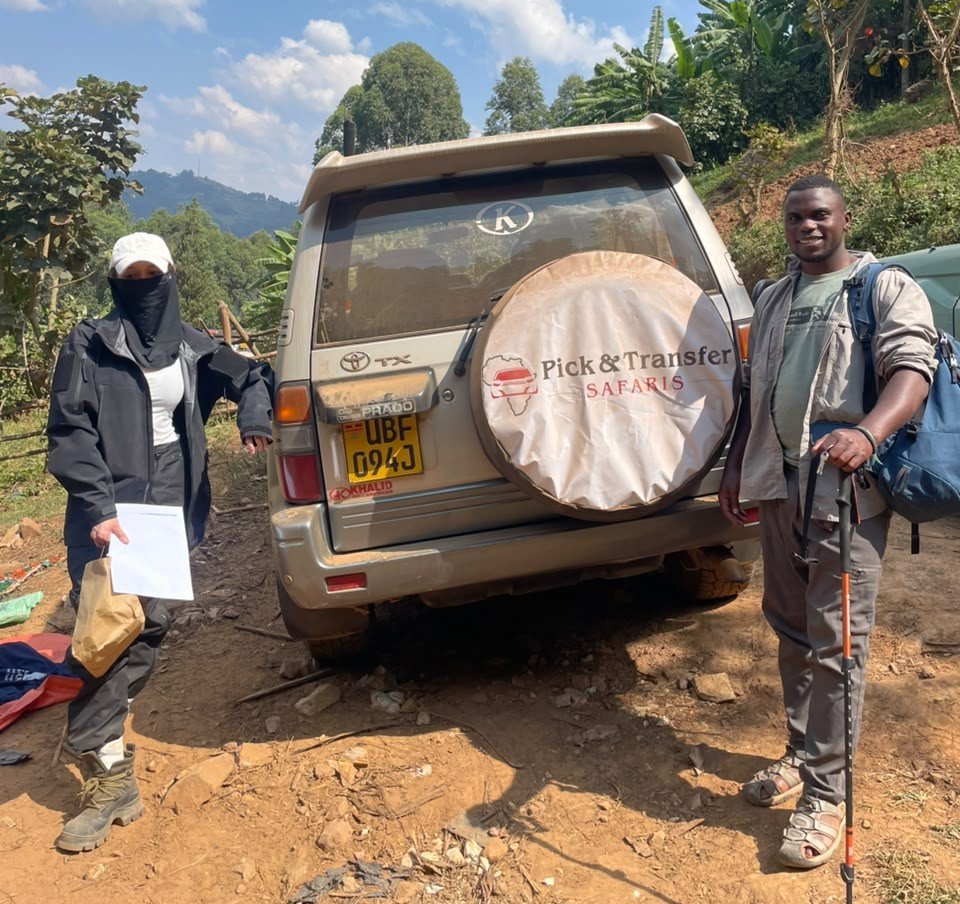
7 Days Uganda Safari – One week tour
This 7-day itinerary is the classic one-week introduction to Uganda, covering the country’s three most iconic wildlife experiences: chimpanzee tracking in Kibale Forest National Park, Big Five game drives and a boat cruise in Queen
Tour Details →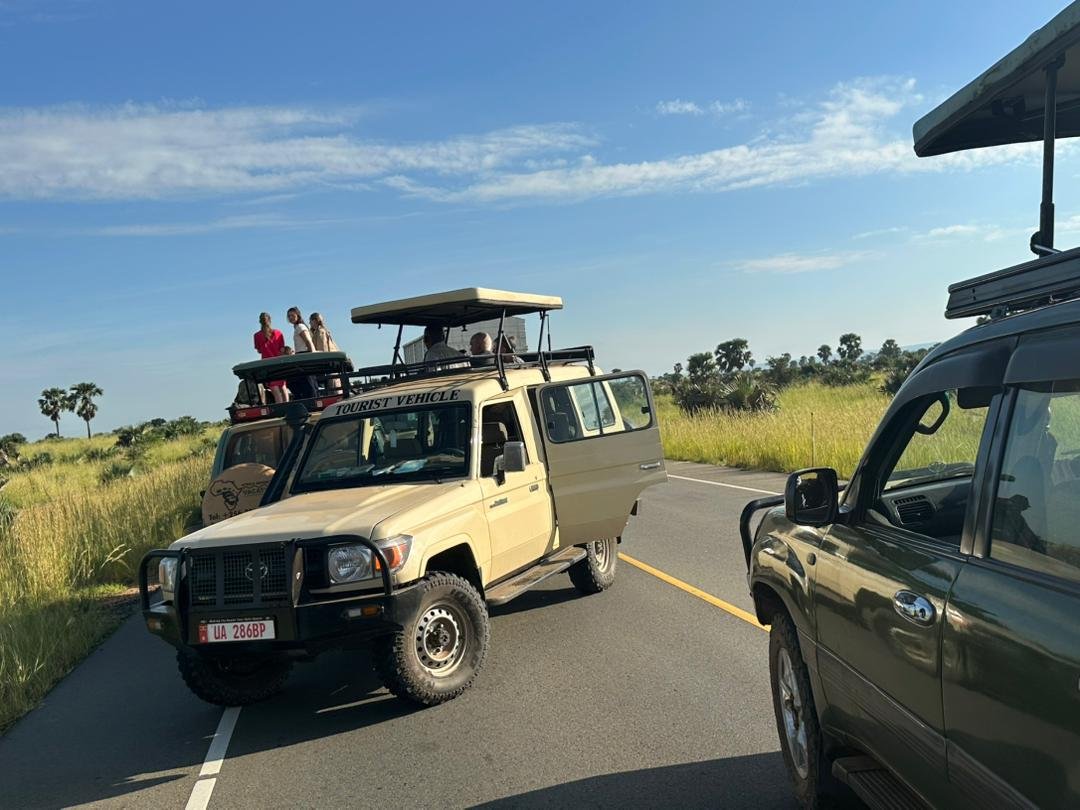
10 Days Uganda Primates and Wildlife
This 10-day Uganda Grand Safari is the most complete Uganda itinerary we offer at Pick and Transfer Safaris. It begins with a scenic northward drive from Entebbe to the vast open plains of Murchison
Tour Details →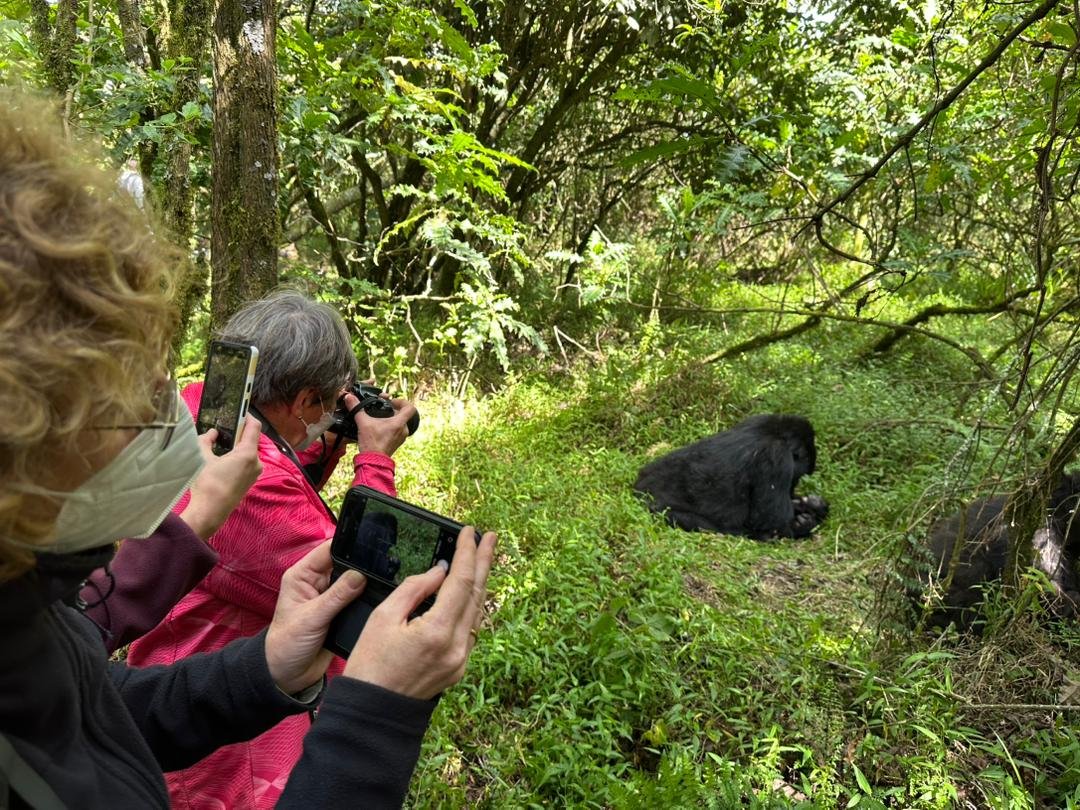
2 Days Uganda Gorilla Tour Starting from Kigali
This is the gentler cousin of our 1-Day Uganda Gorilla Safari Starting from Kigali — same idea, twice the breathing room. Instead of squeezing a 3,000-metre forest trek and two border crossings into a single very long day
Tour Details →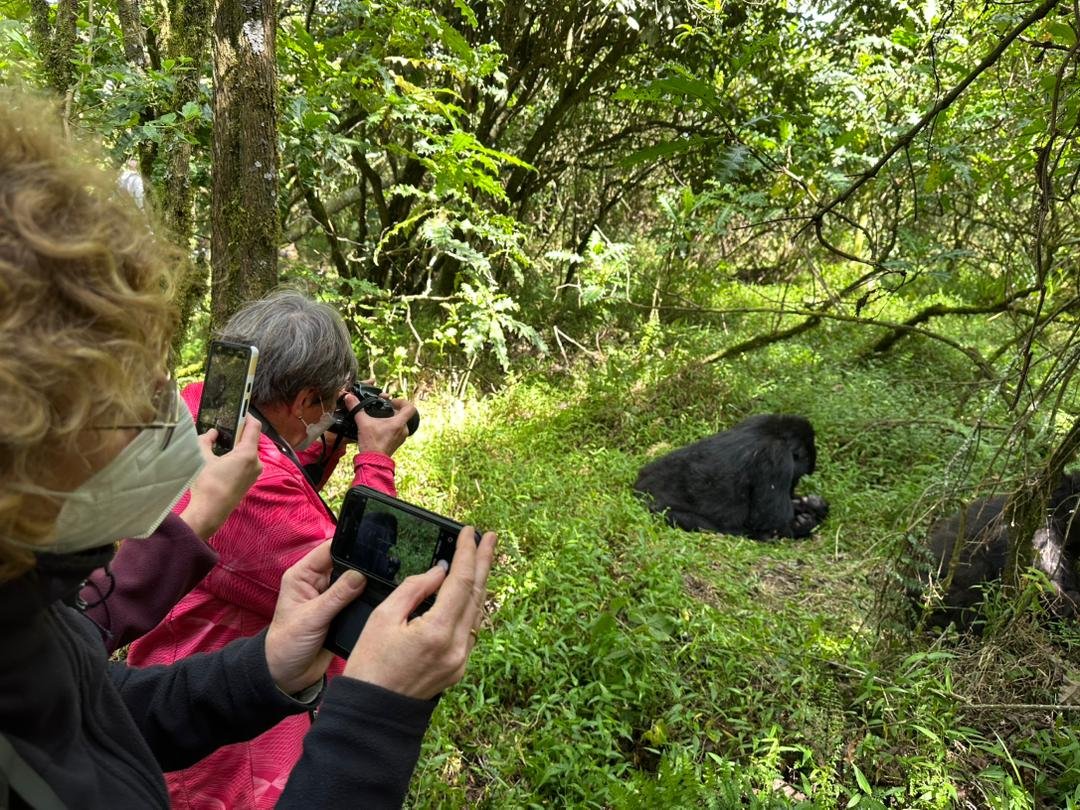
5-Day Uganda Gorilla and Chimpanzee Safari
This itinerary can be combined with a Rwanda extension or a wildlife-focused add-on through Queen Elizabeth National Park — browse our Uganda & Rwanda Safaris and Primate Safaris collections for ideas.
Tour Details →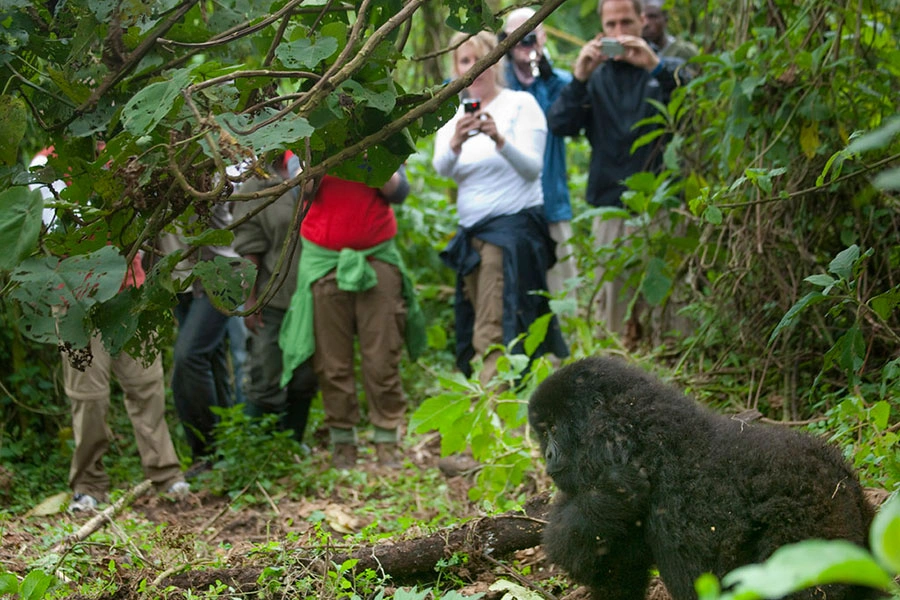
5 Days Rwanda Wildlife and Gorillas
This 5-day itinerary brings together Rwanda’s two flagship wildlife experiences: open savannah game drives and a boat safari in Akagera National Park, followed by a face-to-face encounters
Tour Details →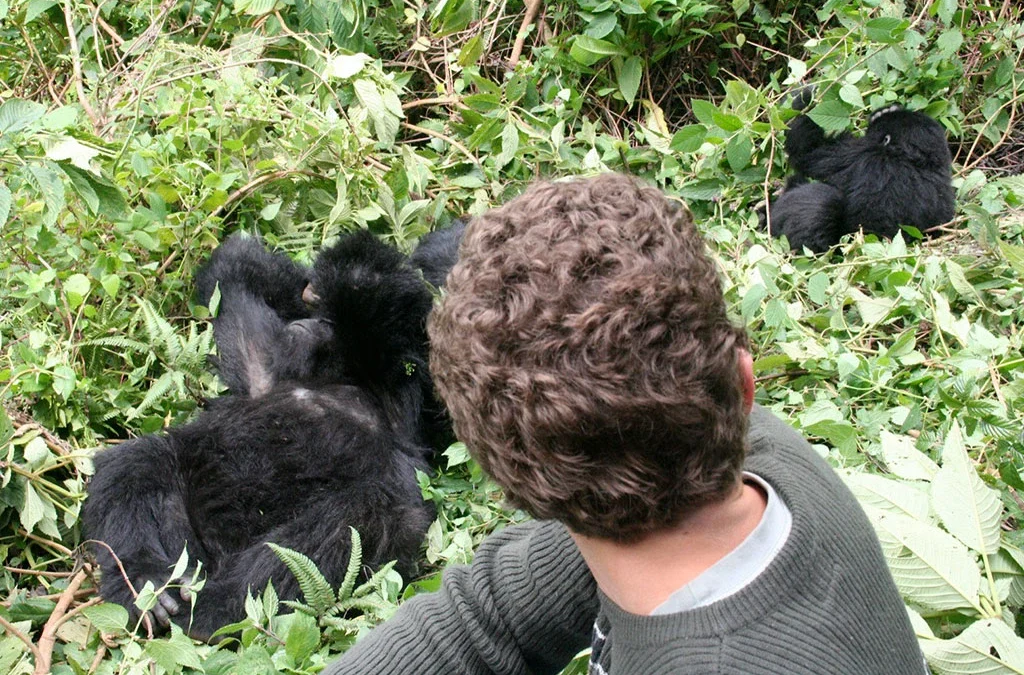
3 Days Uganda Gorilla Safari
For travelers who arrive in Entebbe with a tight schedule and a clear ambition, a 3-day gorilla safari to Bwindi Impenetrable Forest National Park is the most focused and rewarding short trip the country has to offer.
Tour Details →