- LET'S PLAN YOUR SAFARI
- +256 200 921 002
- +256 793 194 703
- info@pickandtransfersafaris.com

Why Book Gorilla Habituation Early?
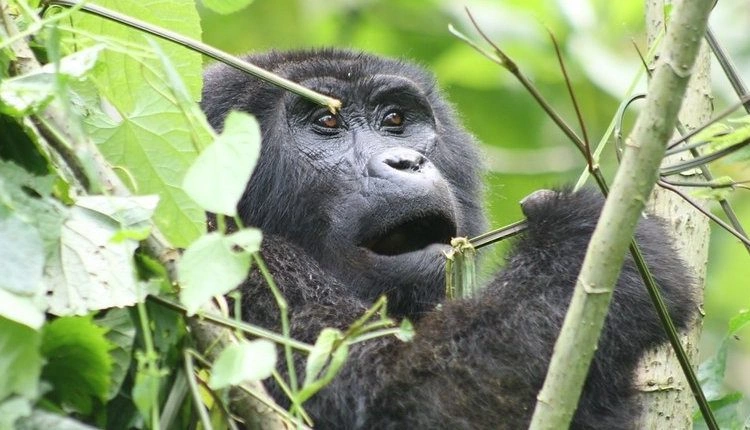
Why Book Gorilla Habituation Early? Of all the primate experiences available in East Africa, the Gorilla Habituation Experience in Rushaga is the hardest permit to secure on short notice. Between its tiny daily quota, its single-sector availability, and a booking system that has grown stricter through 2026, travelers who leave this permit until a few weeks before their trip frequently find their preferred dates already gone. At Pick and Transfer Safaris, permit timing is often the first thing we discuss with travelers planning this experience, and this guide explains exactly why early booking matters so much and what happens if you wait too long.
Only Eight Permits Exist Per Day
The core constraint behind this experience is scarcity by design. According to figures published by tour operators working directly with the Uganda Wildlife Authority, only two gorilla families in Bwindi’s Rushaga sector are currently undergoing habituation, and each is visited by a maximum of four people per day, meaning just eight Gorilla Habituation Experience permits exist across the entire park on any given date. Compare this to the roughly 160 standard trekking permits issued daily across Bwindi’s four sectors, and the scale of the difference becomes clear: this is one of the smallest-quota wildlife permits available anywhere in East Africa.
With a pool this small, even a handful of other travelers booking the same date can exhaust availability well before your intended travel window arrives, particularly since permits are shared globally among every tour operator, embassy application, and direct booking through the Uganda Wildlife Authority.
Peak Season Sells Out Months Ahead
Uganda’s gorilla trekking peak seasons, June through September and December through February, coincide with the dry months when trails are firmest and travel conditions are most comfortable. These are also, unsurprisingly, the months when demand for any gorilla-related permit is highest. For standard trekking permits, operators generally recommend booking three to six months ahead during peak season. For the Gorilla Habituation Experience, with its far smaller daily quota, that window needs to be wider still, and many operators now advise booking as early as six months to a year in advance for peak season dates specifically.
Travelers hoping to combine the habituation experience with a broader circuit, arriving via Kigali, adding Mgahinga golden monkeys, or extending into Rwanda’s Volcanoes National Park, face an additional layer of complexity: every other piece of that itinerary, from flights to lodge bookings, ideally gets built around a confirmed habituation permit date rather than the other way around.
The Booking System No Longer Allows a “Soft Hold”
Until early 2026, tour operators could place a temporary hold on a gorilla permit for up to seven days without payment, giving travelers a short window to confirm their plans before committing financially. As of March 2026, that system has been discontinued. Permits, including Gorilla Habituation Experience permits, now require full payment at the time of booking to be confirmed. This removes the buffer that previously allowed travelers to tentatively reserve a date while finalizing flights or other logistics, which makes early, decisive booking considerably more important than it used to be. Waiting to “see if the dates work” before booking is no longer a safe strategy, since a permit can be booked and paid for by someone else in the interim.
Pricing Has Been Under Review
Beyond availability, cost is another reason to book sooner rather than later. The Uganda Wildlife Authority operates on a periodic tariff review cycle, and the Gorilla Habituation Experience permit price has been in flux through 2026, with the long-standing 1,500 US dollar rate reported by some sources as increasing to 1,800 US dollars, though the exact effective date varies depending on the source consulted. Because permits are non-refundable once purchased, locking in your date under the currently confirmed rate, and confirming that rate directly with your operator or the Uganda Wildlife Authority before payment, protects against booking uncertainty as well as availability risk.
What Happens If You Book Late
Booking a Gorilla Habituation Experience with only a few weeks’ notice is not impossible, permits do occasionally become available due to cancellations, particularly outside peak season, but it significantly narrows your options in several ways. You may be forced into dates that don’t align well with your flights or the rest of your itinerary. Lodge availability near Rushaga tightens considerably once dates are locked in only weeks out, often leaving only pricier or less conveniently located options. And because this experience only exists in Rushaga, a late booking removes any flexibility to adjust your route through Cyanika or your combination with other parks, since everything else in the trip has to bend around whatever date is still open.
For travelers specifically prioritizing this experience over a standard trek, booking late essentially means accepting whatever scraps of availability remain rather than designing the trip around your preferences.
How Early Booking Shapes the Rest of Your Trip
Because a Gorilla Habituation Experience day is genuinely demanding, up to four hours in the forest rather than one, most travelers build a dedicated 3-day itinerary around it: one day to travel from Kigali to Rushaga, one day for the experience itself, and one day to return. Booking the permit early means this entire structure, including your Cyanika border crossing timing, your Rushaga lodge, and any onward plans to Mgahinga Gorilla National Park for golden monkeys, can be built around a confirmed date from the outset rather than assembled reactively around whatever permit happens to be left.
This matters particularly for travelers combining the experience with other primate activities or a wider East Africa circuit, since flights, other park permits, and multi-country logistics all tend to have their own lead times that compound with the habituation permit’s own booking window.
A Practical Booking Timeline
For low season travel, roughly March to May and September to November, booking two to three months ahead is generally sufficient, since demand is lower and cancellations occasionally open up short-notice availability. For shoulder months just outside peak season, three to four months ahead is a safer target. For peak season, June through September and December through February, booking six months to a year in advance gives the strongest chance of securing your preferred date, particularly if you have a specific travel window dictated by flights or other commitments. Given how few permits exist daily, treating the habituation permit as the very first booking in your entire trip planning process, before flights, before lodges, before anything else, is the single most reliable way to avoid disappointment.
Confirming Availability Before You Commit to Anything Else
Because permits are booked by sector rather than by a specific gorilla family under current procedures, and payment is required immediately to confirm a booking, it’s worth having your preferred travel dates, and ideally a backup date or two, ready before reaching out to check availability. A licensed operator can check real-time availability with the Uganda Wildlife Authority and confirm whether your dates are realistic before you commit to flights or other non-refundable bookings elsewhere in your trip.
Visa Timelines Are Worth Factoring In Too
While not as time-sensitive as the permit itself, visa processing deserves a place in your early planning. The East African Tourist Visa and standard Uganda Tourist Visa are typically processed within two to three business days through Uganda’s official immigration portal, but applying at least a week or two ahead of travel, rather than at the last minute, avoids adding unnecessary stress to a trip that already depends on tight permit timing.
Planning Your Gorilla Habituation Experience Early with Pick and Transfer Safaris
Given how few permits exist and how quickly they move, particularly in peak season, the single best thing a traveler can do for this experience is start the booking process as early as possible, before any other part of the trip is finalized. If you would like help checking Gorilla Habituation Experience availability, securing your permit, or building the rest of your itinerary around a confirmed date, get in touch through our Contact Us page. We’ll check real-time availability, coordinate your permit with your Kigali transfer and Rushaga accommodation, and make sure nothing else in your trip gets booked ahead of the one piece that matters most.